
Review · SHANGHAI
Shanghai 3-Hour Afternoon Tea Tasting and Dessert Tour
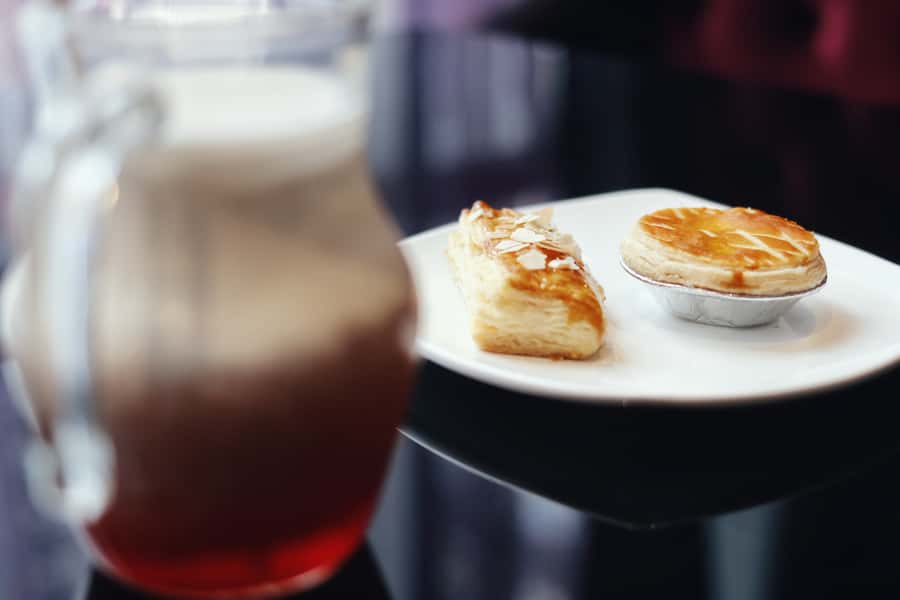
Shanghai has a sweet side that is easy to miss behind the city’s grand buildings and famous restaurants. This three-hour afternoon walk takes you to pastry shops, a traditional teahouse, and a Cantonese dessert restaurant along Huaihai Road. You taste mooncakes, several Chinese teas, and cold sweets such as mango puree, sago, papaya, purple sticky rice, and almond tofu.
I like two things here. First, the tea ceremony gives the tour a calm center, with green tea from Hangzhou and black tea from Fujian. Second, the guide can shape the stops around your interests. Jade and Jim have both led this experience, and past tours have included local yogurt, fruit, ice cream, bubble tea, coffee, candy, and pastries beyond the advertised tasting list.
The main consideration is the food mix. One traveler found the tasting repetitive, while another thought the ice cream could be skipped in favor of more local sweets. At $77 per person, this makes the tour best for curious eaters who value explanation, conversation, and access to small local businesses, not simply a large meal.
Key Points to Know Before You Book
- Mooncakes at two pastry shops: Learn why these round pastries are linked with family reunion and the Mid-Autumn Festival.
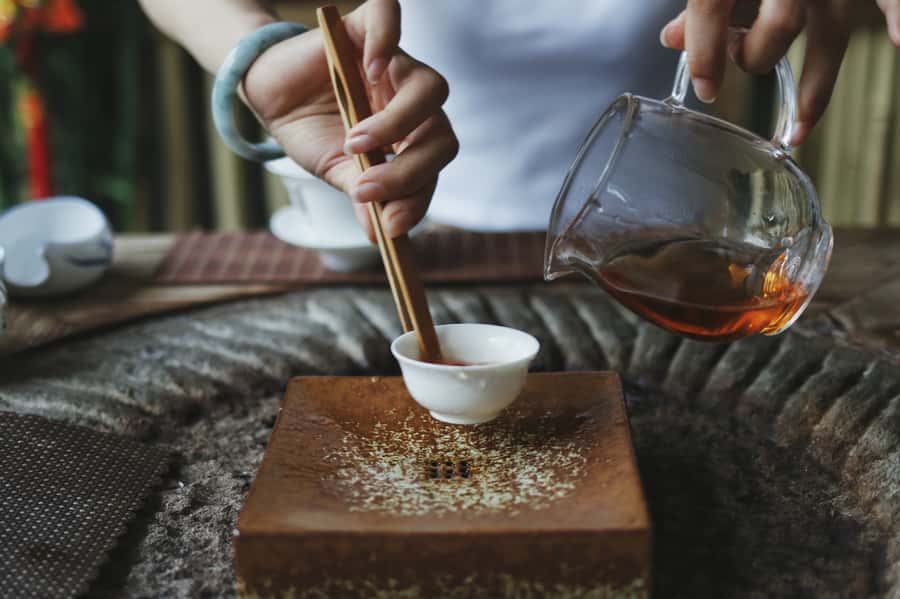
- A proper tea ceremony: Taste Hangzhou green tea and Fujian black tea in a traditional teahouse.
- Cold Cantonese sweets: Try milk pudding with purple sticky rice, papaya, sago, mango puree, and almond tofu.
- A walking tour through central Shanghai: The route follows Huaihai Road and nearby streets rather than relying on a bus.
- A guide-led food conversation: Jade and Jim have both received praise for adapting tastings to personal tastes and answering questions about local life.
- Simple meeting point: Meet at 2 PM outside South Huangpi Road Station on Metro Line 1, Exit 2.
Why This Food Walk Works in Shanghai
I like food tours that explain why a dish matters, not just where to buy it. This one connects sweets with Chinese customs, regional tea production, and changing tastes in modern Shanghai.
The timing also makes sense. You meet at 2 PM, after lunch but before dinner, when a few small tastings can feel like an afternoon treat rather than a full meal. The three-hour length gives the guide time to move at a relaxed pace and talk with you between stops.
The tour centers on Huaihai Road, one of the city’s well-known central shopping areas. You should expect a mix of traditional food shops and newer, trendier businesses. One past outing included popular chains as well as classic local stops, along with coffee, candy, fruit, and other sweets. The exact selection can vary, so you should think of the advertised foods as the core plan rather than a fixed menu.
That flexibility is one of the strongest features. If you prefer fruit to ice cream, or traditional pastries to fashionable drinks, tell your guide early. Jim was specifically praised for asking about preferences and changing the selection to suit the person he was guiding.
More Tea Tastings in China:
- Tea Tasting and Pairing Concept Workshop
★ 5.0 · 57 reviews - Biking Real Shanghai& Tea Tasting Experience
★ 4.5 · 45 reviews - Private Shanghai City and Zhujiajiao Combo Tour with Boating, Tea Tasting, Lunch
★ 5.0 · 15 reviews
Mooncakes and the Meaning Behind Them
The first major food stop takes you to two local pastry shops for mooncake tasting. These pastries are strongly tied to the Mid-Autumn Festival, when families traditionally gather and exchange gifts.
Their round shape carries a simple message: reunion. That small bit of cultural context turns a pastry sample into something more useful. You are not just trying a sweet filling. You are learning why mooncakes appear in shops every autumn and why they make popular gifts.
The information supplied for the tour does not specify the exact fillings or number of mooncakes. You may find several styles, but the precise selection depends on what the shops have available. If you have allergies or strong dislikes, mention them before tasting.
Two pastry shops also give the guide a chance to compare products. One shop may feel more traditional, while another may offer flavors aimed at current tastes. The value is in that contrast. You can ask what local people buy for family, what makes a mooncake expensive, and how festival foods fit into everyday life.
This stop will suit you if you enjoy small portions and food stories. It may feel less satisfying if you expect a full bakery meal or want to choose every item yourself.
The Tea Ceremony Is the Quiet Center
After the pastry shops, you visit a nearby teahouse for a traditional Chinese tea ceremony. For many people, this is the most memorable part of the afternoon.
The tasting includes green tea from Hangzhou and black tea from Fujian. Those regional references matter. Chinese tea is not one single flavor or tradition, and the ceremony gives you a way to notice differences in color, scent, strength, and finish.
The guide helps put the ritual into context. You can expect time to taste the tea and ask questions rather than a rushed cup handed over at a counter. Several past outings included five kinds of traditional Chinese tea, although the advertised experience specifically promises Hangzhou green tea and Fujian black tea. Treat the larger number as a possible addition, not a guarantee.
I especially like this portion for first-time visitors to China. Tea can seem ordinary when bought as a drink, but the ceremony shows the care given to water, leaves, brewing, and serving. It also offers a slower pause after walking through central Shanghai.
The teahouse is described as a traditional place rather than a flashy attraction. That is good news if you want an everyday cultural experience. It also means you should not expect a grand performance or a museum-style presentation. The appeal is the setting, the tasting, and the conversation.
Past guides have made this stop personal. Jim was praised for creating an authentic tea tasting and adjusting the tour to individual interests. Jade was praised for being friendly and informative. Guides are not guaranteed by name, but the experience is offered in English, Chinese, and Korean.
Cantonese Desserts With Plenty of Texture
The final food stop takes you to a Cantonese dessert restaurant for a range of icy sweets. This is not the Western afternoon tea format of tiny sandwiches, scones, and cakes. It is closer to a tour of chilled puddings, fruit, puree, and chewy textures.
The advertised choices include:
- Milk pudding with purple sticky rice
- Papaya and sago
- Mango puree
- Almond tofu
These combinations may be unfamiliar, which is part of the point. Purple sticky rice adds chew and a grain-like texture to creamy pudding. Sago gives desserts small, soft pearls. Mango puree brings fruit sweetness and a smooth finish. Almond tofu is a delicate jelly-style dessert with a mild almond taste.
I like that the final stop moves beyond mooncakes and tea. It shows another side of Chinese food culture, one built around cool desserts and contrasting textures. This can be especially appealing on a warm Shanghai afternoon.
The dessert stop also has the greatest chance of dividing tastes. One person may love the fruit and pudding, while another may prefer traditional pastry. A past tour included ice cream, but it was considered the least essential part of the outing. If you do not care for ice cream, ask for more local specialties instead.
The food selection may also change. One tour included watermelon dessert, matcha ice cream, mango dessert, biscuits, yogurt, and fresh fruit from a grocer. Another included bubble tea and local candy, although a busy bubble tea shop made that stop impractical. This tells you something useful: the guide works with what is available and may substitute items rather than force a fixed checklist.
More Afternoon Tea Experiences in China:
- Afternoon Tea and Dessert Tour on the Huaihai Road in Shanghai
★ 5.0 · 19 reviews - 3-hour Morning/Afternoon Tea Tasting on Maliandao Street & Dimsum
★ 5.0 · 7 reviews - Classic Afternoon Tea Voyage in Hong Kong for 4 Pax
★ 4.0 · 4 reviews - London: Afternoon Tea Cruise on the River Thames
★ 4.4 · 3,274 reviews
Walking Through Central Shanghai Between Bites
The food is the headline, but the walking route adds much of the tour’s character. You move through the Huaihai Road area and nearby streets, with the guide connecting shops to local life.
Past outings included old concession neighborhoods, a park, a small museum, and a site linked with the early history of the Communist Party. These additions are not listed as guaranteed stops, so do not book the tour expecting a history walk. Still, they show how the afternoon may expand beyond food when the route and timing allow.
That is useful for a short stay in Shanghai. You get a neighborhood orientation while tasting things you may not find easily on your own. The guide can also explain how residents shop, what kinds of sweets are popular now, and how traditional foods sit beside modern chains.
You should be ready to walk for three hours. The route is not described as difficult, but comfortable shoes make sense. There is no hotel pickup or drop-off, so you must reach the meeting point yourself and make your own way back afterward.
The starting point is convenient: South Huangpi Road Station on Metro Line 1, Exit 2. Arrive with enough time to find the exit and locate the guide at 2 PM. The tour includes a separate entrance to help skip a line where relevant, but this is primarily a walking food experience, not a ticketed attraction.
A Guide Makes the Difference
Food tours depend heavily on the person leading them. Here, the strongest praise goes to the guides’ conversation and flexibility.
Jade has been described as warm and welcoming, with an ability to make the afternoon feel like a friendly introduction to Shanghai. Jim has been praised for answering questions about local people, daily life, history, food, and practical matters such as using Alipay. That kind of help can be valuable early in a China trip, especially if language or payment systems feel unfamiliar.
The guide is also useful when a shop is crowded or a food is not to your taste. Instead of treating the menu as fixed, the guide may suggest another local candy, fruit, pastry, or drink. You should tell the guide what you enjoy, what you avoid, and how adventurous you want to be.
The tour is offered in English, Chinese, and Korean. The booking information does not state the group size, so you should not assume a private tour or a tiny party. If group size matters to you, confirm it before booking.
The reviews also show that this works for families. One parent took a 14-year-old and appreciated the mix of food, walking, conversation, and cultural stops. The variety can hold a teenager’s attention better than a formal museum visit, though very young children may find three hours of walking and tasting tiring.
Is $77 a Fair Price?
At $77 per person, this is not the cheapest way to buy desserts in Shanghai. You could spend less by visiting a pastry shop, ordering a tea, and choosing a dessert on your own.
The price becomes easier to justify when you count what the guide adds. You get three hours of organized walking, a selection of tastings, a tea ceremony, cultural explanation, and help choosing unfamiliar foods. The guide also saves you from guessing which shops are worth entering or how to order.
For me, the value depends on your travel style. If you want a meal with generous portions, $77 will feel high. The tour is made of samples, not lunch or dinner. If you want food plus local context, and you enjoy asking questions as you walk, the price is more reasonable.
You also get flexibility that a fixed restaurant menu cannot offer. The guide may adapt the stops to your preferences and substitute foods when a shop is too busy or a particular item is not worthwhile. That can make the experience feel more personal, but it also means you should not expect an identical tasting every day.
Free cancellation is available up to 24 hours before the start for a full refund. You can also reserve now and pay later, which helps if your Shanghai schedule is still changing.
Who Should Book This Afternoon?
I would recommend this tour to you if you enjoy:
- Trying unfamiliar desserts in small portions
- Learning the cultural meaning behind food
- Walking through a central Shanghai neighborhood
- Tea and traditional Chinese customs
- Conversation with a local guide
- Flexible tastings rather than a rigid menu
- A relaxed afternoon activity after a morning of sightseeing
It is also a good choice for a first visit, especially if you want help with local food and everyday customs. The guide can bridge the gap between a standard sightseeing route and the small shops you might otherwise pass without entering.
You may want to skip it if you dislike sweet foods, cannot walk for three hours, or want a carefully fixed list of dishes. The repetitive-food complaint is worth taking seriously. The tour has many tastings, but not every item will appeal equally to every person.
I would also choose another activity if your main goal is a formal Chinese tea education. The tea ceremony is a strong part of the afternoon, but the tour remains a food walk, not a specialist tea course.
My Verdict on the Mooncakes, Tea, and Desserts
I like this experience because it gives you several ways to meet Shanghai: through festival pastry, regional tea, Cantonese sweets, central streets, and conversation with a local guide.
Its best feature is not any single dessert. It is the connection between the stops. Mooncakes explain family reunion. Tea slows the pace and introduces regional differences. Cantonese desserts show how Chinese sweet foods use fruit, beans, grains, jelly, and chilled textures. The walk ties these tastes to daily life in the city.
Book it if you want a social, food-focused afternoon and are happy to let the guide adjust the details. Go in expecting samples rather than a full meal, and tell the guide your preferences at the start. With that approach, $77 can buy a useful introduction to Shanghai’s sweet traditions and a few places you may not have found alone.
FAQ
Where does the Shanghai afternoon tea tour meet?
Meet at South Huangpi Road Metro Station on Line 1, Exit 2.
What time does the tour start?
The tour begins at 2 PM and lasts three hours.
Which foods are included?
The experience includes mooncake tastings at two pastry shops, an afternoon tea and tea ceremony, and Cantonese desserts. Desserts may include milk pudding with purple sticky rice, papaya, sago, mango puree, and almond tofu.
Which teas will I taste?
The advertised tea tasting includes green tea from Hangzhou and black tea from Fujian.
Is hotel pickup included?
No. Hotel pickup and drop-off are not included, so you need to reach the meeting point and arrange your return independently.
Which languages are available?
The live guide service is available in English, Chinese, and Korean.
More Food and Drink Tours in China
- Unlock Chinese Tea: Culture, Science, Tasting & Hands-on Brewing
★ 5.0 · 12 reviews - Tea Tasting & Brewing Experience
★ 5.0 · 10 reviews - Puer Tea Picking and Tasting | 6 Hour Morning Trip
★ 5.0 · 7 reviews - Xi’an Noodle Making and Tea Tasting Experience
★ 5.0 · 6 reviews
More Dessert Stops in China
- Matcha Making Class in Tokyo with Authentic Japanese Sweets Set
★ 5.0 · 744 reviews - Matcha Making Class in Osaka with Authentic Japanese Sweets Set
★ 5.0 · 509 reviews - Tokyo: Matcha Making Experience with Mochi Sweets in Asakusa
★ 4.9 · 388 reviews - Kyoto: Japanese Traditional Sweets Making and Tea Ceremony
★ 4.4 · 314 reviews
Just added around China
- Xi’an Chinese Calligraphy Workshop: Ink Art & Tea Tasting★ 5.0 · 4 reviews
- Xi’an Noodle Making and Tea Tasting Experience★ 5.0 · 6 reviews
- Half-day Tour: Largest Tea Plantation & Amazing Xianggong Hill★ 5.0 · 9 reviews
- Xi’an Calligraphy & Tea Ceremony – Dive into Ink & Brush Artistry★ 5.0 · 4 reviews
- Full-day Tour: Spectacular Sunrise, Tea Plantation & Sunset★ 5.0 · 3 reviews
- 3 hours Xi’an Mahjong Class with Local Tea★ 5.0 · 2 reviews
- Shanghai Mahjong Experience in Local Tea Bar★ 5.0 · 4 reviews
- Unlock Chinese Tea: Culture, Science, Tasting & Hands-on Brewing★ 5.0 · 12 reviews
Tea Tastings, compared.
Private Tea Ceremony and Sake Tasting in Kyoto Samurai House
Read our review →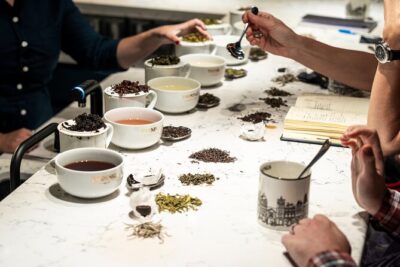
Twinings 2-Hour Tea Tasting Masterclass in London
Read our review →
Wadmalaw Island Wine Tasting and Tea Garden Trip
Read our review →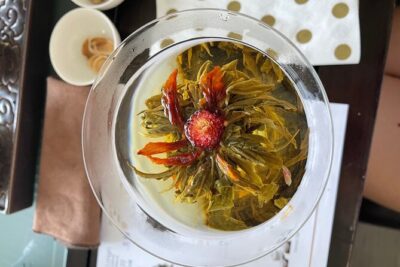
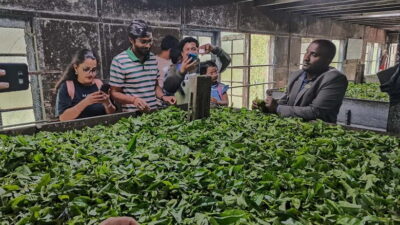
Matcha Experience with of Japanese Tea Tasting in Tokyo
Read our review →
World Teas & Turkish Tea Brewing, Tasting Workshop
Read our review →Browse the lists this tour appears in