
Review · KYOTO
Sushi or Traditional Japanese Cuisine in a Kyoto Home with Emika
Kyoto’s best food memories often happen away from restaurant counters. In Emika’s home, you sit at the family dining table for a private meal of seasonal Obanzai cooking, sushi, miso soup, rice, sweets, and matcha tea. The vegetables may come from her own garden, and her father may prepare the tea in the traditional style.
I like the personal scale of this experience and the chance to talk with a Kyoto resident about food and daily life. I also like that you get more than a meal: Emika may show you how sushi and miso soup are made, while the matcha service gives the visit a small tea ceremony. The main consideration is the price, $79 per person for about 90 minutes, which is fair for a private home visit but more than a simple lunch.
Key points to know before booking
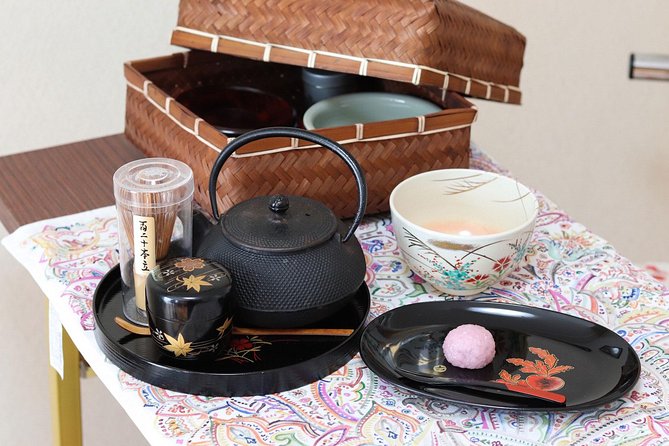
- Emika’s Kyoto home: You share a private meal in a local residence rather than eating in a restaurant.
- Seasonal Obanzai menu: Expect home cooking based on local vegetables and seafood, with dishes changing by season.
- Traditional matcha: Emika or her father prepares matcha, and her father is described as a tea ceremony master.
- Lunch or dinner choice: The 90-minute visit fits neatly into a Kyoto sightseeing day.
- Private group setting: Only your party participates, so the pace and conversation feel personal.
- Simple meeting plan: You meet at 31-30 Katsurainariyamachō in Kyoto’s Nishikyo Ward, with no hotel pickup.
Why a Kyoto home meal feels different
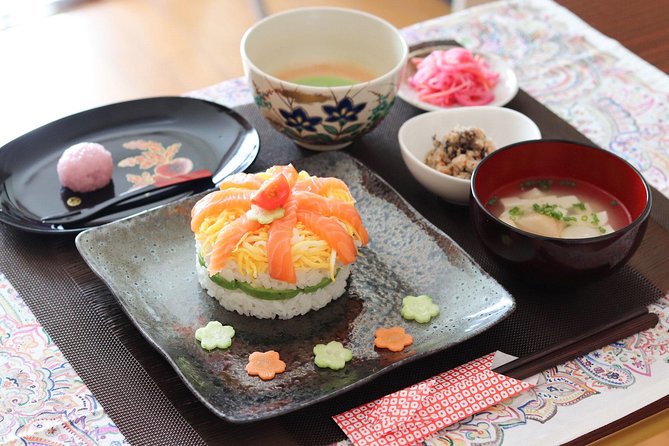
A restaurant can introduce you to Japanese flavors. A home meal adds the setting, family customs, and ordinary details that make those flavors easier to understand.
Here, you meet Emika at her home and sit together around a dining table. That matters because Obanzai is home-style Kyoto cooking, built around seasonal vegetables, seafood, rice, soup, and small side dishes. It is not one fixed recipe or a single famous plate. The meal can change with the time of year and what is locally available.
That changing menu is part of the appeal. You are not booking a set sushi platter that will look the same every day. You might find a selection of traditional side dishes, fresh vegetables, miso soup, rice, and sushi prepared in a simple home kitchen. Sweets served with matcha complete the meal.
The tone is conversational. You can talk with Emika about Kyoto, food, drinks, and her lifestyle. One especially appealing detail is that some of the produce may come from her own garden. That gives the meal a direct connection to the ingredients on the table.
Other tea experiences people book around Kyoto:
- Kyoto: Tea Ceremony in a Traditional Tea House in Kiyomizu
★ 4.9 · 3,519 reviews - Kyoto: Tea Ceremony Ju-An at Jotokuji Temple
★ 4.9 · 3,207 reviews - Kyoto: 45-Minute Tea Ceremony Lesson Experience
★ 4.3 · 2,378 reviews
Meeting Emika at her Nishikyo home
The meeting point is 31-30 Katsurainariyamachō, in Kyoto’s Nishikyo Ward. The experience is near public transportation, but hotel pickup and drop-off are not included, so you need to make your own way there.
This is not a quick stop beside a major sightseeing sight. The address is part of the practical side of the booking, and I recommend allowing enough time to reach it without rushing. You receive confirmation when you book, so check the meeting instructions carefully and keep the address available on your phone.
Once you arrive, the experience takes place in the home itself. That home setting is central to the value. You are not watching a staged performance in a large class. You are sharing a meal with one host and your own group, which allows conversation to develop at a natural pace.
The activity lasts about one hour and 30 minutes. That is long enough for food, tea, and conversation, but short enough to fit before or after another Kyoto plan. Lunch or dinner timing gives you useful flexibility, especially if you are arranging a full day around temples, gardens, or shopping.
Matcha with Emika or her father
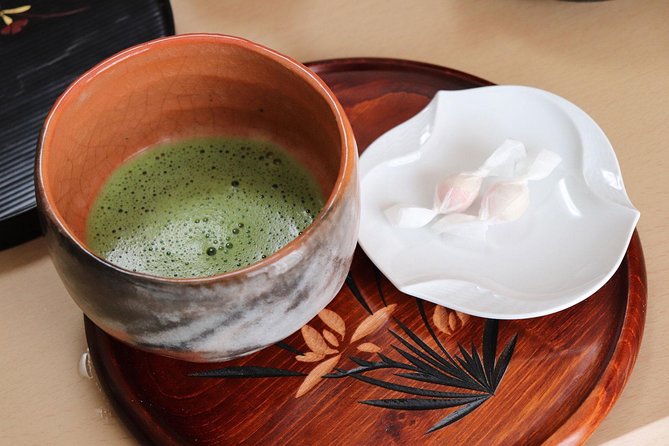
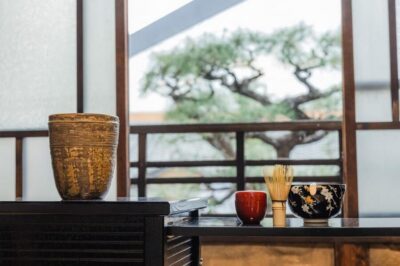
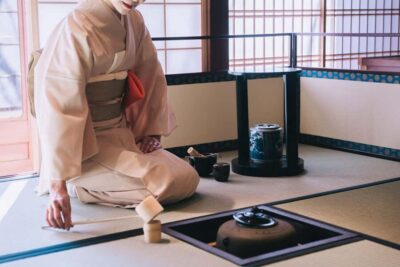
The tea portion may come at the beginning or end of the visit. Emika or her father prepares a cup of matcha in the traditional style, followed by a sweet that pairs well with the tea.
This is more than a quick green tea served with dessert. The preparation offers a look at the care and calm built into traditional Japanese tea service. One particularly appealing detail is that Emika’s father is a master of the tea ceremony. If he serves the matcha, you may receive a more formal introduction to the practice.
You should keep your expectations measured. The experience includes a cup of traditionally prepared matcha and a small tea ceremony, but it is not described as a full-length tea-school lesson. Its strength is the way it connects the tea to a family home and a shared meal.
For first-time visitors, this can be a friendly way to encounter tea culture without committing to a longer formal ceremony. You get the ritual, the taste, and a chance to ask questions, all within a compact visit.
The Obanzai meal at the family table
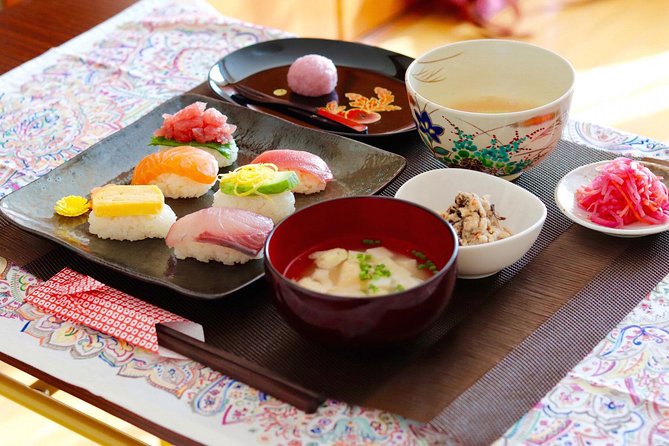
The meal is the heart of the experience. Obanzai is associated with Kyoto home cooking and uses seasonal vegetables, seafood, and other locally sourced ingredients. You might be served miso soup, rice, sushi, several side dishes, and a sweet for matcha.
The menu varies by season, so you should not book this expecting a guaranteed list of exact dishes. That is a benefit if you enjoy food at its freshest, but it can be a drawback if you need a very specific menu. The booking information asks you to give dietary requirements in the Special Requirements box, so do that when reserving rather than waiting until arrival.
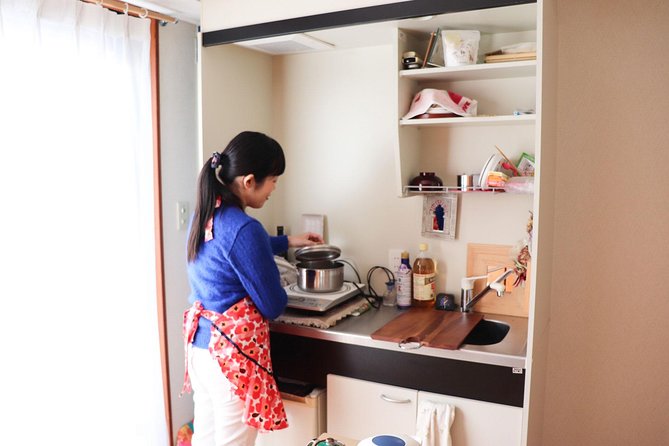
The cooking itself may also be part of the visit. Emika has shown how to prepare sushi and miso soup, and some of the food may be cooked traditionally in front of you. This adds useful context to the meal. You see how familiar ingredients become part of a Kyoto-style table rather than simply receiving finished plates.
You might notice a contrast between the small individual dishes and the larger variety of flavors. Obanzai is not about one dramatic centerpiece. It is about balance, seasonality, and several modest dishes served together. If you like trying many tastes in one meal, this format should suit you well.
The food has also received strong praise for freshness and careful preparation. The most personal touch is the possibility of vegetables from Emika’s own garden. That does not mean every ingredient comes from her garden, but it does give the meal a clear home-cooked quality.
Same place, a different pot:
- Kyoto: Table-Style Tea Ceremony at a Kyo-Machiya
★ 4.9 · 1,211 reviews - Kimono Tea Ceremony at Kyoto Maikoya, NISHIKI
★ 5.0 · 911 reviews - Arashiyama Bamboo, Temple, Monkeys, or Secret Sake Brewery
★ 4.8 · 886 reviews - Kyoto: Arashiyama Bamboo Forest, Monkeys, Matcha & Temple Tour
★ 5.0 · 759 reviews
Conversation, cooking, and local life
The meal gives you a reason to talk, not just eat. Emika shares her experiences and lifestyle as someone from Japan, and you can ask about the food, Kyoto, drinks, and family traditions.
This is a good choice if you enjoy personal exchange more than a formal lecture. Emika has been described as quiet, sweet, witty, polite, and warm. Those details suggest a gentle hosting style rather than a loud or highly scripted presentation.
That quieter pace may suit you if you want an easy conversation over lunch. It may feel less suitable if you are looking for a fast-moving cooking class packed with demonstrations. The experience focuses on a shared meal, with cooking and tea woven into the visit.
Because the booking is private, only your group participates. That makes it easier to ask questions and discuss dietary needs. It also means the energy of the visit depends on your own group. A couple or small family may find the home setting especially comfortable, while a large group should confirm that the booking can accommodate everyone.
What the 90-minute itinerary feels like
The visit begins at Emika’s home in Nishikyo Ward. Depending on the timing, the first or final part may be the matcha preparation by Emika or her father.
You then sit around the dining table for the Obanzai meal. The food can include sushi, miso soup, rice, seasonal side dishes, and sweets. The menu changes with the season, so the meal offers a taste of what is available rather than a rigid menu repeated year-round.
Conversation runs through the meal. You can discuss how the food is prepared, where ingredients come from, and what daily life in Kyoto is like. If Emika demonstrates sushi or miso soup, you get a practical look at traditional preparation rather than only a description.
The visit ends back at the meeting point. Since there is no hotel transportation, you are free to continue with your own plans once the meal is over. The short duration makes this easy to combine with another activity, though you should not schedule the next appointment too tightly in case the conversation runs a little long.
Is $79 a good value?
At $79 per person, this is not a budget meal. You are paying for more than food: a private home setting, a hosted cultural exchange, traditional tea, local alcohol, and the time spent preparing and serving the meal.
The value is strongest if you want personal contact with a Kyoto resident. A restaurant can provide sushi and miso soup for less, but it will not normally include a visit to a local home, conversation with the cook, a look at Obanzai customs, and matcha prepared in a family setting.
The value is also better for people who enjoy a slower meal. You are paying for the setting and attention as much as the ingredients. If your main goal is simply to eat as much sushi as possible, a restaurant will likely serve you better. If you want food connected to a person, a home, and local custom, the price makes more sense.
Local alcohol is included, which adds a little extra value for adults who want to try a drink with the meal. The experience does not list a separate beverage package, so you should think of the alcohol as part of the hosted meal rather than the main attraction.
Who will enjoy this Kyoto experience most?
I would recommend this to anyone who wants a personal introduction to Japanese home food. It is especially well suited to couples, families, and small private groups who like talking with local people.
Food lovers will appreciate the seasonal Obanzai dishes and the chance to see traditional preparation. Tea enthusiasts will enjoy the matcha service, particularly if Emika’s father leads it. Visitors who have already eaten sushi in restaurants may find the home cooking gives them a different view of Japanese cuisine.
It also suits people with a tight schedule. At about 90 minutes, it does not take over half a day, and lunch or dinner timing gives you room to arrange other plans.
You may want to choose another activity if you need a full cooking workshop, a guaranteed sushi-only menu, or hotel transportation. The meal may include sushi, but the larger focus is traditional Kyoto home cooking. The menu changes with the season, and the meeting point is outside your hotel.
Service animals are allowed, and the experience is near public transportation. If you have dietary requirements, state them at booking. Free cancellation is available if you cancel at least 24 hours before the start time. Cancellations or changes made later are not refunded or accepted.
The small details that make the visit memorable
Several features give this experience its character. The food may include vegetables from Emika’s own garden, which brings a direct connection between the host and the meal.
The tea service adds a quiet cultural moment before or after the food. Having Emika’s father prepare the matcha, with his background as a tea ceremony master, may be a special highlight for anyone curious about Japanese tea customs.
The hosting style is another strength. Emika is described as gentle, witty, and gracious. You should expect a warm but possibly understated welcome rather than a theatrical show.
The private format keeps the meal focused. You are not sharing the table with a large tour group, and the conversation can center on your questions and interests. That makes the experience feel closer to being invited into a home than attending a standard food tour.
Should you book this meal with Emika?
Book it if you want to connect Kyoto food with a real household. The seasonal Obanzai dishes, home-grown produce, matcha service, and conversation with Emika give you a fuller picture than a restaurant meal alone.
I would especially choose it for a first visit to Kyoto, a special lunch or dinner, or a trip built around food and local culture. The $79 price is reasonable for a private meal and tea experience, though not the best choice if you only want an inexpensive plate of sushi.
Before booking, confirm that you can reach the Nishikyo meeting point, share any dietary needs, and keep your schedule flexible enough for a relaxed meal. If those details work for you, this is a thoughtful, personal way to spend 90 minutes in Kyoto.
FAQ
Where does the experience take place?
It takes place in Emika’s home at 31-30 Katsurainariyamachō, Nishikyo Ward, Kyoto, 615-8025, Japan.
How long does the experience last?
The experience lasts approximately one hour and 30 minutes.
Is this a private activity?
Yes. Only your group participates in the activity.
Can I choose lunch or dinner?
Yes. The experience offers a choice of lunch or dinner time.
What food might be served?
The meal may include sushi, miso soup, rice, traditional Obanzai dishes, seasonal vegetables and seafood, and a sweet served with matcha.
Does the menu stay the same throughout the year?
No. The menu may vary depending on the season.
Who prepares the matcha?
Emika or her father prepares the matcha in the traditional style. Her father is described as a master of the tea ceremony.
Is alcohol included?
Yes. Local alcohol is included.
Is hotel pickup available?
No. Hotel pickup and drop-off are not included. You meet at the stated home address, which is near public transportation.
Can I cancel for a full refund?
Yes, if you cancel at least 24 hours before the experience start time. Cancellations made less than 24 hours in advance are not refunded.
Just added around Kyoto
- Whisk Your Own Matcha: A Zen Matcha Experience at Temple★ 3.6 · 7 reviews
- Uji Walking Tour – Byodo-in temple and Tea Ceremony from Kyoto★ 3.5 · 3 reviews
- Traditional Tea Ceremony in Kyoto★ 4.5 · 3 reviews
- Kyoto: Authentic Tea Ceremony in a Small Group★ 5.0 · 7 reviews
- Tea ceremony at Kyoto’s Zen Temple Teahouse★ 5.0 · 2 reviews
- Tea Ceremony in 150 Years Old Townhouse with Tables and Chairs★ 5.0 · 22 reviews
- Tea Ceremony Experience in Traditional Kyoto Townhouse★ 5.0 · 19 reviews
- Silent Beauty of Kyoto Zen Walk and Tea Experience★ 5.0 · 2 reviews
Kyoto Tea Experiences, compared.
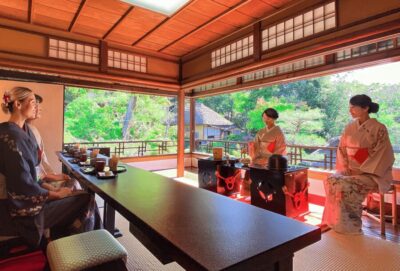
Tea Ceremony in a Traditional Tea House in Kiyomizu
Read our review →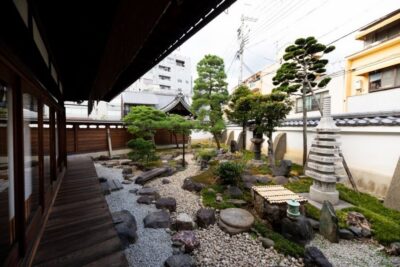
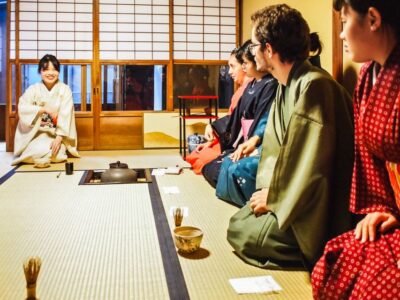
Tea Ceremony in 100-year-old Kyo-Machiya Townhouse
Read our review →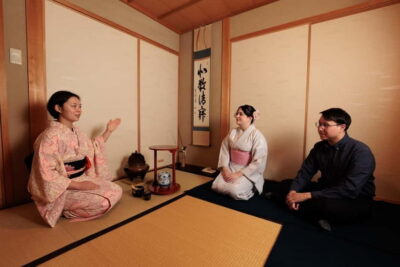
Browse the lists this tour appears in