
Review · KYOTO
Silent Beauty of Kyoto Zen Walk and Tea Experience
Kyoto reveals itself best on foot, and this early walk leads you through four of Higashiyama’s most atmospheric sights before ending with a quiet tea ceremony. You move from lantern-lit Yasaka Shrine to a Zen garden, an unusual temple tied to the afterlife, and the five-story Yasaka Pagoda.
I like the small maximum group of eight, which gives a local guide room to answer questions rather than deliver a speech to a crowd. I also like the balance between famous places and less familiar stories, especially the legends at Rokudo Chinno-ji and the one-hour tea lesson at Camellia Flower. The main consideration is the early 7:30 am start and the moderate walking required on Kyoto’s stone streets.
Key points at a glance
- Four very different Higashiyama sights: Yasaka Shrine, Kodaiji Temple, Rokudo Chinno-ji, and Hōkan-ji Temple.
- A one-hour tea ceremony: Finish at Camellia Flower with instruction from a tea master.
- A local English-speaking guide: Yoshino Taira, also referred to as Taira Yoshino, has been praised for clear English and strong explanations of Japanese culture.
- A small group format: The tour accepts no more than eight people.
- A useful morning schedule: Start at 7:30 am and finish after about three hours.
- A walking-focused route: You see historic Higashiyama streets at ground level instead of from a bus window.
Why this Kyoto morning works
This is not a tour built around rushing from one major attraction to the next. It uses a compact part of eastern Kyoto to show how shrines, temples, legends, streets, and tea fit together.
That matters because Higashiyama can seem like a string of pretty photographs if you explore it without context. Yasaka Shrine has its lanterns and vermilion gates. Kodaiji has its gardens. Yasaka Pagoda rises above the rooftops. A guide helps connect those sights to Japanese customs and beliefs.
I especially like the route’s change of mood. You begin at a major shrine linked with Gion and Kyoto’s traditional culture. You then move into the calmer setting of a Zen temple, pause at a small site associated with the boundary between life and death, and finish with the controlled movements of tea preparation.
The experience costs $78.57 per person. That is not the cheapest way to walk Higashiyama, but the price includes admission to the four listed stops, a local English-speaking guide, and a full hour of tea instruction. For someone who wants cultural explanation rather than a simple self-guided stroll, the package offers a reasonable amount in three hours.
The trade-off is pace. Thirty minutes at each of the first four sites gives you an introduction, not a full visit. You will need to accept that this is a highlights walk. If you want long garden time, extensive photography, or quiet solo reflection at every temple, a self-guided day may suit you better.
More Walking Tours in Kyoto:
- Kyoto Tea Ceremony & Kiyomizu-dera Temple Walking Tour
★ 5.0 · 115 reviews - The Way of Tea: Kyoto Crafts, Hidden Temples & Wabi-Sabi Walk
★ 5.0 · 41 reviews - Matcha Grinding Experience and Walking Tour in Uji Kyoto
★ 5.0 · 26 reviews
Meeting Kyoto at Yasaka Shrine
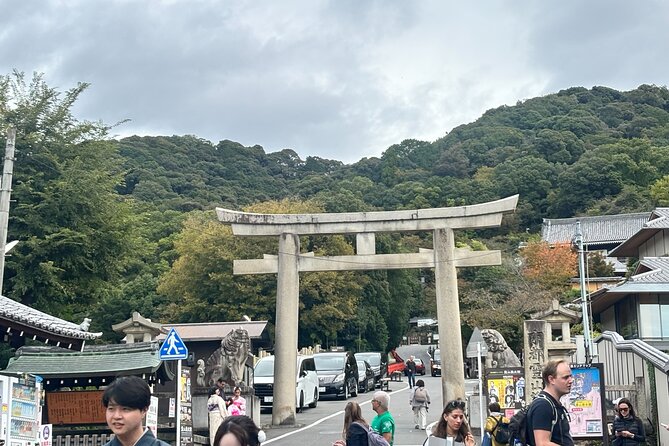
The morning begins at Yasaka Shrine at 7:30 am, at 625 Gionmachi Kitagawa in Higashiyama Ward. This is a useful starting point because Yasaka Shrine sits at the heart of Kyoto’s Gion district and connects naturally with the old streets ahead.
You can expect about 30 minutes here, with admission included. The shrine is known for its glowing lanterns, vermilion gates, and long connection to Kyoto’s traditional culture. Those details give the opening stop plenty of visual appeal, but the guide’s explanation is what makes the visit more useful than a quick photo stop.
Ask about the shrine’s role in local life and the meaning of the features you see. Yoshino Taira is specifically praised for explaining the importance of shrines and temples in Japanese culture, and that sort of background is valuable from the beginning.
The early start has two sides. It may be inconvenient if you are recovering from a long journey or prefer slow mornings. On the other hand, a 7:30 am meeting gives you an early look at Higashiyama before your day becomes crowded with other plans. The tour information does not promise a quiet or empty district, so do not book it solely on the hope of having the streets to yourself.
Kodaiji’s Zen garden in 30 minutes
From Yasaka Shrine, the route continues to Kodaiji Temple, built in 1606. This is one of the most elegant temple settings in the area, with raked gravel, ponds, maple trees, and cherry trees that change character with the seasons.
The visit lasts about 30 minutes, and admission is included. That is enough time to grasp the layout, hear why Zen gardens are designed as they are, and appreciate the contrast between ordered gravel, water, and plantings. It is not enough for a slow, detailed study of every corner.
I would treat this stop as an introduction to Zen aesthetics rather than a complete temple visit. The guide can point out details you might pass without noticing, while you still get a little time to take in the setting. If gardens are your main reason for visiting Kyoto, you may want to return to Kodaiji on your own later.
The seasonal note matters. Cherry and maple trees change the feel of the garden, but the tour does not guarantee a particular display. Book this for the temple’s design and cultural setting first, and consider seasonal color a possible bonus rather than the main reason to choose it.
Rokudo Chinno-ji and Kyoto’s afterlife stories
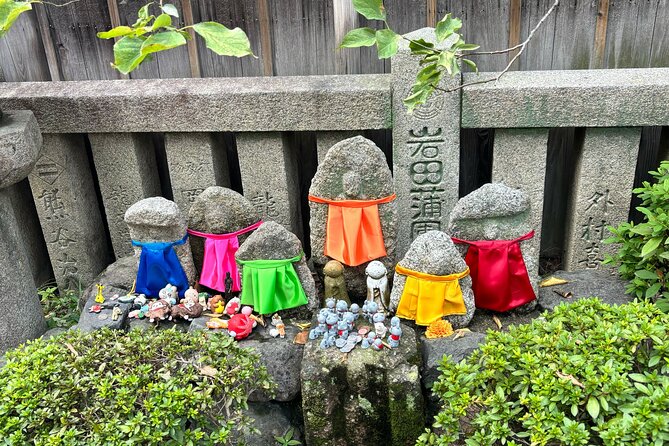
Rokudo Chinno-ji is the most unusual stop on the route. This small Higashiyama temple is known as the Gate to the Afterlife, and local belief places it near the boundary between the world of the living and the dead.
You spend about 30 minutes here. The appeal is not grand architecture or a broad garden. It is the story attached to the place, along with the chance to see a quieter, less obvious side of Kyoto’s religious culture.
This is where a guide earns the walking fee. Without explanation, a small temple can be easy to overlook. With context, its legends open a window onto how Japanese traditions deal with death, spirits, and the world beyond ordinary life.
The subject may not suit every child or every visitor. If you prefer a tour limited to scenic views and architecture, this stop may feel more serious than expected. If you enjoy folklore and the less polished edges of a city’s belief system, it may be the most memorable part of the morning.
A few more tea experiences around Kyoto worth a look
- Kyoto: Tea Ceremony in a Traditional Tea House in Kiyomizu
★ 4.9 · 3,519 reviews - Kyoto: Tea Ceremony Ju-An at Jotokuji Temple
★ 4.9 · 3,207 reviews - Kyoto: 45-Minute Tea Ceremony Lesson Experience
★ 4.3 · 2,378 reviews - Kyoto: Table-Style Tea Ceremony at a Kyo-Machiya
★ 4.9 · 1,211 reviews
Beneath the Yasaka Pagoda
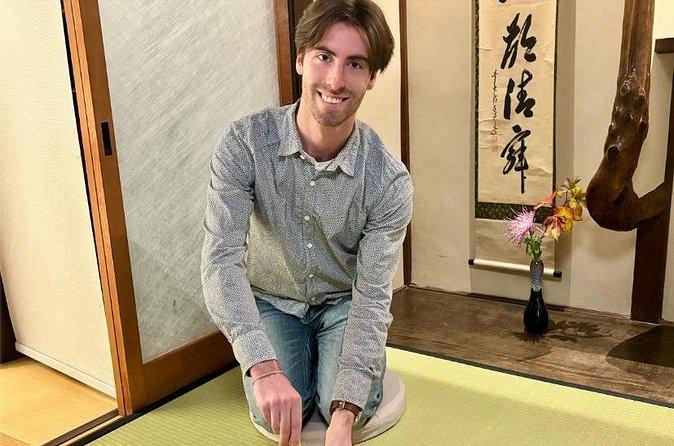
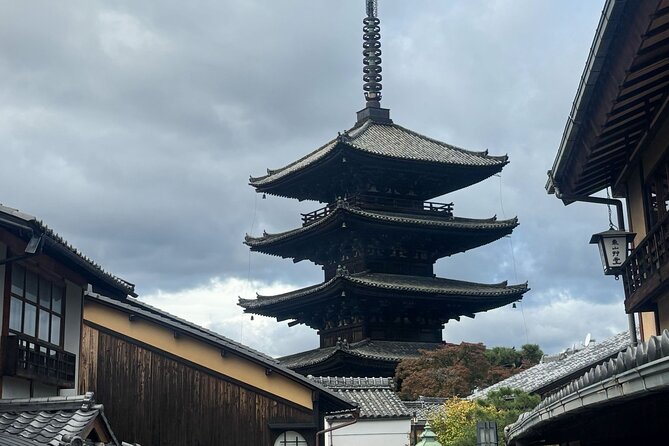
The fourth stop is Hōkan-ji Temple, better known as the Yasaka Pagoda. Its five stories rise above Higashiyama’s traditional streets, creating one of Kyoto’s most recognizable views.
The visit is scheduled for about 30 minutes, with admission included. This is the place for the classic Kyoto setting: a tall pagoda, narrow streets, and wooden houses gathered around it. You will likely want your camera ready, but the guide can also explain why the pagoda matters beyond its appearance.
The short stop works well for orientation. You get time to see the building and understand its place in the district, then continue rather than spending the whole morning at one landmark. Still, it is worth keeping expectations in check. A half-hour visit will not provide a detailed architectural study, and the tour does not promise access to every part of the temple.
The pagoda is also a good example of why walking suits this area. From ground level, you notice how the building relates to the old streets and houses around it. That sense of proportion is harder to grasp when arriving by vehicle.
One hour at Camellia Flower
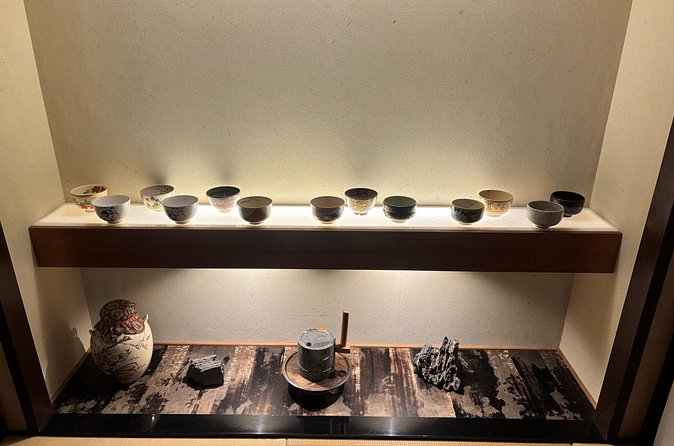
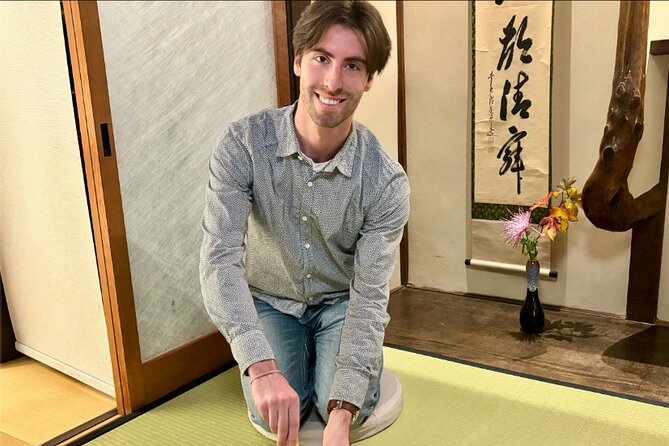
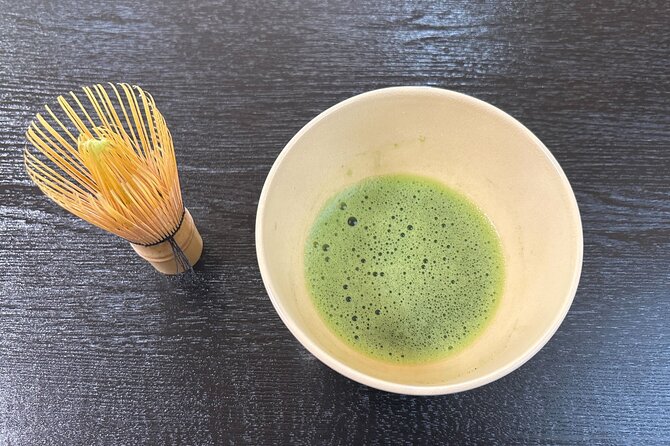
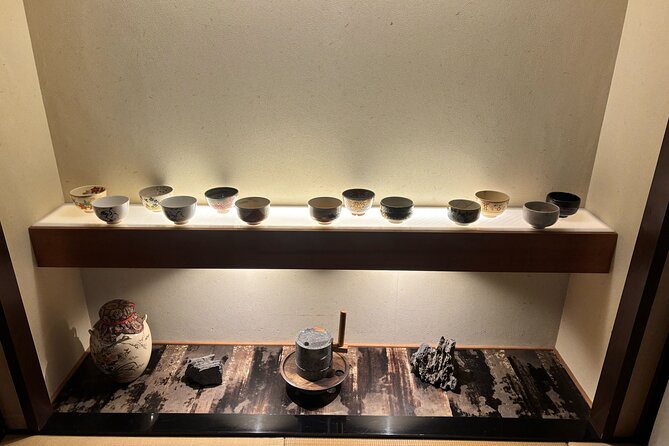
The final hour takes place at Camellia Flower, a tea house in historic Higashiyama. Here, a tea master introduces you to Japanese tea culture and the art of preparing tea.
This is more than a quick cup at the end of a walk. The scheduled hour gives the tea ceremony enough time to feel like a real part of the experience rather than an afterthought. You can pay attention to the deliberate movements, the setting, and the customs that shape the ceremony.
For many people, this will be the tour’s strongest contrast. The first two hours involve moving through streets and sacred sites. The tea ceremony asks you to slow down and watch carefully. That change helps explain why tea is tied to attention, restraint, and respect.
The tour ends after the tea session at the tea ceremony location, listed as Tea Ceremony Chayu, at 4-chōme-172-7 Kiyomizu in Higashiyama Ward. The experience information also identifies the tea house as Camellia Flower. If you are arranging a later reservation, allow extra time after the stated end rather than scheduling something immediately.
What the guide adds
The guide is central to this experience. You are not simply being led from one entrance to another. The purpose is to hear the stories, meanings, and local details that are easy to miss when you walk alone.
Yoshino Taira is named in the available feedback and receives particular praise for clear English, useful explanations, and answers to questions. That is important here because the route includes several layers of religious and cultural meaning. A good explanation can help you understand why a shrine differs from a temple, how Zen gardens are read, and why Rokudo Chinno-ji carries its unusual reputation.
The group limit of eight supports this style. It is small enough for questions and personal contact, while still giving the tour a social feel. It is not a private tour, so you will share the guide’s attention, but it should feel far more manageable than a large bus group.
Walking, timing, and comfort
The tour lasts about three hours and requires a moderate level of physical fitness. The schedule includes four 30-minute visits followed by a one-hour tea ceremony, with walking between locations.
You should be comfortable spending the morning on foot through Higashiyama’s narrow stone streets. The supplied details do not specify the exact walking distance, stairs, or accessibility arrangements, so ask the provider if those points matter for you.
Wear practical shoes and arrive ready to start at 7:30 am. The early hour is the biggest scheduling issue. If you are staying far from Gion, plan your morning carefully so you are not hurrying to the meeting point.
The mobile ticket is convenient, and booking confirmation is provided at the time of booking. Free cancellation is available if you cancel at least 24 hours before the local start time. Changes or cancellations made inside that window are not accepted for a refund.
Who will get the most from this walk
I would choose this experience if you want an efficient cultural introduction to Higashiyama and prefer a guide who explains what you are seeing. It suits first-time Kyoto visitors who want to combine well-known sights with a less familiar temple and a tea ceremony.
It is also a good fit if you enjoy asking questions. The small group and English-speaking guide give the morning a more personal feel than a standard sightseeing circuit.
You may want another plan if you dislike early starts, have difficulty walking on uneven streets, or want to spend hours at one temple. The tour’s strength is variety, not depth at each individual stop.
Families should also consider the tone of the Rokudo Chinno-ji visit. The afterlife stories add cultural interest, but they may not be what very young children expect from a morning of temples and gardens.
Is the $78.57 price fair?
The value depends on how you would otherwise spend your morning. If you would visit the four sites independently, you would still need to research the route, arrange admissions, and find a separate tea ceremony. This tour combines those elements with a guide and keeps the group to eight people.
The price is less compelling if you only want photographs of Yasaka Pagoda or prefer to wander without a schedule. You are paying for interpretation, structure, and the tea experience as much as for entry to the sights.
I see the strongest value in the final hour and the guide’s cultural explanations. A quick temple walk is easy to arrange on your own. A guided introduction that connects shrine customs, Zen design, afterlife legends, and tea practice is harder to reproduce without careful planning.
Should you book it?
Book this tour if you want a compact, thoughtful introduction to Kyoto’s Higashiyama district, can manage an early start, and like the idea of ending a walking route with a proper tea ceremony. Yoshino Taira’s clear English and cultural explanations are a strong reason to choose a guided format, especially for a first visit.
Skip it if you want a slow temple day, dislike fixed timing, or need detailed accessibility information before booking. For most visitors seeking a small-group morning with substance, the combination of four contrasting sites and one hour of tea instruction makes $78.57 a fair buy.
FAQ
How much does the Silent Beauty of Kyoto Zen Walk and Tea Experience cost?
The price is $78.57 per person.
How long does the experience last?
The experience lasts about three hours.
What time does the tour start?
The tour starts at 7:30 am.
Where does the tour begin?
The meeting point is Yasaka Shrine, 625 Gionmachi Kitagawa, Higashiyama Ward, Kyoto, 605-0073, Japan.
Where does the tour finish?
The tour ends after the tea ceremony at the tea ceremony location in Higashiyama. The listed end address is 4-chōme-172-7 Kiyomizu, Higashiyama Ward, Kyoto, 605-0862, Japan.
Which places are included?
The route includes Yasaka Shrine, Kodaiji Temple, Rokudo Chinno-ji Temple, Hōkan-ji Temple, also known as Yasaka Pagoda, and a tea ceremony at Camellia Flower.
Is the tour conducted in English?
Yes. The experience is led by a local English-speaking guide.
How large is the group, and what is the cancellation policy?
The group has a maximum of eight people. You can cancel for a full refund up to 24 hours before the experience starts. Cancellations or changes made less than 24 hours before the local start time are not accepted for a refund.
Just added around Kyoto
- Whisk Your Own Matcha: A Zen Matcha Experience at Temple★ 3.6 · 7 reviews
- Uji Walking Tour – Byodo-in temple and Tea Ceremony from Kyoto★ 3.5 · 3 reviews
- Traditional Tea Ceremony in Kyoto★ 4.5 · 3 reviews
- Kyoto: Authentic Tea Ceremony in a Small Group★ 5.0 · 7 reviews
- Tea ceremony at Kyoto’s Zen Temple Teahouse★ 5.0 · 2 reviews
- Tea Ceremony in 150 Years Old Townhouse with Tables and Chairs★ 5.0 · 22 reviews
- Tea Ceremony Experience in Traditional Kyoto Townhouse★ 5.0 · 19 reviews
- Kyoto Private Tea Ceremony at a Japanese Inns★ 5.0 · 12 reviews
Walking Tours, compared.

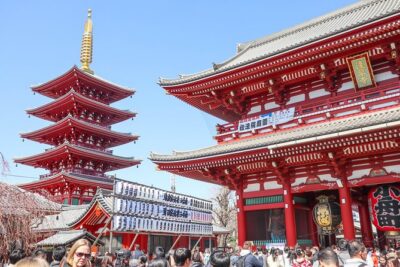
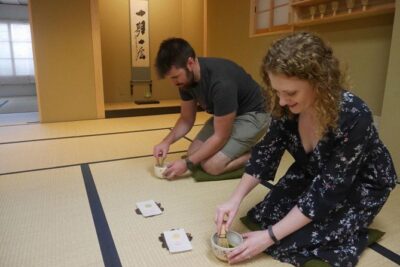
Kyoto Tea Ceremony & Kiyomizu-dera Temple Walking Tour
Read our review →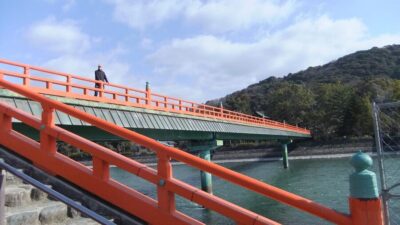
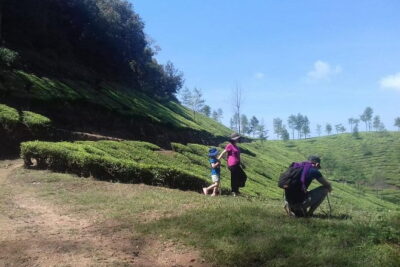
Tea planation walking In Munnar- (by Munnar Info)
Read our review →
Buckingham Palace Walk & Tea at Kensington Palace
Read our review →
The Way of Tea: Kyoto Crafts, Hidden Temples & Wabi-Sabi Walk
Read our review →
Antalya: Old Town Walking Tour incl. Turkish Tea and Baklava
Read our review →Browse the lists this tour appears in