
Review · KYOTO
Traditional Tea Ceremony in Kyoto
Kyoto’s tea ceremony is not simply a lesson in whisking green tea. It is a formal welcome, shaped by rules of movement, hospitality, sweets, utensils, and silence. Here, tea master Randy Channell Soei introduces you to ryurei, a style created in the 1870s for welcoming foreign dignitaries.
I like two things right away: you get a clear explanation of the ceremony rather than watching a mysterious ritual from a distance, and you prepare your own bowl of matcha. The original Kyoto-grown tea and sweets from well-known Kyoto makers add a tasty link to the city.
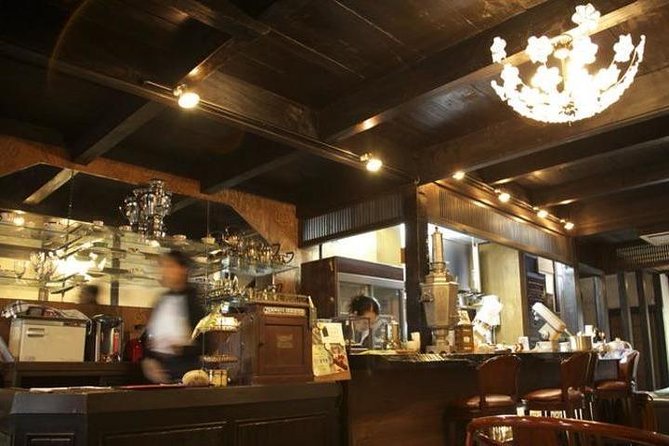
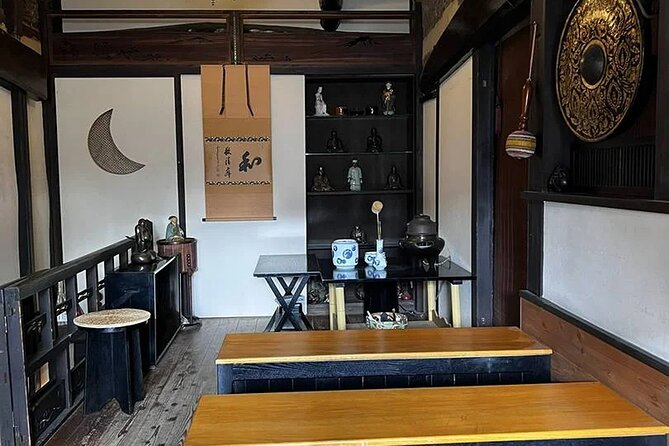
The main consideration is the setting. This takes place in a small townhouse, and you sit on benches rather than tatami mats or low tables. That makes the activity easier for many people, but it may feel less like the floor-seated ceremony you had pictured.
Key points to know before booking
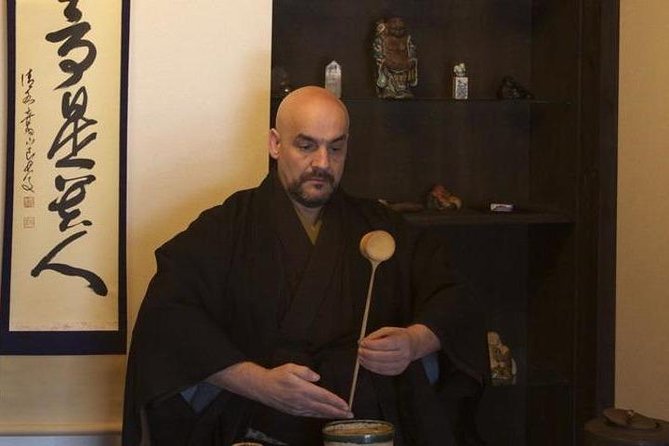
- Meet a foreign-born tea master: Randy Channell Soei is described as the highest-ranked tea ceremony master from outside Japan.
- Learn ryurei etiquette: This formal style was developed in the 1870s for receiving visiting dignitaries.
- Make your own matcha: You do more than watch. You prepare your own bowl under instruction.
- Taste Kyoto specialties: The session includes Kyoto-grown matcha and traditional sweets from established local makers.
- Expect bench seating: The ceremony does not use tatami seating or low tables.
- Allow 90 minutes: The activity begins and ends at the same Kyoto meeting point, with no transportation included.
What happens inside this Kyoto tea ceremony
This 90-minute activity takes place in Kyoto, the city most closely associated with many of Japan’s traditional arts. You meet at ran Hotei64, at 64 Kamikawarachō in Nakagyo Ward, and the experience returns you to that same meeting point.
The setting is a townhouse rather than a large cultural center. That can make the session feel personal, but space is limited. The group may include as many as 25 people, so you should not expect a private lesson or a quiet one-on-one meeting with the tea master.
The focus is formal tea ceremony, known in Japanese as chanoyu. You learn why the host’s movements matter, how guests are expected to behave, and how tea and sweets fit together. This is useful if you have seen a ceremony before but could not tell what each gesture meant.
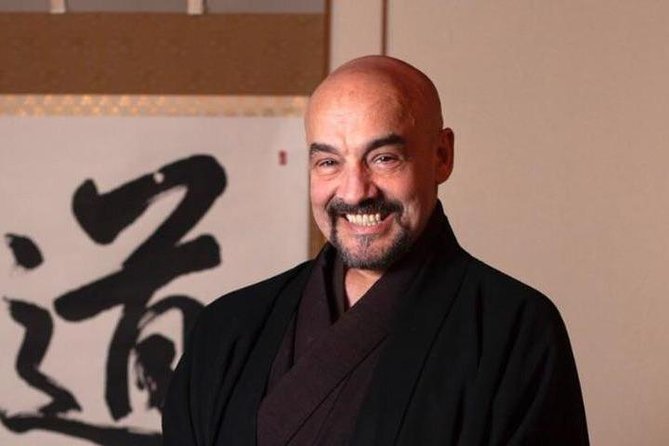
Randy Channell Soei leads the session. His background is a major part of the appeal: he is described as the highest-ranked tea master from outside Japan. For an English-speaking visitor, learning from a master who has made Japanese tea practice his own field can make the rules easier to follow.
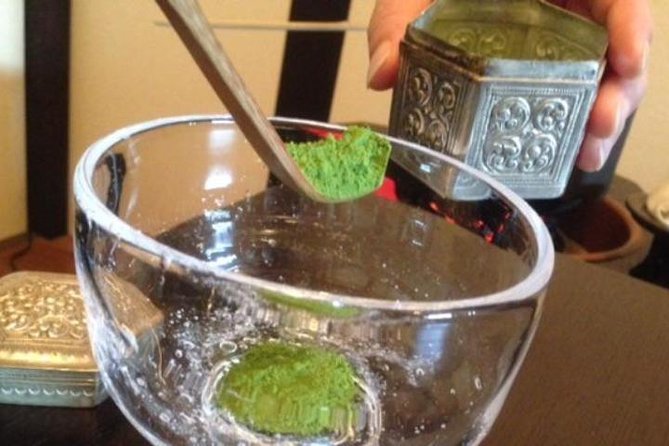
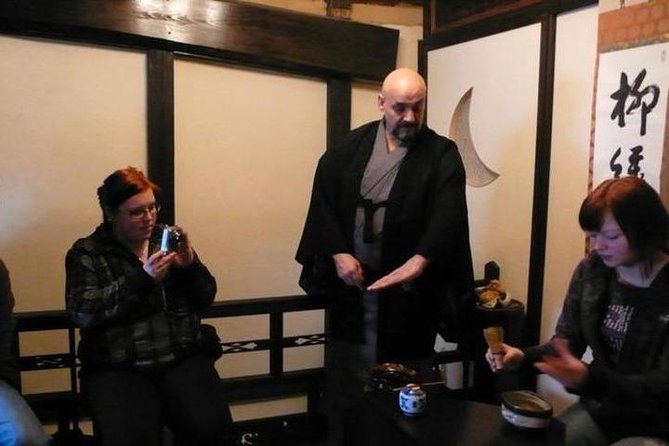
The presentation is not just a demonstration. You get a chance to prepare matcha yourself. That hands-on portion matters because it turns a set of delicate motions into something you can understand through practice. You will also sample the tea and traditional sweets served during the ceremony.
More Tea Ceremony Experiences in Kyoto:
- Kyoto: Tea Ceremony in a Traditional Tea House in Kiyomizu
★ 4.9 · 3,519 reviews - Kyoto: Tea Ceremony Ju-An at Jotokuji Temple
★ 4.9 · 3,207 reviews - Kyoto: 45-Minute Tea Ceremony Lesson Experience
★ 4.3 · 2,378 reviews
Why ryurei feels different from the ceremony you may expect
Many people picture a tea ceremony with guests kneeling on tatami mats beside low tables. This activity uses ryurei, a style performed at tables with chairs or benches. That format was developed in the 1870s as a more accessible way to welcome foreign dignitaries.
The difference is practical. If kneeling is uncomfortable, bench seating may be a welcome relief. You can pay attention to the explanations, watch the tea preparation, and take part without worrying about your legs going numb.
It also changes the atmosphere. A floor-based tea ceremony may feel more old-fashioned to you, while ryurei offers a formal but more approachable version of the custom. The activity is still built around courtesy and precise behavior, but the furniture suits visitors who are unfamiliar with Japanese floor seating.
This point deserves attention before you book. The experience does not seat you on tatami mats or at low tables. If that visual detail is central to your idea of a tea ceremony, you may find the setting less traditional than expected. If comfort and clear participation matter more, the arrangement is a sensible choice.
The formal welcome and its diplomatic roots
The ceremony’s most interesting idea is hospitality. Ryurei was created as a formal way to welcome foreign dignitaries, so you are not simply being shown how to make a cup of tea. You are being introduced to a carefully ordered welcome.
That context gives the activity more meaning. The host’s actions, the guest’s response, the presentation of sweets, and the preparation of tea all form part of one social exchange. The rules are not there only to make the ceremony look elegant. They show respect and help host and guest share the same rhythm.
You learn details of formal etiquette during the session. The supplied information does not list every gesture or rule, so you should not expect a printed checklist of every possible tea ceremony custom. Instead, plan to listen closely as Randy explains what you need to know for this particular experience.
For many visitors, the educational side will be the strongest reason to book. The most positive reactions to this activity praise how much participants learn, along with the quality of the tea. That combination makes the ceremony useful even if you know little about chanoyu before arriving.
Kyoto matcha, sweets, and your turn with the whisk
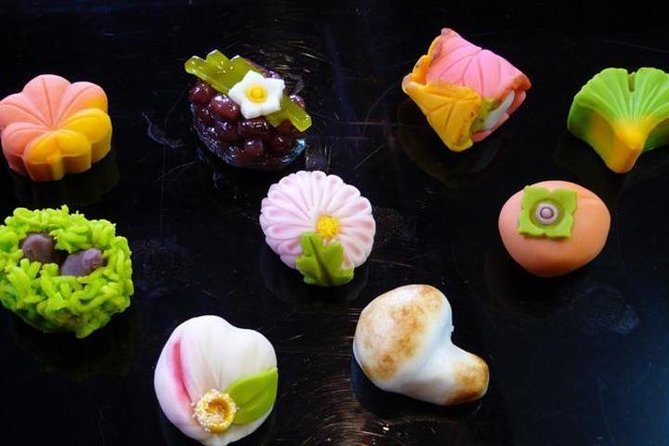
The tasting is not an afterthought. You receive Randy Sensei’s original Kyoto-grown matcha, along with traditional sweets from famous Kyoto sweet makers. The sweet is meant to be part of the tea experience, not merely a snack served on the side.
Matcha has a stronger, more distinctive taste than ordinary brewed green tea. The sweets help balance it, and the pairing gives you a simple way to understand why confectionery is important in a tea gathering. You can pay attention to how the flavor changes before and after eating the sweet.
You also make your own bowl of matcha. That practical step is one of the best parts of the booking because you leave with more than a general impression of the ceremony. You have tried to reproduce one of its central actions.
Do not expect a full cooking class or a lesson in every tea utensil. The activity lasts about an hour and a half, and its purpose is to explain the ceremony as a whole. Your preparation is one element within that larger lesson.
A group photo is included as well. It gives you a simple souvenir of the session, though it is not a substitute for a private photo opportunity. With a maximum group size of 25, the photo will be a shared record of the activity.
A few more tea experiences around Kyoto worth a look
- Kyoto: Table-Style Tea Ceremony at a Kyo-Machiya
★ 4.9 · 1,211 reviews - Kimono Tea Ceremony at Kyoto Maikoya, NISHIKI
★ 5.0 · 911 reviews - Kyoto: Kimono Tea Ceremony at Orizuruya Gion
★ 4.9 · 618 reviews - Kyoto: Tea Ceremony in 100-year-old Kyo-Machiya Townhouse
★ 4.8 · 546 reviews
A small townhouse, a larger group, and the atmosphere
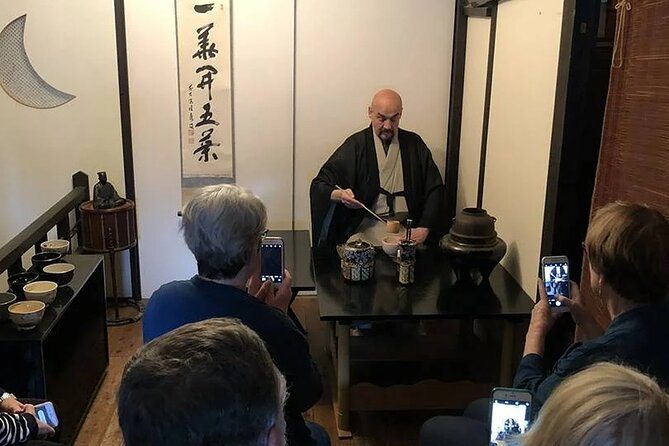
The townhouse setting is one of the activity’s strengths and one of its limits. A smaller traditional building can feel more connected to Kyoto’s everyday architecture than a modern event room. At the same time, the available space may feel tight when the group is full.
One participant found the venue very small and expected something more traditionally arranged. That is a fair warning. You should book this for instruction, tasting, and participation, not for an elaborate stage setting or a grand historical room.
The group limit is 25 people. That is not a private experience, but it is also not an enormous tour bus crowd. Your view and level of interaction can depend on where you are seated and how full the departure is.
The session has received especially strong praise for its educational value and for Randy’s explanations. One person also appreciated that everyone had a chance to prepare tea and try the sweets. Those details point to the activity’s main strength: it gives each participant a role.
What the $56.34 price includes
The cost is $56.34 per person. For that price, you receive the tea ceremony with a tea master, Kyoto-grown matcha, traditional sweets, the chance to make your own bowl, and a group photo.
I see the value mainly in the access and instruction. You are paying for a structured introduction led by a named tea master, not just for a cup of matcha in a café. The sweets and tea add a tasting element, while the hands-on preparation gives the 90 minutes a clear purpose.
The value is less convincing if you want a private ceremony, a kimono, or an elaborate historic setting. Transportation and kimono rental are not included. You also need to make your own way to the meeting point, so add local transit costs and time when planning your day.
Group discounts may be available. Since the maximum is 25 people, a group booking could make sense for families or friends who want to learn together. Still, the published price is per person, and the exact discount depends on the booking.
How to plan your arrival in Nakagyo Ward
The meeting point is ran Hotei64, 64 Kamikawarachō, Nakagyo Ward, Kyoto, postal code 604-8374. The activity ends at the same place, which makes it easy to connect with another Kyoto plan afterward.
Transportation is not included. The location is near public transportation, but you should check your route before the day of the ceremony rather than assume the address will be easy to find. A mobile ticket is available, which is useful when you are moving around Kyoto with a phone instead of printed paperwork.
Confirmation is sent within 48 hours of booking, subject to availability. The experience is often reserved well ahead of time, with bookings averaging 61 days in advance. That does not mean you must book exactly two months early, but it is a good reason to reserve ahead if your Kyoto dates are fixed.
Free cancellation is available until 24 hours before the start time. If you cancel or request a change less than 24 hours before the activity, you should not expect a refund or an accepted change.
Who will get the most from this experience
I would recommend this ceremony to you if you want cultural context along with a taste of matcha. It suits first-time visitors who want an explanation of tea etiquette, as well as people who have already seen Japanese tea preparation and want to understand the formal rules better.
It is also a good fit if you prefer participation to passive viewing. You prepare your own tea, taste the sweets, and take part in the group photo. The educational emphasis is strong, and the activity can help you notice details that are easy to miss when you only watch a ceremony.
Bench seating makes it a practical choice for anyone who does not want to sit on tatami mats or at a low table. Most people can participate, according to the activity information. Still, the townhouse is small, so you should not book it expecting a spacious room.
You may want to choose another option if your priority is wearing a kimono, kneeling on tatami, or attending a private ceremony in a grand setting. None of those are included here. The experience is best understood as a guided introduction to formal tea culture in a compact Kyoto venue.
My verdict on the tea ceremony
Book this if you want to understand what a Japanese tea ceremony means, not just photograph one. Randy Channell Soei’s role, the ryurei format, Kyoto matcha, local sweets, and the chance to make your own tea give the session real substance.
Go in with the right picture. You will sit on benches in a small townhouse, possibly with a group of up to 25, and you will not receive transportation or a kimono. Those limits explain why the experience may feel less traditional than expected for some people.
At $56.34, I think the activity offers fair value for a 90-minute lesson with a tea master, food, instruction, and hands-on practice. If you care most about learning and taking part, it is a sensible Kyoto booking. If you care most about a floor-seated ceremony or a private, highly staged setting, keep looking.
FAQ
Where does the tea ceremony take place?
It takes place at ran Hotei64, 64 Kamikawarachō, Nakagyo Ward, Kyoto, 604-8374, Japan.
How long does the activity last?
The tea ceremony lasts approximately 1 hour and 30 minutes.
Who leads the experience?
The session is led by Randy Channell Soei, a highly ranked tea ceremony master from outside Japan.
What style of tea ceremony is taught?
The experience teaches ryurei, a formal style of tea ceremony that dates back to the 1870s and was used to welcome foreign dignitaries.
Will I make my own matcha?
Yes. You have the opportunity to prepare your own bowl of matcha during the session.
What tea and food are included?
The experience includes Randy Sensei’s original Kyoto-grown matcha and traditional sweets from famous Kyoto sweet makers.
Do I sit on tatami mats?
No. The activity information says you will not sit on tatami mats or at low tables. Seating is on benches.
Is transportation included?
No. You are responsible for transportation to and from the meeting point. The activity ends at the same location where it begins.
How many people can join the activity?
The maximum group size is 25 people.
Can I cancel for a refund?
Yes, you can receive a full refund if you cancel at least 24 hours before the experience starts. Cancellations or changes made less than 24 hours before the start time are not accepted for a refund.
Just added around Kyoto
- Whisk Your Own Matcha: A Zen Matcha Experience at Temple★ 3.6 · 7 reviews
- Uji Walking Tour – Byodo-in temple and Tea Ceremony from Kyoto★ 3.5 · 3 reviews
- Kyoto: Authentic Tea Ceremony in a Small Group★ 5.0 · 7 reviews
- Tea ceremony at Kyoto’s Zen Temple Teahouse★ 5.0 · 2 reviews
- Tea Ceremony in 150 Years Old Townhouse with Tables and Chairs★ 5.0 · 22 reviews
- Tea Ceremony Experience in Traditional Kyoto Townhouse★ 5.0 · 19 reviews
- Silent Beauty of Kyoto Zen Walk and Tea Experience★ 5.0 · 2 reviews
- Kyoto Private Tea Ceremony at a Japanese Inns★ 5.0 · 12 reviews
Tea Ceremony Experiences, compared.
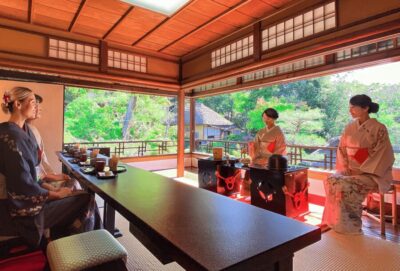
Tea Ceremony in a Traditional Tea House in Kiyomizu
Read our review →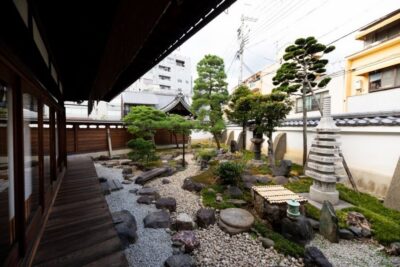
Browse the lists this tour appears in