
Review · KYOTO
Uji Walking Tour – Byodo-in temple and Tea Ceremony from Kyoto
Uji gives you three very different Japanese experiences in one morning: a short train ride from Kyoto, a traditional tea ceremony, and Byodo-in Temple with its famous Phoenix Hall. I especially like the small group limit of 12 and the fact that train fares, tea, and temple admission are already covered. The walk also brings you across Ujibashi Bridge and through Nakanoshima Park, so this is more than a temple visit.
The tradeoff is pace. The tour lasts about four hours, but some of that time goes to trains and transfers. If the schedule slips, you may get only a brief look at Byodo-in, and the walking pace can feel brisk when you stop for photos. Wear good shoes, arrive ready to move, and treat this as a compact introduction to Uji rather than a slow day in town.
Key points at a glance
- A quick JR ride from Kyoto: Travel from Kyoto Station to Uji Station in about 20 minutes, using non-reserved seating.
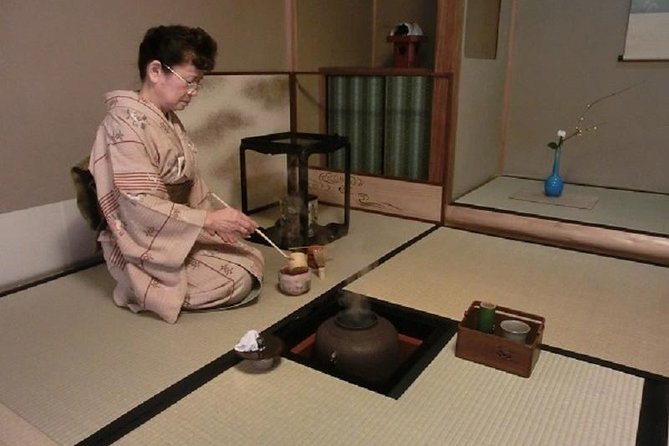
- Tea in Uji’s famous tea town: Take part in a roughly 20-minute ceremony at Taihoan, in a tatami room.
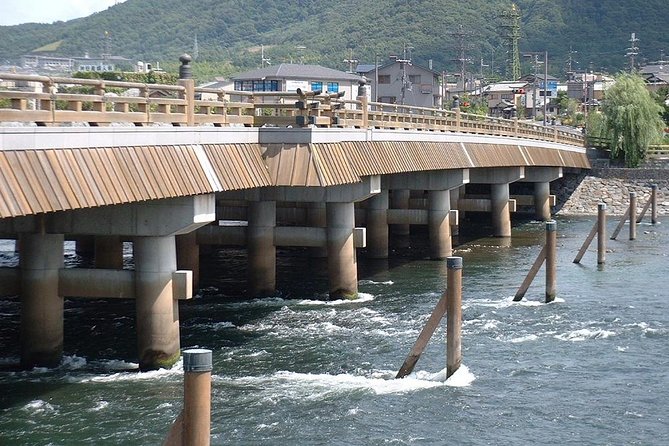
- Ujibashi Bridge photo stop: Cross one of Japan’s oldest bridges and see the Uji River from its small viewing projection.
- Byodo-in admission included: See the temple garden, museum, and the Phoenix Hall from the temple grounds.
- A walking tour, not a bus tour: Expect pavement, bridges, station walking, and a fairly quick pace.
- A useful half-day option: The tour begins at 8:20 a.m. and finishes near Kyoto Station around 12:30 p.m.
Why Uji makes a fine morning from Kyoto
Uji is close enough to Kyoto for an easy morning visit, yet it feels like a different stop on your trip. The town is closely tied to Japanese tea, and Byodo-in gives the outing a powerful architectural focus. This tour links both subjects without asking you to work out the train, admission tickets, or route yourself.
I like the shape of the morning. You begin with the practical part, a JR train from Kyoto, then move into scenery and culture on foot. The route includes Ujibashi Bridge, Uji Park, a tea ceremony, and Byodo-in. That sequence gives you a taste of the town before you reach its most famous monument.
The experience is best understood as an overview. You will not have a full day to browse tea shops, linger beside the river, or study every room at Byodo-in. You will get a guided introduction to the places that give Uji its identity.
More Tea Ceremony Experiences in Kyoto:
- Kyoto: Tea Ceremony in a Traditional Tea House in Kiyomizu
★ 4.9 · 3,519 reviews - Kyoto: Tea Ceremony Ju-An at Jotokuji Temple
★ 4.9 · 3,207 reviews - Kyoto: 45-Minute Tea Ceremony Lesson Experience
★ 4.3 · 2,378 reviews
Meeting at Kyoto Station at 8:20 a.m.
The meeting point is the JTB Sunrise Tours Desk in the basement of Kyoto Avanti, at 31 Higashikujo Nishisannocho. This is near Kyoto Station, but allow time to find the correct building and basement level. An early start matters here because the tour is built around a set train departure and a short morning schedule.
An English-speaking, nationally licensed guide accompanies the group. No individual guide name is provided, so you should not book this expecting a particular named guide. The guide handles the route, explains the cultural background, and helps the group move between stations, bridges, the tea house, and the temple.
The group can include up to 12 people. That is a useful size for a walking route. It is easier to hear instructions and stay together than it would be with a large coach group, though the compact size does not remove the need to keep pace.
The 20-minute train to Uji
The JR train ride from Kyoto to Uji takes about 20 minutes. The tour uses rapid or local trains with non-reserved seating, and a seat is not guaranteed. You may sit with the group, or you may need to stand, depending on the train and crowding.
The included train ride is a real convenience. You do not need to buy a separate ticket or decipher the route at the beginning of the morning. It also keeps the tour focused on Uji instead of spending time in a vehicle on city roads.
Still, keep your expectations practical. This is public transportation, not a private transfer. Road conditions can affect the overall schedule indirectly, and the order of stops may change because of congestion. Keep your belongings close, listen for the guide’s instructions, and be ready to board and leave the train promptly.
Ujibashi Bridge and the Uji River
From Uji Station, the route heads toward Ujibashi Bridge. The bridge is traditionally thought to date back to the seventh century and is counted among Japan’s oldest bridges. It is not simply a place to cross the river. It is one of the town’s best orientation points.
A small projection from the bridge, called san-no-ma, provides a good place for a photograph and a view along the Uji River. This is one of the tour’s strongest early stops because it gives you a clear sense of Uji before the more formal temple visit.
Do not expect a long photography session. The tour keeps moving, and the guide needs to bring everyone across the route on time. If you stop for pictures, take them quickly and stay within sight of the group. One account of the tour described the pace as fast enough to make photo stops difficult, so this is not the ideal choice if you like to wander several steps behind.
More Walking Tours in Kyoto:
- Kyoto Tea Ceremony & Kiyomizu-dera Temple Walking Tour
★ 5.0 · 115 reviews - The Way of Tea: Kyoto Crafts, Hidden Temples & Wabi-Sabi Walk
★ 5.0 · 41 reviews - Matcha Grinding Experience and Walking Tour in Uji Kyoto
★ 5.0 · 26 reviews - Kyoto Gion Tea ceremony & Wabi-sabi Walking Tour
★ 4.5 · 7 reviews
Nakanoshima Park beside the river
The walk continues through Nakanoshima Park, also called Uji Park. The park adds breathing room to the morning. After the station and bridge, you get a more open stretch beside the river before entering the tea experience and temple visit.
This part of the route is also dependent on conditions. High water in the Uji River or other local issues can prevent the group from visiting the park. If that happens, the tour still includes its central tea and temple components, but the riverside walk may be shortened or omitted.
The park stop is modest rather than a major attraction on its own. Its value comes from the connection between the bridge, river, and town. It helps you see why Uji is more than a single temple complex.
A 20-minute tea ceremony at Taihoan
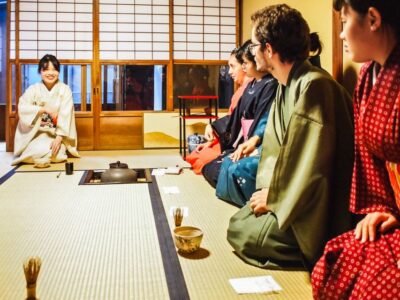
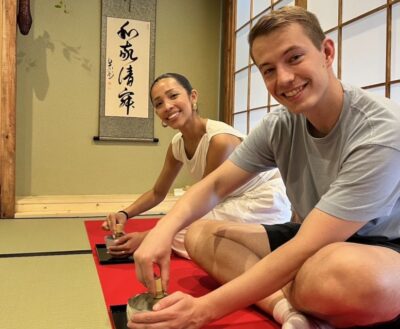
Taihoan is the cultural heart of the morning. Uji is famous for tea, so a tea ceremony here gives context to the town rather than adding a random activity to the schedule. The experience lasts about 20 minutes, which makes it approachable if you are curious but do not want a long formal lesson.
The procedure may use matcha or sencha green tea, depending on the day. You cannot choose which one. The tea experience may also be held with other customers, so do not expect a private ceremony for your group alone.
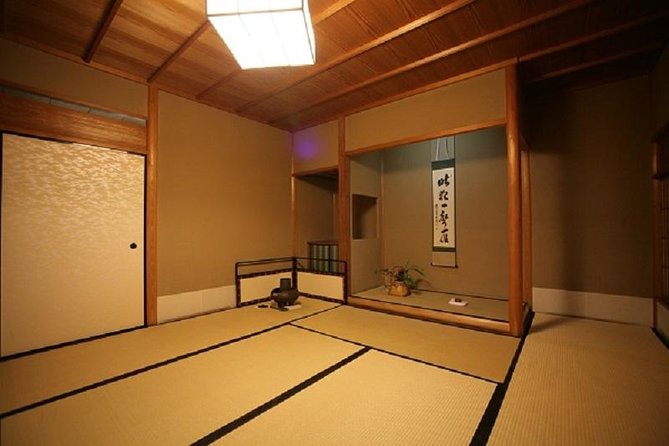
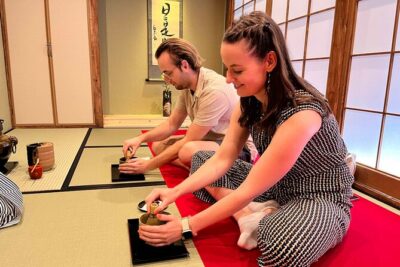
The ceremony takes place in a tatami room. Wear socks, since bare feet are not suitable for this setting. Video recording is not allowed inside the tea room. This is a small detail, but it matters if you are used to documenting every stop with your phone.
I see the short length as both a benefit and a limitation. You get a direct introduction to an important Japanese custom without giving up most of your morning. On the other hand, anyone hoping for an extended tea lesson or a detailed workshop will find this too brief.
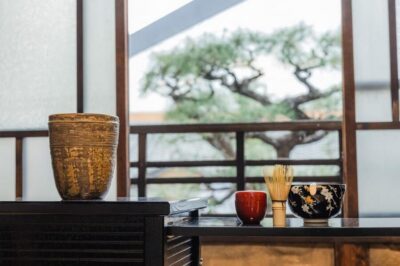
Pay attention to the manners and movements rather than treating the tea as a quick drink. The value is in seeing how the ceremony is structured and how tea fits into Japanese hospitality. Since the session can vary between matcha and sencha, the exact experience is not completely fixed.
Byodo-in and the famous Phoenix Hall
Byodo-in is the major stop, and the tour allows about 50 minutes here. The temple was built near the end of the Heian period and is part of the Historic Monuments of Ancient Kyoto World Heritage listing. Its Phoenix Hall is one of Japan’s most recognizable buildings, and its image appears on the 10 yen coin.
The temple grounds include a garden, a Buddha statue, other religious images, and the Byodo-in museum. The museum is important because it helps you understand the objects and artwork connected with the temple, rather than seeing the Phoenix Hall as a beautiful shell without context.
The tour includes admission to Byodo-in. It may not include entry into the Phoenix Hall itself if the site is too crowded. In that case, 300 Japanese yen is refunded at the location. This is worth knowing before you book, since viewing the hall from the garden and entering the hall are different experiences.
Time is the main concern here. Fifty minutes sounds reasonable, but it includes moving through the grounds, seeing the museum, following the guide’s explanation, and possibly handling crowding. If the earlier parts run late, the temple visit can feel rushed. A direct account of this tour described having only about 15 minutes for the grounds and museum, which would not be enough for careful sightseeing.
If Byodo-in is your main reason for visiting Uji, a separate visit may serve you better. You can then set your own pace and give the Phoenix Hall and museum the time they deserve. If you want a structured introduction that combines the temple with tea and the river, the included visit is useful, but keep your expectations in check.
Walking pace, shoes, and physical demands
This is a walking tour from station to bridge, park, tea house, temple, and back to the station. It is not a bus tour. The walking is not presented as strenuous, but you should wear shoes that are comfortable for several hours on foot.
The pace is brisk enough that stopping for photographs can create a gap. Stay near the guide, especially around the bridge and during transfers. Most people can participate, but the schedule leaves little room for a slow stroll or extended breaks.
The group limit of 12 helps. A small group can cross streets, board trains, and enter the tea house more easily than a large party. It also lets the guide keep an eye on the group. Still, the tour’s short duration means the group must keep moving.
What the $96.06 price covers
At $96.06 per person, the price is reasonable if you value structure and convenience. It includes the guide, round-trip JR transportation between Kyoto and Uji, the Taihoan tea ceremony, and Byodo-in admission. Those inclusions remove several small costs and planning tasks.
The value depends on how you would otherwise visit Uji. If you are comfortable using the train, finding Ujibashi Bridge, arranging a tea experience, and buying temple admission on your own, an independent day could cost less and give you more time. The tour earns its price through the English guidance and the efficient combination of several stops.
The main thing you are buying is not luxury. It is a guided route with cultural explanation and prearranged access. You are also buying a schedule that fits Uji into a morning, leaving the rest of your day near Kyoto Station.
The price is less attractive if you want slow photography, extensive temple viewing, or a private tea ceremony. The short schedule and shared tea setting make this a practical introduction, not a premium private experience.
Who should book this Uji tour
I would recommend it to you if you have limited time in Kyoto and want a clear first look at Uji. It suits people who enjoy moving between several sights, prefer an English-speaking guide, and like having train fares and admissions handled in advance.
It is also a good fit if Japanese tea interests you but you are unsure how to arrange a ceremony on your own. The 20-minute session is easy to fit into a busy itinerary, and the Uji setting gives the activity a strong sense of place.
Families and older participants should consider the walking pace, train seating, and need to keep up. Children under 15, or children not yet enrolled in middle school, must be accompanied by a parent or guardian. Anyone under 18 needs written parental permission to take part.
I would hesitate to recommend it if Byodo-in is your top priority and you want to explore every part slowly. In that case, visit independently or choose a longer temple-focused outing. This tour is strongest when you want a compact mix of river scenery, tea culture, and a major temple.
Timing, booking, and cancellation
The tour starts at 8:20 a.m. and ends near Kyoto Station at about 12:30 p.m. That makes it easy to pair with an afternoon activity in Kyoto, provided you leave yourself some flexibility because train schedules, crowds, and local conditions can change the timing.
Confirmation is sent within 48 hours of booking, subject to availability. The experience is booked far in advance on average, so planning early is sensible, especially if your Kyoto dates are fixed.
Free cancellation is available up to 24 hours before the start time. Cancellations or changes made less than 24 hours before the experience are not accepted for a refund.
Should you book it?
Book this tour if you want a tidy, guided morning in Uji with transport, tea, and Byodo-in included. The small group, river walk, and cultural focus give you a useful introduction without requiring much planning.
Skip it if you prefer to set your own pace or if you want a long, unhurried visit inside Byodo-in. The key decision is simple: choose this for variety and convenience, not for extended temple study. Arrive early, wear comfortable shoes and socks, keep your camera stops brief, and you will be prepared for what this tour actually offers.
FAQ
How long does the Uji walking tour last?
The tour lasts approximately 4 hours and 10 minutes. It starts at 8:20 a.m. and ends near Kyoto Station around 12:30 p.m.
Where does the tour begin?
It begins at the JTB Sunrise Tours Desk in the basement of Kyoto Avanti, at 31 Higashikujo Nishisannocho in Kyoto’s Minami Ward.
How do I travel from Kyoto to Uji?
The tour uses a JR rapid or local train from Kyoto Station to Uji Station. The ride takes about 20 minutes, and seating is non-reserved, so a seat is not guaranteed.
Is transportation included?
Yes. The tour includes the listed public transportation costs for the train journey between Kyoto and Uji.
Is the tea ceremony included?
Yes. The tea ceremony at Taihoan is included and lasts about 20 minutes. The experience may use matcha or sencha, and you cannot select which type is offered.
What should I wear for the tea ceremony?
The tea experience takes place in a tatami room, so you should wear socks. Video recording is not allowed in the tea room.
Is admission to Byodo-in included?
Yes, admission to Byodo-in Temple is included. Entry into the Phoenix Hall may not be possible during periods of congestion. If that happens, 300 Japanese yen is refunded at the location.
Can children join the tour?
Most people can participate, but anyone under 18 needs written parental permission. Anyone under 15, or not yet enrolled in middle school, must be accompanied by a parent or guardian.
Just added around Kyoto
- Whisk Your Own Matcha: A Zen Matcha Experience at Temple★ 3.6 · 7 reviews
- Traditional Tea Ceremony in Kyoto★ 4.5 · 3 reviews
- Kyoto: Authentic Tea Ceremony in a Small Group★ 5.0 · 7 reviews
- Tea ceremony at Kyoto’s Zen Temple Teahouse★ 5.0 · 2 reviews
- Tea Ceremony in 150 Years Old Townhouse with Tables and Chairs★ 5.0 · 22 reviews
- Silent Beauty of Kyoto Zen Walk and Tea Experience★ 5.0 · 2 reviews
- Tea Ceremony Experience in Traditional Kyoto Townhouse★ 5.0 · 19 reviews
- Kyoto Private Tea Ceremony at a Japanese Inns★ 5.0 · 12 reviews
Tea Ceremony Experiences, compared.
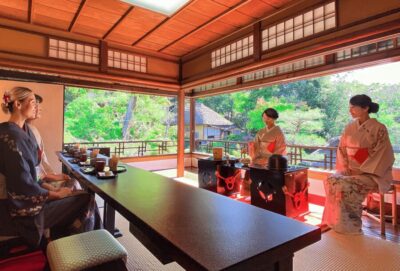
Tea Ceremony in a Traditional Tea House in Kiyomizu
Read our review →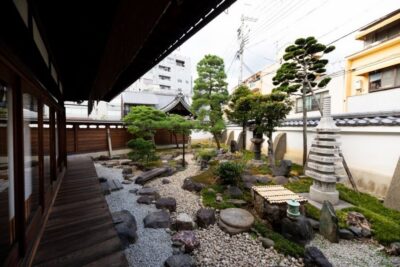
Browse the lists this tour appears in