
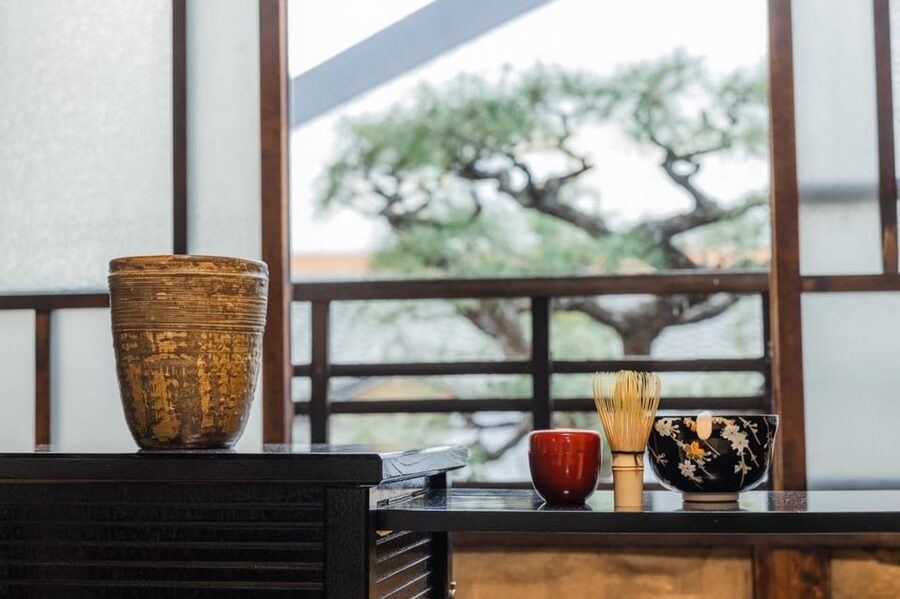
Review · KYOTO
Kyoto: Table-Style Tea Ceremony at a Kyo-Machiya
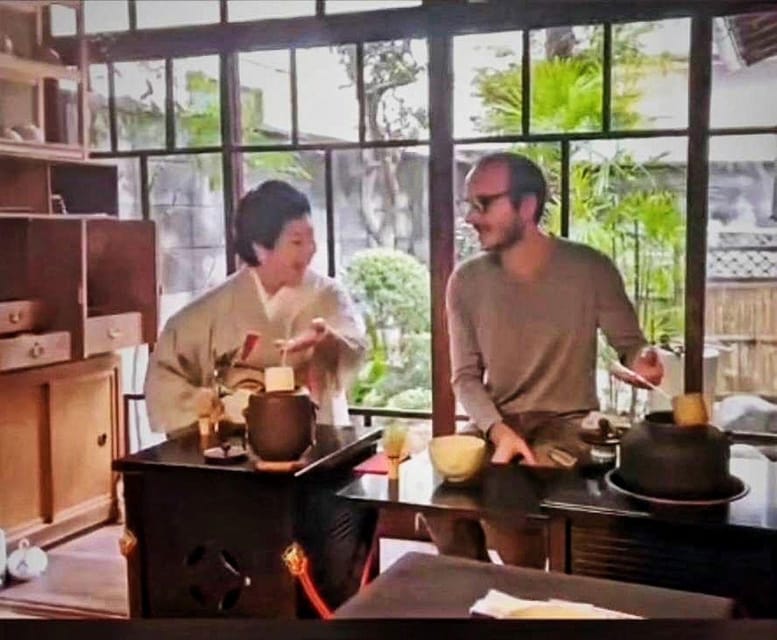
The best feature here is simple: you can enjoy a Japanese tea ceremony at a table, not kneeling on the floor. In a 100-year-old Kyo-Machiya, English-speaking hosts explain the ceremony, serve sweets and tea, and let you try the whisk yourself.
I like the mix of quiet tradition and hands-on fun. You make creamy matcha, write your name in Japanese, and take photos with fans, umbrellas, and a katana. The kimono option adds real charm, though it requires arriving 30 minutes early and may not suit pregnant participants.
Key Points
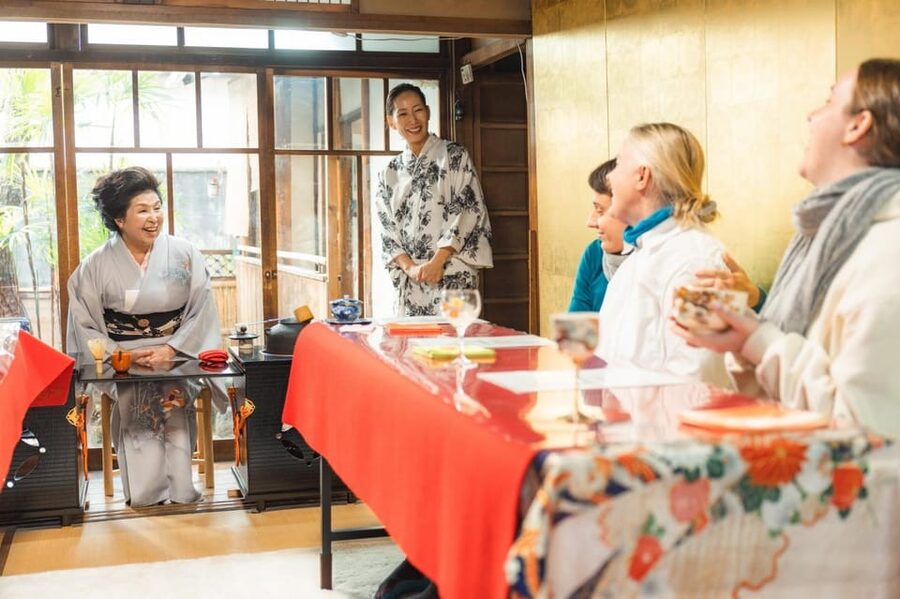
- Chair-based tea ceremony: A comfortable choice if sitting on the floor is difficult.
- 100-year-old townhouse: Explore a traditional home with a garden, antiques, and old Buddhist and Shinto altars.
- More than tea: Try calligraphy, flower arranging, sweets, sake or juice, and matcha preparation.
- Kimono option: Add traditional dress, hairstyling, and extra photo time for a stronger visual memory.
- Southern Kyoto setting: Pair the activity with Fushimi’s sake shops, Fushimi Inari Shrine, or a trip toward Uji.
- Small-group feel: Private and small-group bookings are available, with instruction in English.
A Tea Ceremony Without the Floor Sitting
Many first-time visitors picture a tea ceremony as a long period of kneeling on tatami. That can be beautiful, but it can also be hard on your knees, ankles, or back. This experience takes place with tables and chairs, so you can focus on the gestures, tools, and meaning instead of counting the minutes until you can stand up.
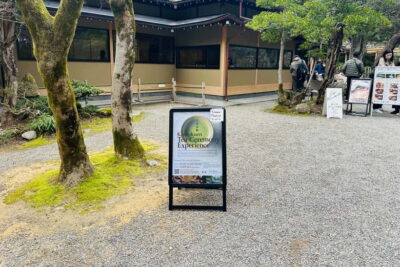
The setting is a traditional Kyo-Machiya, a Kyoto townhouse more than 100 years old. Its plain exterior does not give away much. Inside, you can stroll through the house, see old household objects, and look at Buddhist and Shinto altars that help explain how religion and daily life once shared the same space.
The hosts guide you through the ceremony in English. You learn why the movements matter, how the tea developed in Japan, and what manners to follow. A PowerPoint presentation adds basic historical and cultural context before you try the process yourself.
I like this format because it gives you enough explanation to make the ritual meaningful, but it does not expect you to already know the rules. The staff are also described as patient and attentive, which matters when you are trying to copy a careful sequence of movements for the first time.
More Tea Ceremony Experiences in Kyoto:
- Kyoto: Tea Ceremony in a Traditional Tea House in Kiyomizu
★ 4.9 · 3,519 reviews - Kyoto: Tea Ceremony Ju-An at Jotokuji Temple
★ 4.9 · 3,207 reviews - Kyoto: 45-Minute Tea Ceremony Lesson Experience
★ 4.3 · 2,378 reviews
What Happens During the 90 Minutes
The exact order can vary, especially when kimono rental or flower arranging is added, but you should expect a busy 90 minutes rather than a single cup of tea.
You begin with a welcome drink. Depending on the option and the day, this may be sake, juice, or Japanese tea. It is a friendly way to settle in before the more formal part begins.
The hosts then introduce the townhouse and the setting. You may be shown the garden, household details, antiques, and religious alcoves. One especially nice touch is the stone basin in the garden. You learn how to purify yourself there, following a custom associated with visiting a shrine.
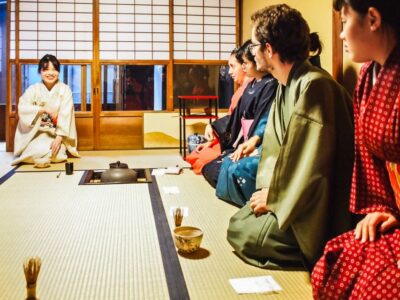
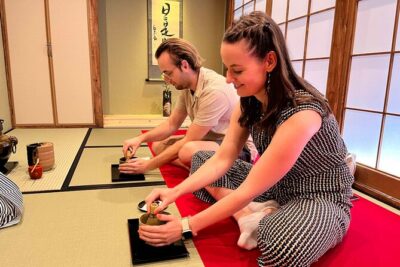
The hosts perform the tea ceremony while explaining the utensils, movements, and manners. Watch closely here. The point is not only the taste of matcha. It is the care shown in preparing, presenting, receiving, and drinking it.
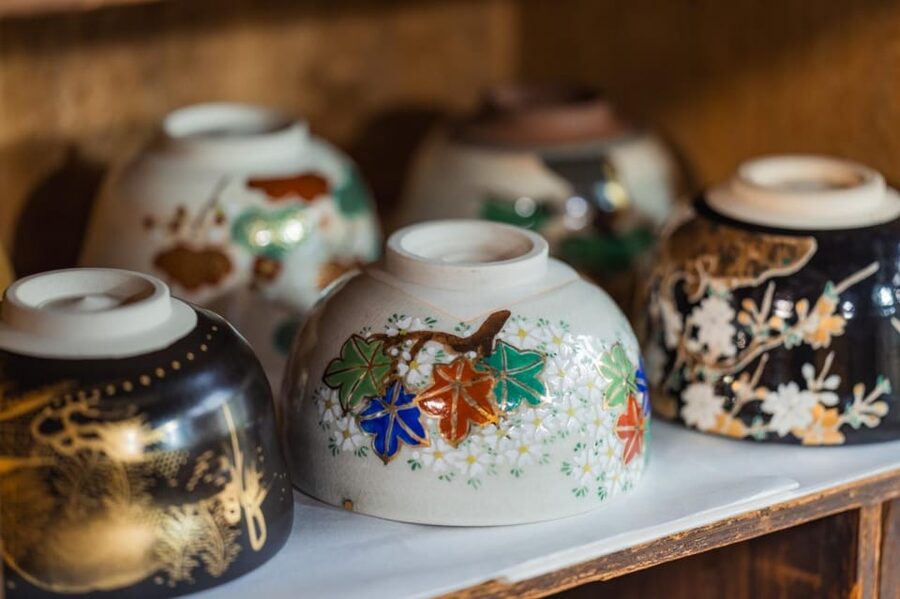
Traditional sweets accompany the tea. Their sweetness balances matcha’s grassy, slightly bitter flavor. You are not left to watch from the sidelines, either. After seeing the demonstration, you prepare your own matcha with a bamboo whisk.
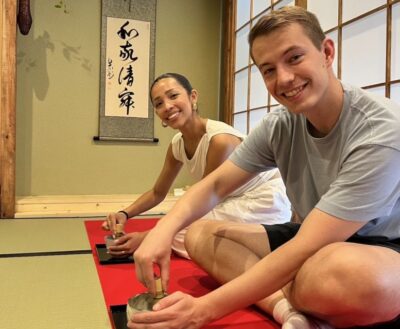
That hands-on portion is one of the most useful parts of the session. You learn how much physical motion is needed to produce a creamy, frothy drink, and you get a better sense of why matcha preparation is treated as a skill rather than a quick kitchen task.
The experience can also include latte art using thick tea. This gives the traditional material a playful, modern turn without losing the connection to Japanese tea culture.
Calligraphy, Flowers, and Personal Keepsakes
The cultural activities continue after the tea service. You write your name in Japanese, using kanji or hiragana, and some sessions include practice with three Japanese writing styles. The hosts help you form the characters, so you do not need previous calligraphy experience.
You also receive a hanging scroll or envelope with your name written in Japanese kanji or hiragana. That is more useful than a generic souvenir because it connects directly to the activity and gives you something personal to take home.
Flower arranging is included in the broader activity description as well. You may make a small Japanese flower composition, learning how placement and shape affect the arrangement. It gives the session another quiet, creative task after the concentration of the tea ceremony.
The photo time is less formal. You can use umbrellas, folding fans, and a katana as props in the garden or around the townhouse. These are clearly designed for photographs, so this part will appeal to families, couples, and anyone who wants a visual record of the day.
I would treat the photos as a bonus rather than the main reason to book. The townhouse and kimono make a strong setting, but the heart of the activity is still the tea, the explanation, and the chance to practice.
Adding the Kimono Option
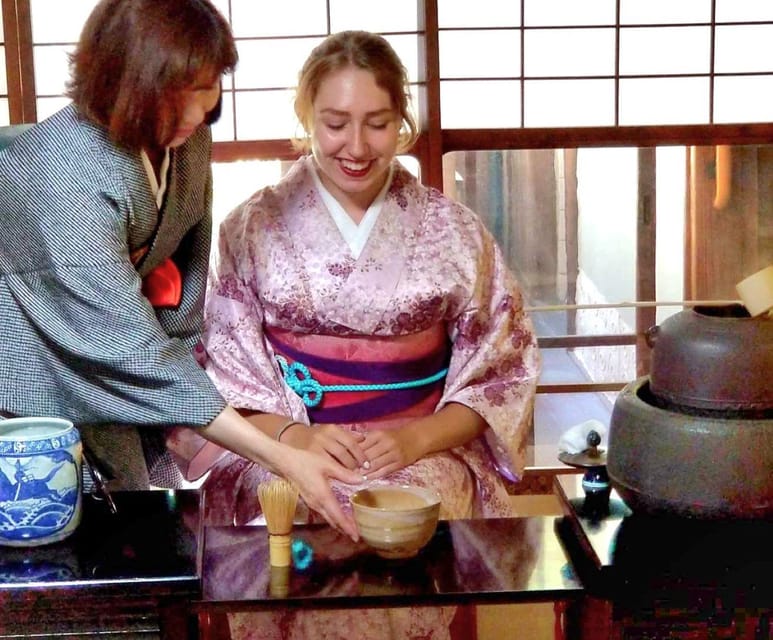
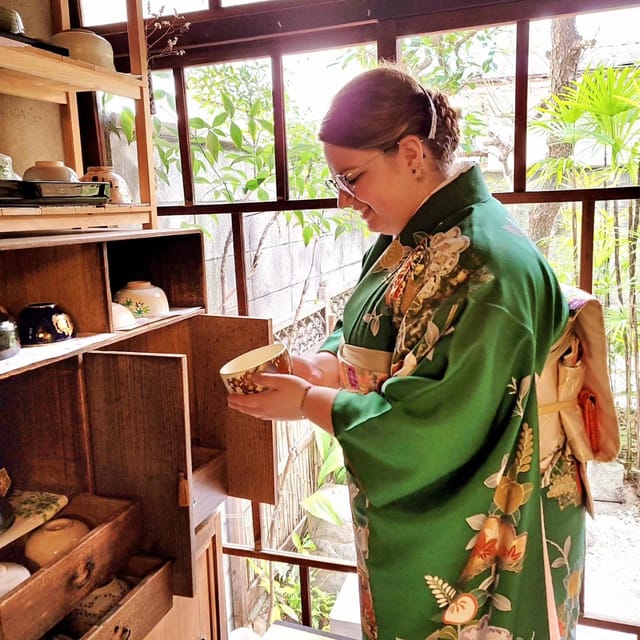
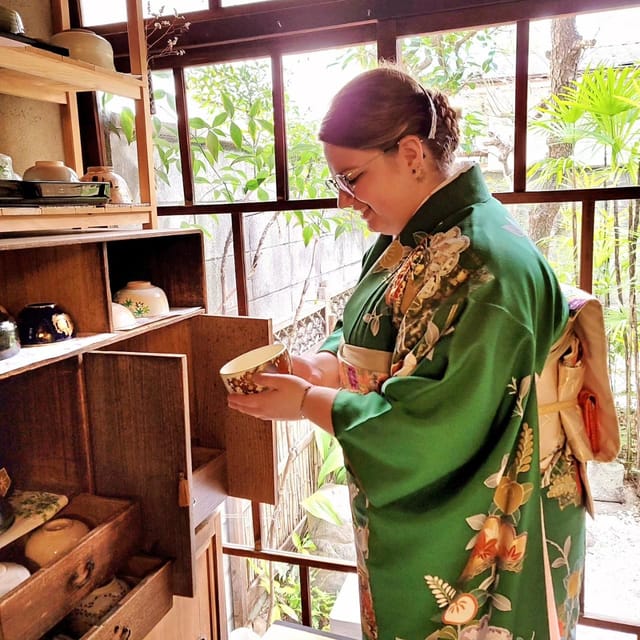
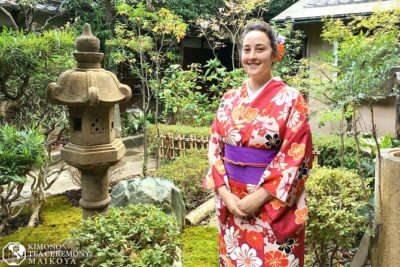
The kimono option changes the feel of the experience. You arrive 30 minutes early, choose from the available clothing, and receive help getting dressed. Several people especially enjoyed the care taken with fitting and styling, including assistance with hair.
The staff have many kimono choices, according to the information available, so you can expect a selection rather than one standard outfit. The hosts also help make sure different body sizes are accommodated. That matters because traditional clothing can feel intimidating if you are unsure about fit.
Once dressed, you can take photos in the townhouse and garden before or during the ceremony. The clothing makes the tea service feel more special, but it also means you should allow extra time and expect some restrictions in movement.
If you are pregnant, do not choose the kimono option. The activity specifically asks pregnant participants to avoid wearing one for health and safety reasons. The table-style tea ceremony itself is the better choice in that situation, though you should consider your own comfort.
For most people who want a strong cultural photo and a more memorable occasion, I think the kimono add-on is worth considering. If you are mainly interested in learning about matcha and tea etiquette, the basic experience still offers plenty to do.
A few more tea experiences around Kyoto worth a look
- Kimono Tea Ceremony at Kyoto Maikoya, NISHIKI
★ 5.0 · 911 reviews - Kyoto: Kimono Tea Ceremony at Orizuruya Gion
★ 4.9 · 618 reviews - Kyoto: Tea Ceremony in 100-year-old Kyo-Machiya Townhouse
★ 4.8 · 546 reviews - Kyoto: Tea Ceremony Experience
★ 4.8 · 511 reviews
A Practical Location in Southern Kyoto
This is not in central Kyoto beside the most famous temple districts. The townhouse is in southern Kyoto, in the Fushimi area, about 20 minutes by train from central points in the city.
From Kintetsu Kyoto Station, take an express train for about 15 minutes to Kintetsu Momoyama-Goryo-mae Station. From Keihan Gion-Shijo Station, use the train to Fushimi-Momoyama Station. From Momoyama Station on the JR line, walk northwest toward Gokogu Shrine, then continue to the Otesuji shopping arcade.
The final walk is short. From the arcade, turn right at Mizuho Bank or the Rakuten mobile shop. Continue for roughly two to three minutes and look for an old townhouse with a blue curtain. Guides wearing kimono wait near the entrance.
Read these directions before leaving the station. The location is easy enough once you are on Otesuji, but the modest exterior could be easy to pass if you are watching only for a large tour sign.
The area is useful for a full half-day plan. Fushimi is well known for sake, with casual restaurants, shops, and a traditional shopping street nearby. You can eat before or after the ceremony without returning to central Kyoto.
You can also combine the visit with Fushimi Inari Shrine. From Keihan Fushimi Inari Station, the shrine is about 15 minutes away by train connection and local travel. Uji, known for tea, is about 20 minutes by train, while Osaka is about 40 minutes by express train and Nara about 50 minutes.
Do not pack too much into the schedule. The tea session lasts 90 minutes, and the kimono option requires an earlier arrival. Add time for the walk, photos, food, and any nearby sight you plan to see.
Who Will Get the Most From This Experience
This is a strong choice for a first tea ceremony. You get an explanation in English, a demonstration, guided practice, and several related cultural activities in one sitting. You do not need to study Japanese etiquette beforehand.
It also works well for families and teenagers. Calligraphy and matcha making give younger participants something to do with their hands, while the chair-based format is easier for older relatives than floor seating.
Couples may prefer the kimono option and garden photography. Small groups can enjoy the townhouse without the feel of a large staged performance, and private bookings are available for those who want more personal attention.
The activity is less suitable if you want a long, formal tea ceremony conducted according to advanced traditional rules. This is an introduction designed for international visitors, with accessible explanations and several activities packed into a short visit.
It is also not suitable for wheelchair users. The townhouse has stairs, and some parts of the visit may be difficult for anyone with limited mobility. If you have a leg injury or trouble with stairs, ask about the layout before booking. The staff are described as patient with mobility concerns, but the activity is not listed as wheelchair accessible.
Is the $45 Price Good Value?
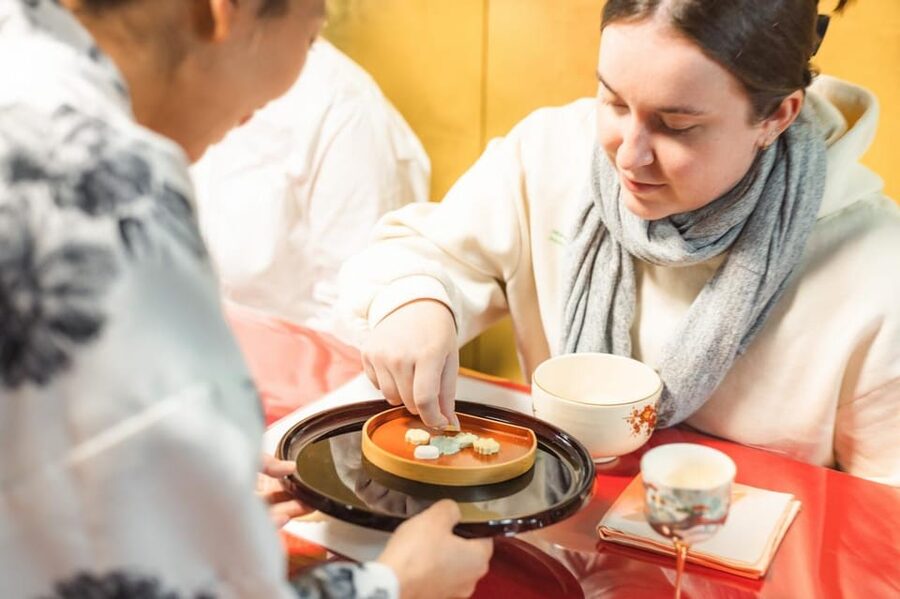
At $45 per person, the base price is reasonable for a 90-minute cultural activity in Kyoto. You are paying for more than a serving of matcha. The price includes the tea ceremony, traditional sweets, a welcome drink, calligraphy, your Japanese name on a scroll or envelope, and the chance to make matcha yourself.
The townhouse setting adds value. A café can serve you matcha, but it cannot give you the same look at a traditional home, garden basin, household altars, and old objects. The hosts also spend time explaining the customs rather than simply posing for photographs.
The kimono rental costs extra, though the exact supplement is not provided here. I would compare the total price with your photo and cultural interests. If you want the clothing, hairstyling, and extra preparation, it is likely the most memorable version. If you are watching your budget, the standard session still has a full program.
The very high rating, 4.9 from 1,211 reviews, fits the main strengths of the activity: kind hosts, clear English, careful kimono fitting, and a well-organized sequence. I would not use the rating alone to choose a tour, but here the repeated praise points to specific things you care about, especially hospitality and patient instruction.
Booking Tips for a Smoother Visit
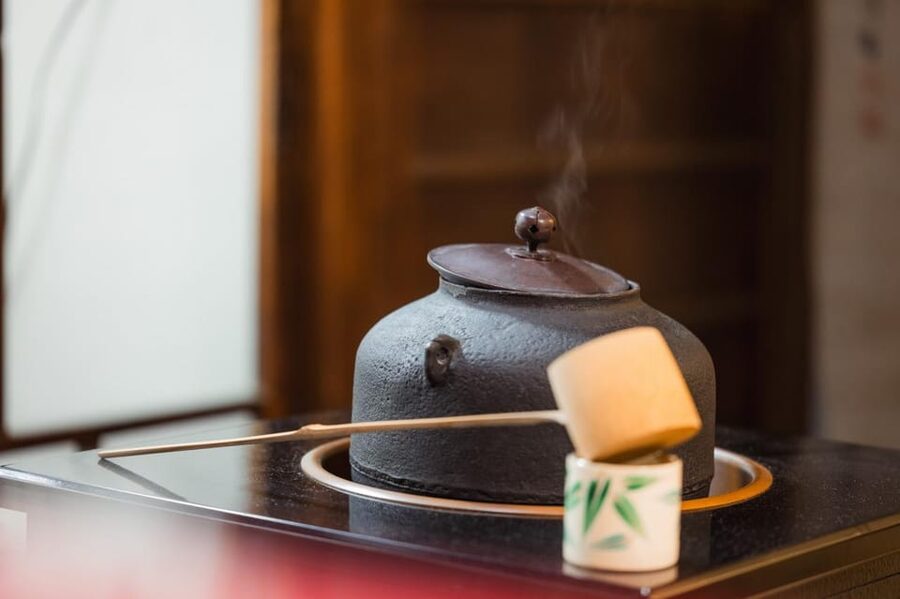
Book the kimono option separately and check the availability details carefully. The instructions say you may need to select View Availability twice to reveal the kimono choice.
Arrive 30 minutes early if you are wearing a kimono. For the basic activity, allow enough time to find the townhouse from the station and arrive before the scheduled start.
Wear clothing that will not make changing difficult if you choose the kimono option. The supplied information does not give a dress code, so avoid assuming that every outfit will work equally well under traditional clothing.
Keep your afternoon flexible. The area is a good match for Fushimi sake shops, restaurants, Fushimi Inari, or Uji, but it is better to enjoy one or two nearby stops than race back and forth across Kyoto.
The activity offers free cancellation up to 24 hours before the start time, and you can reserve now and pay later. Hotel pickup and drop-off are not included, so you handle the train and walk yourself.
Should You Book It?
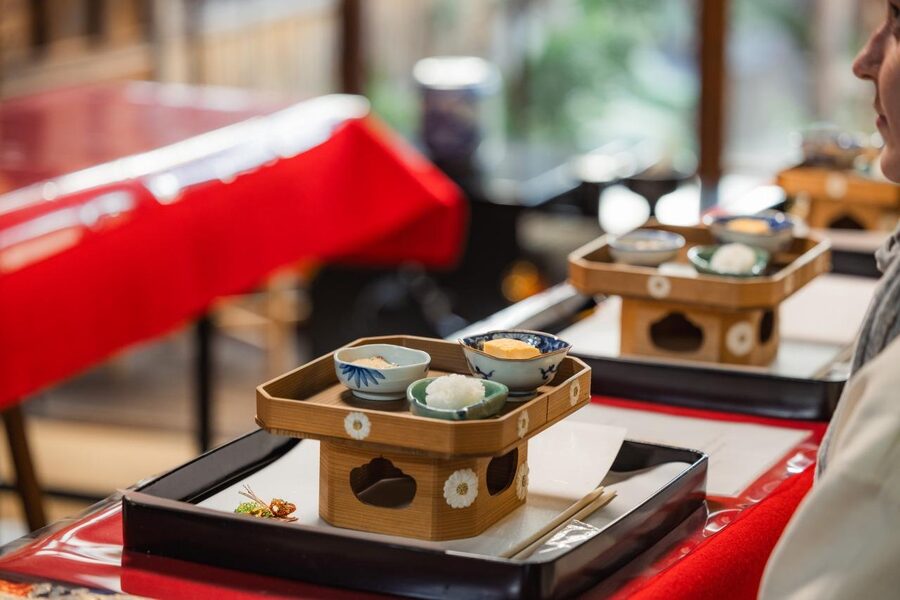
Book this experience if you want a friendly introduction to Japanese tea culture without kneeling on the floor. It gives you a real traditional setting, clear English instruction, matcha practice, sweets, calligraphy, and several useful cultural touches for $45.
Choose the kimono option if photographs and dress are important to you, and arrive early for the fitting. Skip it if you are pregnant, uncomfortable with stairs, or mainly want a short, formal tea service with no added activities.
For most first-time visitors, this is a smart way to place tea ceremony into a Kyoto itinerary. Plan it with Fushimi rather than treating it as a quick central Kyoto stop, and you will get both the activity and a pleasant neighborhood to explore afterward.
FAQ
How long does the tea ceremony experience last?
The activity lasts 90 minutes. If you select the kimono option, arrive 30 minutes before the scheduled start for dressing.
Can I sit on a chair during the tea ceremony?
Yes. The ceremony uses tables and chairs, so you do not need to sit on the floor.
Is the activity conducted in English?
Yes. English instruction is provided, and the hosts explain the ceremony, its history, manners, and matcha preparation in English.
What is included in the basic experience?
The experience includes the tea ceremony, traditional sweets, a welcome drink such as sake or juice, matcha preparation with a bamboo whisk, calligraphy, and a hanging scroll or envelope with your name written in Japanese.
Is kimono rental included?
Kimono rental is available only if you select that option. Participants choosing it should arrive 30 minutes early. Pregnant participants are asked not to wear a kimono.
How do I reach the townhouse?
From Kintetsu Kyoto Station, take an express train to Kintetsu Momoyama-Goryo-mae Station. From Keihan Gion-Shijo Station, travel to Fushimi-Momoyama Station. Walk west along Otesuji shopping arcade, turn right at Mizuho Bank or the Rakuten mobile shop, and look for the townhouse with a blue curtain.
Is the activity wheelchair accessible?
No. The experience is not suitable for wheelchair users. Hotel pickup and drop-off are also not included.
Just added around Kyoto
- Whisk Your Own Matcha: A Zen Matcha Experience at Temple★ 3.6 · 7 reviews
- Uji Walking Tour – Byodo-in temple and Tea Ceremony from Kyoto★ 3.5 · 3 reviews
- Traditional Tea Ceremony in Kyoto★ 4.5 · 3 reviews
- Kyoto: Authentic Tea Ceremony in a Small Group★ 5.0 · 7 reviews
- Tea ceremony at Kyoto’s Zen Temple Teahouse★ 5.0 · 2 reviews
- Tea Ceremony in 150 Years Old Townhouse with Tables and Chairs★ 5.0 · 22 reviews
- Tea Ceremony Experience in Traditional Kyoto Townhouse★ 5.0 · 19 reviews
- Silent Beauty of Kyoto Zen Walk and Tea Experience★ 5.0 · 2 reviews
Tea Ceremony Experiences, compared.
Tea Ceremony in a Traditional Tea House in Kiyomizu
Read our review →
Browse the lists this tour appears in