
Review · KYOTO
Zen Garden Making and Matcha Tasting in Handmade Pottery Shop
Kyoto’s temple gardens are made for quiet looking. At Ninshu, you get to make a small one yourself, using sand patterns and pottery vessels to create your own design. It is a hands-on way to meet a familiar part of Japanese culture without a long lesson or strenuous activity.
I like the creative freedom and the compact 30-minute format. I also like the chance to taste Ippodo matcha with seasonal wagashi, then browse handmade pottery that is practical enough for a microwave and dishwasher. The main drawback is that the visit is still being refined. One recent visit found the staff kind but communication slightly awkward, and the matcha was prepared in another room rather than directly beside the garden.
Key points at a glance
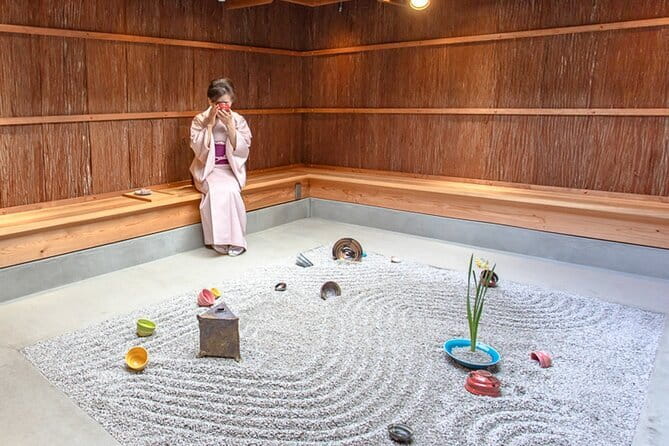
- Design your own small Zen garden: Use sand patterns and pottery vessels to make a personal arrangement.
- Taste Kyoto tea and sweets: The matcha comes from Ippodo, while the seasonal wagashi comes from Senbon Tamajushuken.
- Visit a historic machiya: The shop occupies a traditional Kyoto townhouse more than 100 years old.
- Shop for useful souvenirs: Handmade pottery is dishwasher and microwave safe, a helpful detail for taking pieces overseas.
- Keep the timing easy: The activity lasts about 30 minutes and accepts a maximum of eight people.
- Plan around the weather: Poor weather can lead to a new date or a full refund.
Making a Zen garden in a Kyoto pottery shop
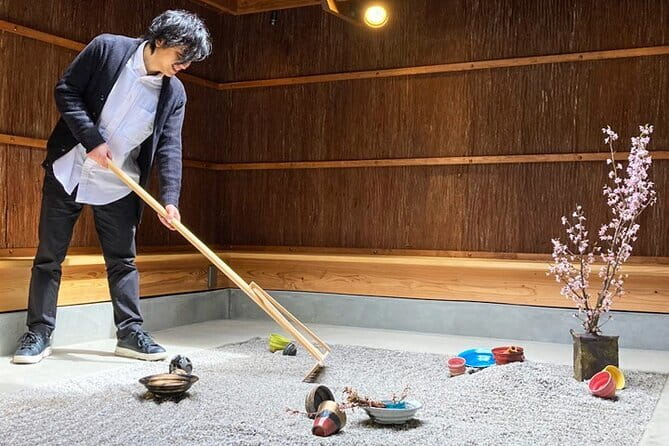
The central activity takes place at Ninshu, a handmade pottery shop and matcha cafe at 18-1 Fujikicho in Nakagyo Ward. Rather than simply looking at a temple garden, you arrange a small pottery garden in the same general style, using sand and vessels to form your own patterns and color arrangement.
This is not a full-size garden project. The scale is deliberately small, which makes the activity manageable for children, older adults, and anyone who would rather not spend an afternoon on a complicated craft. You do not need special physical ability, and the activity is built around careful placement rather than speed.
The appeal is the pause it creates. Kyoto sightseeing can involve temples, crowds, stairs, and a long list of places to see. Here, you have a short period to focus on lines, space, and balance. You can make a design that looks orderly, irregular, bold, or spare. There is no stated single correct pattern, so your choices are part of the souvenir.
I would treat this as a gentle cultural activity rather than a formal class in Zen garden design. The information provided does not promise a long explanation of garden symbolism or a detailed lesson from a named instructor. If you want technical instruction, ask questions at the start. If you want a simple creative break, the format should suit you well.
More Matcha Experiences in Kyoto:
- Kyoto: Arashiyama Bamboo Forest, Monkeys, Matcha & Temple Tour
★ 5.0 · 759 reviews - Kyoto: Tea Ceremony Meditation – Make Matcha with Tea Master
★ 4.8 · 406 reviews - Kyoto: Kimono Tea Ceremony with Matcha and Sweet
★ 4.9 · 249 reviews
Sand patterns, vessels, and personal choices
The pottery vessels are part of the design, not just decoration around it. You use them with the sand to build an arrangement that resembles a miniature Zen garden. This gives the activity a useful connection to the shop itself: you are not making a random craft, but working with the material and style the store presents.
The small size also affects your expectations. You will not leave with a large garden or a finished pottery item that you made during the visit. The lasting memory comes from the process, the photographs, and any pottery you decide to buy afterward.
I like this setup for families and mixed-age groups. A young child can take part without a hard physical task, while an older family member can join without needing to walk far or stand for long periods. It also works for couples or solo visitors who want a calm stop between larger Kyoto sights.
The maximum group size is eight people. That is small enough to keep the room from feeling like a major workshop, although the actual amount of one-to-one help is not specified. The modest group limit is useful if you prefer a quieter setting, but you should not assume that every participant receives a private lesson.
Matcha from Ippodo and seasonal wagashi
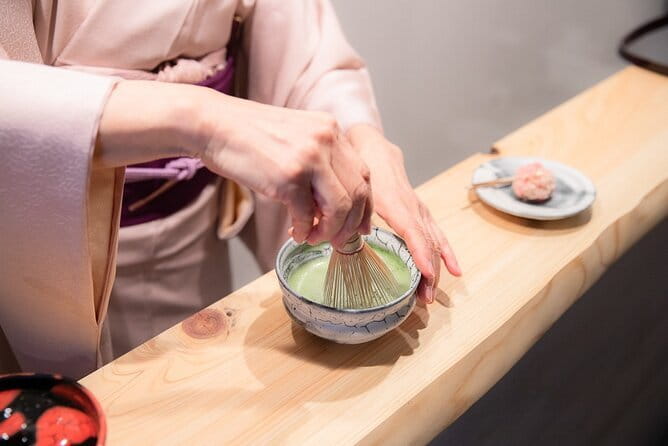
After making the garden, you enjoy matcha from Ippodo, one of Kyoto’s best-known tea companies, with seasonal wagashi supplied by Senbon Tamajushuken. The pairing gives the short activity a clear food and drink finish. Matcha brings a firm, grassy taste, while wagashi adds a small sweet element shaped by the season.
The setting matters here. You can enjoy the tea and sweets in front of the Zen garden you created, and photographs are encouraged as part of the memory. That makes the visit more than a quick cup of tea. You have a visual record of your own arrangement, with a traditional Kyoto-style setting around it.
There is one practical point to understand. The matcha may be prepared in another room rather than in front of you. That can disappoint you if you are booking specifically to watch tea being whisked or to learn the preparation steps. The supplied details confirm the tea and sweets, but they do not promise a tea ceremony demonstration.
The food received strong praise for flavor, with both the matcha and snack described as good. The welcome also received warm approval. That said, the experience has had some uneven moments in communication, possibly because of language differences. Keep your expectations focused on making the garden and tasting the tea, not on a polished stage performance.
Some Japanese sweets may contain wheat, egg, or yams. Tell the staff about allergies in advance or at the beginning. The shop can provide sweets without those listed allergens, which is an important accommodation, but you should still communicate clearly before eating.
A 100-year-old Kyoto machiya around you
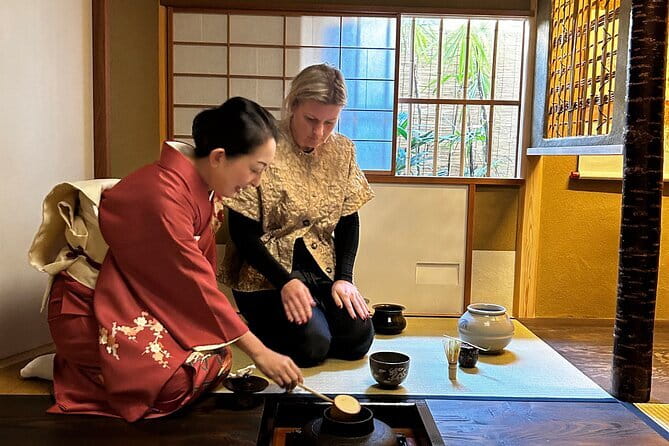
Ninshu occupies a traditional Kyoto machiya that is more than a century old. A machiya is a narrow urban townhouse associated with Kyoto’s historic merchant districts. The building adds a sense of place to an activity that could otherwise happen in any craft room.
You should pay attention to the building as you move through the visit. The value is not only in the sand patterns or matcha. The townhouse connects the activity to the city’s older way of life, giving you a small architectural encounter without needing to set aside a full morning for a major historic site.
The information does not provide a detailed architectural tour, so do not book this expecting a guided study of the machiya. Think of the building as the setting and atmosphere for the craft. It helps the short visit feel connected to Kyoto rather than packaged as a generic workshop.
Because the activity ends where it begins, you can continue with your Kyoto plans immediately afterward. The shop is near public transportation, though no specific station or walking time is provided. Check your route before setting out, especially if you have a timed temple admission or restaurant reservation afterward.
More Tea Tastings in Kyoto:
- Private Tea Ceremony and Sake Tasting in Kyoto Samurai House
★ 5.0 · 163 reviews - Twinings 2-Hour Tea Tasting Masterclass in London
★ 5.0 · 105 reviews - Charleston: Wadmalaw Island Wine Tasting and Tea Garden Trip
★ 4.9 · 94 reviews - Tea Tasting and Pairing Concept Workshop
★ 5.0 · 57 reviews
Handmade pottery that works at home
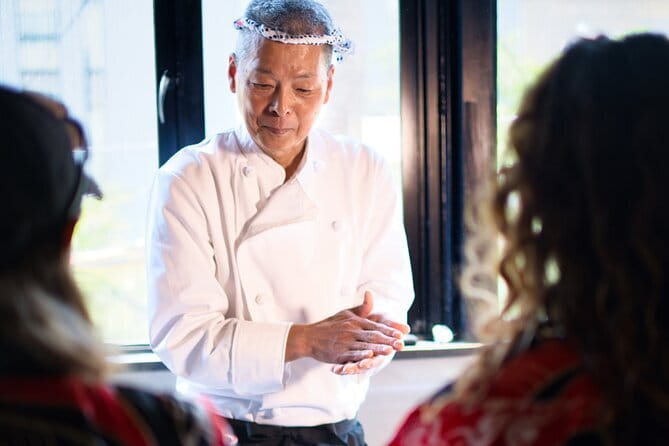
The shop also sells handmade pottery, giving you a chance to take home something more useful than a small decorative souvenir. The pieces are described as dishwasher and microwave safe, a practical feature for anyone flying home with limited space and no interest in delicate display-only ceramics.
I consider this one of the stronger value points. A pottery purchase can remind you of Kyoto while still serving an everyday purpose. You might find a cup, bowl, or other vessel that fits your kitchen rather than sitting untouched in a cabinet. The available shapes, prices, and shipping options are not provided, so inspect each item and ask about packing before buying.
The connection between the activity and the store is natural. You make a garden with pottery vessels, then see the shop’s broader handmade work. Still, do not assume that a pottery item is included in the $14.12 price. The listed price covers the activity and tasting, while purchases from the shop are separate.
Is 30 minutes enough?
Thirty minutes is enough for a taste, not a full afternoon workshop. That can be a benefit in Kyoto, where you may want to fit several small cultural stops into one day. The visit gives you a clear beginning, creative middle, and tea-and-sweets finish without demanding a major time commitment.
The short length also limits what can happen. You should not expect a long cultural lecture, a detailed tea lesson, or an extensive pottery-making session. The available information does not say that you shape clay or fire your own piece. The focus is the sand garden, matcha, wagashi, and shop.
This timing suits you best if you want a compact activity near other plans. Families may appreciate the low physical demand. Couples can use it for a quiet shared task. Solo visitors can make a personal design without committing to a long group class.
I would be more cautious if you want a highly structured workshop with constant instruction. The activity is still being refined, and one visit felt less polished than the idea promised. The hosts were described as welcoming and kind, but the presentation may not feel as smooth as an established tea ceremony.
What the $14.12 price really buys
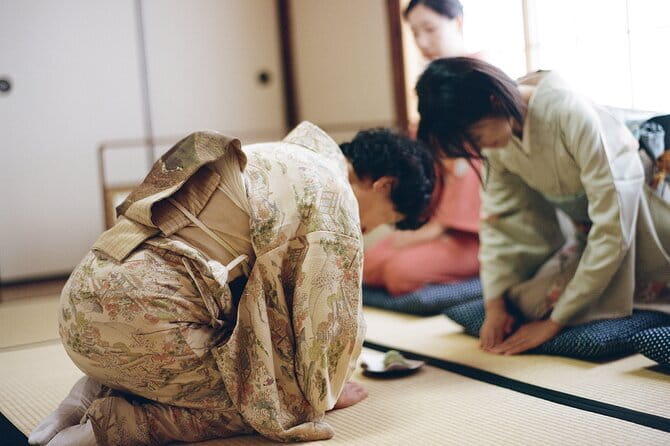
At $14.12 per person, the price is modest for Kyoto. You receive the sand garden activity, matcha, seasonal wagashi, and time in a historic machiya. You also get the chance to take photographs in front of your own finished arrangement.
The price looks strongest when you value variety in a short stop. You are combining a craft, a taste of tea culture, a Japanese sweet, and a pottery shop visit. A separate cup of matcha and wagashi elsewhere could take up much of the same budget, while this adds a hands-on activity.
The value is less certain if your main goal is formal instruction. No guide names are supplied, and the format does not promise a detailed explanation of Zen garden history or tea preparation. You are paying for a friendly, compact cultural encounter rather than expert-level teaching.
The experience is often reserved about 25 days ahead. That does not guarantee it sells out on every date, but it suggests you should plan ahead if your Kyoto schedule is fixed. The mobile ticket makes carrying a printed voucher unnecessary, assuming your booking details are available on your phone.
Weather, access, and booking details
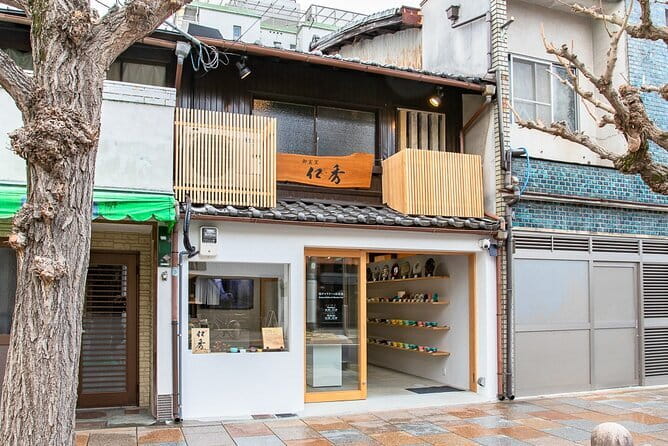
The meeting point and end point are the same: Ninshu vessel shop and matcha cafe, 18-1 Fujikicho, Nakagyo Ward, Kyoto, postal code 604-0992. The activity is near public transportation, and service animals are allowed.
The booking confirmation arrives at the time of booking. The group limit is eight people, which keeps the activity relatively small. No difficult movements are required, making it suitable for a broad age range, though the supplied information does not give specific details about wheelchair access or seating.
Weather affects the booking. If poor weather causes a cancellation, you can receive a different date or a full refund. The policy allows a full refund when you cancel at least 24 hours before the local start time. Cancellations or changes within 24 hours are not refunded or accepted, so check the forecast and your schedule early.
Who should book this Kyoto activity?
I would choose it for you if you want a short, low-pressure cultural stop with something to do, not just something to look at. It is especially suitable for families, older visitors, couples, and anyone curious about Japanese garden design but short on time.
It also suits you if useful souvenirs matter. The pottery is handmade and designed for regular kitchen use, with dishwasher and microwave safety making it easier to bring home and use.
I would hesitate if you want a refined tea ceremony, a long workshop, or a strong language-led explanation. The activity has a good idea at its center, and the best parts are the personal garden design, the friendly welcome, and the matcha with wagashi. But the delivery may feel a little awkward, and the tea may be prepared out of sight.
FAQ
Where does the activity take place?
It takes place at Ninshu vessel shop and matcha cafe, 18-1 Fujikicho, Nakagyo Ward, Kyoto, 604-0992, Japan.
How long does the activity last?
The activity lasts approximately 30 minutes.
What will I do during the visit?
You will create your own small sand design in a pottery garden arranged in Zen garden style. You will then enjoy matcha and seasonal Japanese sweets in front of the garden.
Which tea and sweets are served?
The matcha comes from Ippodo, a Kyoto tea company. The seasonal wagashi comes from Senbon Tamajushuken.
Can I buy pottery at the shop?
Yes. You can purchase handmade pottery at the shop. The pieces are described as dishwasher and microwave safe.
Are allergy-friendly sweets available?
Some sweets may contain wheat, egg, or yams. Tell the shop about your allergies, and sweets without those listed allergens can be served.
What happens if I need to cancel?
You receive a full refund if you cancel at least 24 hours before the start time. Cancellations within 24 hours are not refunded. If poor weather causes the activity to be canceled, you will be offered another date or a full refund.
More Food and Drink Tours in Kyoto
- Arashiyama Bamboo, Temple, Monkeys, or Secret Sake Brewery
★ 4.8 · 886 reviews - Jakarta: Volcano, Tea/Rice Fields, Hot Spring, Local Food
★ 4.9 · 515 reviews - SF’s Chinatown: Tea & Dim Sum Food Tour – Includes full meal, 3hr
★ 5.0 · 153 reviews - Experience all of Japanese culture and Japanese food experience classes “origami, udon, Japanese food, green tea, calligraphy” in 4 hours
★ 5.0 · 105 reviews
Just added around Kyoto
- Whisk Your Own Matcha: A Zen Matcha Experience at Temple★ 3.6 · 7 reviews
- Uji Walking Tour – Byodo-in temple and Tea Ceremony from Kyoto★ 3.5 · 3 reviews
- Kyoto: Authentic Tea Ceremony in a Small Group★ 5.0 · 7 reviews
- Tea ceremony at Kyoto’s Zen Temple Teahouse★ 5.0 · 2 reviews
- Traditional Tea Ceremony in Kyoto★ 4.5 · 3 reviews
- Tea Ceremony in 150 Years Old Townhouse with Tables and Chairs★ 5.0 · 22 reviews
- Silent Beauty of Kyoto Zen Walk and Tea Experience★ 5.0 · 2 reviews
- Tea Ceremony Experience in Traditional Kyoto Townhouse★ 5.0 · 19 reviews
Matcha Experiences, compared.

World Heritage Kyoto & Nara Uji Authentic Matcha Experience
Read our review →
Matcha Making Class in Tokyo with Authentic Japanese Sweets Set
Read our review →
Tea Museum Tickets and Matcha Grinding Experience
Read our review →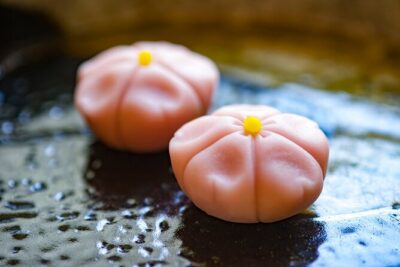
Matcha Making Class in Osaka with Authentic Japanese Sweets Set
Read our review →
Tea Ceremony Meditation – Make Matcha with Tea Master
Read our review →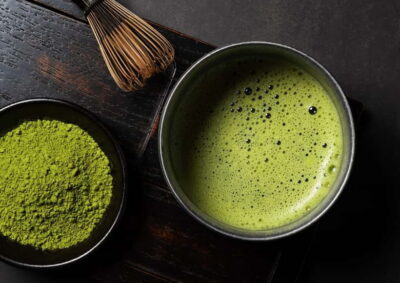
Matcha Making Experience with Mochi Sweets in Asakusa
Read our review →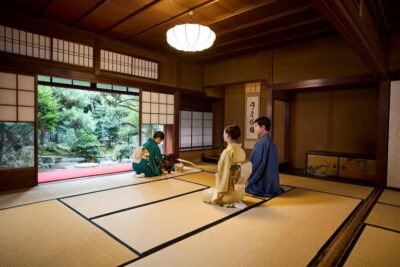
Browse the lists this tour appears in