
Review · KYOTO
Matcha Green Tea Plantation and Matcha Factory Visit
Uji is to matcha what Scotland is to Scotch whisky. This 3.5-hour outing takes you from Kyoto Station to the tea-growing country south of the city, where you can see a plantation, visit a working factory, handle a green-tea mill, and taste premium matcha in a traditional tea hut. The farm-to-cup story is the real draw.
I like the small maximum group of six, which gives your English-speaking guide room to explain the process and answer questions. I also like that train transportation, admission, matcha tasting, and Japanese sweets are included, so the $154.84 price covers more than a simple farm visit. The main consideration is timing: this is a focused tea excursion, not a broad tour of Uji, and the roughly three-hour visit may feel short if you want to explore the town at length.
Key points at a glance
- Uji is Japan’s matcha home: Travel to the southern Kyoto region best known for high-quality matcha production.
- See tea beyond the teacup: Visit an old plantation and factory, learn about cultivation, and watch how the leaves become powdered tea.
- Taste premium matcha with sweets: Sample several varieties, including the most expensive matcha offered during the experience.
- Travel by train from Kyoto Station: Meet at Hotel Granvia Kyoto inside the JR Kyoto Station building and go to Uji with a guide.
- Keep the group small: A maximum of six people makes it easier to hear explanations and ask practical questions.
- Leave with useful tea knowledge: Learn how to make green tea part of your daily routine and browse tea utensils that can be hard to find elsewhere in Japan.
Why Uji is the right place to learn about matcha
Matcha has a long connection with Japanese Buddhist practice. It was introduced to Japan by a Zen monk in the 12th century, and its preparation became closely tied to ceremony, discipline, and hospitality.
That background helps explain why matcha is more than a bright green drink served in modern cafés. The whole leaf is ground into powder, so the drink carries the plant’s flavor, color, and texture. At the Uji plantation and factory, you get to follow that process from growing tea plants to preparing the finished powder.
I like the comparison between Uji and Scotland’s whisky country. It gives you a quick sense of place. Uji is not simply a convenient stop with a few tea shops. Its name signals a long-standing reputation for matcha quality.
The setting also gives the experience a welcome change of pace from central Kyoto. You begin at one of Japan’s busiest rail stations, then head south by train to a region tied directly to tea production. The contrast is part of the value.
More Matcha Experiences in Kyoto:
- Kyoto: Arashiyama Bamboo Forest, Monkeys, Matcha & Temple Tour
★ 5.0 · 759 reviews - Kyoto: Tea Ceremony Meditation – Make Matcha with Tea Master
★ 4.8 · 406 reviews - Kyoto: Kimono Tea Ceremony with Matcha and Sweet
★ 4.9 · 249 reviews
Meeting at Kyoto Station and riding to Uji
The meeting point is Hotel Granvia Kyoto, at the central entrance of the JR Kyoto Station building. This is a practical starting place, especially if you are already using the station for trains or staying nearby.
Your guide accompanies you by train to Uji. Transportation fees are included, so you do not need to work out the fare as a separate part of the booking. You should still arrive with enough time to find the central entrance, since Kyoto Station is a large building with several entrances and levels.
The tour offers morning and afternoon departure choices. That flexibility helps you fit the tea visit around temples, meals, or other Kyoto plans. I would avoid placing a tight, must-not-miss booking immediately afterward. The stated duration is about 3 hours and 30 minutes, while the plantation portion itself is described as lasting about three hours, so it is sensible to allow extra time around the train ride and meeting arrangements.
The group is limited to six people. That is small enough for a more personal outing, though the wording about a private guide should not lead you to expect a completely private booking unless your reservation specifically confirms that. The key benefit is the guide’s attention and a less crowded feel than a large coach tour.
Visiting an old matcha plantation
In Uji, the first major stop is one of Kyoto’s oldest tea plantations. This is where the tour becomes more than a tasting session.
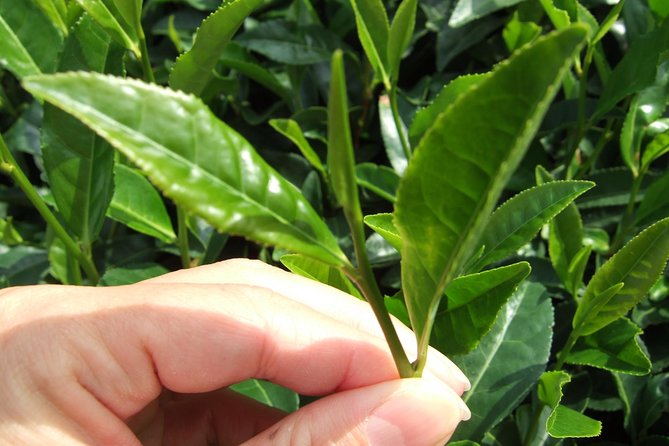
You learn how tea is grown and hear about different varieties of tea plants. One of the most useful parts is the chance to connect the appearance of the crop with the final powder in your bowl. Matcha can seem mysterious when it arrives in a tin or café cup. Seeing the plants and hearing how they are handled gives you a clearer sense of what you are paying for.
The available information describes the plantation as a small tea crop, rather than a huge estate designed for sightseeing. That may be a plus if you want a closer look at traditional production. It also means you should not expect an enormous agricultural attraction with a long list of exhibits.
The guide fills in the context. One guide, named Mia in one account, was praised for making the visit easy to follow. Another account spells the guide’s name as Mie and describes a local guide with a great deal of insight into Japan. Since the names are presented differently, check your booking confirmation for the guide assigned to your date.
Inside the matcha factory
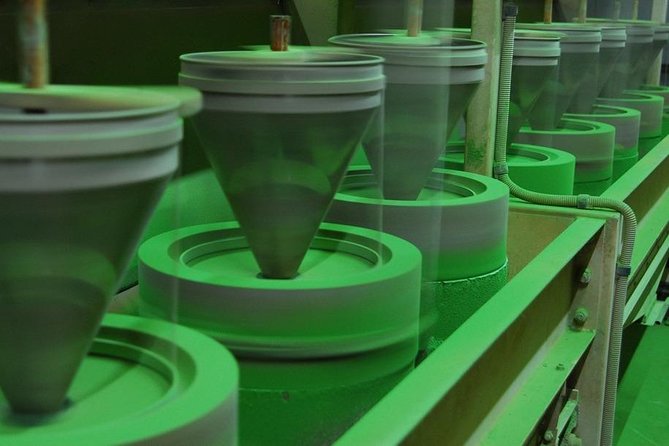
The factory visit shows what happens after the tea is grown. You learn about the manufacturing process and see the handling of a green-tea mill. This is the practical center of the experience, because it explains how ordinary-looking leaves become the fine powder used for matcha.
A factory visit also helps you understand why matcha quality and price can vary. The tour includes a tasting of the most expensive matcha available during the visit, along with other varieties. That comparison is more useful than tasting one cup in isolation. You can pay attention to differences in flavor and texture rather than treating matcha as one standard product.
The factory portion is not described as a large industrial tour, so expectations matter. You are getting a guided look at a tea-making operation tied to an old plantation, not a full-day technical course in food manufacturing. For most people, the balance is right: enough process to make the tea meaningful, without turning a Kyoto outing into a lecture.
If you are interested in how food is made, this section is likely to be the strongest reason to book. You see the crop, learn about the plants, and follow the product through production. That direct sequence gives the tour a clear story.
More Tea Factory Tours in Kyoto:
- Uva Halpewatte Tea Factory Tour in Ella Sri Lanka
★ 5.0 · 653 reviews - Nuwara Eliya: Tea Factory and Pickle Waterfalls Tuk Tuk Tour
★ 4.7 · 113 reviews - From Colombo: Kandy, Pinnawala and Tea Factory Full-Day Trip
★ 4.4 · 99 reviews - Ella: Tea Factory, Train, and Nine Arch Day Tour with Pickup
★ 4.8 · 98 reviews
Tasting matcha in a traditional tea hut
The tasting takes place at a traditional tea hut, with Japanese sweets served alongside the matcha. The sweets matter. They provide a small contrast to matcha’s grassy, bitter, and savory notes, and they show how Japanese tea service balances flavors.
You taste several varieties, including a particularly expensive matcha. This is not just a chance to drink a fashionable green beverage. It gives you a better basis for deciding what you actually enjoy before buying tea for home.
The hands-on element is also important. You are not only told about tea. You handle the equipment and take part in the tasting process. The exact preparation details are not specified, so you should not assume that this is a full formal tea ceremony with every traditional step. It is safer to view it as a guided matcha tasting with tea-hut service and a look at tea culture.
I like the way this part connects ceremony with daily use. You learn how to bring green tea into your routine back home, which makes the experience more practical than a one-time tasting. If you already drink matcha, you may find the comparison of varieties more useful than the basic introduction.
Tea shopping and useful souvenirs
After learning about production and tasting the finished tea, you have a chance to shop for green tea and tea utensils. This is a better time to buy than before the visit because you have context for what you are seeing.
Tea tools can be difficult to find elsewhere in Japan, according to the tour information. The opportunity is especially useful if you want a whisk, bowl, or other item connected with preparing matcha. The tour does not state that purchases are included, so plan to pay separately for anything you take home.
I would treat the shopping as an option, not the main reason to book. The strongest part of the visit is the access to the plantation and factory. Still, having tea goods available at the end gives the experience a natural finish. You can choose a product based on what you tasted instead of buying a random souvenir in a department store.
The guide can also help you understand what you are looking at. That is valuable when labels, grades, and preparation instructions are unfamiliar. Just remember that the tour does not include food or drink beyond the listed tasting and sweets.
What the $154.84 price includes
At $154.84 per person, this is not a bargain-priced tea stop. The cost makes more sense when you count the pieces included:
- An English-speaking professional guide
- Train transportation to and from the Uji area
- Entrance fees
- Matcha tasting
- Japanese sweets
- A plantation visit and factory visit
- A small group capped at six people
If you visited Uji independently, you might spend less on transportation and admission. But you would need to find the plantation, arrange access, understand the production process, and locate a tasting experience that includes several varieties. The tour fee pays for that structure and for a guide who can connect the separate parts.
The value is strongest for a first visit to Japan or for anyone who wants a clear introduction without spending a full day planning. It is less attractive if you already know Uji well, speak Japanese comfortably, or mainly want a cheap cup of matcha.
The booking pattern also tells you something practical. This experience is booked, on average, 61 days ahead. That does not guarantee that every date sells out, but it suggests that you should reserve early if your Kyoto schedule is fixed, especially for a small-group departure.
Who will enjoy this outing most
I would recommend it most strongly to people who care about food origins, Japanese culture, and local production. Matcha fans will get the obvious benefit, but you do not need to be an expert. The guide explains the basics, and the tasting lets you form your own opinion.
It also suits anyone who prefers a short, focused excursion over a full-day tour. In three and a half hours, you get a train ride, a plantation, a factory, a tasting, and shopping time. You return to the same meeting point, so the rest of your Kyoto day remains open.
The experience may be a weaker fit if your main goal is sightseeing around Uji. The tour is built around tea, not a broad visit to every nearby attraction. You should also consider the weather. The activity requires good conditions, and poor weather can lead to a different date or a full refund.
Most people can participate, and the tour is near public transportation. The supplied details do not give specific information about wheelchair access, stairs, or mobility equipment, so ask the provider before booking if you have access needs.
Booking, cancellation, and timing tips
Confirmation is sent within 48 hours of booking, subject to availability. That is worth noting if you are making several linked reservations.
You can cancel for a full refund up to 24 hours before the local start time. Cancellations or changes made less than 24 hours before departure are not accepted for a refund. If poor weather causes the provider to cancel, you are offered another date or a full refund.
The tour begins and ends at Hotel Granvia Kyoto at the JR Kyoto Station central entrance. Hotel pickup and drop-off are not included, so plan your own way to the meeting point.
Should you book the Uji matcha experience?
Book it if you want to understand matcha as a crop and a craft, not just as a sweet green drink. The plantation, factory, tea mill, premium tasting, Japanese sweets, and small group give you a well-rounded three-hour introduction.
The price is high for a half-day outing, but the included train transportation, admission, guide, and tasting make it easier to justify. I especially like the direct connection between the farm, the factory, and the tea hut. You leave with a better idea of how matcha is made and how to use it at home.
Skip it if you mainly want to wander Uji on your own, keep costs very low, or spend the day visiting a wider range of sights. For a tea lover, though, this is one of the more focused ways to reach Uji from Kyoto and see the drink from plant to bowl.
FAQ
How long does the matcha plantation and factory visit last?
The experience lasts approximately 3 hours and 30 minutes. The Uji portion is described as taking about three hours.
Where does the tour begin?
It begins at Hotel Granvia Kyoto, at the JR Kyoto Station central entrance in the station building.
Where does the tour end?
The activity ends back at the meeting point at Hotel Granvia Kyoto.
Is transportation included?
Yes. Transportation fees for the train journey to the Uji region and back are included.
What is included in the tasting?
The tour includes matcha tasting and Japanese sweets. It also includes a tasting of the most expensive matcha offered during the experience.
How large is the group?
The maximum group size is six people.
Is hotel pickup included?
No. Hotel pickup and drop-off are not included. You need to reach the meeting point at Kyoto Station yourself.
Can I cancel for a full refund?
Yes. You can cancel up to 24 hours before the experience start time for a full refund. Cancellations made less than 24 hours before the start time are not refunded.
More Tea Plantation Tours in Kyoto
- Scenic Green Tea Fields of Hidden Kyoto & Local Tea Exp (Private)
★ 5.0 · 32 reviews - Cycling Tour at Uji’s Matcha Green Tea Fields and Heritage
★ 5.0 · 10 reviews - From Taipei: Thousand Island Lake and Pinglin Tea Plantation
★ 4.7 · 519 reviews - Active Volcano, Rice Field, Hot Spring, Fruit market, Tea Plantation with Lunch
★ 5.0 · 513 reviews
Just added around Kyoto
- Whisk Your Own Matcha: A Zen Matcha Experience at Temple★ 3.6 · 7 reviews
- Uji Walking Tour – Byodo-in temple and Tea Ceremony from Kyoto★ 3.5 · 3 reviews
- Traditional Tea Ceremony in Kyoto★ 4.5 · 3 reviews
- Kyoto: Authentic Tea Ceremony in a Small Group★ 5.0 · 7 reviews
- Tea ceremony at Kyoto’s Zen Temple Teahouse★ 5.0 · 2 reviews
- Tea Ceremony in 150 Years Old Townhouse with Tables and Chairs★ 5.0 · 22 reviews
- Silent Beauty of Kyoto Zen Walk and Tea Experience★ 5.0 · 2 reviews
- Tea Ceremony Experience in Traditional Kyoto Townhouse★ 5.0 · 19 reviews
Matcha Experiences, compared.
World Heritage Kyoto & Nara Uji Authentic Matcha Experience
Read our review →
Matcha Making Class in Tokyo with Authentic Japanese Sweets Set
Read our review →
Tea Museum Tickets and Matcha Grinding Experience
Read our review →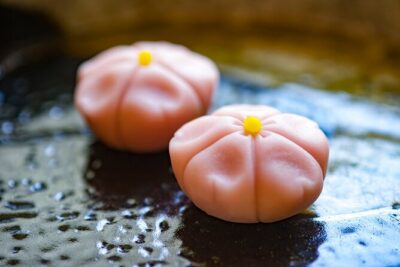
Matcha Making Class in Osaka with Authentic Japanese Sweets Set
Read our review →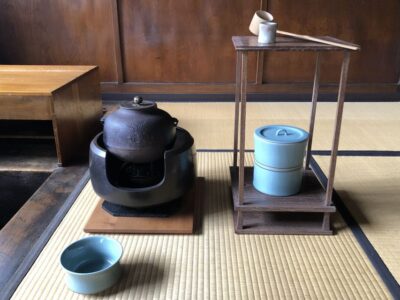
Tea Ceremony Meditation – Make Matcha with Tea Master
Read our review →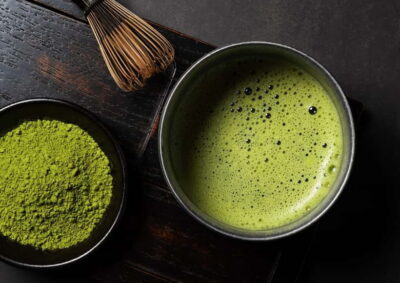
Matcha Making Experience with Mochi Sweets in Asakusa
Read our review →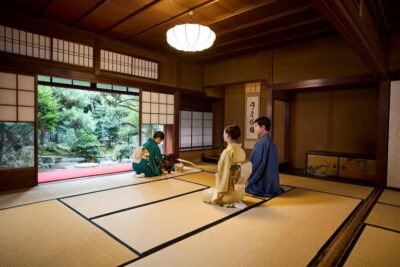
Browse the lists this tour appears in