
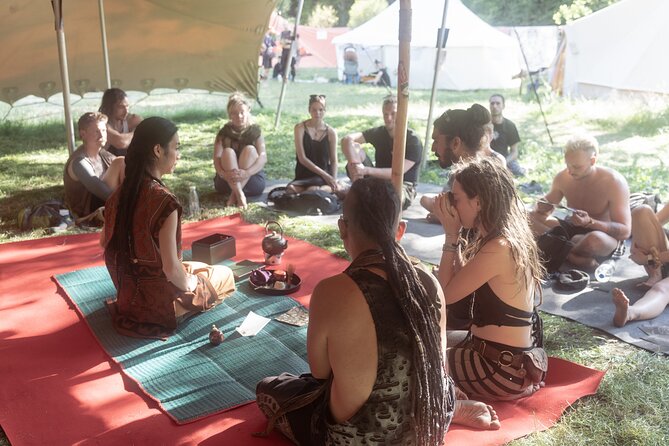
Review · TOKYO
Matcha Tea Ceremony in a Cosy Cafe in Shimokitazawa, Tokyo
The most unusual part of this matcha ceremony is not simply learning to whisk green tea. Takao Omori asks you to picture the tea room’s tokonoma, the small decorative alcove where a host expresses respect for those present, then consider what hanging scroll might suit your state of mind.
I like the intimate group size, capped at five people, and the setting at Cafe Stay Happy, which gives the ceremony a relaxed, personal feel. I also like the way the session connects matcha with the seasons, hospitality, and the quiet meaning behind each movement. One point to consider is pace: at about 80 minutes, the experience may feel rushed if you want a long, highly formal ceremony.
Key points to know before booking
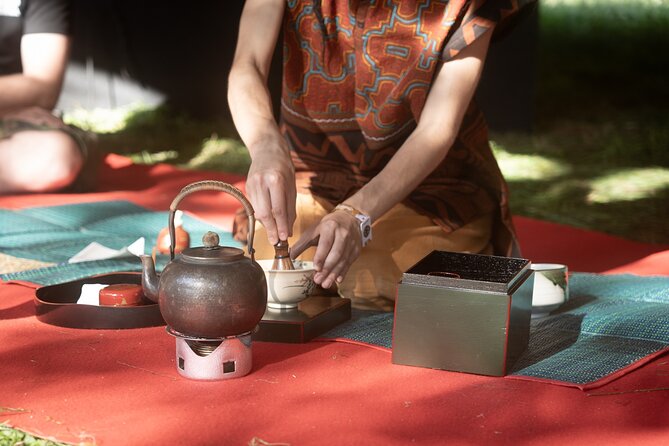
- A small-group ceremony: The maximum group size is five people, allowing more room for questions and personal attention.
- Led by Takao Omori: Takao presents chanoyu as both a practical tea ritual and a way to connect across cultures.
- Held in Shimokitazawa: You meet at Cafe Stay Happy in Setagaya City, near public transportation.
- The tokonoma shapes the session: You’ll use your imagination to picture the alcove and select a fitting hanging scroll.
- About 80 minutes: The short format suits a busy Tokyo schedule, though it leaves limited time for a slow, extended ceremony.
- $116.35 per person: The price is high for a cup of tea, so the value depends on how much you want the explanation, symbolism, and guided reflection.
What this Shimokitazawa tea ceremony is really about
This experience introduces you to chanoyu, the Japanese tea ceremony tradition formalized in the 16th century by Sen no Rikyu. The tea matters, but it is only one part of the lesson. The larger subject is attention: how a host prepares, how a visitor receives, and how ordinary objects can carry meaning.
You are not simply handed matcha and shown how to drink it. Takao frames the ceremony as a poetic sequence in which the tools, gestures, and order of actions all have a purpose. That makes this a good choice if you want cultural context rather than a quick tasting.
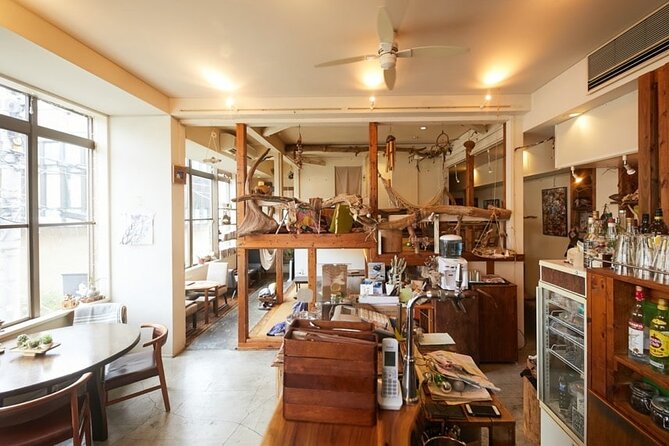
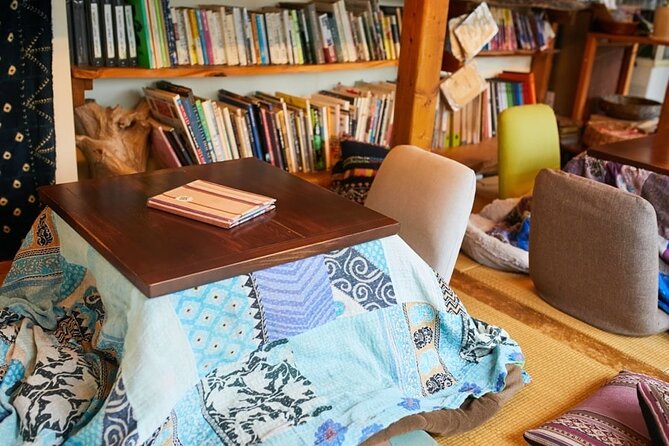
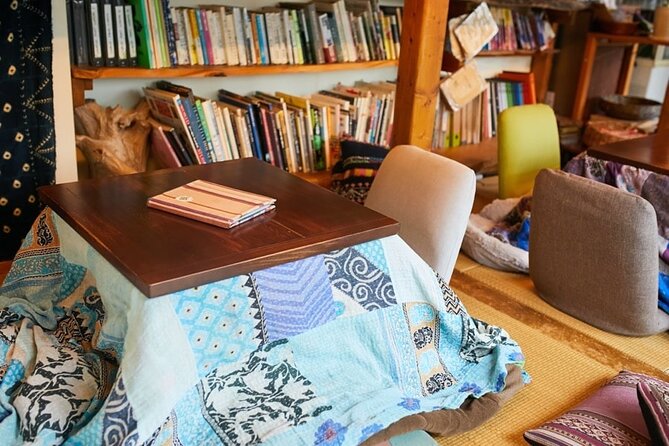
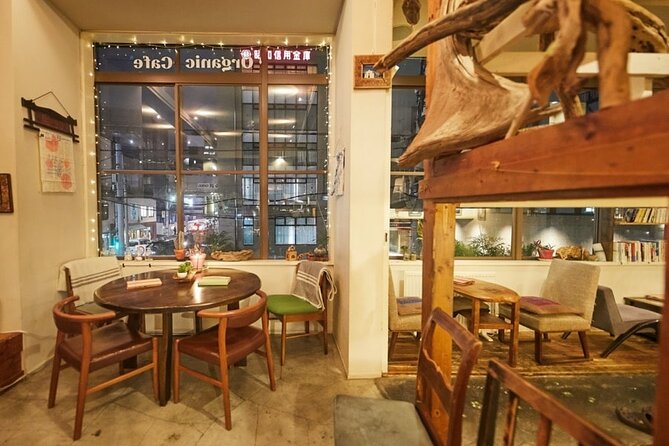
The setting also changes the mood. Instead of a grand temple or purpose-built tea house, you meet in the cosy Cafe Stay Happy. That makes the activity feel approachable. You can expect a less imposing introduction to chanoyu, with the cafe serving as a calm place for conversation and reflection.
At the same time, the cafe setting may not provide the full visual drama of a traditional tea room. If you want elaborate architecture, a garden, or a strictly formal performance, this may feel modest. The appeal here is the personal presentation and the ideas behind the ritual.
More Matcha Experiences in Tokyo:
- Matcha Making Class in Tokyo with Authentic Japanese Sweets Set
★ 5.0 · 744 reviews - Tokyo: Matcha Making Experience with Mochi Sweets in Asakusa
★ 4.9 · 388 reviews - Asakusa Cultural Walk & Matcha Making Tour
★ 5.0 · 245 reviews
Starting at Cafe Stay Happy in Daizawa
The meeting point is Cafe Stay Happy, at 2-chōme-29-14 Daizawa in Setagaya City. The cafe is in the Shimokitazawa area of Tokyo, and the activity is described as being near public transportation. You return to the same place at the end.
That simple start and finish is useful in a city as large as Tokyo. You do not need to find a second endpoint or arrange a pickup after the session. Plan to arrive with enough time to locate the cafe, since the activity begins at a specific meeting point and the confirmation is subject to availability.
Shimokitazawa is known for its independent shops, cafes, and relaxed neighborhood feel, though this experience itself focuses on the tea session rather than a walking tour of the area. You can pair it with your own plans before or after, but leave the ceremony as its own event. The quiet attention required by chanoyu can be lost if you are hurrying in from another appointment.
The venue’s cosy character is one of the stronger reasons to choose this activity. It helps remove the sense that you must already understand Japanese etiquette before arriving. You are entering a welcoming cafe, not taking an exam in cultural correctness.
Meeting Takao Omori and setting the mood
Takao Omori facilitates the ceremony and presents it as a meeting point between people from different cultures. His stated aim is to use the peaceful mindset of chanoyu to bring people together, share stories, and find common ground.
That personal approach matters in a small group. With no more than five participants, you should have more opportunity to follow the explanation, ask questions, and respond to the ideas being presented. A larger class might give you a more polished demonstration, but this format is better suited to conversation.
The available feedback describes the atmosphere as cosy and Takao as friendly. That is important here because the ceremony asks you to slow down and pay attention to things that may seem unfamiliar at first. A welcoming host can make the difference between feeling curious and feeling awkward.
Still, keep your expectations measured. This is an 80-minute activity, not a full-day study of Japanese tea culture. Takao can introduce the values and basic flow of the ceremony, but there is not enough time to cover every school of chanoyu, every utensil, or the full range of etiquette.
The tokonoma and choosing a hanging scroll
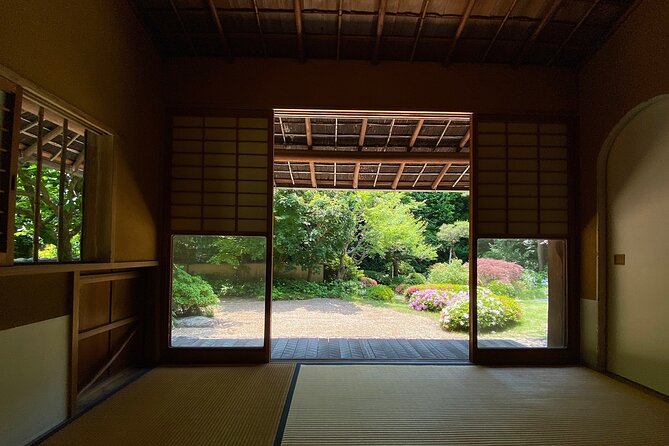
The most distinctive idea in this session is the tokonoma. In a traditional tea room, this decorative alcove gives the host a place to show appreciation for those who have come. It may hold a hanging scroll or another seasonal item, helping shape the feeling of the meeting.
Here, you are invited to picture that space in your mind. You then consider what kind of decoration, especially what hanging scroll, would reflect your mind at that moment. This is a thoughtful departure from simply looking at an object that has already been chosen for you.
I like this part because it turns a visual detail into a personal exercise. The question is not only what looks attractive. It is what kind of image or message fits the season, the occasion, and your present mood. That gives you a direct way to understand the care that goes into a tea gathering.
It also makes the ceremony accessible if you know little about Japanese art. You do not need to identify a famous painter or understand every symbol. You are being asked to notice how an object sets a tone.
The limitation is that imagination cannot replace the physical atmosphere of a traditional room. If you have come hoping to see an authentic tokonoma with a carefully arranged scroll in place, confirm your expectations before booking. The focus here is on visualizing and discussing the idea.
More Tea Ceremony Experiences in Tokyo:
- Kimono Tea Ceremony at Tokyo, Asakusa Maikoya
★ 5.0 · 638 reviews - Tokyo: Traditional Tea Ceremony with a Tea Master
★ 5.0 · 528 reviews - Tea Ceremony Workshop in Tokyo by the Experienced Instrucor
★ 5.0 · 189 reviews - Asakusa: Kimono Tea Ceremony with Matcha and Sweet
★ 4.9 · 153 reviews
How the matcha portion fits into the experience
Matcha is powdered green tea prepared as part of a deliberate sequence. In chanoyu, the preparation is not treated as a rushed beverage service. Each action can express respect, calm, and care.
Takao’s session presents the ceremony as a tradition reaching back to the 16th century and shaped in formal terms by Sen no Rikyu. That historical context helps you see why the movements matter. The bowl, tools, preparation, and manner of receiving the tea all belong to a larger system of hospitality.
The exact step-by-step order and the amount of hands-on practice are not specified, so you should not assume this is a full practical workshop. It is safer to think of it as a guided ceremony and introduction, with explanation woven into the experience.
One useful point of caution is the tea itself. The available feedback describes the matcha quality as acceptable but not exceptional. If you are a serious tea enthusiast judging the experience mainly by the grade and flavor of the powder, the $116.35 price may feel difficult to justify.
If you see matcha as part of a wider cultural experience, the calculation changes. You are paying for Takao’s interpretation, the small group, the setting, and the chance to consider why the ceremony is structured as it is. The drink is central, but it is not the whole product.
Why the small group matters
A maximum of five people is one of the clearest practical advantages. You are less likely to disappear into a crowd, and the atmosphere should support the reflective quality of the ceremony.
A small group also helps with questions. If you are unsure how to respond to a gesture or want to know why an item is used, there should be a better chance to ask without interrupting a large presentation. The format is especially helpful for people who prefer conversation over watching a silent demonstration from the back of a room.
The tradeoff is that a small group does not automatically mean a longer session. The activity still lasts about 1 hour and 20 minutes. With introductions, explanation, ceremony, matcha, and discussion all sharing that time, the schedule may feel compact.
The limited feedback specifically points to a rushed feeling. I would keep that in mind if you prefer ceremonies that allow long pauses or repeated practice. Arrive ready to focus, and avoid booking it between two tightly timed activities.
Is $116.35 a fair price?
At $116.35 per person, this is not a budget tea stop. You can find matcha in Tokyo for far less, so the value cannot rest on the drink alone.
The price makes more sense if you want three things together: a guided introduction to chanoyu, a private-feeling small group, and a conversation about Japanese aesthetics and hospitality. Takao’s framing of the tokonoma and seasonal awareness gives the session more substance than a simple demonstration.
It is less convincing for someone who only wants to taste high-grade matcha or take a few quick photographs. The tea quality has been described as ordinary rather than remarkable, and the short length limits the amount of formal instruction.
I would compare it with the cost of other cultural activities you are considering in Tokyo. If you value a personal host and a quiet setting, you may find the price reasonable. If you measure value by the amount of tea served or the grandeur of the venue, you may not.
The small maximum is a real part of the calculation. A five-person session can feel more attentive than a large commercial class. Just remember that the intimate format does not guarantee a completely unhurried pace.
Who will enjoy this experience most?
I would recommend it most to you if you are curious about the meaning behind Japanese customs and prefer a calm activity to a packed sightseeing schedule. It suits solo visitors, couples, and small groups who are comfortable sharing a reflective session with other participants.
It should also work well for first-time visitors who want an introduction without needing prior knowledge. The tokonoma exercise gives you something concrete to think about, while Takao’s broader message connects the ceremony with hospitality and human connection.
You may want to skip it if your main goal is a highly formal tea school performance in a historic setting. The cafe venue is cosy rather than grand, and the activity does not promise a garden, traditional architecture, or an extensive lesson in utensils.
Serious matcha fans should also weigh the reported tea quality carefully. The session is more about chanoyu as a cultural practice than about tasting an exceptional bowl of tea.
Practical details that affect your day
The activity lasts approximately 1 hour and 20 minutes. That is long enough for an introduction and a complete small-group session, but short enough to fit into a day of exploring Tokyo.
You meet and finish at Cafe Stay Happy, so the logistics are straightforward. The location is near public transportation, and a mobile ticket is provided. Confirmation is sent within 48 hours of booking, subject to availability, so do not leave a time-sensitive itinerary dependent on an unconfirmed reservation.
The group is limited to five people. The listed price is $116.35 per person. Free cancellation is available if you cancel at least 24 hours before the local start time. Cancellations or changes made less than 24 hours in advance are not accepted for a refund.
I would wear something comfortable and arrive ready to sit, listen, and take part in conversation. No special tea knowledge is required in the information provided, but the experience rewards patience more than rushing from one Tokyo attraction to the next.
Should you book this matcha ceremony?
Book it if you want a personal, small-group look at chanoyu in a friendly cafe, with time to think about the tokonoma, seasonal decoration, and the meaning of hospitality. Takao Omori’s cross-cultural approach and the cosy setting are the strongest reasons to choose it.
Think twice if you want top-tier matcha, a grand traditional tea room, or a long, unhurried ceremony. The price is substantial, the tea may be merely adequate, and the 80-minute format can feel pressed for time.
For the right visitor, this is less a tea tasting than a quiet cultural conversation built around tea. Go for the ideas, the intimate group, and the chance to look at a familiar ritual in a new way. Do not book it expecting a luxury beverage experience.
FAQ
Where does the matcha ceremony take place?
The ceremony takes place at Cafe Stay Happy, 2-chōme-29-14 Daizawa, Setagaya City, Tokyo 155-0032, Japan.
Where does the activity end?
The activity ends back at the meeting point, Cafe Stay Happy.
How long does the experience last?
The experience lasts approximately 1 hour and 20 minutes.
Who leads the tea ceremony?
Takao Omori facilitates the matcha tea ceremony.
How many people can join?
The activity has a maximum of five participants.
What is the price?
The listed price is $116.35 per person.
Is the activity near public transportation?
Yes. The meeting point is described as being near public transportation.
Can I cancel for a full refund?
Yes. You can cancel for a full refund at least 24 hours before the experience’s start time. Cancellations and changes made less than 24 hours before the start time are not accepted for a refund.
Just added around Tokyo
- Yokohama : Tea Ceremony with Sweets and Souvenir★ 5.0 · 5 reviews
- Walking Tour: Yanaka,Nezu& Sendagi: Tea Ceremony & Old Tokyo★ 5.0 · 3 reviews
- 2 Hours Mochi &Nerikiri Making & Matcha Class in Bunkyo★ 5.0 · 21 reviews
- Private Kimono and tea ceremony at local home near Tokyo Disney★ 5.0 · 6 reviews
- Private Mochi・Matcha sweets Making Class Near Shibuya Area★ 5.0 · 22 reviews
- Giant Sushi Cooking Class: Make a 1.5m Sushi Roll in Tokyo★ 5.0 · 9 reviews
- Tokyo Sweets Tour: Hidden Gems & Matcha at an Old Tea House★ 5.0 · 6 reviews
- Tokyo Tea Ceremony Class at a Traditional Tea Room★ 5.0 · 2 reviews
Matcha Experiences, compared.
World Heritage Kyoto & Nara Uji Authentic Matcha Experience
Read our review →
Matcha Making Class in Tokyo with Authentic Japanese Sweets Set
Read our review →
Tea Museum Tickets and Matcha Grinding Experience
Read our review →
Matcha Making Class in Osaka with Authentic Japanese Sweets Set
Read our review →
Tea Ceremony Meditation – Make Matcha with Tea Master
Read our review →
Matcha Making Experience with Mochi Sweets in Asakusa
Read our review →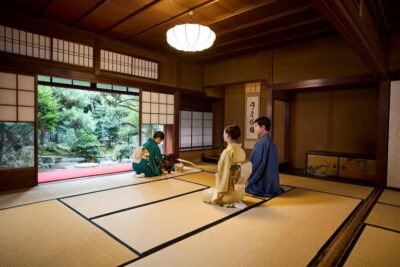
Browse the lists this tour appears in