
Review · TOKYO
Tokyo: Traditional Tea Ceremony with a Tea Master
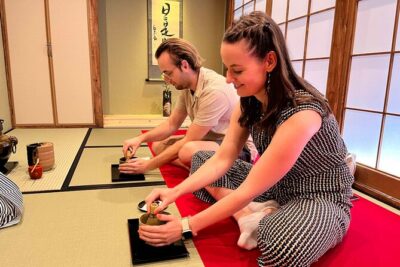
The best part of this Tokyo tea ceremony is its tasting menu. In one hour, you try Japanese black tea, top-grade gyokuro, handmade matcha, and genmaicha, with seasonal sweets between the cups. This is not a silent performance where you sit and watch. You handle the whisk and make your own matcha.
I like the friendly teaching style and the chance to taste tea leaves after the gyokuro is brewed. I also like the location, across from Tokyo University and close to the University of Tokyo campus and the zoo. The main consideration is that the session may run closer to 50 minutes than a full hour, and the English accent can take extra attention for some listeners.
Key points at a glance
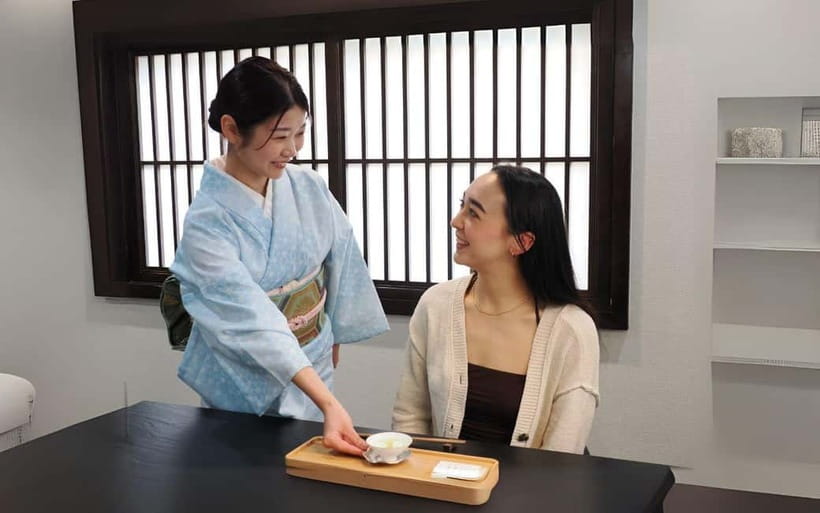
- Four distinct Japanese teas: Taste wakocha, gyokuro sencha, matcha, and genmaicha, each prepared in a different way.
- Your own bowl of matcha: Learn how to use the traditional whisk and tools with calm, step-by-step help.
- Seasonal sweets from Ougiya: Pair the tea with carefully made wagashi from a long-established confectioner.
- Relaxed English instruction: Tea masters such as Shinichi-san and Akiko explain manners, temperatures, origins, and customs without making the session stiff.
- Easy Tokyo add-on: Visit the tea room near Tokyo University, then explore the campus area or nearby zoo.
- A useful keepsake: Take home a certificate, group photo, and, in some cases, the chopsticks used during the session.
Four teas in 60 minutes, not just a formal demonstration
I like tea ceremonies that explain what is in the cup, not just how to bow and hold a bowl. Ocharu puts the tea itself at the center. You taste several styles and learn how temperature, preparation, region, and processing affect the result.
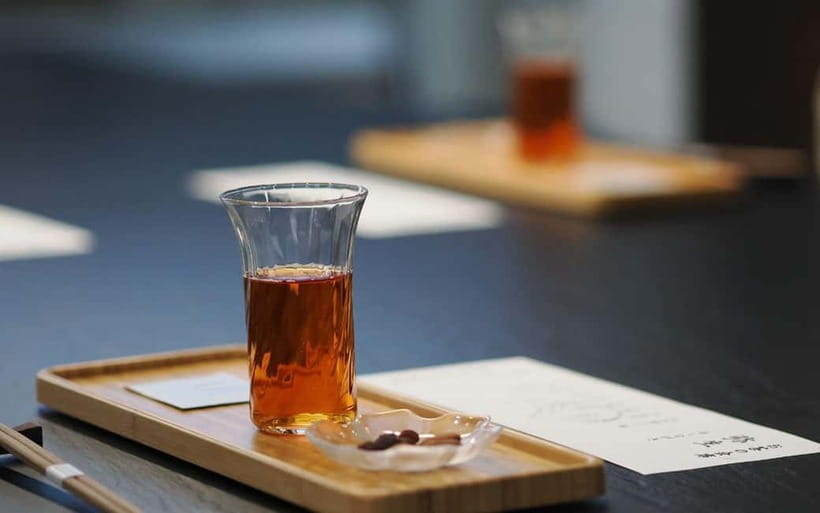
The session begins with wakocha, Japanese black tea from Shizuoka. Japanese tea is usually associated with green tea, so this is a smart opening. Wakocha has fruity and floral notes, and it comes with a tea cake. That first cup gives you an easy point of comparison before the greener, more savory teas arrive.
Next comes gyokuro sencha, considered the highest grade of sencha. The tea master prepares it for you, and you taste the brewed tea with seasonal wagashi from Ougiya. You may also be invited to eat the softened tea leaves afterward. This is a small but memorable detail, especially if you usually discard tea leaves without a thought.
The tea master explains how each tea is connected to Japanese tea culture. You learn that water temperature matters, not as a fussy rule but as a way to bring out the best flavor. Green tea prepared too hot can become harsh, while careful brewing brings out more gentle and savory notes.
The final cup is genmaicha, sencha blended with roasted rice from Niigata Prefecture. Its toasted flavor makes an easy finish after the sharper character of matcha and gyokuro. I appreciate this closing choice because it leaves you with something familiar and comforting rather than one more intense tasting.
More Tea Ceremony Experiences in Tokyo:
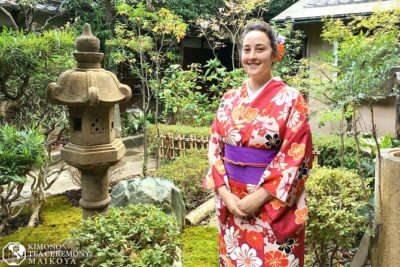
- Kimono Tea Ceremony at Tokyo, Asakusa Maikoya
★ 5.0 · 638 reviews - Tea Ceremony Workshop in Tokyo by the Experienced Instrucor
★ 5.0 · 189 reviews - Asakusa: Kimono Tea Ceremony with Matcha and Sweet
★ 4.9 · 153 reviews
Making matcha with traditional tools
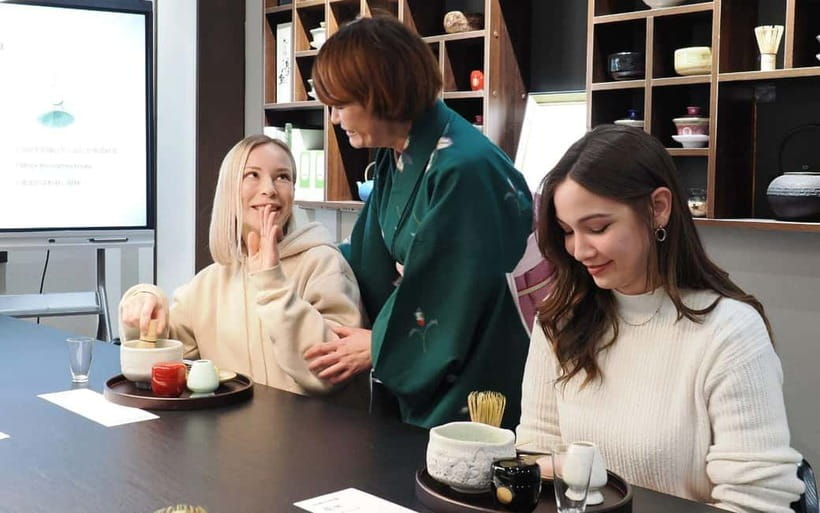
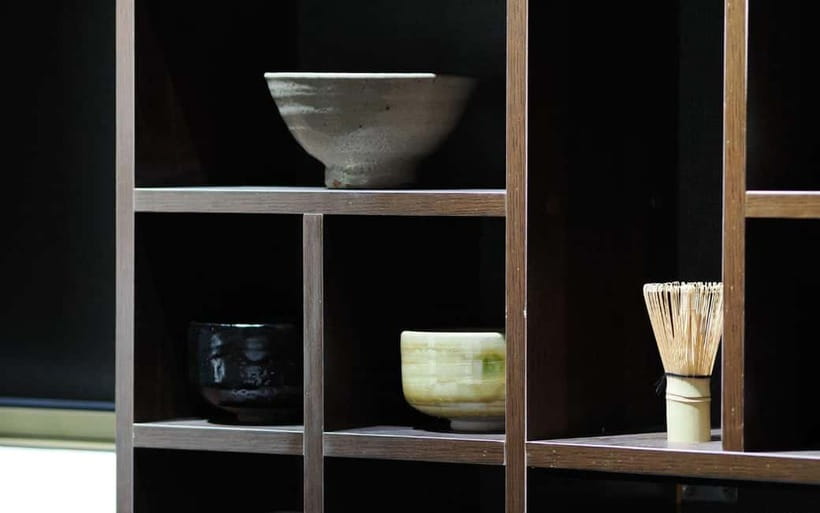
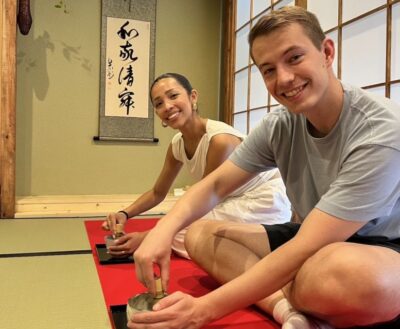
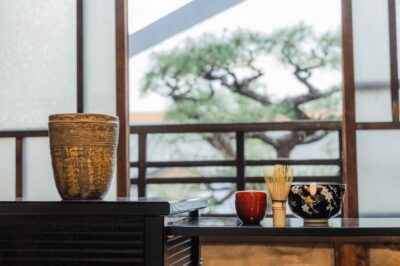
The hands-on matcha portion is the reason I would choose this activity over a simple tea tasting. You are shown how to prepare matcha with traditional utensils, then get to whisk your own bowl under the tea master’s guidance.
The process is presented as part of Japanese custom, not as a cooking class. You learn how to handle the tools, prepare the tea, and drink it with appropriate manners. The instructions are designed for first-timers, so you do not need prior knowledge of tea ceremony etiquette.
The whisking itself is calming. You have a job to do, but it is simple enough to leave room for conversation and questions. A good tea master will correct your technique gently and explain why each movement matters. Several instructors, including Shinichi-san and Akiko, have been praised for being patient, warm, and easy to understand.
This is also a good activity for people who do not already like matcha. You can taste the tea in a setting that explains its role and preparation, rather than being handed a bitter green drink with no context. One mixed group even included someone who was not a tea fan but still enjoyed the session.
Why the sweets matter
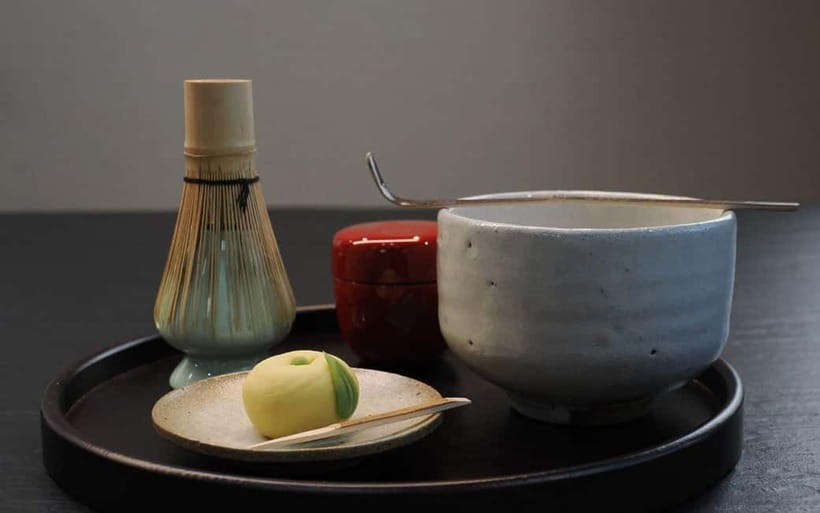
The wagashi is not just a snack placed beside the cup. Japanese sweets are often designed to balance tea, and the seasonal shapes and colors add another layer to the tasting.
Ocharu serves seasonal wagashi from Ougiya, a respected confectioner that has made these sweets for generations. The sweets are attractive, but their practical purpose is just as important. A small sweet prepares your mouth for the bitterness of green tea and gives the tasting a natural rhythm.
I would not expect a large meal here. The welcome cake and wagashi are modest portions, meant to accompany the tea. If you arrive hungry, eat beforehand. If you enjoy Japanese confectionery, though, this is one of the strongest parts of the session.
The sweets also help children stay interested. A ten-year-old was included in the explanations and activities, and the tea master made a point of involving him. The calm pace and edible treats make this more approachable for families than a highly formal ceremony.
A relaxed ceremony with real cultural context
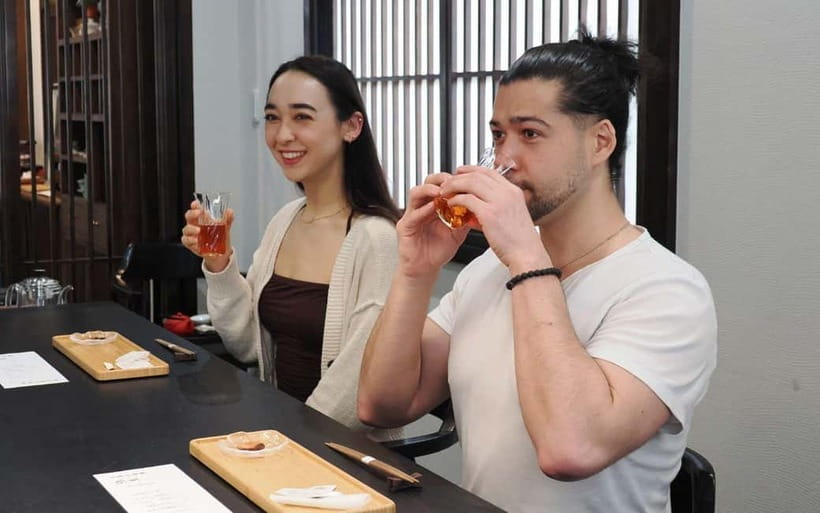
Traditional tea ceremony can be presented as a strict sequence of gestures. That has its place, but it can also make a first visit feel intimidating. Ocharu takes a more conversational approach while still explaining etiquette and the meaning behind the steps.
You can ask about tea, Japanese customs, language, travel, and daily life. The instructors have been described as funny, personable, and willing to chat. That makes the experience feel less like a staged show and more like an introduction led by someone who cares about the subject.
The tone varies with the tea master. Some sessions are especially polished and formal, while others are casual and chatty. That variety is part of the appeal, but it also means you should not expect exactly the same presentation every time.
English is the teaching language. Most of the available feedback points to clear explanations, but one person found an accent difficult to follow. If you are still learning English, pay close attention during the practical demonstrations and ask for a repeat when needed. The guides are there to help, and the activities are visual enough to support the spoken instruction.
A few more tea experiences around Tokyo worth a look
- Dynamic Tokyo: Tokyo Tower, Tea Experience, Bay Cruise Day Tour
★ 4.5 · 521 reviews - Tokyo: Full-Day Tour w/Tea Experience,Buffet Lunch & Cruise
★ 4.9 · 151 reviews - Tea Ceremony Experience in a Private Tea Room in Shibuya
★ 4.9 · 125 reviews - Experience all of Japanese culture and Japanese food experience classes “origami, udon, Japanese food, green tea, calligraphy” in 4 hours
★ 5.0 · 105 reviews
Finding Ocharu across from Tokyo University

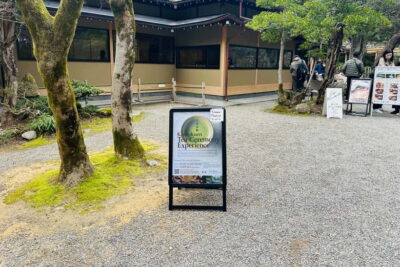
The meeting point is in a building with a green OCHARU logo. It is easy to miss if you only look at eye level. One person walked past the entrance three times because the sign was high up, so look above the storefronts and check for the tea shop.
Arrive five minutes early. That gives you time to find the entrance, check in, and settle before the tea begins. The room is described as clean, attractive, and relaxing, with a specially arranged tea ceremony space.
The location works well as part of a north-central Tokyo day. You are across from Tokyo University, and the nearby university campus and zoo can provide an extra stop before or after the ceremony. One practical note from a visitor: the walk from Nezu Station Exit 14 took about 15 minutes. Check your route carefully rather than assuming the nearest station exit will place you at the door.
The activity is not suitable for wheelchair users. If mobility access is important for your plans, confirm the building and route before booking.
Is $38 good value for one hour?
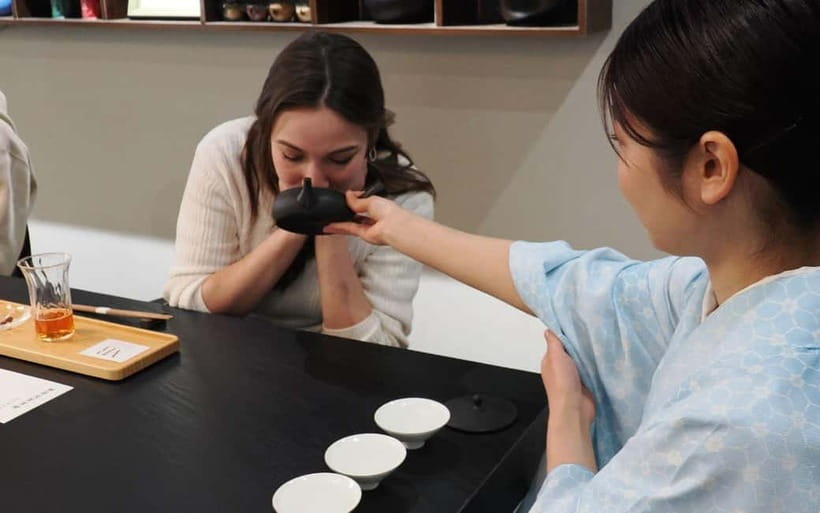
At $38 per person, this is not the cheapest cup of matcha in Tokyo. You are paying for instruction, several tea styles, sweets, a dedicated room, traditional equipment, and the chance to prepare matcha yourself.
I think the price is fair if you want an organized cultural activity and have limited time. A basic café visit might give you one tea and a sweet, but it will not normally explain the differences between wakocha, gyokuro, matcha, and genmaicha or show you how to use the whisk.
The value is strongest for first-time visitors to Japan. You get a compact lesson in tea, etiquette, regional production, brewing temperatures, and seasonal sweets without giving up half a day. It also works well in a busy Tokyo itinerary because the scheduled portion is only one hour.
Tea fans may find the experience especially worthwhile. The gyokuro tasting and tea-leaf sample offer details beyond the usual tourist introduction. You can also buy tea to take home at the small café downstairs. That purchase is optional, but it gives you a way to continue the experience after returning home.
The certificate and group photo are pleasant extras rather than the reason to book. Some certificates have been written with the participant’s name in Japanese, which makes the keepsake more personal. You may also be allowed to keep the chopsticks used during the session.
Who will enjoy this most?
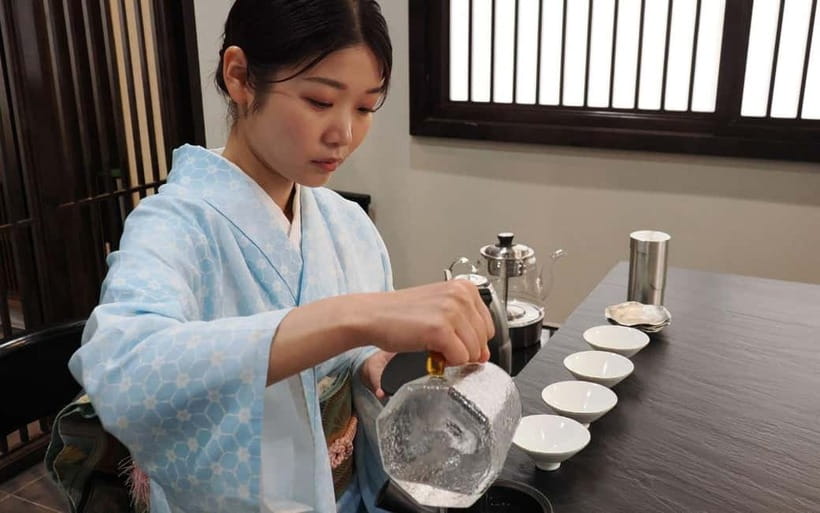
I would recommend Ocharu to you if you fit one or more of these descriptions:
- You are visiting Japan for the first time and want a clear introduction to tea customs.
- You like tasting several foods or drinks rather than watching a single demonstration.
- You want to make matcha yourself, not just see a tea master prepare it.
- You prefer a friendly, conversational lesson to a highly solemn ceremony.
- You have children or a companion who may not already be interested in tea.
- You want a one-hour activity near Tokyo University, the university campus, or the zoo.
- You enjoy taking home a small certificate or buying Japanese tea after learning how it is made.
I would hesitate if you want a long, highly formal tea ceremony with extended silence and strict ritual. This is a compact, accessible cultural lesson with plenty of explanation and conversation. It aims to make tea culture understandable, not to recreate every detail of a temple ceremony.
Small details that improve the visit
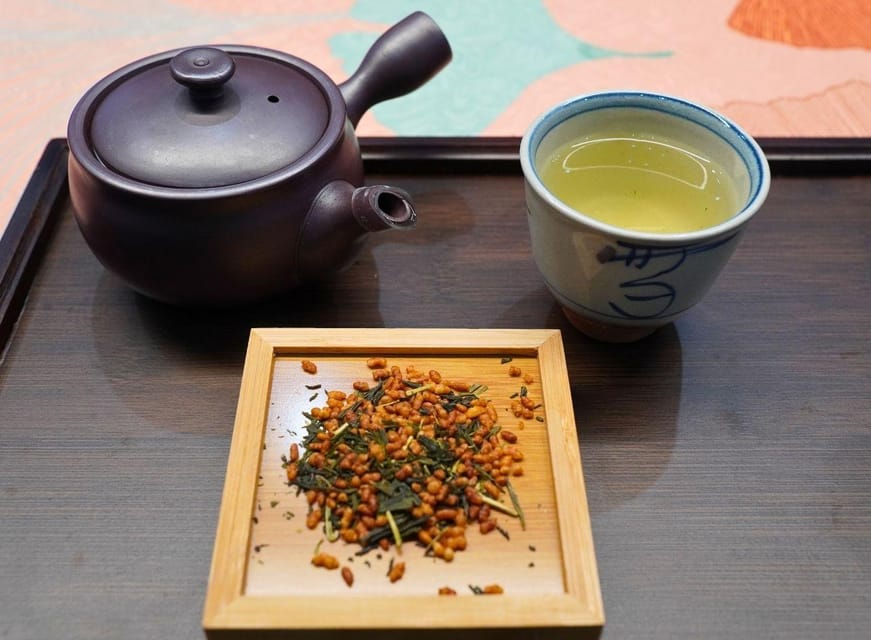
Arrive early and look high for the green OCHARU sign. That is the most useful practical tip.
Do not drink a lot of tea immediately before the session. You will taste several cups, and the activity moves at a steady pace. Eat a light meal beforehand if you need more than sweets to keep you going.
Bring questions. The instructors explain the basics, but the experience becomes more personal when you ask about tea regions, preparation temperatures, Japanese manners, or the history of matcha.
If you have trouble understanding a word or accent, ask the tea master to repeat it. The guides are accustomed to working with international visitors, and the hands-on demonstrations make the lesson easier to follow.
Leave room in your bag for tea. The downstairs café sells tea and matcha-related items, and the shop is a natural place to browse after learning what you have just tasted.
Keep your schedule flexible after the session. The stated duration is one hour, although one participant reported a session of about 50 minutes. That is not a major difference, but it is worth knowing if you are booking a train or timed attraction immediately afterward.
Cancellation, payment, and timing
You can cancel up to 24 hours in advance for a full refund. The reserve-now, pay-later option lets you hold a place without paying immediately, which is useful while you arrange a Tokyo itinerary.
Starting times vary, so check availability before choosing your day. English instruction is provided, and you should arrive five minutes before the scheduled start.
Should you book the Ocharu tea ceremony?
Yes, if you want a friendly, well-organized introduction to Japanese tea in a short window. The mix of four teas, seasonal wagashi, hands-on matcha preparation, and clear cultural explanation gives you more substance than a quick café stop.
I especially like the balance between ceremony and conversation. You learn proper manners and traditional preparation, but you are not left guessing what is happening. The tea masters are central to the experience, and instructors such as Shinichi-san and Akiko have made a strong impression through patient explanations and easy humor.
Skip it only if you want a very formal, silent ritual or need wheelchair access. For most first-time visitors, tea drinkers, curious families, and anyone seeking a calm break from Tokyo’s crowded streets, $38 is a sensible price for a thoughtful hour near Tokyo University.
FAQ
How long does the tea ceremony last?
The scheduled duration is one hour. One participant reported a session lasting about 50 minutes, so allow roughly an hour but avoid arranging a tight connection immediately afterward.
What teas will I taste?
You will taste wakocha from Shizuoka, Gyokuro sencha, matcha that you prepare yourself, and Genmaicha made with sencha and roasted rice from Niigata Prefecture.
Can I make my own matcha?
Yes. The tea master shows you how to use traditional tools and guides you as you whisk and drink your own matcha.
Are sweets included?
Yes. The experience includes a welcome tea cake and seasonal wagashi from Ougiya, a long-established confectioner.
Is the activity taught in English?
Yes. English instruction is provided throughout the experience.
Where is the meeting point?
Ocharu is in a building across from Tokyo University. Look for the green OCHARU logo on the wall, and arrive five minutes early for check-in.
Is the activity suitable for wheelchair users?
No. The activity is listed as not suitable for wheelchair users.
Just added around Tokyo
- Yokohama : Tea Ceremony with Sweets and Souvenir★ 5.0 · 5 reviews
- Walking Tour: Yanaka,Nezu& Sendagi: Tea Ceremony & Old Tokyo★ 5.0 · 3 reviews
- 2 Hours Mochi &Nerikiri Making & Matcha Class in Bunkyo★ 5.0 · 21 reviews
- Private Kimono and tea ceremony at local home near Tokyo Disney★ 5.0 · 6 reviews
- Private Mochi・Matcha sweets Making Class Near Shibuya Area★ 5.0 · 22 reviews
- Tokyo Sweets Tour: Hidden Gems & Matcha at an Old Tea House★ 5.0 · 6 reviews
- Giant Sushi Cooking Class: Make a 1.5m Sushi Roll in Tokyo★ 5.0 · 9 reviews
- Tokyo: Tea Ceremony & Japanese Sweets Making★ 5.0 · 10 reviews
Tea Ceremony Experiences, compared.
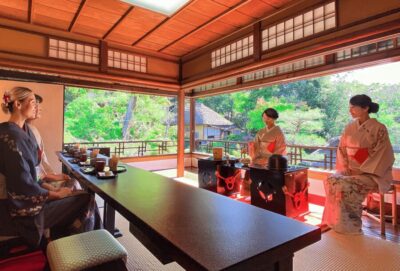
Tea Ceremony in a Traditional Tea House in Kiyomizu
Read our review →
Browse the lists this tour appears in