
Review · TOKYO
Tokyo: Matcha Tea Ceremony Experience at Japanese room in Shibuya
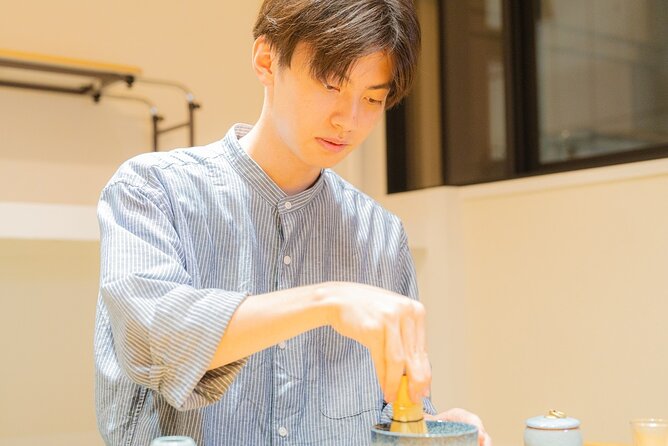
The best part of this Shibuya experience is that you do not just watch a tea ceremony. You make your own bowl of matcha, learning how to handle the whisk and follow the basic steps under a guide’s direction. I like that the session also introduces teas beyond matcha, including hojicha, so you leave with a broader taste of Japanese tea culture.
I also like the small group, capped at eight people, and the calm setting near public transportation. Guides such as Taku, So-Wa, and Ryota are singled out for clear explanations and friendly help. The main consideration is time: at about one hour, this is a thoughtful introduction rather than a long, formal tea ceremony.
Key points to know before booking
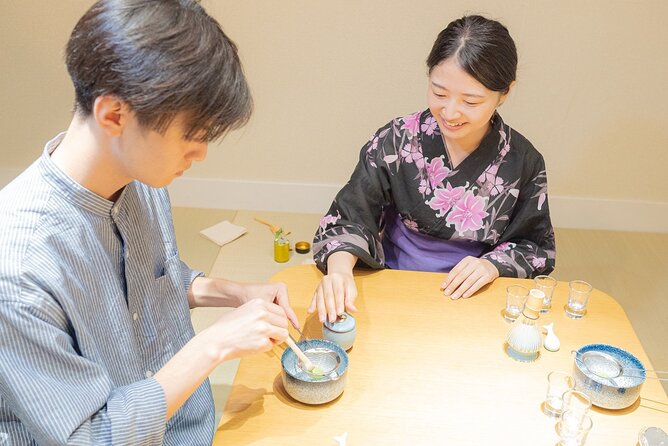
- You prepare the matcha yourself: The guide shows you the essential technique, then gives you a chance to make your own bowl.
- Three additional teas may be included: You can compare different Japanese teas, with hojicha receiving especially warm attention from several participants.
- Traditional sweets accompany the tea: They add a small but important contrast to matcha’s earthy bitterness.
- The group is limited to eight people: That keeps the lesson more personal and makes it easier to ask questions.
- The meeting point is in Shibuya: Start at 2-chōme-14-13 Shibuya, Tokyo 150-0002, and return there when the session ends.
- The cost is $32.58 per person: For a one-hour, hands-on cultural activity in central Tokyo, the price is reasonable if you want more than a quick cup of tea.
Making matcha instead of simply watching
Many tea experiences put you on the sidelines. This one gives you a bowl, tea powder, and whisk, then lets you take part. You prepare the matcha with step-by-step help, so you do not need to arrive knowing the correct movements or etiquette.
That hands-on element matters. Matcha can look simple, but the way you measure, add, and whisk it affects the texture and taste. The instructor’s guidance turns the activity into a short lesson rather than a photo opportunity. You get a better sense of the care behind the drink because your own cup depends on what you do.
The mood is meant to be calm and welcoming. That makes this a good choice if you are curious about Japanese customs but worry that a formal ceremony might feel stiff or difficult to follow. The activity presents the basic manners without expecting you to master every detail in one sitting.
You should still keep your expectations in check. This is approximately one hour, and the group may include people with different levels of interest. You will gain a clear introduction to matcha preparation and tea etiquette, but not an exhaustive study of every school or rule of Japanese tea ceremony.
More Matcha Experiences in Tokyo:
- Matcha Making Class in Tokyo with Authentic Japanese Sweets Set
★ 5.0 · 744 reviews - Tokyo: Matcha Making Experience with Mochi Sweets in Asakusa
★ 4.9 · 388 reviews - Asakusa Cultural Walk & Matcha Making Tour
★ 5.0 · 245 reviews
A small Japanese room in the middle of Shibuya
The setting gives the session a useful contrast. Shibuya is one of Tokyo’s busiest areas, yet the activity takes place in a Japanese room designed for a quieter kind of cultural encounter. You start and finish at 2-chōme-14-13 Shibuya, with public transportation nearby.
That location makes the tea session easy to fit into a day of sightseeing. You can pair it with shopping, city views, or a walk through the neighborhood without committing to a half-day excursion. The meeting point is also the end point, so there is no separate drop-off to arrange.
You will want to allow time to find the address before the scheduled start. The information provided identifies the meeting point clearly, but it does not give a detailed route from a particular station. A mobile ticket is supplied, which is useful for keeping the booking details close at hand while you move around Tokyo.
The room itself is part of the appeal, but it may not be the right setting for someone seeking a grand tea house or a highly ceremonial production. The value here is the intimate lesson and the chance to participate, not elaborate staging.
Learning the manners without feeling tested
A traditional tea ceremony has its own rhythm. You may be shown how to sit, how to receive the bowl, and how to approach the tea with respect. The point is not to turn you into a tea master. It is to help you understand why the ceremony values attention, courtesy, and careful movement.
The instruction is aimed at beginners. That is important because etiquette can feel intimidating when you do not know which actions are expected. A friendly guide can explain the purpose behind the steps, making them easier to remember and less like a list of rules.
The guides named in the feedback include Taku, So-Wa, and Ryota. Taku is noted for explaining both matcha and hojicha and for answering questions about Japanese culture. So-Wa is praised for sharing background about the tea ceremony and Japan. Ryota receives special mention for making the matcha lesson enjoyable.
Guide assignments can vary, so you should not assume a particular person will lead your session. Still, the consistent picture is of instructors who explain clearly, respond to questions, and help you through the practical part of the activity.
Tasting matcha, hojicha, and other Japanese teas
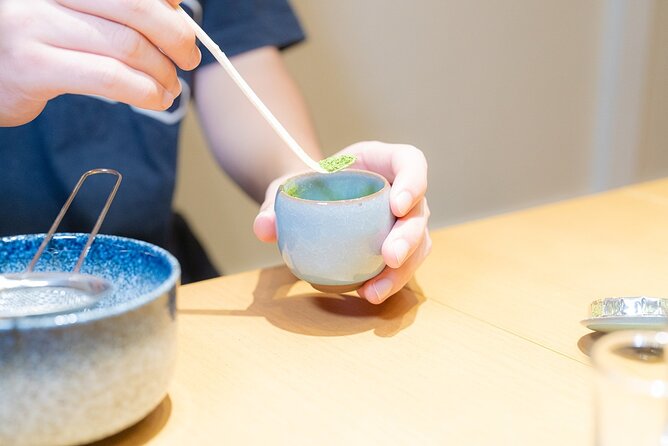
The tasting portion gives the experience more range than a matcha-only class. You prepare matcha, then try different Japanese teas and compare their flavors. The session may finish with a tasting of three additional teas, according to the details available for the activity.
Hojicha is one tea worth paying attention to. It is roasted, with a distinct flavor that differs from the grassy, more intense character many people associate with matcha. Several comments highlight hojicha as a memorable discovery, so ask about it if it is included in your tasting.
The comparison is valuable because Japanese tea culture is not one single flavor or preparation. Matcha is whisked into a suspended drink, while other teas offer different aromas, colors, and textures. Tasting them side by side helps you understand why people choose different teas for different moments.
Traditional sweets may accompany the matcha. Their sweetness works as a counterpoint to the tea’s bitterness and gives you another small lesson in balance. The exact sweets are not specified, so you should not book this expecting a particular dessert. Think of them as a likely part of the tasting rather than the main event.
More Tea Ceremony Experiences in Tokyo:
- Kimono Tea Ceremony at Tokyo, Asakusa Maikoya
★ 5.0 · 638 reviews - Tokyo: Traditional Tea Ceremony with a Tea Master
★ 5.0 · 528 reviews - Tea Ceremony Workshop in Tokyo by the Experienced Instrucor
★ 5.0 · 189 reviews - Asakusa: Kimono Tea Ceremony with Matcha and Sweet
★ 4.9 · 153 reviews
What the one-hour schedule actually gives you
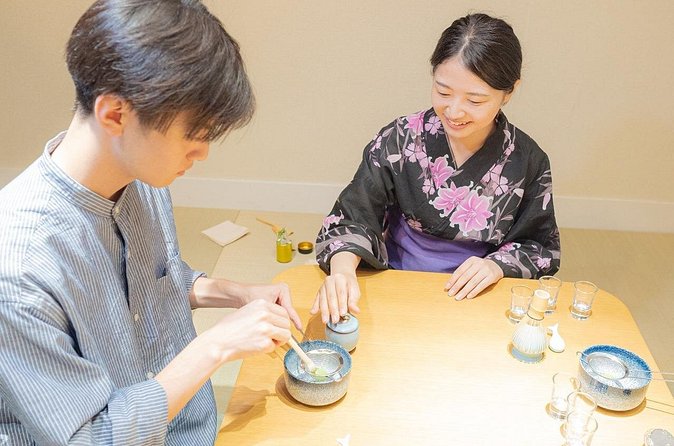
One hour is enough for a focused introduction. You can expect an explanation of the ceremony, instruction in basic manners and technique, time to prepare matcha, and a tasting of other teas. The compact format keeps the activity easy to add between other plans in Tokyo.
The trade-off is that there is little room for a long historical lecture or extended conversation. If you want a highly detailed study of tea schools, utensils, regional production, or the full sequence of a formal ceremony, you will need a longer specialist program.
I see the short duration as a strength for most visitors. You get a real cultural activity without giving up an entire afternoon. It also works well for families, first-time visitors, and anyone who wants to try something structured but not exhausting after a busy day in Shibuya.
The pace should feel especially comfortable for people who learn by doing. You are not expected to sit through a long demonstration before taking part. Instead, the explanation connects directly to the action of making and tasting tea.
Why the small group matters
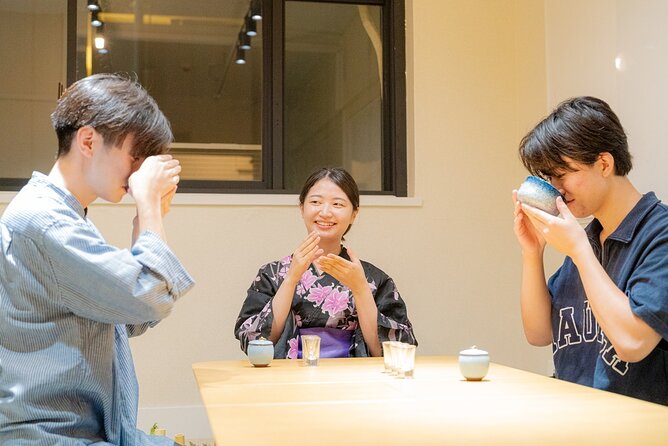
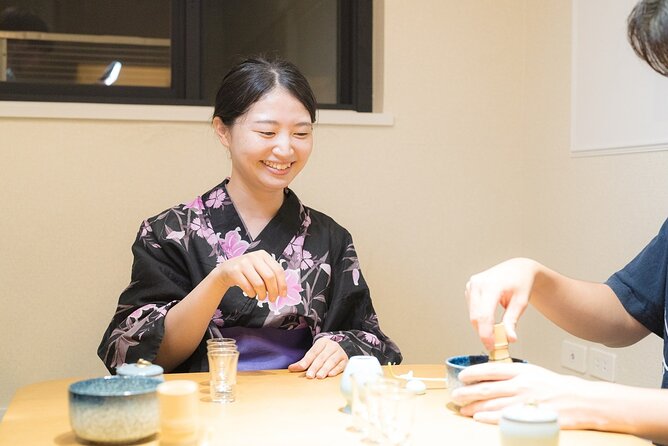
The maximum group size is eight people. That is small enough for the instructor to notice when someone is unsure how to whisk the tea or follow a particular step. It also gives you a better chance to ask about matcha, hojicha, Japanese customs, or modern tea habits.
A small group does not guarantee a private lesson. You will still share the room and the guide with other participants. But compared with a large class, the format should feel less anonymous and more conversational.
The group size also suits the tone of the activity. Tea ceremony is built around attention and presence, and a crowded room would make that harder. With fewer people, the session can retain a sense of calm even though it takes place in central Shibuya.
If you prefer to observe quietly, you can do that too. You do not need to arrive with a long list of questions. The activity is structured enough to guide you, while the intimate size makes it possible to speak up when something catches your interest.
Is $32.58 a fair price?
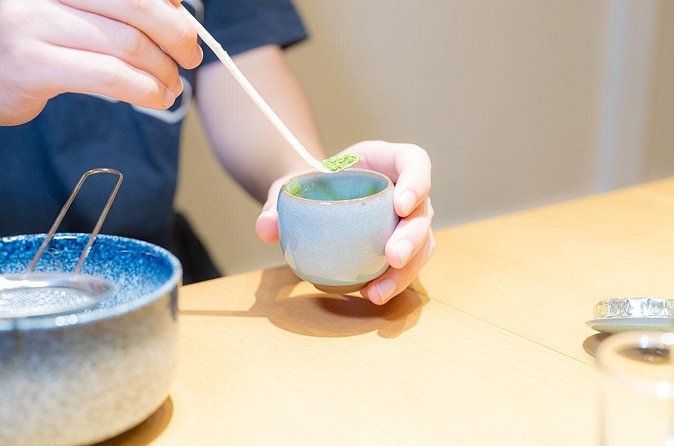
At $32.58 per person, this is priced as an accessible cultural activity rather than a luxury tea ceremony. You are paying for about an hour of guided instruction, your own matcha preparation, tea tastings, and an introduction to etiquette in a Japanese room.
I think the price is fair if you value participation. A standard café visit would cost less, but it would not explain the manners, preparation, or differences between Japanese teas. A more formal ceremony with elaborate surroundings might cost more, but it could also be less practical for a first introduction.
The strongest value comes from the combination of teaching and tasting. You are not only served tea. You learn enough to understand what you are drinking and why the preparation matters. That makes the experience easier to remember after you leave.
Still, tea lovers who already know how to prepare matcha may find the lesson basic. The activity is designed for a general audience, and its friendly pace may feel slow if you are already comfortable with the whisk, bowl, and etiquette.
Who will enjoy this Shibuya tea session?
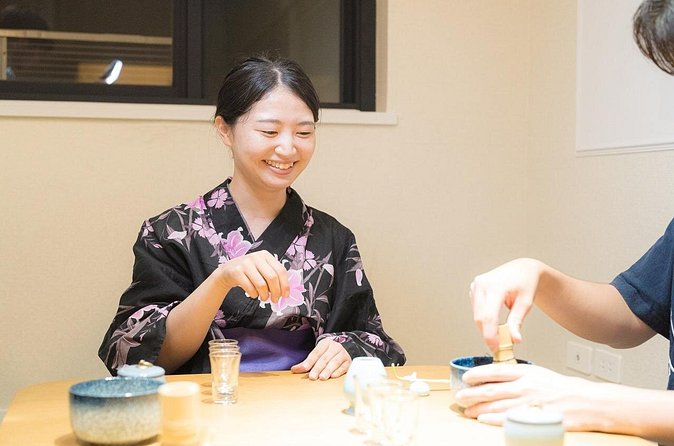
I would recommend it most to people visiting Tokyo for the first time, especially those who want a cultural activity that is easy to fit into a busy schedule. It also suits anyone who likes food and drink experiences but wants some context instead of a simple tasting.
You will probably enjoy it if you:
- Want to make matcha rather than watch someone else prepare it
- Are curious about Japanese manners but have no previous experience
- Like comparing teas with different flavors
- Prefer small groups and a relaxed guide
- Need a one-hour activity near central Tokyo
- Enjoy asking questions about Japanese culture
It may be less suitable if you want a full-length, highly formal ceremony or a specialized lesson for advanced matcha preparation. The available information also does not describe accessibility features, seating arrangements, dietary details, or a particular tea school, so contact the provider directly if any of those points affect your plans.
Practical details for a smooth visit
Confirmation arrives when you book, and the activity uses a mobile ticket. Keep the ticket available on your phone, and plan to reach 2-chōme-14-13 Shibuya with enough time to identify the meeting point.
The session ends back at the same location. That simplifies the rest of your day, since you do not need to coordinate a separate final stop.
The activity allows free cancellation if you cancel at least 24 hours before the start time. Cancellations or changes made less than 24 hours in advance are not accepted for a refund, and the cut-off follows local Tokyo time. That policy is reasonable, but remember it if your sightseeing schedule is still uncertain.
The provider is Japan Culture Experience. The activity is offered near public transportation, but the supplied information does not name a specific station or give walking directions. Check the exact route before you set out, especially if you are navigating Shibuya for the first time.
Should you book this matcha experience?
Book it if you want a friendly, hands-on introduction to Japanese tea ceremony without spending half a day in a formal setting. The chance to prepare your own matcha, taste several teas, and ask questions in a group of no more than eight gives the $32.58 price solid value.
I would be especially keen to book this for a first visit to Tokyo or for anyone who has tried matcha in cafés but never learned how it is traditionally prepared. The only real limitation is its short length and beginner focus. If that matches what you want, this is a smart cultural stop in Shibuya.
FAQ
How long is the tea ceremony experience?
The activity lasts approximately one hour.
Where does the activity start?
It starts at 2-chōme-14-13 Shibuya, Tokyo 150-0002, Japan.
Where does the activity end?
The activity ends back at the meeting point.
How many people can join the experience?
The maximum group size is eight people.
Do I make my own matcha?
Yes. You prepare your own bowl of matcha with step-by-step guidance from the instructor.
Will I taste teas besides matcha?
Yes. The activity includes tasting different Japanese teas, and the tasting may include three additional teas. Hojicha is specifically included among the teas discussed.
Can I cancel for a full refund?
Yes, if you cancel at least 24 hours before the experience start time. Cancellations or changes made less than 24 hours before the start time are not accepted for a refund.
Just added around Tokyo
- Yokohama : Tea Ceremony with Sweets and Souvenir★ 5.0 · 5 reviews
- Walking Tour: Yanaka,Nezu& Sendagi: Tea Ceremony & Old Tokyo★ 5.0 · 3 reviews
- 2 Hours Mochi &Nerikiri Making & Matcha Class in Bunkyo★ 5.0 · 21 reviews
- Private Kimono and tea ceremony at local home near Tokyo Disney★ 5.0 · 6 reviews
- Private Mochi・Matcha sweets Making Class Near Shibuya Area★ 5.0 · 22 reviews
- Tokyo Sweets Tour: Hidden Gems & Matcha at an Old Tea House★ 5.0 · 6 reviews
- Giant Sushi Cooking Class: Make a 1.5m Sushi Roll in Tokyo★ 5.0 · 9 reviews
- Tokyo Tea Ceremony Class at a Traditional Tea Room★ 5.0 · 2 reviews
Matcha Experiences, compared.
World Heritage Kyoto & Nara Uji Authentic Matcha Experience
Read our review →
Matcha Making Class in Tokyo with Authentic Japanese Sweets Set
Read our review →
Tea Museum Tickets and Matcha Grinding Experience
Read our review →
Matcha Making Class in Osaka with Authentic Japanese Sweets Set
Read our review →
Tea Ceremony Meditation – Make Matcha with Tea Master
Read our review →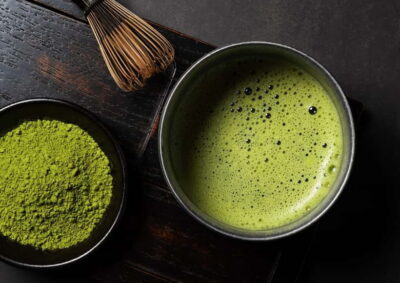
Matcha Making Experience with Mochi Sweets in Asakusa
Read our review →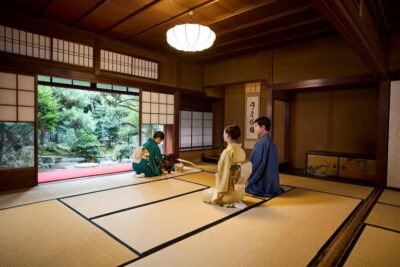
Browse the lists this tour appears in