
Review · TOKYO
2 Hours Mochi &Nerikiri Making & Matcha Class in Bunkyo
Making Japanese sweets in a private home gives this class its special flavor. In Bunkyo, instructor Yuko guides you through mochi, dango, and nerikiri at one table, with time for questions and conversation. You are not watching a staged kitchen show. You are learning the small hand movements yourself, then tasting what you make with tea.
I like two things right away: the one-table format means Yuko can correct your technique as you work, and the class connects sweets to Japanese customs, from New Year celebrations to tea ceremony. You also leave with skills you can try at home, not just a few photos. The main consideration is the price, $78.83 per person, which is fair for a private lesson but more than a large group workshop.
Key points to know before booking
- Yuko teaches in her own Bunkyo home, creating a quiet, personal setting rather than a busy cooking school.
- You choose from three course options: mochi and dango, nerikiri, or the combination of all three.
- The class lasts about two hours, so it fits neatly into a morning or afternoon in Tokyo.
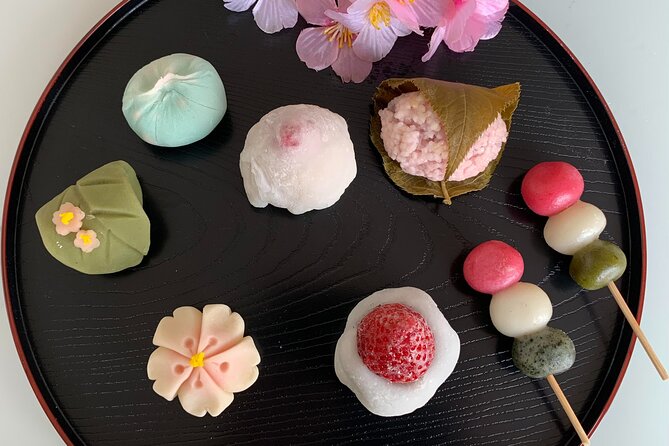
- You make several styles of wagashi, including sweets connected with New Year, special events, and tea ceremony.
- Matcha and tea are part of the experience, with tea at the beginning and matcha toward the end described in the class experience.
- The lesson is private, and the provider states that it is taught in English by a bilingual, native Japanese instructor trained by the Wagashi Association of Japan.
A quiet wagashi lesson in central Tokyo
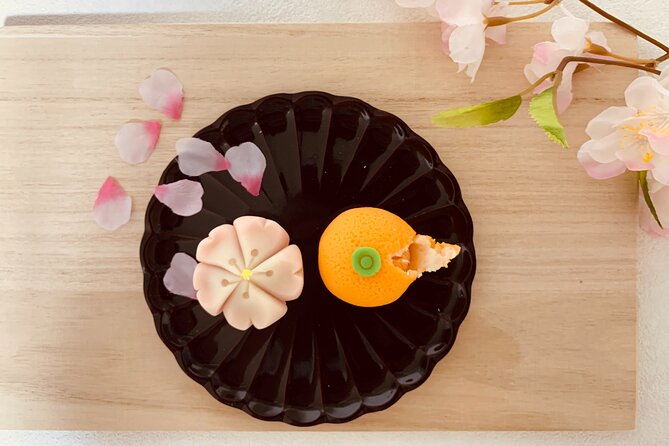
Wagashi is the Japanese name for traditional sweets, but this is not simply a dessert class. The shapes, colors, fillings, and occasions all carry meaning. Yuko gives you a practical introduction by showing how different sweets fit into Japanese life.
The class takes place at 1-chōme-27-8 Sekiguchi in Bunkyo City. It begins at 10:00 a.m. and ends at the same meeting point. The address is near public transportation, which helps when you are planning a busy Tokyo day, though you should still allow time to locate a private home rather than a clearly marked tourist attraction.
The setting is part of the appeal. You sit at a table in a Japanese home, with the kitchen and dining space forming the heart of the lesson. That makes the experience feel personal and relaxed. It also means the atmosphere is intimate, so you should choose this class because you enjoy close instruction and conversation, not because you want a large, polished cooking studio.
Several people specifically valued being welcomed into Yuko’s home and having time to enjoy the view while making sweets. That personal touch matters. A home lesson can show you a side of Tokyo that a standard sightseeing stop cannot, even though the focus remains firmly on food.
More Matcha Experiences in Tokyo:
- Matcha Making Class in Tokyo with Authentic Japanese Sweets Set
★ 5.0 · 744 reviews - Tokyo: Matcha Making Experience with Mochi Sweets in Asakusa
★ 4.9 · 388 reviews - Asakusa Cultural Walk & Matcha Making Tour
★ 5.0 · 245 reviews
Choosing between mochi, dango, and nerikiri
You have three course choices. The first covers mochi and dango. The second focuses on nerikiri. The third combines mochi, dango, and nerikiri in one two-hour session.
Mochi is the soft, chewy sweet most visitors already recognize. The class presents it through hands-on shaping rather than a simple tasting. You work through the process step by step, learning how the ingredients come together and how to form the sweets. The exact designs can vary, but past class experiences included several different mochi styles and playful seasonal shapes, including a Halloween ghost.
Dango offers a different texture and presentation. These small rice-flour sweets are often connected with special events. Making them gives you another look at how Japanese sweets can be simple in shape while still carrying a place in seasonal and social traditions.
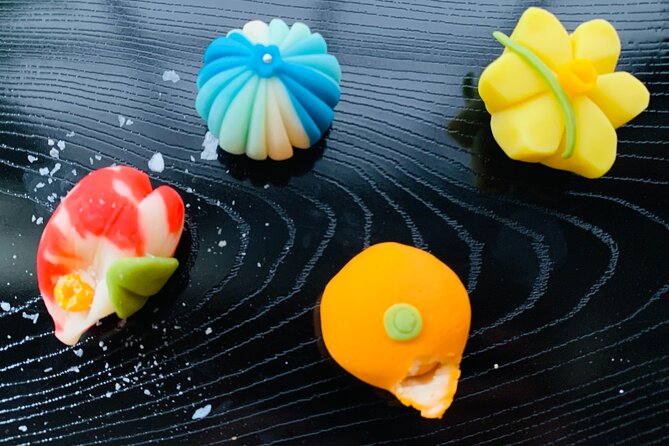
Nerikiri is the most decorative option. These sweets are associated with tea ceremony, and their appearance is often designed to suggest flowers, seasons, or natural forms. The class lets you work on creative designs yourself, which makes nerikiri a good choice if you enjoy careful handwork and presentation as much as eating.
If you want the broadest introduction, choose the combination course. The tradeoff is time. Two hours passes quickly when you are learning several techniques, so you may spend less time repeating each one than you would in a single-focus class. If you already know that you want attractive, tea-related sweets, the nerikiri course may give you a more focused session.
What the two hours are likely to feel like
The class starts with an introduction to traditional Japanese sweets and the ingredients and customs connected to them. Yuko then demonstrates each step before asking you to try it. This demonstration-first approach is useful because Japanese sweets often depend on pressure, timing, and touch. A recipe alone cannot easily show you how firm the dough should feel or how to shape a small piece without damaging it.
You then work with the sweets yourself. The class is not a passive demonstration. You shape, form, and decorate under Yuko’s guidance, with the chance to ask questions as you go. The private format is especially useful here. If your first attempt looks uneven, there is no need to feel self-conscious in front of a large group, and Yuko can show you how to adjust your hands.
The reviews describe Yuko as patient and attentive, with some solo participants receiving a one-to-one lesson. Families also used the table format to work together. One parent and child experience included a mother taking notes while becoming increasingly involved in the process, a good sign if you want to remember the techniques after returning home.
Tea forms a natural frame around the class. The experience includes tea at the beginning and matcha at the end, and one account describes the tea ceremony as a favorite part. This gives the sweets a proper setting rather than treating them as ordinary snacks. You get to consider how wagashi is served and enjoyed, not just how it is made.
The class ends back at the meeting point. One past participant also received sweets to take home and a small goodie bag, but that should not be treated as a guaranteed inclusion unless it is confirmed when you book. The reliable point is that the main activity is making and tasting Japanese sweets with tea.
Why the private format matters
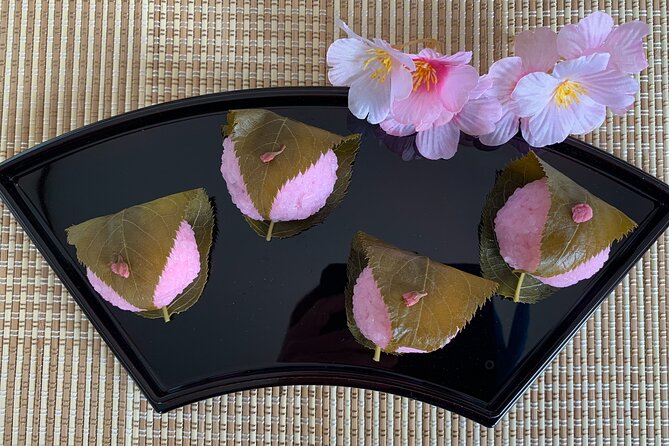
A private class changes the pace. In a large workshop, the instructor must keep everyone moving together. Here, Yuko can spend more time showing you a difficult step, answering a question about Japanese customs, or letting you repeat a shape until it feels right.
That makes the experience suitable for families, couples, and solo visitors. Families can share one activity without splitting into separate roles. Couples can compare their finished designs. Solo visitors do not need to worry about arriving alone, since the private setup is deliberately small and personal.
The tradeoff is that you may have less of a social group atmosphere. If you enjoy meeting a room full of other food lovers, this is not designed for that. The intimate space is its strength, but it is also a clear part of the decision.
The home setting also calls for ordinary courtesy. You are entering someone’s personal space, so arrive on time and be ready for a calm, focused lesson. The address is provided as the meeting point, and confirmation is sent when you book. Since this is not a public museum or restaurant entrance, check the directions carefully before leaving your hotel.
More Workshops in Tokyo:
- Tea Ceremony Workshop in Tokyo by the Experienced Instrucor
★ 5.0 · 189 reviews - Experience all of Japanese culture and Japanese food experience classes “origami, udon, Japanese food, green tea, calligraphy” in 4 hours
★ 5.0 · 105 reviews - Tokyo Sushi Making Class : Sake Ceremony & Matcha Experience
★ 5.0 · 44 reviews - Mochi Matcha Gluten Free Japanese Sweets Class near Shibuya area
★ 5.0 · 26 reviews
Learning traditions, not just recipes
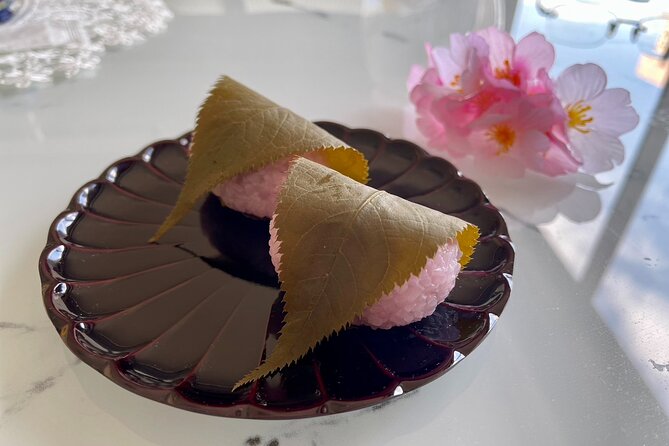
The most useful part of this class is the cultural context. Mochi can be connected with New Year and new beginnings. Dango may appear at special events. Nerikiri has a close relationship with tea ceremony. These connections help explain why Japanese sweets are often made in precise shapes and served with such care.
Yuko’s training with the Wagashi Association of Japan gives the lesson a clear traditional foundation. She is also described as a bilingual, native Japanese instructor, which is important when a class depends on explaining both technique and custom. Food vocabulary can be easy to translate poorly, so direct explanations make the experience more useful.
You should not expect an academic lecture. The format is hands-on, with cultural information woven into the process. You learn why a sweet matters while you are making it. That balance works well for visitors who want context but do not want to spend two hours sitting still.
The class can also change how you look at wagashi during the rest of your Japan trip. After handling the dough and shaping the decoration, you are more likely to notice the work behind sweets in a department-store food hall, tea shop, or seasonal display. A small confection becomes less anonymous when you understand its shape and purpose.
The quality of instruction
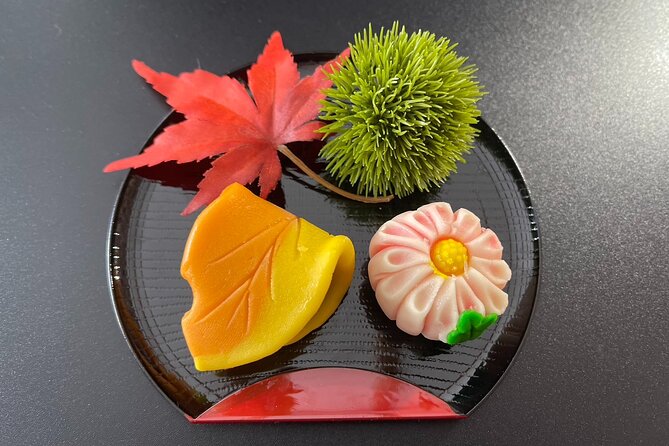
Yuko receives the strongest praise for her warmth, patience, and careful demonstrations. The most useful detail is not simply that she is friendly. It is that she performs each step slowly enough for you to imitate, then remains attentive while you try it yourself.
That matters for mochi and nerikiri because the finished result depends on small movements. You may find that your first shape is not perfect. That is part of the fun, and the private lesson gives you room to improve without pressure.
Communication is another practical strength. Yuko contacted participants early to help them understand how to reach the class and greeted them at the door. You should still rely on your booking confirmation for current directions, but that contact can make the meeting process less stressful.
The class is also a good fit if you want to ask questions beyond the recipe. Past experiences included conversation about ingredients, Japanese traditions, and the cultural connection of the sweets. You can use that time to ask about serving customs or ways to practice at home, as long as the question relates to the lesson.
Is $78.83 a fair price?
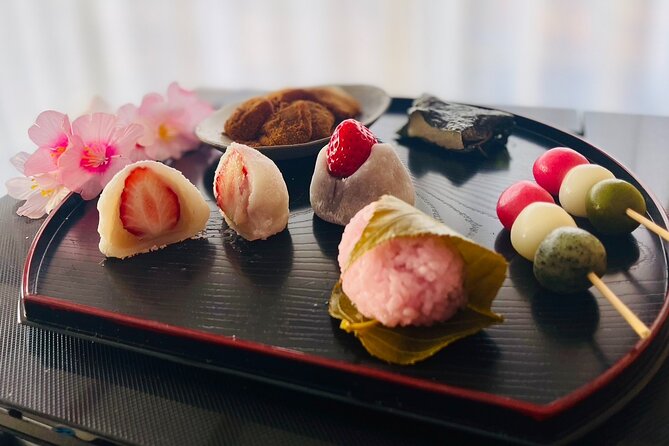
At $78.83 per person, this is not a cheap snack stop. You are paying for two hours of private instruction, a home setting, several types of sweets, tea, and the chance to practice directly with the instructor.
The value is strongest if you would otherwise pay for a guided cultural activity during your Tokyo visit. A private lesson can feel worthwhile when you want a memory that is active and personal, rather than another hour of looking at displays. It is also a practical purchase if you plan to make Japanese sweets at home afterward.
The value is weaker if your main goal is simply to eat mochi. Tokyo offers many less expensive ways to taste wagashi. This class makes sense when you want to understand the process, learn shaping techniques, and talk with a Japanese instructor in her home.
The combination course may offer the best value if you want a broad introduction. Still, check which option you select, since the three courses are not identical. The shorter two-hour format makes it easy to fit into a travel schedule, but it also limits how many times you can repeat each technique.
Who should book this class?
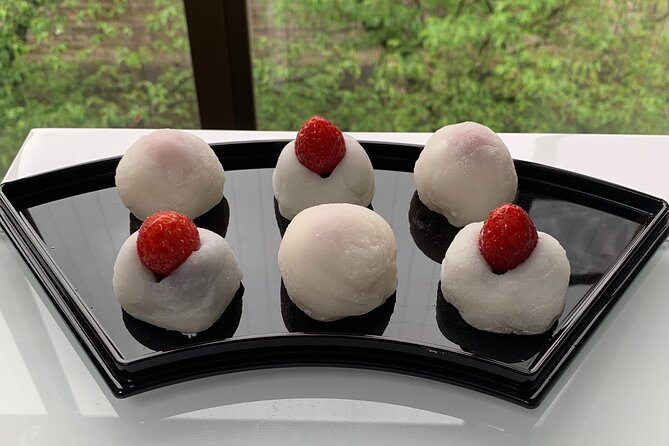
I would point families toward this experience first. Children and adults can work at the same table, and the activity gives everyone something to do with their hands. The personal setting also makes it easier for an instructor to give extra help when a younger participant needs it.
Solo visitors are another strong match. You do not need to join a group or feel like an extra person at a table. The one-to-one style gives you direct attention, and you can set your own questions and pace within the two-hour class.
Food lovers, home cooks, and anyone curious about Japanese customs will also get more from this than someone who wants a quick tasting. You do not need previous experience, so the class remains approachable even if your kitchen skills stop at making tea.
I would hesitate if you dislike sweet foods, prefer large social activities, or want an advanced professional pastry course. The lesson is designed for beginners and cultural understanding. Its charm comes from the home atmosphere and patient guidance, not from speed or restaurant-level production.
Timing, meeting point, and cancellation details
The scheduled start is 10:00 a.m., and the experience lasts about two hours. That leaves the rest of the day open for sightseeing, though you should avoid booking another activity with a tight connection immediately afterward in case finding the home takes longer than expected.
The meeting point is 1-chōme-27-8 Sekiguchi, Bunkyo City, Tokyo 112-0014, Japan. The activity ends at that same location. It is near public transportation, and confirmation arrives at the time of booking.
Mobile tickets make it easy to keep the booking on your phone. I would save the address and confirmation before leaving your hotel, especially if you are relying on a phone connection while navigating Tokyo.
Free cancellation is available up to 24 hours before the start time for a full refund. Cancellations or changes made less than 24 hours before the scheduled start are not accepted for a refund, and the cut-off uses local Tokyo time.
My booking advice
Book this class if you want a personal introduction to wagashi and like the idea of learning inside a Japanese home. Yuko’s patient demonstrations, bilingual instruction, and one-table format make the activity more than a simple cooking lesson. The combination course is the best pick for variety, while nerikiri suits you if decorative sweets and tea ceremony interest you most.
Skip it if you only want a low-cost dessert tasting or if you would rather spend your time in a large group workshop. At $78.83, the price depends on valuing private attention and cultural context. For families, solo visitors, and curious food lovers, that personal element is what makes the two hours worth booking.
FAQ
Where does the mochi and nerikiri class take place?
The class takes place at 1-chōme-27-8 Sekiguchi, Bunkyo City, Tokyo 112-0014, Japan, in the instructor’s Japanese home.
How long does the experience last?
The class lasts approximately two hours.
What time does the class begin?
The stated start time is 10:00 a.m.
What types of sweets can I make?
The available courses cover mochi, dango, nerikiri, or a combination of mochi, dango, and nerikiri.
Do I need previous cooking experience?
No. The recipes are described as simple, and the class is suitable for beginners.
Is the class private?
Yes. It is a private activity, and only your group participates.
Who teaches the class?
The class is taught by Yuko, a bilingual, native Japanese instructor trained by the Wagashi Association of Japan.
Can I cancel for a full refund?
Yes. You can cancel at least 24 hours before the experience start time for a full refund. Cancellations or changes made less than 24 hours before the start time are not refunded or accepted.
More 2-Hour Experiences in Tokyo
- Skipton: 2-Hour Afternoon Tea Cruise
★ 4.8 · 508 reviews - Twinings 2-Hour Tea Tasting Masterclass in London
★ 5.0 · 105 reviews - Sydney Harbour: 2-Hour Morning Yacht Cruise with Morning Tea
★ 4.8 · 42 reviews - Wadi Rum: 2-Hour Jeep Tour with Bedouin Tea
★ 5.0 · 11 reviews
Just added around Tokyo
- Yokohama : Tea Ceremony with Sweets and Souvenir★ 5.0 · 5 reviews
- Walking Tour: Yanaka,Nezu& Sendagi: Tea Ceremony & Old Tokyo★ 5.0 · 3 reviews
- Private Kimono and tea ceremony at local home near Tokyo Disney★ 5.0 · 6 reviews
- Private Mochi・Matcha sweets Making Class Near Shibuya Area★ 5.0 · 22 reviews
- Tokyo Sweets Tour: Hidden Gems & Matcha at an Old Tea House★ 5.0 · 6 reviews
- Giant Sushi Cooking Class: Make a 1.5m Sushi Roll in Tokyo★ 5.0 · 9 reviews
- Tokyo: Tea Ceremony & Japanese Sweets Making★ 5.0 · 10 reviews
- Kimono and Tea Ceremony in Asakusa Private Food Tour With Guide★ 5.0 · 4 reviews
Matcha Experiences, compared.
World Heritage Kyoto & Nara Uji Authentic Matcha Experience
Read our review →
Matcha Making Class in Tokyo with Authentic Japanese Sweets Set
Read our review →
Tea Museum Tickets and Matcha Grinding Experience
Read our review →
Matcha Making Class in Osaka with Authentic Japanese Sweets Set
Read our review →
Tea Ceremony Meditation – Make Matcha with Tea Master
Read our review →
Matcha Making Experience with Mochi Sweets in Asakusa
Read our review →
Browse the lists this tour appears in