
Review · CHINA
Puer Tea Picking and Tasting | 6 Hour Morning Trip
Pu’er tea is best understood where it grows, not only in a shop or tasting room. This small-group outing takes you from Jinghong or Pu’er into Yunnan’s tea country, where you’ll walk among the plants, pick leaves, help process them, and taste the results. The 300 grams of tea you make yourself gives the visit a useful personal touch.
I like the relaxed drive in a Volkswagen ID.4, and I like the chance to ask detailed questions through guide Maxime, whose close relationship with the plantation host helps conversations flow. The meal, when arranged, adds another strong local note with Dai dishes and farm-made drinks. The main drawback is timing: the trip can run five to seven hours, so it may feel tight if you have a train or another fixed appointment.
Key points at a glance
- Pick and process your own tea: You take part in the work and bring home about 300 grams.
- A small group with personal guiding: The vehicle carries up to three people in the VW ID.4, or larger groups use a six-seat minivan.
- Tea tasting at the farm: You can compare freshly processed Pu’er with styles such as raw, aged, candy tea, and red tea.
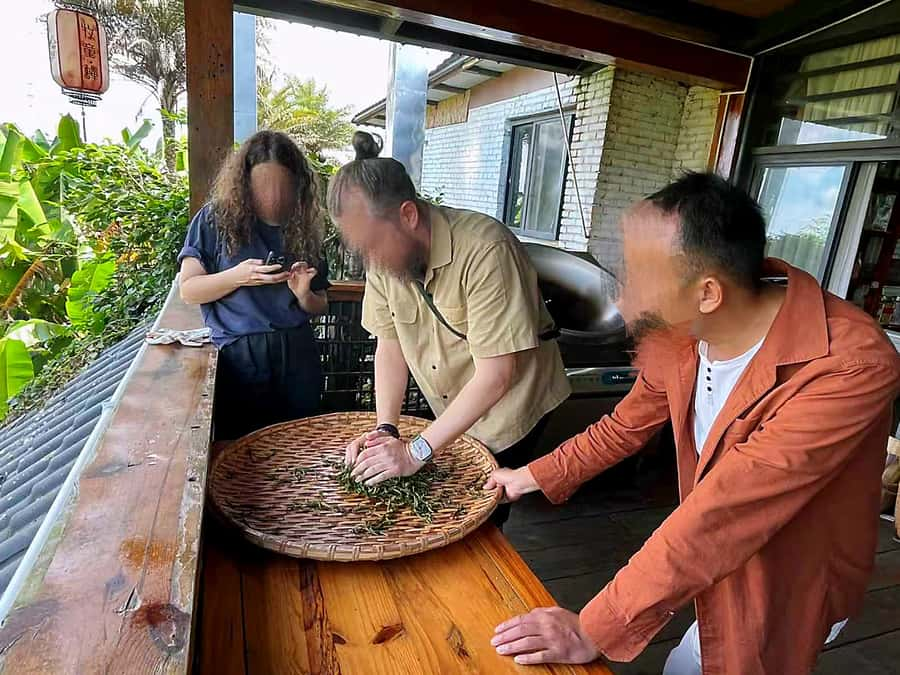
- More than a plantation walk: You see withering, rolling, drying, and other steps that turn leaves into drinkable tea.
- Optional local lunch: Dai food can be served at the farm for about 60 yuan per person.
- Good language coverage: Guiding is available in English, French, German, and Italian.
Why this Pu’er outing is worth your morning
Many tea visits stop at a photo, a short explanation, and a shop. This one gives you work to do. You pick leaves, watch the processing, try some of the steps, and then taste tea made close to where it was grown. That sequence helps you understand why Pu’er is not one single flavor or style.
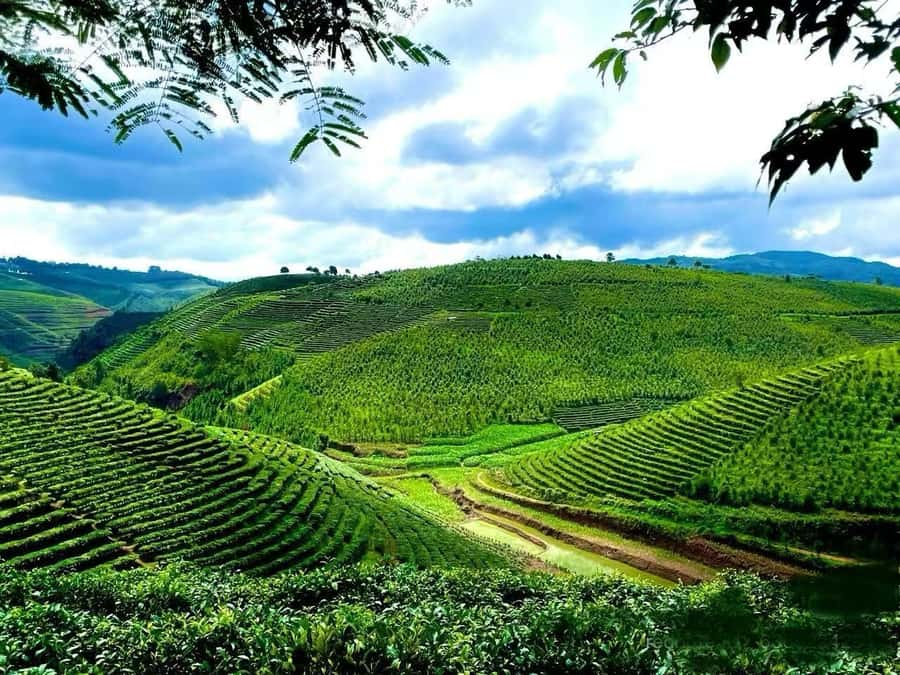
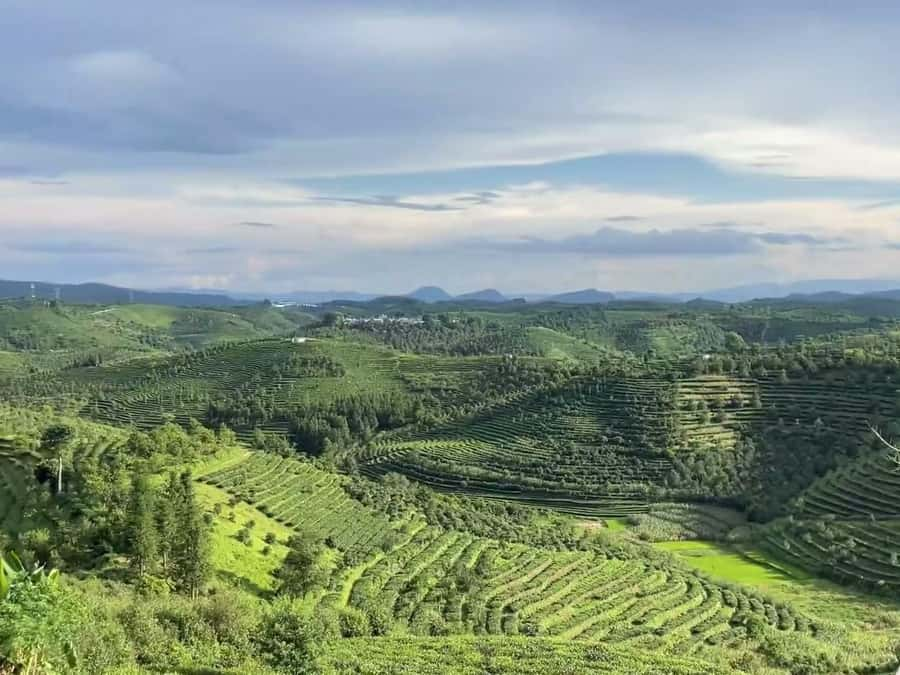
The setting matters, too. The drive leads through the green countryside around Jinghong and Pu’er, and the plantation visit takes place among rolling tea fields and working farms. You are not simply being shown a finished product. You see the plants, the people, the tools, and the stages between harvest and cup.
The tour is priced at $82 per person. That is not the cheapest way to see tea in Yunnan, but the price includes private-style transport for a small group, a guide, the plantation visit, tasting, hands-on production, and 300 grams of tea to take away. Depending on the final lunch arrangement, food is either included in the plan or available as an optional add-on from 60 yuan per person, so confirm that detail when booking.
More Tea Tastings in China:
- Tea Tasting and Pairing Concept Workshop
★ 5.0 · 57 reviews - Biking Real Shanghai& Tea Tasting Experience
★ 4.5 · 45 reviews - Shanghai 3-Hour Afternoon Tea Tasting and Dessert Tour
★ 4.9 · 15 reviews
The drive from Jinghong or Pu’er
Pickup is arranged from Jinghong or Pu’er, making this a practical choice if you do not want to arrange a taxi into the countryside. From Jinghong, the included vehicle is a Volkswagen ID.4 for groups of up to three people. Groups larger than three use a comfortable six-seat minivan.
The drive is part of the morning, not just a transfer to forget. You pass through cultivated areas and green Yunnan scenery before reaching the plantation. It gives you time to settle into the slower pace of rural life, though you should check the exact pickup time and route if your schedule is tight.
The stated duration is five to seven hours. That range is worth taking seriously. A compact visit with a quick tasting may be closer to five hours, while a longer discussion, meal, coffee stop, or extended tasting can push the day toward seven. One visitor had to leave early for a train and wished for more time, which is a useful warning for anyone planning a close connection.
The vehicle arrangement is another point to clarify. Pickup is advertised from both Jinghong and Pu’er, while the transport details specifically describe the return to Jinghong. If you are staying in Pu’er, confirm the pickup and return plan before paying.
Walking through the tea fields
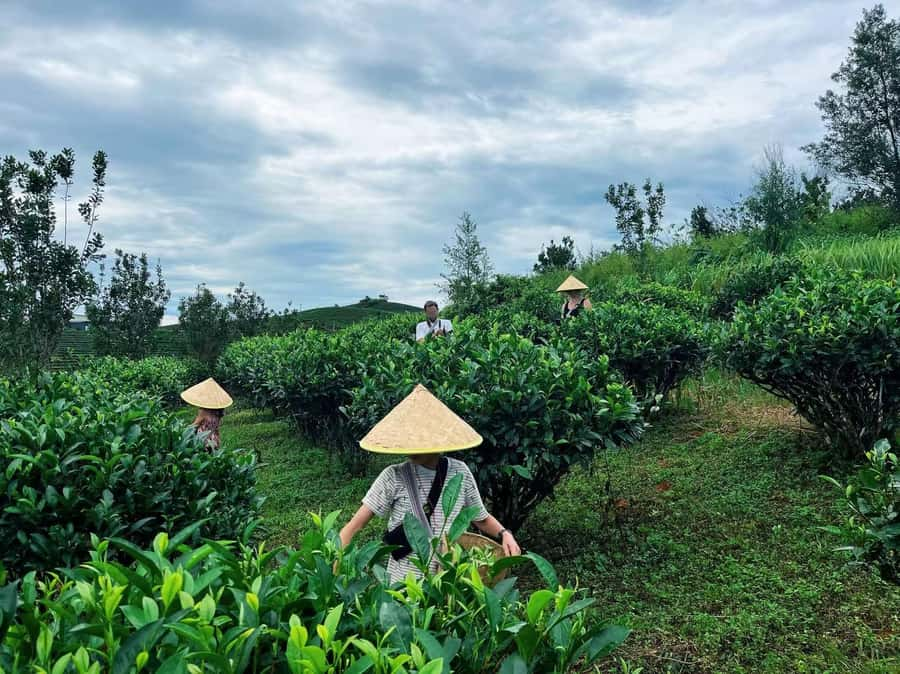
At the plantation, the first lesson is the plant itself. A local host introduces the farm and explains how Pu’er tea fits into the area’s agricultural and cultural life. The tour also gives you a chance to ask questions about cultivation, harvest timing, and the difference between various tea types.
The walk is not described as a strenuous hike, but you should bring comfortable shoes. You will be outdoors among the fields and working farm areas, so this is better suited to someone who enjoys being on their feet than to someone looking only for an indoor tasting.
The tea picking is simple in principle but more careful in practice. Local staff show you how to select suitable leaves and handle them without damaging the plant. Once you try it, you gain a better sense of the patience involved in producing high-quality tea. It is a modest task, but it changes the way you look at the leaves in your cup.
The setting also gives you a closer connection to local life. One of the strongest parts of the visit is the contact with the farm manager and the chance to share the work and tasting with agricultural workers. The experience feels most rewarding when you take your time and ask questions rather than rushing from one stop to the next.
From fresh leaves to Pu’er tea
After picking, you visit the processing area. This is where the outing becomes more than a scenic plantation tour. You see how fresh leaves are handled through stages such as withering, rolling, and drying, and you may try some of the work yourself.
Each step affects the final drink. Withering reduces moisture and begins changing the leaves. Rolling shapes them and helps release their juices. Drying prepares the tea for storage and use. The tour does not turn you into a tea maker in one morning, but it gives you a clear working outline of the process.
The hands-on part is especially useful for people who already drink Chinese tea. You can connect familiar flavors with the actions that created them. If you are new to Pu’er, the process helps explain why two teas from the same broad region can taste quite different.
The finished product is not just a photo opportunity. The tour provides about 300 grams of Pu’er tea that you picked and processed during the visit. That amount is enough to share, drink over time, or use as a reminder of the day. Gifts and additional souvenirs are not included, and tea purchased separately from the farm costs extra.
More Food and Drink Tours in China:
- Private Shanghai City and Zhujiajiao Combo Tour with Boating, Tea Tasting, Lunch
★ 5.0 · 15 reviews - Unlock Chinese Tea: Culture, Science, Tasting & Hands-on Brewing
★ 5.0 · 12 reviews - Tea Tasting & Brewing Experience
★ 5.0 · 10 reviews - 3-hour Morning/Afternoon Tea Tasting on Maliandao Street & Dimsum
★ 5.0 · 7 reviews
Tasting several kinds of tea
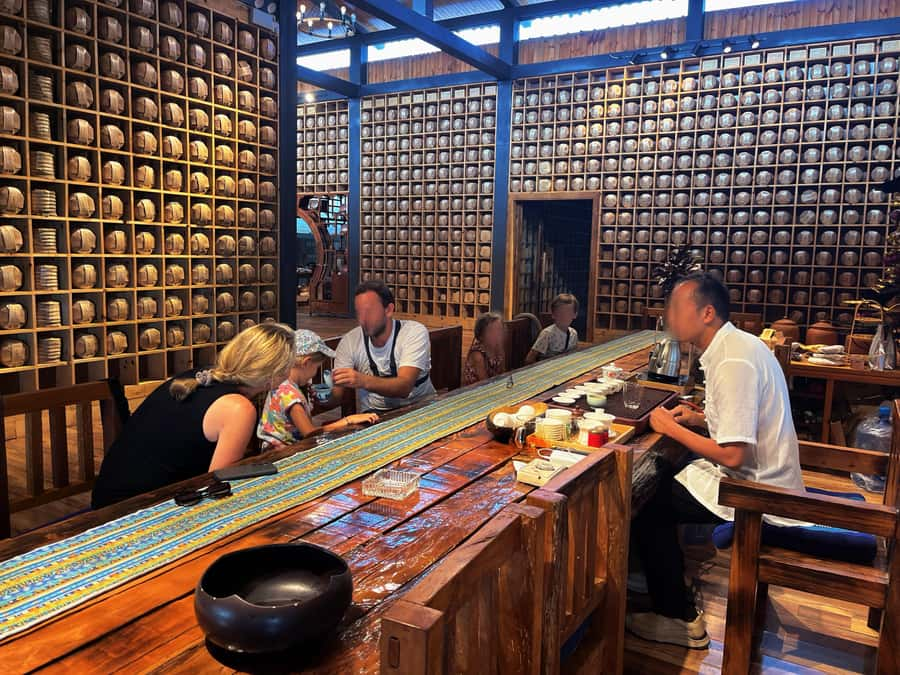
The tasting takes place at a local processing farm and is one of the main reasons to book this outing. You sample freshly processed Pu’er and learn how brewing method, age, and production style affect the cup.
Specific tastings can vary, but the visit has included raw tea, aged tea, candy tea, and red tea. This range is useful because it shows that Pu’er is not limited to one familiar earthy profile. A tasting can also include several pulls from the same tea, allowing you to notice how the flavor changes as the leaves are brewed again.
The farm setting gives the tasting more meaning than a generic tea counter. You have just seen the plants and processing equipment, so the aromas connect to something physical. You can also ask the host about storage, preparation, and the qualities of different teas.
Guide Maxime is a strong part of this section. He can translate questions between English-speaking visitors and the farm host, and his relationship with the producer helps keep the conversation open. The listed guiding languages are English, French, German, and Italian, which makes this a rare option for visitors who want a detailed tea lesson without relying on a group conducted only in Chinese.
Do not feel pressured to buy extra tea. The farm does sell additional tea, and one visit included a 20 percent discount on purchases, but the sales approach was described as low-pressure. You can taste first, ask questions, and decide later.
Lunch and the added coffee option
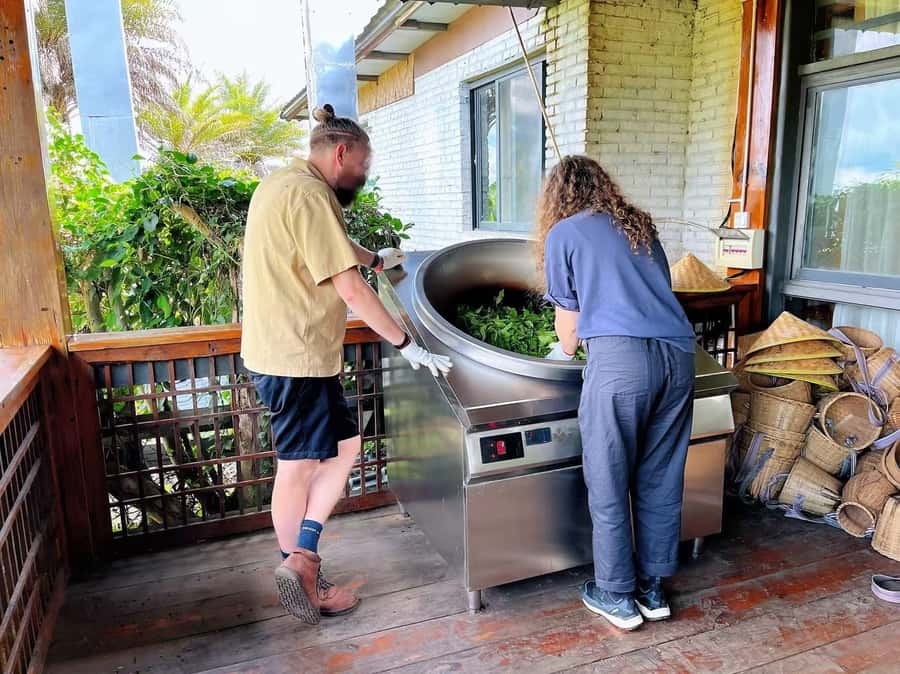
Lunch at the farm brings local food into the day. The meal may feature Dai specialties, and the farm setting gives you a chance to slow down after the walking and processing work. The food is an important part of the visit because Yunnan’s local character is expressed through meals as much as through crops.
The supplied details give two versions of the lunch arrangement. It is listed among the included items, but the main description calls it optional at about 60 yuan per person. Confirm whether lunch is included in your chosen booking and what the menu covers.
Some outings have also included a stop at a small coffee plantation south of Pu’er. There, you may taste coffee grown and processed on the farm, see more agricultural work, and pass through the area known for coffee production. This appears in the detailed accounts of the day, but it is not clearly promised in the core activity description, so treat it as a possible addition rather than a guaranteed stop.
If coffee is important to you, ask about it before booking. If tea is your main goal, the plantation, processing session, and tasting already provide a full half-day without needing an extra farm visit.
Group size, pace, and comfort
The tour is limited to six participants. That is small enough for questions and conversation, while still giving you company during the drive and tasting. A group of one to three travels in the VW ID.4, and larger groups use a six-seat minivan.
The pace is generally calm. The drive, plantation walk, farm explanation, processing, tasting, and possible meal create a full morning or early afternoon. This is not a quick stop where you rush through a few facts. The tradeoff is that the flexible pace makes the final duration less exact.
Bring comfortable shoes. No special equipment is listed, and pets are not allowed. The activity is not considered suitable for babies under one year or people over 70. The age limit may reflect the outdoor walking, farm setting, and length of the outing, so ask the provider if your circumstances are close to those limits.
Solo visitors can fit comfortably into the format. The small group and direct support from Maxime make it easier to ask questions or request help with translation. Families with older children can also enjoy the picking, though one family noted that the guide adapted well to three children, and the activity does not suit babies under one.
The value of $82 per person
At $82, this is a specialist outing rather than a bargain transport trip. You are paying for a guide, pickup and return transport, access to a working plantation, interpretation between languages, tasting, participation in tea production, and the 300 grams of tea you take home.
The value is strongest if you want to understand how Pu’er is made. If you only want to drink tea for 30 minutes, you can find cheaper options. If you want a rural setting, direct contact with producers, and enough time to ask questions, the price is easier to justify.
The included tea also matters. It is not a random shop sample. You pick and process it yourself, so the souvenir carries a clear connection to the morning. Extra purchases are optional, and the farm does not appear to rely on hard selling.
The meal improves the value if included, but because the information gives conflicting details, check the final cost. At around 60 yuan, it is still a reasonable addition if you want local food and do not want to search for lunch afterward.
Who should book this outing
I would choose this for tea drinkers, curious food-and-farm visitors, and anyone looking for a quieter side of Yunnan. It is especially useful if you are staying in Jinghong and want a guided countryside trip without arranging several separate transfers.
You will get the most from it if you ask questions. Learn how the farm handles the leaves, compare the teas carefully, and notice how the flavor changes during repeated brews. The tour rewards interest more than passive sightseeing.
It is less suitable if you have limited time, dislike outdoor walking, or need a precisely timed return. The five to seven hour range can be a problem before a train or flight. It is also not designed for babies under one year, pets, or people over 70.
The multilingual support is a major advantage for English, French, German, and Italian speakers. Maxime’s role is not only to drive. He helps bridge the conversation with the tea host, explains local culture, and can adapt the day to your questions and interests.
Should you book the Pu’er tea trip?
Book it if you want more than a tasting. The strongest parts are the contact with the farm, the chance to pick and process leaves, the broad tea sampling, and the personal help from Maxime. You leave with both practical knowledge and 300 grams of tea tied to your own work.
Before booking, confirm three details: your exact pickup and return point, whether lunch is included or costs about 60 yuan, and whether a coffee plantation visit is part of your chosen schedule. If you have a fixed train or flight, leave plenty of room after the seven-hour maximum.
For a tea enthusiast, this is a well-rounded and personal way to meet Pu’er at its source. For everyone else, it offers a peaceful rural morning with a clear sense of place and something useful to take home.
FAQ
Where does the tea plantation trip depart from?
Pickup is available from Jinghong or Pu’er. The transport details specifically describe a VW ID.4 from Jinghong for up to three people, with a six-seat minivan for larger groups, so confirm the exact arrangement if you are staying in Pu’er.
How long does the activity last?
The stated duration is five to seven hours. The exact length depends on the start time, time spent at the plantation, tasting, lunch, and any additional farm visits.
What languages are available?
Live guiding is available in English, French, German, and Italian.
How much tea can I take home?
You receive about 300 grams of Pu’er tea that you picked and processed during the visit.
Is lunch included?
The information gives two arrangements. Lunch is listed among the included items, while the main description says it is optional from about 60 yuan per person. Confirm the meal cost and menu when booking.
What should I bring?
Bring comfortable shoes. Pets are not allowed, and the activity is not suitable for babies under one year or people over 70.
More Morning in China
- Full-day Tour: Spectacular Sunrise, Tea Plantation & Sunset
★ 5.0 · 3 reviews - Great Ocean Road Tour Plus Koalas, Forest Walk and Morning Tea
★ 4.5 · 1,068 reviews - Morning Sightseeing Cruise: 10:30am-12pm (90min)
★ 4.5 · 973 reviews - Great Ocean Road, 12 Apostles, Rainforest & Morning Tea-Melbourne
★ 5.0 · 568 reviews
Just added around China
- Xi’an Chinese Calligraphy Workshop: Ink Art & Tea Tasting★ 5.0 · 4 reviews
- Xi’an Noodle Making and Tea Tasting Experience★ 5.0 · 6 reviews
- Half-day Tour: Largest Tea Plantation & Amazing Xianggong Hill★ 5.0 · 9 reviews
- Xi’an Calligraphy & Tea Ceremony – Dive into Ink & Brush Artistry★ 5.0 · 4 reviews
- Full-day Tour: Spectacular Sunrise, Tea Plantation & Sunset★ 5.0 · 3 reviews
- 3 hours Xi’an Mahjong Class with Local Tea★ 5.0 · 2 reviews
- Shanghai Mahjong Experience in Local Tea Bar★ 5.0 · 4 reviews
- Unlock Chinese Tea: Culture, Science, Tasting & Hands-on Brewing★ 5.0 · 12 reviews
Tea Tastings, compared.
Private Tea Ceremony and Sake Tasting in Kyoto Samurai House
Read our review →
Twinings 2-Hour Tea Tasting Masterclass in London
Read our review →
Wadmalaw Island Wine Tasting and Tea Garden Trip
Read our review →
Matcha Experience with of Japanese Tea Tasting in Tokyo
Read our review →
World Teas & Turkish Tea Brewing, Tasting Workshop
Read our review →Browse the lists this tour appears in