
Review · BEIJING
Beijing: Dumpling Making Workshop with Meal and Tea
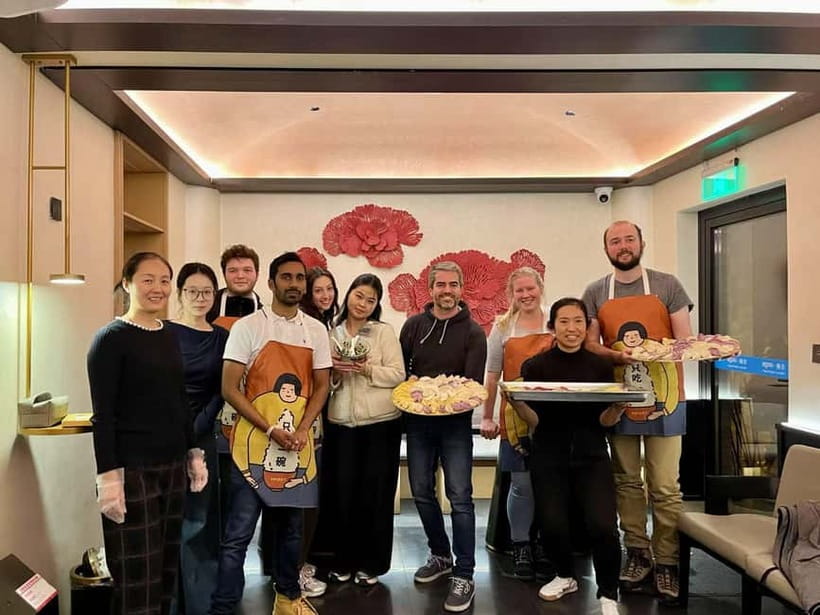
Beijing’s dumpling tradition comes to life at the table, not behind a glass case. You roll wrappers, spoon in fillings, try several folding styles, then sit down to eat the results with tea and other Chinese dishes. The relaxed, communal format makes this feel like a social meal with a cooking lesson attached.
I like the patient, step-by-step teaching, especially for first-timers, and I like the generous meal, which can include vegetable and meat dumplings, local dishes, desserts, tea, beer, juice, and water. Guides such as Eric, Jenny, Janine, and Leo have helped make the class friendly and easy to follow.
One thing to check before booking is how much of the dough and filling preparation you want to do. The description promises kneading and crafting fillings, but some visitors found that portions were prepared ahead of time. People with food allergies should also choose another activity.
Key points to know before booking
- A 16:30 start leads into dinner: Plan for three hours, with dumpling preparation followed by a shared evening meal.
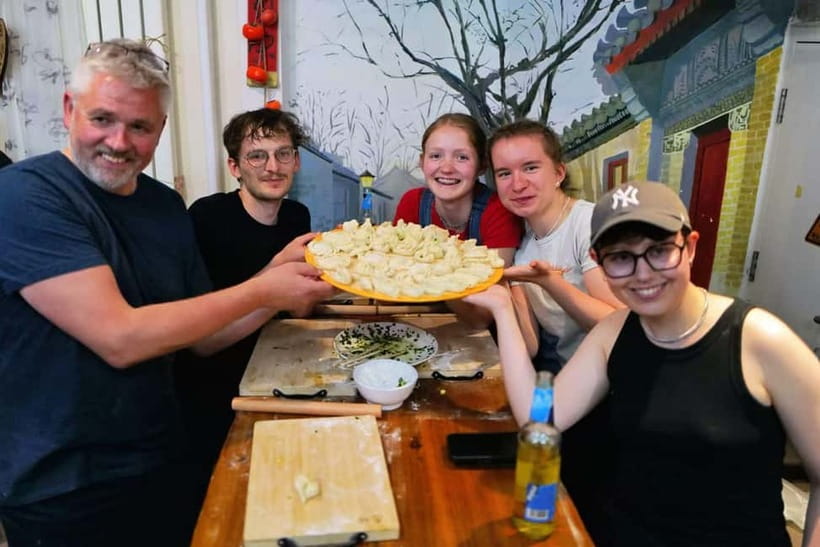
- You learn several folding methods: The class covers rolling wrappers, holding them in your palm, filling them, and pinching them into different shapes.
- The meal goes beyond dumplings: Expect your handmade dumplings with tea and other food, plus beer and other drinks.
- English instruction is available: Guides including Janine, Eric, Jenny, and Heyang have been praised for clear explanations and patient help.
- The setting has local character: One class took place in a traditional Beijing hutong, giving the food lesson a more personal setting.
- Food allergies are a serious concern: The activity is specifically not suitable for people with food allergies.
Rolling Into Beijing’s Dumpling Culture
Dumplings are more than a convenient meal in China. Their shape and preparation connect to family gatherings, Lunar New Year customs, regional cooking, and the pleasure of making food together. This class gives you a simple way to understand those ideas with your hands busy and a plate waiting at the end.
Your guide explains the place of dumplings in Chinese food culture while you work. The lesson is not built around a lecture, so you learn through small details: how thin to roll the wrapper, how much filling to use, how to hold the dough in your hand, and how firmly to pinch the edges.
That practical approach suits me. Food culture is easier to remember when you have struggled, even briefly, to close a dumpling without spilling its filling. You leave with a skill you can try at home, not just another photograph from Beijing.
The class is conducted in English. Janine has been noted for speaking clearly, while Heyang and his sister have guided beginners through the full process. The hosts vary, so you may meet a different instructor, but the teaching style is intended to be accessible to people with no previous cooking experience.
More Workshops in Beijing:
- Beijing: Temple Of Heaven+Tai Chi Class+Tea Ceremony
★ 5.0 · 8 reviews - Beijing Hands-On Culture Tour: Tea, Instrument, Calligraphy
★ 5.0 · 6 reviews - Kyoto: 45-Minute Tea Ceremony Lesson Experience
★ 4.3 · 2,378 reviews
What Happens From 16:30 to Dinner
The activity begins at 16:30 and lasts about three hours. You meet at the hotel lobby specified with your booking, then settle in for the cooking session. Hotel pickup and drop-off are not included, so you need to make your own way to the meeting point.
The first stage introduces the ingredients and the basic dumpling process. You may work with dough and fillings that have already been prepared, or take part in some of that preparation depending on the class setup. The supplied description presents kneading dough and crafting fillings as part of the lesson, but practical feedback indicates that some groups received premade dough or fillings.
That distinction matters. If you are seeking a full culinary course, you may find the preparation less hands-on than expected. If you mainly want to learn the folding technique and enjoy a social meal, prepared ingredients keep the class moving and give you more time to make a large number of dumplings.
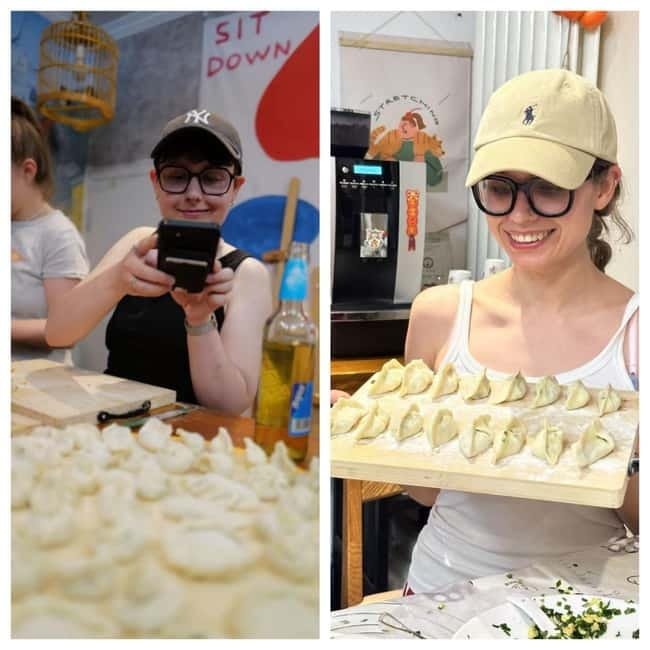
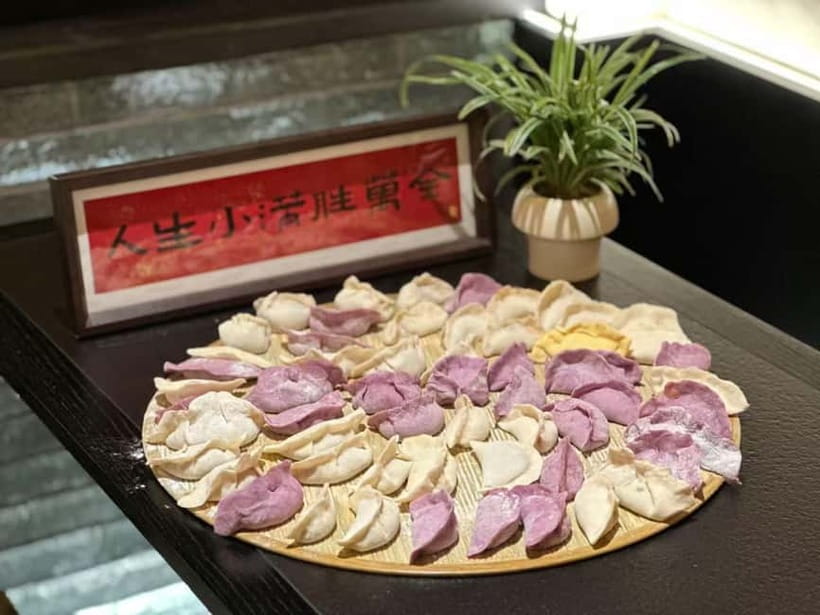
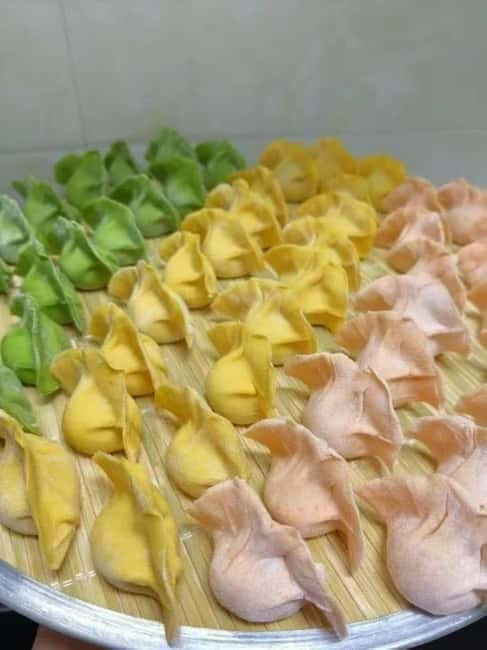
You roll the dough into wrappers, place filling in the center, and practice closing the edges. The instructors show several pinching styles, rather than insisting on one perfect shape. That is good news for beginners. Your first dumpling may look more like a small pouch than a neat crescent, and nobody expects professional results.
The class then moves toward cooking. Dumplings may be boiled for a soft texture or pan-fried for a crisp base. The exact cooking method can vary, but the important point is that you eat the food you helped prepare while it is fresh.
A Lesson Built for Beginners
This is not a technical chef’s course. It is a friendly introduction to a familiar Chinese food, with enough instruction to help you repeat the basics at home.
The most useful part is the hand position. You learn how to hold the wrapper in your palm, add an appropriate amount of filling, and close the rim without tearing the dough. This sounds simple until you try it. Too much filling makes the wrapper split, while too little leaves you with a disappointing bite.
The teachers appear willing to slow down and demonstrate again. That matters in a group class, where some people will shape dumplings quickly and others will still be working out which way to fold the edge. The instructors have been described as patient, fun, and easy to understand.
You may also make both meat and vegetable dumplings. A class participant specifically described making dozens of both types, while another found the activity suitable for a vegetarian meal. Still, the exact fillings are not guaranteed, so you should raise dietary needs before booking.
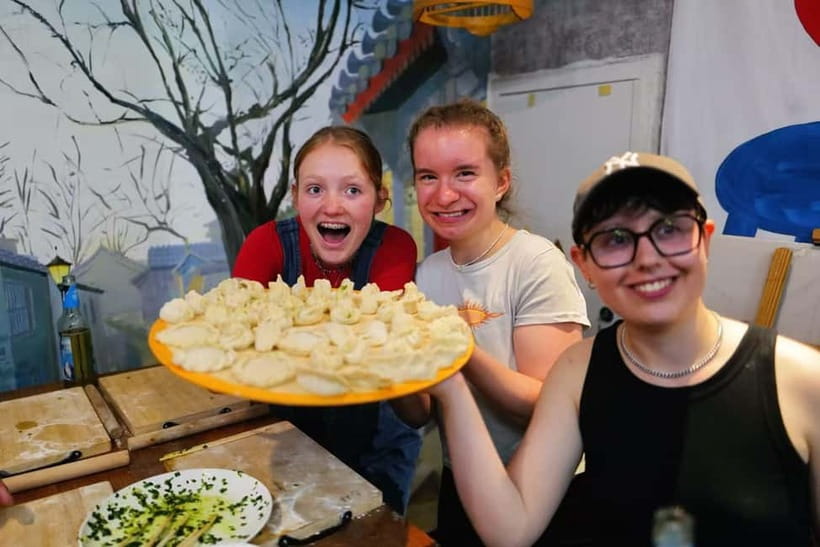
The class has a social rhythm. You work beside other people, compare folding attempts, and talk while the dumplings cook. That makes it a good fit for families, couples, and solo visitors who would like an evening activity with conversation built in.
The Big Meal After the Folding
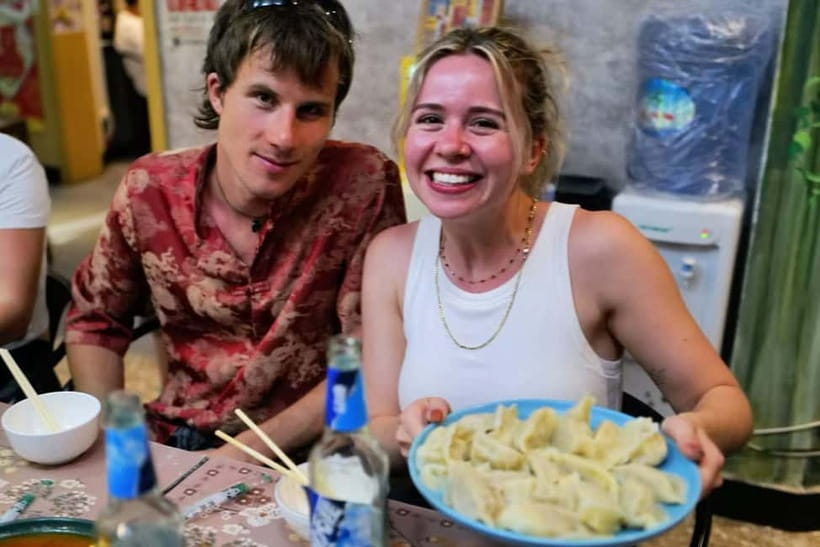
The dumplings are only part of the dinner. The meal can include additional Chinese dishes such as kung pao chicken, egg and tomato, cabbage, breaded chicken, desserts, and other shared plates. Beer, water, juice, tea, and other drinks may also be served.
This is where the $35 price begins to look strong. You are not paying only for a short demonstration and a small tasting plate. You receive a three-hour class, ingredients, your handmade food, tea, and a broader meal with drinks. For anyone who planned to eat dinner anyway, the activity combines entertainment and a substantial evening meal.
The food also makes the class feel less risky for beginners. If your dumplings are uneven or a few open in the pot, the table still has plenty to eat. You can enjoy the dishes prepared by the hosts while trying the food you made yourself.
Tea is part of the meal rather than a separate formal ceremony. You taste it alongside the food and use the shared table as a chance to talk. It is a modest detail, but it adds a clear Chinese touch without making the evening stiff or overly staged.
Beer is included among the available drinks, which may appeal to adults looking for a relaxed dinner. The activity is not described as a nightlife outing, however. Think of it as a food-centered evening with a drink at the table.
A few more tea experiences around Beijing worth a look
- Traditional Chinese Tea Ceremony Experience
★ 4.7 · 74 reviews - Beijing Culture: Tea Ceremony, Heritage Instrument & Calligraphy
★ 5.0 · 57 reviews - Chinese Tea ceremony in Beijing Hutong courtyard
★ 4.7 · 26 reviews - Beijing: Mutianyu Great Wall and Tea House Private Tour
★ 5.0 · 11 reviews
Hutong Atmosphere and Local Contact
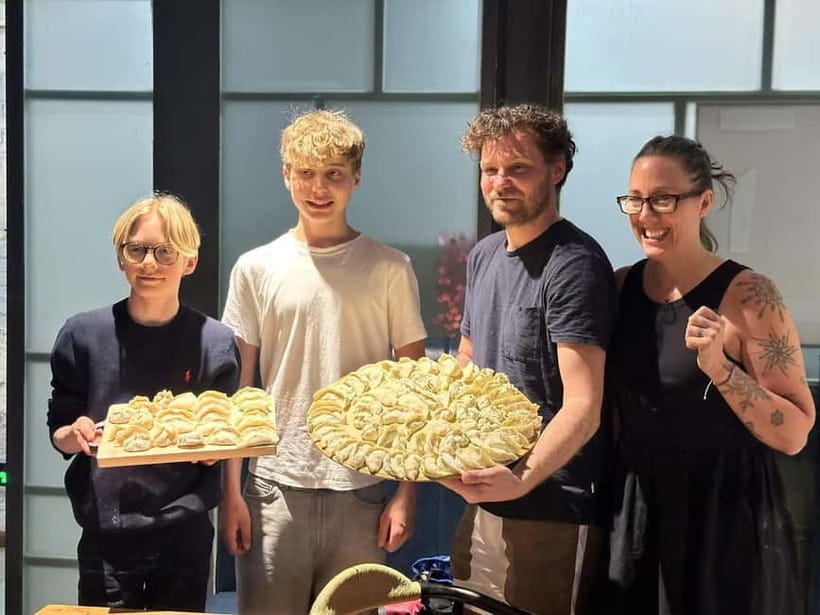
One especially appealing detail is the traditional Beijing hutong setting reported for one class. Hutongs are the older lane neighborhoods associated with Beijing’s close-set courtyards and everyday community life. A cooking lesson in that sort of setting can feel more personal than a class in a large commercial kitchen.
The exact venue may differ, so you should not assume every booking takes place in the same room or hutong. The meeting instructions identify a hotel lobby, and one detailed direction places the meeting point in the lobby of the Scared Hotel, close to the map pin. Check your confirmation carefully before setting out.
The local contact is a major part of the value. Eric and Zoey, Eric and Lan, Jenny, Janine, Julie, Rachel, Heyang, his sister, and Leo are among the hosts and instructors associated with individual bookings. Names and staff can change, but the pattern is clear: you are likely to work with a small local team rather than a distant lecturer.
Leo’s response to a missed booking also suggests a generous, personal approach. After a couple got lost in Beijing, he tried to help them find the class and later delivered dumplings to their hotel. That is not something you should expect as part of the standard service, but it shows the kind of direct hospitality that can shape an evening.
Still, you should not rely on exceptional rescue if you get lost. The activity does not include hotel pickup, and Beijing’s streets can be confusing. Give yourself extra time to reach the meeting point.
The Dough Question: What You May Really Make
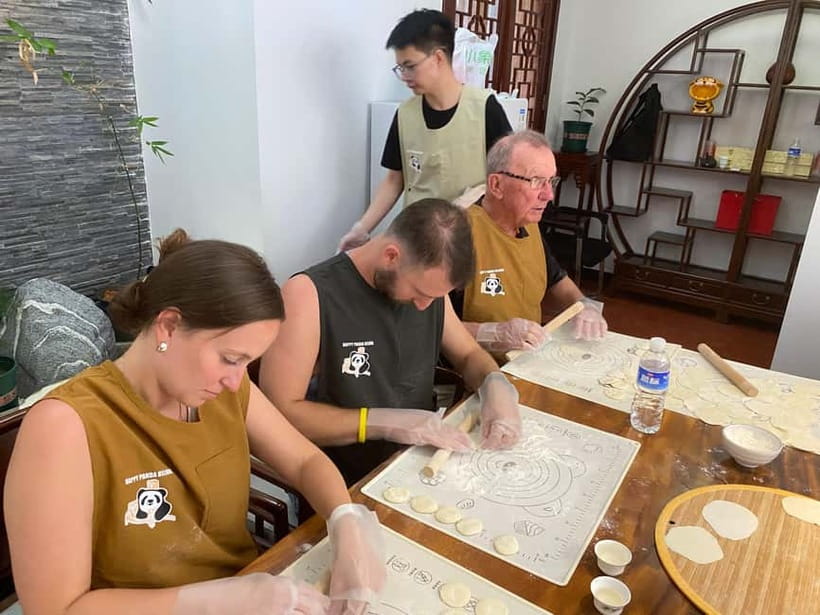
The supplied description says you learn to knead dough, craft fillings, and shape dumplings. Several detailed comments support a hands-on shaping lesson, but one person specifically wished they had been able to make the dough, and another wanted to prepare the fillings.
That mixed picture deserves plain advice. Book this if your priority is learning to roll wrappers, fill them, and fold them into different forms. Do not book it expecting a fully from-scratch cooking school in which you weigh every ingredient, mix every filling, and prepare the dough from the first step.
Prepared ingredients are not necessarily a flaw. They let the group focus on the most enjoyable and repeatable part of dumpling making. You can produce many dumplings, eat a good dinner, and avoid spending the whole class waiting for dough to rest or ingredients to be chopped.
If you have a strong interest in the full process, ask the provider what will be prepared in advance. That one question can help you decide if the class matches your expectations.
Food, Allergies, and Dietary Needs
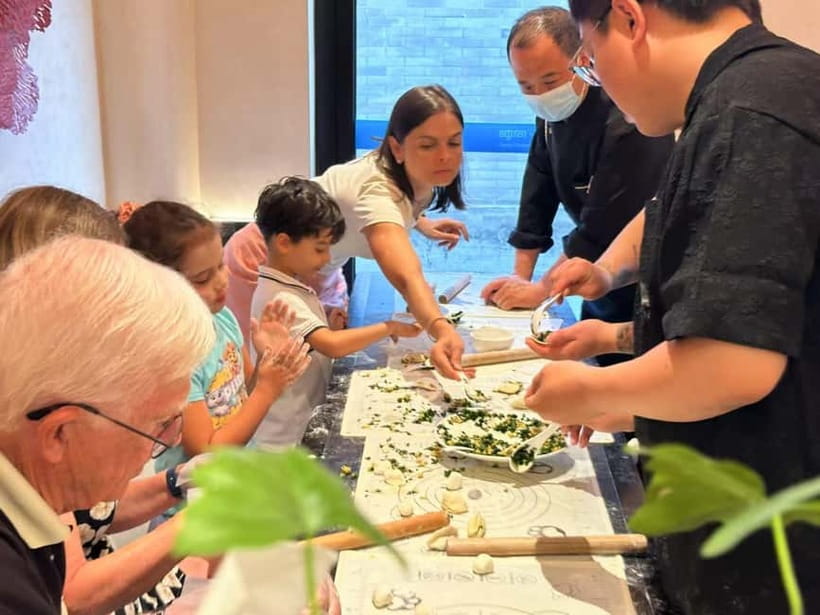
The activity is marked as unsuitable for people with food allergies. Take that warning seriously. Dumpling fillings and shared dishes may contain ingredients that are difficult to separate in a communal cooking space.
Vegetarian food appears possible, and one class was described as vegetarian-friendly. That does not establish a fixed vegetarian menu for every session, so you should confirm your needs before paying.
The menu can include meat dishes and several shared plates. If you avoid certain foods for medical, religious, or personal reasons, contact the provider in advance rather than assuming substitutions will be available.
Comfortable clothes are recommended. This is a practical suggestion, not a dress code. You will be handling flour, filling, and food for several hours, so clothes that allow you to work at a table are the sensible choice.
Smoking is not allowed during the activity.
Is Three Hours a Good Use of Your Beijing Evening?
At three hours, this is long enough to feel like a proper evening plan but short enough to fit around sightseeing. The 16:30 start works well after a day visiting Beijing’s major sights, although you should leave enough time to cross the city and find the meeting point.
The class is not a quick snack stop. You need to be willing to sit, work with your hands, wait while food cooks, and share a meal. That makes it a weaker choice if you want a fast dinner or a tightly scheduled night tour.
I would choose it for an arrival day when you want a calm introduction to local food, or for a later day when you have already seen several monuments and want something more personal. It also works well for a family or couple seeking a shared activity rather than another guided walk.
The English instruction and wheelchair accessibility widen its appeal. The available information does not give details about the exact room layout, transfer arrangements, or assistance during transport, so wheelchair users should confirm those practical points with the provider before booking.
How the $35 Price Measures Up
At $35 per person, the value is good if you treat the booking as both a class and dinner. The price covers the three-hour session, ingredients, tea with the meal, additional food and beverages, and beer. You also get direct contact with local instructors and the chance to make a large batch of dumplings.
The value is less clear if you want a formal culinary qualification or a detailed lesson on every stage of production. The dough and fillings may be partly prepared, and the teaching is designed for enjoyment rather than professional training.
I especially like that the meal is not limited to the dumplings you make. That removes the pressure of producing a perfect dinner yourself. You can enjoy extra dishes such as cabbage, egg and tomato, kung pao chicken, and desserts while sharing the table with the group.
Free cancellation is available up to 24 hours before the activity, and you can reserve now and pay later. Booking at least 12 hours in advance is required. Those terms help if your Beijing schedule is still shifting, but they do not remove the need to reach the meeting point on time.
Who Should Book This Dumpling Class?
You should consider it if you:
- Want a hands-on introduction to Chinese food culture
- Prefer meeting local people to sitting through another sightseeing talk
- Enjoy communal meals and relaxed group activities
- Are happy to learn dumpling folding even if some ingredients are prepared
- Want a dinner that includes tea, beer, and more than one dish
- Need an English-speaking instructor
- Are looking for an activity suitable for beginners
You may want another option if you have food allergies, need a completely private lesson, want to prepare every ingredient from scratch, or dislike group dining.
The class also suits anyone who wants a useful souvenir that does not take up space in a suitcase. After three hours, your takeaway is a better sense of Chinese dumpling customs and a few folding techniques you can try in your own kitchen.
Should You Book It?
I would book this for a warm, social Beijing evening rather than for serious chef training. The strongest parts are the patient English instruction, the chance to practice several dumpling shapes, the local cultural context, and the generous meal with tea, beer, and extra Chinese dishes.
Before booking, ask how much dough and filling preparation will be done by the group, and tell the provider about any dietary needs. If you accept that some work may be prepared in advance, the $35 price offers a lot: a three-hour activity, dinner, local contact, and a skill you can take home.
FAQ
How long does the dumpling-making activity last?
The activity lasts three hours.
What time does the class start?
The activity starts at 16:30.
What does the price include?
The price includes the three-hour dumpling-making class, all ingredients, tea with the meal, other foods and beverages, and beer.
Is hotel pickup included?
No. Hotel pickup and drop-off are not included.
Is the class taught in English?
Yes. The available language is English.
Do I need cooking experience?
No cooking experience is stated as a requirement. The class is designed to guide you through rolling, filling, and shaping dumplings step by step.
Will I make the dough and fillings from scratch?
The activity description includes kneading dough and crafting fillings, but some sessions may use dough or fillings prepared in advance. Confirm the exact setup with the provider if this matters to you.
Are vegetarian options available?
Vegetarian-friendly food has been available in at least one session, but the exact menu is not guaranteed. Contact the provider about your dietary needs.
Is the activity suitable for people with food allergies?
No. The activity is listed as unsuitable for people with food allergies.
Can I cancel for a refund?
Yes. You can cancel up to 24 hours in advance for a full refund. You can also reserve now and pay later.
Just added around Beijing
- Traditional Chinese Tea Ceremony Experience★ 5.0 · 7 reviews
- Beijing: Mutianyu Great Wall and Tea House Private Tour★ 5.0 · 11 reviews
- Private Beijing Spiritual Tour with Lunch and Tea Ceremony★ 5.0 · 2 reviews
- Private Tour: Tiananmen Area Night Walk with Lao She Teahouse Show★ 5.0 · 3 reviews
- Beijing Culture Event: Tradition Music, Tea Ceremony, Calligraphy★ 5.0 · 11 reviews
- Temple of Heaven Private Tour and Tea Tasting at Maliandao Tea Street★ 5.0 · 2 reviews
- Private Tour to the Temple of Heaven and Tea tasting at the Maliandao Tea city★ 5.0 · 3 reviews
- 3-hour Morning/Afternoon Tea Tasting on Maliandao Street & Dimsum★ 5.0 · 7 reviews
Workshops, compared.

Matcha Making Class in Tokyo with Authentic Japanese Sweets Set
Read our review →
Traditional English Scone Making and Tea Workshop
Read our review →
Matcha Making Class in Osaka with Authentic Japanese Sweets Set
Read our review →London Traditional English Scone Making and Tea Workshop
Read our review →
Tea Ceremony Workshop in Tokyo by the Experienced Instrucor
Read our review →
Browse the lists this tour appears in