
Review · BEIJING
Traditional Chinese Tea Ceremony Experience
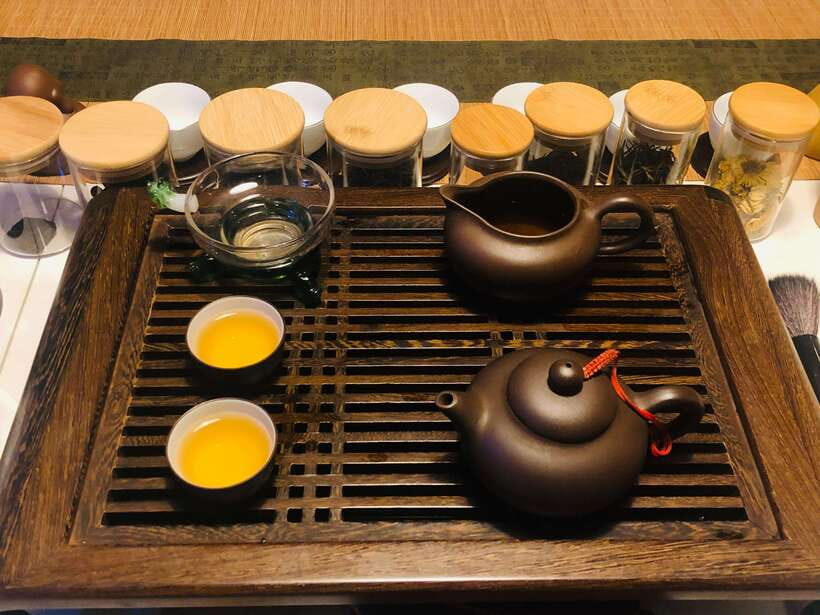
Chinese tea culture comes alive in the small details here: warming the pot, handling the leaves, pouring each cup, and paying attention to aroma and taste. This is not simply a quick drink stop. It is a short cultural lesson built around a traditional tea ceremony.
I like the low price and the focused format. At $9.90, you get the ceremony and five mini cups without giving up half a day of sightseeing. I also like the range of tea, from green and jasmine to Oolong, Pu-erh, and flower tea. The main drawback is the brief 30-minute schedule, which leaves little time for questions or a relaxed tasting.
Key points to know
- Five teas in small tasting cups: Sample Oolong, Pu-erh, green, jasmine, and flower tea rather than trying only one style.
- A hands-on cultural ritual: Watch the tea master warm the pot, brew the leaves, and pour each serving with care.
- Convenient central setting: The meeting point is on Jian Nei Da Jie, near Chang An Grand Theater and public transportation.
- A compact Beijing activity: The ceremony lasts about 30 minutes, making it easy to fit before or after other plans.
- Optional tea shopping: You can buy tea afterward, but purchases are not included in the price.
- Small group limit: The activity accepts a maximum of 15 people, so it should not feel like a large coach-tour stop.
Why this short ceremony is worth your time
China is the birthplace of tea, and a tasting like this gives you a simple way to connect the drink with its cultural meaning. The focus is on respect, harmony, and mindfulness, not on rushing through a row of samples.
You will watch the tea master prepare the tea with deliberate movements. Warming the teapot, handling the leaves, and pouring the tea are treated as part of the experience, not as chores to hurry past. That makes this a useful introduction if you have seen tea on Chinese menus but never learned how different types are prepared.
I like that the activity keeps the subject practical. You are not expected to know special terms or arrive with a trained palate. You watch, smell, taste, and ask what you can within the time available.
The format also works well for families. The ceremony has visual appeal, and children can sample the different colors and aromas without committing to a long museum visit. Some teas may taste unfamiliar, especially Pu-erh, but tasting small cups keeps the risk low.
More Tea Ceremony Experiences in Beijing:
- Traditional Chinese Tea Ceremony Experience
★ 4.7 · 74 reviews - Beijing Culture: Tea Ceremony, Heritage Instrument & Calligraphy
★ 5.0 · 57 reviews - Chinese Tea ceremony in Beijing Hutong courtyard
★ 4.7 · 26 reviews
Starting near Chang An Grand Theater
The activity begins at Jian Nei Da Jie in Beijing’s Dongcheng District, with Chang An Grand Theater listed as the stop. The area is near public transportation, so you can plan it around other central Beijing sights.
Check the exact meeting instructions carefully before setting out. The information gives the street location and theater reference but does not provide a detailed walking route from a particular subway exit. Allow enough time to locate the meeting point rather than arriving at the last minute.
A friendly tea master greets you when you arrive. Richard is also associated with the welcome and is named in the experience feedback, along with the tea master. Since there is no separate tour guide included, think of this as a hosted tea session rather than a general Beijing sightseeing tour.
That distinction matters. You will not receive a broad walking tour, museum commentary, or detailed city history. The value is concentrated on tea and the ritual around it.
Five teas, five small discoveries
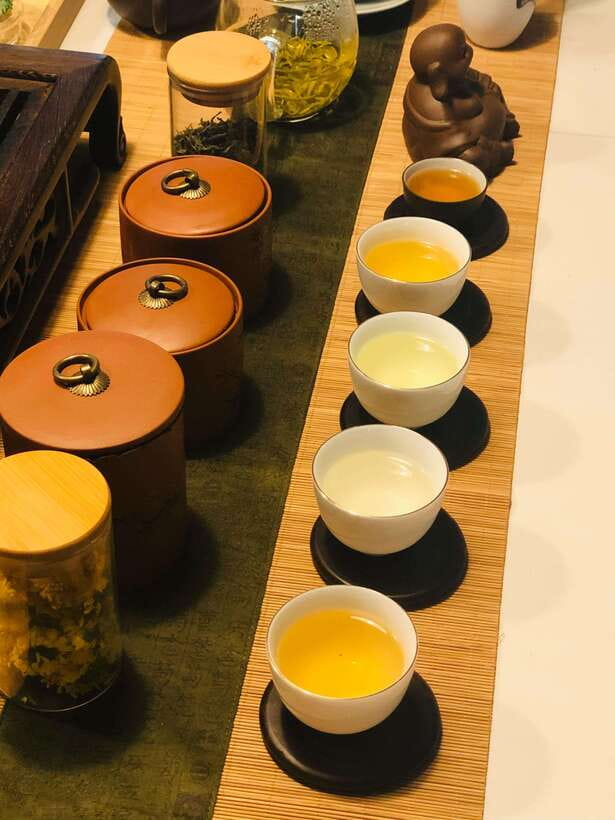
The included tasting consists of five mini cups. The teas named for the ceremony are Oolong, Pu-erh, green tea, jasmine tea, and flower tea.
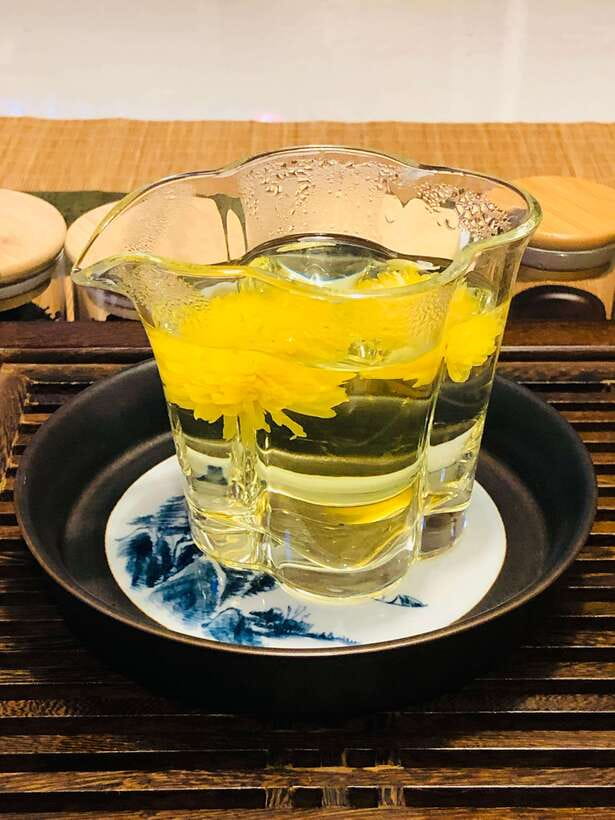
Green tea gives you a familiar starting point for comparison. Jasmine tea brings fragrance into the tasting, while flower tea adds a more visual element. Oolong and Pu-erh offer a chance to try styles that may be less familiar if your usual tea is a simple black or green blend.
The portions are small, which is appropriate for a tasting. You can compare the teas without feeling full or carrying a large amount of caffeine through the rest of your day. The small cups also keep the experience affordable, but do not expect full mugs or a long afternoon tea service.
Taste slowly and notice the differences. Look at the color, smell the cup before sipping, and pay attention to the aftertaste. The tea master’s preparation is meant to engage sight, smell, and taste, so you get more from the session if you avoid treating each cup as a quick sample.
The activity does not promise a full technical education in tea grading or cultivation. In 30 minutes, you will receive an introduction rather than a specialist course. That is a fair trade for the price and compact schedule.
Watching the tea master prepare each cup
The ceremony’s central feature is the preparation itself. The tea master demonstrates precise techniques, with each step given a purpose.
You may see the pot warmed before the leaves are added, followed by careful brewing and pouring. This process shows why Chinese tea service is often treated as a form of hospitality and concentration. The movements slow the pace and help you focus on the drink in front of you.
For me, this is more useful than simply being handed five cups. You learn the proper way to enjoy tea, at least at an introductory level, and you begin to see that brewing affects the experience. Water, timing, temperature, and the handling of the leaves all matter.
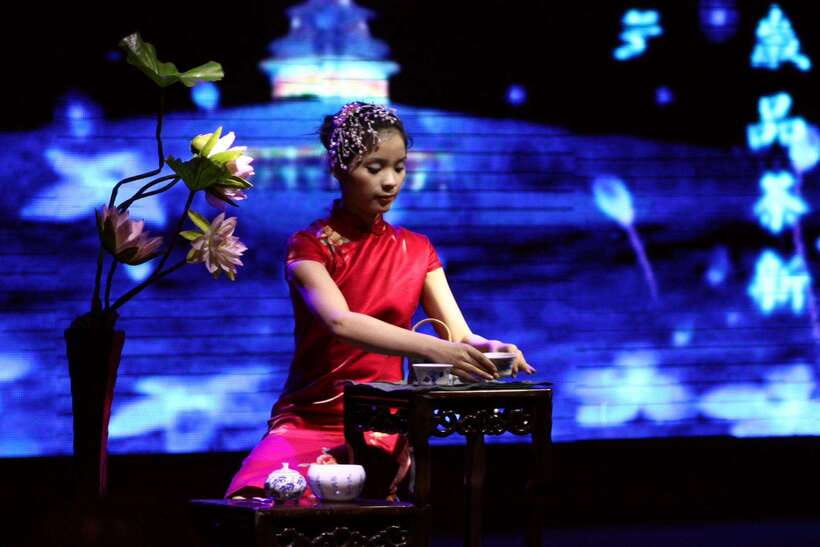
The ceremony also gives you a quiet pause in the middle of a busy Beijing itinerary. It is not a performance in the theatrical sense. Its appeal comes from the calm routine and the attention paid to ordinary actions.
Because the session is short, pay attention from the start. There may not be enough time to repeat every technique or explore every question in detail. If you are especially interested in tea, prepare a few questions before arriving.
A few more tea experiences around Beijing worth a look
- Beijing: Dumpling Making Workshop with Meal and Tea
★ 4.7 · 69 reviews - Beijing: Mutianyu Great Wall and Tea House Private Tour
★ 5.0 · 11 reviews - Beijing Culture Event: Tradition Music, Tea Ceremony, Calligraphy
★ 5.0 · 11 reviews - Beijing: Temple Of Heaven+Tai Chi Class+Tea Ceremony
★ 5.0 · 8 reviews
What the $9.90 price really includes
At $9.90 per person, this is an inexpensive cultural activity. The price includes the tea ceremony and five mini cups of tea. For a visitor who wants a structured introduction without paying for a full-day class, the value is strong.
You are paying for access to the ritual, the tea tasting, and the tea master’s demonstration. You are not paying for a private guide, transportation around Beijing, a meal, or a large quantity of tea to take home.
The low price makes this easy to add to a central Beijing day. It can suit a first-time visitor who wants a cultural activity between larger attractions, or someone who has already seen the main sights and wants something slower.
The limitations are clear. The activity lasts about 30 minutes, and there is no general tour guide included. If you want a long conversation about tea production, regional traditions, or brewing equipment, you may find the format too brief.
Still, a short activity does not mean poor value. You receive five styles to compare and a proper demonstration at a price that is less than many ordinary sightseeing stops. Just keep your expectations focused.
Optional shopping after the ceremony
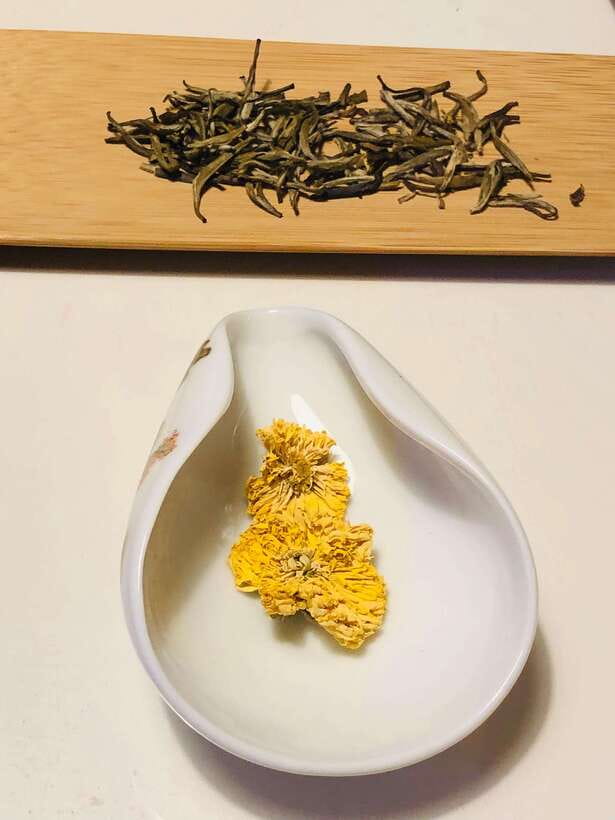
After the tasting, you have the option to purchase tea to take home. This is at your own expense, so the $9.90 price does not include any tea packages or gifts.
That optional stop can be useful if you find a tea you enjoy. You can ask about the teas you tasted and choose something to share with family or friends. It also gives you a chance to continue the experience at home by trying to recreate the brewing ritual.
Do not feel that buying tea is part of the admission. The listed activity treats shopping as optional, and any purchase is separate. If you are trying to keep your Beijing budget tight, you can simply finish the ceremony and leave without adding anything.
Afterward, the tea master manager can walk you back to the meeting point or to Jianguomen Subway station. The stated end point is back at the meeting point, with this subway option offering extra help with onward travel.
Group size, timing, and who will enjoy it
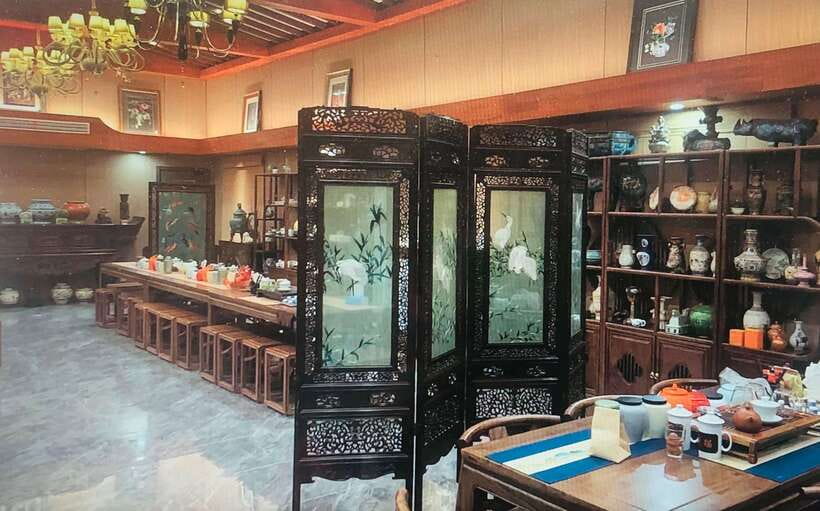
The group limit is 15 people. That is small enough for a personal-feeling demonstration, though the exact atmosphere will depend on how many people book your time slot.
The 30-minute duration is the biggest practical factor. You can fit it into a morning or afternoon plan without rearranging your whole day. It also makes the experience manageable for children, older family members, or anyone who prefers short activities.
I would choose this for:
- First-time visitors who want a simple introduction to Chinese tea culture
- Families looking for a quiet, family-friendly cultural stop
- Tea drinkers who want to compare several Chinese styles
- Budget-conscious visitors who do not want a costly workshop
- Anyone staying near central Beijing or using nearby public transportation
I would look for a longer class instead if you want detailed brewing practice, a private session, or extensive background on tea regions. This experience shows you the ritual, but the information provided does not promise that each participant will personally prepare every tea.
A few practical details before you book
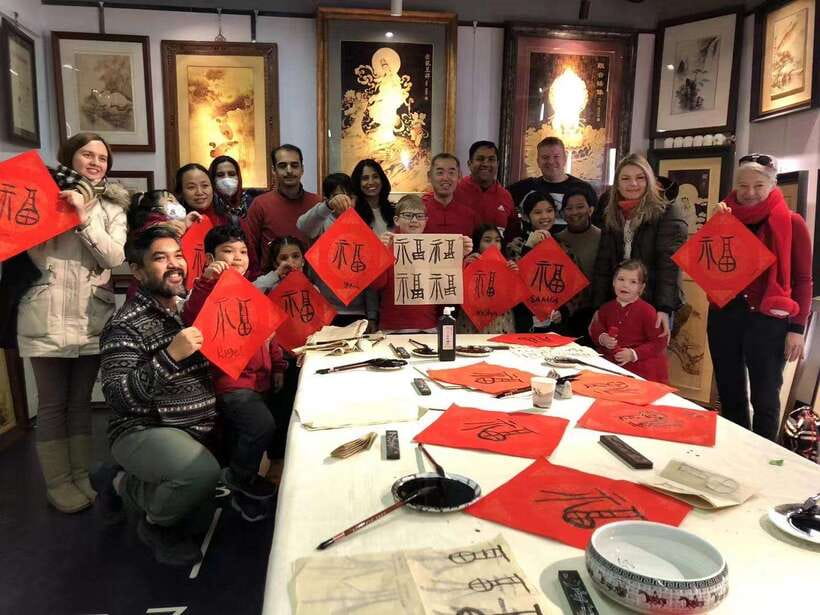
Confirmation is provided when you book, and the activity accepts mobile tickets. Keep the ticket available on your phone for arrival.
Most people can participate, and the experience is near public transportation. The supplied information does not identify special accessibility arrangements, so contact the provider if you need a particular accommodation.
The booking pattern suggests that people often reserve about 33 days ahead. That does not guarantee every date will sell out, but it is sensible to reserve early if this ceremony is important to your itinerary.
Free cancellation is available up to 24 hours before the start time for a full refund. Cancellations or changes made within 24 hours are not refunded or accepted, and the cut-off follows local Beijing time.
The activity is provided by Hutong Calligraphy Class. Despite that provider name, the experience described here is the tea ceremony, not a calligraphy lesson.
Should you book this Beijing tea ceremony?
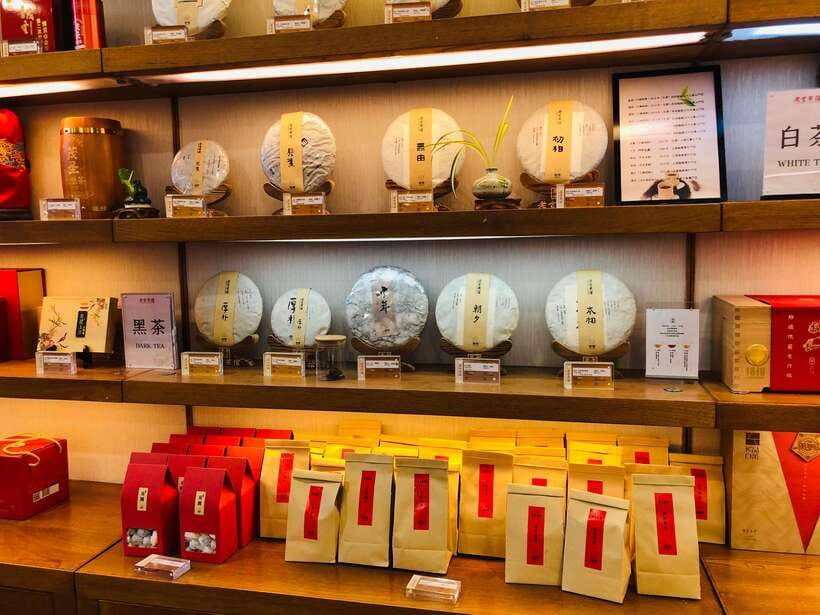
Book it if you want a low-cost, well-focused taste of Chinese culture and can spare 30 minutes near central Beijing. The five teas, careful preparation, small group limit, and optional subway walk-back make it easy to add to a busy sightseeing day.
Skip it if you want a full tea course, private instruction, or a long discussion with a specialist. The brief schedule is both its strength and its limit.
For most visitors, the decision is simple: at $9.90, this is a sensible short stop if you are curious about tea and comfortable with a tasting rather than a full workshop. Bring an open mind, watch the brewing closely, and treat the small cups as a chance to compare rather than a large beverage service.
FAQ
How long does the traditional Chinese tea ceremony last?
The ceremony lasts approximately 30 minutes.
Where does the activity begin?
It begins on Jian Nei Da Jie in Beijing’s Dongcheng District, with Chang An Grand Theater listed as the stop.
How many teas are included?
The experience includes five mini cups of tea. The named varieties are Oolong, Pu-erh, green tea, jasmine tea, and flower tea.
Is a tour guide included?
No. A tour guide is not included. The experience is hosted by a tea master, and Richard is also associated with the welcome.
Can I buy tea after the ceremony?
Yes. You may purchase tea after the ceremony, but shopping expenses are not included in the price.
What is the cancellation policy?
You can cancel at least 24 hours before the start time for a full refund. Cancellations or changes made less than 24 hours before the start time are not accepted and are not refunded.
Just added around Beijing
- Beijing: Mutianyu Great Wall and Tea House Private Tour★ 5.0 · 11 reviews
- Private Beijing Spiritual Tour with Lunch and Tea Ceremony★ 5.0 · 2 reviews
- Private Tour: Tiananmen Area Night Walk with Lao She Teahouse Show★ 5.0 · 3 reviews
- Beijing Culture Event: Tradition Music, Tea Ceremony, Calligraphy★ 5.0 · 11 reviews
- Temple of Heaven Private Tour and Tea Tasting at Maliandao Tea Street★ 5.0 · 2 reviews
- Private Tour to the Temple of Heaven and Tea tasting at the Maliandao Tea city★ 5.0 · 3 reviews
- 3-hour Morning/Afternoon Tea Tasting on Maliandao Street & Dimsum★ 5.0 · 7 reviews
- Beijing Tai Chi and Tea Ceremony Experience★ 5.0 · 4 reviews
Tea Ceremony Experiences, compared.
Tea Ceremony in a Traditional Tea House in Kiyomizu
Read our review →
Browse the lists this tour appears in