
Review · BEIJING
Beijing Culture Event: Tradition Music, Tea Ceremony, Calligraphy
The most unusual part of this Beijing experience is the guqin lesson. You do not just listen to an ancient Chinese instrument. You get to try a simple melody from Crouching Tiger, Hidden Dragon after hearing a performance by an expert connected with the Beijing Guqin Association. Tea ceremony and calligraphy round out the session.
I like the way the three activities fit together: tea slows the pace, music gives the culture a voice, and calligraphy lets you make something with your hands. I also like the small group limit of 12, which should make it easier to ask questions and receive help with the brush and instrument.
The main consideration is the meeting point on Huagong Road in Chaoyang District. You return there at the end, but the experience does not include lunch, dinner, or personal purchases, so allow extra time and money if you want to continue elsewhere afterward.
Key points to know before booking
- Three traditions in one session: Tea ceremony, guqin music, and Chinese calligraphy are covered in about three hours.
- A rare instrument lesson: You can try a guqin with more than 50 years of history and learn a simple melody.
- Small-group setting: The maximum group size is 12, a useful feature for hands-on instruction.
- Good value at $15: The price covers the cultural activities, tea or coffee, the English guide, and use of the instrument.
- Calm rather than rushed: The format suits visitors who want a quiet cultural break from Beijing’s larger sights.
- Book ahead: The experience is often reserved about 44 days in advance, and confirmation depends on availability.
Why this $15 Beijing culture session is worth considering
Beijing can fill your days with palaces, temples, museums, and crowded public squares. This activity offers a different kind of cultural encounter. Instead of looking at an object behind glass, you handle tea equipment, listen to live music, and hold a brush yourself.
At $15 per person, the value is unusually strong. You are paying for a 2 to 3-hour activity with an English guide, tea or coffee, a live traditional music performance, and guided practice in two Chinese arts. Even if one part appeals to you more than the others, the combined price keeps the risk low.
I would not book this as a substitute for Beijing’s major historic sights. It is better viewed as a quiet side activity, especially on a day when you want something slower and more personal. The session is also useful near the beginning of a China trip because it gives you cultural ideas that may make later visits to temples, gardens, and museums more meaningful.
The tone appears gentle and reflective. That does not mean it should be dull. The hands-on sections give the session enough movement, while the guqin performance provides a peaceful center.
More Tea and Calligraphy Classes in Beijing:
- Beijing Culture: Tea Ceremony, Heritage Instrument & Calligraphy
★ 5.0 · 57 reviews - Beijing Hands-On Culture Tour: Tea, Instrument, Calligraphy
★ 5.0 · 6 reviews - Beijing:Learn Calligraphy & Enjoy Kung Fu Tea Ceremony
★ 5.0 · 2 reviews
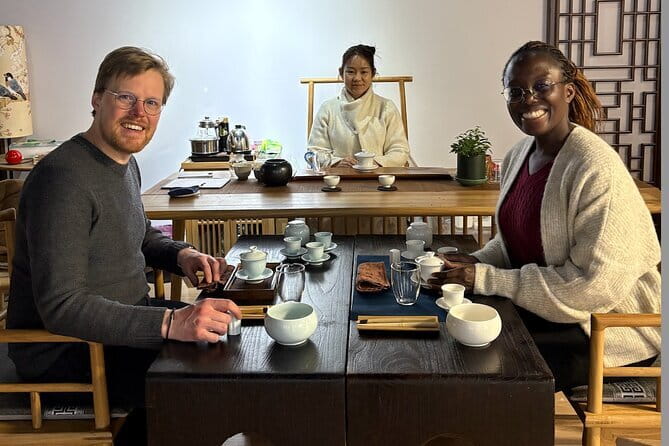
Tea ceremony: learning to slow down
The session begins with a guided Chinese tea ceremony and tasting. You learn how tea is prepared and served, along with the etiquette and ideas connected with the ritual.
The value here is not simply getting a cup of tea. The ceremony gives you a way to notice details that are easy to miss when tea is treated as a quick drink. How the tea is poured, how it is received, and how people share the moment all form part of the lesson.
This is likely the easiest section for anyone to join. You do not need musical training or neat brushwork. You can simply listen, taste, and ask questions through the English guide.
The tea portion also sets the right pace for the rest of the activity. Beijing sightseeing can be noisy and tiring. Sitting down for a careful tea service gives you a chance to reset before the music and calligraphy begin.
Tea preferences vary, so do not book this expecting a full tasting menu or a meal. Lunch and dinner are not included. Tea or coffee is included, but food is not.
Guqin music: the session’s special feature
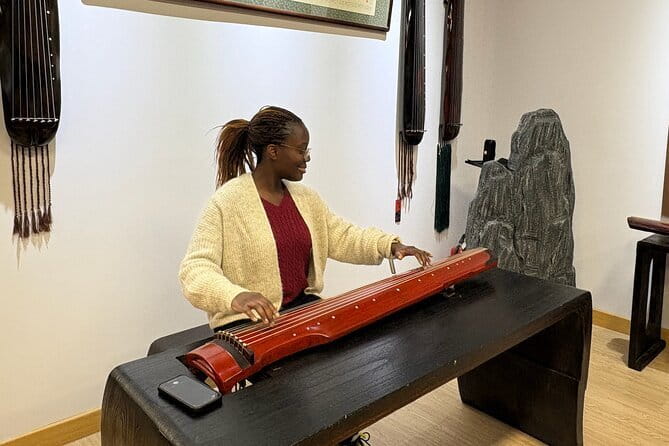
The guqin is a traditional Chinese seven-string instrument with a history of about 2,000 years. It has long been linked with scholars, officials, and formal cultural settings, which helps explain why it carries such a serious reputation in Chinese art.
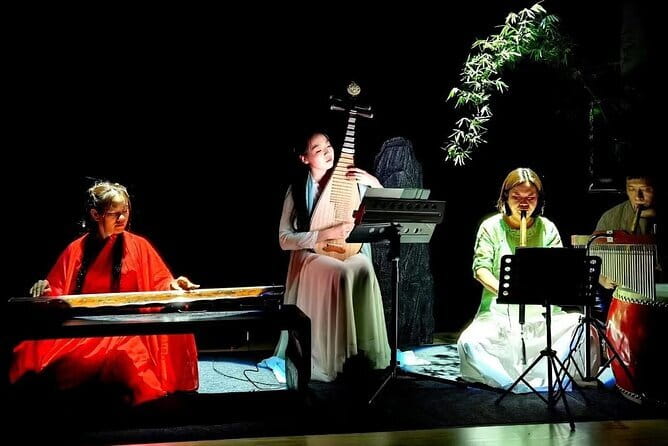
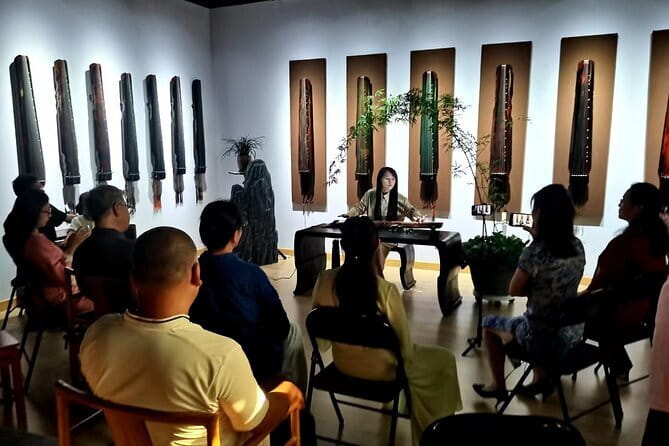
Here, you first hear a performance from a guqin expert associated with the Beijing Guqin Association. The sound is often described as deep, mellow, and quiet rather than loud or showy. This is music for close listening, not a large stage performance.
The lesson makes the instrument more accessible. You can try playing a basic melody from Crouching Tiger, Hidden Dragon, and no previous experience is required. That detail matters. A demonstration alone can feel distant, but touching the strings gives you a better sense of the instrument’s difficulty and design.
One especially interesting point is the old style of guqin notation. Music scores can be written with Chinese characters rather than the familiar staff notation used in Western music. If you play piano or another instrument, this may be the most memorable part of the cultural explanation.
You should keep your expectations realistic. A short session will not turn you into a guqin player. The goal is an introduction, a guided attempt, and a better understanding of how the instrument fits Chinese culture.
The guqin itself is described as having more than 50 years of history. That is a nice detail for anyone interested in traditional objects, although the instrument is still used as a teaching tool rather than presented as a museum piece.
Calligraphy: make something you can take away
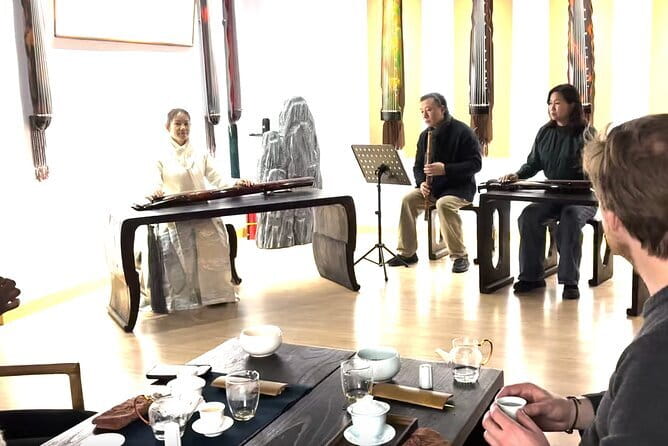
The final main activity is a Chinese calligraphy workshop. You learn basic brush techniques and write a meaningful Chinese word or phrase of your own.
This is where the experience becomes especially personal. You are not simply told that Chinese writing is artistic. You get ink, brush, and paper, then discover how much control is needed to create a balanced character.
Calligraphy can look simple when an expert performs it. The first attempt often reveals the challenge. Brush pressure, direction, spacing, and rhythm all matter. A short lesson will not cover the full discipline, but it can show why calligraphy is treated as both writing and art.
I would choose a word or phrase before you arrive if you already have one in mind. A family name, a value such as peace, or a short personal idea could give the exercise more meaning. If you do not have a choice ready, the guide can help you select something appropriate.
This is also the most practical part for families and couples. You can create a small piece together, compare attempts, or write something for each other. The result may not be perfect, but it becomes a personal reminder of Beijing rather than another photograph stored on your phone.
The activity is described as a calligraphy workshop, not a formal certificate class. Go for the experience of handling the tools and learning the basics, not for polished professional work.
More Tea Ceremony Experiences in Beijing:
- Traditional Chinese Tea Ceremony Experience
★ 4.7 · 74 reviews - Chinese Tea ceremony in Beijing Hutong courtyard
★ 4.7 · 26 reviews - Beijing: Temple Of Heaven+Tai Chi Class+Tea Ceremony
★ 5.0 · 8 reviews - Traditional Chinese Tea Ceremony Experience
★ 5.0 · 7 reviews
A quiet setting for couples, families, and curious beginners

The combination of music, tea, and brushwork gives this activity a calm mood. It can work well as a date alternative to another restaurant meal, particularly if you want an evening with something to talk about and do together.
Families visiting Beijing for the first time may also find it useful. Children who lose interest in long museum visits can try the brush and instrument. Younger participants may need help with patience and control, but the hands-on format gives them a clear task.
I would also recommend it to people who feel uncertain about formal cultural activities. The small group size and beginner-friendly guqin lesson should make the session less intimidating. You are not expected to know Chinese characters, understand tea etiquette, or play an instrument before you arrive.
Musicians may find extra interest in the guqin section, especially the explanation of Chinese character-based notation. People interested in meditation or quiet artistic practice may prefer the tea and calligraphy portions.
Business visitors can use it as a more memorable alternative to meeting over coffee. The activity includes coffee and/or tea, but its real value is the shared cultural setting and the chance to give clients something beyond another standard appointment.
What the three-hour schedule feels like
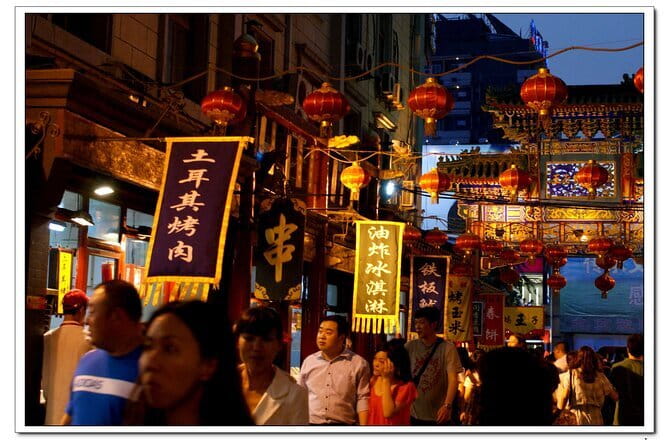
The total duration is listed as about 2 to 3 hours, with the itinerary showing a three-hour session. I would set aside the full three hours so you are not rushing to your next appointment.
The activity takes place at Huagong Road in Chaoyang District. The exact room or building details are not provided here, so read your booking confirmation carefully and allow time to find the meeting point. The session begins and ends in the same area.
A typical flow should look like this:
- Tea ceremony, tasting, and an explanation of etiquette
- Guqin performance by the specialist, followed by a beginner lesson
- Chinese calligraphy instruction and time to create your own piece
The exact amount of time devoted to each section may vary. A group that asks many questions about the instrument may spend longer on music. A group eager to practice writing may need more time with the brush.
The maximum of 12 people is important because these are not purely spectator activities. You want enough room to see the tea preparation, hear the guide, and receive help when you try the guqin or calligraphy.
Practical value, transport, and what is not included

The experience uses a mobile ticket, which is convenient if you are moving around Beijing with your phone. It is near public transportation, but the provided details do not identify a particular subway station or bus route. Check the route from your hotel before booking rather than assuming the address will be easy to find.
The English guide is included. That matters because tea etiquette, guqin traditions, and calligraphy techniques are difficult to understand from a demonstration alone. The guide connects the activities and explains why they matter.
Included features are:
- English guidance
- Traditional instrument performance
- Use of a guqin with more than 50 years of history
- Tea ceremony performance and participation
- Tea and/or coffee
Lunch, dinner, and personal purchases are not included. Plan this as a cultural activity, not a meal replacement. If you are booking it around sightseeing, leave time for food before or after the session.
Service animals are allowed, and most people can participate. The activity has a maximum of 12 participants. No special physical requirement is stated, but the program involves sitting, handling a brush, and trying the instrument.
Hanfu, traditional Chinese clothing, is associated with at least some accounts of the activity. Since it is not clearly listed among the inclusions, ask the provider before booking if wearing Hanfu is important to you.
How to book and protect your plans

The activity is commonly booked about 44 days in advance. That suggests you should not wait until the last minute if your Beijing dates are fixed, especially if you want a particular day.
Confirmation arrives within 48 hours, subject to availability. This is worth noting if you are building a tight itinerary. Do not schedule a major timed attraction immediately afterward until your place is confirmed.
Cancellation is free up to 24 hours before the start time for a full refund. A cancellation made less than 24 hours before the activity is not refunded, and late changes are not accepted. The cut-off uses Beijing local time.
The experience also requires a minimum number of participants. If the provider cancels because that minimum is not met, you are offered another date or experience, or you receive a full refund.
Who should book this experience?
I would choose this activity if you want a hands-on introduction to Chinese culture without paying for a long private tour. It is especially suitable for first-time visitors, couples, families, musicians, and anyone who prefers quiet cultural activities to large group sightseeing.
It is less suitable if you want a formal concert, a full tea education course, or advanced calligraphy training. The session gives you a taste of several traditions rather than specialist instruction in one field.
The $15 price also makes it a sensible choice for an uncertain schedule. You can learn a little about three subjects, enjoy a live performance, and create a calligraphy piece without committing a large part of your travel budget.
Should you book the Beijing tea, guqin, and calligraphy session?
Yes, if you want a low-cost activity that lets you participate rather than simply watch. The guqin performance and beginner lesson are the strongest reasons to book, while the tea ceremony and calligraphy give the session balance.
I would plan for the full three hours, confirm the meeting details at Huagong Road, and ask ahead about Hanfu if that matters to you. Book at least several weeks ahead when possible, since availability is not automatic.
For $15, this is an easy cultural addition to a Beijing itinerary. It will not replace the city’s major historic sights, but it can give you a quieter and more personal way to understand Chinese traditions.
FAQ
How long does the Beijing culture activity last?
The experience lasts about 2 to 3 hours, and the scheduled itinerary is listed as three hours.
Where does the activity begin and end?
It begins at Huagong Road, Hua Gong Lu, in Chaoyang District, Beijing. The activity ends back at the same meeting point.
What activities are included?
You take part in a tea ceremony and tasting, watch a traditional guqin performance, try playing a simple guqin melody, and practice Chinese calligraphy.
Do I need previous musical or calligraphy experience?
No prior experience is required for the guqin lesson. The session also teaches basic brush techniques for calligraphy.
How many people can join the activity?
The maximum group size is 12 participants.
What is the cancellation policy?
You can cancel at least 24 hours before the start time for a full refund. Cancellations or changes made within 24 hours are not accepted for a refund.
Just added around Beijing
- Traditional Chinese Tea Ceremony Experience★ 5.0 · 7 reviews
- Beijing: Mutianyu Great Wall and Tea House Private Tour★ 5.0 · 11 reviews
- Private Beijing Spiritual Tour with Lunch and Tea Ceremony★ 5.0 · 2 reviews
- Private Tour: Tiananmen Area Night Walk with Lao She Teahouse Show★ 5.0 · 3 reviews
- Temple of Heaven Private Tour and Tea Tasting at Maliandao Tea Street★ 5.0 · 2 reviews
- Private Tour to the Temple of Heaven and Tea tasting at the Maliandao Tea city★ 5.0 · 3 reviews
- 3-hour Morning/Afternoon Tea Tasting on Maliandao Street & Dimsum★ 5.0 · 7 reviews
- Beijing Tai Chi and Tea Ceremony Experience★ 5.0 · 4 reviews
Tea & Calligraphy Classes, compared.
Tea Ceremony, Calligraphy, and Kimono Experience
Read our review →
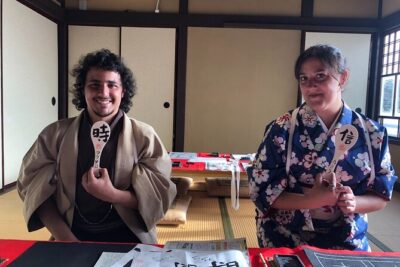
An Amazing set of Cultural experience: Kimono, Tea Ceremony and Calligraphy
Read our review →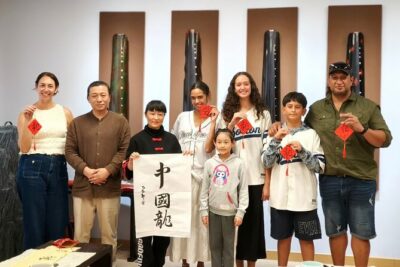
Beijing Culture: Tea Ceremony, Heritage Instrument & Calligraphy
Read our review →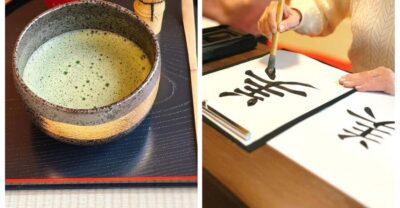
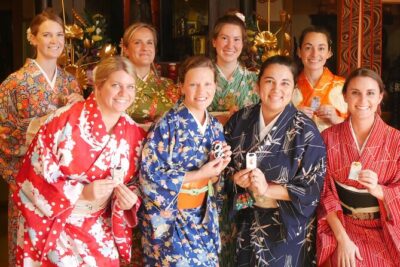
Cultural Activities :Kimono, tea ceremony, Calligraphy and Amulet
Read our review →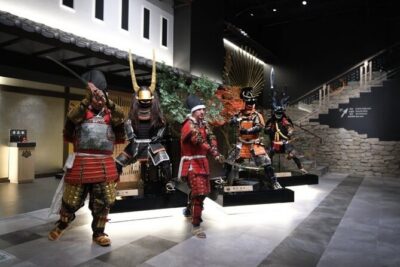
Samurai dress-up and shows, plus Tea Ceremony & Calligraphy
Read our review →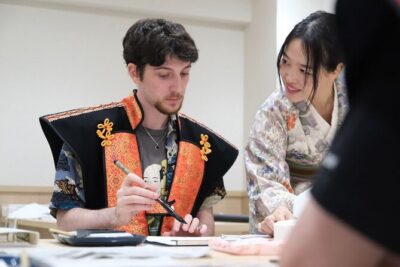
Premium Kimono Dressing, Tea Ceremony, Calligraphy, Samurai show
Read our review →Browse the lists this tour appears in