
Review · TOKYO
Tokyo: Matcha Tea Ceremony Experience in Shibuya
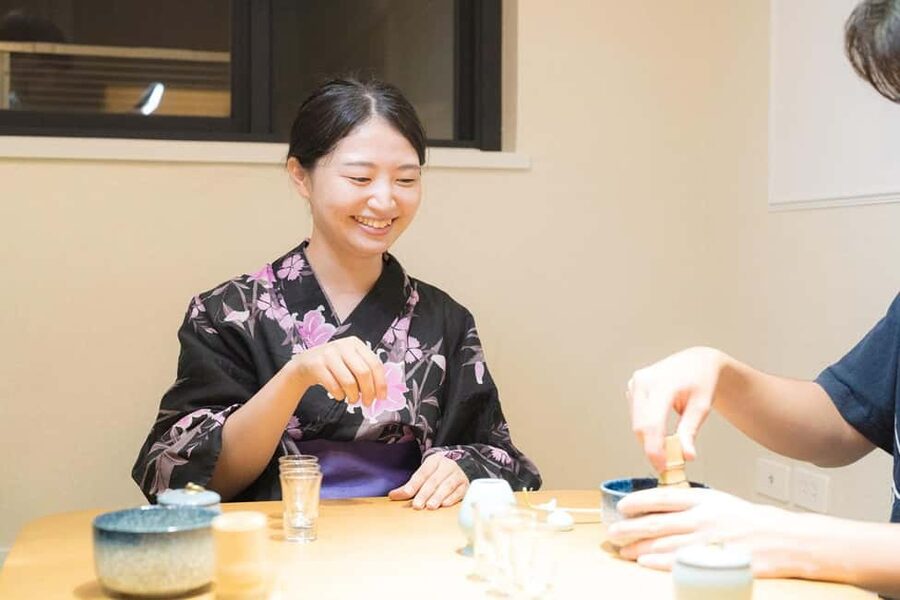
The most engaging part of this Shibuya activity is that you do not just watch tea being prepared. You make your own matcha, taste several Japanese teas, and learn why each tea is served and presented in a particular way. It is a compact introduction to a centuries-old custom, with enough hands-on work to keep the hour lively.
I like the step-by-step guidance and the chance to compare teas rather than drink only one cup. I also like the small group, limited to 10 people, which gives you a better chance to ask questions and receive help with the whisking and serving motions. The main consideration is time: one hour gives you a pleasant introduction, but not a long, formal ceremony with every possible detail.
Key points to know before booking
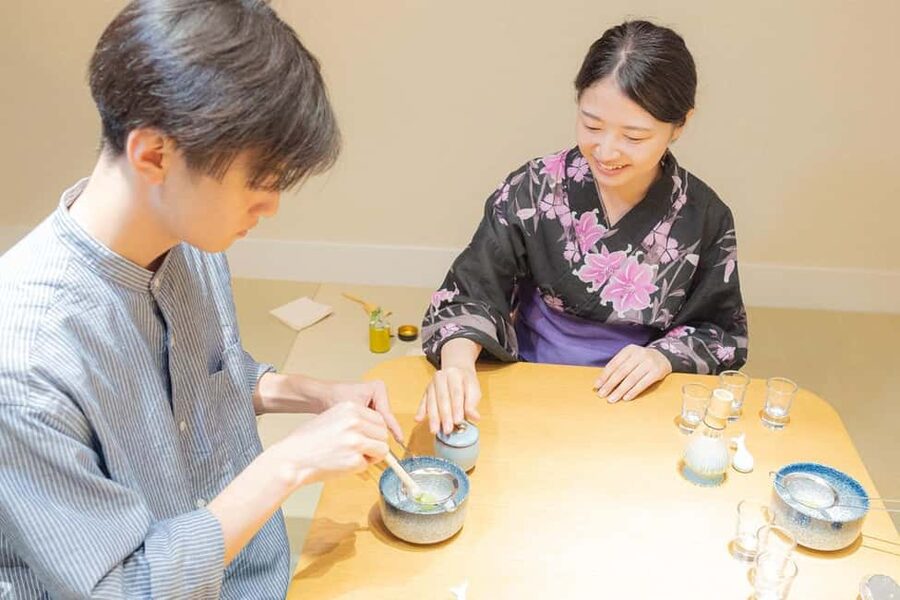
You prepare your own matcha: The instructor guides you through the basic process instead of leaving you to watch from the side.
Several teas are included: You taste and compare different Japanese teas, with a small traditional sweet paired with the tea.
Taku may lead the session: One highly praised instructor, Taku, speaks excellent English and arrives well prepared.
The setting is calm and welcoming: This is designed for first-time participants, with manners and movements explained in a relaxed way.
The group stays small: A maximum of 10 participants makes the lesson more personal than a large cultural demonstration.
The price is reasonable for a hands-on lesson: At $30 per person, you receive one hour of instruction, tea, a sweet snack, ceremony tools, and photos.
Making matcha instead of only watching
Many tea demonstrations ask you to sit quietly while an expert does all the work. This experience takes a more useful approach. You learn the basic steps and then prepare matcha yourself, with an English-speaking teacher explaining what to do.
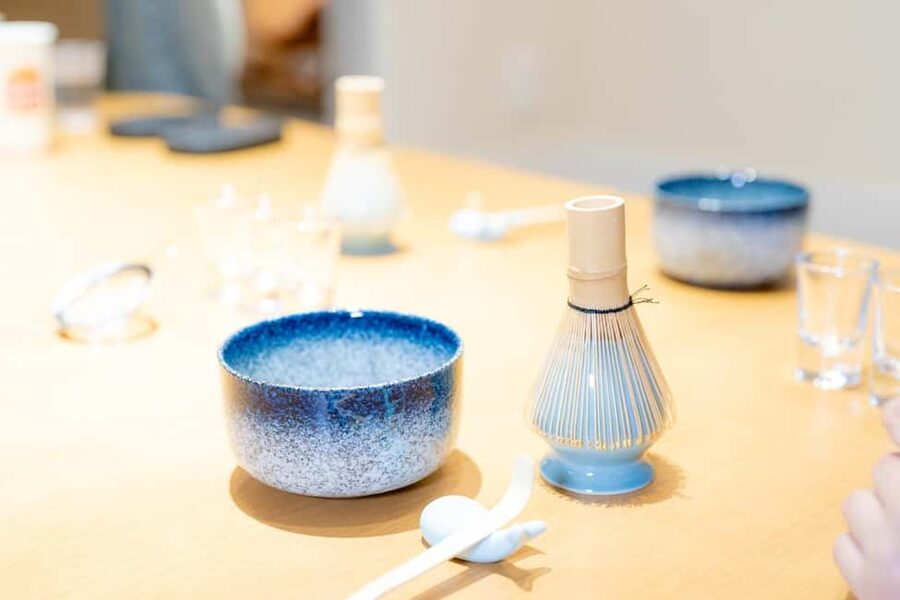
That matters because matcha can look simple until you try to make it. The tools, movements, timing, and presentation all have a purpose. You may not leave with the skill of a tea master, but you will understand more about the care behind the bowl in front of you.
The lesson is aimed at beginners, so you do not need previous knowledge of Japanese tea. The instructor explains the manners and motions as you go. If you are nervous about doing something incorrectly, the relaxed format should help. This is a teaching session, not a test.
I would still keep your expectations in check. The activity lasts one hour, so you will learn the basics rather than complete an extensive study of tea ceremony. The short format is useful for a busy Tokyo schedule, but people seeking a long, formal ritual may find it brief.
More Matcha Experiences in Tokyo:
- Matcha Making Class in Tokyo with Authentic Japanese Sweets Set
★ 5.0 · 744 reviews - Tokyo: Matcha Making Experience with Mochi Sweets in Asakusa
★ 4.9 · 388 reviews - Asakusa Cultural Walk & Matcha Making Tour
★ 5.0 · 245 reviews
Tasting several Japanese teas
The tasting portion adds more depth than a single matcha demonstration. You sample several carefully prepared teas and compare their taste, aroma, and presentation. A traditional sweet is served with the tea, helping you notice how sweetness changes the way the tea tastes.
This is one of the best reasons to book the session. Tea can seem like a small part of Japanese culture when you rush through it, but comparing different cups encourages you to slow down. You begin to notice that Japanese tea is not simply a choice between hot and cold or strong and weak. Preparation and presentation affect the experience, too.
The information supplied does not name every tea served, so you should not book expecting a fixed list of varieties. Instead, think of the tasting as an introduction to several Japanese tea traditions. The exact selection may depend on what the teacher has prepared for that session.
The sweet snack is also a practical touch. It gives you something familiar to pair with the tea and makes the tasting feel like a complete activity rather than a series of samples. If you have dietary concerns, ask ahead of time, since no special dietary arrangements are specified.
The history and manners behind the movements
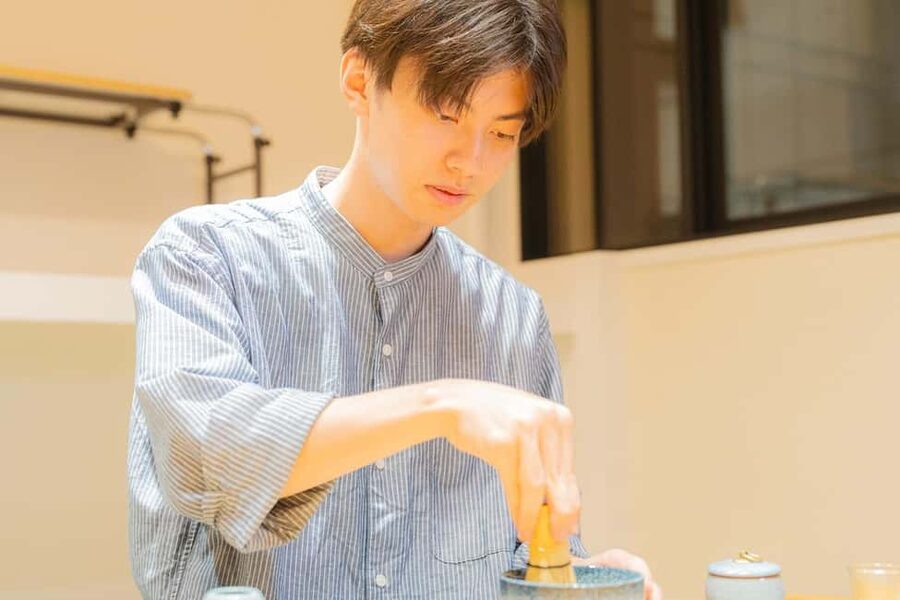
The tea ceremony is not only about flavor. The activity explains the tradition behind the basic actions, including the manners of serving and receiving tea. You learn why presentation, attention, and calm behavior matter.
That cultural background is important. Without it, whisking matcha can feel like a craft lesson with a Japanese label. With a little context, the movements make more sense. The ceremony becomes a way to show care, respect, and hospitality through small actions.
The teacher also explains the historical side of the custom. The supplied details do not promise a full lecture on every period or tea school, so expect a clear introduction rather than an academic course. Still, one hour is enough to give you a better sense of why tea ceremony remains meaningful in Japan.
Taku receives particular praise for being well prepared, friendly, and fluent in English. If he leads your session, his language skills should make it easier to follow instructions and ask about unfamiliar customs. Another instructor may lead your booking, but the activity is offered in English.
A calm hour in the middle of Shibuya
Shibuya is known for crowds, lights, shopping, and fast movement. A quiet tea activity gives you a useful change of pace. You sit down, focus on the tea in front of you, and pay attention to small actions instead of racing toward the next sight.
I like this contrast. You do not need to spend half a day on the activity, yet it gives your Tokyo schedule a slower cultural moment. It can work well after shopping in Shibuya or between larger sightseeing plans.
The word traditional should be understood in a sensible way here. You are learning the basics of a traditional tea ceremony, using ceremony tools and following established manners. The supplied information does not promise costumes, a historic tea house, a garden, or a full formal ceremony. If those details are essential to you, check the exact setting before booking.
The meeting point is in front of the entrance to the Okazaki Building. A vending machine is next to the entrance, which gives you a useful landmark. I would arrive with enough time to identify the building rather than search for the instructor at the last minute. The instructor will be standing there to meet you.
More Tea Ceremony Experiences in Tokyo:
- Kimono Tea Ceremony at Tokyo, Asakusa Maikoya
★ 5.0 · 638 reviews - Tokyo: Traditional Tea Ceremony with a Tea Master
★ 5.0 · 528 reviews - Tea Ceremony Workshop in Tokyo by the Experienced Instrucor
★ 5.0 · 189 reviews - Asakusa: Kimono Tea Ceremony with Matcha and Sweet
★ 4.9 · 153 reviews
What the one-hour schedule feels like
The session has a clear rhythm, even though exact minute-by-minute timing is not provided.
You begin with an introduction to the tea ceremony and the tools used during the activity. The teacher explains the basic manners and gives you the background needed to understand what follows.
Next comes the tea tasting. You sample several kinds of Japanese tea and consider differences in flavor, aroma, and presentation. The sweet snack is served as a pairing, so you can see how food affects your impression of each tea.
The hands-on matcha section follows, with step-by-step help as you prepare your own bowl. This is the part that makes the activity more than a lecture. You have a chance to put the instructions into practice and receive guidance as you work.
The hour ends with continued questions, photos, and a final look at the tools and tea. Photos are taken during the activity and shared with you at the end. That is a nice record of the experience, especially if you prefer to stay present instead of taking pictures throughout the lesson.
Because the entire session is only one hour, do not expect a long break or much unstructured time. The compact schedule is a strength for most Tokyo itineraries, but it also means the teacher must keep the lesson moving.
How the $30 price measures up
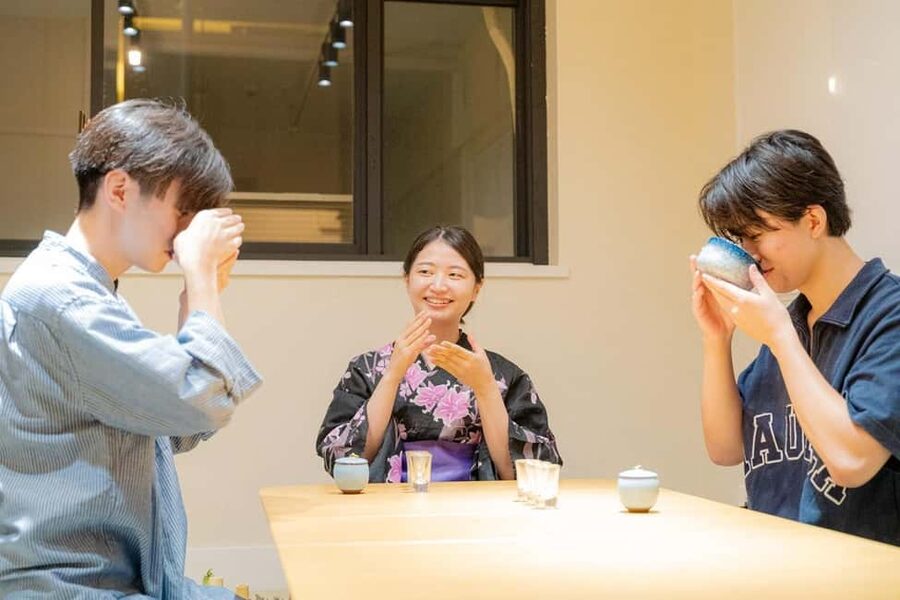
At $30 per person, the cost is fair for a small-group cultural lesson in central Tokyo. You receive one hour of expert guidance, the use of tea ceremony tools, several tea selections, a small sweet, and photos.
The real value is in the instruction. Tea and a snack alone would not justify the price, but the chance to prepare matcha with guidance and learn the customs gives the activity more substance. You are paying for access to an instructor who can explain what you are doing in English and answer questions as they come up.
The group limit also matters. With no more than 10 people, you are less likely to feel lost in a crowd. It is not a private lesson, so individual attention will vary, but the format should feel more personal than a large demonstration.
I would compare this activity with other short cultural experiences by asking what you want from your hour. If you want a polished photo opportunity in a formal setting, another ceremony may suit you better. If you want a practical introduction that lets you taste, learn, and participate, $30 is a sensible price.
You can reserve now and pay later, which helps if your Tokyo plans are still shifting. Cancellation is free up to 24 hours before the activity for a full refund. These terms are useful, but the bigger advantage is flexibility: you can place the tea ceremony into your itinerary without paying immediately.
Who will enjoy this tea ceremony most
This activity suits first-time visitors to Japan who want a gentle introduction to tea ceremony. You do not need to know the etiquette in advance, and the English-language instruction makes the lesson accessible.
It is also a good choice for anyone who prefers participation over passive sightseeing. If you like learning by doing, making your own matcha will be more memorable than simply watching an expert prepare it.
Families and mixed-age groups may appreciate the short length and approachable teaching style, though the supplied information does not specify a minimum age. Ask before booking if you are arranging the activity for young children.
The small group may also suit solo participants. A one-hour class gives you a structured cultural activity without the commitment of a full-day tour. Couples and friends can share the tasting while still having room to focus on the instruction.
The activity is wheelchair accessible. If you use a wheelchair and need details about the exact seating arrangement or access inside the building, confirm those points before arrival, since they are not described here.
A few limits to keep in mind
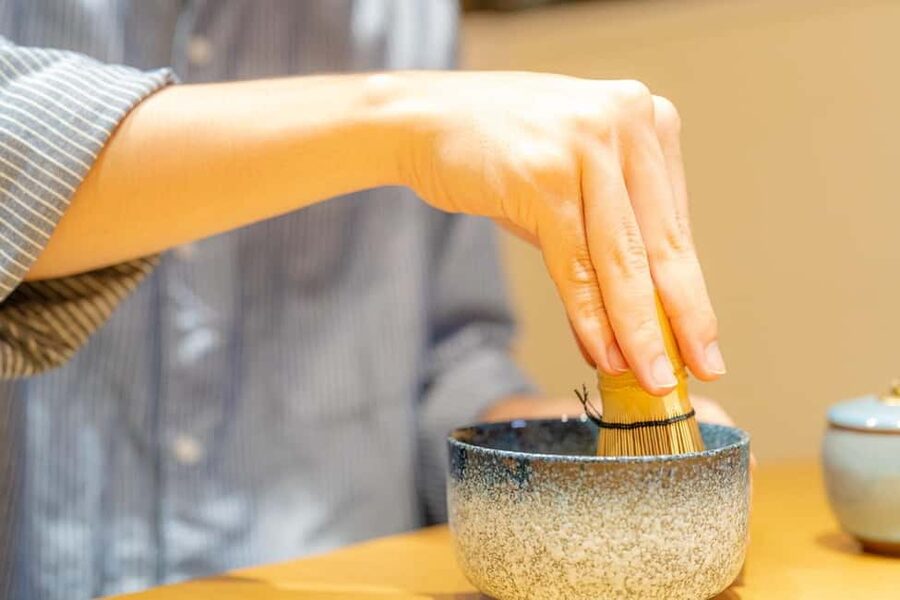
This is an introduction, not a complete study of Japanese tea ceremony. You will learn basic steps, manners, tea differences, and cultural context, but the one-hour duration places a natural limit on detail.
The meeting directions are simple but not elaborate. You are told to meet at the Okazaki Building entrance beside a vending machine, so save the building name and allow a little time to find it. The information does not include a station exit or a detailed walking route.
The tea selection is also not listed in advance. That is fine if you enjoy a little surprise, but it may disappoint you if you want to choose a specific tea or study a particular school of ceremony.
Finally, the activity is in Shibuya, not necessarily in a historic tea house or garden. The experience focuses on the act of tea preparation, tasting, and instruction. The surroundings may be less important than the lesson itself.
Should you book this Shibuya experience?
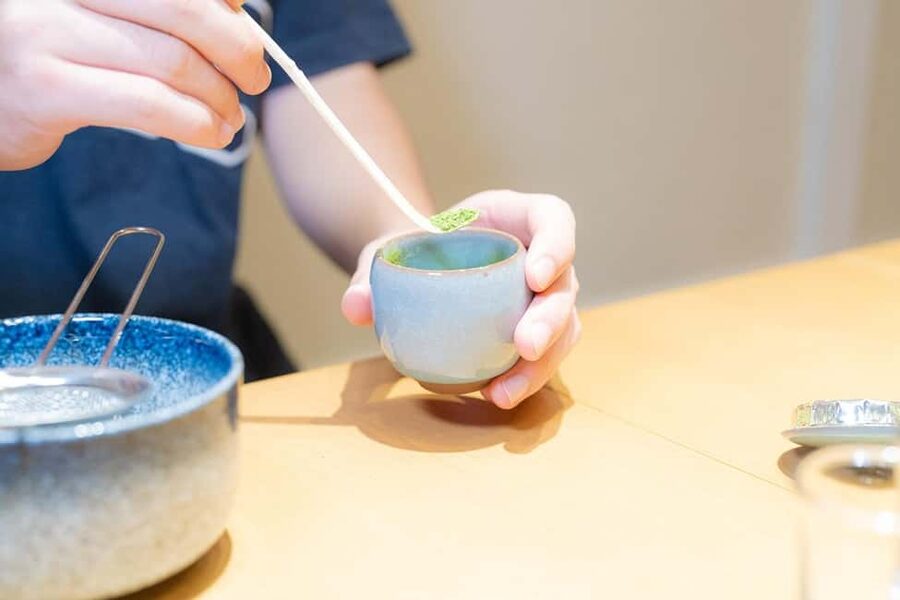
I would book it if you want a short, affordable, hands-on introduction to Japanese tea. The combination of matcha preparation, several tea tastings, a traditional sweet, clear English instruction, and a group limit of 10 gives the hour real value.
I would be especially comfortable recommending it to first-time participants and busy visitors who want a cultural activity that fits neatly into a Tokyo day. Taku’s excellent English and careful preparation are encouraging signs, though the instructor for your session may differ.
I would look elsewhere only if you want a long formal ceremony, a historic venue, costumes, or a detailed study of one tea tradition. For everyone else, this is a practical way to slow down in Shibuya and leave with more understanding than you had when you arrived.
FAQ
How long does the tea ceremony experience last?
The experience lasts one hour.
How much does the activity cost?
The price is $30 per person.
Is the activity conducted in English?
Yes. The instructor language is English.
How many people can join the group?
The small group is limited to 10 participants.
Do I make my own matcha?
Yes. The teacher gives you step-by-step guidance as you prepare your own matcha.
Will I taste more than one kind of tea?
Yes. You taste and compare several Japanese teas.
Is a sweet snack included?
Yes. A small traditional sweet is included and paired with the tea.
Are tea ceremony tools provided?
Yes. The tools needed for the tea ceremony are included.
Where is the meeting point?
Meet the instructor in front of the Okazaki Building entrance. A vending machine is next to the entrance.
Can I cancel for a full refund?
Yes. You can cancel up to 24 hours in advance for a full refund. You can also reserve now and pay later.
Just added around Tokyo
- Yokohama : Tea Ceremony with Sweets and Souvenir★ 5.0 · 5 reviews
- Walking Tour: Yanaka,Nezu& Sendagi: Tea Ceremony & Old Tokyo★ 5.0 · 3 reviews
- 2 Hours Mochi &Nerikiri Making & Matcha Class in Bunkyo★ 5.0 · 21 reviews
- Private Kimono and tea ceremony at local home near Tokyo Disney★ 5.0 · 6 reviews
- Private Mochi・Matcha sweets Making Class Near Shibuya Area★ 5.0 · 22 reviews
- Tokyo Sweets Tour: Hidden Gems & Matcha at an Old Tea House★ 5.0 · 6 reviews
- Giant Sushi Cooking Class: Make a 1.5m Sushi Roll in Tokyo★ 5.0 · 9 reviews
- Tokyo Tea Ceremony Class at a Traditional Tea Room★ 5.0 · 2 reviews
Matcha Experiences, compared.
World Heritage Kyoto & Nara Uji Authentic Matcha Experience
Read our review →
Matcha Making Class in Tokyo with Authentic Japanese Sweets Set
Read our review →
Tea Museum Tickets and Matcha Grinding Experience
Read our review →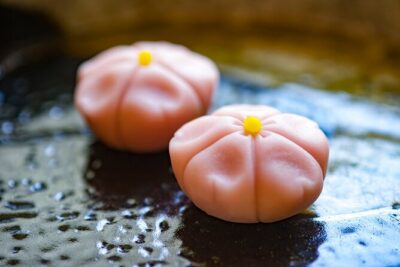
Matcha Making Class in Osaka with Authentic Japanese Sweets Set
Read our review →
Tea Ceremony Meditation – Make Matcha with Tea Master
Read our review →
Matcha Making Experience with Mochi Sweets in Asakusa
Read our review →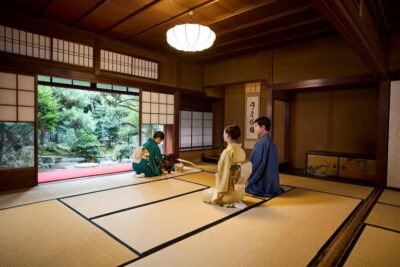
Browse the lists this tour appears in