
Review · TOKYO
Tokyo: Private Tea Ceremony with Matcha and Sweet
A quiet tea room near teamLab Planets offers a useful introduction to one of Japan’s most formal daily arts. You’ll watch a demonstration, learn how to handle the bowl, taste seasonal wagashi, then make your own matcha under an English-speaking instructor’s guidance.
I like the private-group setting, which gives you room to ask questions instead of trying to follow a ceremony from the back of a crowded room. I also like the hands-on format: you do not simply watch, you whisk organic matcha and make a matcha dessert. The main consideration is the short one-hour schedule, so this is an introduction rather than a full study of tea culture.
Key points to know before booking
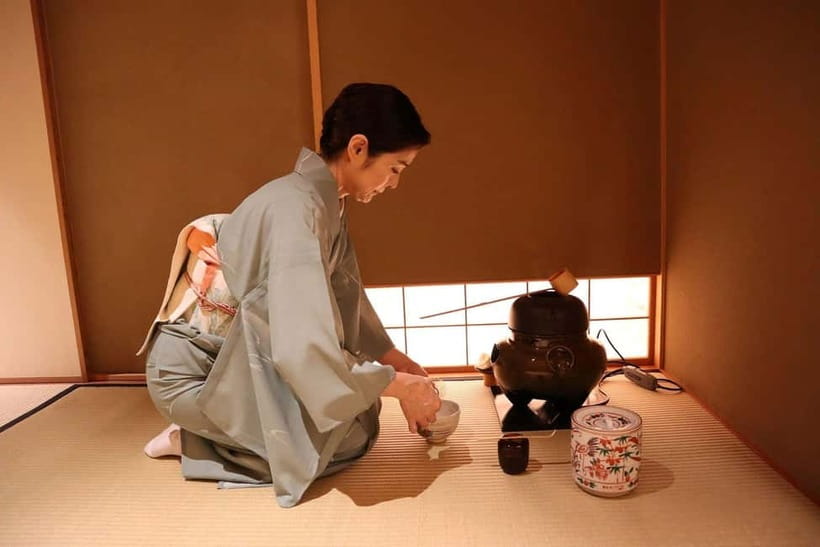
- One-hour private ceremony: The compact format fits neatly into a Tokyo sightseeing day.
- Toyosu Cultural Center location: The tea room is one minute from either Toyosu Station subway exit 7 or the Yurikamome station.
- English instruction: Learn tea manners, background, nutrition, and preparation without needing Japanese.
- Real Uji-focused matcha: The powder is made from carefully selected matcha, mainly from Kyoto’s Uji area.
- You make more than tea: The session includes your own matcha and a matcha dessert, along with traditional seasonal wagashi.
- Bring socks and a camera: Upright sitting is not required, and photos are part of the experience.
A proper tea room without a full-day commitment
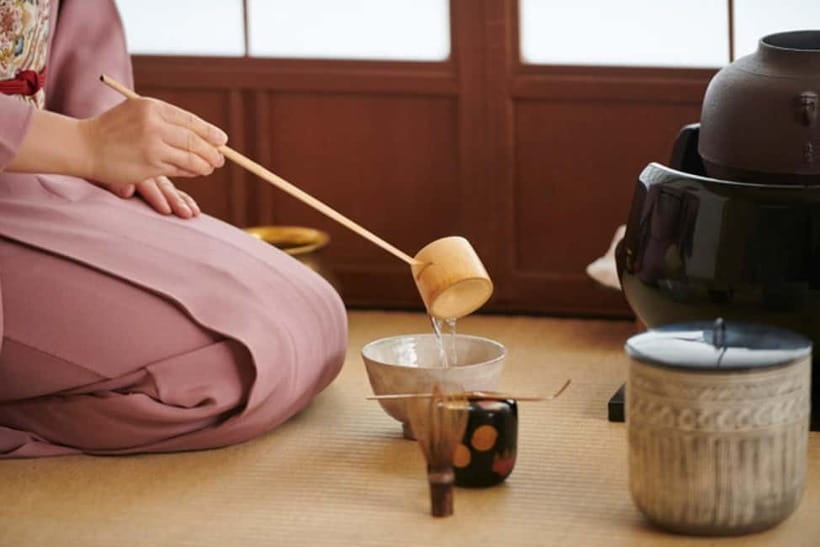
The appeal here is simple: you get a focused look at Japanese tea ceremony without giving up half a day. The meeting point is the tea room on the eighth floor of Toyosu Cultural Center, a short walk from Toyosu Station.
This is not a broad Tokyo sightseeing tour. There is no bus, no long transfer, and no extra attraction built into the hour. You arrive at the cultural center, take part in the ceremony, and return to the same place. That makes it easy to combine with teamLab Planets or other plans in Toyosu.
The private format matters. Tea ceremony has many small movements and rules, and they can be hard to notice in a large group. Here, the instructor can explain what you are seeing and guide you through your own preparation. You can ask about the bowl, the sweets, the whisk, or the reason behind a particular gesture.
One past booking was led by Mariko, who was praised for being a lovely introduction to the tradition. The available information does not promise that Mariko will lead every session, so treat her name as a useful reference rather than a guaranteed instructor assignment.
More Matcha Experiences in Tokyo:
- Matcha Making Class in Tokyo with Authentic Japanese Sweets Set
★ 5.0 · 744 reviews - Tokyo: Matcha Making Experience with Mochi Sweets in Asakusa
★ 4.9 · 388 reviews - Asakusa Cultural Walk & Matcha Making Tour
★ 5.0 · 245 reviews
What happens during the one-hour session
The hour begins with a tea ceremony lecture. You learn about the background of the practice, proper manners, and how to drink matcha. The lesson also covers nutrition and the enjoyable side of tea, which keeps the session from feeling like a strict etiquette class.
That balance is helpful for first-time visitors. You can learn why the ceremony has a formal structure while still enjoying the food and drink. The instructor teaches in English, so you can follow the explanation and ask questions as the session moves along.
Next comes a demonstration. Watch the preparation before making your own tea. This order gives you a chance to see the rhythm of the process, including how matcha is handled and how the finished bowl is enjoyed.
The demonstration is also where you see the difference between simply drinking powdered green tea and taking part in a tea ritual. The bowl, whisk, sweets, and gestures all have a role. You do not need prior experience, and the activity is designed as an introduction.
Making matcha with organic powder
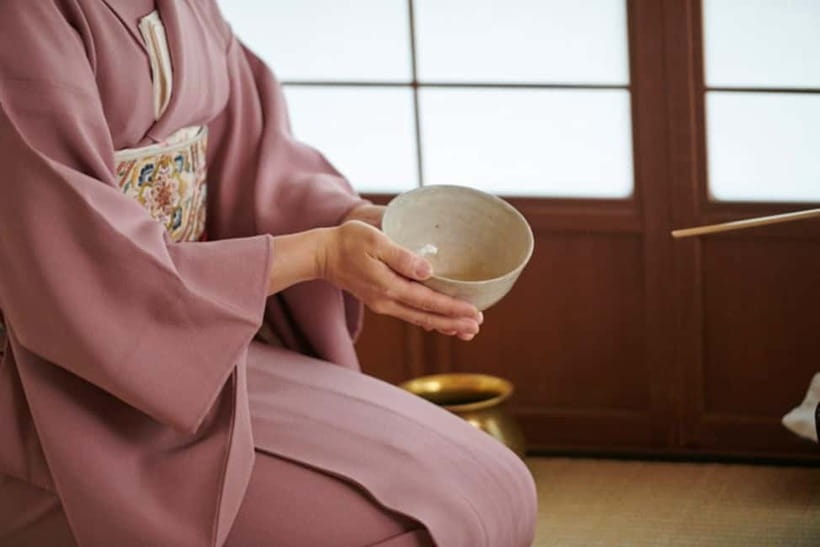
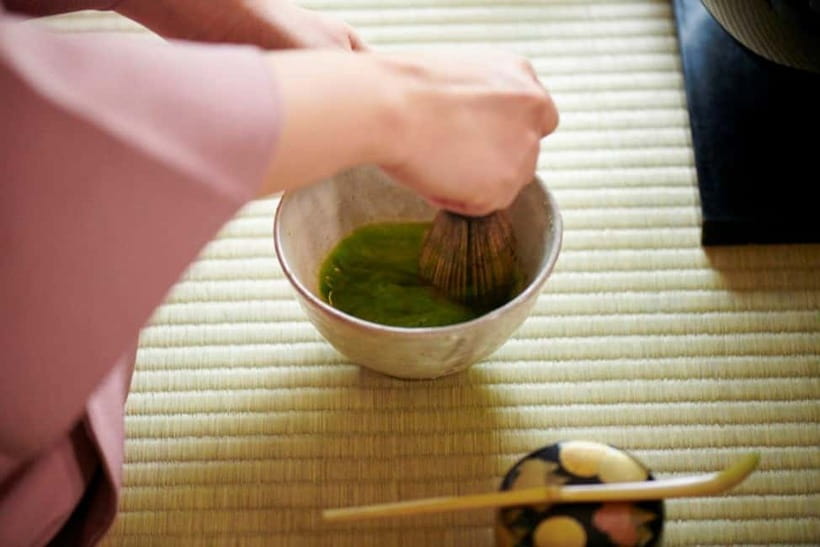
The hands-on section is the strongest part for many people. You make your own matcha using organic matcha powder. The tea is selected mainly from Uji in Kyoto, a place closely associated with high-quality Japanese tea.
You get to notice the tea’s sweetness, bitterness, aroma, and flavor rather than treating it as a colorful drink for a quick photo. Matcha can taste grassy, sharp, sweet, or pleasantly bitter, and the session gives you a chance to pay attention to those changes.
Do not expect matcha to taste like a sweet café latte. This experience is centered on real matcha, so the natural flavor is part of the point. If you already enjoy unsweetened green tea, you may find the taste familiar. If you usually prefer sweet drinks, the wagashi helps balance the bitterness.
The instructor shows you how to prepare the tea, then lets you try. That makes the experience more memorable than watching someone else perform every step. You leave with a better sense of why whisking, texture, and serving manners matter.
Wagashi gives the bitter tea a sweet partner
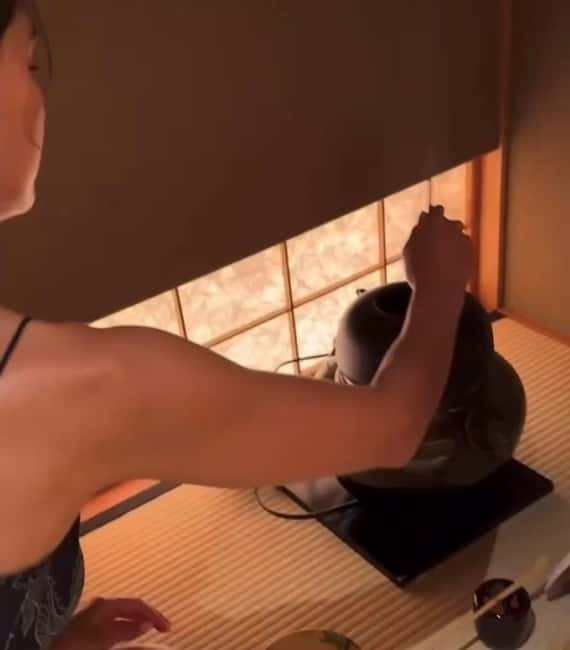
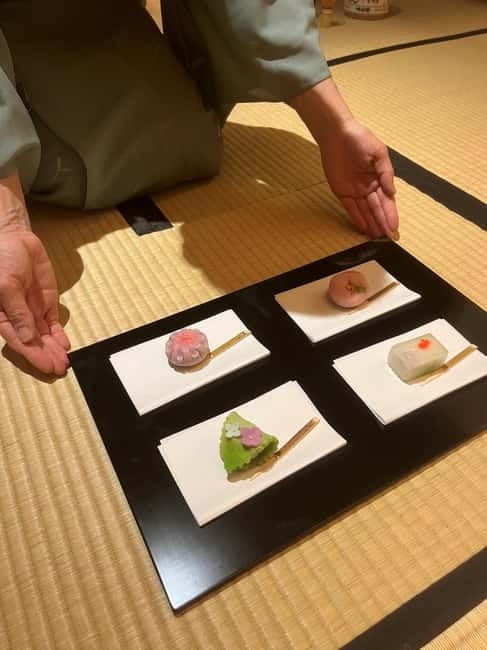
Traditional seasonal Japanese sweets, known as wagashi, are included. These are made by famous confectioners, according to the activity details, and are served as part of the tea experience.
Wagashi is not just a snack placed beside the bowl. Its sweetness helps prepare your palate for matcha, especially if you are new to the drink. The seasonal character also reflects an important idea in Japanese food culture: what you eat can connect to the time of year.
The sweets make the session more approachable. You can enjoy a small taste before or with the tea, then compare the flavor of the confection with the tea’s bitterness. The exact sweet may vary, since the selection is seasonal, so do not book expecting one specific shape or flavor.
More Tea Ceremony Experiences in Tokyo:
- Kimono Tea Ceremony at Tokyo, Asakusa Maikoya
★ 5.0 · 638 reviews - Tokyo: Traditional Tea Ceremony with a Tea Master
★ 5.0 · 528 reviews - Tea Ceremony Workshop in Tokyo by the Experienced Instrucor
★ 5.0 · 189 reviews - Asakusa: Kimono Tea Ceremony with Matcha and Sweet
★ 4.9 · 153 reviews
The matcha dessert adds a second hands-on lesson
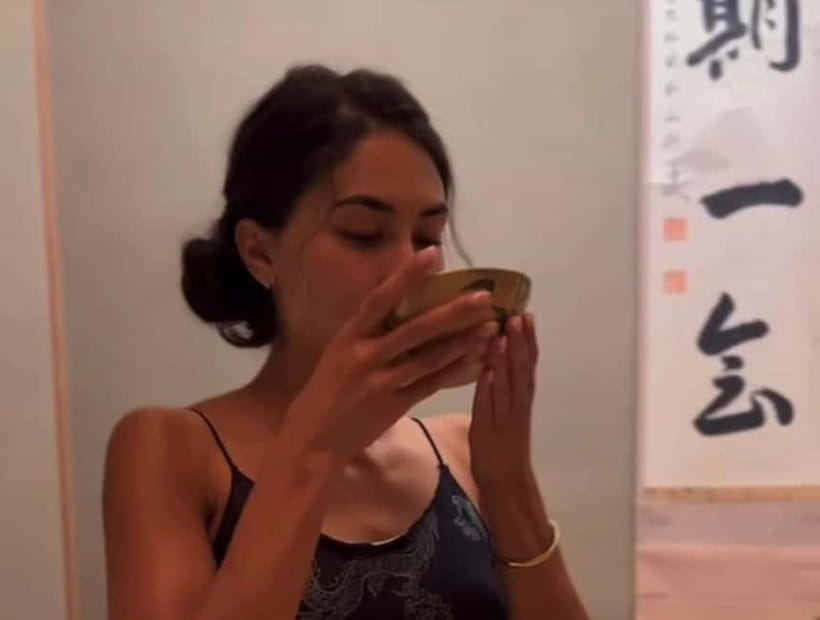
The session also includes making a matcha dessert. This is a nice touch because it shows how the same tea powder can work in a sweet preparation, not only in a bowl of tea.
You learn the difference between strong and weak matcha. That lesson is useful beyond this activity. It helps you understand why matcha can taste gentle in one dessert and forceful in another, or why a bowl of tea may have a stronger flavor than a café drink.
This part should appeal to food-focused visitors and families with older children, though children under four are not suitable for the activity. It also gives you another chance to handle the ingredient yourself rather than passively watching a demonstration.
The schedule is still only one hour, so expect a compact taste of this subject. You will not leave as a tea master, but you will understand the basic contrast between different strengths and have made something with your own hands.
Why the private format is worth the price
At $50 per person, this is not the cheapest way to drink matcha in Tokyo. You can find a bowl of tea and a sweet for far less. The value comes from the instruction, the private setting, the demonstration, and the chance to prepare both tea and dessert yourself.
I think the price is reasonable if you want context and participation, not just a beverage. An ordinary tea stop gives you something to consume. This session gives you a short lesson in manners, preparation, flavor, and presentation.
The private group also changes the value calculation. You are paying for personal attention and a quieter setting, not for a large cultural show. That works especially well for couples, families with older children, or friends who want to ask questions without feeling self-conscious.
Still, be honest about your priorities. If you want an extended ceremony, a historic temple setting, or a detailed course lasting several hours, this will feel brief. If your schedule is tight and you want a clear first look at tea culture, the hour is efficient.
Getting to Toyosu Cultural Center
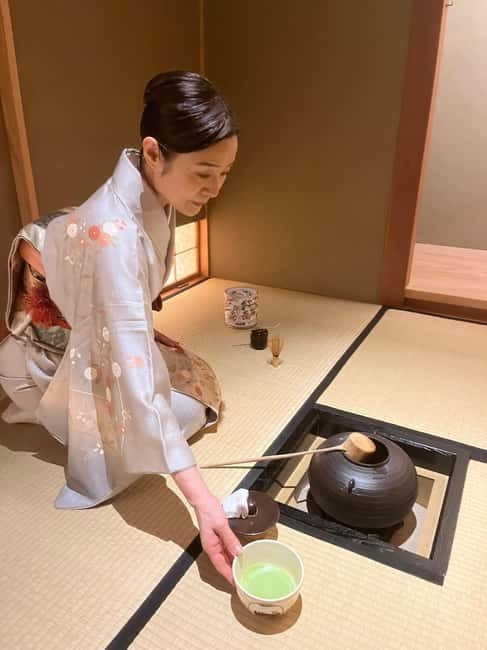
The meeting point is the eighth-floor tea room at Toyosu Cultural Center. From Toyosu Station on the Tokyo Metro Yurakucho Line, it is a one-minute walk from exit 7. The Yurikamome New Transit station is also about one minute away.
That location is one of the practical strengths of the experience. You do not need a long taxi ride or a complicated trip into a distant neighborhood. It is near teamLab Planets, so you can pair the ceremony with that attraction if the timing works for your plans.
Transportation to and from the activity is not included. In practice, that is easy to manage because the station is so close, but you should still allow enough time to find the cultural center and reach the eighth-floor room.
The activity begins and ends at the same cultural center. You do not need to arrange a separate return transfer or wonder where the final stop will be.
Sitting, clothing, and what to bring
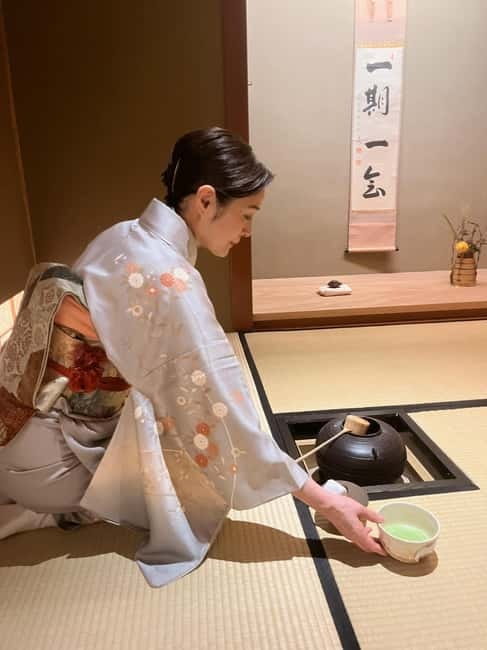
Traditional tea ceremony may make you picture formal kneeling. You do not need to sit upright for the full session here. That makes the experience more comfortable for people who cannot maintain a formal posture.
Wear comfortable clothes. You should also wear socks, which are specifically requested for the tea room. This is a small detail, but it is easy to overlook when you are packing for Tokyo.
Bring a camera if you want a keepsake. A photo is part of the experience, and the setting gives you something tangible to remember after you return home. Be respectful about when you take pictures, and follow the instructor’s direction during the ceremony.
Food restrictions require care. The activity is not suitable for people with food allergies, and it is not suitable for pregnant women. Children under four are also excluded. The available information does not list ingredient substitutions, so do not assume the wagashi or dessert can be changed to meet a dietary need.
Who will enjoy this best
I would recommend this for a first-time visitor who wants a cultural activity that is easy to fit into a Tokyo itinerary. The English instruction removes a major barrier, while the private group keeps the lesson personal.
It also suits anyone who enjoys food details. You can compare the bitterness of the matcha with the sweetness of wagashi, then see how the flavor changes in a dessert. That makes the hour more engaging than a ceremony where you simply sit and watch.
Couples and small groups should appreciate the private arrangement. Parents should note the age limit and consider whether older children will enjoy a calm, careful activity. The experience is not designed for people with food allergies, and it is not the right choice if pregnancy restrictions apply.
You may want to skip it if you have already taken a long tea ceremony course and want something advanced. The focus here is on a friendly introduction, not specialist training.
A calm cultural break near teamLab Planets
Toyosu is often treated as a place to visit for one major attraction and then leave. This tea ceremony gives you a slower way to spend part of the day. You move from the noise and speed of Tokyo sightseeing to a room where small actions matter.
That change of pace is part of the appeal. The ceremony asks you to pay attention to the bowl, the tea, the sweet, and the way each item is used. Even in a one-hour format, the activity offers a pause from rushing between stations and attractions.
The experience also avoids pretending that tea ceremony is only about perfect posture or mysterious rules. You receive a basic explanation, watch a demonstration, try the process, taste the ingredients, and make a dessert. That clear sequence makes the tradition easier to understand.
The strongest praise attached to the activity focuses on the warm, human introduction. One French-speaking participant described the experience as culturally and personally delightful, while another specifically appreciated Mariko’s gentle introduction to traditional tea ceremony. Those comments point to the tone you should expect: personal instruction rather than a grand performance.
Booking flexibility and timing
The activity lasts one hour, with starting times based on availability. That short length makes it practical before or after other plans, but you should avoid scheduling it too tightly against another timed attraction. Give yourself time to reach the building, find the tea room, and settle in.
Free cancellation is available up to 24 hours before the activity for a full refund. You can also reserve and pay later, which helps if your Tokyo plans are still shifting. These terms are useful for a city itinerary where weather, attraction reservations, and train schedules can change.
The group is private, but the exact number of people is not specified. If the size of your party matters, check the booking details before confirming.
Should you book this Tokyo tea ceremony?
Book it if you want a short, private, English-language introduction with real participation. The best reasons are the Uji-focused organic matcha, seasonal wagashi, personal preparation, and matcha dessert. The one-minute station access and location near teamLab Planets make it easy to add to a Toyosu day.
Think twice if you want a long, formal course or a historic temple atmosphere. At $50, the cost makes sense for instruction and hands-on practice, not for a simple cup of tea.
For most first-time visitors who want to understand what they are drinking and why the ceremony matters, I would choose it. Wear socks, bring comfortable clothes, allow a little extra time at the cultural center, and arrive ready to taste matcha in its natural, pleasantly bitter form.
FAQ
Where does the tea ceremony take place?
It takes place in the tea room on the eighth floor of Toyosu Cultural Center in Tokyo.
How close is the meeting point to Toyosu Station?
The tea room is a one-minute walk from exit 7 of Toyosu Station on the Tokyo Metro Yurakucho Line. It is also one minute from Toyosu Station on the Yurikamome New Transit Line.
How long does the experience last?
The tea ceremony experience lasts one hour and returns to Toyosu Cultural Center.
Is the activity offered in English?
Yes. The instructor language is English.
What food and drinks are included?
The experience includes traditional seasonal Japanese wagashi, organic matcha that is mainly selected from Uji in Kyoto, your own matcha preparation, and a matcha dessert-making activity.
What should I bring, and who cannot join?
Bring a camera, wear comfortable clothes, and wear socks. The activity is not suitable for children under four, pregnant women, or people with food allergies.
Just added around Tokyo
- Yokohama : Tea Ceremony with Sweets and Souvenir★ 5.0 · 5 reviews
- Walking Tour: Yanaka,Nezu& Sendagi: Tea Ceremony & Old Tokyo★ 5.0 · 3 reviews
- 2 Hours Mochi &Nerikiri Making & Matcha Class in Bunkyo★ 5.0 · 21 reviews
- Private Kimono and tea ceremony at local home near Tokyo Disney★ 5.0 · 6 reviews
- Private Mochi・Matcha sweets Making Class Near Shibuya Area★ 5.0 · 22 reviews
- Tokyo Sweets Tour: Hidden Gems & Matcha at an Old Tea House★ 5.0 · 6 reviews
- Giant Sushi Cooking Class: Make a 1.5m Sushi Roll in Tokyo★ 5.0 · 9 reviews
- Tokyo: Tea Ceremony & Japanese Sweets Making★ 5.0 · 10 reviews
Matcha Experiences, compared.
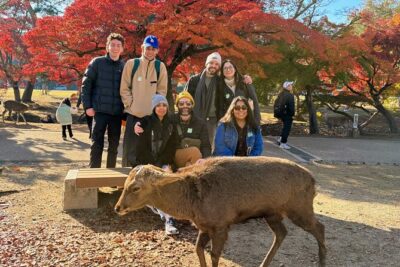
World Heritage Kyoto & Nara Uji Authentic Matcha Experience
Read our review →
Matcha Making Class in Tokyo with Authentic Japanese Sweets Set
Read our review →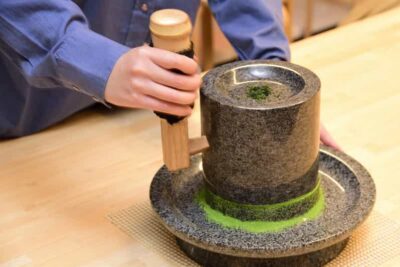
Tea Museum Tickets and Matcha Grinding Experience
Read our review →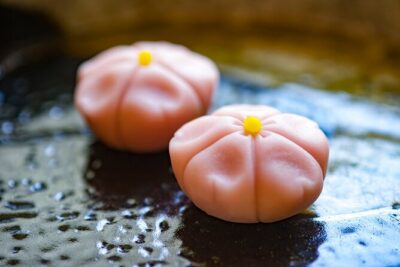
Matcha Making Class in Osaka with Authentic Japanese Sweets Set
Read our review →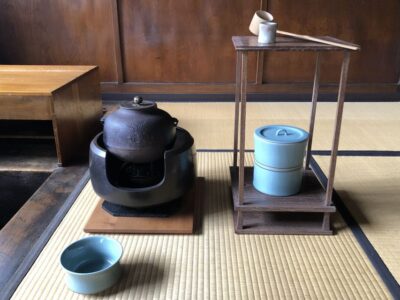
Tea Ceremony Meditation – Make Matcha with Tea Master
Read our review →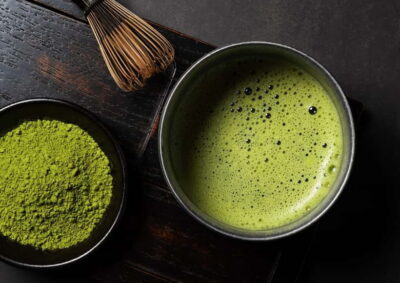
Matcha Making Experience with Mochi Sweets in Asakusa
Read our review →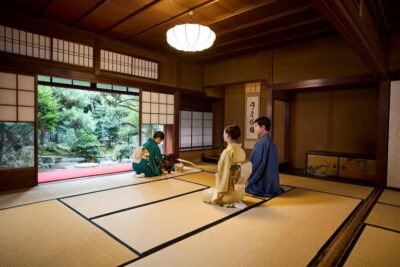
Browse the lists this tour appears in