
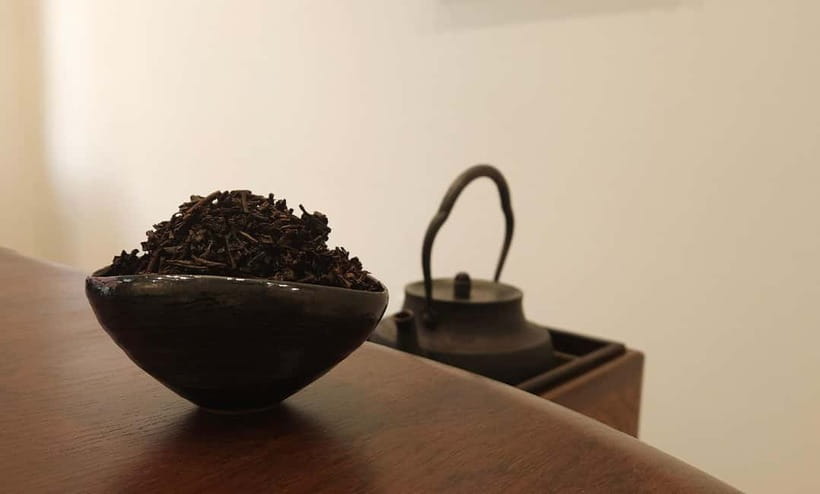
Review · SOUTH KOREA
Busan: Join a Tea Ceremony & Create a Calligraphy Memento
The most appealing part of this Busan experience is its quiet pace. At Daman Cha, a small teahouse in Yongho-dong, Min leads you through three seasonal teas, traditional preparation, and a calligraphy exercise that turns the afternoon into a personal keepsake. The group is limited to three people, so this feels more like a private lesson than a show.
I like the way tea is treated as a complete cultural practice here, not just a drink. I also like the calligraphy, since you leave with something you made yourself. The main consideration is location: this is a focused two-hour visit to a teahouse, not a broad Busan sightseeing tour, so you need to make your own way to Yongho-dong.
Key points at a glance
- Three seasonal teas: Taste a changing selection rather than one standard cup.
- Min’s gentle instruction: Learn about Korean and Chinese tea customs in Korean, English, or Chinese.
- Vintage artisan teaware: The cups, pots, and serving pieces are part of the atmosphere.
- Brush-and-ink keepsake: Choose a tea-inspired phrase and create your own calligraphy piece.
- Tiny group size: With no more than three participants, you can ask questions without shouting across a room.
- Quiet seaside setting: Daman Cha offers a slower break from Busan’s busy sightseeing districts.
A quiet two hours at Daman Cha
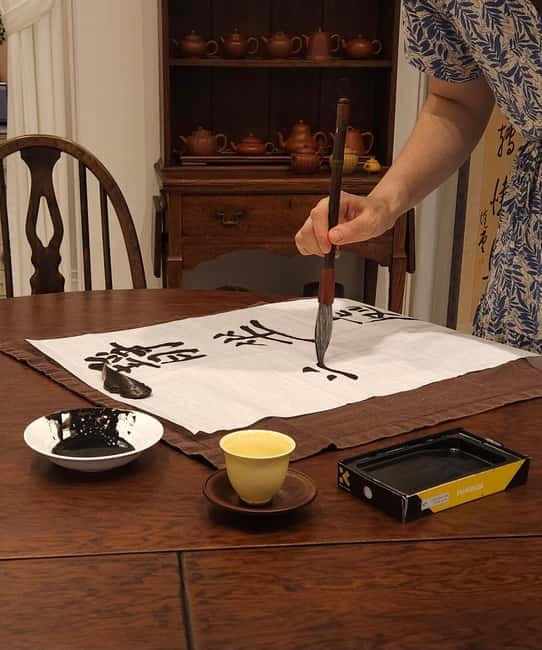
This experience begins and ends at Daman Cha, a tea room on the second floor of Building A at Villivcentro in Yongho-dong. The setting is described as a quiet seaside village, and the teahouse faces the bridge from outside the building.
That location matters. Busan is famous for beaches, seafood, markets, and city views, but it is also a place where you can easily fill every hour with movement. This session gives you a deliberate pause. You sit down, handle traditional teaware, listen, taste, and write.
The format is private or nearly private, with a maximum of three participants. That small size suits the subject. Tea preparation involves details that can be hard to see in a large class, while calligraphy works best when you can receive direct help with the brush.
You should allow two hours for the full session. The time is long enough to cover tea, conversation, and writing without turning the activity into an all-day commitment. It fits neatly into a morning or afternoon in Busan, but you should check the available starting times before booking.
More Tea and Calligraphy Classes in the world:
- Osaka: Tea Ceremony, Calligraphy, and Kimono Experience
★ 4.9 · 130 reviews - Experience all of Japanese culture and Japanese food experience classes “origami, udon, Japanese food, green tea, calligraphy” in 4 hours
★ 5.0 · 105 reviews - An Amazing set of Cultural experience: Kimono, Tea Ceremony and Calligraphy
★ 5.0 · 69 reviews
Three seasonal teas, not just a quick tasting
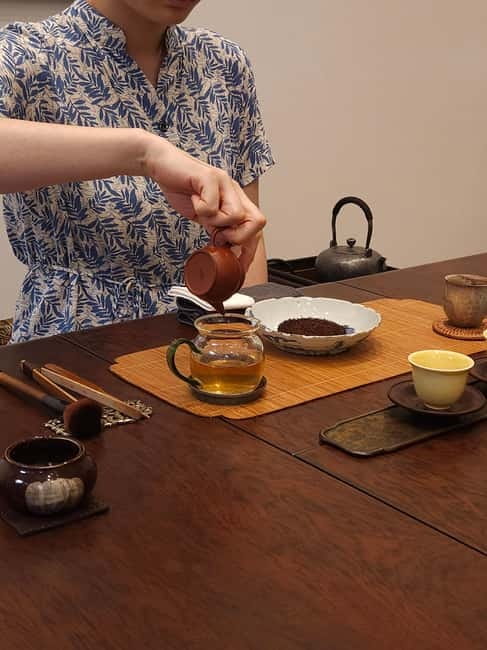
The tea portion includes three kinds of seasonal tea and tea snacks. The exact teas change with the season, so you are not signing up for a fixed menu. That gives the experience a sense of time and place, although it also means you cannot choose a particular tea in advance from the information provided.
Min introduces the teas and explains the customs connected with them. The session includes both Korean and Chinese tea traditions, giving you useful context for the way tea is prepared, served, and enjoyed across East Asia.
I like this approach because it avoids reducing tea ceremony to a set of mysterious hand movements. You learn why the objects matter and how the ritual creates a calmer way to pay attention. The tea itself is only one part of the experience. The order of service, the sound of pouring, the shape of the cup, and the pauses between sips all contribute.
Tea snacks are included, which makes the tasting feel more complete. If you have a food allergy, tell Daman Cha in advance. No detailed snack menu is provided, so people with serious allergies should ask questions before arrival rather than assume every item will be suitable.
Vintage teaware gives the ceremony its character
Daman Cha uses artisan vintage teaware during the session. This adds a tactile quality that you do not get from a paper cup or a standard café tasting.
You will see and use individual pieces chosen to suit the mood of the tea. The information does not specify the age, origin, or maker of each item, so do not expect a formal antiques lecture. The value is in seeing how cups, pots, and serving pieces shape the act of drinking.
For me, this is one of the strongest reasons to choose the activity over a regular tea stop. A café visit is mainly about the beverage. Here, the objects slow you down and make you notice how the tea reaches you.
The setting also helps. A quiet room and small group allow the teaware to remain part of the experience instead of becoming background decoration. You can ask about pieces as they appear, and Min can explain the customs and practical details behind their use.
Min brings the tea lesson to life
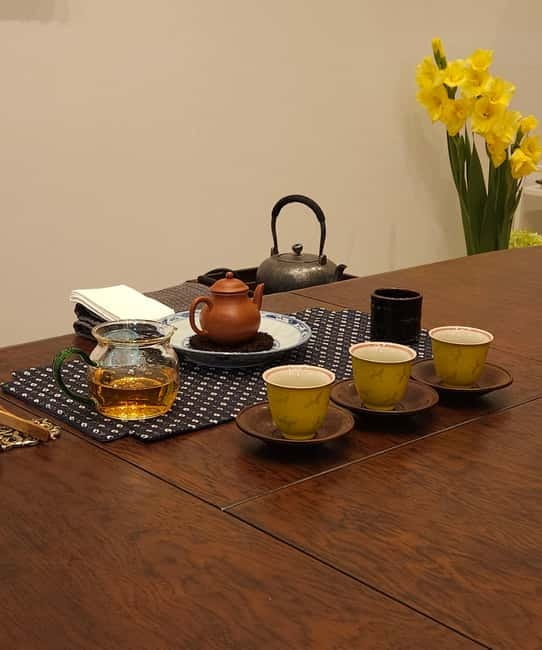
Min is the local tea educator and host. Her instruction is available in Korean, English, and Chinese, which makes the activity accessible to a wide range of international visitors.
The strongest praise for the session centers on her manner. You can expect patient explanations, a calm presentation, and room to ask questions. The experience is not built around a fast speech or a strict performance. It leaves space for conversation.
Previous participants have found the atmosphere welcoming even when attending alone. That is useful to know if you are visiting Busan by yourself. A small class can sometimes feel awkward when everyone arrives as part of a group, but this format is designed for personal attention and conversation.
Min also provides a pamphlet covering ceremony details, tea choices, and calligraphy phrases. That gives you something practical to take away beyond the artwork. It can help you remember the names and ideas discussed during the session.
The language options are a real benefit, though you should select the language that best suits you when booking. If you are hoping for a highly formal ceremony with no conversation, this may feel more relaxed than expected. If you want explanations and questions, that informality is a plus.
More Tea Ceremony Experiences in the world:
- Kyoto: Tea Ceremony in a Traditional Tea House in Kiyomizu
★ 4.9 · 3,519 reviews - Kyoto: Tea Ceremony Ju-An at Jotokuji Temple
★ 4.9 · 3,207 reviews - Kyoto: 45-Minute Tea Ceremony Lesson Experience
★ 4.3 · 2,378 reviews - Osaka: Tea Ceremony Experience
★ 4.9 · 1,426 reviews
Calligraphy turns tea into a personal souvenir
The second half of the experience connects tea with the traditional arts. In East Asian culture, tea was often enjoyed alongside poetry, painting, and calligraphy. Daman Cha uses that connection to make the final activity more personal.
You express your tea experience through brush and ink. The session offers a choice of seven messages, according to one participant, so you are not expected to invent a phrase from scratch. Min guides you through the writing and helps you work with the brush.
This is not presented as a professional calligraphy course. It is a gentle introduction that lets you try the tools and create a finished piece. That distinction matters. If you already practice calligraphy, the lesson may be basic. If you have never held a calligraphy brush, the guidance makes the activity approachable.
The finished piece is the best kind of souvenir for this experience: small, personal, and linked to the afternoon itself. You make it rather than buy it in a shop. The pamphlet with phrases and tea information adds another layer of memory.
The writing activity also changes the rhythm of the session. After tasting and listening, you shift into doing. Brushwork asks you to slow your hand and pay attention to pressure and movement. That is why several participants have described the whole experience as meditative, even though it is still a lesson with conversation.
What the seaside village setting adds
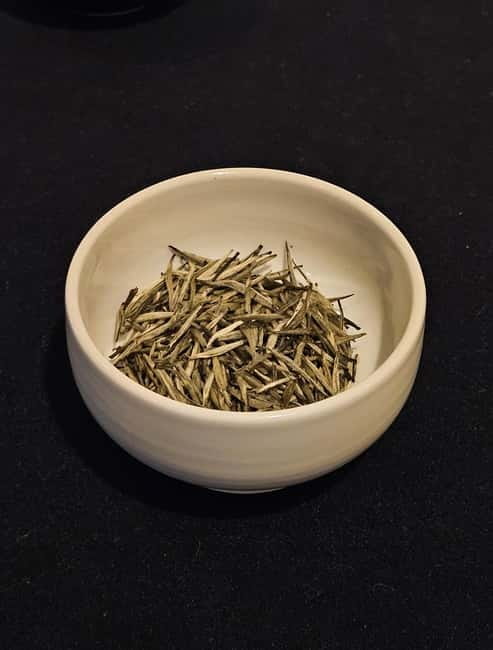
The location is in Yongho-dong, at Villivcentro, rather than in one of Busan’s best-known tourist centers. The teahouse is on the second floor of Building A, facing the bridge from outside.
This is a practical point, not a minor detail. You are booking a destination experience, so you should plan the journey to the address carefully. Daman Cha has sent location pictures to help with wayfinding, which can be useful when you reach the building and need to identify the correct entrance.
The seaside village setting gives the visit a quieter frame than a central shopping street. Still, the activity itself takes place inside the teahouse. The supplied information does not promise a sea view from your seat, a walk by the water, or a sightseeing stop before and after the ceremony. Treat the setting as a calm base for tea, not as a separate coastal tour.
You can pair this with other Busan plans, but allow enough time to arrive without rushing. Arriving flustered works against the whole purpose of the session. The activity rewards a little breathing room before the start.
Is $69 a fair price?
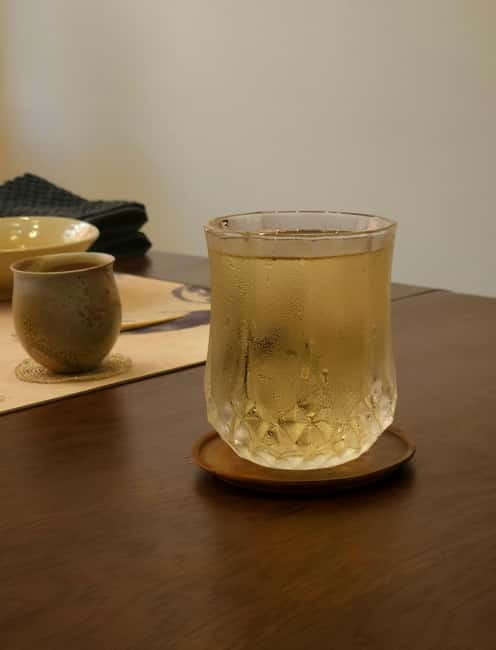
At $69 per person, this is not the cheapest way to drink tea in Busan. You are paying for more than three cups. The price includes a traditional ceremony, seasonal tasting, tea snacks, artisan vintage teaware, personal instruction, and the calligraphy activity.
The small group makes the value easier to understand. With a maximum of three participants, the fee covers close attention from Min rather than a large demonstration where you watch from the back. You also take home a handmade memento, which gives the experience a lasting element that a café visit does not.
I would consider the price fair for someone who values cultural instruction and a calm, personal activity. It is less compelling for a visitor who simply wants to sample Korean tea cheaply or fill a packed sightseeing schedule.
The value also depends on your interest in the arts. If calligraphy sounds appealing, the activity has two connected parts that reinforce each other. If you have no interest in writing or ceremony, you may find the pace too slow for the cost.
Who will enjoy this most?
This is a good fit for solo visitors, couples, and small groups of friends who want a quieter Busan activity. Solo participants receive direct attention and can ask questions freely. Couples can share a reflective experience without the noise of a large class.
It also suits anyone interested in Korean culture beyond food and major sights. The lesson gives you a look at tea customs, traditional objects, and calligraphy in one sitting. The addition of Chinese tea customs adds useful regional context.
I would recommend it to first-time calligraphy students, since the seven phrase choices and personal guidance remove much of the pressure. You do not need to arrive with artistic skill.
Families should check the group format and the interests of younger children before booking. The activity is built around quiet attention, careful handling of teaware, and brushwork. The information confirms wheelchair accessibility, but it does not give details about child suitability or the exact accessibility arrangements inside the building.
This is also a good choice for a rainy or tiring day, when a calm indoor plan sounds better than another outdoor attraction. The two-hour length gives you a proper break without consuming a full day.
Practical details before you book
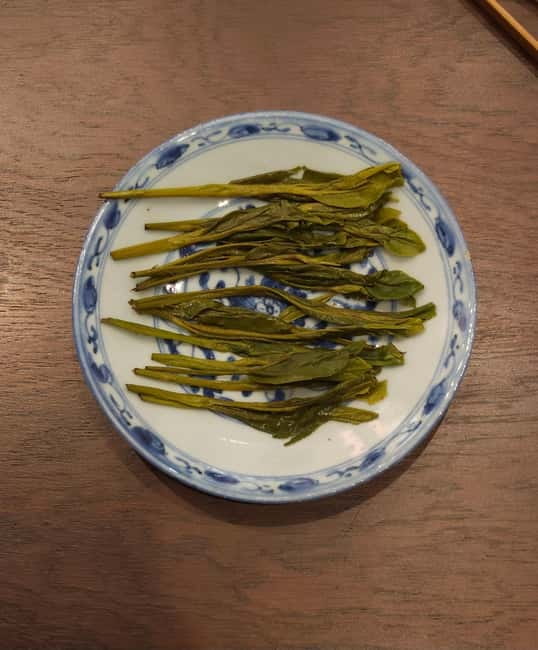
Daman Cha is at 220-1, Building A, Villivcentro, Yongho-dong 958, Nam-gu, Busan. The Korean address is 부산 남구 분포로 61, 빌리브센트로 A동 2층 220-1, 다만茶. Look for the teahouse on the second floor of Building A, facing the bridge from outside.
The activity lasts two hours, and start times depend on availability. Book a time that lets you arrive early enough to find the building. Location photos may be sent to help with directions, but you should still keep the full address available on your phone.
The experience is wheelchair accessible. If you have a food allergy, contact the provider before the session because tea snacks are included. The activity is offered in Korean, English, and Chinese.
You can reserve now and pay later, which helps if your Busan schedule is still changing. Cancellation is free up to 24 hours in advance for a full refund. Those terms make this easier to fit into a flexible itinerary.
The parts I would weigh carefully
The praise for this experience is remarkably consistent around three areas: the calm mood, Min’s patient teaching, and the calligraphy keepsake. Those are the reasons to book it.
The main limitations are just as clear. It is not a sightseeing tour, the location requires planning, and the quiet pace will not suit everyone. The seasonal tea selection is part of the charm, but you cannot choose the exact teas in advance from the available information.
You should also think about the group size. A maximum of three people means a more personal session, but it may be less lively than a larger class. The format encourages thoughtful conversation rather than a busy social event.
The calligraphy is a creative add-on, not a full technical course. You will make a meaningful piece with help, but you should not book this expecting advanced instruction in Chinese characters or brush painting.
Should you book Daman Cha?
Book this experience if you want to slow down, learn directly from a local tea educator, and leave Busan with a souvenir you made yourself. The combination of three seasonal teas, vintage teaware, calm instruction from Min, and guided calligraphy gives the two hours a clear purpose.
Skip it if your schedule is packed with major attractions or if you only want a quick drink. The value comes from sitting still and paying attention. For the right visitor, that is precisely the point.
FAQ
How long does the tea ceremony and calligraphy experience last?
The experience lasts two hours.
Where does the activity take place?
It takes place at Daman Cha, on the second floor of Building A at Villivcentro in Yongho-dong, Busan.
What is the English address for Daman Cha?
The English address is 다만茶, 220-1, Building A, Villivcentro, Yongho-dong 958, Nam-gu, Busan.
What languages are available?
The activity is offered in Korean, English, and Chinese.
How many people can join the experience?
The group is limited to three participants.
How many teas will I taste?
You will taste three kinds of seasonal tea.
Are snacks included?
Yes. Tea snacks are included.
Do I get to keep anything from the activity?
Yes. You create a tea-inspired calligraphy piece to take home as a keepsake.
Is the experience wheelchair accessible?
Yes, the activity is listed as wheelchair accessible.
Can I cancel for a full refund?
Yes. You can cancel up to 24 hours in advance for a full refund.
Just added around the world
- Yogyakarta: Prambanan Tour, Sukuh Temple & Tea Plantation★ 5.0 · 3 reviews
- Xi’an Chinese Calligraphy Workshop: Ink Art & Tea Tasting★ 5.0 · 4 reviews
- Yokohama : Tea Ceremony with Sweets and Souvenir★ 5.0 · 5 reviews
- Washington, D.C.: Tea Around Town Bus Tour with Landmarks★ 3.4 · 7 reviews
- Tea Route: Lake, Forest, Tea Plantation & 3 Course Lunch★ 3.6 · 7 reviews
- Wadi Rum: 2-Hour Jeep Tour with Bedouin Tea★ 5.0 · 11 reviews
- Walking Tour: Yanaka,Nezu& Sendagi: Tea Ceremony & Old Tokyo★ 5.0 · 3 reviews
- Visit local home for music and tea ceremony near Disney★ 4.9 · 13 reviews
Tea & Calligraphy Classes, compared.
Tea Ceremony, Calligraphy, and Kimono Experience
Read our review →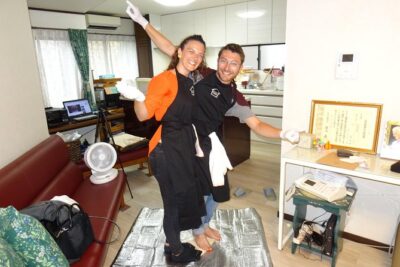
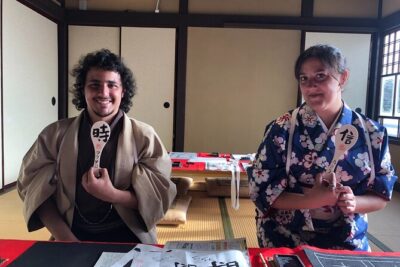
An Amazing set of Cultural experience: Kimono, Tea Ceremony and Calligraphy
Read our review →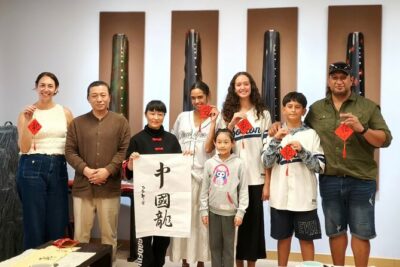
Beijing Culture: Tea Ceremony, Heritage Instrument & Calligraphy
Read our review →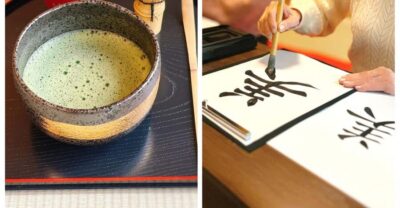
Cultural Activities :Kimono, tea ceremony, Calligraphy and Amulet
Read our review →
Samurai dress-up and shows, plus Tea Ceremony & Calligraphy
Read our review →
Premium Kimono Dressing, Tea Ceremony, Calligraphy, Samurai show
Read our review →Browse the lists this tour appears in