
Review · CHENGDU
Half-day Private Mahjong course in Local Tea House
Chengdu’s favorite parlor game makes a fine doorway into local life. This private mahjong lesson takes you first to a Sichuan spice market, then to a cozy tea-house setting where a guide explains the game and lets you play. It is a more personal look at Chengdu than a quick photo stop.
I like the way the outing links food and culture, rather than treating them as separate subjects. I also like the small-group format, which gives you time to ask questions and learn at your own pace. The main drawback is simple: if you want a broad city tour or a long market visit, three hours goes by quickly, and mahjong itself requires patience before it becomes fun.
Key points to know before booking
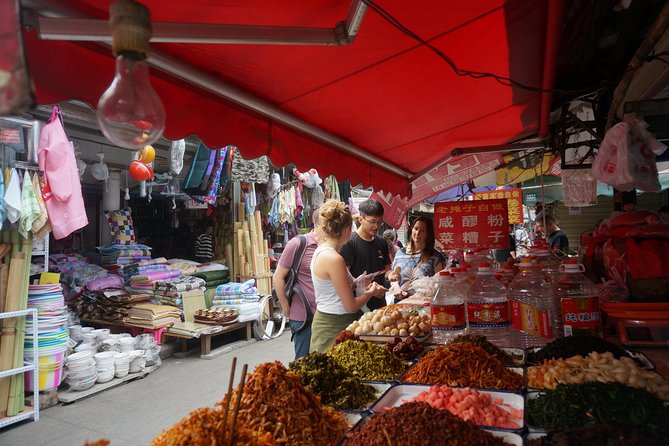
- Sichuan spices come first: You explore a local market and learn about ingredients used in the region’s cooking.
- Mahjong is taught from scratch: An English-speaking guide explains the rules in an easy, practical way before you play.
- The setting feels local: The lesson takes place in a Chinese-style room connected with tea, snacks, and conversation.
- It is genuinely private: Only your group participates, so a solo visitor can receive one-on-one attention.
- Pickup and drop-off are included: This is useful when you have limited time or are still finding your way around Chengdu.
- The price is $60 per person: That is fair for private transport, a guide, food tasting, tea, and a three to four-hour cultural activity.
Why a market and mahjong make a good Chengdu pairing
Chengdu is often introduced through food, pandas, and laid-back teahouse life. This experience brings those threads together in a small, hands-on way. You do not simply look at Sichuan ingredients behind glass. You walk through a working spice market, hear what the ingredients are used for, and then move to a social game that remains part of everyday Chinese leisure.
That combination matters. Sichuan food can seem defined by one word, spicy, but the market gives you a better sense of how many ingredients shape the cooking. You may encounter dried chilies, peppercorns, and other seasonings used in local dishes, with the guide explaining their role in Sichuan cuisine. The focus is not on buying a full pantry. It is on seeing the ingredients in the place where local people shop.
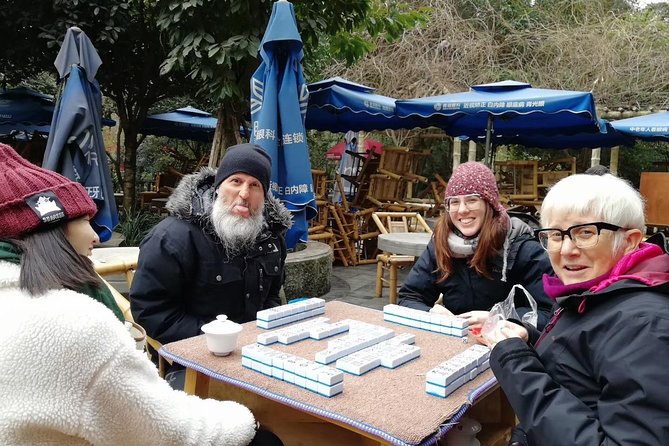
The mahjong lesson adds a second kind of cultural insight. Mahjong is not just a board game with pretty tiles. It is a social activity built around concentration, memory, luck, and conversation. Learning it in a tea-house room gives you a taste of how leisure can work in Chengdu: sit down, pour tea, snack, talk, and play.
More Half-Day Trips in China:
- Half-Day Hangzhou Yunxi Bamboo Forest and Tea Plantation Experience
★ 5.0 · 22 reviews - Half-day Tour: Largest Tea Plantation & Amazing Xianggong Hill
★ 5.0 · 9 reviews - Half-Day Hangzhou Private Tour with Green Tea Village and Lingyin Temple
★ 5.0 · 3 reviews
From Zhangjia Alley to the spice market
The stated meeting point is on Zhangjia Alley in Jinniu District, with the activity ending back there. Hotel pickup and drop-off are offered, and the operator contacts you to confirm your hotel location. That small bit of planning matters in Chengdu, where a pickup can save you from sorting out a new neighborhood on your own.
Once you are on the way, the guide may point out sights along the route. Lance, one of the guides associated with the experience, has been praised for making the outing feel personal and for showing visitors his own neighborhood. That is the tone to expect: less formal lecture, more local orientation.
The market section is short enough to fit the half-day schedule, but it gives the rest of the activity its context. Your guide introduces Sichuan spices and ingredients that appear in regional dishes. You can ask about flavors, cooking uses, and the difference between seeing a packaged spice in a shop and seeing it sold in a local market.
Do not expect a polished food hall designed for sightseeing. The appeal is the ordinary setting. You are seeing a part of Chengdu where people shop for ingredients, not just a place arranged for photographs. That can mean the visit feels less tidy or less predictable than a conventional attraction. For many people, that is exactly the point.
Food tasting, snacks, bottled water, and tea or coffee are included. The precise tasting selection is not fixed in the details provided, so you should treat it as a small sampling rather than a full meal. If you need lunch, plan accordingly.
Learning mahjong in a Chinese-style room
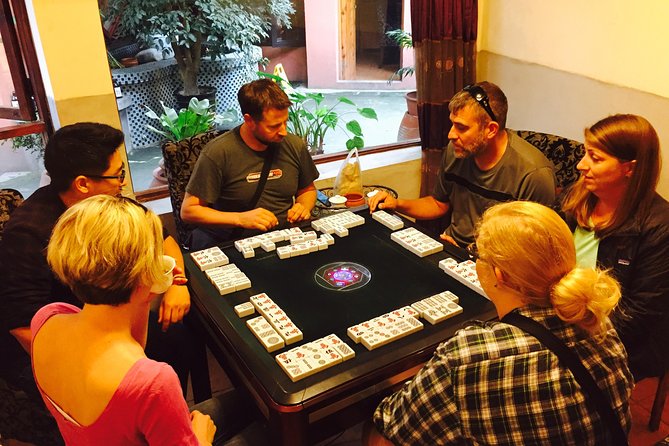
After the market, you move to a cozy room with Chinese characteristics for the main lesson. The course lasts about three hours overall, though the full experience is described as roughly three to four hours. The exact balance between market time, instruction, and play can vary, especially with a private group.
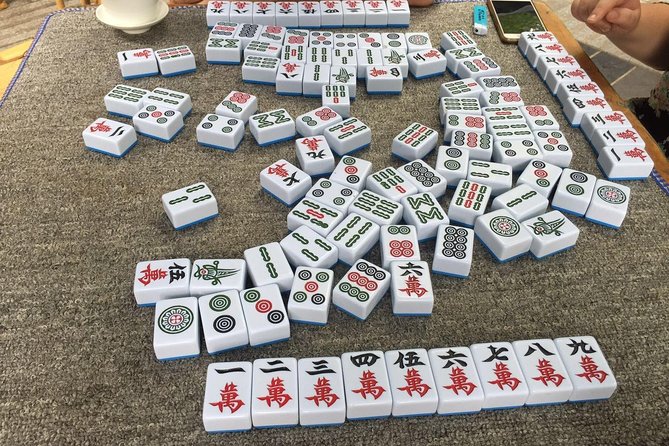
Your English-speaking guide begins with the basic rules. Mahjong uses numbered and honor tiles, and the goal is to build winning combinations while watching what other players discard. The comparison to gin rummy helps, but the game has its own rhythm and vocabulary. You will need to track tiles, make choices, and accept that luck plays a role.
The teaching style is designed for beginners. You are not expected to arrive knowing how to score a hand or recognize every tile. The guide explains the game in a straightforward way, then lets you try. That hands-on step is important because mahjong makes more sense once the tiles are in front of you.
A private lesson is especially useful here. In a large class, you could spend much of the time watching other people play. With only your group participating, you can stop the action, ask why a move was made, and repeat a rule that did not stick the first time.
There is one practical point to keep in mind. Mahjong is normally played by four people, but the class can still work for a solo booking. One solo visitor described being taught by the guide even without a full table of players. The format may be adapted for your group, with the guide taking part or demonstrating hands. If playing a complete four-person game is essential to you, ask about the setup when booking.
Tea, snacks, and the social side of the game
The tea is not just a refreshment between activities. It helps explain why mahjong belongs in a tea-house setting. The game gives you something to do with your hands, while tea and snacks keep the mood relaxed. You can focus on the rules without feeling as if you are sitting through a classroom lesson.
The food and drink included are modest but useful. Afternoon tea, bottled water, snacks, food tasting, and coffee or tea are part of the package. The experience is best understood as a cultural outing with light refreshments, not as a Sichuan cooking class or a full food tour.
This is also the part where the private format pays off most. A guide can slow down when you are confused, move faster when you understand, and talk about local habits as the game develops. The strongest personal accounts of the experience describe the guide as friendly, patient, and easy to talk with. One person compared the mood to playing mahjong with an old friend.
That does not mean every minute will feel exciting. The first rules can seem dense, and the game has a learning curve. If you dislike games that require concentration, you may prefer a food-focused walk. If you enjoy picking up local pastimes, the challenge is part of the reward.
More Private Experiences in China:
- One-Day Hangzhou Dragon Well Tea Culture & West Lake Private Tour
★ 5.0 · 98 reviews - Leshan Buddha + Panda Base or Old Tea House Private Day Tour
★ 5.0 · 19 reviews - Private Hangzhou Day Tour to West Lake, Lingyin Temple, Tea Village, Old Pagoda
★ 5.0 · 17 reviews - Private Shanghai City and Zhujiajiao Combo Tour with Boating, Tea Tasting, Lunch
★ 5.0 · 15 reviews
What the $60 price includes
At $60 per person, this is not the cheapest way to spend a morning or afternoon in Chengdu. You could visit a market independently for very little money, and tea houses are widely available. The value comes from combining several services in one private outing.
You are paying for:
- Hotel pickup and drop-off
- A professional English-speaking guide
- A local market visit
- Food tasting and snacks
- Tea or coffee and bottled water
- A private mahjong lesson
- A three to four-hour activity
For a solo visitor, the price has a clear advantage. You do not need to organize other people to fill a group, and the guide can give you direct attention. For a couple or family, the cost may feel more reasonable because transport and instruction are shared across the group.
The price is less compelling if you only want a quick mahjong demonstration. It is also not the right choice if your top priority is a long, detailed food tour. The strongest value comes when you want both a local market visit and a proper introduction to a traditional game, with transport handled for you.
Group discounts are available, though the exact terms are not provided. If you are booking for several people, check the final price before paying.
Who will enjoy this most
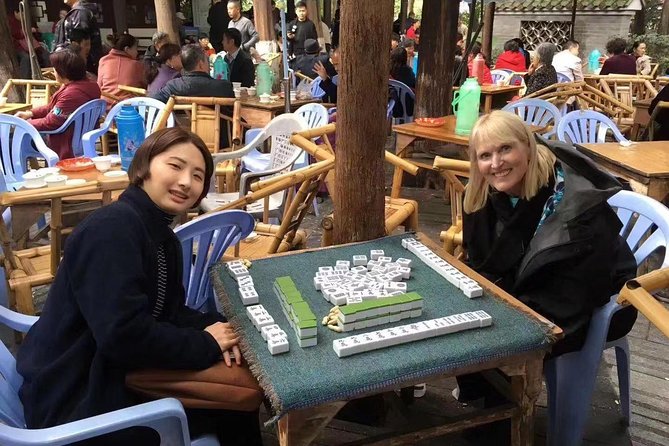
I would recommend this outing to first-time visitors who want a cultural activity that does not take a full day. It suits couples, families with older children, solo visitors, and small groups who prefer personal instruction over a large scheduled class.
The minimum age is five, and children must be accompanied by an adult. That does not mean every young child will enjoy the lesson. Mahjong requires sitting still, following rules, and taking turns, so the best fit is a child who can handle a quiet activity for part of the afternoon.
It is also a good choice if you have already seen major Chengdu sights and want something more local. The market and neighborhood setting offer a change of pace from headline attractions. The guide can help you connect what you see in the market with what people eat and how they spend free time.
You should think twice if you want an intense cooking lesson, a major sightseeing route, or a fully planned meal. The experience is focused. It gives you a small slice of Chengdu life rather than trying to cover the whole city.
Timing, transport, and small practical matters
The experience is described as a half-day activity lasting about three to four hours. Pickup is available, and the operator confirms the hotel location after booking. Give accurate accommodation details and keep your phone available before the start time so the meeting plan is clear.
The listed starting point is Zhangjia Alley in Jinniu District. The activity ends back at the meeting point, though hotel drop-off is also offered as part of the service. Since the exact transport arrangement can depend on your hotel, confirm the details rather than assuming the vehicle will collect you at any address.
Most people can participate, and the meeting area is near public transportation. A mobile ticket is available. Free cancellation applies if you cancel at least 24 hours before the local start time. Inside that window, the payment is not refunded, and changes are not accepted.
Booking well ahead may be sensible. This experience averages 43 days between booking and the activity date, which suggests that dates can fill in advance. The private format is a benefit, but it also means there are fewer places than on a large group bus tour.
Should you book the Chengdu mahjong course?
Book it if you want a personal look at Chengdu food and leisure, especially if you like learning by doing. The market adds local flavor, the guide provides context, and the mahjong lesson gives you a skill you can remember after the trip. Hotel pickup also makes the activity easy to fit into a short stay.
I would be particularly inclined to book it as a solo visitor. You can receive direct attention, and the guide can adapt the lesson instead of leaving you to watch a group game from the side. Lance’s patient approach, local neighborhood knowledge, and friendly style are useful qualities for a first lesson.
Skip it if you dislike tabletop games, need a full meal, or want a packed sightseeing schedule. The market visit is part of a focused cultural outing, not a major attraction. For the right person, though, $60 buys more than a game lesson. It buys a relaxed introduction to Sichuan ingredients, tea-house customs, and one of China’s most social pastimes.
FAQ
How long does the mahjong and spice market experience last?
The activity lasts approximately three to four hours. The mahjong course itself is described as three hours, including the market visit and lesson.
What is included in the price?
The price includes afternoon tea, bottled water, food tasting, snacks, coffee or tea, a professional guide, hotel pickup, and hotel drop-off.
Is this a private activity?
Yes. Only your group participates, making it possible for the guide to adjust the lesson to your pace.
Can a solo visitor book the experience?
Yes. A solo booking is possible, even though mahjong is commonly played with four people. The guide can adapt the lesson and participate or demonstrate as needed.
What is the minimum age?
The minimum age is five. Children must be accompanied by an adult.
What is the cancellation policy?
You can cancel for a full refund up to 24 hours before the experience begins. Cancellations or changes made within 24 hours are not accepted for a refund.
Just added around China
- Xi’an Chinese Calligraphy Workshop: Ink Art & Tea Tasting★ 5.0 · 4 reviews
- Xi’an Noodle Making and Tea Tasting Experience★ 5.0 · 6 reviews
- Half-day Tour: Largest Tea Plantation & Amazing Xianggong Hill★ 5.0 · 9 reviews
- Xi’an Calligraphy & Tea Ceremony – Dive into Ink & Brush Artistry★ 5.0 · 4 reviews
- Full-day Tour: Spectacular Sunrise, Tea Plantation & Sunset★ 5.0 · 3 reviews
- 3 hours Xi’an Mahjong Class with Local Tea★ 5.0 · 2 reviews
- Shanghai Mahjong Experience in Local Tea Bar★ 5.0 · 4 reviews
- Unlock Chinese Tea: Culture, Science, Tasting & Hands-on Brewing★ 5.0 · 12 reviews
Chengdu Tea Experiences, compared.

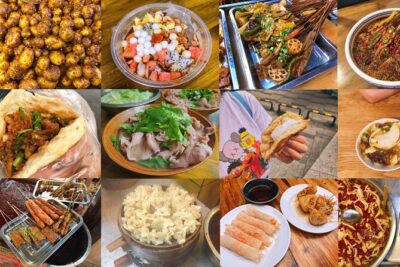
Leshan Buddha + Panda Base or Old Tea House Private Day Tour
Read our review →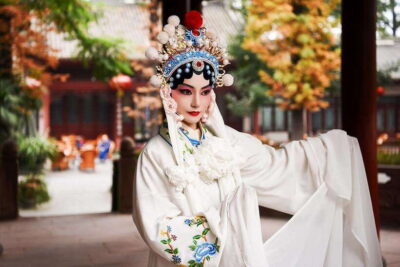
Sichuan Opera Show ShufengYayun & Covered Bowl Tea
Read our review →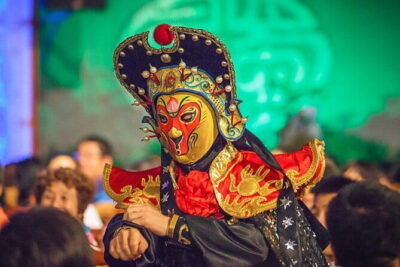

Experience Chengdu: Private Tea-Making Day Tour of Mengdingshan Tea Plantation
Read our review →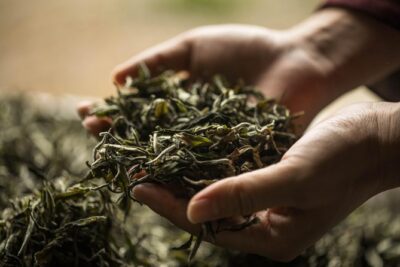
Three-Hour Private Chengdu Tea Wholesale Market Tour
Read our review →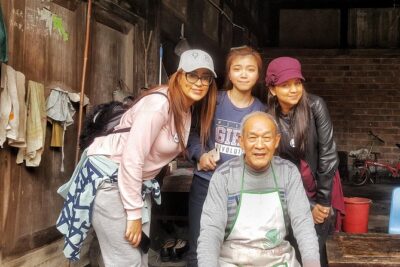
One-Day Leshan Giant Buddha and Tea Terrace Tour In Lost Town
Read our review →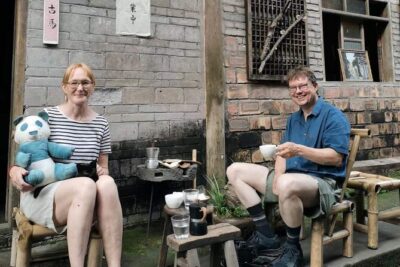
Exploring Tibetan Tea· 2DAYS Sichuan Last Primitive Ancient Town
Read our review →Browse the lists this tour appears in