
Review · CHENGDU
Chengdu Signature Opera Face Changing and Tea
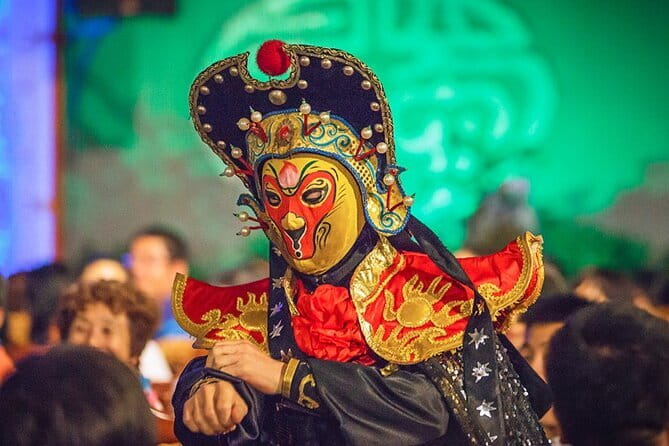
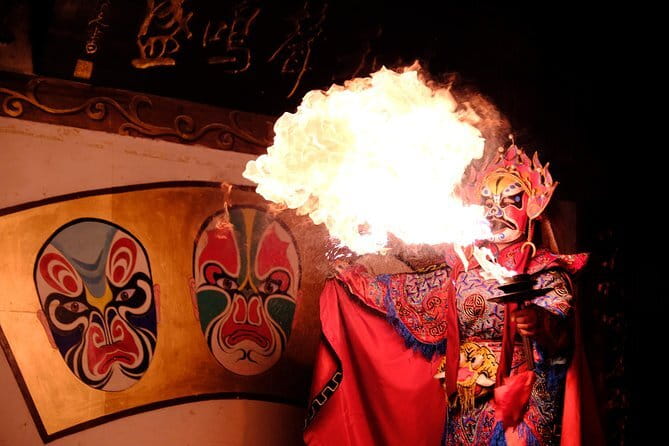
The masks change in a blink, fire shoots from an opera performer’s mouth, and a quiet cup of Gaiwan tea keeps the evening grounded. This is the appeal of Shufeng Yayun: high-energy Sichuan opera in a calm old setting. I like the 80-minute length and the chance to see several folk arts in one sitting. The main consideration is that the show is designed as a cultural sampler, not a full-length opera with a translated plot.
I also like the Qingyang Palace setting, near central Chengdu sights such as Wuhou Shrine and Du Fu Thatched Cottage. At $18, the ticket offers good value, especially since a covered-bowl tea is included. Keep in mind that extra food, drinks, and costume photography cost more, and VIP extras are not part of the standard ticket.
Key points at a glance
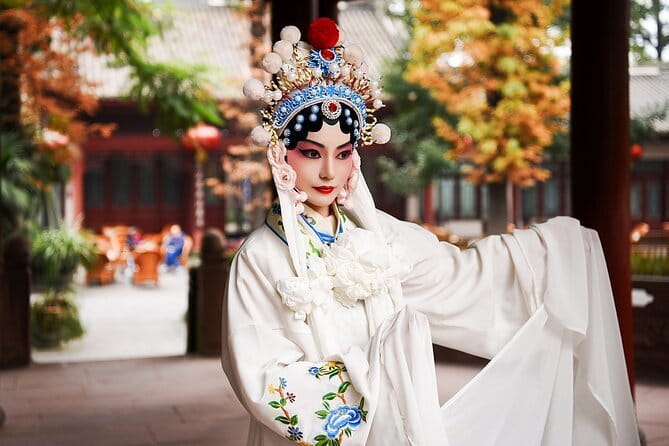
- Face-changing is the headline act: Watch performers switch painted masks with startling speed.
- An 80-minute cultural sampler: Expect drums and gongs, an opera scene, huqin music, fire breathing, shadow puppetry, dance, and other folk arts.
- Gaiwan tea comes with the ticket: Sip from a lidded bowl while the show unfolds.
- The venue adds atmosphere: Shufeng Yayun sits at 132 Qin Tai Lu within the historic Qingyang Palace area.
- VIP adds hands-on extras: You may choose a back massage, ear cleaning, or drama bookmark, plus a traditional costume dressing experience.
- The price is modest: At $18, this is an easy evening addition to a Chengdu itinerary.
Why face-changing is the star of the night
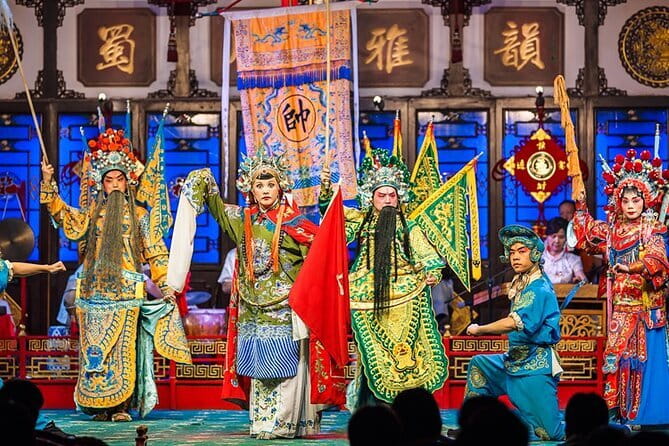
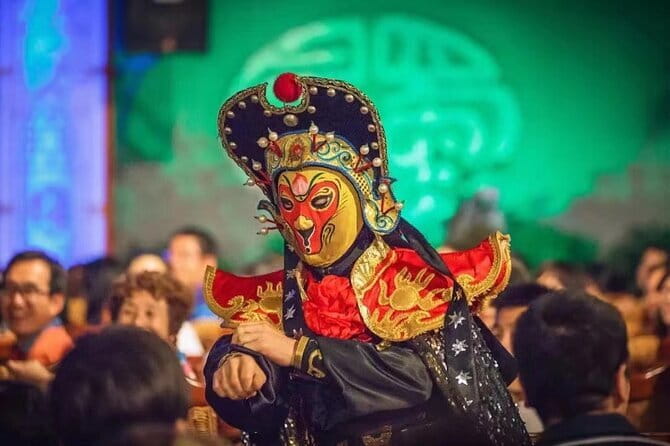
Sichuan opera is best known outside China for bian lian, or face-changing. The performer appears in colorful opera dress and shifts from one painted face to another in an instant. The movement is so quick that you may find yourself watching the hands, sleeves, and head position for clues, only to miss the change.
I would treat this as a stage art rather than a trick show. The masks are tied to character and mood, and the changing faces sit within a larger opera program. That matters because the most rewarding part of the evening is not only asking how the change happened. It is seeing how the performer uses posture, music, costume, and timing to build a character.
The face-changing segment receives the strongest praise, and rightly so. It is easy to follow even if you do not speak Chinese. You do not need a long explanation of Sichuan opera to understand the surprise of a new face appearing before you.
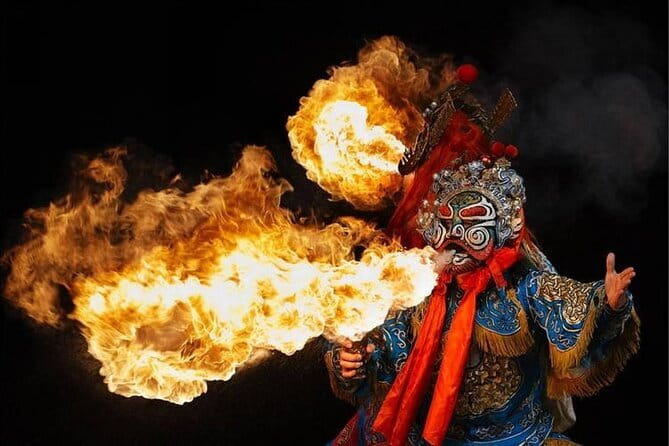
The show also includes fire breathing, another crowd-catching act. It brings a sharp burst of danger to an evening that otherwise moves between music, theater, dance, and tea. If your main goal is to see face-changing and fire breathing in one convenient performance, this program covers both.
A few more tea experiences around China worth a look
- One-Day Hangzhou Dragon Well Tea Culture & West Lake Private Tour
★ 5.0 · 98 reviews - Traditional Chinese Tea Ceremony Experience
★ 4.7 · 74 reviews - Beijing: Dumpling Making Workshop with Meal and Tea
★ 4.7 · 69 reviews
Shufeng Yayun and its old Chengdu setting
The venue is Shufeng Yayun, a Sichuan opera house established in 1998. It is located within Qingyang Palace, in an area associated with traditional Chengdu culture and old-style architecture.
The setting is not presented as a modern concert hall. Its simple design has a quieter, more formal feel, with the atmosphere of an old Sichuan pear garden. That setting helps the performance make sense. You are not simply watching a stage show in a generic theater. You are sitting in a place built around local opera and folk entertainment.
The building and grounds have long been linked with Sichuan opera performers. Even if you know little about the art form, the environment gives the evening more character. After a day spent among Chengdu’s broad streets, modern shops, or panda-themed attractions, the opera house offers a slower change of pace.
The location at 132 Qin Tai Lu is convenient for a central Chengdu evening. It is close to Qingyang Palace and within reach of Wuhou Shrine and Du Fu Thatched Cottage. The start time is 8:00 pm, so you can place it after daytime sightseeing without giving up a full day elsewhere.
What happens during the 80-minute program
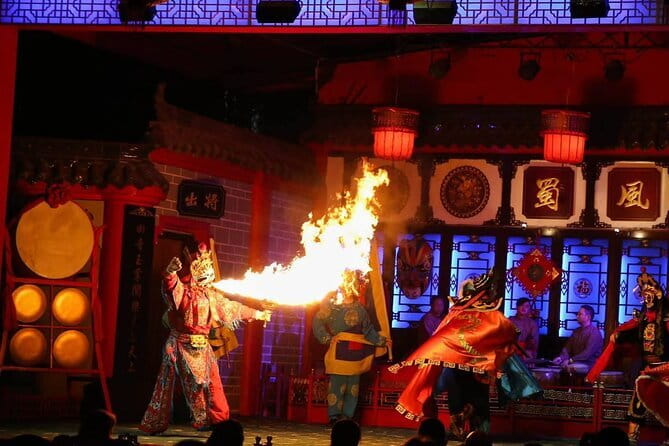
The performance lasts about 80 minutes. That is long enough to offer variety, but short enough to fit neatly into a busy itinerary.
The evening begins with Nao Tai, an opening drum and gong performance. This sets the rhythm and announces that the quieter tea service is about to give way to theater. The percussion has a ceremonial role, but it also wakes up the room and prepares you for the quick changes in pace that follow.
A one-act play comes next. Without relying on a long translated story, you can focus on the acting style, gestures, costumes, and music. If you do not understand every word, you will still see how Sichuan opera communicates through movement and expression.
The program also includes a huqin performance. The huqin is a traditional Chinese stringed instrument, and its sound offers a useful contrast to the heavier drums and gongs. This kind of musical interlude gives you a clearer sense of the performance traditions behind the opera, rather than treating the evening as a string of stunts.
Face-changing is the major draw, but it is not the only stage skill on offer. Fire breathing adds suspense, while shadow puppetry brings a more delicate form of storytelling. Dance and other folk arts round out the program. The mix keeps the show moving and gives you several ways into Sichuan culture.
The precise order of every segment may vary, so I would not plan around a minute-by-minute schedule. Think of the program as a compact introduction to local opera and folk performance, with face-changing as its most famous feature.
Tea, opera, and the slower side of Chengdu
A covered-bowl tea, called gaiwan cha, is included with admission. The gaiwan consists of a bowl, lid, and saucer. You lift the lid slightly to drink while keeping the tea leaves in place.
This is more than a free beverage. Tea houses have long been part of Chengdu’s social life, and the covered bowl fits the city’s relaxed pace. The opera supplies noise, color, and sudden action. Tea gives you a small ritual to repeat between acts.
You may find it easiest to enjoy the tea before the most active sections begin, then watch the stage without worrying about spilling it. The included bowl is a welcome touch at this price, though additional drinks and food from the on-site menu are not included.
The tea also helps make the experience suitable for people who want something gentler than a loud evening show. You can sit back, take in the setting, and let the program move from percussion to opera, music, costume, and physical performance.
Same place, a different pot:
- Beijing Culture: Tea Ceremony, Heritage Instrument & Calligraphy
★ 5.0 · 57 reviews - Tea Tasting and Pairing Concept Workshop
★ 5.0 · 57 reviews - Biking Real Shanghai& Tea Tasting Experience
★ 4.5 · 45 reviews - Tea Village in lost Town and Buddha 1 day tour
★ 5.0 · 32 reviews
Choosing between standard and VIP tickets
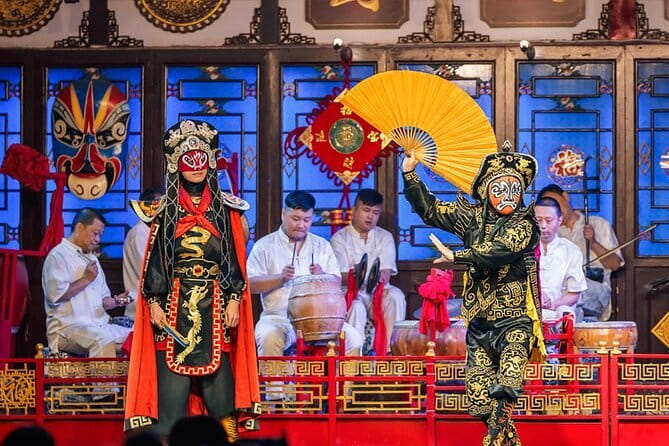
The standard admission includes the Sichuan opera ticket and one complimentary bowl of covered-bowl tea. For many people, that is enough. If your goal is to see face-changing, fire breathing, and the main stage program, the basic ticket keeps the cost low.
The VIP option adds a costume dressing experience. You can try traditional opera clothing, which gives the evening a more hands-on quality. It is especially appealing if you enjoy cultural activities that go beyond sitting in an audience.
VIP also includes a choice of one extra: a back massage, ear cleaning, or drama bookmark. These options reflect old-style tea house entertainment, where a visit could include small personal services as well as tea and performances.
Do not assume that costume photography is included. Dressing and photography with makeup and a background are listed as separate paid extras. If photographs are important to you, budget for that separately and confirm the available package when booking.
The choice comes down to your priorities. I would choose standard admission if you want a focused evening of opera at a low price. I would consider VIP if the costume experience, traditional personal service, or a keepsake matters as much as the show.
How the $18 price measures up
At $18, this is one of the easier cultural purchases to justify in Chengdu. You receive admission to an 80-minute performance and a bowl of Gaiwan tea. The program includes several distinct arts, so you are not paying for one short face-changing appearance followed by an empty stage.
The value is strongest for a first visit to Chengdu. You can sample Sichuan opera, folk music, fire performance, shadow puppetry, dance, and tea without arranging separate activities. The central location also saves planning time.
The price does not cover extra menu items or costume photography. Those additions may be worthwhile, but the base ticket remains the useful comparison point. If you are watching your budget, bring your attention to the included program and tea rather than building the evening around optional purchases.
The short duration also has value. An 80-minute show is long enough to feel substantial, yet it will not take over your entire night. That makes it a practical choice after dinner or after visiting a nearby attraction.
What the performance feels like in practice
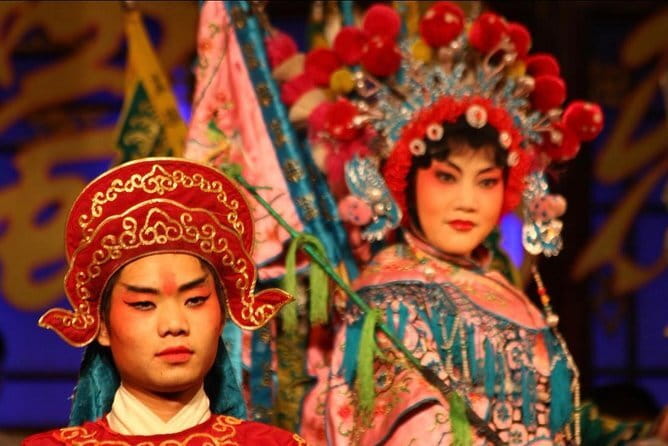
The show moves between quiet and dramatic moments. A huqin piece or tea break can feel calm, then a burst of percussion or fire brings the room to life. That variety is one reason the program works for people with different interests.
The seating has been described as comfortable, and the theater is intimate rather than enormous. You should have a clearer connection to the performers than you would in a large modern auditorium. The setting, tea, and close stage make the evening feel personal.
You should also set your expectations about language. The experience information does not promise English translation, and the program includes traditional opera. If you want a detailed plot, you may need to rely on gestures, music, and context. If you are happy to watch the craft of performance, language is less of a barrier.
This is not a quiet museum visit. Drums, gongs, fire, and fast movement are central to the program. Yet it is not simply a loud spectacle either. The combination of tea and traditional arts gives it a slower Chengdu character.
Who should book this evening
I would recommend it to first-time Chengdu visitors who want a manageable introduction to Sichuan opera. It suits you if you like live performance, traditional costume, music, or cultural activities that do not require a full day.
Families may appreciate the clear visual appeal of face-changing, fire breathing, and shadow puppetry. The 80-minute format is also easier to fit around other plans than a long theater production.
Couples and solo visitors can use it as a relaxed evening activity. The tea makes it less formal than a standard theater performance, while the historic setting gives the night a sense of place.
You may want to skip it if you need a fully translated opera with a detailed narrative. You may also find the program too brief if you are already deeply familiar with Sichuan opera and want a serious, full-length production. For most people, though, it works as an introduction rather than a final word on the art.
Practical details before you go
The listed start time is 8:00 pm, and the ticket redemption point is Shufeng Yayun at 132 Qin Tai Lu, Qingyang District, Chengdu. The venue is near public transportation, which makes it easier to reach without arranging a private transfer.
Confirmation is normally provided at booking. If you book within one day of the performance, confirmation is sent as soon as possible and depends on availability. I would avoid leaving this until the last minute if the show is important to your schedule.
The experience requires a minimum number of participants. If that minimum is not met, you are offered another date or experience, or a full refund. Poor weather can also lead to a date change or full refund.
You can cancel for a full refund up to 24 hours before the start time. Cancellations or changes made within 24 hours are not refunded or accepted. The cut-off follows Chengdu local time, so check the clock carefully if you are booking from another time zone.
Should you book Shufeng Yayun?
Book it if you want a reasonably priced evening built around face-changing, fire breathing, and tea rather than a long formal opera. The central location, 80-minute schedule, and included Gaiwan tea make it easy to add to a Chengdu sightseeing plan.
Choose the standard ticket for the best simple value. Choose VIP if dressing in opera costume, trying a back massage or ear cleaning, or taking home a drama bookmark sounds worth the extra cost. Just remember that costume photography and added food or drinks are separate.
I would not book it expecting a fully explained theatrical story. I would book it expecting a lively introduction to Sichuan performance in an old Chengdu setting, with enough variety to make the evening feel complete.
FAQ
Where does the Sichuan opera performance take place?
It takes place at Shufeng Yayun, located at 132 Qin Tai Lu in Qingyang District, Chengdu, within the Qingyang Palace area.
What time does the experience start?
The listed start time is 8:00 pm.
How long does the performance last?
The Sichuan opera program lasts about 80 minutes, or approximately 1 hour and 20 minutes.
What is included in the standard ticket?
The standard ticket includes admission to the Shu Feng Ya Yun Sichuan opera performance and one complimentary bowl of covered-bowl tea.
Is Gaiwan tea included?
Yes. A complimentary bowl of traditional covered-bowl tea is included with the ticket.
Does the show include face-changing?
Yes. Face-changing is one of the main Sichuan opera acts included in the program.
Does the performance include fire breathing?
Yes. Fire breathing is included among the performances.
What does the VIP ticket add?
The VIP ticket includes a traditional costume dressing experience and a choice of a back massage, ear cleaning, or drama bookmark.
Is costume photography included?
No. Costume dressing photography with makeup and a background is not included and requires an additional payment.
Can I cancel for a refund?
Yes. You can receive a full refund if you cancel at least 24 hours before the scheduled start time. Cancellations within 24 hours are not refunded.
Just added around China
- Xi’an Chinese Calligraphy Workshop: Ink Art & Tea Tasting★ 5.0 · 4 reviews
- Xi’an Noodle Making and Tea Tasting Experience★ 5.0 · 6 reviews
- Half-day Tour: Largest Tea Plantation & Amazing Xianggong Hill★ 5.0 · 9 reviews
- Xi’an Calligraphy & Tea Ceremony – Dive into Ink & Brush Artistry★ 5.0 · 4 reviews
- Full-day Tour: Spectacular Sunrise, Tea Plantation & Sunset★ 5.0 · 3 reviews
- 3 hours Xi’an Mahjong Class with Local Tea★ 5.0 · 2 reviews
- Shanghai Mahjong Experience in Local Tea Bar★ 5.0 · 4 reviews
- Unlock Chinese Tea: Culture, Science, Tasting & Hands-on Brewing★ 5.0 · 12 reviews
Chengdu Tea Experiences, compared.
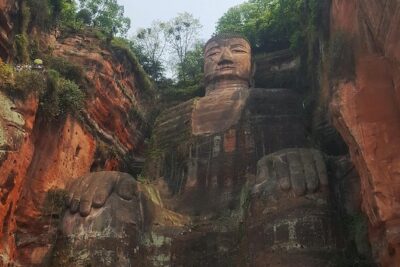
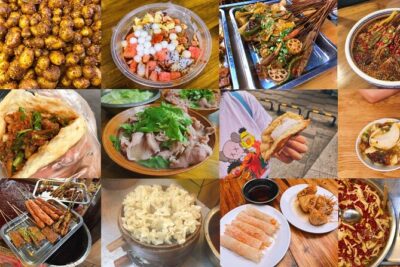
Leshan Buddha + Panda Base or Old Tea House Private Day Tour
Read our review →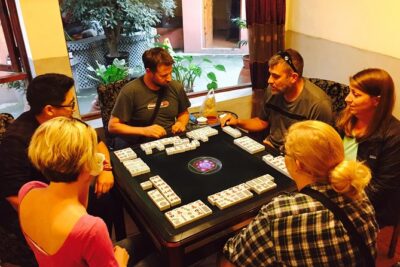
Half-day Private Mahjong course in Local Tea House
Read our review →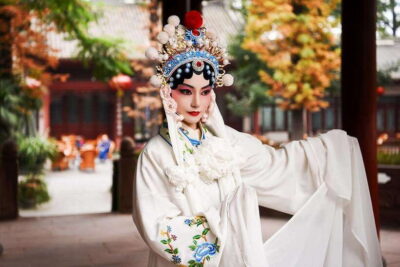
Sichuan Opera Show ShufengYayun & Covered Bowl Tea
Read our review →
Experience Chengdu: Private Tea-Making Day Tour of Mengdingshan Tea Plantation
Read our review →
Three-Hour Private Chengdu Tea Wholesale Market Tour
Read our review →
One-Day Leshan Giant Buddha and Tea Terrace Tour In Lost Town
Read our review →
Exploring Tibetan Tea· 2DAYS Sichuan Last Primitive Ancient Town
Read our review →Browse the lists this tour appears in