
Review · SHANGHAI
Afternoon Tea and Dessert Tour on the Huaihai Road in Shanghai
Shanghai’s sweet side comes into focus on this three-hour walk. You’ll move from moon cakes and pastry shops to a traditional tea ceremony, then finish with Cantonese desserts such as milk pudding, mango purée, and almond tofu. It is a food tour, but it also explains the customs behind what you are eating.
I like the small-group format and the chance to taste tea properly rather than simply ordering a pot in a café. I also like the route through Huaihai Road, Xintiandi, and the Former French Concession, which keeps the afternoon tied to central Shanghai. The main drawback is that this is a tasting walk, not a full meal, and anyone with strict dietary needs should contact the operator before booking.
Key points to know before booking
- Two pastry stops: Sample different mooncakes and learn why their round shape is linked with family reunions and the Mid-Autumn Festival.
- Tea ceremony included: Taste several Chinese teas, including pu-erh, ginseng oolong, jasmine, and Fujian black tea.
- A useful cultural lesson: The guide explains tea etiquette, cup sizes, water temperatures, rinsing, and repeated infusions.
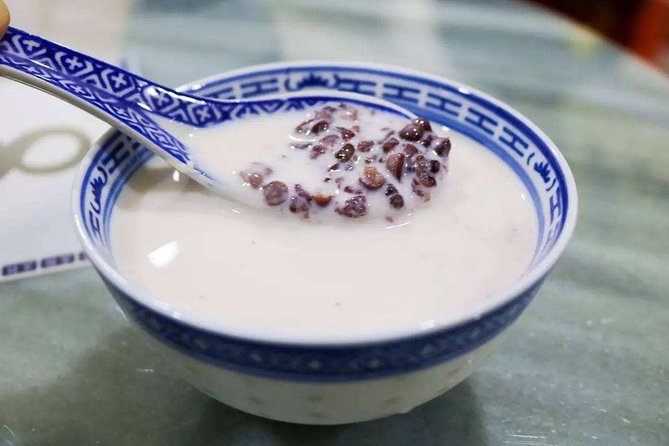
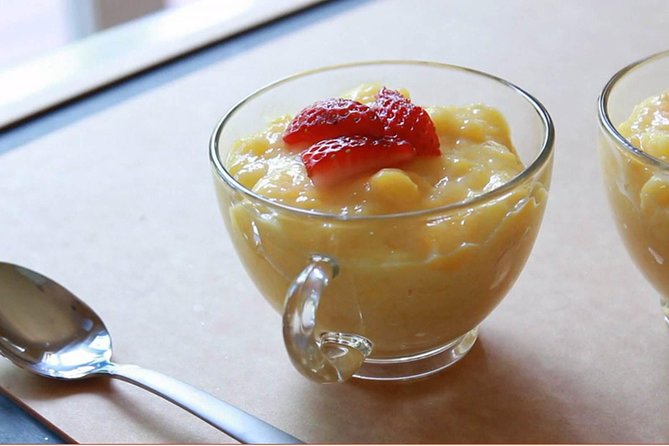
- Dessert finish: Try Cantonese cold sweets such as milk pudding with purple sticky rice, mango purée, papaya, mousse cake, and almond tofu.
- Compact afternoon schedule: The tour starts at 2:00pm, lasts about three hours, and finishes in the French Concession.
- Small group, with a detail to check: Bookings are limited to 10 people, while the activity information gives a maximum of 15, so confirm the expected group size if that matters to you.
Why Huaihai Road is a good place to start
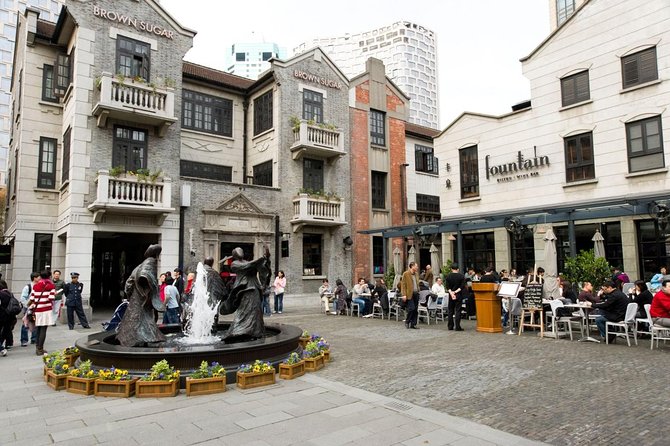
The tour begins at 2:00pm near 333 Huai Hai Zhong Lu in central Shanghai. Huaihai Road is best known as a shopping street, but this walk uses it as a doorway into local food habits. You are not simply passing between restaurants. You are learning why certain sweets appear at particular times of year and how tea fits into daily life.
The first part lasts about 45 minutes. Expect an easy stroll with stops at two pastry shops. The route is practical for a short afternoon because you do not spend much time moving between distant parts of the city. You can put your attention on the food, the guide’s explanations, and the street around you.
This is a good introduction if you are still finding your bearings in Shanghai. It gives you a taste of the city without asking you to commit to a long evening meal or a full-day food crawl. You should still wear comfortable walking shoes, since the experience takes place outdoors as well as inside the tasting stops.
More Afternoon Tea Experiences in China:
- Shanghai 3-Hour Afternoon Tea Tasting and Dessert Tour
★ 4.9 · 15 reviews - 3-hour Morning/Afternoon Tea Tasting on Maliandao Street & Dimsum
★ 5.0 · 7 reviews - Classic Afternoon Tea Voyage in Hong Kong for 4 Pax
★ 4.0 · 4 reviews
Mooncakes at two local pastry shops
Mooncakes are the first real tasting of the afternoon. These round pastries can contain sweet or savory fillings, and their shape traditionally suggests family reunion. They are especially associated with the Mid-Autumn Festival, when families share them with tea.
Tasting mooncakes at two pastry shops gives you a useful comparison. You can try more than one style rather than assuming that every mooncake tastes the same. The pastry may be familiar, but the filling can change the whole experience, from rich and sweet to more unusual savory combinations.
The tea connection is important. Mooncakes are often served with tea because the drink helps balance their dense pastry and filling. That pairing prepares you for the next part of the tour, where tea becomes the main subject rather than a side drink.
The pastry stops are also one reason to avoid treating this as a late lunch. Mooncakes can be filling, especially when combined with the later desserts. Eat a light meal beforehand if you tend to get hungry, but leave room for the full tasting sequence.
Tea ceremony near Xintiandi
After the pastry shops, you sit down at a tea house near Xintiandi for about an hour. This is the longest stop and the cultural center of the afternoon. The guide explains how tea developed in China, how different regions became associated with different varieties, and how tea drinking later became popular in the West during the 1800s.
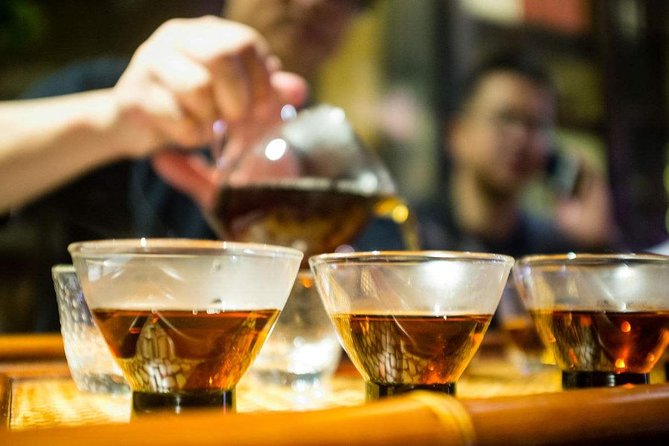
The ceremony includes several teas, with examples such as pu-erh, ginseng oolong, jasmine tea, and black tea from Fujian. These are not interchangeable drinks. Their flavor, aroma, and preparation can vary greatly, and the tea house setting gives you time to notice those differences.
You will also learn why different cups are used and why water temperature matters. A tea that needs cooler water can lose its finer flavors if prepared too hot. The lesson makes tea service easier to understand when you encounter it later in China, instead of leaving you to guess why a tea master uses several small vessels.
One particularly useful part of the experience is seeing how flavor changes through repeated rinses and refills. Guide Jim has been praised for explaining tea and showing how a tea master prepares several varieties. His approach, according to the supplied tour information, includes the art of serving and drinking tea, not just a list of tea names.
That makes this stop valuable even if you are not a serious tea drinker. You do not need prior knowledge. You only need to pay attention to the sequence and taste carefully. If you already enjoy tea, the ceremony gives you a better framework for understanding what is in your cup.
The tea stop is also a welcome pause from walking. You can sit down, listen, and let the afternoon slow down. The experience is described as relaxing, which fits the structure: short walk, seated ceremony, then a final dessert stop.
A Cantonese dessert finish in the Former French Concession
The final stop takes you to a Cantonese dessert restaurant in the Former French Concession. This part lasts about 45 minutes and shifts the focus from baked pastries and hot tea to chilled, soft, and fruit-based sweets.
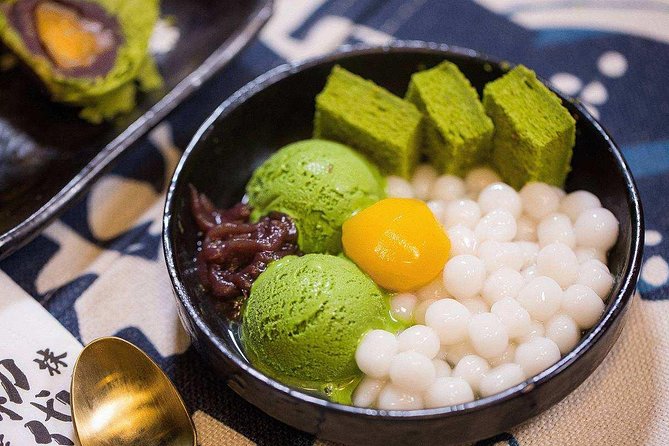
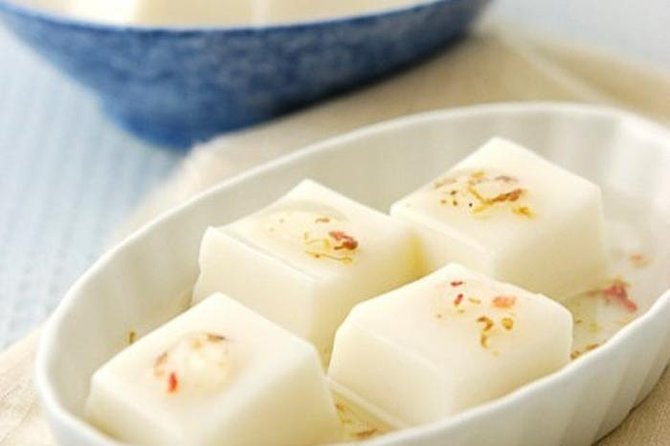
The tasting may include milk pudding with purple sticky rice, jellied mousse cake, papaya, mango purée, and almond tofu. These desserts offer different textures as well as flavors. Some are creamy, some gelatinous, and some are built around fruit or lightly sweetened soy-based pudding.
Mango purée and almond tofu are especially useful examples of how Cantonese desserts differ from Western cakes and pastries. You are not simply finishing with another slice of cake. The selection shows a preference for cool desserts, tender textures, fruit, and gentle sweetness.
This stop should suit you if you enjoy trying several small portions. It may be less appealing if you want one large, rich dessert or if you prefer strongly sweet flavors. The food is a continuation of the tea and pastry theme, not a separate restaurant meal.
The tour ends in the French Concession rather than returning you to the starting point. That is convenient if you want to continue exploring the area afterward. It also means you should plan your route home or to your next sight before you start.
More Dessert Stops in China:
- Matcha Making Class in Tokyo with Authentic Japanese Sweets Set
★ 5.0 · 744 reviews - Matcha Making Class in Osaka with Authentic Japanese Sweets Set
★ 5.0 · 509 reviews - Tokyo: Matcha Making Experience with Mochi Sweets in Asakusa
★ 4.9 · 388 reviews - Kyoto: Japanese Traditional Sweets Making and Tea Ceremony
★ 4.4 · 314 reviews
What the $82 price gives you
At $82 per person, the tour is not the cheapest way to buy tea and dessert in Shanghai. The value comes from the combination of tastings, a guided tea ceremony, and local context in a small group.
If you visited the pastry shops, tea house, and dessert restaurant on your own, you could likely spend less on food. You would not necessarily receive an explanation of mooncake customs, tea etiquette, water temperature, regional varieties, and the connection between the foods. You would also need to choose the stops yourself and handle the language and ordering details.
I see the price as reasonable for a visitor who wants an organized cultural introduction rather than a simple snack outing. The tour is less good value if you already know Shanghai’s tea houses, understand Chinese tea preparation, or mainly want a substantial meal.
The included items are the local guide, food tastings, desserts, and afternoon tea ceremony. Hotel pickup and drop-off are not included, so you need to reach the starting point yourself and arrange transport after the tour. The route is near public transportation, which helps keep those extra costs and planning manageable.
Group size and guide style
The experience is designed as a small-group tour, with bookings limited to 10 people. The general activity information also gives a maximum of 15, so there is a small inconsistency worth checking when you book. A group of 10 or fewer should make it easier to hear the guide during the walk and ask questions at the tea house.
The strongest praise centers on the guides, particularly Jim. He is described as passionate, friendly, and informative, with a talent for showing visitors places and experiences they might not find alone. That matters here because the food itself is only half of the experience. The explanations connect each tasting to a custom or technique.
You should also expect a social afternoon rather than a private lesson. Children must be accompanied by an adult, and children under three can join free. Most people can participate, but the tour does involve walking, standing, and moving between stops.
Specific dietary requirements should be given when booking. The available information does not promise substitutions, so do not assume that every pastry or dessert can be changed to suit an allergy or special diet.
Timing, weather, and what to wear
The tour starts at 2:00pm and runs for about three hours. That timing works well if you want to spend the morning at a museum or market, then have a gentle food-focused afternoon. It also leaves you in the French Concession in the early evening, when you can continue exploring or arrange dinner elsewhere.
The tour operates in all weather. Shanghai’s conditions can change, so dress for the forecast and bring suitable protection if rain is expected. Comfortable walking shoes are the most important practical choice.
A mobile ticket is provided, and confirmation is received at booking. You meet the guide at the stated Huai Hai Zhong Lu address. Hotel pickup is not part of the service, so allow enough time to reach the meeting point in central Shanghai.
Free cancellation is available if you cancel at least 24 hours before the local start time. Changes or cancellations made within 24 hours are not accepted for a refund.
Who will enjoy this afternoon most
I would choose this tour for a first visit to Shanghai, especially if you want an easy introduction to Chinese tea and sweets without spending an entire day on food. It also suits anyone who enjoys learning the story behind a dish, not just taking a quick bite and moving on.
It is a good match for couples, friends, and solo visitors who like small groups. The seated tea ceremony adds a calm break, while the walking sections keep the afternoon from feeling like a restaurant crawl.
Families can join, since children are allowed with an adult, but the experience is built around tasting and explanation rather than entertainment for young children. Very young children may not be interested in a full tea ceremony.
You should think twice if you need a full lunch, dislike sweet foods, or have serious dietary restrictions that require confirmed substitutions. The tour includes several sweet tastings, and the food is the central feature.
Should you book the Huaihai Road tea and dessert tour?
Book it if you want a compact, well-organized introduction to Shanghai’s tea customs, mooncakes, and Cantonese desserts. The best reason to go is the combination of foods and instruction: you taste mooncakes at two shops, learn how tea is prepared and served, and finish with a range of chilled sweets.
The tour is also a smart choice if you value a guide who can explain what you are seeing. Jim is specifically associated with the tea-focused experience, and the tour format allows time for questions and repeated tastings.
Skip it if you want a large savory meal, a private tour, or a broad survey of Shanghai cuisine. At $82, the cost makes sense when you value the guide and ceremony, not simply the amount of food. For the right visitor, it is a relaxed afternoon with enough flavor and context to make later tea stops much more rewarding.
FAQ
How long does the tour last?
The tour lasts approximately three hours. The listed stops include about 45 minutes on Huaihai Road, one hour at the tea house, and 45 minutes at the Cantonese dessert restaurant.
What time does the tour begin?
The tour starts at 2:00pm.
Where does the tour begin?
The meeting point is 333 Huai Hai Zhong Lu, Huang Pu Qu, Shanghai, China, 200021.
Where does the tour end?
The tour ends in the French Concession in Xuhui District. Hotel drop-off is not included.
What foods and drinks are included?
The experience includes mooncakes from two pastry shops, an afternoon tea ceremony, and Cantonese desserts. Tea examples include pu-erh, ginseng oolong, jasmine tea, and black tea from Fujian.
Is this a private tour?
No. It is a small-group experience. A maximum of 10 people per booking is given, while the activity information lists a maximum of 15 people.
Can children join?
Yes. Children must be accompanied by an adult, and children under three can join free.
Can I cancel for a refund?
Yes, if you cancel at least 24 hours before the experience start time. Cancellations or changes made less than 24 hours before the start are not accepted for a refund.
Just added around China
- Xi’an Chinese Calligraphy Workshop: Ink Art & Tea Tasting★ 5.0 · 4 reviews
- Xi’an Noodle Making and Tea Tasting Experience★ 5.0 · 6 reviews
- Half-day Tour: Largest Tea Plantation & Amazing Xianggong Hill★ 5.0 · 9 reviews
- Xi’an Calligraphy & Tea Ceremony – Dive into Ink & Brush Artistry★ 5.0 · 4 reviews
- Full-day Tour: Spectacular Sunrise, Tea Plantation & Sunset★ 5.0 · 3 reviews
- 3 hours Xi’an Mahjong Class with Local Tea★ 5.0 · 2 reviews
- Shanghai Mahjong Experience in Local Tea Bar★ 5.0 · 4 reviews
- Unlock Chinese Tea: Culture, Science, Tasting & Hands-on Brewing★ 5.0 · 12 reviews
Afternoon Tea Experiences, compared.


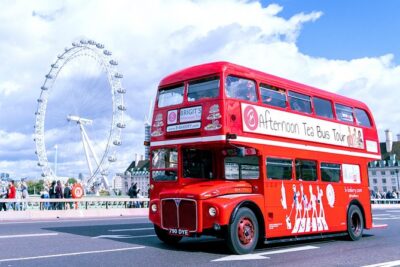
Afternoon Tea Bus Tour – 1960s Routemaster Bus
Read our review →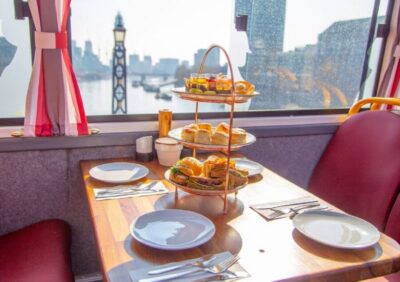

Browse the lists this tour appears in