
Review · BEIJING
Beijing:Learn Calligraphy & Enjoy Kung Fu Tea Ceremony
The most appealing part of this Beijing activity is its hands-on focus. You do not simply watch a tea demonstration or admire finished calligraphy. You brew tea with traditional utensils or guide a brush across paper, with an English-speaking teacher explaining each step.
I like the choice between tea and calligraphy, and I like that both options include tea, snacks, and expert instruction. The main consideration is that transportation is not included, and the meeting point changes with the option you book.
Key points
- Two distinct classes: Choose Kung Fu tea or Chinese calligraphy rather than trying to squeeze both into a rushed lesson.
- English-speaking instruction: A certified tea teacher or professional calligraphy teacher explains the details without relying on a translator.
- Traditional tea setting: Study tea leaves, storage, brewing, and utensils in a dedicated tea space.
- A personal keepsake: Calligraphy students create a scroll to take home.
- Good value at $48: The price covers two hours, instruction, tea, snacks, and class materials.
- Easy for beginners: No previous experience is needed, and children under five are not admitted.
Choosing Between Tea and Calligraphy in Beijing
This is really two experiences under one booking. The tea option suits you if you enjoy tasting, comparing, and learning the small rituals behind an everyday Chinese custom. The calligraphy option suits you if you want a quiet creative lesson and a physical souvenir.
Both classes take place in a traditional cultural space rather than a large sightseeing attraction. That matters because the setting is part of the lesson. Tea tables, cups, pots, brushes, ink, paper, and inkstones give you useful context before you begin.
You should choose carefully when booking. The meeting point may vary according to your selected option, so check the exact details before setting out. Transportation, hotel pickup, and personal expenses are not included.
More Tea and Calligraphy Classes in Beijing:
- Beijing Culture: Tea Ceremony, Heritage Instrument & Calligraphy
★ 5.0 · 57 reviews - Beijing Culture Event: Tradition Music, Tea Ceremony, Calligraphy
★ 5.0 · 11 reviews - Beijing Hands-On Culture Tour: Tea, Instrument, Calligraphy
★ 5.0 · 6 reviews
The Kung Fu Tea Ceremony: A Lesson in Taste and Technique
The tea class introduces the Chinese Kung Fu tea ceremony, a careful brewing method that values control, timing, and presentation. The word Kung Fu here refers to skill developed through practice, not a martial arts lesson.
You begin with the tea itself. The class covers the six major types of Chinese tea, along with tea classification, storage, and ways tea is purchased and appreciated in daily life. This gives you more than a tasting session. You learn why different leaves need different treatment and why storage can affect the final cup.
The teacher also explains brewing technique. You can expect attention to water, steeping, pouring, and the order in which tea utensils are used. Since the class is hands-on, you get to practice rather than simply watch someone perform the ceremony.
I especially like the chance to handle several kinds of tea equipment. The session may introduce simple gaiwans as well as more intricate Yixing teapots. A gaiwan is a lidded bowl used for brewing and pouring tea. Yixing teapots are made from a special type of clay and are closely linked with Chinese tea culture.
The utensils are not there just for decoration. They help show how tea preparation can change from a simple daily drink to a careful social practice. You learn what each piece does and how tea is served, stored, and enjoyed across Chinese society.
Tea and snacks are included, so you can focus on the lesson instead of wondering about extra charges during the class. The tasting gives you a chance to compare flavors and ask questions while the information is still fresh.
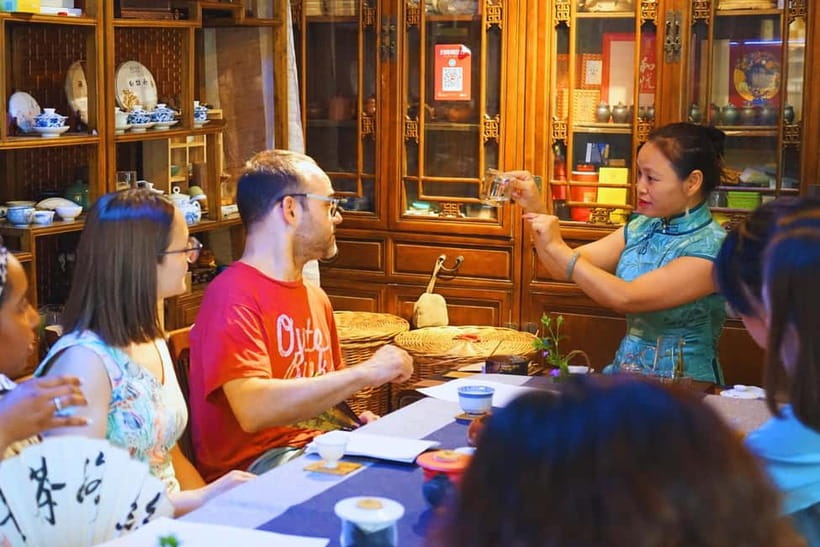
A recent session led by Charlotte was praised for its welcoming tea-filled room, the many teapots and cups on display, and her willingness to answer questions. That detail is useful if you care about the feel of the setting. This is designed as a real tea space, not simply a bare classroom with a few samples on a table.
What Makes the Tea Class Worth Your Time
The biggest benefit is context. You may already drink Chinese tea, but it is easy to treat green, black, oolong, white, yellow, and dark teas as one broad category. This class helps separate them and gives you a clearer idea of how production, storage, and brewing affect the cup.
The class can also sharpen your eye when shopping for tea later in China. You learn basic ideas about classification and quality, though the experience is not presented as a full tea-buying course. You should see it as a practical introduction that helps you ask better questions.
The English instruction is another strong point. Instead of following a translated script, you can ask about the names of utensils, brewing choices, and tea customs as they come up. That makes a difference in a subject where small details can be lost through translation.
The drawback is simple: tea tasting is personal. If you dislike tea or prefer a fast-moving sightseeing activity, two hours of brewing and discussion may feel slow. The class rewards curiosity and patience more than a packed schedule.
Chinese Calligraphy: Brush, Ink, Paper, and Inkstone
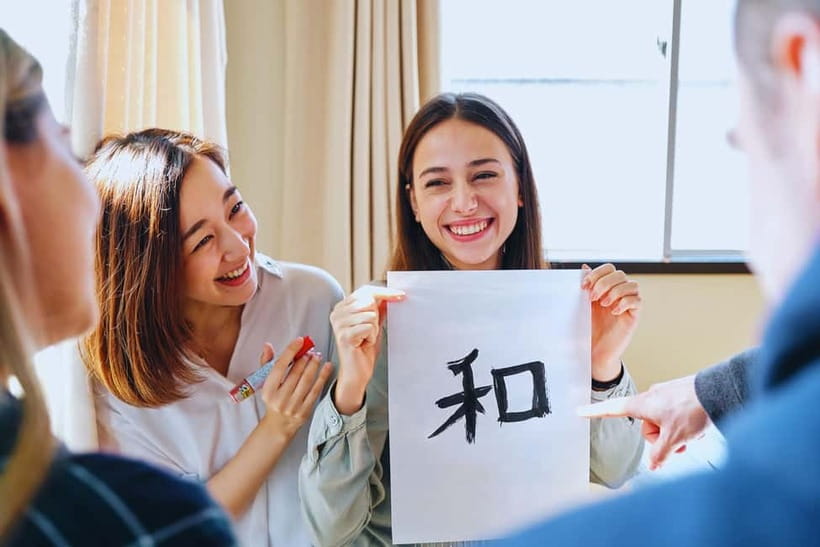
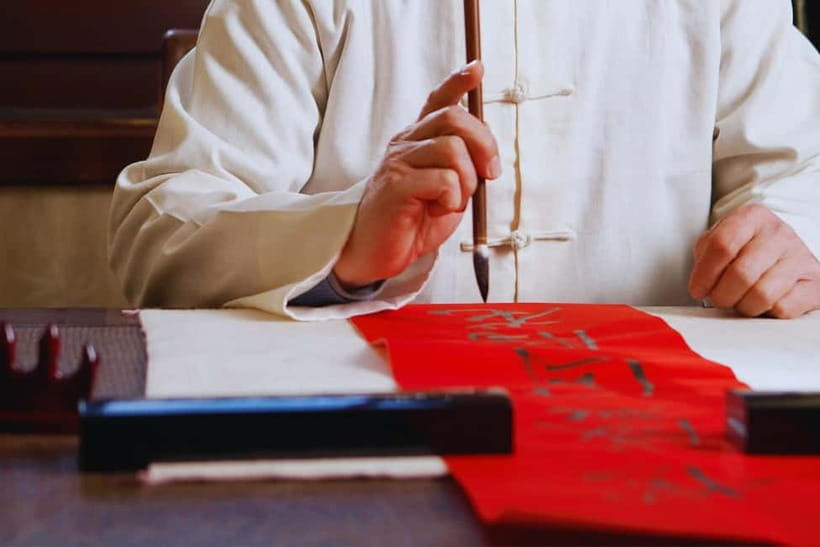
The calligraphy option gives you a quiet introduction to one of China’s most recognizable art forms. You learn how to use the four traditional tools: brush, ink, paper, and inkstone.
The teacher explains calligraphy’s place in Chinese culture and introduces the basic techniques used to write Chinese characters. Expect guided practice rather than a polished professional result. Your aim is to understand how the brush is held, how ink is applied, and how strokes fit together.
This is important because Chinese calligraphy is not simply handwriting with a different alphabet. The direction, order, shape, and pressure of each stroke matter. Even a short lesson can show you why a character’s balance is so carefully considered.
You create your own calligraphy piece during the class and take it home as a scroll souvenir. I like this part because it gives the activity a clear result. You leave with something connected to your own effort, not a mass-produced gift from a shop.
A professional English-speaking teacher guides the practice, so you can ask for help while working. That is especially useful for beginners, since the tools can feel unfamiliar at first. The class is intended for people without prior calligraphy experience.
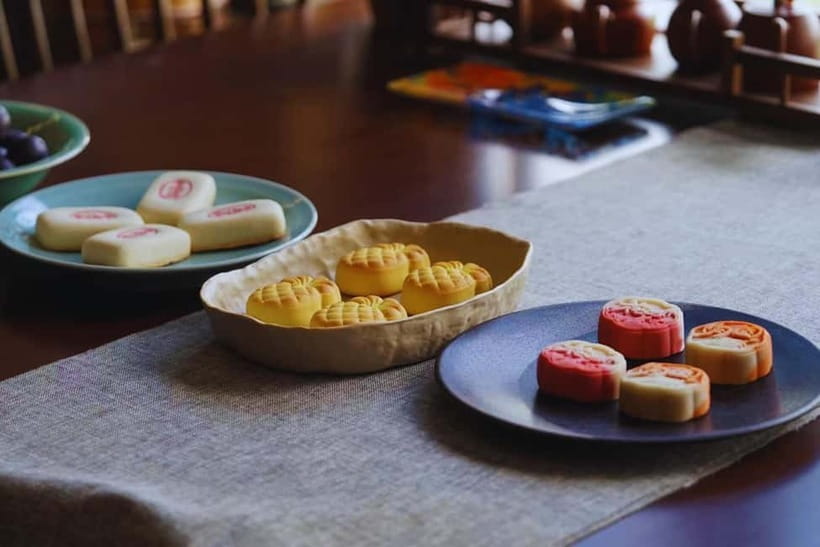
Tea and local snacks are served during the session. They add a relaxed social element and make the class feel like a cultural visit rather than a technical workshop. You should still wear comfortable clothing, since you will be working at a table and handling ink.
More Tea Ceremony Experiences in Beijing:
- Traditional Chinese Tea Ceremony Experience
★ 4.7 · 74 reviews - Chinese Tea ceremony in Beijing Hutong courtyard
★ 4.7 · 26 reviews - Beijing: Temple Of Heaven+Tai Chi Class+Tea Ceremony
★ 5.0 · 8 reviews - Traditional Chinese Tea Ceremony Experience
★ 5.0 · 7 reviews
The Two-Hour Rhythm and What You Actually Do
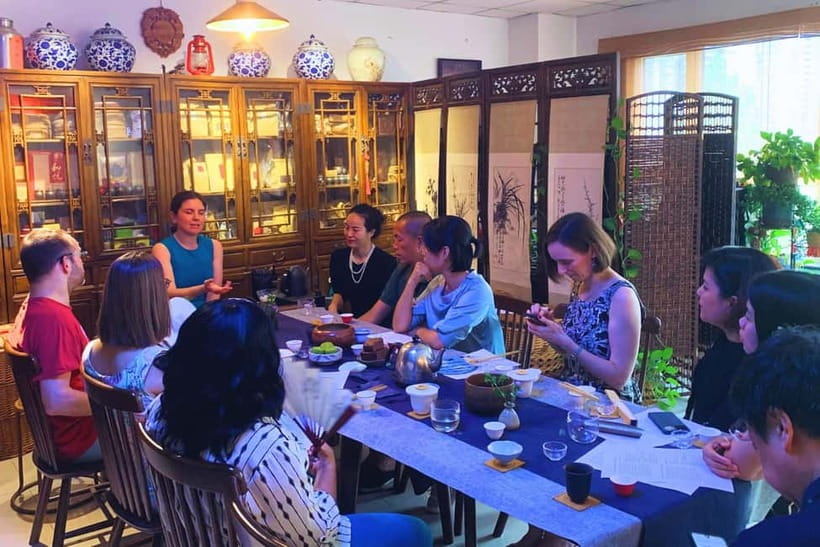
The exact order may vary, but both choices follow a sensible pattern. You arrive at the designated cultural space, meet the English-speaking instructor, and receive an introduction to the subject.
In the tea class, the early part covers tea types, storage, classification, and utensils. The practical section then moves into brewing and tasting. You have time to sample several teas, ask questions, and practice the method.
In the calligraphy class, the teacher first introduces the tools and cultural background. You then practice brush techniques and Chinese characters before producing your final scroll. The stated calligraphy instruction lasts one to two hours, while the overall activity is listed as two hours.
That timing makes this best as a focused cultural stop, not a full-day outing. You can fit it between major Beijing sights, but allow extra time to reach the meeting point because no transportation is supplied.
The class is wheelchair accessible, and smoking is not allowed. Children under five cannot join. Older children may be suitable, but the information provided does not specify a minimum age beyond that restriction, so families should confirm details when booking.
English Instruction Makes the Difference
Both options are designed around direct teaching in English and Chinese. For many people, this is the feature that separates the class from a demonstration watched from the sidelines.
You can ask why a gaiwan is used instead of a teapot, how tea should be stored, or how a brush stroke should begin and end. In the calligraphy class, an English-speaking teacher can correct your technique while you are still holding the brush.
The teaching style also matters for mixed groups. One person may already know something about Chinese tea, while another may be starting from zero. The ability to ask questions in English helps keep the session useful for both.
The instructors are described as professional, with the tea session led by a certified English-speaking tea instructor and the calligraphy session taught by a renowned Chinese teacher with excellent English. That combination gives you cultural information and practical guidance in the same lesson.
Is $48 a Fair Price?
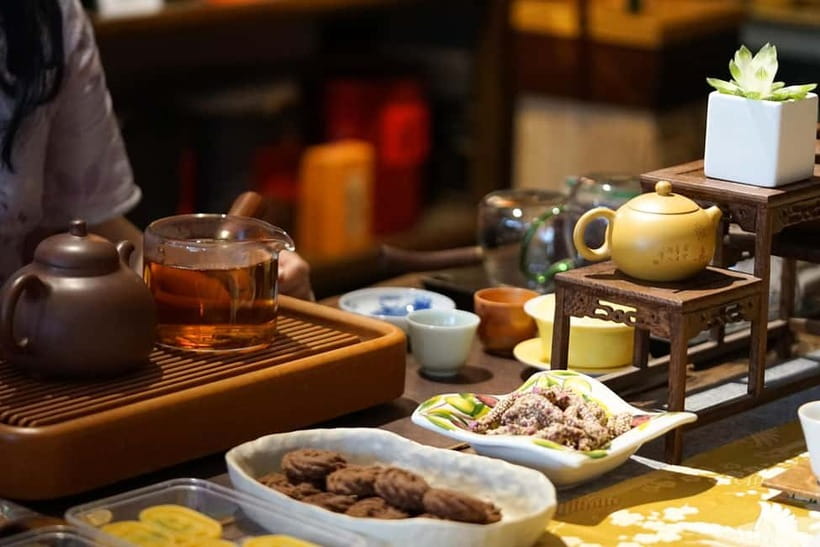
At $48 per person, the value is strongest if you want a small, focused cultural activity rather than a large sightseeing tour. The fee includes two hours of instruction, tea, snacks, and all tea leaves or calligraphy materials used in class.
For calligraphy students, the price also includes the scroll you create. That makes the cost easier to justify if you place value on a personal souvenir and an activity you can remember through practice.
The tea option offers a different kind of value. You taste several interesting teas, learn about the six major categories, and handle traditional equipment in a tea setting. You are paying for access to instruction and a guided tasting, not just for a cup of tea.
The price does not include transportation, hotel transfers, meals beyond the provided tea and snacks, tips, or personal spending. Beijing distances can make transport costs noticeable, so factor those into your budget.
I would consider this good value for a solo visitor, couple, or small group that wants to spend two hours learning one subject properly. It is less useful if you are only looking for a quick photo opportunity or a broad overview of Beijing.
Who Will Enjoy This Most?
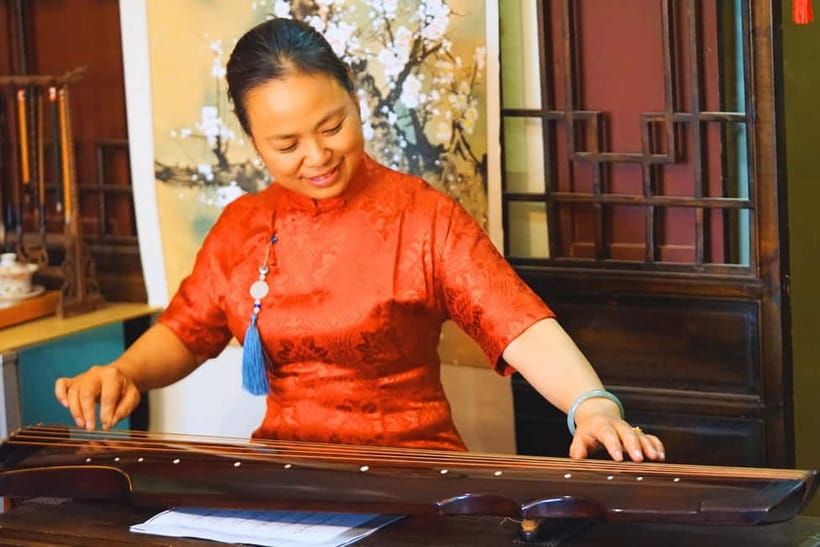
The tea class is a good match for anyone who already enjoys tea or wants help understanding Chinese tea beyond the usual souvenir-shop experience. It also works well for couples and friends because tasting and comparing tea gives you something to discuss as you learn.
The calligraphy class is a better fit if you want a calmer activity with a clear memento. Families with older children may find it appealing, though children under five are not allowed and the activity is not described as a special children’s program.
Solo visitors can also do well here. The English-speaking teacher provides structure, and the small cultural focus gives you an easy way to connect with the subject without needing a full group tour.
You should avoid booking if your schedule is too tight to reach the meeting point, or if you expect both tea and calligraphy in one two-hour session. You choose one option, not both.
Practical Tips Before You Go
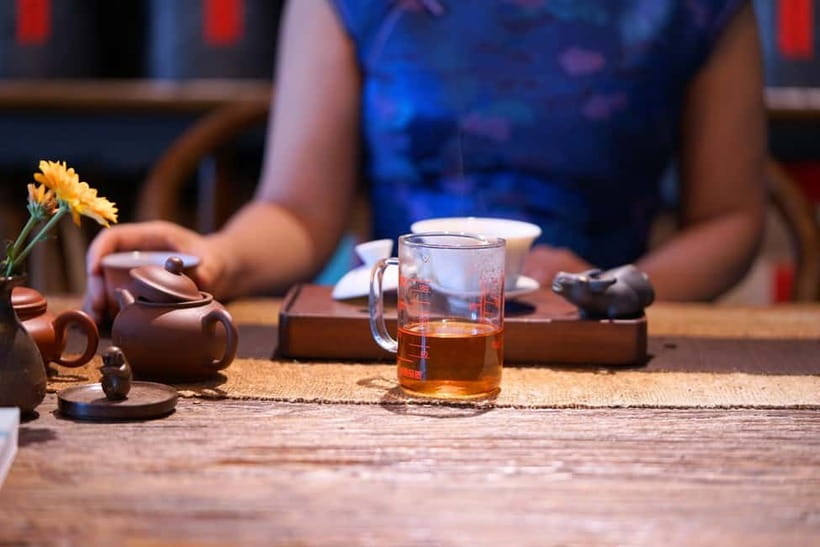
Check the meeting point for your selected option, since it may change between the tea and calligraphy classes. Plan your own transportation and allow enough time to arrive without rushing.
Wear comfortable clothes. The class is hands-on, and you may spend much of the session seated at a table while handling tea utensils, a brush, ink, or paper.
If you choose tea, arrive ready to taste several types and ask questions. The more curious you are, the more you will get from the explanations about storage, classification, and brewing.
If you choose calligraphy, do not worry about producing perfect characters. The value is in learning the tools and basic movements, then taking home a piece made during the lesson.
You can cancel up to 24 hours before the activity for a full refund, and the reserve-now, pay-later option gives you some flexibility while planning your Beijing schedule. Check the available starting times before booking.
Final Recommendation: Should You Book It?
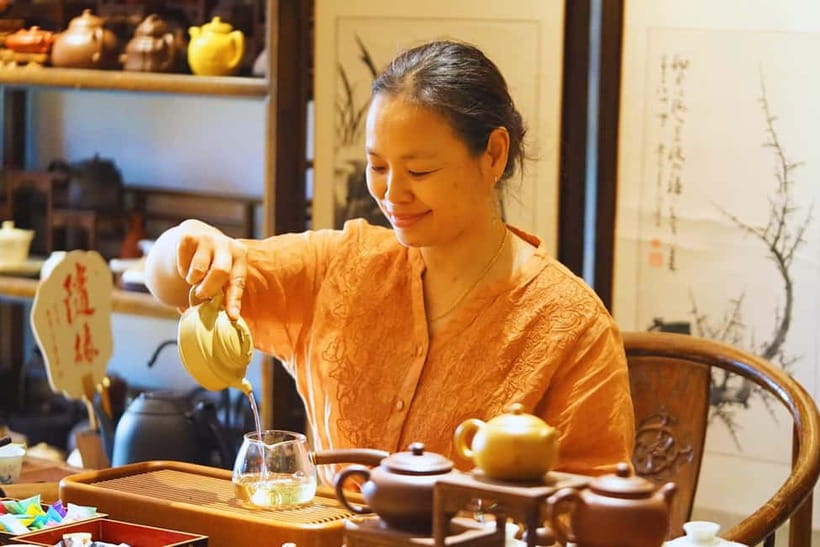
I would book this experience if you want direct contact with Chinese culture and prefer doing something over simply looking at something. The tea class is the stronger pick for tasting, utensils, and social customs. The calligraphy class is the better pick for a personal souvenir and a creative lesson.
The strongest features are the English-speaking instruction, the genuine tea-room setting, the chance to handle traditional tools, and the time to ask questions. Charlotte’s warm welcome and detailed explanations show the kind of personal attention you can expect from a good session.
The main limits are the fixed two-hour focus, the lack of transportation, and the need to choose between tea and calligraphy. If those points suit your plans, $48 buys a useful cultural experience with tea, snacks, instruction, and, for calligraphy students, artwork you make yourself.
FAQ
How long does the experience last?
The activity lasts two hours. The calligraphy instruction is described as lasting one to two hours within that period.
Can I choose between tea and calligraphy?
Yes. You can book either the Chinese Kung Fu Tea Ceremony Experience or the Chinese Calligraphy Experience Class.
Is the instruction available in English?
Yes. Both options are guided by professional English-speaking instructors. Chinese is also available.
Are tea and snacks included?
Yes. Traditional Chinese tea and snacks are included with both options.
Do I need previous experience?
No. The activity is suitable for beginners, and no prior tea or calligraphy experience is required.
Can I take something home?
Calligraphy participants create a scroll during the class and take it home. The tea option is focused on tasting, brewing, and cultural instruction.
Is transportation included?
No. Transportation and hotel transfers are not included. The meeting point may vary depending on the option you book.
Just added around Beijing
- Traditional Chinese Tea Ceremony Experience★ 5.0 · 7 reviews
- Beijing: Mutianyu Great Wall and Tea House Private Tour★ 5.0 · 11 reviews
- Private Beijing Spiritual Tour with Lunch and Tea Ceremony★ 5.0 · 2 reviews
- Private Tour: Tiananmen Area Night Walk with Lao She Teahouse Show★ 5.0 · 3 reviews
- Beijing Culture Event: Tradition Music, Tea Ceremony, Calligraphy★ 5.0 · 11 reviews
- Temple of Heaven Private Tour and Tea Tasting at Maliandao Tea Street★ 5.0 · 2 reviews
- Private Tour to the Temple of Heaven and Tea tasting at the Maliandao Tea city★ 5.0 · 3 reviews
- 3-hour Morning/Afternoon Tea Tasting on Maliandao Street & Dimsum★ 5.0 · 7 reviews
Tea & Calligraphy Classes, compared.
Tea Ceremony, Calligraphy, and Kimono Experience
Read our review →
An Amazing set of Cultural experience: Kimono, Tea Ceremony and Calligraphy
Read our review →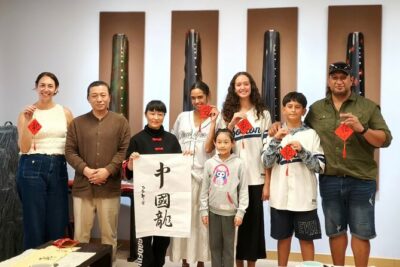
Beijing Culture: Tea Ceremony, Heritage Instrument & Calligraphy
Read our review →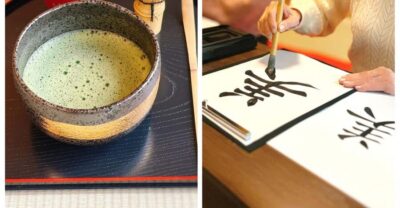
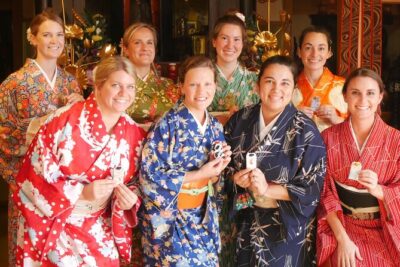
Cultural Activities :Kimono, tea ceremony, Calligraphy and Amulet
Read our review →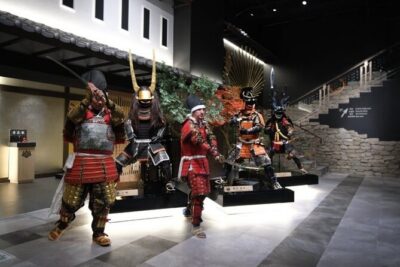
Samurai dress-up and shows, plus Tea Ceremony & Calligraphy
Read our review →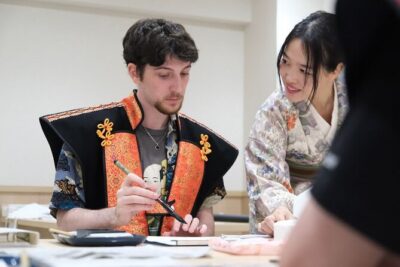
Premium Kimono Dressing, Tea Ceremony, Calligraphy, Samurai show
Read our review →Browse the lists this tour appears in