
Review · TOKYO
Make Traditional Nerikiri Sweets & Matcha experience in Shibuya
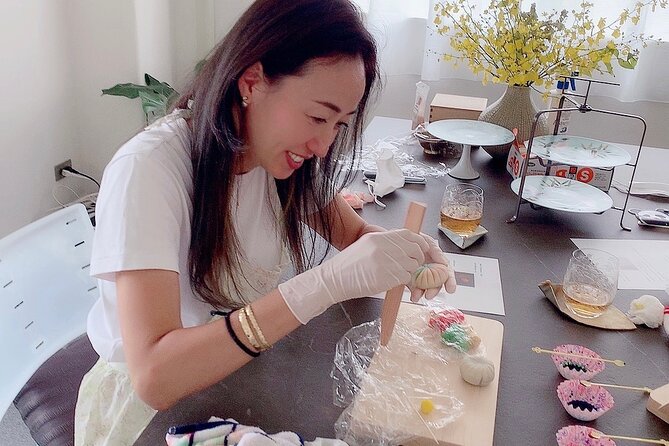
Nerikiri turns bean paste, sugar, and a few simple ingredients into tiny works of edible art. In Hana’s Harajuku home, you choose three sample designs, learn the shaping tricks, then create a fourth sweet of your own. The class ends with matcha preparation and tea etiquette, served at the table.
I like the small group, limited to four people, and the chance to see how an inner-city Tokyo resident lives. I also like that you make four sweets, eat them with a hot drink, and can take your creations with you. Hana’s patient teaching suits children, older adults, and first-time cooks.
The main consideration is time. Ninety minutes passes quickly, and the class begins in a private home rather than a large studio. You need to meet at the right spot across from CHUMS Omotesando, then walk the final 30 seconds together.
Key points at a glance
- Four sweets, four creative decisions: Make three designs from examples, then invent one of your own.
- A home in central Tokyo: The class takes place about three minutes from Omotesando Station.
- Hana teaches with patience: She gives clear guidance and adjusts her help for children and beginners.
- A calm matcha finish: Prepare and enjoy matcha with carefully selected Japanese sweets.
- Easy to fit into your day: The 9:00 AM start leaves time for Harajuku, Meiji Shrine, or Shibuya afterward.
- A tiny class: With a maximum of four people, you get direct help rather than a crowded demonstration.
Making nerikiri in a Harajuku home
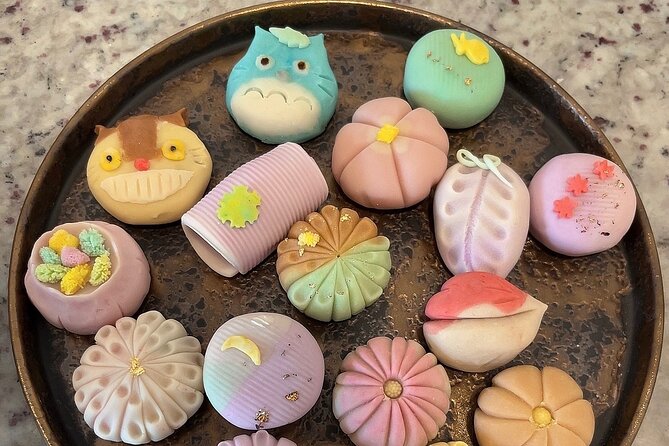
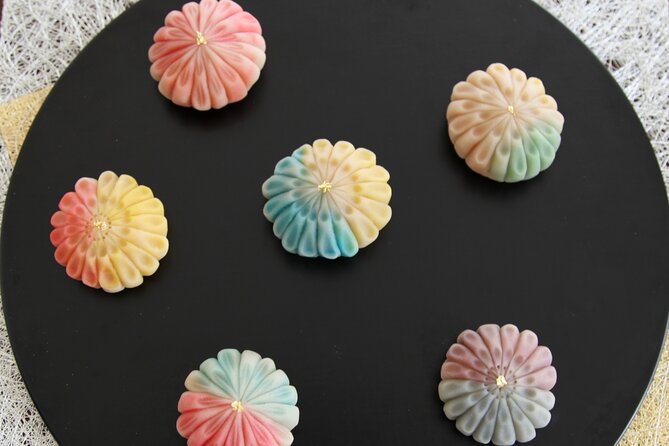
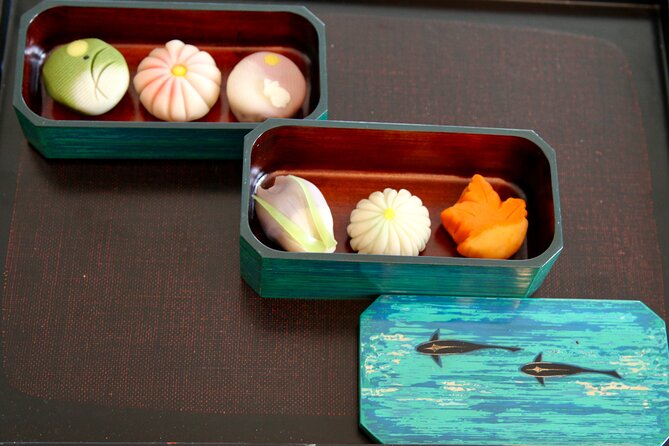
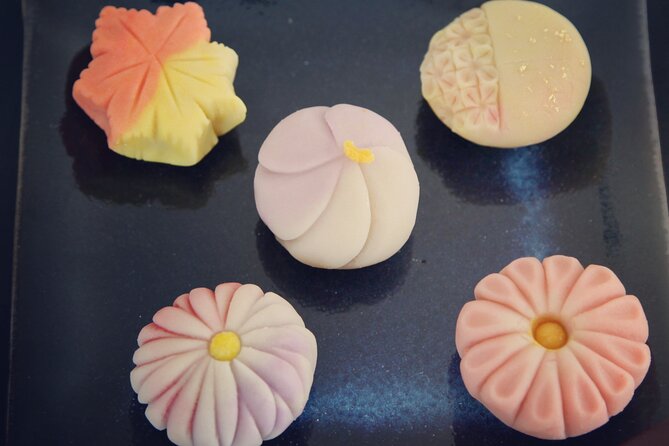
Nerikiri is Japanese wagashi, a traditional sweet often shaped to reflect flowers, seasons, animals, or other small images. The outside can look intricate, but the basic material is manageable: sweet bean paste, sugar, and other ingredients formed by hand.
That contrast is part of the fun. You are not simply watching a skilled confectioner work. Hana first shows you sample designs and breaks the process into steps. You then copy three shapes before using the same methods to make an original fourth design.
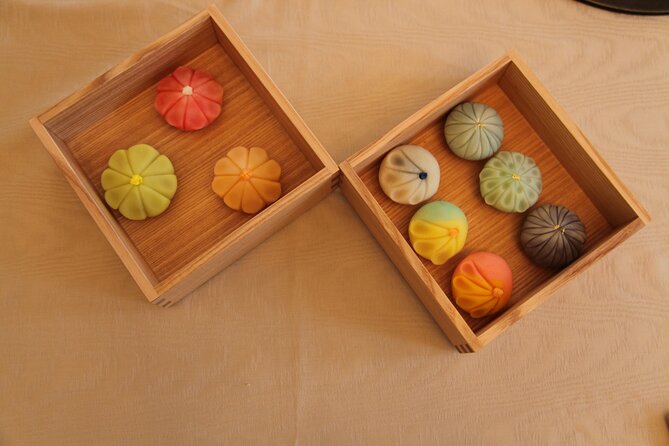
The sample designs give you a useful starting point. You do not need to arrive with an artistic plan, and you are not left staring at a lump of paste wondering what to do. At the same time, the final piece gives you room to make something personal. Previous designs have included flowers, cherry blossoms, pumpkins, Hello Kitty, Totoro, Pikachu, and other original ideas.
I like this structure because it balances success with creativity. The first pieces teach control, color, and shaping. The last one lets you experiment after you understand the basics.
The sweets are delicate, so small changes matter. A curl, a petal, or a change in color can make the design look entirely different. Hana’s teaching style is especially useful here. She simplifies shapes that appear difficult and gives individual help without rushing the class.
You should not expect professional-level results on your first try. That is not the point. The pleasure comes from seeing a plain piece of paste become recognizable, then realizing you can repeat some of the technique at home.
More Matcha Experiences in Tokyo:
- Matcha Making Class in Tokyo with Authentic Japanese Sweets Set
★ 5.0 · 744 reviews - Tokyo: Matcha Making Experience with Mochi Sweets in Asakusa
★ 4.9 · 388 reviews - Asakusa Cultural Walk & Matcha Making Tour
★ 5.0 · 245 reviews
A small class with direct help from Hana
The maximum group size is four people. That detail matters more than it may sound. Nerikiri requires hands-on correction, and a large class would make it harder to see what you are doing or ask for help at the right moment.
Hana is the named instructor, and her classes are described as warm, patient, and clear. She speaks English and Japanese fluently and has lived in the United States, which can make explanations easier for English-speaking visitors. She also offers practical suggestions for places to visit in Tokyo and other parts of Japan.
The class works well for families. Children as young as seven have enjoyed the activity, and one 10-year-old was able to stay focused through the full process. A child may need some help with fine details, but Hana adjusts her support so parents can work on their own sweets too.
Teenagers can also enjoy it, especially if they like drawing, character design, food, or Japanese culture. Older adults are not left out. The activity is seated, patient, and built around careful handwork rather than speed.
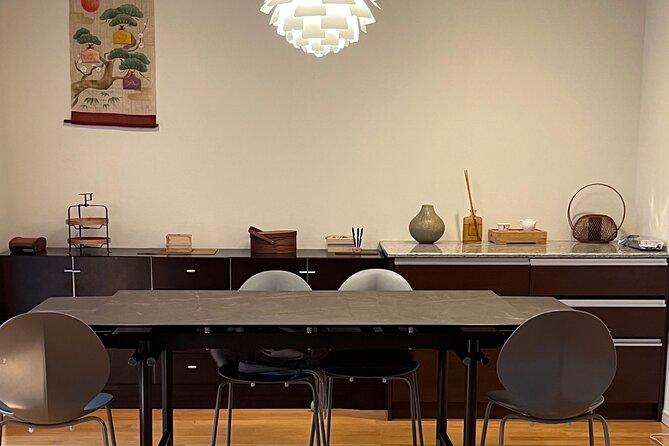
The mood is quieter than many sightseeing stops in central Tokyo. You spend time on one task, talk with the instructor, and notice small details in the sweet’s form. If your Tokyo schedule has been packed with stations, shopping streets, and major sights, this offers a slower change of pace.
What happens during the 90-minute visit
The experience begins at 5-chōme-2-21 Jingūmae, Shibuya, Tokyo 150-0001. You meet across from CHUMS Omotesando, in front of the brown building. From there, Hana walks with you for about 30 seconds to her home.
That short walk is useful because the meeting point is easier to identify than trying to locate a private residence on your own. I would still allow a few extra minutes, especially if you are unfamiliar with Omotesando’s wide streets and busy crossings.
Once inside, Hana introduces the sweets and the basic process. You choose from sample designs, then make three different shapes. The designs can change with the season or the examples prepared for the class, so the exact set is not fixed in the information provided.
After the three guided designs, you create an original nerikiri. This is the point where you can choose your own colors and subject. You might make a flower, an animal, a character, or an abstract design. The class gives you a model for the technique but does not force you to copy every detail.
You make four sweets in total. Everything you create can be taken home, though you also enjoy the sweets as part of the tea portion. Plan your transport and sightseeing with care if you want to preserve their appearance. The sweets are made to be eaten, not carried around carelessly in a hot bag all afternoon.
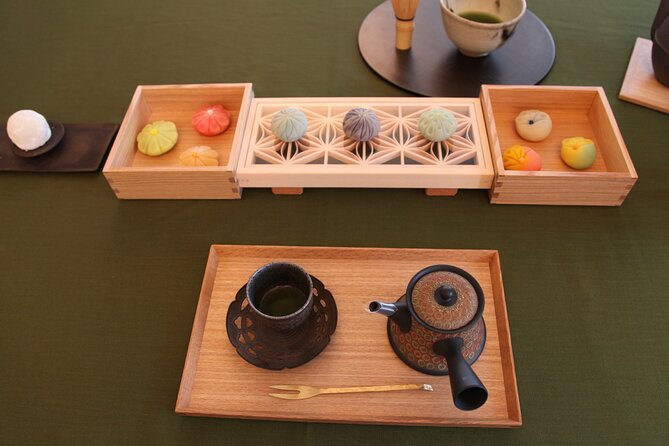
The final part is a table-style tea ceremony. Hana serves matcha with selected Japanese sweets sourced from different parts of Japan. You learn how the tea is prepared and take part in the process, rather than simply receiving a cup at the end.
This is not presented as a formal, highly ritualized tea ceremony in a temple setting. It is a friendly introduction in a home, with enough etiquette and explanation to make the tea meaningful without making the experience stiff.
Matcha, manners, and a welcome pause
Matcha can be unfamiliar if your usual tea experience involves a teabag and a large mug. The preparation, presentation, and pace are different. Here, the tea gives the class a cultural frame: you have made a traditional sweet, then sit down to appreciate it with a Japanese drink.
The tea portion also helps you understand why appearance matters in wagashi. Nerikiri is not only about sweetness. Its shape, color, season, and presentation all affect the experience.
I like that the class puts food and etiquette together. You are not asked to memorize a long list of rules. Instead, Hana guides you through the process and explains what you are doing. That makes the activity approachable for families and people who have never attended a tea event.
If you do not drink matcha regularly, the flavor may be strong or bitter. The sweets provide a natural balance. You can also ask questions during the preparation, which makes this a better choice than a purely silent demonstration.
The activity is suitable for vegans and vegetarians. If you have other food requirements, raise them before the class. One participant with halal concerns contacted Hana about alcohol-containing ingredients and received help with substitutions, so advance communication is sensible rather than relying on last-minute changes.
More Dessert Stops in Tokyo:
- Sweets Making and Kimono Tea Ceremony at Tokyo Maikoya
★ 5.0 · 57 reviews - Japanese Traditional Sweets making and Tea Ceremony
★ 4.7 · 50 reviews - Mochi Matcha Gluten Free Japanese Sweets Class near Shibuya area
★ 5.0 · 26 reviews - Tokyo: Two Types of Japanese Sweets Making and Tea Ceremony
★ 4.6 · 26 reviews
Omotesando access and a smart start to the day
The meeting point is about a three-minute walk from Omotesando Station. That makes the class easy to combine with central Tokyo sightseeing, and the activity ends back at the meeting point.
There are three scheduled start times: 9:00 AM, 1:00 PM, and 3:30 PM. The early session is especially useful. Many shops open around 11:00 AM, so you can begin with the class, then continue into Harajuku and Omotesando as the shopping streets come to life.
Afterward, you can walk toward Meiji Shrine, Takeshita Street, or Shibuya Crossing. The exact travel time between these places is not part of the activity, so you should check your own route, but the location puts you close to all three well-known areas.
The 1:00 PM start works well as a break between morning sightseeing and an evening meal. The 3:30 PM option gives you a creative afternoon activity, though it leaves less daylight for additional stops afterward.
The class itself lasts about one hour and 30 minutes. Since the group is small and the activity includes making four sweets plus tea, the length feels purposeful rather than padded. Still, allow time before the start to find CHUMS Omotesando and time afterward if you plan to reach another appointment.
What the $60 price includes
The price is $60 per person. That is more than you would pay for a packaged Japanese sweet at a department store, but you are paying for instruction, ingredients, four handmade sweets, matcha, another Japanese sweet selection, and access to a private home setting.
The value is strongest if you want to learn a skill rather than simply taste a dessert. You leave with techniques you can try again at home, along with the memory of making something yourself. The instructor’s individual attention also matters because the class is capped at four people.
The price may feel high if you want a quick snack or a formal tea ceremony in a historic venue. This is neither. It is a hands-on cultural class in a modern residential setting, with a friendly instructor and a finished product to carry away.
I would compare it with the cost of a guided food activity in central Tokyo, not with the price of a single sweet. On that basis, it offers fair value for families, couples, and small groups who will take part fully.
The activity has a 4.9 rating from 130 reviews and is recommended by 98 percent of participants. Those numbers do not replace your own judgment, but they match the practical strengths here: patient instruction, a very small group, a pleasant home setting, and a class that works for a wide age range.
Who will enjoy this class most
I would choose this activity for you if you want a calm, hands-on introduction to Japanese culture. It suits people who enjoy food, crafts, photography, design, and small local encounters more than a fast list of landmarks.
Families are a strong match. Children can make familiar characters or colorful designs, while adults learn the cultural background and take part in the tea. The reviews describe children aged seven, 10, 11, and 13 enjoying the experience, though younger children may need extra assistance with detailed shaping.
It also suits repeat visitors to Tokyo who have already seen the major sights. You get a different view of the city by entering a local home and learning how a traditional sweet is made in an ordinary urban neighborhood.
Solo participants and couples can also fit comfortably into the small group. The class encourages conversation, and Hana can offer suggestions for the rest of your trip.
You may want to skip it if you dislike sweet bean paste, do not enjoy careful handwork, or prefer a grand historic setting. It is also not the right pick if you need a completely private class, since the maximum is four rather than one booking only.
Practical details before you book
The experience offers a mobile ticket, and confirmation is received at booking. You meet at the stated Omotesando point, not directly at the home, so keep the meeting instructions available on your phone.
Wear something comfortable for seated handwork. The activity is suitable for all ages, but the most detailed designs may be easier for older children and adults. If a child is attending, expect the process to be creative rather than perfectly neat.
The class is near public transportation, and the start point is close to Omotesando Station. It ends at the same meeting point, which makes onward planning simple.
You can cancel for a full refund up to 24 hours before the start time. Changes or cancellations inside that 24-hour window are not accepted, and the local Tokyo time controls the cut-off.
Should you book the nerikiri and matcha class?
Book it if you want to make something with your hands, meet an English-speaking instructor, and see a personal side of central Tokyo. The combination of four sweets, a small group, matcha preparation, and a home setting gives you more than a standard tasting stop.
I especially recommend the 9:00 AM session if you want to use the rest of the day for Meiji Shrine, Takeshita Street, or Shibuya. Choose the afternoon if you prefer a slower break in the middle of your sightseeing.
The strongest reason to book is Hana’s patient, individual teaching. The main limitation is that the class is short and the setting is intimate, so you should arrive ready to participate rather than simply watch. For families, first-time visitors, and anyone curious about Japanese food traditions, $60 is a reasonable price for a personal activity with something edible to take home.
FAQ
Where does the nerikiri class meet?
Meet at 5-chōme-2-21 Jingūmae, Shibuya, Tokyo 150-0001, across from CHUMS Omotesando in front of the brown building. From there, the instructor walks with you for about 30 seconds to her home.
How long does the experience last?
The activity lasts approximately one hour and 30 minutes.
How many nerikiri sweets will I make?
You make four sweets in total. Three follow designs selected from examples, and the fourth is your own original design.
Can I take the sweets home?
Yes. Everything you make can be taken home with you. The class also includes time to enjoy nerikiri and other Japanese sweets with matcha.
Is the activity suitable for children and special diets?
The experience is suitable for all ages, including children, and is suitable for vegans and vegetarians. If you have another dietary concern, contact the instructor before the class so ingredients can be discussed.
What are the available start times?
The available start times are 9:00 AM, 1:00 PM, and 3:30 PM. The early session can leave you free to visit Harajuku, Meiji Shrine, or Shibuya afterward.
Just added around Tokyo
- Yokohama : Tea Ceremony with Sweets and Souvenir★ 5.0 · 5 reviews
- Walking Tour: Yanaka,Nezu& Sendagi: Tea Ceremony & Old Tokyo★ 5.0 · 3 reviews
- 2 Hours Mochi &Nerikiri Making & Matcha Class in Bunkyo★ 5.0 · 21 reviews
- Private Kimono and tea ceremony at local home near Tokyo Disney★ 5.0 · 6 reviews
- Private Mochi・Matcha sweets Making Class Near Shibuya Area★ 5.0 · 22 reviews
- Tokyo Sweets Tour: Hidden Gems & Matcha at an Old Tea House★ 5.0 · 6 reviews
- Giant Sushi Cooking Class: Make a 1.5m Sushi Roll in Tokyo★ 5.0 · 9 reviews
- Tokyo: Tea Ceremony & Japanese Sweets Making★ 5.0 · 10 reviews
Matcha Experiences, compared.
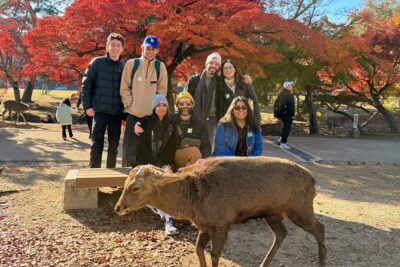
World Heritage Kyoto & Nara Uji Authentic Matcha Experience
Read our review →
Matcha Making Class in Tokyo with Authentic Japanese Sweets Set
Read our review →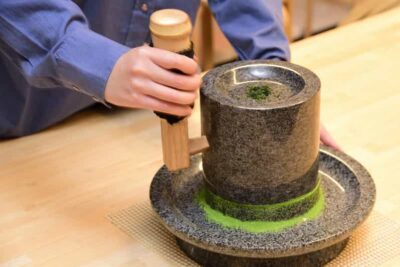
Tea Museum Tickets and Matcha Grinding Experience
Read our review →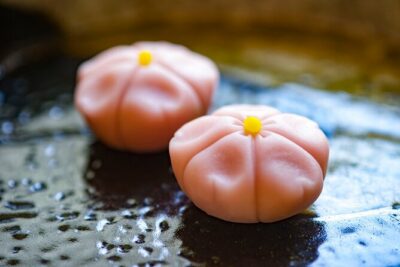
Matcha Making Class in Osaka with Authentic Japanese Sweets Set
Read our review →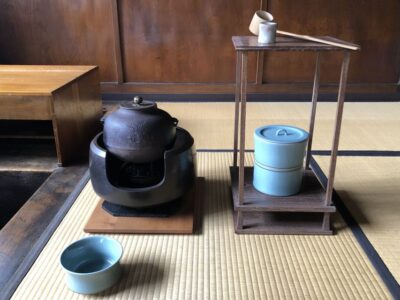
Tea Ceremony Meditation – Make Matcha with Tea Master
Read our review →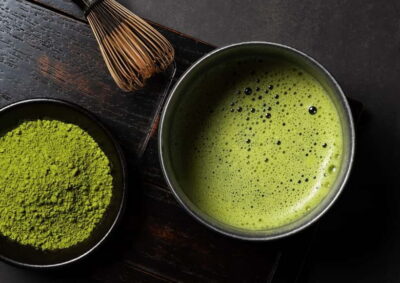
Matcha Making Experience with Mochi Sweets in Asakusa
Read our review →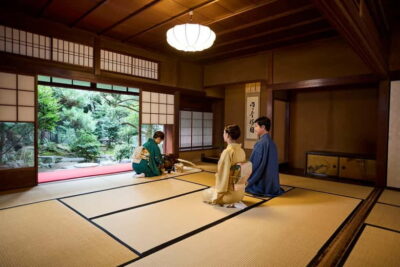
Browse the lists this tour appears in