
Review · TOKYO
Sweets Making and Kimono Tea Ceremony at Tokyo Maikoya
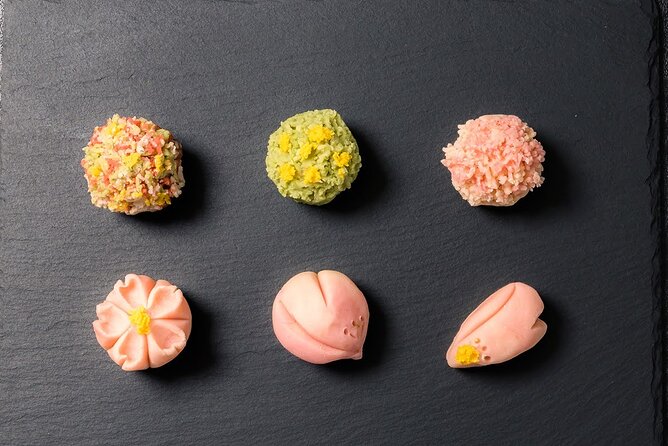
The most memorable part of this two-hour experience is the mix of hands-on wagashi making and a formal matcha ceremony. You do not just watch a ritual from across the room. You color and shape Japanese sweets, put on a kimono, learn the basic manners of tea service, and then eat your creation with green tea.
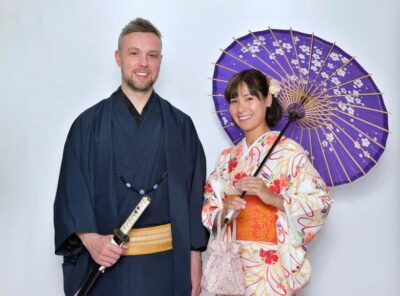
I like the personal scale. The session is limited to a small group, with capacity listed as up to 10 people in one part of the information and up to 12 in another, so you should not expect a large tour bus crowd. I also like the photo opportunities, including kimono portraits in the tearoom and outdoor areas.
The main consideration is that the sweets workshop is more about coloring and designing prepared dough than making wagashi from raw ingredients. Photography is also controlled during parts of the ceremony, and children under seven cannot enter the venue.
Key points before you book
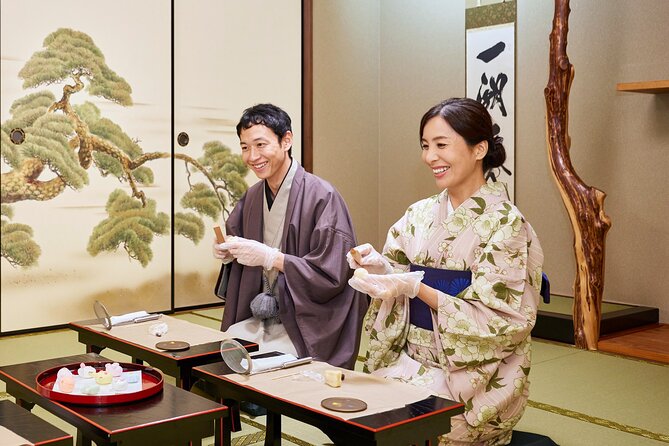
- Wagashi are shaped by hand: You design traditional sweets served with matcha, then enjoy them during the tea ceremony.
- Kimono dressing is part of the activity: You choose from traditional clothing and may have your hair arranged with a decorative accessory.
- Kurumi has received warm praise: She is noted for patience during the careful sweets-making process.
- The setting is historic Asakusa: The tea house is at 1-chōme-12-2 Asakusa, close to public transportation.
- The session begins at 11:30 a.m.: It lasts about two hours and ends back at the same location.
- The price is $112.29 per person: That includes kimono dressing, sweets ingredients and tools, green tea, water, and instruction.
Arriving in Asakusa for the 11:30 a.m. start
You meet at Kimono Tea Ceremony MAIKOYA Asakusa, at 1-chōme-12-2 Asakusa, Taito City, Tokyo 111-0032. The venue is near public transportation, but hotel pickup and return transportation are not included, so you need to make your own way there.
The late-morning start works well with a day in Asakusa. You can pair the activity with sightseeing before or afterward, but leave enough time to reach the tea house without rushing. Kimono dressing takes part of the session, and the ceremony itself depends on a calm pace.
This is not a hop-on, hop-off activity. You arrive at one address, spend roughly two hours inside, and finish where you began. That simple arrangement makes it easy to fit into a Tokyo itinerary, especially if you are already visiting Asakusa.
More Kimono Tea Ceremonies in Tokyo:
- Kimono Tea Ceremony at Tokyo, Asakusa Maikoya
★ 5.0 · 638 reviews - Tokyo: Matcha and Kimono Experience
★ 4.7 · 219 reviews - Tokyo: Asakusa Kimono Dressing and Matcha Experience
★ 4.9 · 173 reviews
Choosing a kimono and getting ready
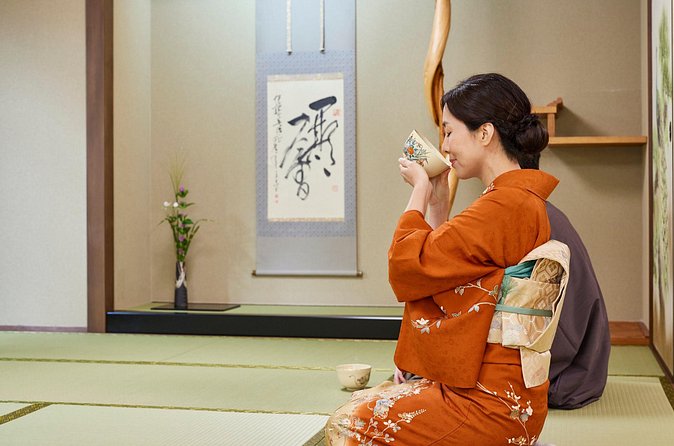
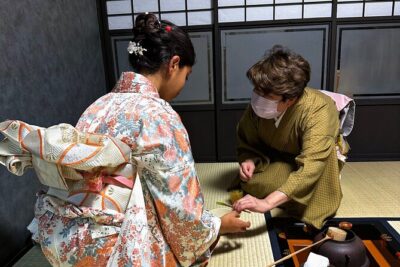
The session begins with the traditional clothing experience. You choose a kimono, obi, and hair accessory, then staff help you get dressed. Several people have especially enjoyed this stage because it turns the ceremony into more than a seated demonstration.
For many people, the clothing is the emotional highlight. The garments provide a clear visual connection to the ceremony, and the outfit also makes the photos feel more special than ordinary vacation snapshots. Women can have their hair arranged in a traditional updo with a flower or other ornament, according to the experience details shared by past participants.
Men and older children can take part in the clothing experience as well. One family with two adults and two teenagers enjoyed the activity together, and another account specifically notes that a husband and adult son took part. The venue is described as accommodating with sizing, though no detailed size chart is provided, so contact the operator if fit is a serious concern.
The dressing process is not just costume rental. Staff explain parts of what they are doing, and the clothing helps you understand why posture, hand movements, and sitting style matter during the ceremony. Still, remember that formal Japanese clothing can feel restrictive. You will want to move carefully and allow a little extra time when sitting or standing.
Making two traditional Japanese sweets
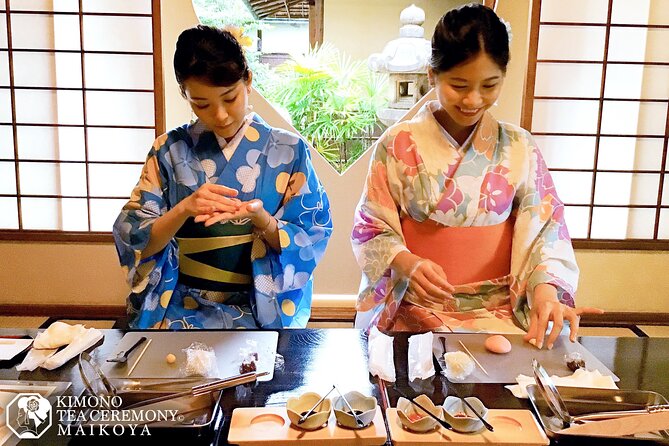
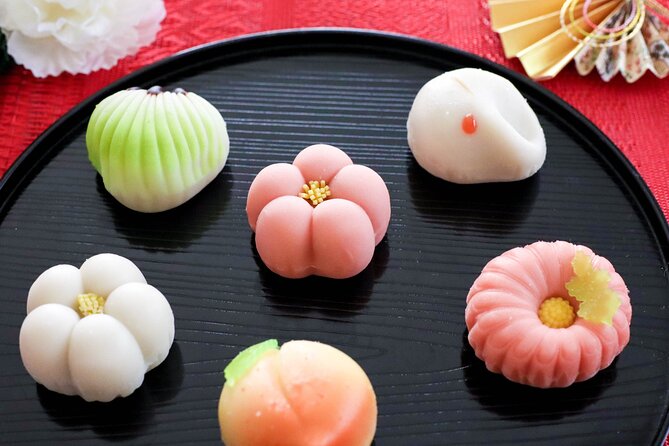
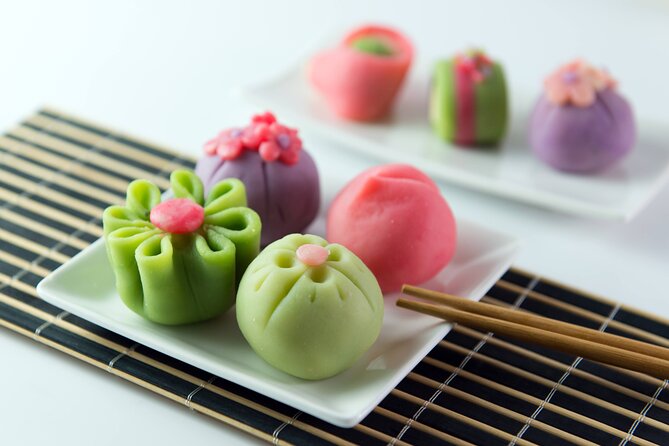
After dressing, you make traditional Japanese sweets, known as wagashi. The activity gives you ingredients and utensils, and you typically prepare two sweets by coloring and shaping the dough into a design.
This is a good choice if you like activities that involve your hands. You get to choose colors and shapes, and the work requires more patience than it first appears. The finished sweets are small, decorative, and intended to be served with matcha.
There is one useful distinction here. You are not starting with every ingredient and cooking the dough from scratch. Instead, the workshop focuses on the artistic part: coloring, forming, and decorating prepared sweet dough. That makes the activity manageable in a short session, but anyone expecting a full pastry class should adjust expectations.
I like this balance. You learn the look and purpose of wagashi without spending hours on technical preparation. The process also gives the tea ceremony something personal to eat afterward. One of the sweets may be yours to take with you, depending on the arrangement of the session.
The instructor guides the work closely. Kurumi has been singled out for patience, which matters here because shaping the sweets neatly takes practice. If your first attempt looks more homemade than showroom-perfect, that is part of the fun.
Learning how matcha and tea etiquette work
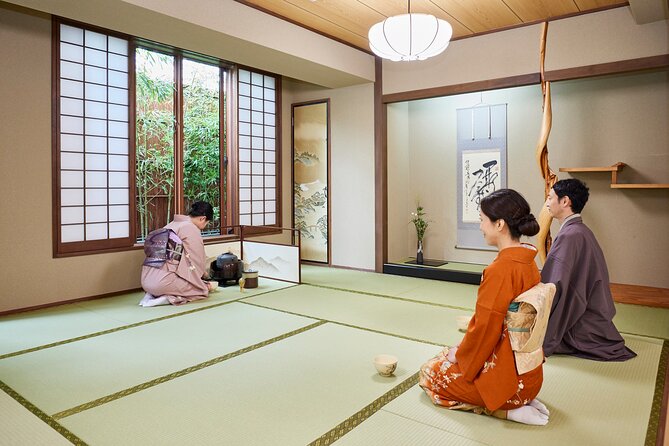
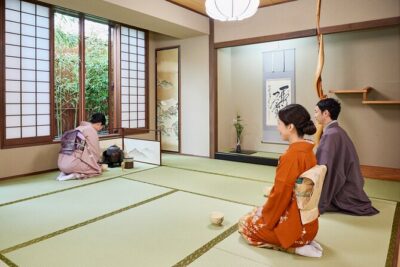
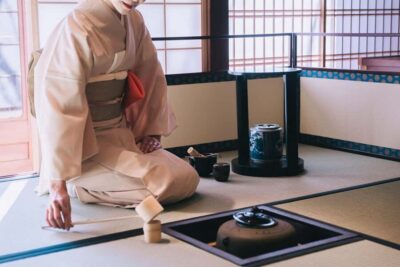
The tea ceremony follows the sweets-making portion. You learn about the etiquette, meaning, and order of the ceremony, then prepare and enjoy matcha with your wagashi.
This is more than a quick cup of green tea. The instructor explains why gestures matter and how the ceremony connects with calm, attention, and Zen meditation. You learn how to handle the tea, how to observe the ritual, and how to follow the expected manners without needing prior experience.
The ceremony has a formal structure, but the teaching is aimed at first-time visitors. Staff are described as friendly and able to explain the process in English. That makes a difference because tea ceremony etiquette can seem mysterious if you are only watching silently.
The quiet mood is one of the best reasons to book this activity. Tokyo can be fast and noisy, while a tea room asks you to slow down and notice small actions. You may find the ceremony more interesting once you understand that the movements are not random decoration. Each part has a social and cultural purpose.
You should also follow the tea master’s instructions about cameras. Photography and video may be limited during parts of the ceremony, and tripods are not allowed. The rules protect the calm setting and keep the ceremony from turning into a photo shoot.
More Japanese Sweets and Tea Sessions in Tokyo:
- Matcha Making Class in Tokyo with Authentic Japanese Sweets Set
★ 5.0 · 744 reviews - Japanese Traditional Sweets making and Tea Ceremony
★ 4.7 · 50 reviews - Mochi Matcha Gluten Free Japanese Sweets Class near Shibuya area
★ 5.0 · 26 reviews - Tokyo: Two Types of Japanese Sweets Making and Tea Ceremony
★ 4.6 · 26 reviews
Photo time in kimono
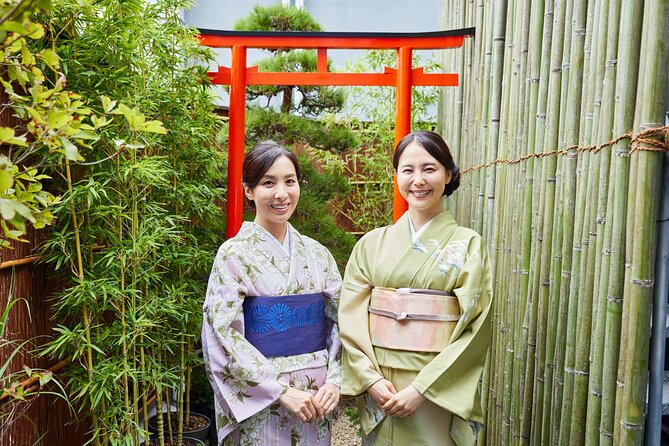
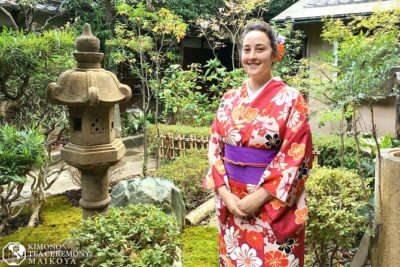
The experience includes guided chances to take photos after or around the ceremony. The tea house and outdoor areas provide several settings, and traditional accessories such as an umbrella may be available for portraits.
Staff may help take pictures if you ask. This is worth remembering because a tripod is not allowed, and you may not want to rely only on selfies while wearing formal clothing. Ask politely and take advantage of the photo time when the ceremony is not in progress.
The photos are not a minor extra for many people. They record the kimono choice, hair styling, and sweets you made, which gives the session a clear souvenir beyond the tea itself. Families, couples, and parent-child groups seem particularly well suited to this part.
Keep your expectations practical. This is a cultural activity with photo opportunities, not a dedicated professional photo session. You may have several attractive backdrops, but the staff’s main job is to run the workshop and ceremony.
What the $112.29 price includes
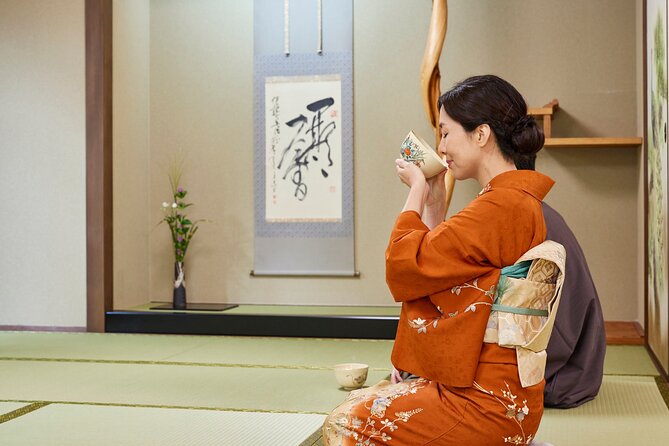
At $112.29 per person, this is not the cheapest short activity in Tokyo. Its value depends on how many separate experiences you would otherwise pay for: traditional clothing, hair styling, a sweets class, a tea lesson, matcha, and guided photos.
The included items are:
- Kimono wearing experience
- Ingredients and utensils for making Japanese sweets
- Green tea and water
- Instruction during the sweets workshop
- Tea ceremony guidance
- Opportunities to take photos
Transportation and hotel pickup are not included. You also pay for the time and labor involved in dressing, styling, teaching, and hosting a small group. If you want a quick cup of matcha, the price will feel high. If you want a structured cultural activity with several parts, the cost is easier to justify.
I see this as best value for people who would otherwise book a kimono rental, a sweets class, and a tea ceremony separately. The two-hour format also saves planning time. You get a ready-made cultural experience in one place rather than arranging several bookings.
The activity has a 4.9 rating from 57 ratings and a 98 percent recommendation figure. Those numbers suggest a strong level of satisfaction, but the practical details matter more for your decision: expect a guided introduction, not advanced tea training or a full cooking course.
Group size, age rules, and timing
The experience is advertised as a small-group activity. One section gives a maximum of 10 participants, while the additional information gives a maximum of 12. Either way, it is designed to be more personal than a large group demonstration.
You can reserve a maximum of five people through Viator, while bookings from other sites may add more participants to the session. If your party is larger, confirm the group arrangement before booking.
Children under seven cannot enter the tea ceremony venue. If anyone in your party is younger than seven, the reservation cannot be made for the group. Older children can enjoy the sweets, clothing, tea, and photo portions, though the formal ceremony requires enough patience to sit and follow instructions.
The start time is 11:30 a.m., and the duration is about two hours. That gives you enough time to dress, make sweets, learn the ceremony, drink matcha, and take photos without making the session an all-day commitment.
Small details that improve the experience
Wear clothing that makes changing and sitting comfortable. The activity requires you to put on a kimono and take part in a formal tea setting, so avoid planning another rushed appointment immediately afterward.
Bring a phone or camera for the photo portions, but do not bring a tripod. Keep your camera ready for designated moments and put it away when the tea master asks. The ceremony works best when everyone pays attention rather than filming every movement.
Ask questions during the teaching portions. The staff explain etiquette and cultural meaning, and this is where the experience becomes more than dressing up. If you are curious about wagashi, matcha, or the connection between tea and meditation, this is the time to speak up.
Allow extra care when moving in the kimono. Sit and stand slowly, and follow the staff’s directions. The clothing is part of the lesson, but it also changes how freely you move.
If you leave anything behind, contact the venue quickly. The staff have been helpful in returning a forgotten wallet after the normal working hours, but you should not rely on that kindness. Check your seat and belongings before leaving.
Who will enjoy Maikoya Asakusa most
I would choose this for a first visit to Japan when you want a clear, approachable introduction to several customs at once. It suits couples, families with older children, parent and adult-child groups, and anyone who enjoys making things rather than only watching a performance.
It is also a good rainy-day plan because the main parts happen indoors, although the photo settings may include an outdoor area. The short length makes it easy to combine with Asakusa sightseeing.
You may want a different activity if you already have extensive tea ceremony training, want to make wagashi entirely from raw ingredients, or dislike wearing restrictive clothing. It is also not suited to a group with a child under seven.
The best reason to book is the combination. You get an outfit, a craft, a lesson, a cup of matcha, and photos in one organized visit. The strongest parts are the kimono preparation, the patient guidance during sweets shaping, and the explanation of why tea ceremony etiquette matters.
Should you book this Tokyo tea ceremony?
Book it if you want a friendly, structured introduction to Japanese culture in Asakusa and value the chance to participate. The $112.29 price is fair when you count the clothing, styling, ingredients, tea, instruction, and small-group format.
Skip it if you are looking for a serious culinary class, a long and highly formal tea ceremony, or a low-cost tea tasting. For most first-time visitors, though, this offers a pleasant balance of learning, creativity, and memorable photographs.
The practical choice is to reserve for the 11:30 a.m. start, arrive at the Asakusa meeting point with time to spare, and keep your schedule flexible afterward. Free cancellation is available until 24 hours before the start time. Inside that final 24-hour window, cancellations and changes are not accepted for a refund.
FAQ
Where does the kimono tea ceremony take place?
The activity begins and ends at Kimono Tea Ceremony MAIKOYA Asakusa, located at 1-chōme-12-2 Asakusa, Taito City, Tokyo 111-0032, Japan.
What time does the experience start?
The scheduled start time is 11:30 a.m.
How long does the activity last?
The experience lasts approximately two hours.
Is transportation included?
No. Transportation, hotel pickup, and hotel drop-off are not included. The venue is near public transportation.
What is included in the price?
The price includes the kimono wearing experience, ingredients and utensils for Japanese sweets, green tea, water, and participation in the guided workshop and ceremony.
Can children take part?
Children under seven cannot enter the tea ceremony venue. If someone in your party is under seven, you cannot make a reservation for this experience.
Are photographs allowed?
Photography and video may be limited during parts of the ceremony, and tripods are not allowed. You can take photographs during the guided photo opportunities and should follow the tea master’s instructions.
What is the cancellation policy?
You can cancel up to 24 hours before the experience for a full refund. Cancellations or changes made less than 24 hours before the start time are not accepted for a refund.
More Dessert Stops in Tokyo
- Tokyo: Matcha Making Experience with Mochi Sweets in Asakusa
★ 4.9 · 388 reviews - Make Traditional Nerikiri Sweets & Matcha experience in Shibuya
★ 5.0 · 130 reviews - Private Mochi・Matcha sweets Making Class Near Shibuya Area
★ 5.0 · 22 reviews - Tokyo: Tea Ceremony & Japanese Sweets Making
★ 5.0 · 10 reviews
More Tea Ceremony Experiences in Tokyo
- Tokyo: Traditional Tea Ceremony with a Tea Master
★ 5.0 · 528 reviews - Tea Ceremony Workshop in Tokyo by the Experienced Instrucor
★ 5.0 · 189 reviews - Asakusa: Kimono Tea Ceremony with Matcha and Sweet
★ 4.9 · 153 reviews - Tea Ceremony Experience in a Private Tea Room in Shibuya
★ 4.9 · 125 reviews
Just added around Tokyo
- Yokohama : Tea Ceremony with Sweets and Souvenir★ 5.0 · 5 reviews
- Walking Tour: Yanaka,Nezu& Sendagi: Tea Ceremony & Old Tokyo★ 5.0 · 3 reviews
- Private Kimono and tea ceremony at local home near Tokyo Disney★ 5.0 · 6 reviews
- Private Mochi・Matcha sweets Making Class Near Shibuya Area★ 5.0 · 22 reviews
- 2 Hours Mochi &Nerikiri Making & Matcha Class in Bunkyo★ 5.0 · 21 reviews
- Tokyo Sweets Tour: Hidden Gems & Matcha at an Old Tea House★ 5.0 · 6 reviews
- Giant Sushi Cooking Class: Make a 1.5m Sushi Roll in Tokyo★ 5.0 · 9 reviews
- Tokyo Tea Ceremony Class at a Traditional Tea Room★ 5.0 · 2 reviews
Kimono & Tea Ceremonies, compared.
KYOTO Tea Ceremony with kimono near by Imamiya Jinjya Shrine
Read our review →
Kimono and Tea Ceremony Experience at Cultural Asset
Read our review →
Browse the lists this tour appears in