
Review · TOKYO
Matcha table tea ceremony experience in Tokyo
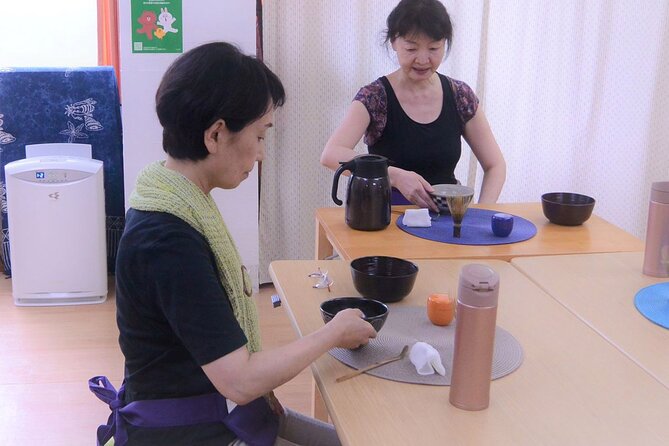
The special appeal here is that you get more than a quick cup of matcha. Masumi Matsumoto, a master instructor with the Japan Table Tea Ceremony Association, explains the customs, prepares tea for you, and then lets you try the process yourself. It is a relaxed way to meet Japanese tea culture without having to kneel on the floor.
I like two things in particular: the small maximum of five people, which gives the lesson a personal feel, and the practical, hands-on format. You taste tea and a seasonal Japanese sweet, then learn to whisk matcha with a proper tea whisk. The main consideration is price: at about $65.04 per person, this is a focused cultural lesson rather than a low-cost snack stop.
Key points at a glance
- Chair-based tea ceremony: Enjoy the session at a table instead of sitting on the floor.
- Master instructor Masumi Matsumoto: Learn tea manners, preparation, and background from an experienced teacher.
- Two-part format: First watch and taste, then make and serve your own matcha.
- Seasonal wagashi: The Japanese sweet changes with the season, adding a small sense of place and timing.
- Very small group: The maximum is five people, useful for questions and family participation.
- Easy Meguro access: The meeting point is about a two-minute walk from Toritsudaigaku Station.
A gentle introduction to Japanese tea culture
Many tea ceremonies feel formal from the outside. That can make first-time visitors worry about doing something wrong. This experience takes a kinder route. You sit in a chair at a table, listen to an explanation, watch the preparation, and then practice the main skill yourself.
That chair-based format is not a shortcut that removes the culture. It is the defining feature of table tea ceremony, a newer style designed to let people enjoy tea ceremony without sitting on tatami flooring. If your knees are not happy with floor seating, this detail matters. It also helps families, older visitors, and anyone who wants to focus on the instruction instead of their posture.
The mood is intended to be casual rather than stiff. Masumi explains the history, spirit, and manners of tea ceremony in English, with a friendly approach that has helped nervous beginners settle in. Families with children have found the lesson approachable, and the format gives younger participants something active to do instead of asking them to sit quietly for two hours.
You should still expect manners and quiet attention. Tea ceremony is not simply a demonstration followed by a sweet. The movements, order, and way of receiving the bowl all carry meaning. The benefit of this session is that those customs are explained in a way you can follow.
More Matcha Experiences in Tokyo:
- Matcha Making Class in Tokyo with Authentic Japanese Sweets Set
★ 5.0 · 744 reviews - Tokyo: Matcha Making Experience with Mochi Sweets in Asakusa
★ 4.9 · 388 reviews - Asakusa Cultural Walk & Matcha Making Tour
★ 5.0 · 245 reviews
Meeting Masumi near Toritsudaigaku Station
The activity takes place at 1-chōme-9-1 Nakane in Meguro City, Tokyo. The meeting point is about a two-minute walk from Toritsudaigaku Station, and the area is served by public transportation. That short walk is helpful in Tokyo, where a cultural activity can otherwise become a puzzle of long station corridors and confusing transfers.
The setting also gives you a chance to see a less postcard-driven side of Tokyo. Meguro-ku is associated with the Meguro River, Nakameguro Park, and Jiyugaoka, which has a sweets theme park. Those nearby areas can help you build a pleasant half-day around the ceremony, though the tea activity itself remains the main event.
Allow enough time to find the meeting point without rushing. A tea lesson begins best when you arrive calm and ready to pay attention. The location is in the city, not at a famous temple or a large traditional garden, so do not book this expecting a sightseeing tour. Its value comes from the instruction and personal contact.
The group maximum is five people. That is small enough for Masumi to watch each participant and answer questions without turning the session into a lecture. It also makes this a good choice if you want something more personal than a large demonstration with a crowd gathered around the teacher.
The first half: watch, learn, and taste
The session begins with an explanation of how to enjoy matcha tea. This is where you learn the basic meaning behind the movements and manners. Masumi also discusses the background of matcha and the spirit of tea ceremony, giving you context before you handle the bowl and whisk.
This first section is useful because Japanese tea ceremony can look mysterious when you do not know what to notice. You learn that the order of actions matters, that presentation is part of the experience, and that receiving the tea is not an afterthought. Even a short explanation can help you recognize the care in the preparation.
Masumi then prepares matcha for the group. This is one of the strongest parts of the experience because you can watch the technique before trying it yourself. A master instructor’s preparation gives you a clear example of the speed, movement, and care involved.
You enjoy the freshly prepared tea with a seasonal Japanese sweet called wagashi. The wagashi changes during the year, so the food is not fixed. That seasonal element reflects a central idea in Japanese culture: the pleasure of noticing what is available now, rather than treating every visit as identical.
The sweet also balances the tea. Matcha has a distinct, grassy bitterness that some first-time drinkers find strong. A Japanese sweet makes the taste easier to appreciate and gives the tasting a simple rhythm. Eat the sweet, sip the tea, and pay attention to how the flavors work together.
Do not expect a full meal. The food component is a seasonal sweet paired with matcha, not a lunch or a broad tasting menu. If you arrive hungry, plan another meal before or after the class.
The second half: whisk and serve your own matcha
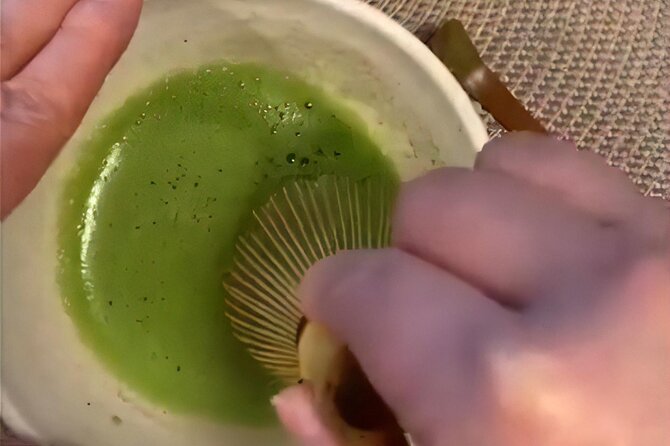
After watching the instructor, you take over. You learn how to use a special bamboo tea whisk, known as a chasen, and prepare your own matcha. This is where the lesson becomes something you can remember through your hands, not just through photographs.
Whisking looks simple until you try to create a smooth drink. The movement takes practice, and beginners should not worry about making a perfect bowl on the first attempt. The point is to learn the method, feel the motion, and understand what goes into the finished tea.
You also practice serving tea. That adds another layer to the lesson because tea ceremony is about hospitality as much as the drink itself. You are not only making matcha for yourself. You are learning how tea is presented and shared.
This hands-on section makes the price easier to assess. You are paying for a guided lesson, ingredients, a seasonal sweet, and direct instruction in a skill you can repeat at home. You may not become a tea master after one session, but you will leave knowing how matcha is whisked and how a simple tea ritual is structured.
The practical value continues after you leave. A matcha whisk and the right tea can let you recreate the basic preparation at home. The experience does not promise a full professional qualification, and it should not be judged as one. Think of it as an introduction with enough technique to give you a real starting point.
More Tea Ceremony Experiences in Tokyo:
- Kimono Tea Ceremony at Tokyo, Asakusa Maikoya
★ 5.0 · 638 reviews - Tokyo: Traditional Tea Ceremony with a Tea Master
★ 5.0 · 528 reviews - Tea Ceremony Workshop in Tokyo by the Experienced Instrucor
★ 5.0 · 189 reviews - Asakusa: Kimono Tea Ceremony with Matcha and Sweet
★ 4.9 · 153 reviews
Why the chair format changes the experience
Traditional tea ceremony is often associated with sitting on tatami floors in a formal room. That image has its place, but it can also make the activity physically difficult. Table tea ceremony removes that barrier by using chairs and a table.
This matters most if you have limited flexibility, knee trouble, or simply do not enjoy floor seating. The chair format also makes it easier for children to participate. Several families have found the English explanations clear enough for both adults and children, and the active whisking lesson gives kids a direct role.
There is a tradeoff. If your main goal is to experience a highly traditional tea-room setting with floor seating and every formal element, this may feel less classic. The table format is deliberately more accessible and casual. It offers a practical introduction rather than trying to reproduce every detail of a formal tea gathering.
For many people, that is a good exchange. You can concentrate on the tea, the manners, and the hospitality instead of worrying about discomfort. I would choose this version if you want cultural understanding without a demanding physical ritual.
English teaching and a welcoming pace
Language can be a real concern during a cultural lesson. Here, Masumi teaches in English and explains the history, spirit, and manners of tea ceremony directly. That gives you room to ask questions and understand why the steps matter.
The teaching style is friendly and careful. Beginners have been made to feel at ease, including families who were initially concerned about communication. Humor and clear explanations help keep the ceremony from feeling like a test.
That does not mean the session is informal in every sense. You will still be asked to notice manners and follow a sequence. The relaxed approach simply makes the rules easier to understand. If you make a mistake, the format is designed for correction and practice, not embarrassment.
The small group also improves the language experience. With no more than five participants, you have a better chance to hear the explanation and receive help with the whisking movements. In a large group, the hands-on section might feel rushed. Here, the limited size is one of the main reasons to book ahead.
Is $65.04 a fair price?
At about $65.04 per person, this is not the cheapest way to try matcha in Tokyo. You can find tea and sweets for far less. The comparison is not quite fair, though, because this experience includes instruction from a master teacher, an explanation of tea ceremony customs, prepared matcha, seasonal wagashi, and your own hands-on preparation.
I see the value if you want understanding rather than a quick taste. The lesson lasts about two hours, and the group is limited to five people. That gives the fee more weight than a short public demonstration where you simply watch someone else make tea.
The price is less attractive if you only want a memorable drink or a fast cultural photo. You are paying for the time, teaching, and personal attention. If you have little interest in learning the preparation, a tea shop may suit you better.
Group discounts are available, so the cost may work better for families or small parties. The activity is often booked well in advance, with an average lead time of about 98 days. That suggests you should not leave it until the last day of a Tokyo trip, especially if your schedule is tight.
Confirmation is sent within 48 hours of booking, subject to availability. Free cancellation is available up to 24 hours before the start time. Changes or cancellations made less than 24 hours before the activity are not accepted for a refund, and the cut-off follows local Tokyo time.
Who will enjoy this most?
I would recommend this experience to first-time visitors who want a clear introduction to Japanese culture. It is also a good match for families, couples, and solo visitors who prefer a small class over a large group demonstration.
You will get the most from it if you enjoy learning by doing. The key moment is not just tasting the prepared tea. It is holding the whisk, following the sequence, and making a bowl yourself.
This is also a sensible choice for anyone who cannot sit comfortably on the floor. The chair format removes a common obstacle without removing the central tea lesson.
You may want to choose something else if you are looking for a grand traditional venue, a full meal, or a longer study of tea ceremony. The activity is based in Meguro and lasts around two hours. Its focus is compact, personal instruction.
Make time for Meguro before or after
Because the meeting point is near Toritsudaigaku Station, you can pair the ceremony with other parts of Meguro-ku. The Meguro River, Nakameguro Park, and Jiyugaoka are noted local points of interest. The tea activity itself does not include sightseeing at these places, so treat them as optional additions to your day.
A nearby walk can also help you notice the contrast between Tokyo’s fast-moving city life and the quiet concentration of tea preparation. Plan your schedule so you are not racing from one major attraction to the next. The lesson is better when you have time to slow down.
The nearby sweets theme park in Jiyugaoka may appeal to anyone who wants to continue the dessert theme after the wagashi. Keep the tea ceremony separate in your mind, though. It is a cultural class, not a neighborhood tour.
Should you book this matcha experience?
Book it if you want an intimate, English-language introduction to Japanese tea ceremony, especially if floor seating is a concern. The small group, seasonal sweet, clear teaching, and chance to whisk your own matcha give you a useful experience you can repeat at home.
I would hesitate only if the price feels high for a two-hour activity or if you want a strictly formal ceremony in a traditional tea room. For everyone else, this is a thoughtful way to learn the manners and meaning behind matcha while keeping the physical demands and social pressure low.
FAQ
Where does the tea ceremony take place?
It takes place at 1-chōme-9-1 Nakane, Meguro City, Tokyo 152-0031, Japan. The location is about a two-minute walk from Toritsudaigaku Station.
How long does the experience last?
The activity lasts approximately two hours.
Do I have to sit on the floor?
No. This is a table tea ceremony, so you sit on a chair at a table rather than on the floor.
Who teaches the experience?
Masumi Matsumoto teaches the session. Masumi is a master instructor with the Japan Table Tea Ceremony Association.
What happens during the ceremony?
You first learn how to enjoy matcha, tea ceremony manners, and background information. Masumi prepares matcha for you to enjoy with a seasonal Japanese sweet. In the second half, you use a tea whisk to prepare and serve your own tea.
Can I cancel for a full refund?
Yes. You can cancel up to 24 hours before the experience start time for a full refund. Cancellations or changes made less than 24 hours before the start time are not accepted for a refund.
Just added around Tokyo
- Yokohama : Tea Ceremony with Sweets and Souvenir★ 5.0 · 5 reviews
- Walking Tour: Yanaka,Nezu& Sendagi: Tea Ceremony & Old Tokyo★ 5.0 · 3 reviews
- 2 Hours Mochi &Nerikiri Making & Matcha Class in Bunkyo★ 5.0 · 21 reviews
- Private Kimono and tea ceremony at local home near Tokyo Disney★ 5.0 · 6 reviews
- Private Mochi・Matcha sweets Making Class Near Shibuya Area★ 5.0 · 22 reviews
- Tokyo Sweets Tour: Hidden Gems & Matcha at an Old Tea House★ 5.0 · 6 reviews
- Giant Sushi Cooking Class: Make a 1.5m Sushi Roll in Tokyo★ 5.0 · 9 reviews
- Tokyo Tea Ceremony Class at a Traditional Tea Room★ 5.0 · 2 reviews
Matcha Experiences, compared.
World Heritage Kyoto & Nara Uji Authentic Matcha Experience
Read our review →
Matcha Making Class in Tokyo with Authentic Japanese Sweets Set
Read our review →
Tea Museum Tickets and Matcha Grinding Experience
Read our review →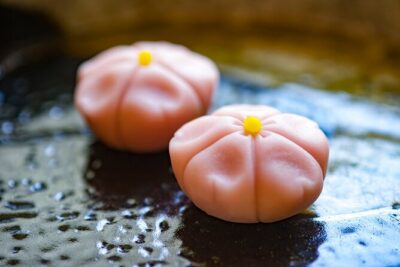
Matcha Making Class in Osaka with Authentic Japanese Sweets Set
Read our review →
Tea Ceremony Meditation – Make Matcha with Tea Master
Read our review →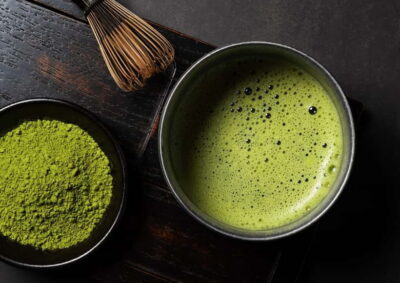
Matcha Making Experience with Mochi Sweets in Asakusa
Read our review →
Browse the lists this tour appears in