
Review · OSAKA
Osaka: Nara, Todaiji, Uji Matcha, and Hot Spring Tour
Nara’s sacred deer, the huge bronze Buddha at Tōdai-ji, Uji matcha, and a hot bath make this an unusually varied day from Osaka. You move from open parkland to temple halls, then finish with a long soak at Genji-no-Yu. It is a full Japanese culture sampler in about 8 to 9 hours.
I like the small maximum group of 15, which should make loading the vehicle and keeping track of the group easier. I also like the balance between major sights and downtime: Nara supplies the temples and deer, while Uji supplies tea culture and an onsen visit.
The catch is the schedule. With several major stops, transport, and a return to Osaka, you may have to choose between entering every temple and simply seeing the grounds. Bring good shoes, and do not assume food or every admission ticket is covered.
Key points to know before booking
- Nara Park includes 1 hour 20 minutes: You have time for the deer and a walk, but the park is large and the visit is not endless.
- Tōdai-ji and Kasuga-taisha are extra-cost stops: Their admission fees are not included in the tour price.
- Uji combines sightseeing with a bath: The plan allows 2 hours 20 minutes in Uji, followed by 1 hour 20 minutes at Genji-no-Yu.
- The vehicle carries up to 15 people: Round-trip transport from Osaka and a multilingual guide and driver are included.
- The $81 price covers transport and the main guided framework: Food, drinks, temple tickets, and some hot spring costs can add to the bill.
- A visible tattoo policy applies: Unaccompanied minors are not allowed, and visible tattoos are not permitted.
From Osaka to Nara: a long day with a clear purpose
This is a practical choice if you want to see Nara and Uji without arranging several train journeys yourself. The tour starts at 8:30 am at the Nipponbashi Parking meeting point in Osaka, then returns to the same location at the end of the day.
The air-conditioned vehicle matters here. Nara and Uji are in different directions from Osaka, and the total outing lasts most of a day. You give up some freedom compared with traveling independently, but you avoid planning connections, finding the right exits, and working out how to reach the hot spring afterward.
The group limit is 15 people. That is not a private tour, but it is more manageable than a large coach. The multilingual guide also serves as driver, so the style may be efficient rather than highly personal. You should expect help with the route and stops, but not a private guide who can spend unlimited time with your family.
The minimum to operate is four people. If that number is not reached before departure, you can be offered a cancellation or a changed route. Confirmation is provided at booking, and the meeting point is near public transportation, which makes the early start easier to manage.
More Matcha Experiences in Osaka:
- Matcha Making Class in Osaka with Authentic Japanese Sweets Set
★ 5.0 · 509 reviews - Osaka: Matcha Making Experience with Japanese Sweets
★ 5.0 · 146 reviews - Osaka Temple Cool Foot Bath & Matcha Experience〈45min〉
★ 4.9 · 82 reviews
Nara Park and the deer: the day’s easiest pleasure

The first major stop is Nara Park, with about 1 hour 20 minutes allotted. The park is known for its free-roaming deer, which are regarded as sacred and protected as a national treasure.
This is the most relaxed part of the day. You can walk among the deer, take photographs, and enjoy a sense of open space before heading into the temple visits. The animals are the main attraction, and the stop works especially well for families with children. One Spanish-language assessment described the experience as particularly suitable for families because of the children’s contact with the deer.
Do not treat Nara Park as a quick roadside photo stop. It is a large public park, and your time can disappear quickly if you pause at every deer. Keep an eye on the guide’s meeting instructions and allow time to walk back to the vehicle.
Food is an important point. The official inclusions list does not include food or drinks, and it does not clearly promise deer crackers. A complaint about vendors running out of deer food shows why you should not build your visit around feeding the animals. Bring your own snack and water if needed, but follow local rules about what you offer the deer.
The park can also feel difficult in cold weather because you spend time outside. Wear layers and shoes that can handle walking. The advice to use good footwear is sound, since the day includes several outdoor paths and temple grounds.
Tōdai-ji and the Great Buddha: allow time for the main sight
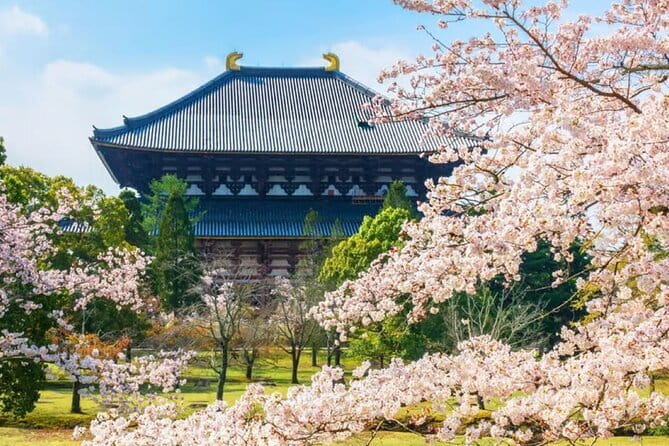
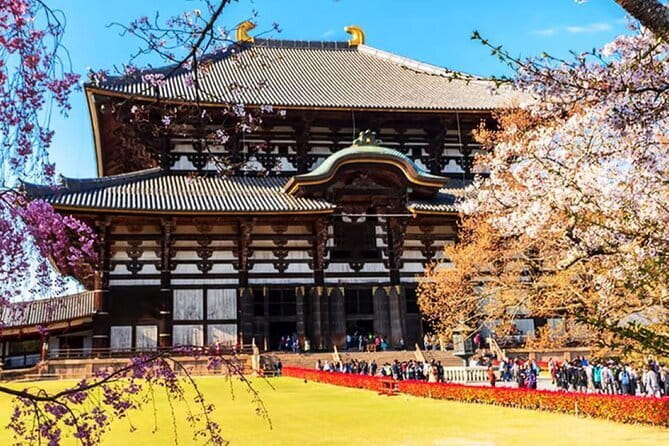
Tōdai-ji is scheduled for about 40 minutes, and admission is not included. The temple houses the Great Buddha, a bronze Vairocana Buddha statue about 15 meters tall. This is the visual centerpiece of the Nara portion, and it deserves more than a rushed glance.
The scale is what makes the visit memorable. A 15-meter bronze figure inside a major wooden temple hall gives you a sense of Japan’s early Buddhist tradition in a way that a small museum display cannot. Even if you know little about Buddhist art, the size of the statue and building are easy to appreciate.
Forty minutes is enough for a focused visit if the group moves directly to the temple and back. It is not generous if you need to buy a ticket, explore slowly, take photographs, and wait for members of the group. Since the admission fee is extra, carry some cash or a payment method accepted at the entrance.
This is also the stop where timing matters most. If the group falls behind at Nara Park, Tōdai-ji can become a quick exterior visit or a short interior visit. A previous poor experience with the tour involved being told there was not enough time for the Buddha temple, so I would ask the guide at the beginning how the schedule will be handled if the day runs late.
That does not mean the temple will always be missed. It means you should understand the tradeoff: this is a multi-stop tour, not a deep visit to Tōdai-ji alone. If seeing the Great Buddha inside is your top goal, keep your walking pace steady and be ready to follow the group’s return time.
Kasuga-taisha: lanterns, forest paths, and another extra ticket
Kasuga-taisha receives about 40 minutes. This Shinto shrine was founded in the eighth century and is linked to the Fujiwara clan. It is known for its many lanterns and its connection to the protection of the area.
The visit gives you a useful contrast with Tōdai-ji. Tōdai-ji represents major Buddhist architecture and monumental sculpture, while Kasuga-taisha offers a Shinto setting with shrine buildings, lanterns, and a quieter sense of ceremony. Seeing both in one morning helps explain how Buddhist and Shinto traditions share the same region.
Admission is not included here either. The supplied cost information also lists Kasuga-taisha among the extra-ticket sites, along with Tōdai-ji, Byodo-in, the Tale of Genji Museum, and the hot springs. The exact total can vary, but you should budget around the stated additional amount of about $10 for applicable entries.
Forty minutes is again a short visit. You can see the main character of the shrine, but you probably will not have time for every path or building. Comfortable shoes are especially useful because the stop can involve walking between the vehicle and the shrine area.
More Hot Spring Trips in Osaka:
- Osaka Temple Head Spa &Matcha Facial – Refresh & Glow〈90min〉
★ 5.0 · 24 reviews - Nara Deer Park, Uji Matcha, & Hot Spring Full-Day Tour from Osaka
★ 4.0 · 21 reviews - Jakarta: Volcano, Tea/Rice Fields, Hot Spring, Local Food
★ 4.9 · 515 reviews - Active Volcano, Rice Field, Hot Spring, Fruit market, Tea Plantation with Lunch
★ 5.0 · 513 reviews
Uji matcha and Byodo-in: the schedule’s most uncertain section
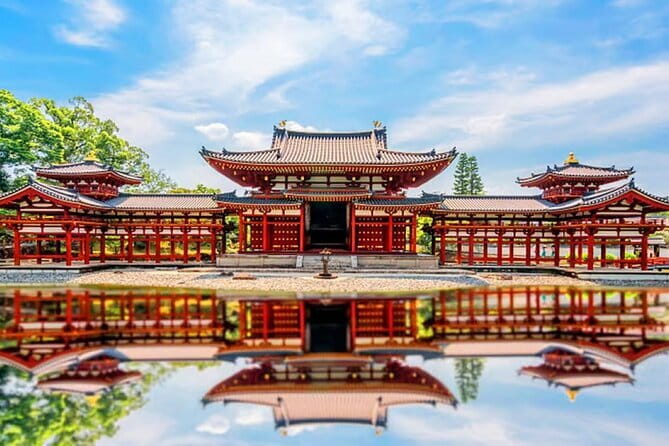
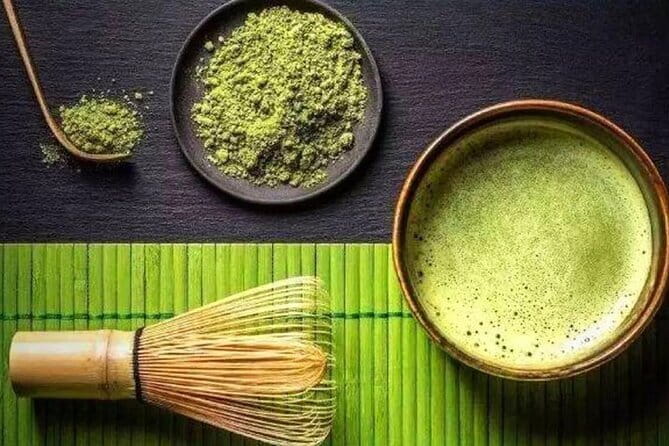
Uji is the cultural bridge between Nara and the hot spring. The town is known for high-quality Uji matcha, and the tour includes time to taste green tea at a traditional tea house. You also have the chance to see Byodo-in, a UNESCO World Heritage Site famous for its Phoenix Hall.
The Uji portion is listed at 2 hours 20 minutes, which is the longest sightseeing block of the day. That sounds generous, but it may need to cover several different activities: reaching the tea area, having matcha, seeing or entering Byodo-in, and perhaps visiting the Tale of Genji Museum if included in the route.
Matcha is not just a drink here. Uji is one of Japan’s best-known tea areas, so this is a chance to connect the scenery and local identity with something you can taste. The cup itself may be brief, but it adds a useful food element to a day otherwise built around temples and bathing.
Byodo-in is worth treating as a priority if the Phoenix Hall interests you. The hall appears on the Japanese 10-yen coin, making it one of the country’s most recognizable buildings. The provided information does not guarantee admission to the hall, and the ticket is not included, so confirm with the guide what portion of the temple grounds the schedule allows.
This is another place where you may need to make a choice. A previous complaint described not having enough time for the Uji temple and matcha stop. I would not assume you can linger over tea, tour every building, and browse freely before the vehicle leaves. If you want both matcha and Byodo-in, tell the guide early that you hope to do both.
The Tale of Genji Museum is also listed among possible extra-ticket attractions, but it is not clearly described as a guaranteed stop in the supplied route. Treat it as an optional possibility, not a promised part of the day.
Genji-no-Yu: the welcome pause at the end

After Nara and Uji, the tour ends its sightseeing with 1 hour 20 minutes at Uji Natural Hot Spring Genji-no-Yu. The facility offers indoor and outdoor baths and takes its name from The Tale of Genji, the classic work associated with Uji.
This is the part of the plan that makes the day feel less like a checklist. You have already spent hours walking, standing, and moving between sites, so a hot bath provides a clear change of pace. The facility is described as having natural waters and a peaceful setting, with both indoor and outdoor bathing areas.
The hot spring admission is included in the main tour details, but the cost notes also say hot spring expenses are around $10 and list hot springs among items that may not be included. Because the information is inconsistent, confirm at booking or with the guide exactly what the included ticket covers and what you may need to pay on site.
The tattoo rule is firm: visible tattoos are not allowed. If this applies to you, ask the provider before paying, since the restriction could prevent you from using the bath. Unaccompanied minors are also not allowed on the activity.
Bring a change of clothes and a small bag if possible, though the supplied details do not specify what facilities or storage are available. You should also plan to follow standard bathing etiquette, such as washing before entering the water, but the tour information does not give a detailed list of on-site rules.
What the $81 price really covers
At $81 per person, the tour offers a fair amount for a full day if you value convenience. The price includes round-trip transportation from Osaka, an air-conditioned vehicle, and a multilingual guide and driver. It also includes the Genji-no-Yu admission according to the main inclusions.
The value is strongest for you if you would otherwise need to arrange Nara and Uji separately. Transport is the difficult part of this route, not simply finding one temple. You are paying to move between regions, keep to a schedule, and return to Osaka without managing every connection yourself.
The price is less attractive if you want unhurried temple visits. Food and drinks are excluded, and admission tickets for Tōdai-ji, Kasuga-taisha, Byodo-in, and the Tale of Genji Museum are not included. The hot spring cost also needs clarification because the details mention an extra charge of around $10.
Plan for the base price plus meals, drinks, and entry fees. That makes the day more expensive than the headline number, but it remains reasonable for a long guided outing with transport and a bath included or partly included.
Who will enjoy this Osaka day trip most
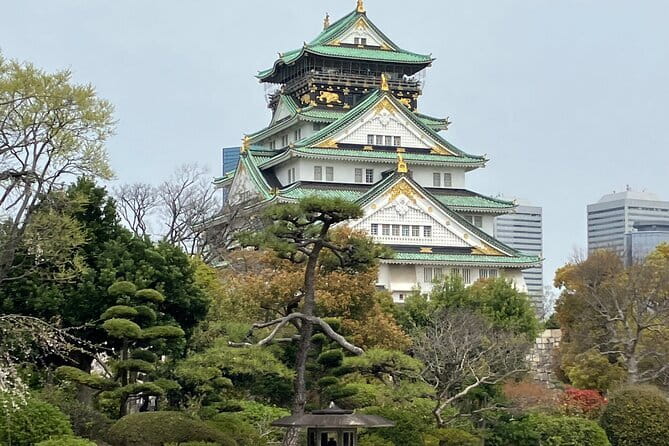
I would choose this tour if you want a broad introduction to Nara and Uji and prefer not to organize the route yourself. It suits families, first-time visitors to the Kansai area, and people who like to mix famous sights with a relaxing stop.
The variety is its best feature. You see deer, Buddhist sculpture, a Shinto shrine, tea culture, a famous temple, and a Japanese bath in one day. That range gives you several memorable moments even if one stop feels rushed.
I would be more cautious if your main purpose is photography, temple study, or a long tea experience. The 8 to 9-hour duration includes transport, and every sightseeing block has a fixed limit. A self-guided day would give you more control at Tōdai-ji and Byodo-in, though it would require more planning.
The tour is also a poor fit if you dislike early starts, group schedules, or long days on your feet. Cold weather can make the outdoor portions harder, so dress for the season rather than relying on the vehicle to keep you comfortable all day.
Practical details before you reserve
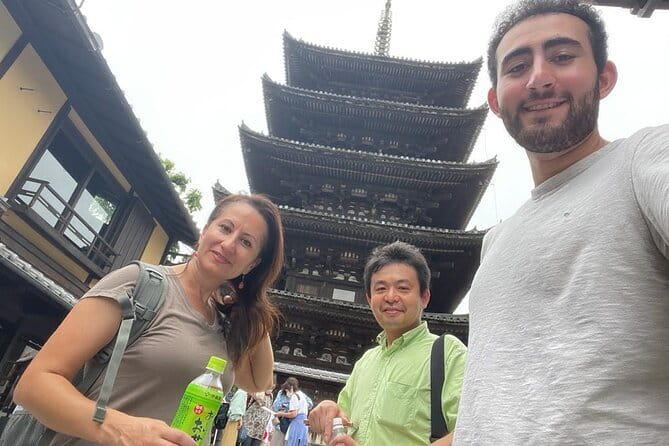
The meeting point is 1-chōme-3 Nipponbashi Parking, 1-3 Nipponbashi, Chuo Ward, Osaka, 542-0073. The start time is 8:30 am, and the tour ends back at that same meeting point.
Wear supportive shoes. You will walk around Nara Park and temple grounds, and the day includes several transitions. Carry money for tickets, food, drinks, and any charge at Genji-no-Yu that is not covered.
Free cancellation is available up to 24 hours before the local start time for a full refund. Changes or cancellations made less than 24 hours before departure are not accepted for a refund.
Should you book this Nara and Uji tour?
Book it if you want maximum variety with minimum route planning. The deer, Great Buddha, Uji tea, Byodo-in, and Genji-no-Yu create a strong one-day mix, and the air-conditioned transport is useful for a route that would otherwise take careful planning.
Think twice if entering Tōdai-ji and Byodo-in is more important to you than seeing several places. The schedule can become tight, especially if the group runs late, and some admission fees are extra. Before departure, confirm the exact temple access, the matcha arrangement, and the hot spring charge.
For most people with only one free day from Osaka, this is a sensible sampler. Go with realistic expectations, good footwear, extra money for tickets and food, and a willingness to keep moving. The final soak at Genji-no-Yu may be exactly what you need after a full day in Nara and Uji.
FAQ
How long does the Osaka, Nara, Uji, and hot spring tour last?
The total duration is approximately 8 to 9 hours, including transportation time. The tour starts at 8:30 am and returns to the Nipponbashi meeting point in Osaka.
Where does the tour start and finish?
You meet at 1-chōme-3 Nipponbashi Parking in Osaka. The activity ends back at the same meeting point.
Are transportation and a guide included?
Yes. The tour includes round-trip transportation from Osaka in an air-conditioned vehicle, plus a multilingual guide and driver.
Are Tōdai-ji, Kasuga-taisha, and Byodo-in admission tickets included?
No. Admission tickets for Tōdai-ji, Kasuga-taisha, Byodo-in, and the Tale of Genji Museum are listed as extra costs. Food and drinks are also not included.
Is the hot spring admission included?
Genji-no-Yu admission is listed as included, but the cost information also mentions an additional hot spring charge of around $10. Confirm the exact arrangement before departure.
Can children or people with tattoos join the tour?
Unaccompanied minors are not allowed. Visible tattoos are also not allowed at the hot spring, according to the tour conditions.
Just added around Osaka
- Osaka: Tea Ceremony, Calligraphy, and Kimono Experience★ 5.0 · 6 reviews
- Osaka:Zen Tea Ceremony and Foot Bath Experience<45min>★ 5.0 · 7 reviews
- Nara Deer Park, Uji Matcha, & Hot Spring Full-Day Tour from Osaka★ 4.0 · 21 reviews
- Premium Kimono Dressing, Tea Ceremony, Calligraphy, Samurai show★ 5.0 · 18 reviews
- Osaka Japanese Cooking And Matcha Class near Osaka Castle★ 5.0 · 22 reviews
- ZEN therapy | Shiatsu-style massage, EnergyTherapy & Japanese Tea★ 5.0 · 5 reviews
- Discover Japanese Tea Blending Techniques in Osaka★ 5.0 · 19 reviews
- Tea and Calligraphy Session at a Table in Osaka★ 5.0 · 4 reviews
Matcha Experiences, compared.
World Heritage Kyoto & Nara Uji Authentic Matcha Experience
Read our review →
Matcha Making Class in Tokyo with Authentic Japanese Sweets Set
Read our review →
Tea Museum Tickets and Matcha Grinding Experience
Read our review →
Matcha Making Class in Osaka with Authentic Japanese Sweets Set
Read our review →
Tea Ceremony Meditation – Make Matcha with Tea Master
Read our review →
Matcha Making Experience with Mochi Sweets in Asakusa
Read our review →
Browse the lists this tour appears in