
Review · OSAKA
Osaka: Matcha Making Experience with Japanese Sweets
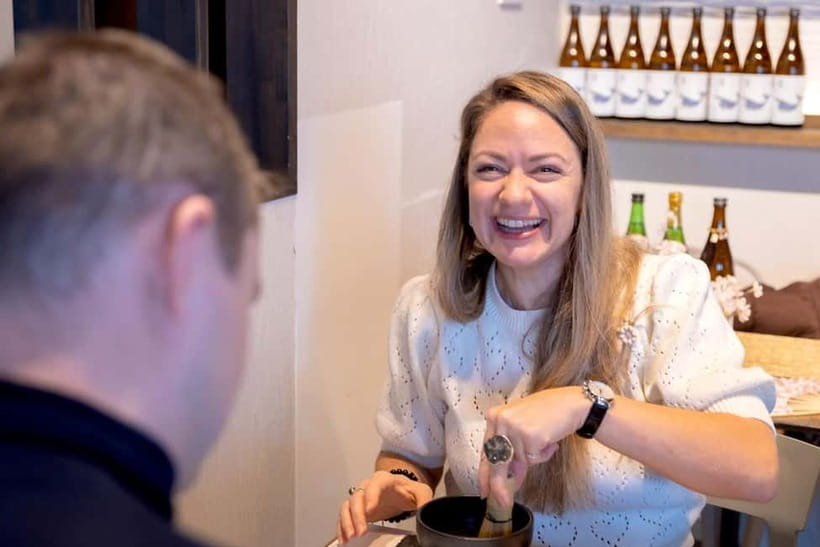
Matcha Making Osaka turns a simple cup of powdered tea into a hands-on lesson in Japanese culture. I like the small group of six, which gives you room to ask questions, and I like the friendly teaching style reported from guides such as Fujiko, Reika, Yui, and Takara. You learn the background, then make and drink the tea yourself.
The class also makes a smart break from Osaka’s noise. You sit down near Dotonbori and Shinsaibashi, learn with traditional tools, and eat Japanese sweets with your tea. The main consideration is timing: one hour is enough for a pleasant introduction, but not a long, formal tea ceremony or a full meal.
Key points at a glance
- A six-person class: The limited group size keeps the lesson personal and makes it easier to get help with whisking.
- History plus hands-on practice: You begin with an interactive quiz and background on matcha before preparing your own cup.
- English-speaking instructors: Guides including Fujiko, Reika, Yui, Reika, Serin, and Takara have led sessions with clear, friendly instruction.
- Traditional tools without kneeling: The setup keeps a traditional feel while using a table, a useful detail for families and anyone who dislikes sitting on the floor.
- Matcha with Japanese sweets: The sweets add a small but important food pairing to the tea tasting.
- Good central location: The class is five minutes from Shinsaibashi Station, close to Dotonbori’s restaurants, shops, and neon.
Why this one-hour Osaka class works
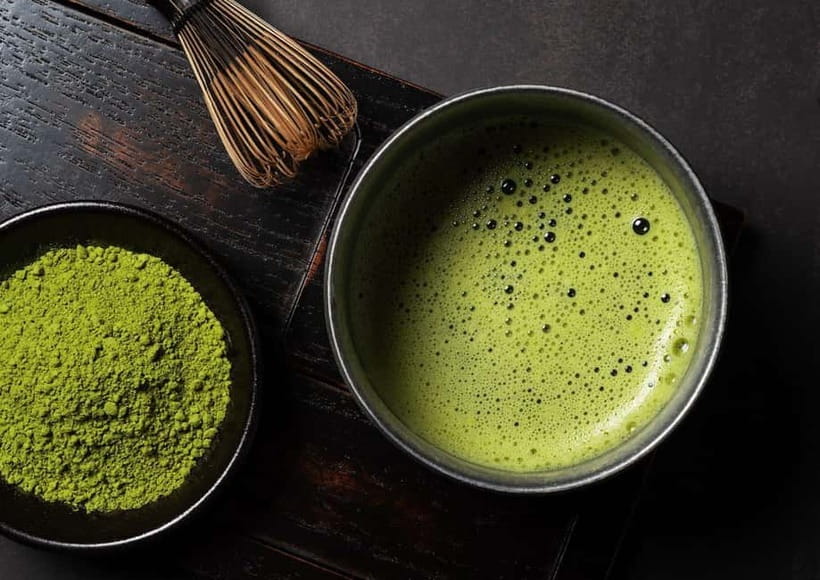
Osaka is famous for eating, shopping, and noise. That makes this matcha class useful as a change of pace. For 60 minutes, you trade the crowded streets around Dotonbori for a quiet table, a bowl, a bamboo whisk, and a little instruction in how tea fits into Japanese culture.
I would not book this expecting a grand temple setting or a slow, formal ceremony. This is a relaxed cooking class with a cultural lesson attached. The tone is casual, but the tools and preparation give it enough structure to feel more meaningful than simply ordering a matcha drink at a café.
The class is especially handy for a first introduction. You do not need previous experience, and the instructor explains each step in English. That matters because matcha looks simple, but the technique can be unfamiliar if you have only seen the finished drink.
More Japanese Sweets and Tea Sessions in Osaka:
- Matcha Making Class in Osaka with Authentic Japanese Sweets Set
★ 5.0 · 509 reviews - Osaka: Japanese Traditional Sweets Making and Tea Ceremony
★ 4.7 · 118 reviews - Osaka : Exclusive Tea Ceremony & Wagashi Cooking
★ 5.0 · 2 reviews
Arriving near Shinsaibashi and Dotonbori
The meeting point is on the third floor of the Galleria Acca Building, about a five-minute walk from Shinsaibashi Station. The location puts you in one of central Osaka’s most useful areas for combining activities. You can shop in Shinsaibashi, visit the canal and signs around Dotonbori, then fit in the class without a long ride across town.
The building can be a little easy to miss. One useful practical tip is to look for the stairs and go up to the third floor. The room itself has been described as clean and pleasant, but the entrance may not announce itself loudly from the street, so allow a few extra minutes.
The central location is more than a convenience. Matcha making gives you a calmer activity in the middle of one of Osaka’s busiest districts. You can schedule it during a hot afternoon, after shopping, or before dinner. One hour is short enough to fit into a packed day.
The opening lesson and matcha quiz
The session begins with an introduction to matcha and its place in Japanese food and tea culture. Instead of giving you a dry lecture, the instructors use an interactive quiz and questions to keep the opening moving.
That format is a good fit for families and mixed-age groups. Children can take part without needing to sit through a long talk, while adults get enough background to understand why the preparation matters. A family with an eight-year-old enjoyed the activity, and another class worked well for elementary school children.
The lesson is brief, so expect a clear introduction rather than an academic course. You learn the essential story, terminology, and purpose of matcha before handling the equipment. Instructors have also answered questions about tea culture, preparation, and local food, which makes the class feel conversational rather than scripted.
The guides’ personalities are part of the experience. Fujiko has been praised for her humor and strong English. Matty, also referred to as Marty in some feedback, has been described as energetic and good with children. Yui, Serin, Reika, and Takara have also led sessions with a warm and patient approach. Your instructor can vary, but the activity is designed around English-language help.
Whisking your own matcha with traditional tools
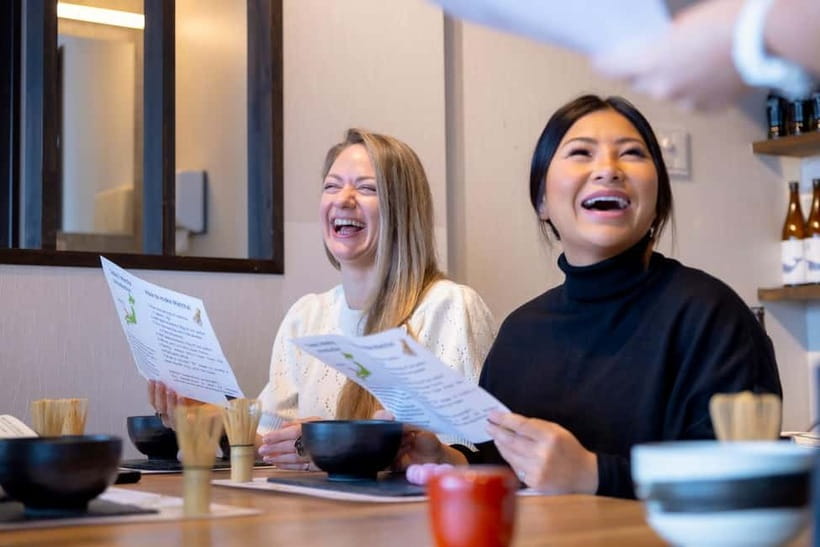
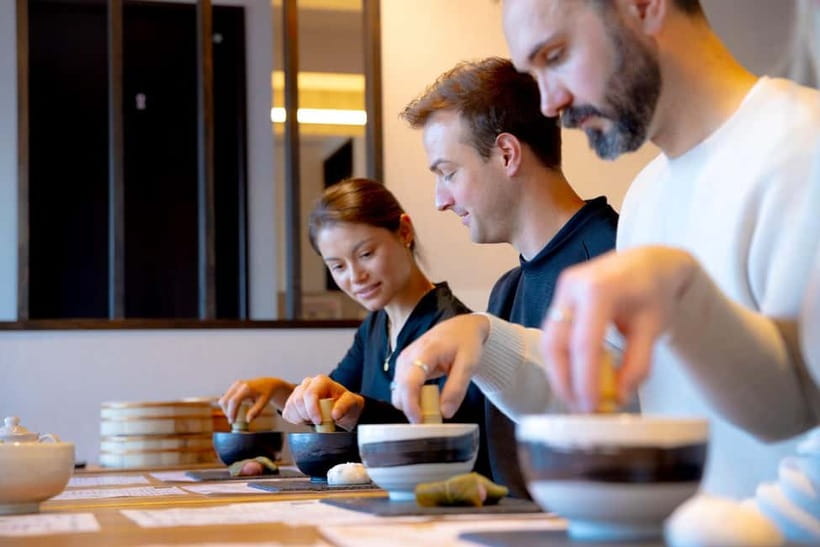
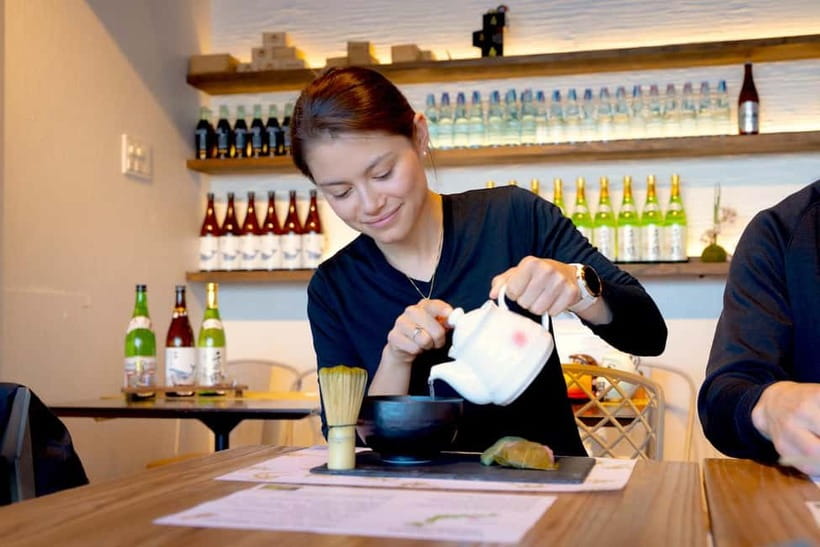
The practical center of the class is preparing your own bowl of matcha. You work with traditional equipment, including the bamboo whisk, and the instructor demonstrates how to combine the powder and water before you try it yourself.
This is where the class earns its price. You are not only watching someone make tea. You are learning the motion, seeing how the powder dissolves, and adjusting your technique with help from the instructor. Several people came away keen to try the method again at home.
The process is approachable, but do not expect to produce a perfect bowl on your first attempt. The lesson is about learning the basic method and enjoying the result, not passing a tea-school exam. The instructor can guide your hand and explain what to watch for as you whisk.
One thoughtful design choice is the seating. The table has a traditional feel, but you do not need to kneel on the floor. That makes the class easier for families, older participants, and anyone who prefers a chair or standard table position.
The tools and ingredients are included, so you can concentrate on the preparation. You should expect one serving of matcha, not a large amount of food or several rounds of tea. That point matters if you are looking for lunch or a substantial cooking class. This is a cultural tasting activity, not a meal replacement.
More Matcha Experiences in Osaka:
- Osaka Temple Cool Foot Bath & Matcha Experience〈45min〉
★ 4.9 · 82 reviews - Osaka Temple Head Spa &Matcha Facial – Refresh & Glow〈90min〉
★ 5.0 · 24 reviews - Osaka Japanese Cooking And Matcha Class near Osaka Castle
★ 5.0 · 22 reviews - Nara Deer Park, Uji Matcha, & Hot Spring Full-Day Tour from Osaka
★ 4.0 · 21 reviews
Drinking the tea with Japanese sweets
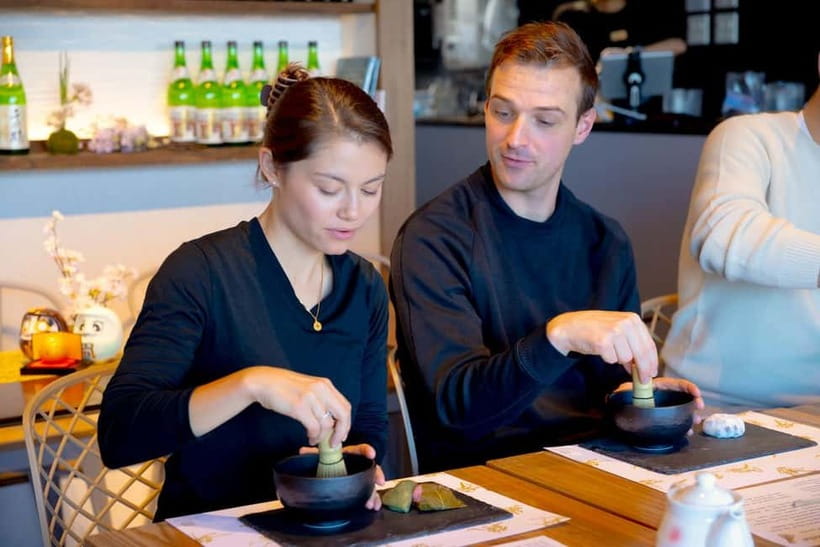
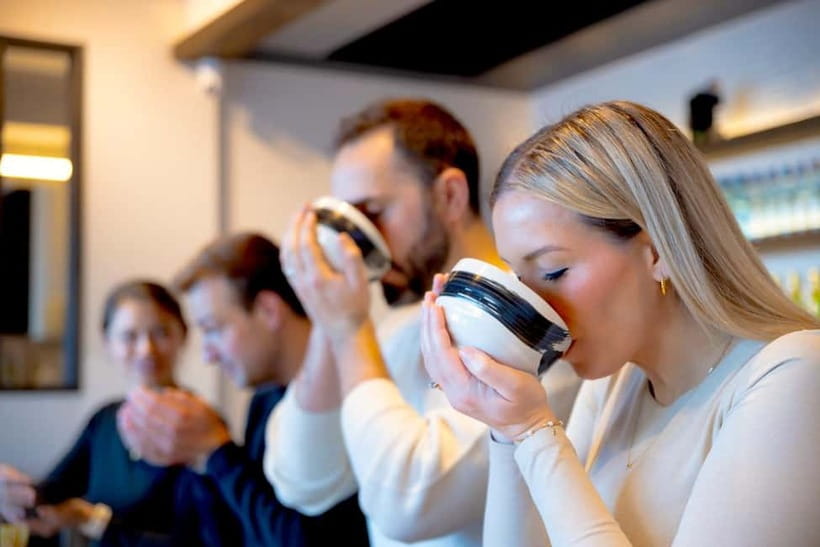
After making your bowl, you drink the matcha and eat Japanese sweets served alongside it. The sweets provide a pleasant contrast to the tea’s earthy, slightly bitter flavor, and they make the tasting feel complete.
The food portion is modest. I see that as a strength if you want a light activity before Osaka dinner, but it is a limitation if you expect a dessert buffet or a large tasting menu. The value comes from learning to prepare and appreciate the tea, with the sweets serving as a pairing rather than the main event.
The tasting also gives you time to ask follow-up questions. You can talk about the flavor, preparation, and Japanese tea customs while the experience is still fresh. Some instructors have shared suggestions for nearby restaurants and local places to eat, a useful bonus when you are deciding where to go next.
One small criticism is that the scheduled hour can feel quick once the lesson, preparation, and tasting are all included. If you want a long, quiet tea session, you may wish for more time at the table. Go in expecting a well-paced introduction, not extended meditation.
The value of a $22 Osaka activity
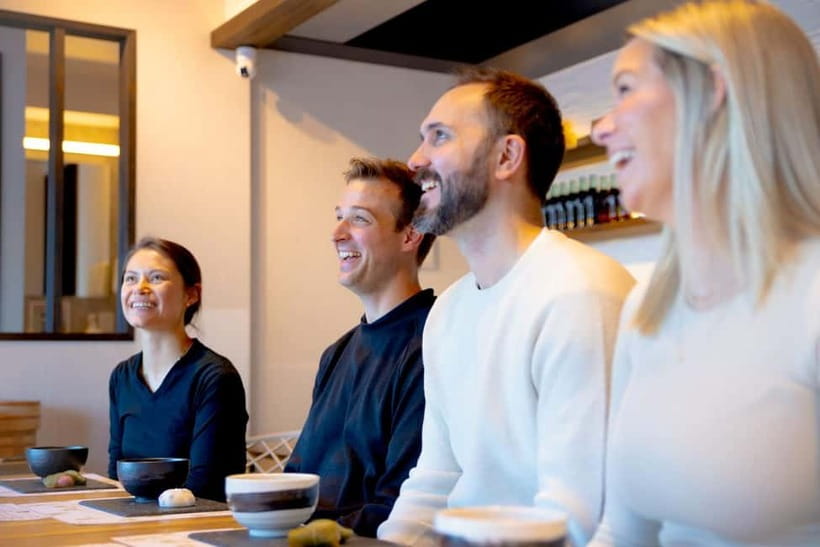
At $22 per person, this is reasonably priced for a guided cultural activity in central Osaka. The fee includes the cooking class, ingredients, instructor, use of the equipment, and the Japanese sweets served with the tea.
The strongest value comes from the personal instruction. A café can sell you a matcha drink for less, but it will not explain the background, show you how to whisk it, or let you practice with a bamboo whisk. A formal tea experience may cost more and follow stricter rules, while this class keeps the mood lighter and more accessible.
The small group helps justify the price. With a maximum of six participants, the teacher can answer questions and watch each person prepare the tea. That is especially useful for a first-time matcha drinker or a child who needs a little extra help.
The class is also a good value for families and couples who want an activity that does not depend on perfect weather. It takes place indoors, lasts only one hour, and can be paired with shopping or dinner. Hotel pickup and drop-off are not included, but the central station location keeps transport simple.
Who should book this matcha experience
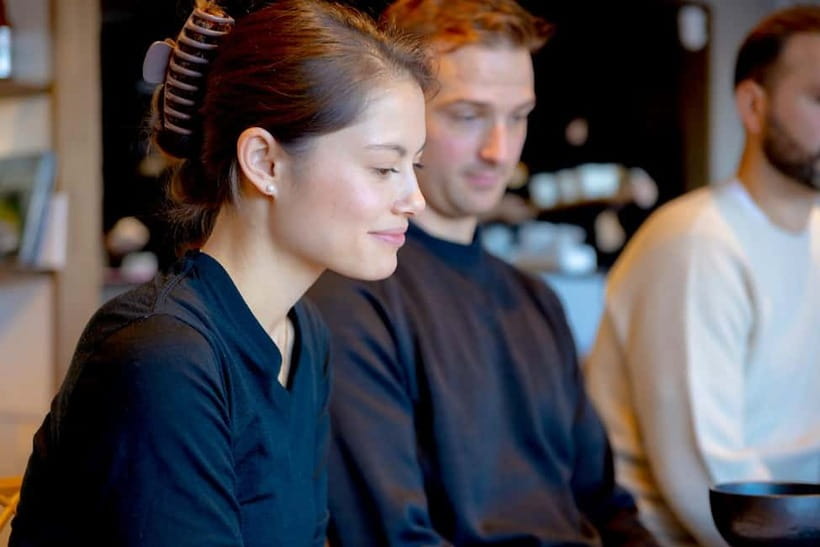
I would recommend this class to anyone who wants a manageable introduction to Japanese food culture. It suits first-time matcha drinkers, curious couples, families with children, solo visitors, and anyone who likes learning by doing.
It works particularly well for:
- First-time visitors to Japan: You get cultural context without needing prior knowledge.
- Families: The quiz, hands-on preparation, and no-kneeling table make the activity easier for children.
- Matcha fans: You can improve your technique and learn more about the drink you already enjoy.
- Solo participants: Small groups make it easier to take part without feeling out of place.
- Hot or rainy afternoons: The one-hour indoor class offers a comfortable pause from Osaka’s streets.
- Food-focused itineraries: The activity fits naturally into a day around Dotonbori and Shinsaibashi.
You may want something else if your main goal is a full Japanese tea ceremony with formal etiquette, extended silence, or a historic garden setting. You should also choose another activity if you want to cook a full meal. This class is focused tightly on matcha, its preparation, and a small sweet pairing.
Timing, booking, and practical details
The activity lasts one hour, with starting times based on availability. You can reserve ahead and pay later, which helps if your Osaka schedule is still changing. Cancellation is free up to 24 hours before the activity for a full refund.
The instructor language is English. The group is limited to six participants, and solo bookings are welcome. Since the meeting point is in a busy central area, I would plan to arrive early enough to locate the Galleria Acca Building and reach the third floor without rushing.
There is no hotel pickup or drop-off. From the information provided, the key transport detail is the five-minute walk from Shinsaibashi Station. The listed meeting coordinates are 34.6723159, 135.5024459 if you prefer to check the location on a map before setting out.
The experience provider is Sushi Making Japan, also known as Cooking Class in Japan, while the activity itself is presented as Matcha Making Osaka. Keep the exact meeting name and building details handy when you make your way there.
Should you book it?
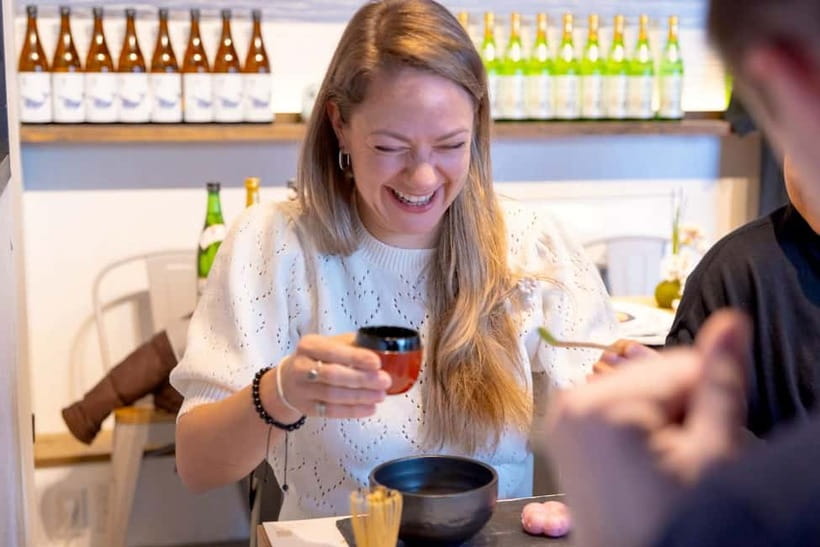
Book this matcha class if you want a friendly, hands-on Osaka activity that adds cultural meaning to a familiar drink. For $22, you get a short history lesson, an interactive quiz, personal help with traditional tools, your own bowl of tea, and Japanese sweets in a small English-speaking group.
I especially like it for families and first-time visitors because the class is structured without being stiff. The main limit is its size and pace: one hour gives you a good introduction, but not a lengthy tea ceremony or a filling food experience.
If you are already planning to be near Shinsaibashi or Dotonbori, this is an easy activity to fit between major sights. Go for the hands-on lesson, the friendly instructors, and the chance to make matcha yourself. Skip it only if you want a formal ceremony, a large meal, or a longer workshop.
FAQ
How long does the matcha making experience last?
The activity lasts one hour.
Where does the activity meet?
It meets on the third floor of the Galleria Acca Building, about a five-minute walk from Shinsaibashi Station. The coordinates are 34.6723159, 135.5024459.
Is the activity near Dotonbori?
Yes. The class takes place in central Osaka near the Dotonbori and Shinsaibashi areas.
Is the instructor able to speak English?
Yes. English-speaking instructors lead the class, and English is the listed activity language.
How many people are in each group?
The class is limited to six participants.
Do I need previous matcha-making experience?
No. The activity is designed for beginners, and the instructor guides you through the preparation.
What is included in the price?
The price includes the cooking class, ingredients, instructor, traditional matcha-making tools, matcha, and Japanese sweets served during the experience.
Can I cancel for a refund?
You can cancel up to 24 hours in advance for a full refund.
More Dessert Stops in Osaka
- Kyoto: Japanese Traditional Sweets Making and Tea Ceremony
★ 4.4 · 314 reviews - Make Traditional Nerikiri Sweets & Matcha experience in Shibuya
★ 5.0 · 130 reviews - Marrakech: Moroccan Pastries and Tea Class with a Local
★ 4.7 · 84 reviews - Nagoya: Japanese Traditional Sweets making and Tea Ceremony
★ 4.9 · 76 reviews
More Tea Making Classes in Osaka
- Discover Japanese Tea Blending Techniques in Osaka
★ 5.0 · 19 reviews - Matcha Making Class in Tokyo with Authentic Japanese Sweets Set
★ 5.0 · 744 reviews - London: Traditional English Scone Making and Tea Workshop
★ 5.0 · 702 reviews - Tokyo: Matcha Making Experience with Mochi Sweets in Asakusa
★ 4.9 · 388 reviews
Just added around Osaka
- Osaka: Tea Ceremony, Calligraphy, and Kimono Experience★ 5.0 · 6 reviews
- Osaka: Nara, Todaiji, Uji Matcha, and Hot Spring Tour★ 4.0 · 7 reviews
- Nara Deer Park, Uji Matcha, & Hot Spring Full-Day Tour from Osaka★ 4.0 · 21 reviews
- Osaka:Zen Tea Ceremony and Foot Bath Experience<45min>★ 5.0 · 7 reviews
- Premium Kimono Dressing, Tea Ceremony, Calligraphy, Samurai show★ 5.0 · 18 reviews
- Osaka Japanese Cooking And Matcha Class near Osaka Castle★ 5.0 · 22 reviews
- ZEN therapy | Shiatsu-style massage, EnergyTherapy & Japanese Tea★ 5.0 · 5 reviews
- Discover Japanese Tea Blending Techniques in Osaka★ 5.0 · 19 reviews
Japanese Sweets & Tea, compared.

Matcha Making Class in Tokyo with Authentic Japanese Sweets Set
Read our review →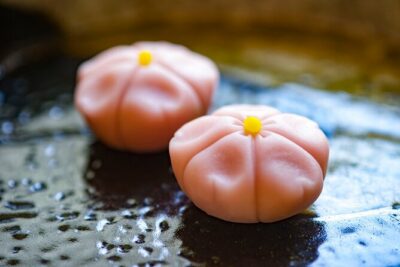
Matcha Making Class in Osaka with Authentic Japanese Sweets Set
Read our review →
Japanese Traditional Sweets Making and Tea Ceremony
Read our review →
Japanese Traditional Sweets Making and Tea Ceremony
Read our review →
Nagoya: Japanese Traditional Sweets making and Tea Ceremony
Read our review →
Sweets Making and Kimono Tea Ceremony at Tokyo Maikoya
Read our review →
Japanese Traditional Sweets making and Tea Ceremony
Read our review →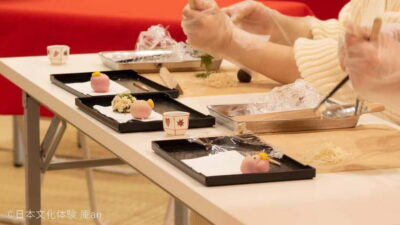
Two Types of Japanese Sweets Making and Tea Ceremony
Read our review →Browse the lists this tour appears in