
Review · SOUTH KOREA
Seoul: Herbal Tea Class & Korean Medicine Tour
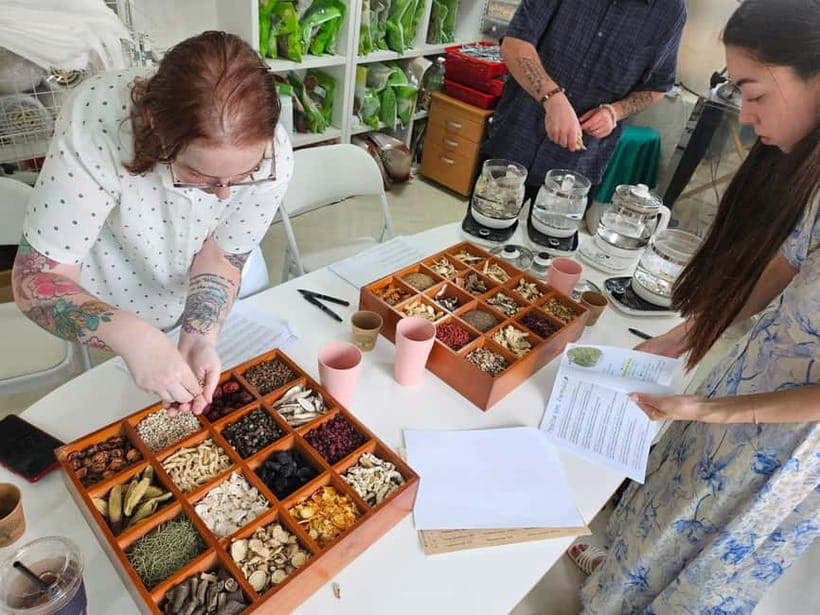
The most unusual part of this Seoul experience is the chance to handle about 40 traditional herbs before making a tea blend chosen for you. Sungil Choi, who studied herbal medicine at university and has worked as an herbal specialist since 2017, adjusts the session for beginners, serious herb fans, and even medical professionals.
I like the personal tea-making session, especially because you take your finished tea home in a bottle. I also like the clear introduction to Yin-Yang, the Five Elements, and the difference between Korean and Western medicine. The main caution is that the museum portion may vary: some visitors receive detailed explanations, while others have had to read exhibits or use a phone translation tool themselves.
Key points to know before booking
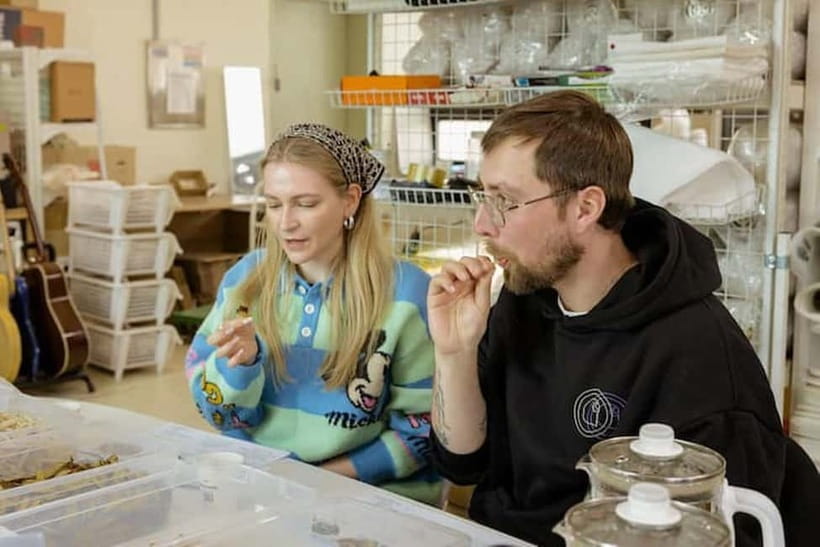
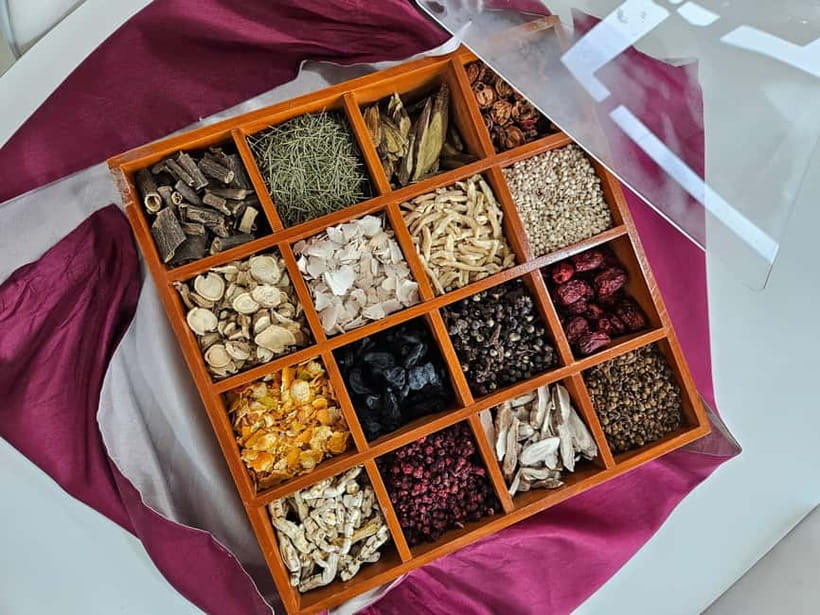
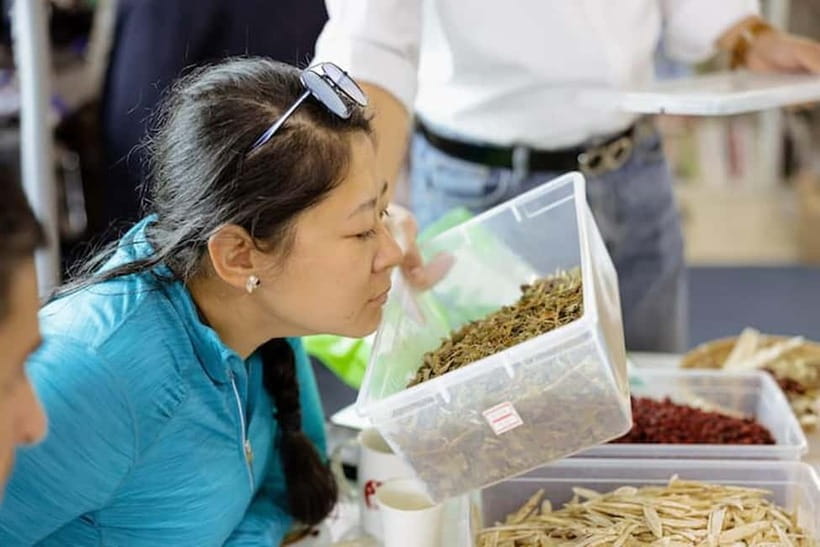
- Handle around 40 medicinal herbs: Smell, touch, and examine common ingredients used in Traditional Korean Medicine.
- Blend a tea for your own needs: Sungil Choi helps you choose ingredients and explains why they are used.
- Visit Seoul’s Korean Medicine Museum: The entry ticket and museum commentary are included, though the amount of English guidance may vary.
- Add treatments if you wish: Foot baths, massage, acupuncture, moxibustion, and clinic visits cost extra.
- Take tea home: Herbs, a teapot, and a bottle for your finished tea are included in the $50 price.
- Plan for a flexible lesson: The content changes according to your interests, so it suits both newcomers and people already familiar with herbs.
Starting with herbs at Sungil Choi’s workshop
The experience starts at 2:00 p.m. in Room 401, where Sungil Choi welcomes you with a cup of herbal medicine tea. If Seoul’s addresses leave you scratching your head, he sends detailed directions on the day of the activity, which is useful for a first visit.
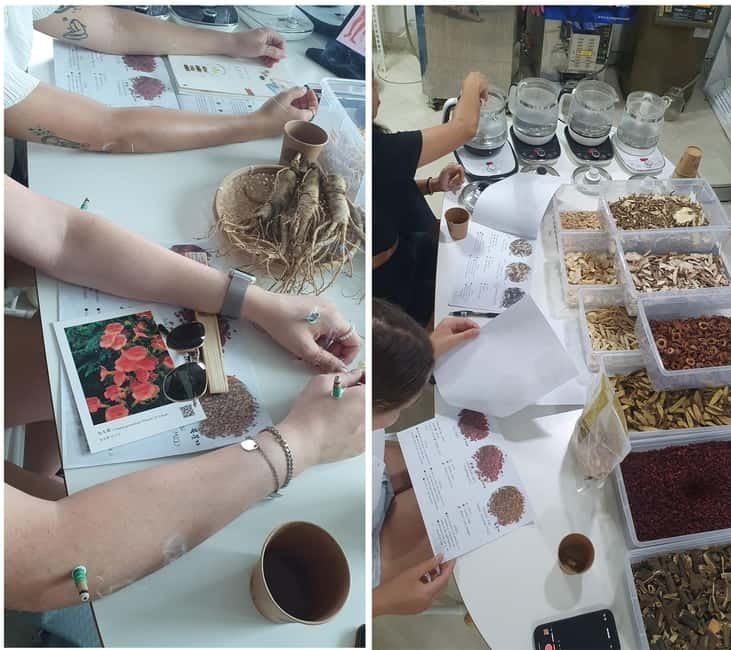
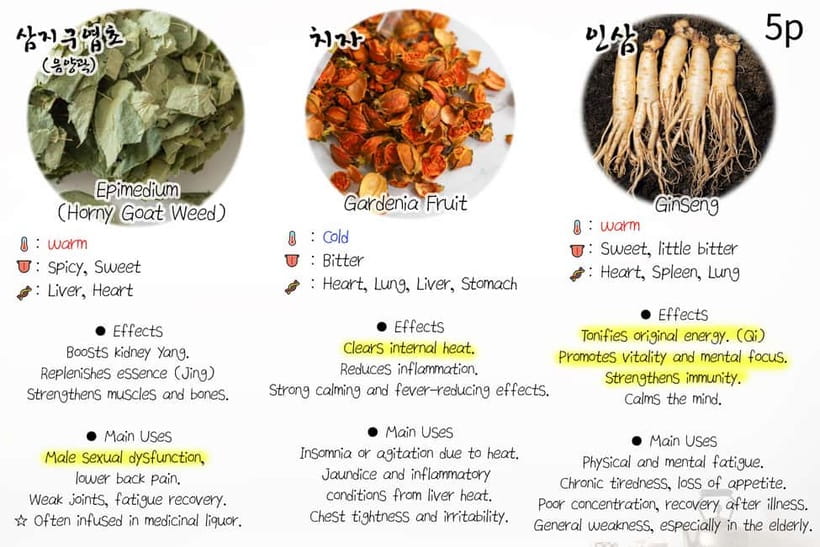
The opening lesson is hands-on rather than a quick lecture. You can see and touch roughly 40 medicinal herbs commonly used in Traditional Korean Medicine, often shortened to TKM. That makes the subject easier to grasp. A list of herb names can feel abstract, but handling the ingredients gives you a better sense of their texture, scent, and everyday use.
Choi has a background in herbal studies and has sold medicinal herbs in South Korea’s domestic market since 2017. His practical experience shapes the session, but the level of detail depends on what you want to learn. If you already know about Korean medicine, tell him early. If you are starting from zero, say so. The lesson is designed to move in either direction.
You should not expect a full medical education in one afternoon. Korean herbal medicine is a large subject, and this experience gives you an accessible starting point rather than a complete course. That is part of its appeal: you can ask questions without needing a technical background.
More Tea Making Classes in the world:
- London: Traditional English Scone Making and Tea Workshop
★ 5.0 · 702 reviews - London Traditional English Scone Making and Tea Workshop
★ 5.0 · 271 reviews - Nara:Authentic Tea Ceremony(Max 5 ppl) -Master Matcha Making
★ 5.0 · 119 reviews
Making a tea blend you can actually take home
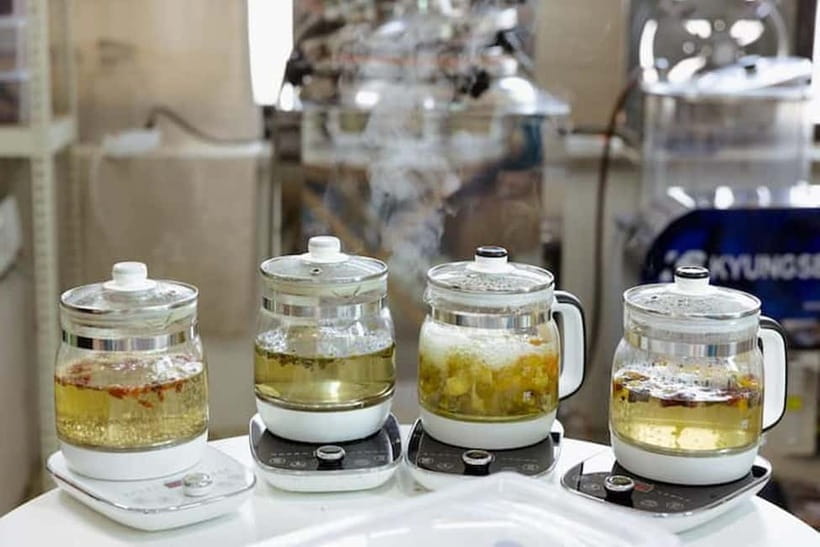
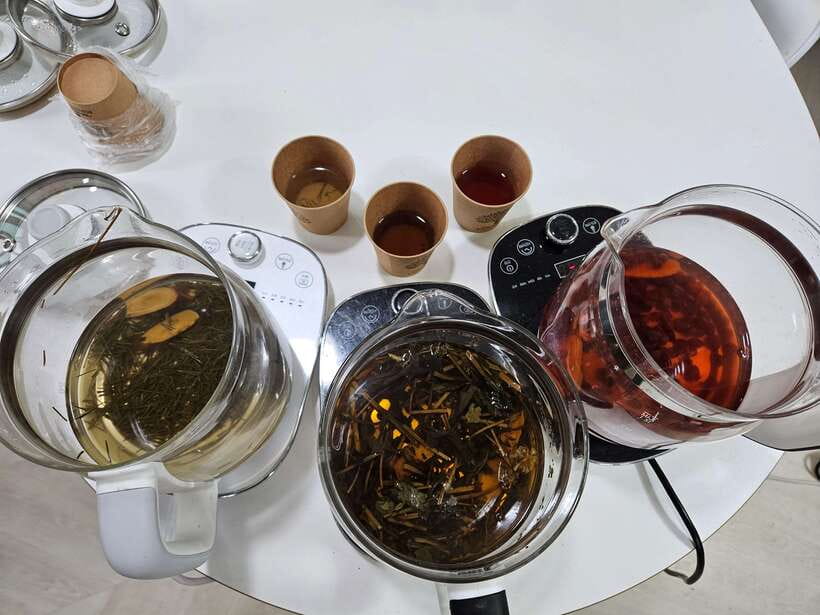
The tea-making session is the heart of the experience. You choose herbs with Choi’s help, then blend them into a personal tea. The selection is linked to your interests and needs, though this should not be treated as a diagnosis or a substitute for medical care.
You also learn how Traditional Korean Medicine approaches the body through ideas such as Yin-Yang and the Five Elements. Choi explains these concepts in simple terms and compares them with Western medicine. The point is not to prove one system right and the other wrong. Instead, you get a useful look at two different ways of thinking about health, symptoms, balance, and treatment.
I especially like that the lesson includes time to enjoy the tea you have made. It gives the theory a practical finish, and you can take a bottle home afterward. The included herbs and teapot also add value to the $50 price, since you are not only watching a demonstration.
A word of caution: the tea is connected to Traditional Korean Medicine, but the activity is not described as a formal consultation. If you have a health condition, take medication, or are pregnant, ask a qualified medical professional before using medicinal herbs. For treatment, use the Korean medicine clinic option rather than relying on a casual tea blend.
Understanding Yin-Yang and the Five Elements
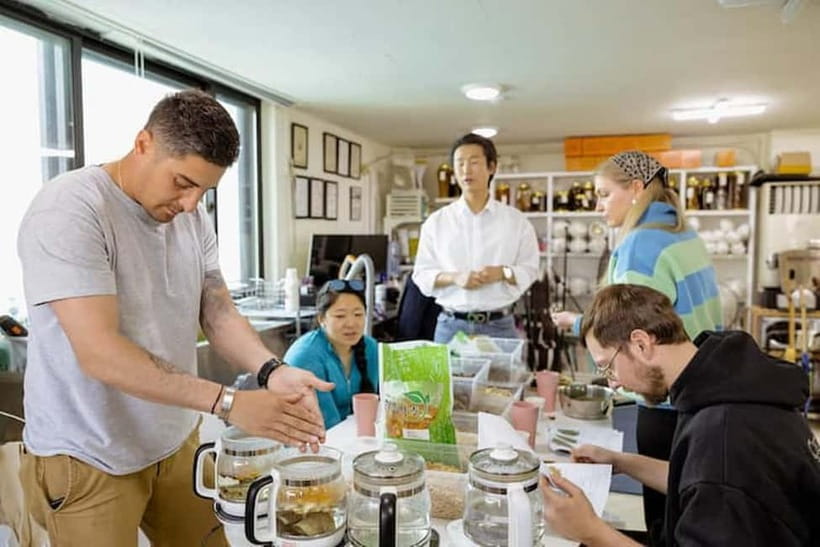
Many visitors know Korean medicine mainly through acupuncture or the image of a traditional doctor examining a patient. This class gives you some of the ideas behind those practices.
The Yin-Yang lesson explains balance and contrast. The Five Elements introduce another part of the traditional framework used to discuss the body and its functions. Choi keeps the material simple, which works well if you want cultural context without a long academic presentation.
This section is also where the experience makes a useful bridge between East and West. You will not leave with every answer, but you should have a clearer idea of why Korean medicine uses herbs, acupuncture, moxibustion, and other treatments in ways that do not always match Western medical practice.
The tone is conversational, and that matters. The strongest sessions appear to come when visitors ask questions and explain what interests them. If you want a fixed script with every minute planned, this may feel loose. If you prefer a class that responds to your questions, the flexible format is a plus.
Visiting the Korean Medicine Museum at K-medi Center
After the tea and a short break, you continue to the K-medi Center and its Traditional Korean Medicine Museum. Museum entry is included, along with commentary from Choi.
This stop adds context to the workshop. You see how Korean medicine is presented beyond individual herbs, and Choi can explain parts of the exhibits in relation to what you have just learned. For someone new to TKM, that link between the hands-on lesson and the museum is useful.
The English support is the biggest variable here. Some sessions include helpful explanations throughout the museum, while other experiences have been less guided, with visitors reading displays themselves or using a phone translation tool. Museum text is not always available in English, so it is sensible to confirm at the start how Choi plans to guide you.
That inconsistency is worth taking seriously. The museum is more valuable when the guide explains the displays and connects them to the herbs from the first part. If you are left to walk around alone, the museum can feel like a short entry stop rather than a fully guided visit.
The best approach is to ask questions as you go. Choi’s role includes museum commentary, so it is reasonable to ask him to explain an exhibit rather than simply point you toward a translation app.
More Workshops in the world:
- Kyoto: 45-Minute Tea Ceremony Lesson Experience
★ 4.3 · 2,378 reviews - Tea Ceremony Workshop in Tokyo by the Experienced Instrucor
★ 5.0 · 189 reviews - Xiao Long Bao, Beef Noodles & Boba Tea Cooking Class in Taipei
★ 5.0 · 159 reviews - Experience all of Japanese culture and Japanese food experience classes “origami, udon, Japanese food, green tea, calligraphy” in 4 hours
★ 5.0 · 105 reviews
Optional foot baths, massage, and clinic visits
After the museum, you can choose to finish the experience or pay for an additional activity. The options give you a closer look at Korean health practices, but none of these costs is included in the $50 price.
The outdoor foot bath costs 6,000 KRW per tub, and one tub fits two people. A meridian massage costs 5,000 KRW per person. These are relatively modest add-ons, but you should ask about the current arrangement and payment before choosing.
Acupuncture or moxibustion costs about 50,000 KRW. A visit to a Korean medicine clinic costs around 50,000 KRW without health insurance, though the final price can vary slightly. These services are separate from the educational tour, and you should treat them as medical appointments rather than tourist extras.
Choi can help interpret your symptoms for the doctor and guide you through the consultation and treatment process. He can also connect you with an appropriate specialist based on your needs. That support may be useful if you are unfamiliar with Korean clinics or do not speak Korean.
Still, be clear about what you want. If you only want to learn about herbs and make tea, you do not need to add a treatment. If you are interested in acupuncture or a clinic visit, bring enough time and budget for a separate medical experience.
What the $50 price includes
At $50 per person, the experience offers more than a museum ticket. You receive a welcome herbal tea, the herbs and teapot needed for blending, a basic TKM lecture, a bottle for taking tea home, museum admission, and museum commentary from a Traditional Korean Medicine specialist.
The personal element is the strongest part of the value. A standard museum visit cannot help you choose herbs or explain how a blend fits your questions. Here, Choi adjusts the session to your level and interests.
The price is less attractive if the museum is not actively guided and you skip the optional activities. In that case, much of the value rests on the workshop and the take-home tea. Since the experience has received a mix of very positive and sharply critical feedback, I would confirm the museum format and optional costs before booking.
The included bottle is a small but practical touch. You get a physical reminder of the class, not just a short talk and a museum entry. If you are interested in Korean tea, herbs, or wellness traditions, that makes the cost easier to justify.
Who will enjoy this experience most
This is a good choice for you if you want:
- A personal introduction to Korean medicinal herbs
- A hands-on activity rather than a standard sightseeing tour
- Simple explanations of Yin-Yang and the Five Elements
- A chance to ask questions about Traditional Korean Medicine
- A take-home tea blend and bottle
- Optional access to massage, foot baths, acupuncture, moxibustion, or a Korean medicine clinic
It suits curious beginners particularly well. You do not need previous knowledge, and the material is presented in accessible terms.
It can also work for people who already study herbs or TKM. Tell Choi what you know, since he can adjust the discussion instead of repeating only the basics. Medical professionals may find the comparison between Korean and Western medicine useful, though the session remains an introductory tour rather than professional training.
I would be more cautious if you expect a tightly scripted museum tour in English. The museum commentary can be helpful, but it has not been consistent for every visitor. I would also avoid booking it only for a medical treatment. The class is mainly an educational and cultural experience, with treatment available as an optional extra.
Timing, meeting point, and practical details
The activity begins at 2:00 p.m. and ends back at the meeting point. The starting location is Room 401. Choi sends detailed directions on the day of the tour, which helps if you are not comfortable navigating Korean addresses.
English is the listed language. Because the museum displays may not all have English text, ask questions during the visit and keep your phone ready for translation if needed.
The experience allows booking with payment later, and cancellation is available up to 24 hours in advance for a full refund. Those terms are useful if your Seoul schedule is still changing.
One more practical point: ask before photos or video are taken. One visitor felt uncomfortable with content being recorded without clear permission. A polite request at the start can prevent confusion and set the right tone for everyone.
My recommendation for this Seoul herbal class
Book this experience if you want a personal, hands-on introduction to Korean herbs and are happy with a flexible format. The custom tea, the chance to handle 40 herbs, and Choi’s ability to adjust the lesson are the main reasons to go.
I would not book it if your only goal is a fully narrated museum visit in English or a low-cost medical treatment. The museum guidance may be uneven, and acupuncture, moxibustion, massage, foot baths, and clinic care all cost extra.
For the best experience, tell Choi your interests at the beginning, ask for detailed museum explanations, and decide in advance whether you want to pay for a treatment. With those expectations in place, this can be a thoughtful change of pace from Seoul’s palaces, shopping streets, and food tours.
FAQ
What time does the herbal tea class begin?
The experience begins at 2:00 p.m.
Where does the experience start?
It starts at Room 401. Detailed directions are sent on the day of the activity for people who are not familiar with the address.
What is included in the $50 price?
The price includes a welcome herbal medicine tea, herbs and a teapot for blending tea, a basic Traditional Korean Medicine lecture, a take-home bottle, museum entry, and museum commentary from a Traditional Korean Medicine specialist.
Can I make my own herbal tea?
Yes. You choose and blend herbs with guidance from Sungil Choi, then enjoy the tea and take some home in a bottle.
How many herbs will I see?
The workshop introduces around 40 commonly used medicinal herbs in Traditional Korean Medicine.
Are acupuncture and moxibustion included?
No. Acupuncture or moxibustion costs approximately 50,000 KRW and is paid separately.
How much do the optional foot bath and massage cost?
An outdoor foot bath costs 6,000 KRW per tub, with one tub fitting two people. A meridian massage costs 5,000 KRW per person.
Is the museum visit guided in English?
English is the tour language, and museum commentary is included. However, the amount of English explanation may vary, and some displays may require phone translation.
Just added around the world
- Yogyakarta: Prambanan Tour, Sukuh Temple & Tea Plantation★ 5.0 · 3 reviews
- Xi’an Chinese Calligraphy Workshop: Ink Art & Tea Tasting★ 5.0 · 4 reviews
- Yokohama : Tea Ceremony with Sweets and Souvenir★ 5.0 · 5 reviews
- Washington, D.C.: Tea Around Town Bus Tour with Landmarks★ 3.4 · 7 reviews
- Tea Route: Lake, Forest, Tea Plantation & 3 Course Lunch★ 3.6 · 7 reviews
- Wadi Rum: 2-Hour Jeep Tour with Bedouin Tea★ 5.0 · 11 reviews
- Walking Tour: Yanaka,Nezu& Sendagi: Tea Ceremony & Old Tokyo★ 5.0 · 3 reviews
- Visit local home for music and tea ceremony near Disney★ 4.9 · 13 reviews
Tea Making Classes, compared.
Matcha Making Class in Tokyo with Authentic Japanese Sweets Set
Read our review →
Traditional English Scone Making and Tea Workshop
Read our review →
Matcha Making Class in Osaka with Authentic Japanese Sweets Set
Read our review →
Matcha Making Experience with Mochi Sweets in Asakusa
Read our review →London Traditional English Scone Making and Tea Workshop
Read our review →
Nara:Authentic Tea Ceremony(Max 5 ppl) -Master Matcha Making
Read our review →Browse the lists this tour appears in