
Review · NARA
Nara:Authentic Tea Ceremony(Max 5 ppl) -Master Matcha Making
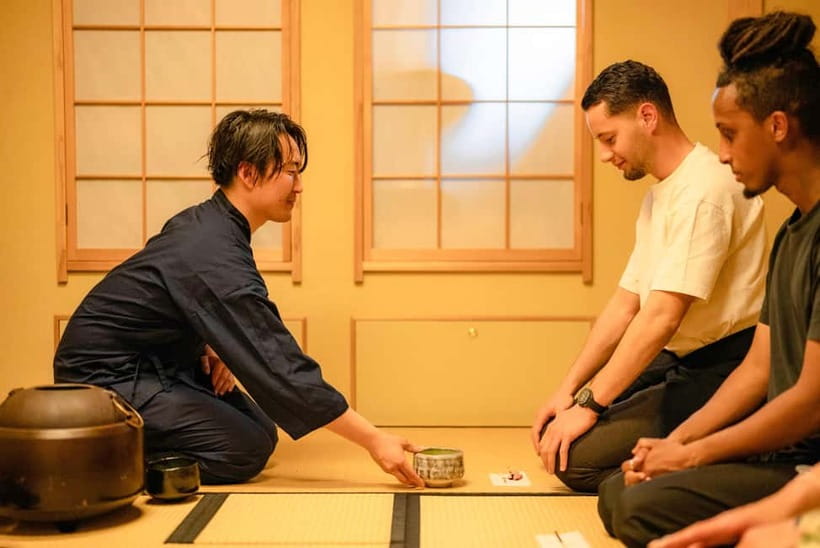
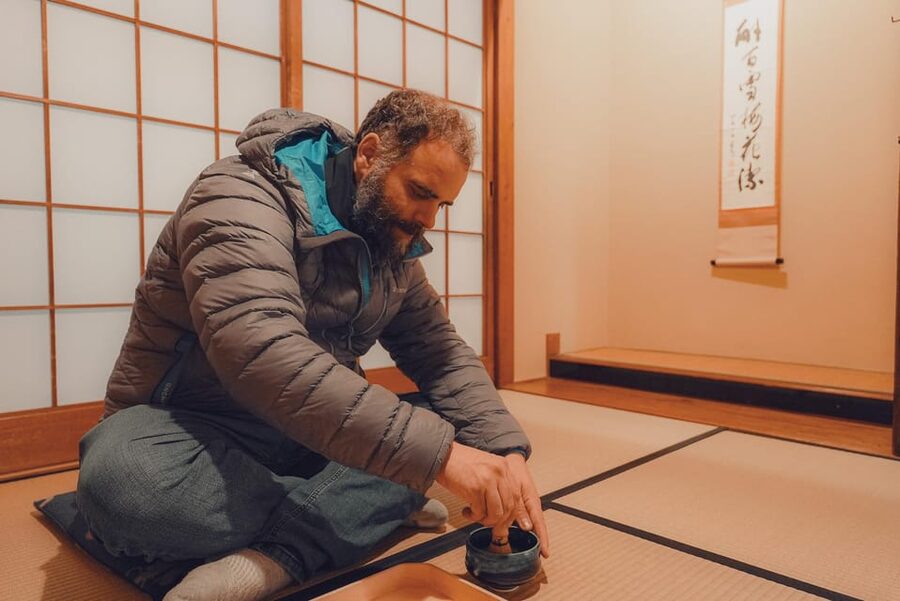
The most appealing part of this Nara experience is its setting: a 120-year-old Japanese farmhouse where the quiet surroundings do much of the teaching. You learn the meaning behind the ceremony, handle traditional utensils, taste several teas, and then whisk your own matcha under close guidance.
I like two things in particular. First, the small format lets the tea master adjust the lesson to your questions and whisking technique. Second, the experience connects tea with daily life in Nara, since hosts such as Mike and Kurabi often offer useful advice on restaurants, sake shops, matcha cafés, and places to visit. The main consideration is time: one hour goes quickly, so this is a focused introduction rather than a long formal tea gathering.
Key Points at a Glance
- A 120-year-old farmhouse: The traditional house gives the lesson a calm, lived-in setting instead of a busy tourist venue.
- Hands-on matcha making: You do not simply watch. You whisk your own tea and receive practical tips on creating a smoother, creamier bowl.
- Single-origin tasting: You can compare Nara matcha and other teas, helping you notice differences in flavor and aroma.
- Small and personal: The experience is advertised for a small group, with the title noting a maximum of five and the activity details listing up to six participants.
- Seasonal wagashi included: Traditional Japanese sweets balance the slightly bitter matcha and make the tasting feel complete.
- Useful Nara advice: Hosts have helped with restaurant suggestions, sake shopping, matcha purchases, and directions to attractions such as Nara Park.
Why the Old Farmhouse Matters
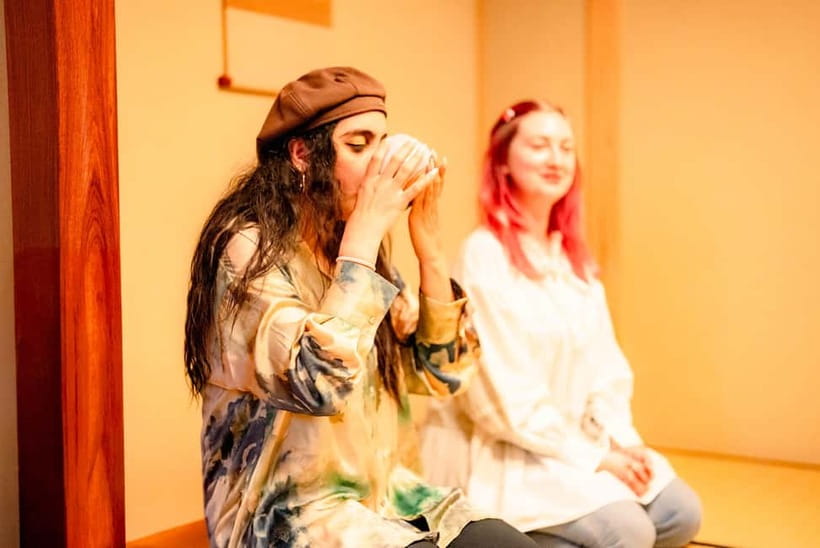
Tea ceremony can feel abstract if you only see it as a series of hand movements. Here, the old farmhouse gives those movements a clear setting. You enter a traditional Japanese home that has been standing for about 120 years, then spend an hour slowing down and paying attention to small details.
That atmosphere is one of the strongest reasons to book this experience. The house is described as quiet, quaint, and relaxing, with the older part of Nara adding to the sense of place. You are not being rushed through a large attraction or watching a stage performance. The setting helps you understand why tea preparation values calm, care, and presence.
The location also makes this a useful pause in a busy Nara day. After temples, deer, crowds, and shopping streets, an hour of deliberate tea preparation offers a change of pace. I would especially consider it for a morning appointment, since one participant described it as a good way to start the day.
The farmhouse is not presented as a museum, and that is part of its appeal. You should expect a traditional, intimate space rather than a polished modern classroom. If you prefer a large venue with extensive displays and a fixed script, this may feel too simple. If you want a more personal cultural lesson, the setting works very well.
More Matcha Experiences in Japan:
- World Heritage Kyoto & Nara Uji Authentic Matcha Experience
★ 5.0 · 1,573 reviews - Kyoto: Arashiyama Bamboo Forest, Monkeys, Matcha & Temple Tour
★ 5.0 · 759 reviews - Matcha Making Class in Tokyo with Authentic Japanese Sweets Set
★ 5.0 · 744 reviews
What Happens During the One-Hour Session
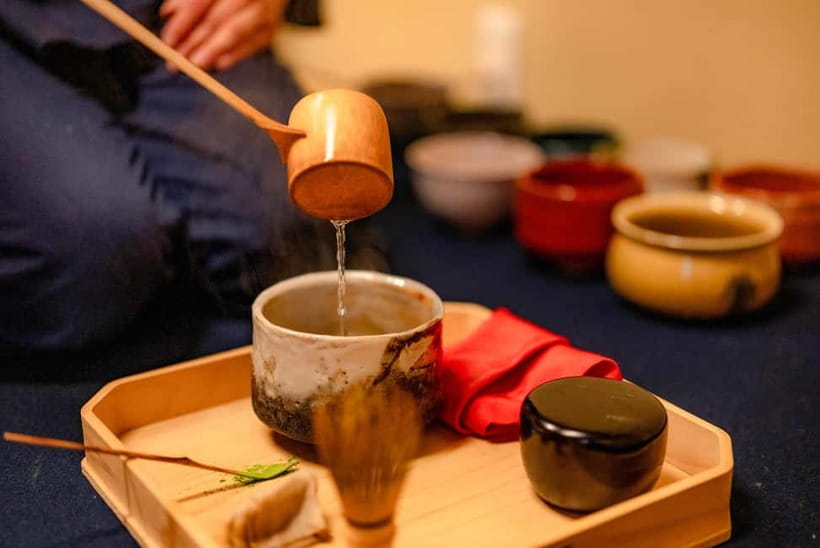
The session begins with an introduction to tea ceremony customs, its background, and the tools used to prepare matcha. Your host explains not only what to do, but why the actions matter. That distinction is important. A quick demonstration can show you where to place a whisk, but context helps you remember the etiquette after you leave.
Hosts named in the supplied experiences include Kurabi, Hasumi, Mike, Mark, and Tate. The exact host depends on the date, but the instruction is offered in English and Japanese. English-speaking participants have found it easy to follow explanations and ask questions about Japanese tea culture.
You then see the master prepare and serve matcha. Watch the pace and order of the movements before trying them yourself. The point is not to perform a flawless ceremony. It is to learn the basic rhythm, treat the utensils properly, and understand how the bowl is made and served.
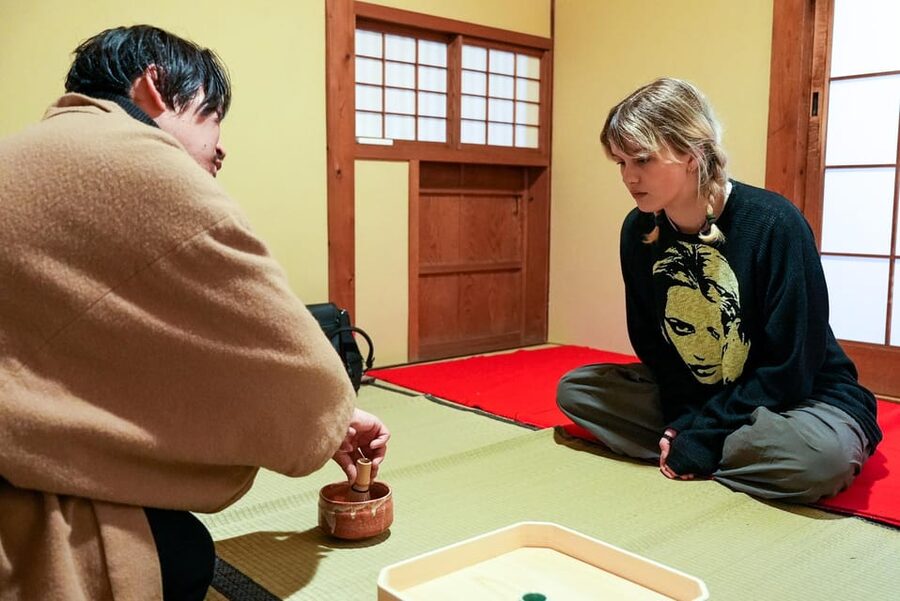
After the demonstration, you prepare your own matcha. This is where the activity becomes more than a cultural talk. You hold the bamboo whisk, work the tea, and receive direct advice on your technique. Several visitors particularly enjoyed learning how to make a creamy bowl, and some left feeling able to repeat the process at home.
The hands-on part is also where the small group matters most. With only a few participants, the host can watch how you whisk and give individual corrections. In a larger class, you might spend more time copying from a distance. Here, you can ask for another explanation and adjust your method immediately.
Comparing Nara Matcha and Other Teas
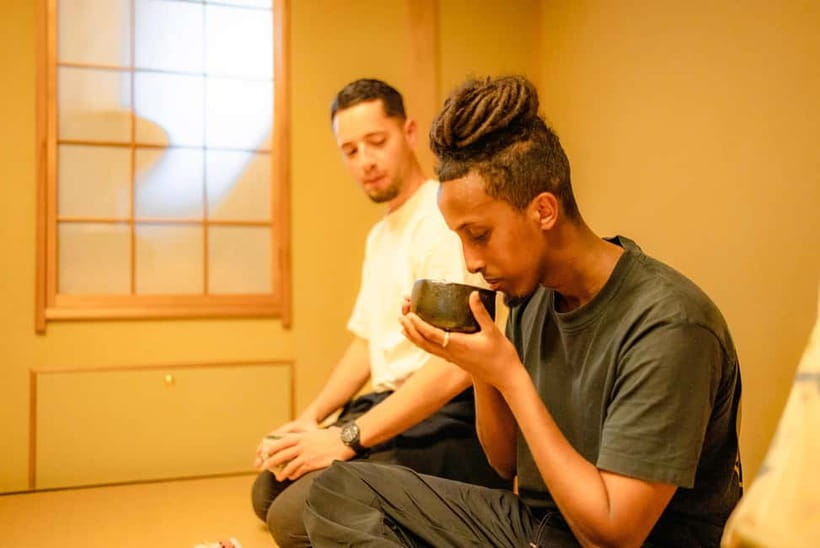
The tasting is not limited to one prepared bowl. You can sample and compare single-origin matcha from Nara, then decide which flavor suits you best. The activity also includes an overview of Japanese tea, and some sessions have included additional tea recommendations, including matcha from Uji.
This comparison gives you a more useful understanding of tea than simply being told that one variety is special. You can pay attention to aroma, bitterness, sweetness, body, and the texture created by whisking. Even if you do not yet have the vocabulary to describe the differences, tasting side by side helps.
I like this part because it connects the ceremony with a practical question: what kind of tea do you actually enjoy? If you later want to buy matcha in Japan, you will have a better starting point than a label alone. Hosts have also advised participants on where to buy matcha and sake in Nara.
Do not expect a full tea school or a professional tasting qualification. The session lasts one hour, so the comparison remains approachable. It is enough to introduce the main ideas and sharpen your palate, not enough to cover every Japanese tea-growing region or preparation style.
Wagashi and the Taste of the Ceremony
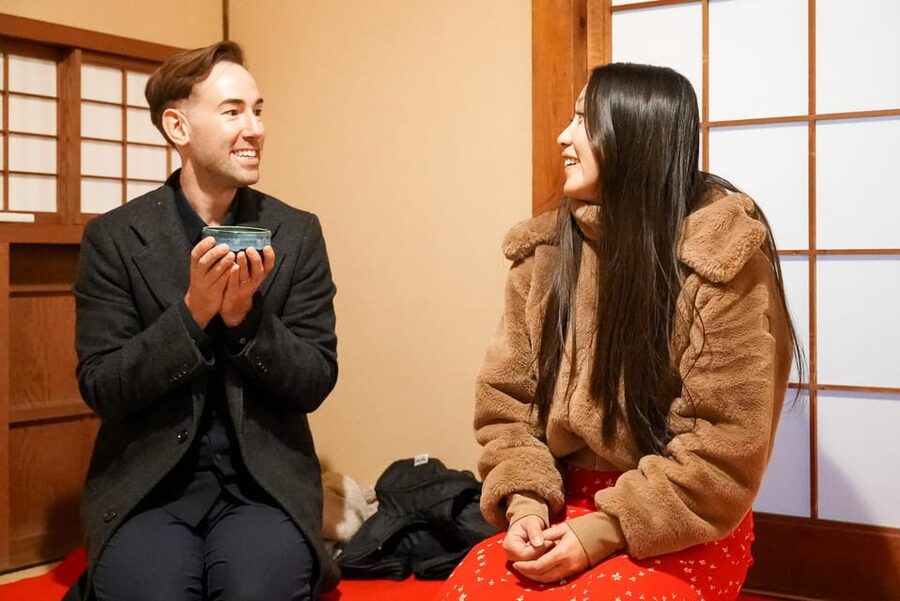
Seasonal wagashi, traditional Japanese sweets, are served with the tea. Their role is more than decoration. The gentle sweetness helps balance matcha, which can taste grassy or bitter when you first try it.
You can enjoy the sweet before or alongside the tea according to the host’s instructions. This gives you another small lesson in ceremony etiquette and shows how the food and drink are meant to work together. The wagashi also adds a seasonal touch, though the exact sweet can vary.
One host has also offered a handmade sweet during the session. That is not something I would treat as guaranteed, since the listed inclusion is authentic wagashi, but it shows how the personal format can add warmth to the lesson.
If you have a strong sweet tooth, the portion may feel modest. The focus is tea culture, not dessert. Still, the wagashi is an important part of the experience because it makes the tasting more balanced and gives you a clear example of traditional Japanese hospitality.
More Tea Making Classes in Japan:
- Matcha Making Class in Osaka with Authentic Japanese Sweets Set
★ 5.0 · 509 reviews - Tokyo: Matcha Making Experience with Mochi Sweets in Asakusa
★ 4.9 · 388 reviews - Asakusa Cultural Walk & Matcha Making Tour
★ 5.0 · 245 reviews - Osaka: Matcha Making Experience with Japanese Sweets
★ 5.0 · 146 reviews
The Best Part: You Make the Matcha Yourself
Watching a tea master is pleasant, but making the matcha is what gives this activity lasting value. You learn how the whisk moves, how much care goes into the bowl, and how small changes affect the final texture.
The goal is not speed. You use steady motions and pay attention to the tea as it changes. Your host can then point out ways to improve the whisking technique. That personal feedback is more useful than a recipe printed on a card.
You may not produce a perfect bowl on your first attempt, and that is fine. Matcha preparation looks simple until you try it. The activity lets you make mistakes in a relaxed setting, then try again with a better sense of what your hands should do.
This also makes the experience a good choice for couples, families, and friends who want something interactive. One participant booked a private session for a family of four and found it educational and fun. Another expected a group of about ten but received a one-on-one lesson instead. Group size can vary, so check the booking details for your date.
A Cultural Lesson Without Too Much Formality
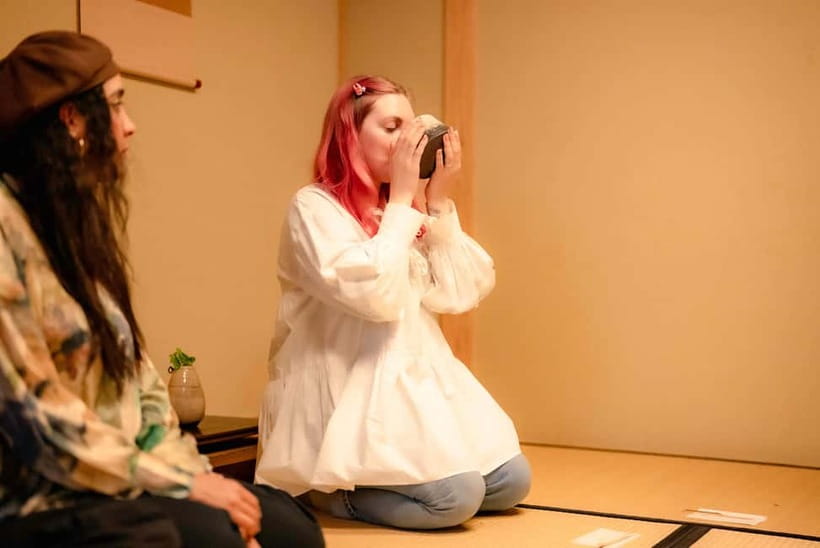
The ceremony includes etiquette and traditional utensils, but the tone is not described as stiff. Hosts explain the formalities while leaving room for questions and humor. That balance matters if you are curious about Japanese culture but worried about making a mistake.
You will learn that the ceremony is built around more than the drink. The arrangement of the tools, the way tea is prepared, the manner of serving, and the attention given to the person receiving the bowl all carry meaning. The session gives you a straightforward introduction to that philosophy.
The teaching style can differ by host. Mike, for example, is described as friendly and interactive, while Hasumi is noted for clear explanations of the process and its background. Kurabi has been praised for carefully explaining each step and helping with whisking. These individual styles are part of the experience, so do not expect every session to sound exactly the same.
The plain-spoken approach is a strength. You can ask why something is done rather than simply copying it. If you are interested in the philosophical side of tea, be sure to say so early, since the one-hour format requires the host to balance explanation, tasting, and practice.
Local Tips That Add Value
The tea session often becomes an informal introduction to Nara beyond the usual sights. Hosts have suggested restaurants, ramen shops, yakiniku restaurants, bars, sake stores, matcha cafés, and less-visited attractions.
One host helped arrange a restaurant reservation, while another gave directions for reaching Nara Park and helped with a bus connection. These extras are not listed as a formal part of the activity, so you should not book it solely for concierge help. Still, they can be useful when you are deciding where to eat after the ceremony or what to do with the rest of your day.
I recommend arriving with a few questions ready. Ask where to buy matcha, which local food is worth trying, or what to see after the main temple route. The guide may be able to tailor suggestions to your interests, especially because the session is small and conversational.
This personal advice is one reason the experience can fit well near the start of a Nara visit. You may leave with ideas for the next meal and the next stop, not just a new way to whisk tea.
Price, Timing, and Practical Value
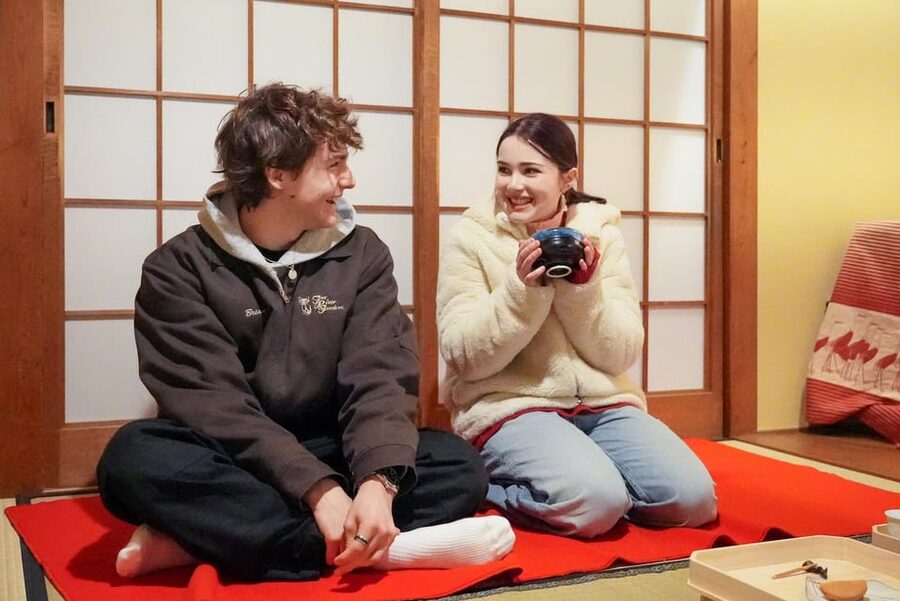
The cost is $46 per person for one hour. That is not the cheapest way to drink matcha in Japan, but you are paying for more than a bowl of tea. The price includes instruction from a tea master, a lesson in etiquette and utensils, tea preparation, hands-on practice, tasting, and wagashi.
The value is strongest if you want personal instruction. A café can give you matcha and a sweet for less, but it will not normally explain the background, demonstrate the tools, correct your whisking, and compare teas with you.
The value is also good for first-time visitors who want a cultural activity without committing half a day. One hour fits neatly between sightseeing stops. On the other hand, serious tea students may find the session too short for advanced technique or a full formal ceremony.
The activity allows cancellation up to 24 hours before the start time for a full refund, and you can reserve now and pay later. Check the available start times when booking. The language options are English and Japanese.
Who Should Book This Experience
I would recommend it to you if you want:
- A quiet break from Nara’s main sightseeing areas
- A first introduction to matcha and tea ceremony etiquette
- Personal help with making your own tea
- A traditional setting rather than a modern workshop
- Advice about food, tea shopping, sake, and local places
- A short cultural activity that fits into a packed itinerary
Families can enjoy it, as can couples and solo visitors. The practical, hands-on format gives children and adults something to do, though the available information does not specify an age policy. Ask the provider if you are booking with very young children.
You should think twice if you want a long, highly formal ceremony with extensive historical instruction. The experience is intimate and educational, but only one hour long. It gives you a meaningful taste of the tradition rather than a complete course.
Should You Book It?
Yes, if you want to understand matcha by making it yourself, not just drinking it. The old farmhouse, small group format, seasonal wagashi, and direct instruction give this activity more substance than a quick tea tasting.
The strongest reasons to book are the personal feedback and the calm setting. You also get practical local advice from hosts who know Nara, which can improve the rest of your visit.
Book it early in your Nara schedule if you want recommendations for restaurants, tea shops, or sights. Choose another activity if your priority is a long ceremonial performance or advanced tea training. For most first-time visitors, $46 is a fair price for a focused lesson that leaves you with a skill you can practice at home.
FAQ
How long does the tea ceremony experience last?
The experience lasts one hour.
How much does the experience cost?
The listed price is $46 per person.
Where does the experience take place?
It takes place in Nara, in a traditional Japanese house described as a 120-year-old farmhouse.
How many people can join?
The activity is offered as a small group. The title states a maximum of five people, while the additional activity details list up to six participants, so check the booking information for your date.
Is the instruction available in English?
Yes. Instruction is available in English and Japanese.
Do I get to make my own matcha?
Yes. The tea master demonstrates the process, then guides you as you whisk your own matcha and offers feedback on your technique.
Is wagashi included?
Yes. The experience includes seasonal wagashi, traditional Japanese sweets served with the tea.
Can I cancel for a refund?
Yes. You can cancel up to 24 hours in advance for a full refund. You can also reserve now and pay later.
More Tea Ceremony Experiences in Japan
- Kyoto: Tea Ceremony in a Traditional Tea House in Kiyomizu
★ 4.9 · 3,519 reviews - Kyoto: Tea Ceremony Ju-An at Jotokuji Temple
★ 4.9 · 3,207 reviews - Kyoto: 45-Minute Tea Ceremony Lesson Experience
★ 4.3 · 2,378 reviews - Osaka: Tea Ceremony Experience
★ 4.9 · 1,426 reviews
Just added around Japan
- Yokohama : Tea Ceremony with Sweets and Souvenir★ 5.0 · 5 reviews
- Whisk Your Own Matcha: A Zen Matcha Experience at Temple★ 3.6 · 7 reviews
- Walking Tour: Yanaka,Nezu& Sendagi: Tea Ceremony & Old Tokyo★ 5.0 · 3 reviews
- Visit local home for music and tea ceremony near Disney★ 4.9 · 13 reviews
- Yokohama: Sushi & Gyoza Cooking with Matcha & GreenTea Experience★ 5.0 · 3 reviews
- Trip to Kamakura & Enoshima: Shrines, Seaside, Temples &Tea★ 5.0 · 11 reviews
- Kyoto tea town for matcha lovers★ 5.0 · 16 reviews
- Uji: Private immersion into Kyoto’s tea and reglious culture★ 5.0 · 17 reviews
Tea Making Classes, compared.

Matcha Making Class in Tokyo with Authentic Japanese Sweets Set
Read our review →
Traditional English Scone Making and Tea Workshop
Read our review →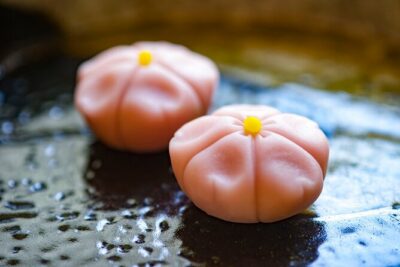
Matcha Making Class in Osaka with Authentic Japanese Sweets Set
Read our review →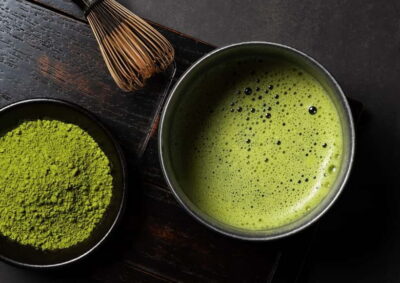
Matcha Making Experience with Mochi Sweets in Asakusa
Read our review →London Traditional English Scone Making and Tea Workshop
Read our review →
Browse the lists this tour appears in