
Review · SHANGHAI
Chinese Tea Ceremony Experience
The most unusual part of this Shanghai experience is Song Dynasty tea whisking, known as Dian Cha. Long before modern matcha became familiar outside Japan, Chinese tea makers used a whisk to create a fine, foamy tea. Here, you learn the technique by hand rather than simply watching someone pour cups.
I like the clear look at how tea is made and served, and I like the chance to compare several traditional Chinese tea categories in one sitting. The calm setting, tea utensils, and optional Hanfu clothing also give the session a stronger sense of place than a basic tasting. The main consideration is the price: at $159 per person, this is a special-interest activity rather than a casual cup of tea.
Key points
- Song Dynasty Dian Cha: Learn an old whisking method that predates modern matcha preparation.
- Hands-on brewing: You do more than taste tea, using a tea set to prepare different styles yourself.
- Several tea categories: Compare delicate green tea with stronger teas such as pu’er.
- Traditional setting: Furnishings and utensils create a quiet Chinese tea-house atmosphere.
- Optional Hanfu: Traditional clothing is available if you want a more complete cultural setting and photos.
- Private format: Only your group takes part, with the session lasting about three hours.
What Makes This Shanghai Tea Session Different
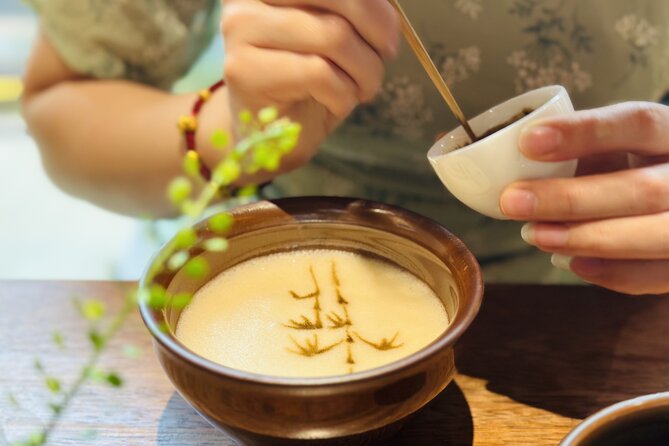
Many tea tastings are built around a host pouring small cups while you listen. This experience puts more of the work in your hands, which makes the lesson easier to remember. You learn how tea is prepared, not just how it tastes after someone else has done everything.
The session combines three strands: tea history, practical brewing, and visual atmosphere. That mix matters because Chinese tea culture is not only about flavor. The gestures, tools, pace, and way the tea is presented all form part of the experience.
I would choose this for a slower afternoon in Shanghai, especially if you want a cultural activity that does not depend on a long list of sights. It is also a useful counterpoint to crowded city streets. For about three hours, the focus stays on tea and the small details of preparation.
A tea master leads the activity, but no guide name is provided in the available information. The teaching includes the history of tea drinking, different ways to drink tea, and how tea is manufactured. That gives the session more substance than a tasting built only around personal preference.
More Tea Ceremony Experiences in China:
- Traditional Chinese Tea Ceremony Experience
★ 4.7 · 74 reviews - Beijing Culture: Tea Ceremony, Heritage Instrument & Calligraphy
★ 5.0 · 57 reviews - Chinese Tea ceremony in Beijing Hutong courtyard
★ 4.7 · 26 reviews
Learning Dian Cha, the Song Dynasty Whisking Method
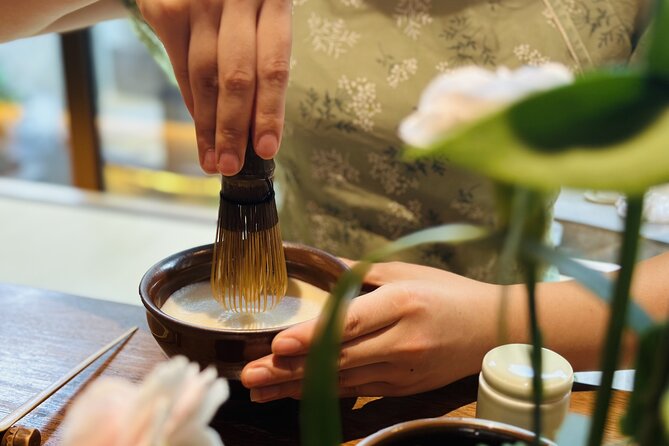
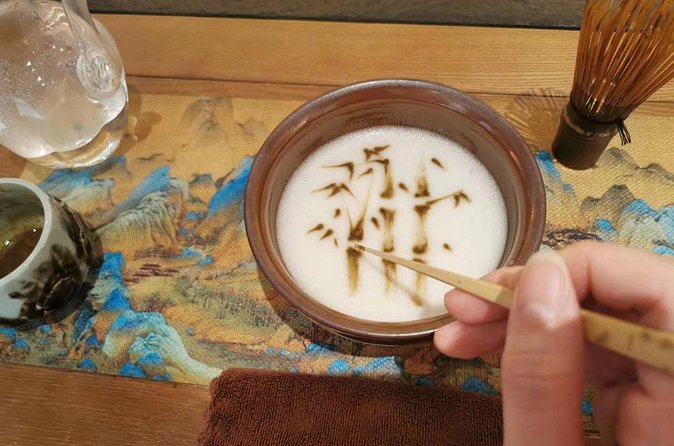
The first major part of the experience is Dian Cha, the Song Dynasty method of whisking tea. You learn a technique that involves handling powdered tea and working it with a whisk to create a smooth, foamy drink.
Its value is partly historical. Dian Cha shows that whisked tea is not a modern invention and that tea preparation in China has changed over time. The method also gives you something active to do at the table. Your result may not look perfect on the first try, which is part of the fun.
This is not presented as a standard modern green-tea tasting. The whisking lesson adds a craft element, and you can better understand the care involved in preparing tea before you move on to other brewing methods.
The activity is described as meditative, and the pace should suit anyone who likes careful, hands-on demonstrations. If you prefer quick sightseeing with constant movement, three hours centered on tea may feel slow. If you enjoy learning through practice, the time has a clear purpose.
Brewing Several Traditional Chinese Teas
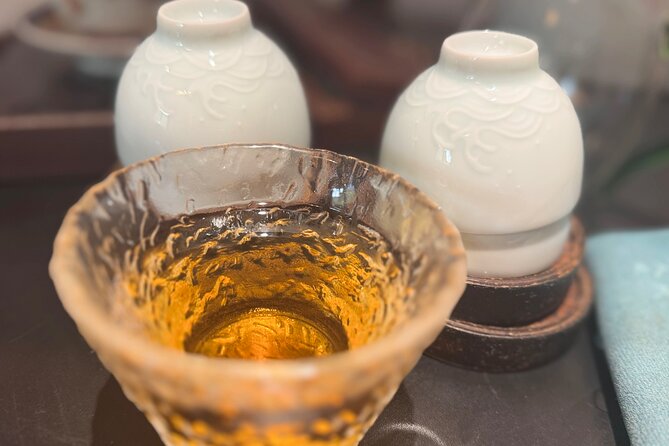
After the whisking lesson, you taste and brew different types of traditional Chinese tea. The supplied details specifically point to a range from delicate green tea to bold pu’er, giving you a useful contrast in flavor, strength, and character.
You are not limited to drinking finished samples. The experience includes a tea set, and hands-on brewing is one of its main features. I like this because you can pay attention to how each tea changes as you prepare it, rather than treating tea as a fixed product.
The lesson also covers different ways to drink tea and how the teas are manufactured. That production context helps explain why the cups taste different. Even a short explanation of processing can make green tea and pu’er easier to distinguish once they are in front of you.
Do not expect a full survey of every Chinese tea region or every production method. The available description does not promise a detailed catalogue. Instead, you get a focused introduction with enough variety to compare several familiar categories during one sitting.
The Traditional Room and Tea Equipment
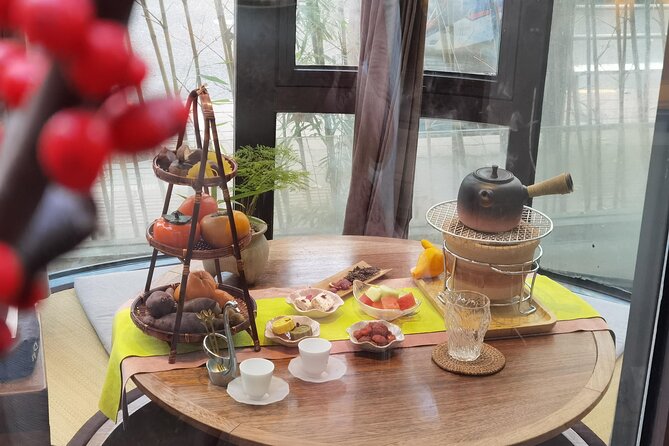
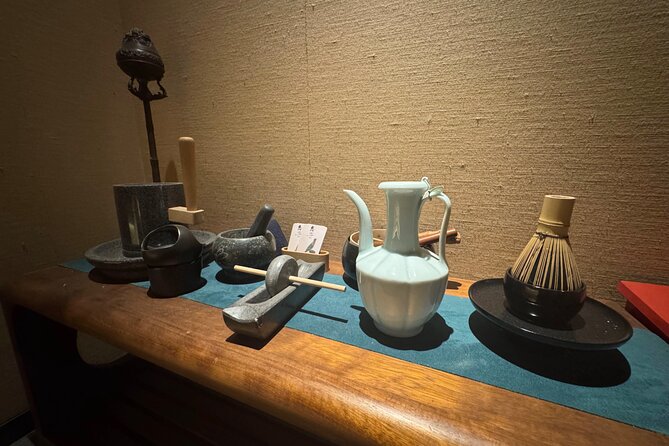
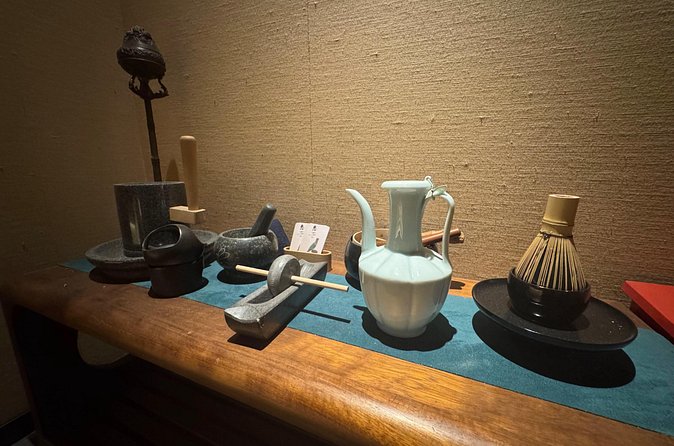
The setting is designed with traditional Chinese furnishings and tea utensils. That may sound like decoration, but it affects the pace of the experience. A quiet room with dedicated tea equipment encourages you to notice the movement of the hands, the sound of pouring, and the color of the brew.
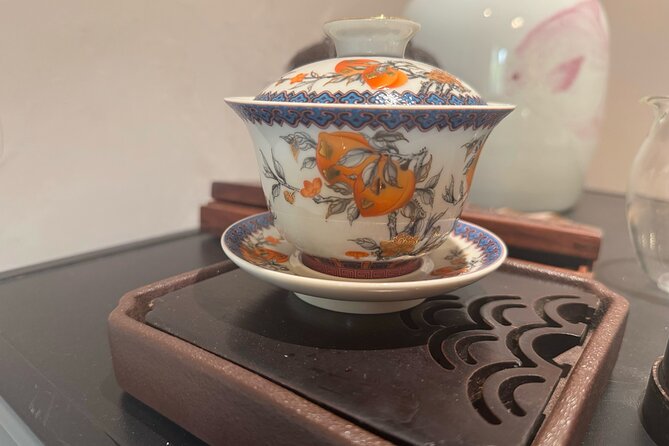
The tea set is included, so you do not need to arrange equipment yourself. For a first introduction, that is useful. The tools help show that Chinese tea preparation has its own routine and visual language.
The atmosphere is also a practical reason to book this instead of trying to recreate the session at a busy café. You receive a setting built around tea, rather than fitting tea into a larger meal or shopping stop.
Still, keep expectations sensible. The information does not identify a historic tea house or promise a famous landmark room. The appeal comes from the traditional styling and focused instruction, not from a major sightseeing site.
A few more tea experiences around China worth a look
- One-Day Hangzhou Dragon Well Tea Culture & West Lake Private Tour
★ 5.0 · 98 reviews - Beijing: Dumpling Making Workshop with Meal and Tea
★ 4.7 · 69 reviews - Tea Tasting and Pairing Concept Workshop
★ 5.0 · 57 reviews - Biking Real Shanghai& Tea Tasting Experience
★ 4.5 · 45 reviews
Optional Hanfu and Photo Opportunities
Hanfu, traditional Chinese clothing, is available if you want to take the setting further. Wearing it is optional, so you can keep the experience centered on tea if costumes are not your thing.
For many people, the clothing will make the session more memorable and add a visual element to the afternoon. It can also help you understand how clothing, objects, and ceremony work together in a traditional presentation.
You should treat Hanfu as an optional extra feature, not the main reason to reserve the activity. The central program remains tea whisking, tasting, and brewing. The available details do not state whether a separate fee applies, how many outfits are offered, or how much time is set aside for changing.
If photos matter to you, ask about those details before booking. The setting is designed for pictures, but no formal photography service is listed.
Why the Three-Hour Length Matters
Three hours is a comfortable amount of time for this program. You need room for the history lesson, the Dian Cha demonstration and practice, several tastings, and your own brewing attempts. A shorter session could feel rushed, especially if you want time to compare the teas.
The same length can be a drawback if your schedule is packed. This is not a quick stop between major attractions. You travel to Baoqing Road, sit down, and give the tea process your attention for most of an afternoon.
I would place it on a day when you have room for a slower cultural activity. The experience ends back at the meeting point, so you are not left at a distant attraction or required to arrange a separate return transfer through the activity.
No private transportation is included. You need to make your own way to Baoqing Road, Xu Hui District, Shanghai, and the meeting point is near public transportation. That keeps the arrangement simple, but you should allow time to find the address and arrive ready to begin.
Private Format and Group Discounts
This is a private activity, meaning only your group participates. That is a real advantage if you want to ask questions, work at your own pace, or avoid sharing the table with strangers.
A private format can also make the practical lesson easier. You can focus on the tea master’s movements and receive attention during the whisking and brewing steps. The available information does not state the maximum group size, so you should not assume that a large party receives the same personal attention as a couple or small family.
Group discounts are available. For a small group, the listed price of $159 per person may still feel high. For a larger group, the discount could improve the value, especially if everyone has a genuine interest in tea and traditional Chinese culture.
The format suits couples, families with older children, friends, and small groups who want one shared activity. It is less suited to someone looking for a cheap, spontaneous tasting or a broad sightseeing tour of Shanghai.
Is $159 Per Person a Fair Price?
At $159 per person, this belongs in the premium cultural-experience category. You are paying for a private three-hour session, an instructor, tea tastings, hands-on use of a tea set, and a carefully styled setting. Coffee and tea are included, as is the tea set used during the activity.
The price makes more sense if you value personal instruction and the private format. You are not simply buying several cups of tea. You are paying for a lesson in tea history, Dian Cha practice, brewing methods, and presentation.
The value is weaker if your main goal is to sample tea at the lowest possible cost. Shanghai has many ways to drink tea without booking a private cultural session. This activity earns its price through the teaching and the chance to take part.
Group discounts may help lower the cost for several people. I would also compare the price with your interest level. A tea enthusiast who wants to learn the techniques may find the session worthwhile. Someone who only wants a pleasant drink may not.
Who Will Get the Most From This Experience
I would recommend this activity to you if you enjoy food and drink experiences with a practical lesson attached. You should be willing to sit, listen, taste carefully, and repeat a technique with your own hands.
It is also a good fit for anyone curious about the connection between tea history and modern tea culture. Dian Cha gives the session a distinctive focus, while the range of traditional teas keeps it from becoming a single-method demonstration.
Photography-minded visitors may appreciate the traditional furnishings and optional Hanfu. The clothing is not required, so the activity can work for both costume enthusiasts and people who prefer a straightforward tea lesson.
Families should consider the private format, but the supplied information does not give a minimum age or a child price. Ask before reserving if you are bringing children. Service animals are allowed.
I would skip it if you want a packed itinerary, a famous Shanghai landmark, or a meal-based food tour. The activity is narrow by design. Its strength is concentration, not variety.
Meeting Point, Booking, and Cancellation
The meeting point is on Baoqing Road in Shanghai’s Xu Hui District, and the activity finishes at that same location. Public transportation is nearby, while private transportation is not included.
Confirmation is provided when you book. The experience is commonly reserved about five days ahead, so I would not leave it until the last moment if the timing matters to you.
You can cancel for a full refund up to 24 hours before the local start time. Cancellations or changes made less than 24 hours before the start are not accepted for a refund. The experience also requires a minimum number of participants, and if the provider cancels because that minimum is not met, you can receive a full refund or choose another date or experience.
Should You Book This Shanghai Tea Experience?
Book it if you want active instruction, a private setting, and a clear introduction to Chinese tea culture. The Song Dynasty whisking lesson gives the session a distinctive hook, while the tasting and brewing practice provide enough variety to fill three hours.
I would be more cautious if $159 feels high for a drink-centered activity or if you are looking for a quick stop. The value depends on your interest in tea, the private format, and the pleasure of learning a careful old technique.
For the right person, this is a thoughtful Shanghai activity: quiet, hands-on, and more informative than a basic tasting. Go in expecting a focused tea lesson, not a city tour, and the price is easier to judge fairly.
FAQ
Where does the Chinese Tea Ceremony Experience begin?
It begins at Baoqing Road, Xu Hui District, Shanghai, China, 200031.
How long does the tea experience last?
The activity lasts approximately three hours.
What is included in the price?
Coffee and/or tea and a tea set are included.
Is transportation included?
No. Private transportation is not included, though the meeting point is near public transportation.
Is the activity private?
Yes. Only your group participates in this private activity.
Can I wear Hanfu during the experience?
Hanfu, traditional Chinese clothing, is available as an optional part of the experience.
What is the cancellation policy?
You can cancel at least 24 hours before the local start time for a full refund. Cancellations or changes made less than 24 hours before the start are not accepted for a refund.
Just added around China
- Xi’an Chinese Calligraphy Workshop: Ink Art & Tea Tasting★ 5.0 · 4 reviews
- Xi’an Noodle Making and Tea Tasting Experience★ 5.0 · 6 reviews
- Half-day Tour: Largest Tea Plantation & Amazing Xianggong Hill★ 5.0 · 9 reviews
- Xi’an Calligraphy & Tea Ceremony – Dive into Ink & Brush Artistry★ 5.0 · 4 reviews
- Full-day Tour: Spectacular Sunrise, Tea Plantation & Sunset★ 5.0 · 3 reviews
- 3 hours Xi’an Mahjong Class with Local Tea★ 5.0 · 2 reviews
- Shanghai Mahjong Experience in Local Tea Bar★ 5.0 · 4 reviews
- Unlock Chinese Tea: Culture, Science, Tasting & Hands-on Brewing★ 5.0 · 12 reviews
Tea Ceremony Experiences, compared.
Tea Ceremony in a Traditional Tea House in Kiyomizu
Read our review →
Browse the lists this tour appears in