
Review · TOKYO
Tea Session《1200 Years of History in 80 Min》Tokyo
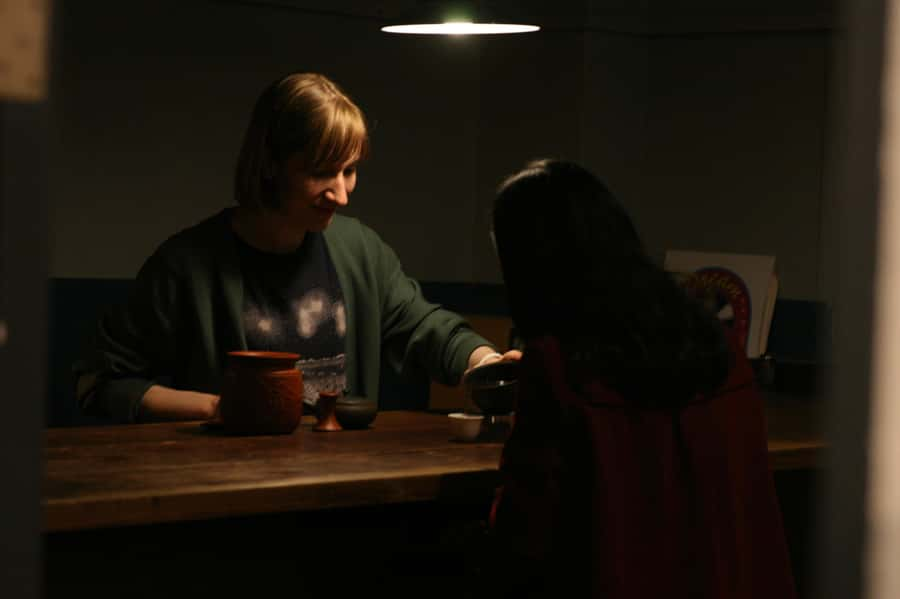
The most interesting part of this 80-minute session is its wide view of Japanese tea. You taste seven styles, not just matcha, while learning how growing regions, processing, water temperature, and brewing time change the final cup. The hosts at A Drop. Kuramae also grow and craft tea in Saitama, so this is not simply a shop talk.
I like the seven-tea tasting and the practical brewing guidance, including temperature, timing, and the amount of leaf to use. I also like the farm connection: photos and videos from tea fields help link the finished drink to the people and work behind it. The main consideration is that this is a tea-focused session with no food, and the standard format is shared rather than private.
Key points to know before you book
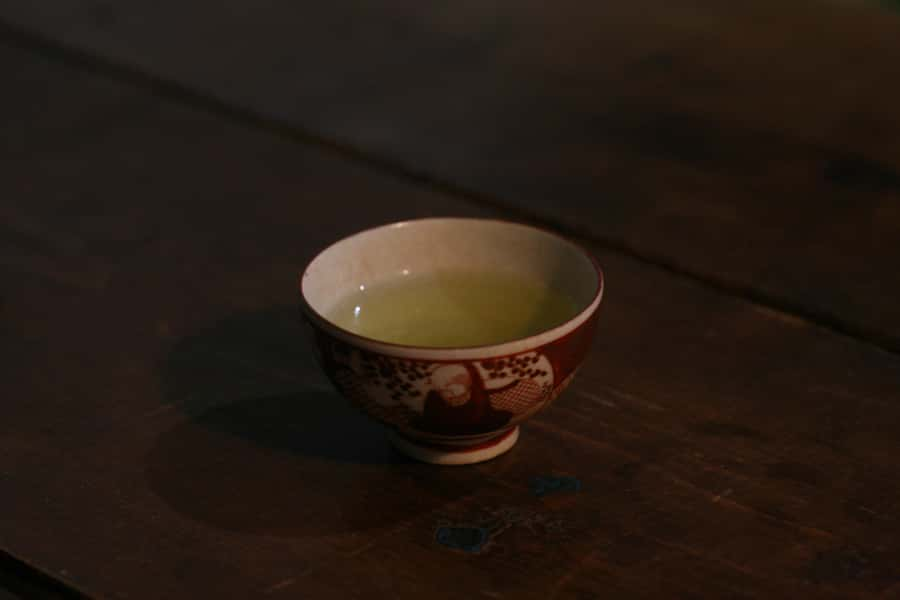
- Seven distinct teas in 80 minutes: Expect sencha, hōjicha, Japanese-style oolong, black tea, bancha, and other Japanese teas.
- A farmer’s point of view: A Drop. Kuramae grows and makes traditional tea in Saitama, adding firsthand context to the tasting.
- Brewing skills you can use at home: The session covers leaf quantity, water temperature, and steeping time.
- A relaxed alternative to a tea ceremony: This is conversational and informal, not a formal ritual with strict choreography.
- Easy Kuramae location: Meet on the second floor of the Uguisu Building, a short walk from Asakusa.
- Budget about $44: The price includes the guided tasting and instruction, but not tea, snacks, or transport.
Seven cups, one long Japanese tea story
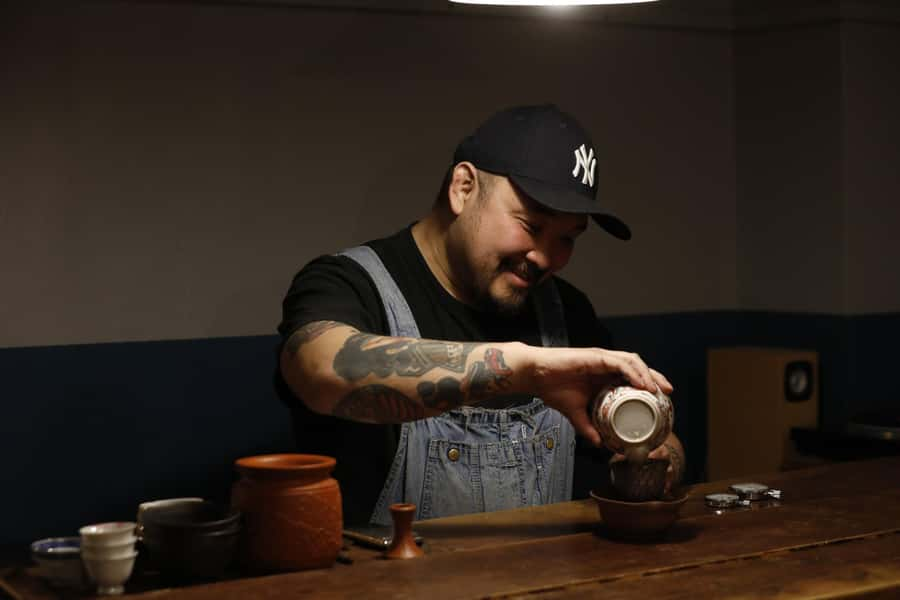
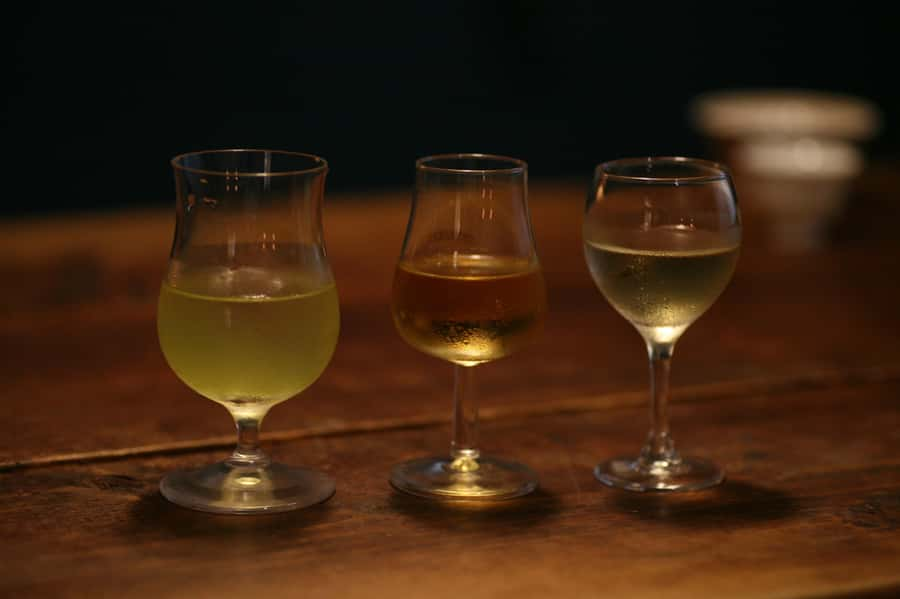
A Drop. Kuramae frames the session as 1,200 years of Japanese tea in 80 minutes. That is a large subject for a short appointment, but the tasting format makes the idea manageable. Rather than asking you to memorize a long timeline, the hosts use different teas to show how Japanese tea can change in color, aroma, body, and finish.
You begin with a broad look at the world of Japanese tea. Matcha is famous outside Japan, but it is only one part of the picture. Here, the focus is on brewed leaf teas and the different ways tea makers handle the plant after harvest.
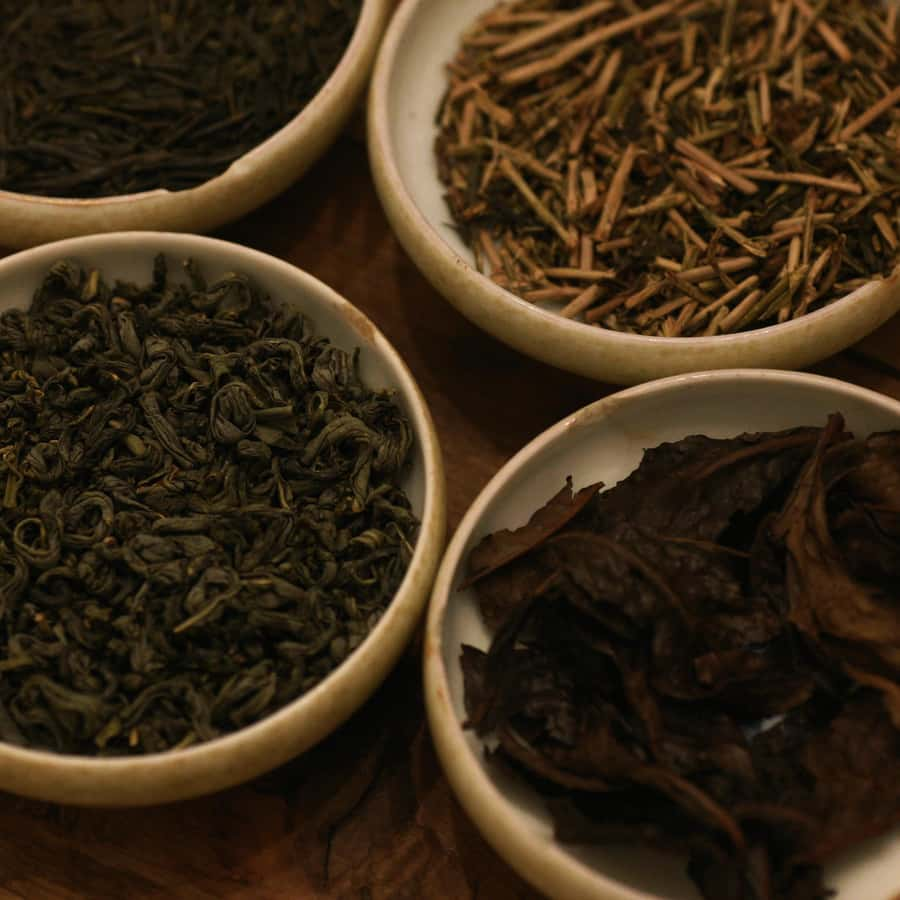
That distinction matters. A sencha can be fresh and grassy, while roasted hōjicha has a warmer, toasted character. Bancha offers another style, and Japanese-style oolong and black tea show that Japanese producers work with tea techniques beyond the country’s most familiar green teas. The point is not to declare one style best. It is to help you notice what changes from cup to cup.
You taste seven teas from farms in different parts of Japan. Exact selections may vary, but the listed lineup includes sencha, hōjicha, Japanese-style oolong, black tea, and bancha, along with other regional examples. This variety gives the session its main strength: you can compare teas side by side instead of judging one cup in isolation.
More Heritage Tours in Tokyo:
- World Heritage Kyoto & Nara Uji Authentic Matcha Experience
★ 5.0 · 1,573 reviews - Beijing Culture: Tea Ceremony, Heritage Instrument & Calligraphy
★ 5.0 · 57 reviews - Uji: UNESCO Heritage & Tea Ceremony Walking Tour
★ 4.6 · 54 reviews
What the tea tasting actually teaches you
The hosts guide you through the brewing of each tea rather than simply placing finished cups in front of you. You learn how much leaf to use, how hot the water should be, and how long to let the tea steep. These details sound small, but they are often the difference between a balanced cup and one that tastes flat, harsh, or overly bitter.
I especially like this practical angle. A tea tasting can be pleasant but fleeting. Brewing instruction gives you something useful to take home, even if you do not buy a single packet. You can apply the same ideas to tea you already have in your kitchen.
Temperature is particularly important for Japanese tea. The session explains how heat affects the extraction of flavor. You are not just told to drink slowly and appreciate the aroma. You are shown how preparation changes the result, which gives the tasting a clear purpose.
The order of the teas also helps you compare them. A roasted tea may seem very different from a greener tea, while an oolong or black tea can shift your idea of what Japanese tea tastes like. The hosts share the background of each tea and explain where it comes from, so the tasting connects flavor with place and method.
Do not expect a formal lecture with a printed academic timeline. The experience is designed as a friendly conversation. You can ask questions, talk about your own tea habits, and take time with each cup. That makes it a good fit for curious beginners, while experienced tea drinkers still have unusual styles and regional examples to explore.
A Drop. Kuramae and the farmer connection
A Drop. Kuramae is both a Japanese tea select shop and a tea maker. The business grows and crafts traditional tea in Saitama, giving the hosts direct experience with cultivation and production.
That connection adds useful weight to the session. A shop employee can describe a tea’s flavor, but someone involved in growing and making tea can also explain what happens before the leaves reach the cup. You see tea as an agricultural product, shaped by growing conditions, harvest decisions, processing, and brewing.
The activity includes photos and videos from real tea farms. These visuals help fill in the parts you cannot see from a Tokyo shop. You are still in an urban neighborhood, but the farm material gives you a clearer sense of where the tea starts.
The regional focus is one of the best reasons to choose this experience over a basic tea tasting. The teas are selected from farms across Japan, not limited to one familiar style or a single producing area. Each tea comes with a story about its regional background, so you begin to connect flavor with origin.
The session does not claim to turn you into a tea producer in 80 minutes. Its value is more modest and more useful: you leave with a better set of questions. What was the tea’s region? How was it processed? Why was it brewed at that temperature? Those questions make future tea shopping more rewarding.
Why this is not a formal tea ceremony
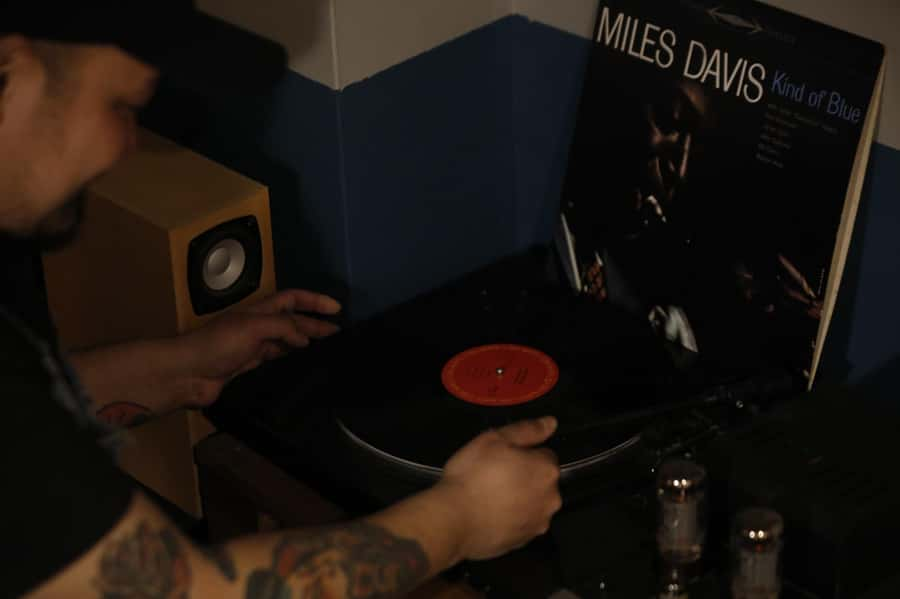
If you are expecting a traditional tea ceremony, adjust your expectations before booking. This experience is explicitly casual and relaxed. It is not built around formal gestures, prescribed movements, or a ceremonial performance.
That is good news for many people. You can focus on the tea itself instead of worrying about etiquette. The atmosphere encourages conversation, and the hosts welcome your own story and questions. Someone who feels unsure around Japanese cultural activities may find this format easier to enter.
At the same time, the informal setting means you should not book it for the ceremony alone. If you want traditional architecture, formal matcha preparation, or a ritual centered on host and guest roles, this is a different kind of activity.
I see the session as a bridge between a tasting and a cultural lesson. It offers history, farming, brewing, and conversation without requiring prior knowledge. You get the subject matter of a more serious tea class in a lighter format.
The shared small-group arrangement also matters. You are not promised a private lesson, and the standard session is designed for several people. That can limit how much individual attention you receive, but it also creates room for discussion and comparison. Private bookings may be available at an extra cost, though the standard experience is the small-group option.
A few more tea experiences around Tokyo worth a look
- Kimono Tea Ceremony at Tokyo, Asakusa Maikoya
★ 5.0 · 638 reviews - Tokyo: Traditional Tea Ceremony with a Tea Master
★ 5.0 · 528 reviews - Dynamic Tokyo: Tokyo Tower, Tea Experience, Bay Cruise Day Tour
★ 4.5 · 521 reviews - Tea Ceremony Workshop in Tokyo by the Experienced Instrucor
★ 5.0 · 189 reviews
A useful stop near Asakusa
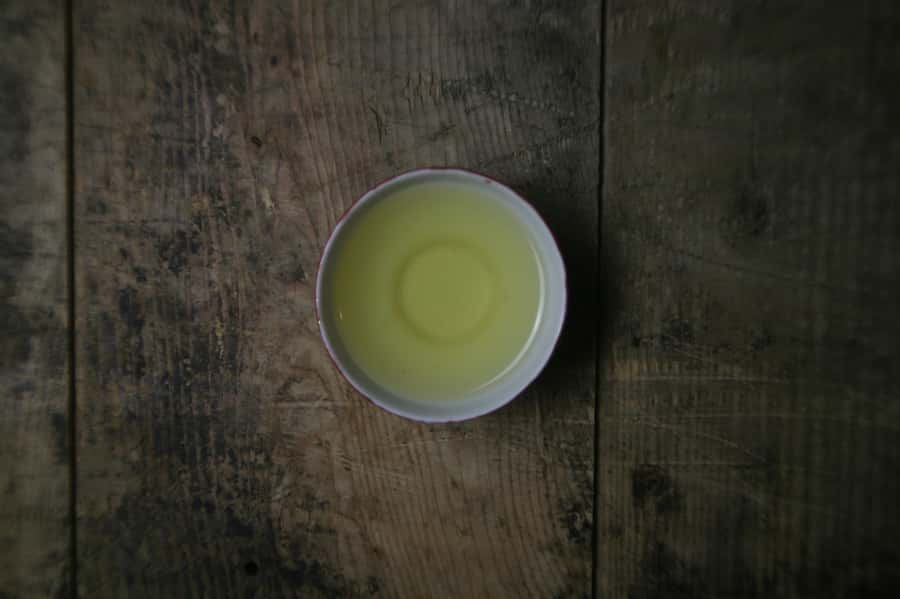
The meeting point is A Drop. Kuramae, on the second floor of the Uguisu Building in Kuramae. The building has a café and bookstore on the first floor. Look for the entrance to the left of the bookstore, then go to Room 204.
This is a practical location if you are spending time around Asakusa. The shop is described as a short walk from Asakusa, so you can pair the tea session with sightseeing in that part of Tokyo. You arrange your own transportation, and the experience ends back at the same meeting point.
Allow a little time to find the correct entrance. The shop is on the second floor, not at street level, and the building includes other businesses. The address details are clear, but this is not the sort of activity where you want to arrive at the last second while trying to identify the doorway.
The setting also supports the experience’s tone. You are not being taken to a distant tea farm or a grand ceremonial hall. You are visiting a working urban tea shop where you can taste, ask questions, and look at teas available for purchase.
Is $44 a fair price?
At $44 per person, this is not the cheapest way to drink tea in Tokyo. You could buy a cup of tea for far less. The price makes more sense when you treat the activity as an 80-minute guided class and tasting rather than a simple beverage stop.
The fee includes seven teas, explanations of their origins and production, brewing instruction, and farm photos and videos. You are also paying for access to a focused selection of Japanese teas that may be difficult to compare on your own, especially if you cannot read Japanese labels or do not know which regions and styles to seek out.
The practical instruction improves the value. If you learn how to adjust leaf quantity, temperature, and steeping time, you can use that information long after the session ends. The chance to purchase the teas you prefer is another benefit, though those purchases cost extra.
The limits are straightforward. No food or snacks are included, so do not treat this as a meal replacement. Transportation is also your responsibility. If you mainly want a quick drink or a formal cultural show, $44 may feel high. If you want context, comparison, and brewing help, the price is easier to justify.
The small group setting is part of the value as well. It should feel more personal than a large demonstration, but the experience is still shared. You are paying for a guided group activity, not an exclusive appointment.
What you can buy after the tasting
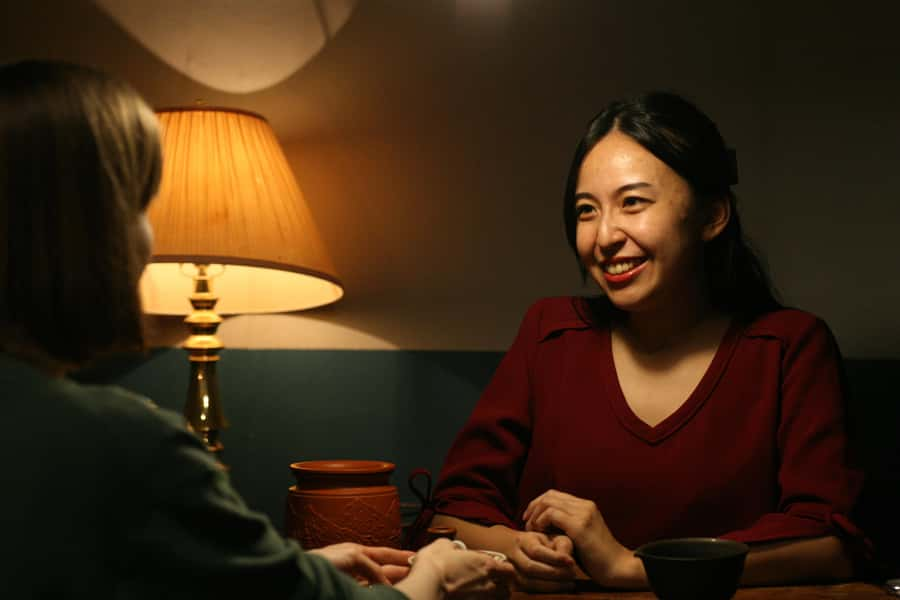
The teas used in the session are available for purchase in many cases, including rare and higher-quality Japanese teas. This is handy because you can choose based on your own palate instead of guessing from a package.
I recommend waiting until the end before buying. Seven teas can blur together, especially if you are new to Japanese tea. Take note of the styles you prefer: perhaps the fresh profile of sencha, the roasted taste of hōjicha, or the fuller character of Japanese black tea.
There is no requirement to purchase anything. The experience should still make sense if you want the tasting only. But if you are looking for souvenirs that are compact, useful, and connected to your time in Japan, tea is a strong choice.
The shop’s selection also gives you a chance to continue the lesson at home. You can try to repeat the brewing method explained during the session and see how close you come to the version prepared in Kuramae.
Who will get the most from this session?
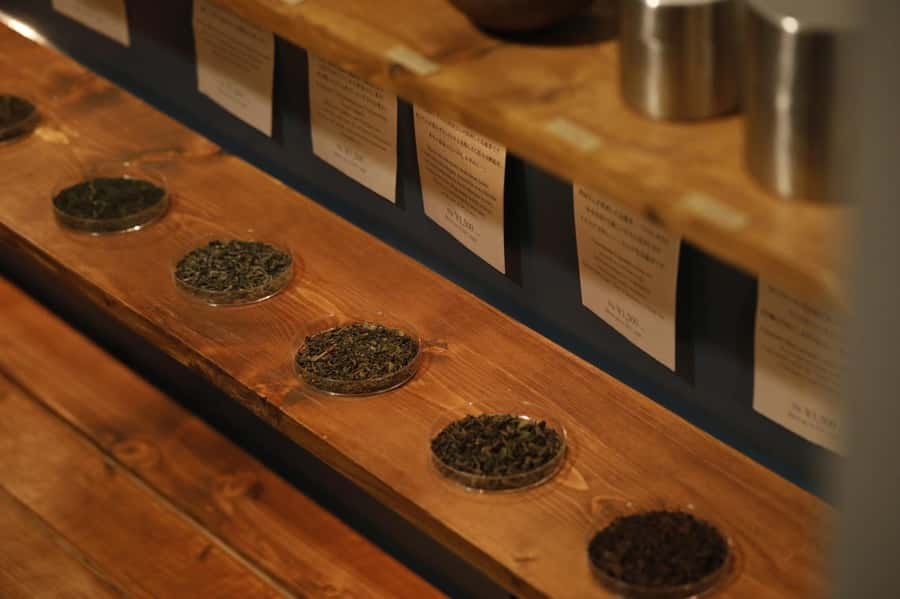
I would choose this experience if you like food and drink with a story behind them, or if you want a quieter cultural activity between Tokyo’s major sights. It suits beginners because no tea background is required, and the casual format keeps the subject approachable.
Tea lovers should find plenty to interest them, especially in the less familiar styles. The inclusion of Japanese oolong, Japanese black tea, bancha, and other teas prevents the session from becoming a single-note green tea lesson.
It also works well for people who enjoy learning by tasting. You do not simply hear that processing matters. You compare several cups and notice the differences yourself.
I would think twice if you dislike unsweetened tea, want food included, or have your heart set on a formal ceremony. The session is centered on tea itself, and the tasting moves through several styles within a limited 80-minute period.
For the best experience, arrive ready to pay attention to small changes. Notice aroma before drinking. Consider how the tea feels in your mouth. Watch how the same leaf can change when the water is hotter or the steeping time is longer. You do not need expert vocabulary. A simple note such as roasted, light, fresh, or full is enough.
Should you book A Drop. Kuramae?
Book it if you want a clear, friendly introduction to Japanese tea beyond matcha. The combination of seven teas, Saitama farming experience, regional stories, and practical brewing advice gives the session more substance than a basic tasting.
It is especially worthwhile if you are staying near Asakusa and want an indoor activity that fits neatly into a Tokyo sightseeing day. The $44 price is fair for a small-group lesson with multiple teas, though you should budget separately for any bottles, packets, or other purchases.
Skip it if you want a full meal, a formal tea ceremony, or a private session at the standard price. For everyone else, this is a compact way to understand why Japanese tea is not one flavor but a whole family of styles, methods, and places.
FAQ
How long does the tea session last?
The experience lasts 80 minutes.
How many Japanese teas will I taste?
You will taste seven distinct Japanese teas.
Which teas are included?
The listed styles include sencha, hōjicha, Japanese-style oolong, black tea, and bancha, along with other Japanese teas.
Is this a formal Japanese tea ceremony?
No. The activity is a casual, relaxed tasting and learning session rather than a formal tea ceremony.
Where does the experience meet?
It meets at A Drop. Kuramae, the Japanese Tea Select Shop, on the second floor of the Uguisu Building, Room 204. The entrance is to the left of the bookstore on the first floor.
Is food included?
No. The experience focuses on tea tasting, and food or snacks are not included.
Can I buy tea after the tasting?
Yes. Additional tea purchases are available, including selected rare and high-quality Japanese teas.
Just added around Tokyo
- Yokohama : Tea Ceremony with Sweets and Souvenir★ 5.0 · 5 reviews
- Walking Tour: Yanaka,Nezu& Sendagi: Tea Ceremony & Old Tokyo★ 5.0 · 3 reviews
- 2 Hours Mochi &Nerikiri Making & Matcha Class in Bunkyo★ 5.0 · 21 reviews
- Private Kimono and tea ceremony at local home near Tokyo Disney★ 5.0 · 6 reviews
- Private Mochi・Matcha sweets Making Class Near Shibuya Area★ 5.0 · 22 reviews
- Tokyo Sweets Tour: Hidden Gems & Matcha at an Old Tea House★ 5.0 · 6 reviews
- Giant Sushi Cooking Class: Make a 1.5m Sushi Roll in Tokyo★ 5.0 · 9 reviews
- Tokyo: Tea Ceremony & Japanese Sweets Making★ 5.0 · 10 reviews
Historical Tours, compared.
World Heritage Kyoto & Nara Uji Authentic Matcha Experience
Read our review →
Beijing Culture: Tea Ceremony, Heritage Instrument & Calligraphy
Read our review →

Old Delhi’s heritage, Spice market, Masala Chai & food sampling
Read our review →
Slow Cycling Tour at Uji’s Matcha Green Tea Fields and Heritage
Read our review →
Uji Tea Ceremony and UNESCO Heritage Walking Tour
Read our review →
Tea and Doughnuts: Historic Walking Food Tour of Southwark
Read our review →
Browse the lists this tour appears in