
Review · TOKYO
【NEW】Matcha Making Experience and Matcha Comparison in Tokyo
Tokyo’s matcha scene gets more interesting when you stop treating every green powder as the same drink. This small-group session compares 10 matchas from five Japanese tea regions, including two products sold around the world as matcha even though they do not meet the usual definition.
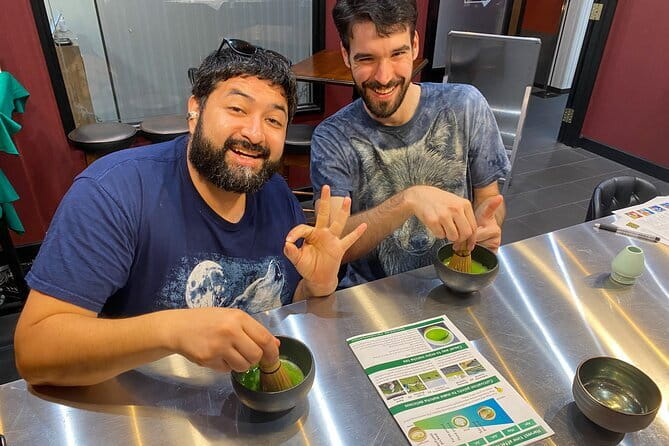
I like the hands-on format, especially choosing a favorite and whisking your own bowl with a bamboo chasen. I also like the teaching team: Chisei brings six years of tea-farming experience in Kyoto, while Rina and the rest of the crew help create an informal tea-bar setting. The main drawback is the early 9:30 a.m. start and the compact 90-minute schedule, which can feel short if your questions start flowing.
Key points at a glance
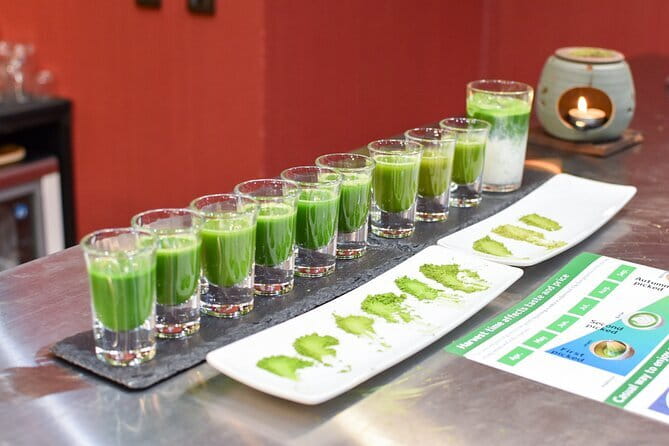
- Five regional comparisons: Taste matcha from Kyoto, Shizuoka, Aichi, Fukuoka, and Kagoshima.
- Eight teas in the main tasting: Six are ceremonial-grade matcha, while two are sold as matcha but are not formally defined as matcha.
- Former Kyoto tea farmer: Chisei can explain cultivation, soil, processing, and tea history from direct experience.
- You make your own bowl: Pick the tea you prefer, then whisk Ousucha with a bamboo tea whisk.
- A small group of five maximum: The size gives you room to ask questions and compare impressions.
- Breakfast-friendly finish: The session ends with a matcha latte and matcha sweets made with a house blend.
Why this Tokyo matcha session is different
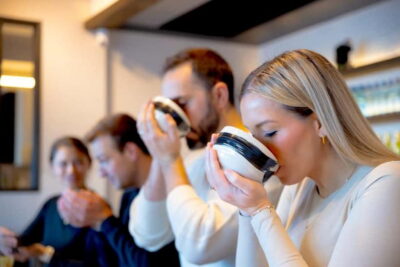
Many tea experiences focus on ceremony, manners, and a beautiful setting. This one takes a more practical route. You taste several matchas side by side, look at their color, smell the dry and prepared tea, and then compare the flavor in your own mouth.
That comparison is the heart of the experience. Instead of hearing that matcha can be sweet, grassy, bitter, creamy, or savory, you can test those differences in sequence. The effect is similar to tasting several wines, except the samples are small and the ritual is much quieter.
The session also tackles a useful problem for anyone buying matcha outside Japan. Some powders sold as matcha do not fit the usual definition of matcha. Here, two of the eight comparison samples are included specifically to show that difference. You do not need to arrive with technical tea knowledge. The point is to give you a clearer basis for judging what you buy later.
The main instructor has a bachelor’s degree in agricultural science and particular expertise in soil science. Chisei also spent six years growing tea in Kyoto and worked through the process from cultivation to processing. That background matters because the discussion is not limited to whisking technique. You hear how farming choices and production methods affect the cup.
The assistant has a bachelor’s degree in pharmacy and works as a pharmacist. Chisei and Rina are named members of the team, and the experience has a friendly tea-bar feel rather than the formality of a long ceremonial lesson.
More Matcha Experiences in Tokyo:
- Matcha Making Class in Tokyo with Authentic Japanese Sweets Set
★ 5.0 · 744 reviews - Tokyo: Matcha Making Experience with Mochi Sweets in Asakusa
★ 4.9 · 388 reviews - Asakusa Cultural Walk & Matcha Making Tour
★ 5.0 · 245 reviews
Meeting at Henn na Hotel in Taito City
You meet at matcha tripJapan inside Henn Na Hotel, at 3-19-8 Kotobuki in Tokyo’s Taito City. The exact spot is the Sports Bar Leaf on the second floor, so allow a little time to find the hotel and go upstairs.
The location is near public transportation, which makes it practical for a morning in eastern Tokyo. The activity starts at 9:30 a.m. and ends back at the same meeting point. Since the whole program lasts about an hour and a half, you can still plan a large part of the day afterward.
The experience accepts a mobile ticket, and your booking confirmation arrives at the time of booking. The group is limited to five people. That is a useful limit for a tasting because the guide can respond to individual questions instead of rushing through a fixed speech.
This is not a sightseeing tour through several Tokyo neighborhoods. You spend the time in one place, focused on tea. That makes it a good fit for a morning when you want one purposeful activity rather than a long sequence of stops.
A welcome drink and the story behind matcha
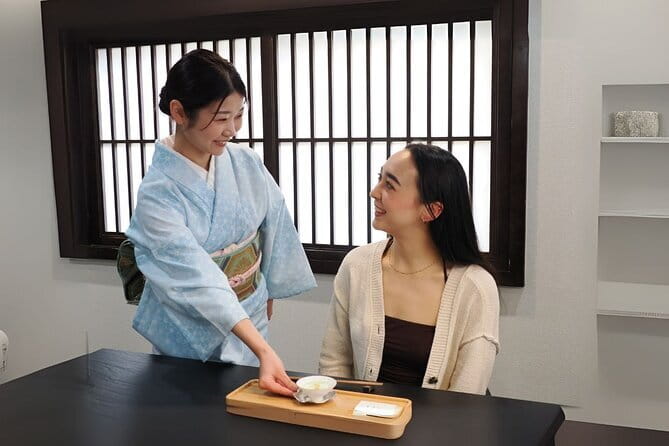
The session begins with a welcome drink while the team explains the history and production of the matcha you are about to taste. This opening gives the later samples some context.
You learn about the definition of matcha and the methods used to grow and process it. The agricultural focus is one of the strongest parts of the program because it connects what you see in the bowl with decisions made long before the tea reaches Tokyo.
The tea comes from five major production areas:
- Kyoto
- Shizuoka
- Aichi
- Fukuoka
- Kagoshima
These regions give the tasting a useful spread across Japan. You are not simply trying different labels from one producer. You are comparing teas connected to different growing areas and production traditions.
The welcome drink also gives you time to ask questions before the formal comparison begins. One past session led to a long discussion about tea, and Chisei noted that questions can easily extend the conversation. That is a good sign for curious people, but it also explains why the 90-minute schedule may feel full.
Comparing eight matchas by color, aroma, and taste
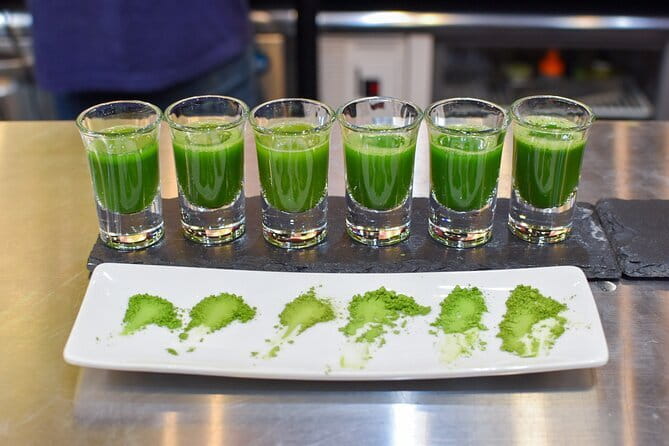
The main tasting includes eight matchas. Six are ceremonial-grade matcha, while two are not formally defined as matcha but are sold as matcha in parts of the world.
You first look at the color. Then the team prepares the tea so you can consider its fragrance and flavor. This order encourages you to pay attention before drinking instead of treating the samples as identical green beverages.
The samples are served in small portions. That makes sense here because eight full bowls would be far too much, especially early in the day. Small servings also let you focus on contrasts without filling up before the final hands-on portion.
You may notice major differences among the teas. One might seem softer or more rounded, while another may have a sharper green note or a stronger finish. The purpose is not to declare one tea the universal winner. The useful question is which style suits your own taste.
The comparison also gives you a practical shopping lesson. If you have bought matcha in a Western store and found it harsh, flat, or unlike what you drank in Japan, this session may help explain why. Not every green powder has the same status, ingredients, cultivation method, or processing history.
The price of the experience includes 10 kinds of matcha in total, though the formal comparison step is described as eight samples. That count includes the tea you later prepare yourself, along with the other matcha served during the session. The exact order may vary, but you receive a broad range in a short period.
More Tea Making Classes in Tokyo:
- Matcha Making Experience in Shinjuku
★ 4.5 · 12 reviews - London: Traditional English Scone Making and Tea Workshop
★ 5.0 · 702 reviews - Matcha Making Class in Osaka with Authentic Japanese Sweets Set
★ 5.0 · 509 reviews - London Traditional English Scone Making and Tea Workshop
★ 5.0 · 271 reviews
Choosing a favorite and whisking Ousucha
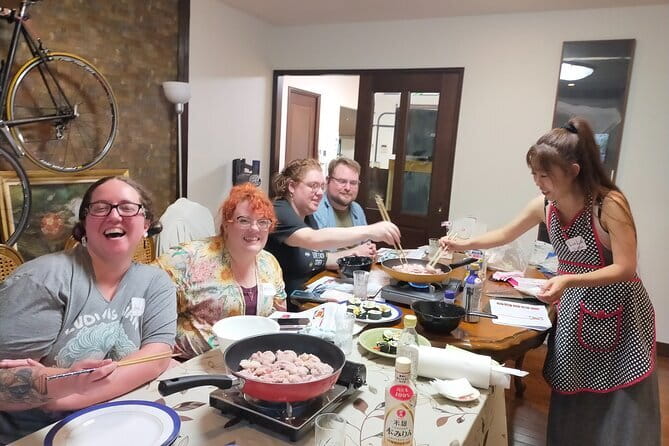
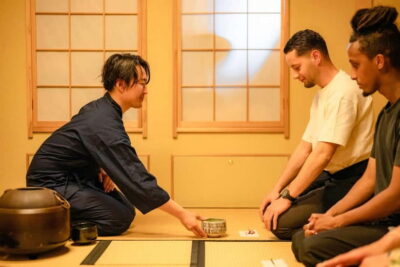
After tasting the comparison samples, you choose the matcha you like best. Then you make your own bowl of Ousucha, the thinner style of matcha commonly prepared for drinking.
This is the point where the activity shifts from tasting to doing. You use a bamboo tea whisk, known as a chasen, and prepare the drink yourself. The lesson is designed so you can repeat the process at home after your visit.
I like this step because it gives the tasting a clear personal finish. You are not simply told which tea is best. You decide, then work with that tea using the basic tool associated with matcha preparation.
The hands-on element should also help you remember the differences among the samples. You have already tasted several options, and now you handle the one that appealed to you most. For a first-time matcha drinker, that sequence is more useful than a demonstration alone.
Do not expect a long formal tea ceremony with elaborate movements. The information provided points to a practical matcha-making lesson, centered on making Ousucha with a bamboo whisk. If you want a focused introduction to preparing matcha at home, this format should suit you better than a highly scripted ceremony.
Matcha latte and sweets to finish
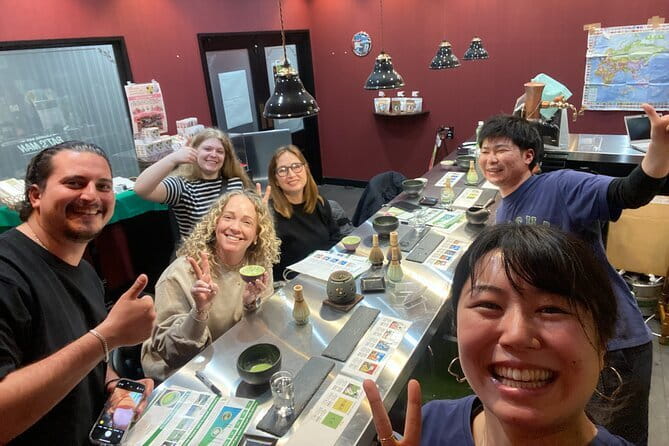
The final tasting moves away from traditional straight matcha. You receive a matcha latte and matcha sweets made with an original blend designed to work with milk and sugar.
This is a smart ending. Straight matcha can be intense for a first-time drinker, while a latte shows how the powder works in a familiar format. The sweets add another point of comparison, especially if you enjoy matcha but prefer a less bitter or more dessert-like flavor.
The house blend used for the latte is not necessarily the same tea you selected for your Ousucha. That lets you see how matcha can be chosen for different uses. A tea that works well on its own may not be the best choice with milk, and a stronger blend may make more sense in a sweet drink.
The closing food and drink also make the early start easier. You are not starting the day with eight large cups, but you do finish with something more substantial than a tasting spoonful.
What the $62.12 price includes
At $62.12 per person, this is not the cheapest way to drink matcha in Tokyo. You are paying for more than a single bowl in a tea shop, though. The fee covers a guided lesson, a regional comparison, 10 kinds of matcha, one bowl you prepare yourself, a welcome drink, a latte, sweets, and English or Japanese guidance.
The value depends on how much you want to learn. If you only want a quick matcha drink and a photo, the price is hard to justify. Tokyo has less expensive cafés for that.
If you want to understand what you are drinking, taste several styles side by side, and leave able to prepare matcha at home, the price is more reasonable. The maximum of five people also gives the session a personal feel that a large group class may not provide.
The agricultural background adds value for people who care about origin and production. You can ask about soil, cultivation, and processing rather than hearing only a short script about ceremonial tradition.
The activity is commonly booked about 20 days in advance. That does not guarantee every date sells out, but it suggests you should avoid leaving it until the last minute if the morning fits your Tokyo plans.
Who should book this experience
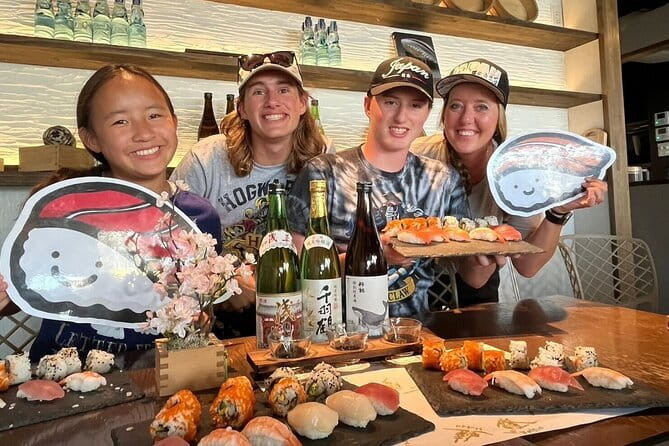
I would recommend it to anyone who already likes matcha and wants to compare Japanese regions rather than drink one standard cup. It is also a strong choice if you have wondered why matcha from different shops can taste so unlike one another.
It suits solo visitors and couples particularly well because the five-person limit leaves space for conversation. Families may also appreciate the hands-on whisking, though the supplied information does not specify a minimum age.
This is a good fit for visitors who want an educational food experience without giving up a relaxed setting. The team speaks English and Japanese, and the format includes time for questions.
You may want to skip it if you dislike bitter or grassy flavors, have no interest in tea production, or prefer a formal Japanese tea ceremony. The program is centered on tasting, comparison, and practical preparation rather than elaborate ceremony.
The 9:30 a.m. start is another consideration. It works well before a day of sightseeing, but it may be inconvenient if you are recovering from a late night or staying far from Taito City.
Practical details before you reserve
Your meeting point is Sports Bar Leaf on the second floor of Henn Na Hotel, 3-19-8 Kotobuki, Taito City, Tokyo. The activity returns to this same location.
A mobile ticket is accepted, and confirmation is provided when you book. The activity is near public transportation, and service animals are allowed.
Free cancellation is available until 24 hours before the start time for a full refund. Cancellations or changes made less than 24 hours before the start time are not accepted for a refund, and the cut-off uses local Tokyo time.
Tips are not included. Coffee and tea are included, along with the 10 matchas and the bowl you prepare yourself.
Should you book it?
Book this matcha session if you want more than a pretty cup. The strongest reasons are the five-region comparison, Chisei’s first-hand farming background, the small group, and the chance to prepare your own Ousucha.
Think twice if you want a short café stop, a formal tea ceremony, or a late-morning activity. For everyone else, the $62.12 fee buys a useful lesson in how matcha differs, how it is made, and how to choose a style you actually enjoy.
FAQ
Where does the matcha experience take place?
It takes place at matcha tripJapan inside Henn Na Hotel, at 3-19-8 Kotobuki in Taito City, Tokyo. The meeting spot is Sports Bar Leaf on the second floor.
What time does the experience start?
The experience starts at 9:30 a.m.
How long does the activity last?
It lasts approximately one hour and 30 minutes.
How many types of matcha are included?
You can enjoy 10 kinds of matcha in small portions. The main comparison includes eight types, including six ceremonial-grade matchas and two products sold as matcha that are not formally defined as matcha.
Which Japanese tea regions are represented?
The matchas come from Kyoto, Shizuoka, Aichi, Fukuoka, and Kagoshima.
Do I get to make matcha myself?
Yes. You choose a matcha you like and prepare Ousucha with a bamboo tea whisk.
Is the experience offered in English?
Yes. Local guidance is available in English and Japanese.
How many people can join the activity?
The maximum group size is five people.
Can I cancel for a full refund?
Yes. You can cancel at least 24 hours before the start time for a full refund. Cancellations or changes made less than 24 hours before the start time are not accepted for a refund.
Just added around Tokyo
- Yokohama : Tea Ceremony with Sweets and Souvenir★ 5.0 · 5 reviews
- Walking Tour: Yanaka,Nezu& Sendagi: Tea Ceremony & Old Tokyo★ 5.0 · 3 reviews
- 2 Hours Mochi &Nerikiri Making & Matcha Class in Bunkyo★ 5.0 · 21 reviews
- Private Kimono and tea ceremony at local home near Tokyo Disney★ 5.0 · 6 reviews
- Private Mochi・Matcha sweets Making Class Near Shibuya Area★ 5.0 · 22 reviews
- Tokyo Sweets Tour: Hidden Gems & Matcha at an Old Tea House★ 5.0 · 6 reviews
- Giant Sushi Cooking Class: Make a 1.5m Sushi Roll in Tokyo★ 5.0 · 9 reviews
- Tokyo Tea Ceremony Class at a Traditional Tea Room★ 5.0 · 2 reviews
Tea Making Classes, compared.

Matcha Making Class in Tokyo with Authentic Japanese Sweets Set
Read our review →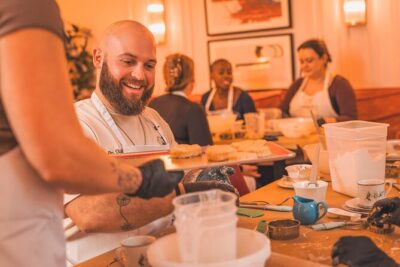
Traditional English Scone Making and Tea Workshop
Read our review →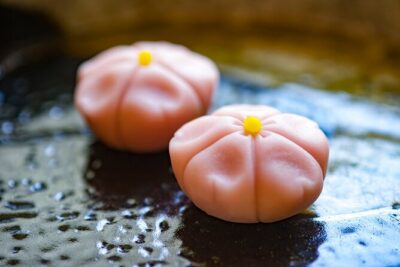
Matcha Making Class in Osaka with Authentic Japanese Sweets Set
Read our review →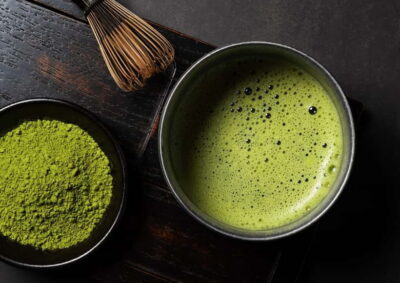
Matcha Making Experience with Mochi Sweets in Asakusa
Read our review →London Traditional English Scone Making and Tea Workshop
Read our review →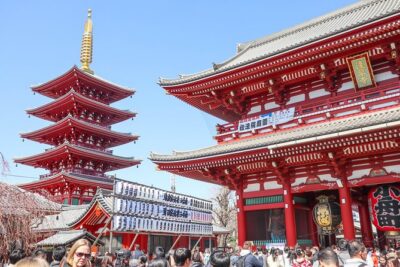
Nara:Authentic Tea Ceremony(Max 5 ppl) -Master Matcha Making
Read our review →Browse the lists this tour appears in