
Review · TOKYO
Matcha Making Experience in Shinjuku
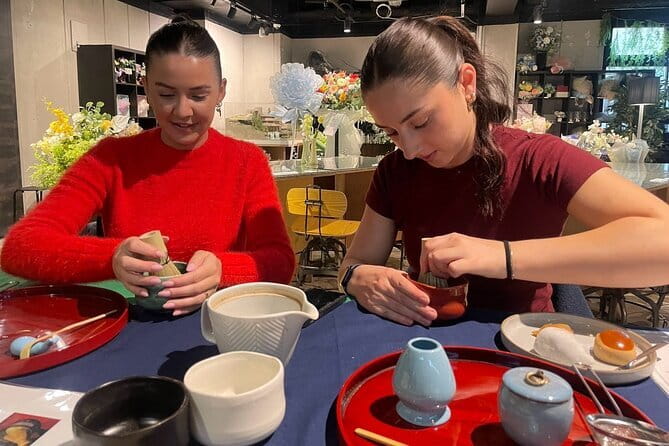
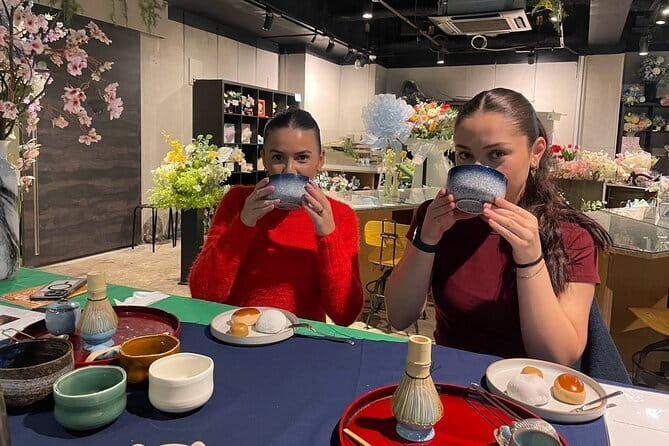
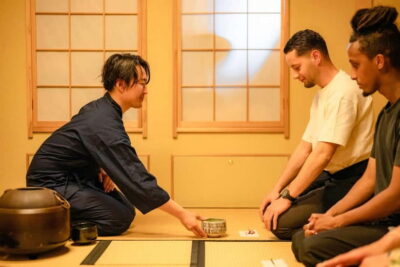
The best part of this Shinjuku experience is that you do not simply drink matcha, you make it yourself. In about an hour, you learn how to use a bamboo whisk, hear why the preparation matters, and sit down with tea and a traditional sweet.
I like that all equipment and ingredients are supplied, and I like the small cultural details that make the lesson feel more personal. One instructor wore a kimono, which added a traditional touch. The main drawback is that the published stop list also names Senso-ji, Tokyo Tower, and Yokohama Landmark Tower, even though this is described as a one-hour class at one Shinjuku meeting point. Treat the matcha lesson as the real activity and confirm the details before booking.
Key points at a glance
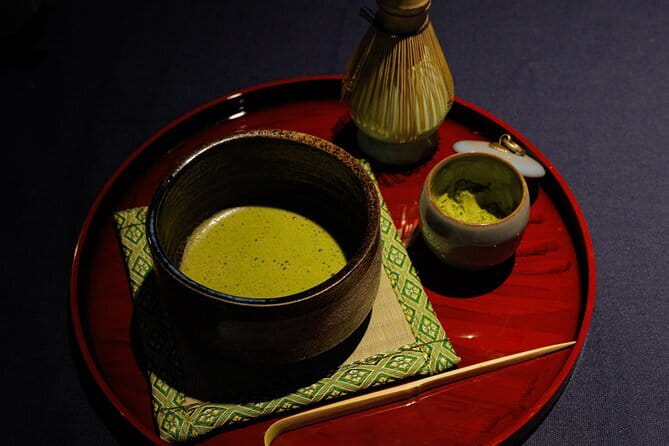
- Hands-on whisking: You prepare your own matcha with a traditional bamboo chasen whisk.
- Tea and sweets included: The class includes a cup of matcha and a sweet to enjoy with it.
- Cultural explanation: Your instructor covers the history and rituals behind matcha preparation.
- Simple packing list: Equipment and ingredients are supplied, so you only need to arrive at the meeting point.
- Central Shinjuku location: The class begins and ends at a flower-decorated house near public transportation.
- Strong guest feedback: The experience has a 4.7 rating from 12 reviews, with 92 percent recommending it.
Making matcha instead of merely ordering it
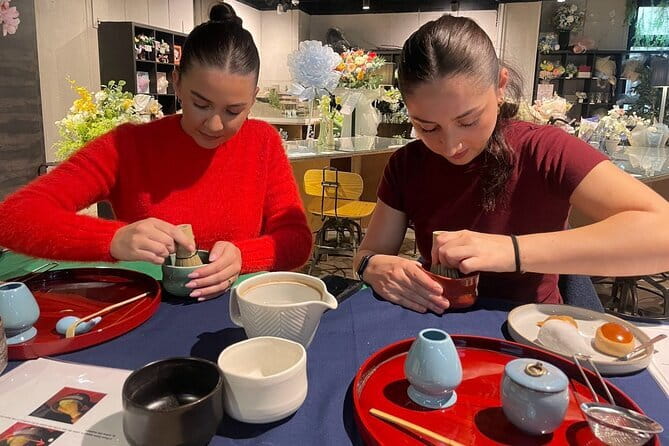
Matcha can look simple in a café: green powder, hot water, and a bowl. The traditional preparation is more deliberate. You measure the powder, add water, and use a bamboo whisk to create the right texture. This class gives you time to practice those steps instead of watching someone else do them.
That hands-on element is the reason I would choose this over a quick matcha tasting. You leave with a basic skill you can repeat at home, along with a better sense of why the whisk, bowl, powder, and serving ritual matter.
The activity lasts about one hour. That is long enough to explain the process and let you prepare tea, but short enough to fit before dinner, after sightseeing, or between other plans in Shinjuku. You should not expect a full-length formal tea ceremony or a full-day cultural program. This is a focused lesson with a clear purpose.
More Matcha Experiences in Tokyo:
- Matcha Making Class in Tokyo with Authentic Japanese Sweets Set
★ 5.0 · 744 reviews - Tokyo: Matcha Making Experience with Mochi Sweets in Asakusa
★ 4.9 · 388 reviews - Asakusa Cultural Walk & Matcha Making Tour
★ 5.0 · 245 reviews
What happens during the one-hour class
The experience begins with an introduction to matcha and the traditional Japanese tea ceremony. You learn about the tea’s place in Japanese culture and the customs connected with preparing and serving it.
The next step is practical. Your instructor shows you how to handle the bamboo whisk, called a chasen, and how to prepare the tea properly. You then make your own cup. That makes this a good choice if you prefer doing something with your hands rather than sitting through a talk.
The final part is the reward: you drink the matcha you prepared and eat a traditional sweet. The sweet matters because matcha has a strong, earthy bitterness. It gives the tasting a more balanced shape and helps you understand how tea is traditionally enjoyed.
The class does not require you to bring ingredients, utensils, or special equipment. That is useful if you are on a packed Tokyo schedule or traveling with only a small day bag. You can arrive ready to take part.
Why the kimono detail matters
The available feedback gives one useful clue about the tone of the class: an instructor wore a kimono. That does not mean every session will be led by the same person or that a kimono is guaranteed, but it suggests the presentation may include traditional visual details rather than feeling like a generic cooking workshop.
The same feedback praised the instructor’s teaching and the chance to learn the techniques behind the tea. That is important. A matcha activity can easily become a photo stop with a green drink at the end. Here, the strongest appeal is the explanation of the process and the ritual around it.
No instructor name is provided, so you should not book this expecting a particular guide. The quality of the session may depend on who leads your class, but the published information does point to an instructor who explains the method and gives you time to practice.
A flower-decorated meeting point in Shinjuku
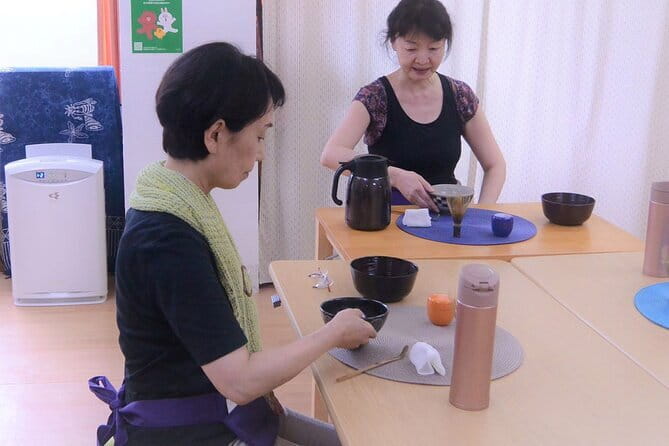
The meeting point is listed as a house with flowers at:
Japan, 160-0022 Tokyo, Shinjuku City, Shinjuku, 3-chōme 6-7, 第6三和ビル 4階
The class ends back at the same meeting point. That makes the logistics fairly easy once you find the building. Since the activity takes place in a Shinjuku address and is near public transportation, it can fit well into a day spent in central Tokyo.
Still, pay close attention to the meeting instructions on your mobile ticket. The address includes a building and floor, and a small city venue can be harder to spot than a large hotel or museum. Give yourself enough time to locate the entrance rather than arriving at the last minute.
A mobile ticket is provided, so you do not need to print a voucher. Keep your phone charged and make sure the booking details are easy to open before leaving your hotel.
More Tea Making Classes in Tokyo:
- 【NEW】Matcha Making Experience and Matcha Comparison in Tokyo
★ 5.0 · 7 reviews - London: Traditional English Scone Making and Tea Workshop
★ 5.0 · 702 reviews - Matcha Making Class in Osaka with Authentic Japanese Sweets Set
★ 5.0 · 509 reviews - London Traditional English Scone Making and Tea Workshop
★ 5.0 · 271 reviews
The three listed sightseeing stops need clarification
The activity information also names Senso-ji Temple, Tokyo Tower, and Yokohama Landmark Tower Sky Garden as itinerary stops. These are widely separated sights, and the matcha class itself lasts about one hour at a Shinjuku meeting point. Private transportation is not included, and the main description explains a tea lesson rather than a sightseeing route.
For that reason, I would not assume you will visit all three places during this activity. There are no visit times, transport arrangements, admission details, or sightseeing descriptions supplied for them. They may belong to a wider itinerary template or an administrative error.
Here is how I would handle each one:
- Senso-ji Temple: Treat it as a separate Tokyo visit unless your confirmation clearly says otherwise. It is not near the Shinjuku meeting point in the way a short walking stop would be.
- Tokyo Tower: Do not assume the class includes tower access or a transfer there. No ticket or transport is listed.
- Yokohama Landmark Tower Sky Garden: This is in another city, and no private transportation is included. Plan it separately unless the operator gives you precise instructions.
The safest approach is simple: book this for the matcha lesson, then contact Bancre Inc. if those three stops appear important to your plans. A clear confirmation can prevent a very inconvenient day of trying to connect unrelated places.
What the price includes at $32.66
At $32.66 per person, the value depends on what you want from the experience. You are paying for instruction, the use of equipment, ingredients, matcha, sweets, and an introduction to Japanese tea customs. You are not paying for transport, extra meals, or a broad Tokyo sightseeing tour.
That is a fair price if you want a short cultural activity with a practical skill at its center. A simple cup of matcha elsewhere may cost far less, but it will not usually include guided preparation or an explanation of the ritual. On the other hand, if you only want to taste matcha, this class may feel like more time and money than necessary.
The lesson is also a good value for first-time visitors who want one structured cultural activity without committing half a day. You get a clear beginning, a practical middle, and a tasting at the end. There is no need to buy tools before you know how the process works.
The price does not include private transportation. That is especially important because of the separate references to Senso-ji, Tokyo Tower, and Yokohama. If you are budgeting for those places, count transit and any admissions separately.
A small group, but not necessarily a private lesson
The maximum group size is 20 people. That is not a private class, and the experience may feel more like a shared workshop than an intimate tea ceremony.
A group of up to 20 can work well for a straightforward lesson. You can watch the demonstration, practice the whisking, and enjoy your tea without needing a whole day. Still, if you want long one-to-one coaching or a quiet ceremony with only a few people, this format may not meet your expectations.
The class has a 4.7 rating from 12 reviews, and 92 percent of people recommend it. Those numbers are encouraging, but the sample is small. I would read them as a sign that the basic format works well, not as a promise that every session will feel identical.
The most praised features are clear: learning the tea-making process, understanding the traditions and techniques, and having an instructor who creates a traditional atmosphere. Those are the points to prioritize when deciding if the activity suits you.
Who will enjoy this experience most
I would recommend this class to you if you want a short, hands-on cultural activity in Tokyo. It works particularly well for first-time visitors who have seen matcha on menus but do not know how it is traditionally prepared.
Families with older children may also find the whisking more engaging than a passive museum visit, though the supplied information does not specify a minimum age. Couples and solo visitors can use it as a calm break from the noise and pace of central Tokyo.
This is also a sensible choice if you are curious about Japanese customs but do not want to commit to a long formal ceremony. The one-hour length gives you a taste of the tradition without taking over your day.
You may want something else if your main goal is a full tea ceremony, a cooking class with several dishes, or a guided tour of Tokyo landmarks. None of those is clearly part of the described matcha lesson.
Practical planning for your Tokyo day
The experience averages seven days of advance booking, so you should reserve ahead if your schedule is fixed. That lead time is not extreme for Tokyo, but it suggests that last-minute spaces may not always be available.
Because the class begins and ends at the same Shinjuku meeting point, it pairs neatly with nearby plans. You could place it between other activities, but leave a little breathing room for finding the building and getting to your next destination.
You do not need to bring special clothing or equipment. The key practical item is your phone, since the ticket is mobile. The activity itself includes all fees and taxes, while additional food, drinks, and private transportation cost extra.
Cancellation is flexible up to 24 hours before the start time, when you can receive a full refund. Changes or cancellations inside that 24-hour window are not accepted and are not refunded. The stated policy also says the experience may be canceled if the minimum number of participants is not reached or if poor weather affects the activity. In those cases, you are offered another date or experience, or a full refund.
The weather note is unusual for an indoor-sounding tea lesson, so I would confirm how it applies to your specific booking. Do not assume the activity will operate exactly as planned if the operator contacts you about weather.
Is the matcha lesson worth booking?
Book it if you want to learn a simple Japanese skill, taste the tea you prepare, and hear the cultural background in a compact one-hour format. The supplied tools, included sweet, kimono-style presentation, and strong rating make it a practical choice for a first matcha experience.
Skip it if you are looking for a full Tokyo sightseeing tour or if you only want a fast drink. Most important, do not book it on the assumption that Senso-ji, Tokyo Tower, and Yokohama Landmark Tower are included unless Bancre Inc. confirms that directly.
For the right visitor, this is a pleasant way to slow down for an hour and pay attention to one small Japanese tradition. You arrive without equipment, learn the method, and leave knowing how to whisk a bowl of matcha yourself.
FAQ
How long does the matcha-making experience last?
The experience lasts approximately one hour.
Where does the activity begin?
It begins at a flower-decorated house at Japan, 160-0022 Tokyo, Shinjuku City, Shinjuku, 3-chōme 6-7, 第6三和ビル 4階.
Where does the activity end?
The activity ends back at the meeting point.
Is matcha included in the price?
Yes. The experience includes the matcha you prepare and drink.
Are sweets included?
Yes. Traditional sweets are included with the tea.
Do I need to bring a bamboo whisk or other equipment?
No. Equipment and ingredients are provided.
How many people can join the class?
The maximum group size is 20 people.
Can I cancel for a full refund?
Yes. You can cancel at least 24 hours before the start time for a full refund. Cancellations made less than 24 hours before the start time are not refunded.
Just added around Tokyo
- Yokohama : Tea Ceremony with Sweets and Souvenir★ 5.0 · 5 reviews
- Walking Tour: Yanaka,Nezu& Sendagi: Tea Ceremony & Old Tokyo★ 5.0 · 3 reviews
- 2 Hours Mochi &Nerikiri Making & Matcha Class in Bunkyo★ 5.0 · 21 reviews
- Private Kimono and tea ceremony at local home near Tokyo Disney★ 5.0 · 6 reviews
- Private Mochi・Matcha sweets Making Class Near Shibuya Area★ 5.0 · 22 reviews
- Tokyo Sweets Tour: Hidden Gems & Matcha at an Old Tea House★ 5.0 · 6 reviews
- Giant Sushi Cooking Class: Make a 1.5m Sushi Roll in Tokyo★ 5.0 · 9 reviews
- Tokyo Tea Ceremony Class at a Traditional Tea Room★ 5.0 · 2 reviews
Tea Making Classes, compared.

Matcha Making Class in Tokyo with Authentic Japanese Sweets Set
Read our review →
Traditional English Scone Making and Tea Workshop
Read our review →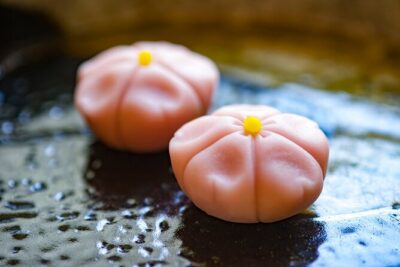
Matcha Making Class in Osaka with Authentic Japanese Sweets Set
Read our review →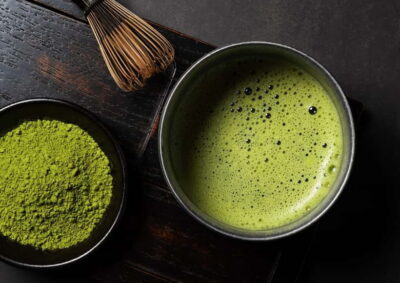
Matcha Making Experience with Mochi Sweets in Asakusa
Read our review →London Traditional English Scone Making and Tea Workshop
Read our review →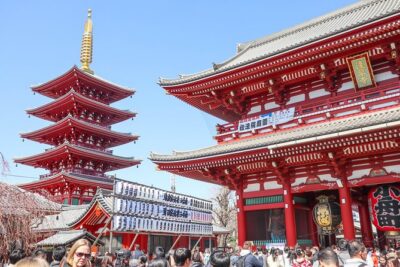
Nara:Authentic Tea Ceremony(Max 5 ppl) -Master Matcha Making
Read our review →Browse the lists this tour appears in