
Review · JAPAN
Craft Sushi and Matcha Ice Cream in Central Osaka (3-Course Meal)
Sushi is the star here, but the best lesson may be the one hidden in the miso soup. You shave dried bonito to make Japanese broth, prepare tofu and miso, then move on to futomaki, hosomaki, and nigiri before finishing with matcha ice cream. I like the small maximum of six people and the chance to work with a local chef rather than simply watch a demonstration. I also like the full three-course meal, which gives you more than a quick roll-making session.
The main thing to check is the meeting point. The class is described as being in central Osaka, but the listed start point is Yoshita in Higashiosaka, at 578-0924. That location may require extra planning, so confirm the route before booking. At $104.72 per person, the class is a good fit if you value instruction and a full meal, but less appealing if you only want an inexpensive lunch.
Key points to know before booking
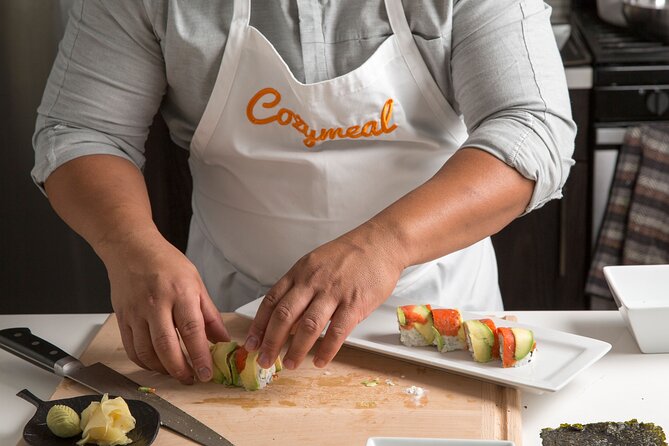
- You prepare three courses: miso soup, several styles of sushi, and matcha ice cream.
- You learn bonito broth: dried katsuobushi is shaved for the soup, adding a classic Japanese cooking lesson.
- The sushi section is varied: you make futomaki, hosomaki, and nigiri rather than repeating one basic roll.
- The group is capped at six: the small format should allow close guidance from the chef.
- The class lasts about three hours: expect a relaxed cooking session with time to prepare and eat.
- You may bring drinks: this is a BYOB class, so wine and beer are allowed.
Why this Osaka cooking class is more than a sushi lesson
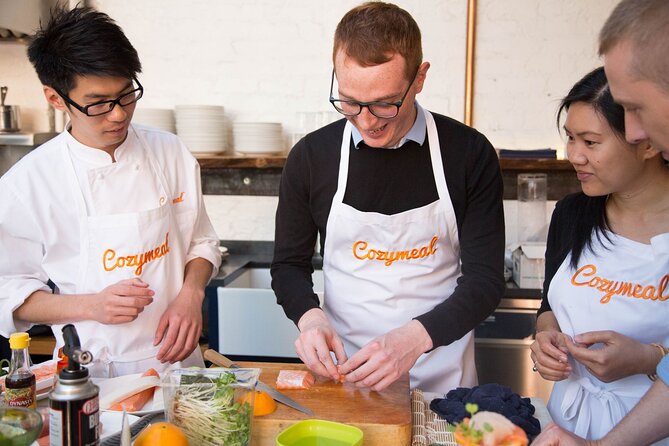
Osaka has long been known as Japan’s Nation’s Kitchen, and this class gives you a practical way to understand that nickname. You do not simply sit down to eat finished sushi. You handle the ingredients, learn a few traditional methods, and see how separate parts of a Japanese meal fit together.
The format is useful for first-time cooks and for anyone who already enjoys Japanese food. You get instruction in soup, rice, seafood, seaweed, vegetables, and dessert. That range makes the class feel like a short introduction to home-style Japanese cooking, not just a lesson in making attractive rolls.
The class takes about three hours. That is long enough for the chef to explain each step and for you to work at a comfortable pace. It also means you should not book it as a quick stop between major Osaka sights. Plan it as one of the day’s main activities.
The strongest feature is the small class size. With no more than six people, you should have a better chance to see the chef’s technique and receive help with rolling, shaping, and handling the ingredients. A small room also tends to make it easier to ask questions, especially if you are unsure about sushi rice or raw fish.
More Matcha Experiences in Japan:
- World Heritage Kyoto & Nara Uji Authentic Matcha Experience
★ 5.0 · 1,573 reviews - Kyoto: Arashiyama Bamboo Forest, Monkeys, Matcha & Temple Tour
★ 5.0 · 759 reviews - Matcha Making Class in Tokyo with Authentic Japanese Sweets Set
★ 5.0 · 744 reviews
Starting with katsuobushi and miso soup
The first course is miso soup with tofu and broth made from shaved dried bonito, known as katsuobushi. This is a fine choice for the opening lesson because it shows you an important part of Japanese cooking before you get to the more familiar sushi.
The bonito is not just a flavor detail. Shaving dried bonito creates the base for a savory Japanese broth, often called dashi. You get to see how a simple soup depends on careful preparation and good ingredients. The tofu and miso then turn that broth into a warm, familiar dish.
I like this course because it slows the class down. Sushi tends to attract all the attention, yet the soup teaches you about balance and restraint. The result is not meant to be heavy. It is a clean, comforting first course that prepares you for the meal ahead.
This step may also be the most useful for cooks who want to recreate Japanese food at home. Rolling sushi takes practice, but understanding broth gives you a technique you can use in many soups and sauces. The chef’s patient approach is especially helpful here, since shaving bonito and working with Japanese ingredients may be new to you.
Making three kinds of sushi
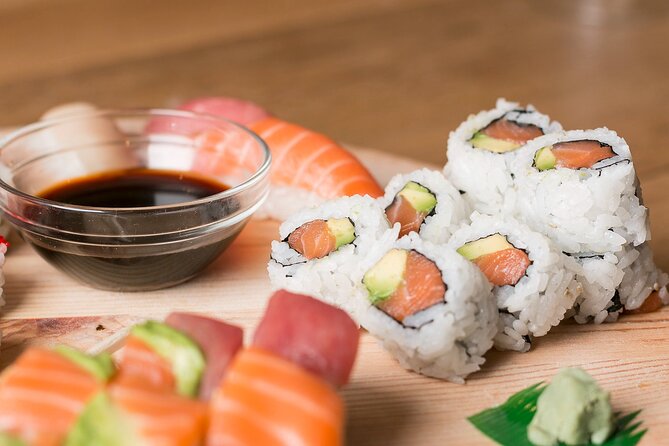
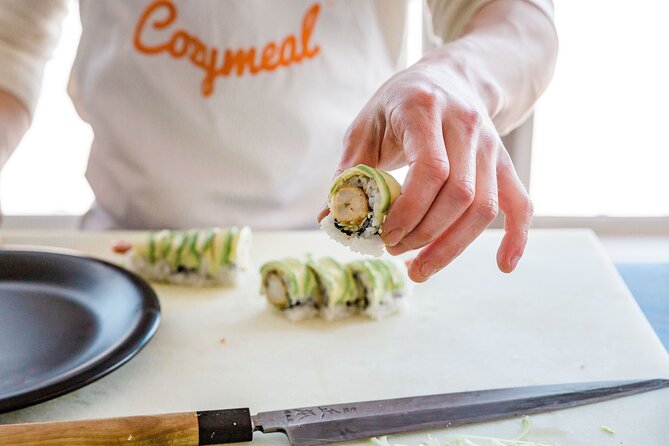
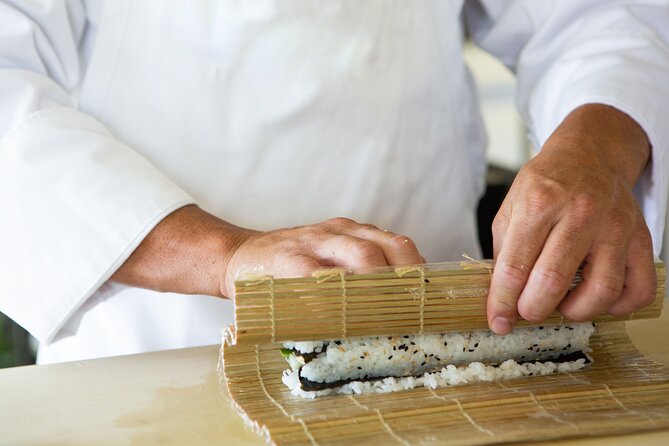
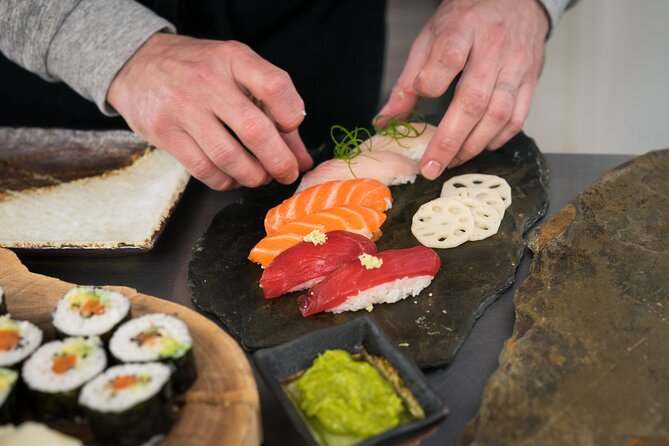
The second course is the main event. You work with Japanese rice, nori, avocado, cucumber, and fresh fish to make three different types of sushi: futomaki, hosomaki, and nigiri.
Futomaki is the larger, fuller roll. It gives you room to practice arranging several fillings and controlling the rice and nori together. Hosomaki is slimmer and demands a lighter touch. Since the roll has less space, the amount of rice and filling matters more.
Nigiri changes the lesson again. Instead of rolling the ingredients inside seaweed, you shape rice and place fresh fish on top. This lets you practice a different kind of control. The rice must hold together without being packed too tightly, and the topping needs to sit neatly.
This variety is one of the best reasons to choose the class. A shorter sushi workshop might teach one roll and call it a day. Here, you get a look at several common forms and can compare how each one is made and handled.
The ingredients are familiar enough to keep the class approachable. Avocado and cucumber offer simple fillings for anyone who is cautious about raw fish, while fresh fish provides the classic sushi experience. If you have dietary restrictions or preferences, contact the provider in advance. The class is designed to accommodate a range of dietary needs, but adjustments need to be arranged ahead of time.
You should also expect hands-on work rather than a passive demonstration. The chef guides you through the process, but you will be the one handling the rice, nori, fillings, and fish. That is where the real value lies. Your rolls may not look perfect at first, but you will understand why sushi chefs pay such close attention to pressure, proportion, and shape.
Finishing with matcha ice cream
Dessert is matcha ice cream made with matcha powder. It is a smart ending for this menu because the cool, creamy texture gives the meal a clear change of pace after soup and sushi.
Matcha has a distinct green tea taste, with a slightly bitter edge that keeps the ice cream from becoming overly sweet. The class gives you a chance to work with one of Japan’s best-known flavors in a form that is easy to enjoy.
The dessert also adds another skill to the class. You are not simply eating a prepared sweet at the end. You make it as part of the three-course meal. That makes the menu feel complete, from broth to savory food to dessert.
If you are booking for a mixed group, the matcha ice cream helps round out the experience. One person may be most interested in sushi, while another may care more about Japanese sweets. The class gives both interests some attention.
More Dessert Stops in Japan:
- Matcha Making Class in Osaka with Authentic Japanese Sweets Set
★ 5.0 · 509 reviews - Tokyo: Matcha Making Experience with Mochi Sweets in Asakusa
★ 4.9 · 388 reviews - Kyoto: Japanese Traditional Sweets Making and Tea Ceremony
★ 4.4 · 314 reviews - Osaka: Matcha Making Experience with Japanese Sweets
★ 5.0 · 146 reviews
A patient chef and a relaxed class setting
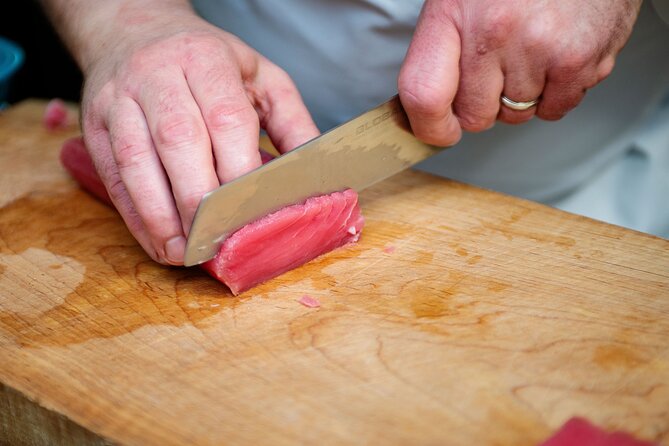
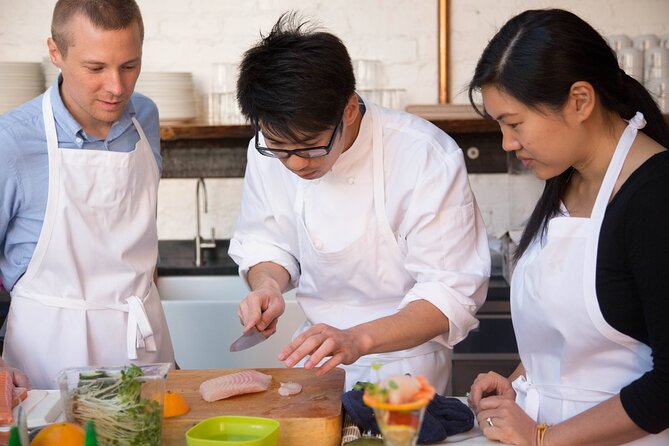
The chef’s teaching style is an important part of the experience. The strongest descriptions of the class point to patient guidance and a lesson that feels easy to follow. That matters in sushi making, where a rushed explanation can leave you with broken rolls, loose rice, or too much filling.
You can expect instruction on the practical details, including shaving bonito, preparing miso soup, rolling futomaki and hosomaki, and shaping nigiri. The chef also helps you work through the matcha ice cream. The aim is not to turn you into a professional sushi chef in three hours. It is to give you methods you can understand and repeat.
The venue is described as beautiful, though no further details are provided. I would treat that as a pleasant bonus rather than a reason to book on its own. The food instruction is the part you can count on.
Because the group is limited to six, this class may work particularly well for couples, families, or small groups of friends. It also suits solo participants who prefer a more personal setting than a large demonstration. The small size should make it easier to get help when your roll does not cooperate.
What the $104.72 price really covers
At $104.72 per person, this is not a budget meal. You are paying for more than the food on the plate, though. The fee includes a full three-course menu, the chef’s instruction, access to the ingredients, and a small-group format.
The menu itself includes several ingredients that may cost more than a basic home lunch, including fresh fish, Japanese rice, nori, katsuobushi, matcha powder, and tofu. You also get three sushi styles rather than a single roll. That makes the price easier to justify for people who want a food activity with instruction.
I would compare the cost with a standard restaurant meal plus a separate cooking lesson. This class combines the two, and the meal you prepare is part of the experience. It is not the best value if your only goal is to eat sushi, since Osaka offers many places to do that without spending three hours in a class.
For food-focused trips, though, the price is reasonable. You leave with a better understanding of how the meal is made, not just a full stomach. The class also gives you a shared activity, which can be more memorable than another restaurant reservation.
Location, timing, and the important meeting-point check
The listed start and end point is Yoshita, Higashiosaka, Osaka 578-0924, Japan. The activity ends back at the meeting point, so you should plan for the return as well as the trip there.
The experience is promoted as taking place in the heart of Osaka, but the supplied meeting address is in Higashiosaka. Those descriptions do not fully match, so I would verify the exact venue and travel time before paying. This is the most important practical detail in the entire booking decision.
The class lasts approximately three hours. Add transportation time on both sides, especially if you are staying in central Osaka. You may want to avoid placing another timed activity immediately afterward.
Confirmation is provided when you book, and the ticket is mobile. Keep the booking details easy to access on your phone. The activity has a maximum of six people, and it requires a minimum number to operate.
The class is BYOB. You can bring wine or beer to enjoy during the meal. That is a useful touch for a small private-feeling cooking session, though you should remember that drinks are not included in the price.
Who will enjoy this class most
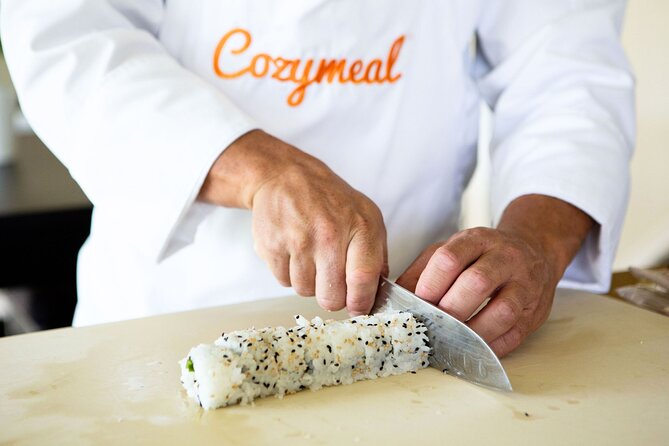
I would recommend this experience to you if food is a central part of your Japan trip and you want to do more than sample finished dishes. It is also a good match for people who enjoy learning by doing, since the class involves real preparation from start to finish.
It suits:
- First-time sushi makers who want clear guidance
- Couples and small groups looking for a shared activity
- Families interested in Japanese food preparation
- People who want to learn about dashi and katsuobushi
- Diners who enjoy both savory food and matcha desserts
- Visitors who prefer a small class over a large group demonstration
You may want to skip it if your schedule is tight, if you dislike raw fish, or if the Yoshita meeting point is inconvenient. The class can accommodate a range of dietary needs with advance notice, but you should not assume every request can be handled at the last minute.
The activity is also less suitable if you want a polished restaurant meal with no work involved. Here, part of the pleasure comes from making the food yourself. A crooked roll is part of the lesson.
Booking, cancellation, and practical details
Free cancellation is available if you cancel at least 24 hours before the experience starts. Cancellations made less than 24 hours in advance are not refunded, and changes inside that period are not accepted. Cutoff times use local Osaka time.
If the minimum number of participants is not reached and the class is canceled, you will be offered another date or experience, or a full refund. Confirmation arrives at booking, and the mobile ticket makes check-in simple.
Service animals are allowed. Dietary needs should be shared in advance so the chef has time to plan suitable adjustments.
Should you book this Osaka sushi class?
Book it if you want a hands-on food lesson with real range: bonito broth, tofu miso soup, three styles of sushi, and matcha ice cream. The small six-person limit, patient instruction, and full meal give the experience more substance than a quick sushi demonstration.
Before you commit, confirm the exact Yoshita meeting point and allow enough time to reach Higashiosaka. If that location works for your schedule, the $104.72 price is fair for a three-hour class with food, instruction, and a relaxed BYOB format. If you only want sushi at the lowest cost, spend the money at a restaurant instead.
FAQ
How long does the cooking class last?
The experience lasts approximately three hours.
Where does the class start?
The listed meeting point is Yoshita, Higashiosaka, Osaka 578-0924, Japan.
Where does the activity end?
The class ends back at the meeting point.
What food will I prepare?
You will prepare miso soup with tofu and katsuobushi broth, sushi including futomaki, hosomaki, and nigiri, and matcha ice cream.
Is the class suitable for dietary restrictions?
The class is designed to accommodate a variety of dietary needs. You should provide details in advance so the chef can try to tailor the menu.
How many people can join the class?
The class has a maximum of six participants.
Can I bring alcohol?
Yes. This is a BYOB activity, and you may bring wine or beer to enjoy during the class.
What is the cancellation policy?
You can cancel for a full refund up to 24 hours before the experience start time. Cancellations or changes made less than 24 hours in advance are not accepted for a refund.
Just added around Japan
- Yokohama : Tea Ceremony with Sweets and Souvenir★ 5.0 · 5 reviews
- Whisk Your Own Matcha: A Zen Matcha Experience at Temple★ 3.6 · 7 reviews
- Walking Tour: Yanaka,Nezu& Sendagi: Tea Ceremony & Old Tokyo★ 5.0 · 3 reviews
- Visit local home for music and tea ceremony near Disney★ 4.9 · 13 reviews
- Yokohama: Sushi & Gyoza Cooking with Matcha & GreenTea Experience★ 5.0 · 3 reviews
- Trip to Kamakura & Enoshima: Shrines, Seaside, Temples &Tea★ 5.0 · 11 reviews
- Kyoto tea town for matcha lovers★ 5.0 · 16 reviews
- Uji: Private immersion into Kyoto’s tea and reglious culture★ 5.0 · 17 reviews
Matcha Experiences, compared.
World Heritage Kyoto & Nara Uji Authentic Matcha Experience
Read our review →
Matcha Making Class in Tokyo with Authentic Japanese Sweets Set
Read our review →
Tea Museum Tickets and Matcha Grinding Experience
Read our review →
Matcha Making Class in Osaka with Authentic Japanese Sweets Set
Read our review →
Tea Ceremony Meditation – Make Matcha with Tea Master
Read our review →
Matcha Making Experience with Mochi Sweets in Asakusa
Read our review →
Browse the lists this tour appears in