
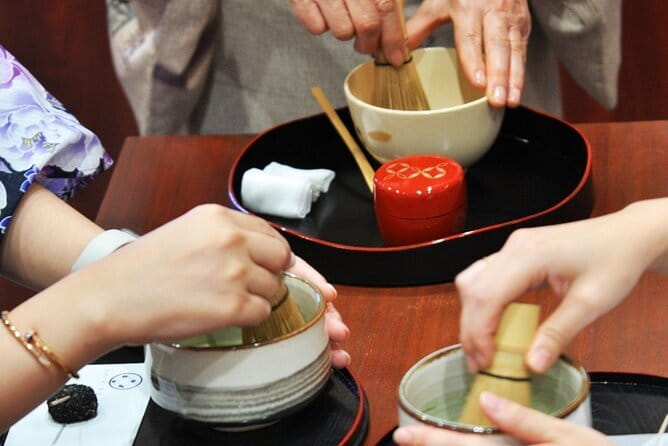
Review · OSAKA
Nara Deer Park, Uji Matcha, & Hot Spring Full-Day Tour from Osaka
Nara’s bowing deer, Uji’s green-tea sweets, and a hot spring soak make this a smart way to fit three very different Japanese experiences into one day. I especially like the chance to see Todaiji’s giant Buddha and finish in a bath instead of ending the day at another temple. The matcha street also gives you room to choose your own snack or lunch.
The trade-off is pace. Nara Park, Todaiji, Uji, and the hot spring all compete for nine hours, and some people find the sightseeing more like a guided shuttle than a fully guided walk. English commentary can vary, especially on multilingual departures, so book this for efficient transport and a broad taste of the region, not deep lectures at every stop.
Key points to know before booking
- Feed deer at Nara Park: Bring cash for deer crackers, and keep your hands moving once the crackers are gone.
- Todaiji admission costs extra: Allow about $5 per person for the temple entrance.
- Uji is a matcha playground: Matcha ice cream, cakes, drinks, and even green-tea soba are sold along the main street.
- The hot spring is a true Japanese bath: Entry is about $9, bathing is without clothing, and tattoos are generally not accepted.
- The guide experience varies: Etta, Leo, Joe, and Yao receive warm praise, while some departures have limited English commentary.
- Expect a shared group day: Vehicles and group sizes vary, with as many as 40 people and possible traffic delays.
What this Osaka day trip actually delivers
This is a long, full day with a simple purpose: remove the transport puzzle from visiting Nara and Uji on your own. You meet near Osaka’s Nipponbashi area, ride in an air-conditioned vehicle, and return to the same general meeting point after about nine hours.
The advertised price is $49.84 per person, which is good value for round-trip transport, a guide, and several major sights. But the real cost is closer to $63.84 before lunch, snacks, or drinks once you add the roughly $5 Todaiji admission and $9 hot spring entrance. That remains reasonable, especially if you would otherwise pay separately for trains, local transport, and the Uji bath.
I would think of the experience as a sightseeing framework. At the larger stops, your guide may give directions, timing, and a short explanation before sending you off to explore. That suits you if you want the main sights without planning train connections. It may disappoint you if you expect a detailed walking tour at every temple.
The group can include people from several countries, and explanations may be given in English, Japanese, and Traditional Chinese. On smaller departures, fewer than 13 people, the guide may also drive, which means the commentary can be basic. Some guides, including Etta, Leo, Joe, and Yao, have been praised for humor, local tips, and clear help with navigation. Still, the quality of the English presentation is not guaranteed.
More Matcha Experiences in Osaka:
- Matcha Making Class in Osaka with Authentic Japanese Sweets Set
★ 5.0 · 509 reviews - Osaka: Matcha Making Experience with Japanese Sweets
★ 5.0 · 146 reviews - Osaka Temple Cool Foot Bath & Matcha Experience〈45min〉
★ 4.9 · 82 reviews
Starting near Nipponbashi in Osaka
The meeting point is at 1-chōme-3-6 Nipponbashi, Chuo Ward, near the Namba and Shinsaibashi area. The stated departure time is 8:30 a.m., while the meeting instructions specify Nipponbashi Exit 2 at 8:40 a.m. Because those details do not line up perfectly, check the final message sent before departure and arrive at least 15 minutes early.
Look for the guide holding a yellow Gogoday flag. No refund is offered for late arrival or a missed departure, so this is not the morning to cut things close with a last-minute coffee stop.
The vehicle depends on the group. You might ride in a smaller vehicle or a coach, with vehicles described as ranging from 10 to 45 seats. The maximum group size is 40. Traffic between Osaka, Nara, and Uji can be heavy, and the operator advises leaving your evening open. I would not schedule a timed dinner reservation, airport transfer, or evening show immediately after the return.
Nara Park and the deer: the day’s easiest highlight
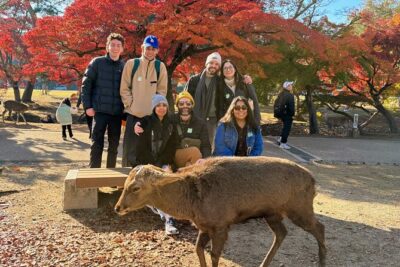
Nara Park is the most immediately enjoyable stop. The deer roam freely around the park at the foot of Mount Wakakusa, and you can buy special crackers to feed them. The animals are accustomed to people, but that does not make them shy. Some will bow, crowd around you, or keep nudging for more food.
The best practical tip is simple: feed one cracker at a time, then show open hands when you are finished. Keep paper, maps, and food tucked away. The deer can be playful and persistent, so small children should stay close to an adult.
You have about 90 minutes here. That sounds generous, but the time includes walking between the vehicle drop-off and the main sights. Depending on where the vehicle stops, you may need to cover a fair distance before reaching the deer and then walk onward toward Todaiji. One reason this stop can feel short is that the park is spread out rather than arranged as one compact attraction.
I like this part because it does not require much cultural background to enjoy. You can watch the deer, take photographs, and appreciate the open park before moving into the formal temple setting. Autumn foliage can add color to the visit, though the exact appearance depends on the date and weather.
Bring cash. Deer crackers and small purchases may not accept cards, and cash is also useful later in Uji.
Todaiji Temple and the Great Buddha
Todaiji is the major cultural stop, with about 40 minutes set aside for the temple. Its main hall contains the famous Great Buddha, one of Japan’s best-known Buddhist images. The scale is the point: after the informal fun of the deer park, you enter a place built to inspire awe and quiet.
The temple is a UNESCO World Heritage site and one of Nara’s essential visits. Your admission is not included, so budget about $5 per person. That extra charge is modest, but it is worth knowing in advance because the tour price does not cover it.
Forty minutes is enough to enter, see the Great Buddha, and take in the main hall. It is not enough for a leisurely study of every detail, a long stop at the surrounding grounds, and an unhurried visit to nearby sites. If you prefer slow temple visits, this will feel brisk.
The guide may explain the basics before you enter and give you a meeting time. Some people value that freedom, while others want more help interpreting what they see. I would read the tour’s guiding style as light-touch here. You get the landmark and the transport, but you should not expect a private historian beside you for the entire visit.
Kasuga Taisha Shrine is also presented as part of the Nara experience, with its lanterns and wooded setting. The exact time available for each Nara sight can change with traffic and group movement, so ask your guide early about the order and meeting point. Keep your watch visible. A late return at Nara can affect the rest of the day.
More Hot Spring Trips in Osaka:
- Osaka Temple Head Spa &Matcha Facial – Refresh & Glow〈90min〉
★ 5.0 · 24 reviews - Osaka: Nara, Todaiji, Uji Matcha, and Hot Spring Tour
★ 4.0 · 7 reviews - Jakarta: Volcano, Tea/Rice Fields, Hot Spring, Local Food
★ 4.9 · 515 reviews - Active Volcano, Rice Field, Hot Spring, Fruit market, Tea Plantation with Lunch
★ 5.0 · 513 reviews
Uji’s matcha street, one bite at a time
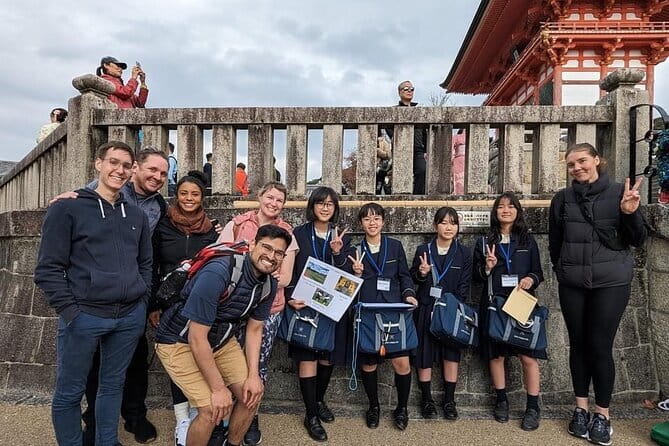
After Nara, the day shifts from deer and Buddhist monuments to green tea. Uji is closely linked with matcha, and the main shopping street leading toward Byodo-in offers plenty of ways to taste it.
You can look for matcha ice cream, cakes, drinks, and even soba noodles colored and flavored with green tea. The appeal here is choice. Rather than being locked into one restaurant, you can pick a quick snack, browse tea shops, or find a meal that fits your budget.
Lunch is not included, so plan to pay separately. The 90-minute Uji stop gives you time to eat and explore, but it can disappear quickly if you queue for a popular shop, stop for photographs, and walk toward the temple. I would decide early whether food or sightseeing matters more to you.
The tea shops are also a useful place to buy gifts, though bring cash because some stores may not accept credit cards. If you want to try several matcha products, share portions with your group rather than buying a full serving of everything. Matcha flavors can be pleasantly bitter, especially in less sweet drinks and noodles.
The guide may point out recommended stores and help you get your bearings. Etta, Leo, Joe, and Yao have each received praise for practical suggestions and lively explanations on some departures. That personal touch can make Uji easier to manage, but the amount of commentary depends on the guide and language mix on your day.
Byodo-in and the Phoenix Hall
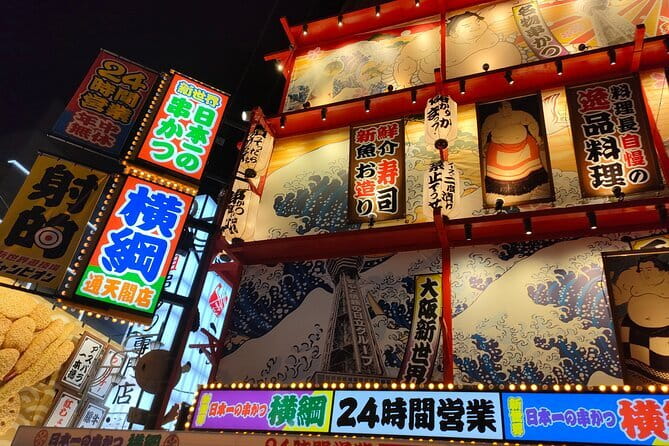
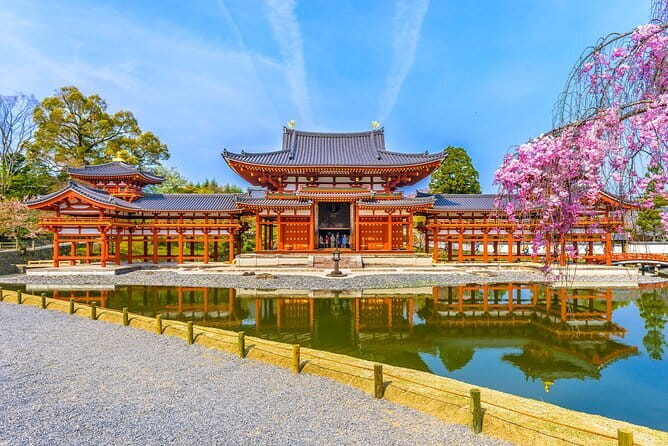
Byodo-in is Uji’s signature temple and a UNESCO World Heritage site. Its famous Phoenix Hall sits over the water, and its elegant shape is one of the most recognizable views in the area. Even if you have little interest in tea, this temple gives the Uji stop a strong visual and cultural focus.
The standard temple visit is part of the Uji portion, but an indoor viewing of the Phoenix Hall may require a separate ticket or reservation. The available information specifically suggests considering that option, so ask about it when you arrive if seeing the interior is important to you. Do not assume every temple access option is covered by the tour price.
This is another place where timing matters. You may have roughly 90 minutes for Uji, including matcha street, food, and Byodo-in. You can see the outside, walk around the grounds, and take photographs in that window, but a slow visit with multiple food stops may not fit.
I like the pairing of Uji’s edible culture with Byodo-in. One gives you a direct taste of the region, while the other shows why Uji is more than a shopping street. The only catch is that the tour asks you to make quick choices.
Genji-no-Yu: a quiet finish with important rules
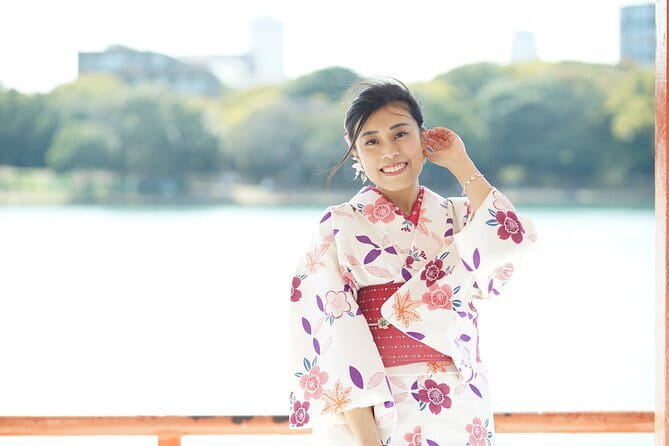
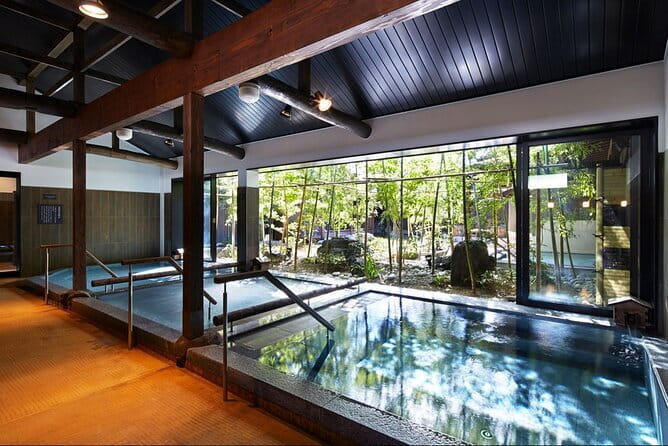
The final stop is Genji-no-Yu, described as Uji’s only natural hot spring, with water rising from 1,111 meters underground. The setting uses traditional Japanese design, and the bath offers a calm change of pace after a day spent walking and keeping to a schedule.
The entrance fee is not included and costs about $9 per person. You have about one hour, which is enough for a basic soak but not a long spa visit. The Uji Onsen shuttle bus runs on a fixed schedule, so a late arrival or traffic delay can reduce your bathing time or make the shuttle connection difficult.
Japanese hot springs are not like a hotel swimming pool. You bathe without clothing, and tattoos are not permitted in most Japanese hot springs. If either point concerns you, ask the operator before booking rather than arriving unprepared. The supplied details do not describe tattoo-covering arrangements, so do not count on an exception.
The bath is a strong ending for this particular day. You have already spent hours walking around Nara and Uji, and a soak can feel more welcome than another final attraction. Still, one hour is short if you need time to change, wash, soak, and catch the shuttle. Move promptly once you arrive.
Guide quality and the shared-group trade-off
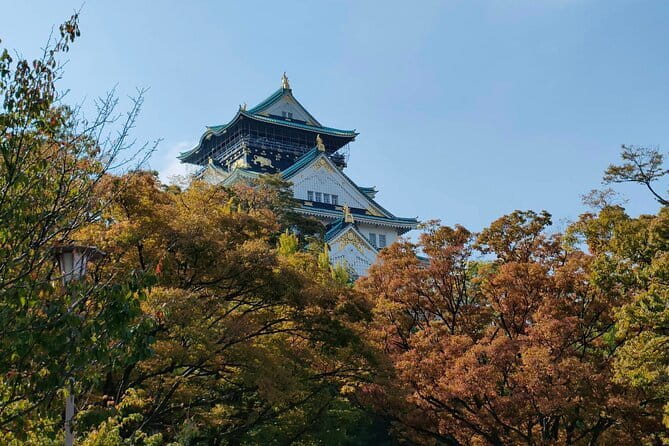
This tour’s strongest variable is the guide. Etta receives repeated praise for being funny, lively, helpful with deer-feeding advice, and attentive to people who need assistance. Leo is praised for navigation and useful tips. Joe is described as an upbeat host who shares facts about Nara, Uji, and Osaka. Yao is praised for explaining the history of the places visited.
Those are good signs, but the experience is not uniform. Some departures have had guides who offered only short explanations before giving everyone a return time. English can also be difficult to follow when the same guide must speak several languages, and some people have felt that Chinese commentary took up much more time than English.
That does not make the tour a poor choice. It tells you what you are buying: transport, organization, and orientation with some guiding, not a guaranteed all-day English walking seminar. If you want in-depth interpretation, hire a specialist guide or visit Nara and Uji independently with detailed guidebooks and audio resources.
The shared format keeps the price down, but it also means waiting for a group, meeting strict departure times, and accepting a vehicle that may be larger than expected. If you enjoy company and prefer not to manage regional transport, this is a fair compromise.
Who gets the best value from the $49.84 price
I see good value here for a first visit to Osaka when you want to reach Nara and Uji in one day without arranging several train legs. The transportation alone has practical value, especially when the day includes a remote hot spring stop that may be awkward to connect independently.
The deal is less attractive if you plan to spend a full day at one temple or want a relaxed lunch. You pay extra for Todaiji, Genji-no-Yu, and food, and the schedule leaves little room for lingering.
This tour fits you best if you:
- Want deer, temples, matcha, and a bath in one day
- Prefer a set schedule to independent transport planning
- Enjoy short visits and a broad sample of several places
- Are comfortable bathing without clothing
- Can handle a shared group and multilingual commentary
- Want an affordable excursion from central Osaka
I would be more cautious if you use a wheelchair, have difficulty with extended walking, or need a slow pace. The supplied details say most people can participate, but they do not provide a detailed mobility plan. Ask the operator directly before paying if access is important to you.
Free cancellation is available until 24 hours before the local start time. After that point, cancellation or changes are not accepted, so make your plans firm before the deadline.
Should you book this Nara and Uji day?
Book it if your priority is variety. The deer are fun, Todaiji is a major cultural stop, Uji gives you plenty of matcha choices, and Genji-no-Yu offers a proper change of mood at the end. For $49.84 before the extra admissions and lunch, that is a lot of ground covered from Osaka.
Skip it if your priority is depth, quiet, or complete control over your day. The schedule is tight, the hot spring visit is brief, and guide commentary can range from warm and informative to little more than directions.
My practical advice is to arrive early, carry cash, wear shoes suited to walking, keep your evening free, and treat the guide as a helpful coordinator rather than a guaranteed private expert. If that sounds right, this is an efficient and enjoyable way to sample Nara and Uji in one day.
FAQ
Where does the tour start?
The meeting point is at 1-chōme-3-6 Nipponbashi, Chuo Ward, Osaka, near Nipponbashi Exit 2 in the Namba and Shinsaibashi area. The stated start time is 8:30 a.m., with meeting instructions also noting 8:40 a.m., so check the final message and arrive at least 15 minutes early.
How long does the experience last?
The tour lasts about nine hours and ends back at the original meeting point in Osaka. Traffic, weather, and other unexpected issues can change the schedule.
Are entrance fees included?
No. Todaiji admission costs about $5 per person, and Genji-no-Yu costs about $9 per person. Lunch and personal purchases are also separate.
Is lunch included?
No. You have time to buy lunch in Uji, where the matcha street offers several food choices, including matcha sweets and matcha-flavored soba.
What languages does the guide speak?
The guide service is offered in English, Japanese, and Traditional Chinese. If fewer than 13 people join, the guide may also drive and provide only basic commentary.
Can I visit the hot spring if I have a tattoo?
The tour information says guests with tattoos are not permitted in most Japanese hot springs. Bathing at the hot spring is without clothing, so consider these rules before booking.
What happens if I cancel?
You can receive a full refund if you cancel at least 24 hours before the local start time. Cancellations or changes made less than 24 hours before departure are not accepted.
More Full-Day Trips in Osaka
- Hampton Court Guided Tour. Full day Access & High Tea
★ 5.0 · 270 reviews - Mt. Fuji & Lake Kawaguchiko Ropeway Panorama Full-Day Tour
★ 4.6 · 236 reviews - Tokyo: Full-Day Tour w/Tea Experience,Buffet Lunch & Cruise
★ 4.9 · 151 reviews - From Colombo: Kandy, Pinnawala and Tea Factory Full-Day Trip
★ 4.4 · 99 reviews
Just added around Osaka
- Osaka: Tea Ceremony, Calligraphy, and Kimono Experience★ 5.0 · 6 reviews
- Osaka: Nara, Todaiji, Uji Matcha, and Hot Spring Tour★ 4.0 · 7 reviews
- Osaka:Zen Tea Ceremony and Foot Bath Experience<45min>★ 5.0 · 7 reviews
- Osaka Japanese Cooking And Matcha Class near Osaka Castle★ 5.0 · 22 reviews
- Premium Kimono Dressing, Tea Ceremony, Calligraphy, Samurai show★ 5.0 · 18 reviews
- ZEN therapy | Shiatsu-style massage, EnergyTherapy & Japanese Tea★ 5.0 · 5 reviews
- Discover Japanese Tea Blending Techniques in Osaka★ 5.0 · 19 reviews
- Tea and Calligraphy Session at a Table in Osaka★ 5.0 · 4 reviews
Matcha Experiences, compared.
World Heritage Kyoto & Nara Uji Authentic Matcha Experience
Read our review →
Matcha Making Class in Tokyo with Authentic Japanese Sweets Set
Read our review →
Tea Museum Tickets and Matcha Grinding Experience
Read our review →
Matcha Making Class in Osaka with Authentic Japanese Sweets Set
Read our review →
Tea Ceremony Meditation – Make Matcha with Tea Master
Read our review →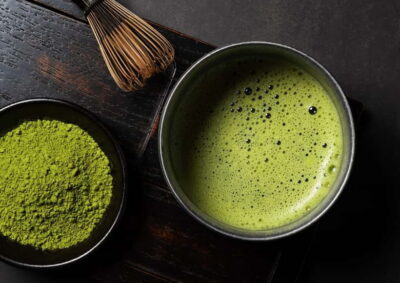
Matcha Making Experience with Mochi Sweets in Asakusa
Read our review →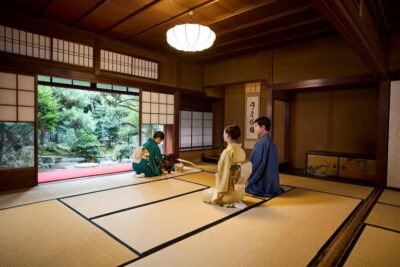
Browse the lists this tour appears in