
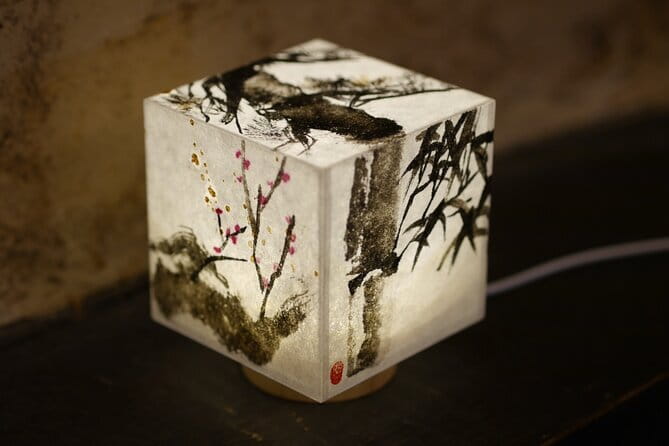
Review · TOKYO
Sumi-e Ink Painting Suiboku-Ga Workshop in a Japanese Teahouse
Sumi-e asks you to do something unusual in Tokyo: slow down and make one deliberate brushstroke count. In a teahouse near Tsukiji, award-winning artist Rensui introduces suiboku-ga, the Japanese ink-wash method built from water, ink, texture, and empty space. You choose a subject such as bamboo, pine, plum, orchid, chrysanthemum, or kanji.
I like the eight-person limit, which gives this one-hour lesson a personal feel, and I like that your finished painting is a real souvenir rather than a mass-produced keepsake. The green tea refreshment and take-home packet of tea add a pleasant local touch. The catch is that ink painting is harder than it looks, so you should expect a learning experience, not a flawless masterpiece.
Key points
- Learn from award-winning artist Rensui: Get direct instruction in basic suiboku-ga techniques, including controlled washes and single brushstrokes.
- Paint in a Tokyo teahouse: The class takes place at Uogashi Meicha Chanomi Club near Tsukiji.
- Choose your subject in advance: Possible themes include pine, bamboo, plum, orchid, chrysanthemum, and Chinese kanji characters.
- Small group, maximum eight people: The limited size suits visitors who want guidance instead of a large demonstration.
- Take home two souvenirs: Your own painting and a packet of Japanese green tea are included.
- A compact one-hour activity: This fits neatly into a Tokyo day, with the class beginning and ending at the same meeting point.
Why Suiboku-ga Makes a Good Tokyo Activity
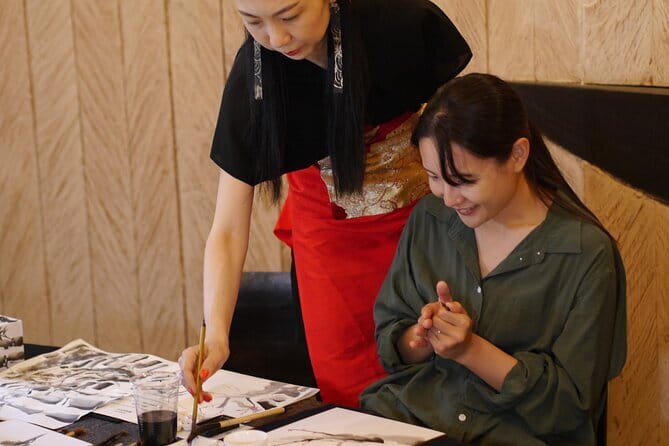
Suiboku-ga is a form of sumi-e that uses diluted ink to create light, dark, texture, and contrast. Unlike painting styles that build color through many layers, this method often depends on a small number of confident strokes. Water does much of the work.
That simplicity is part of the appeal. A brush loaded with ink can produce a range of tones, depending on how much water it carries and how firmly you press. One stroke may suggest the bend of bamboo, the branch of a pine, or the shape of a flower. You are not filling in every detail. You are learning how to suggest an object with restraint.
The technique is also tied to the idea that a painting can show the artist’s state of mind. That does not mean you need prior art training or a formal understanding of Zen. It means the class values attention, patience, and a direct connection between hand and paper.
I find this especially useful in Tokyo, where sightseeing can become a race between stations, temples, shops, and restaurants. This workshop gives you one hour with a brush in your hand and nowhere else to be. It is a quiet change of pace, but still a distinctly Japanese activity.
More Workshops in Tokyo:
- Matcha Making Class in Tokyo with Authentic Japanese Sweets Set
★ 5.0 · 744 reviews - Tea Ceremony Workshop in Tokyo by the Experienced Instrucor
★ 5.0 · 189 reviews - Experience all of Japanese culture and Japanese food experience classes “origami, udon, Japanese food, green tea, calligraphy” in 4 hours
★ 5.0 · 105 reviews
Meeting Rensui at the Tsukiji Teahouse
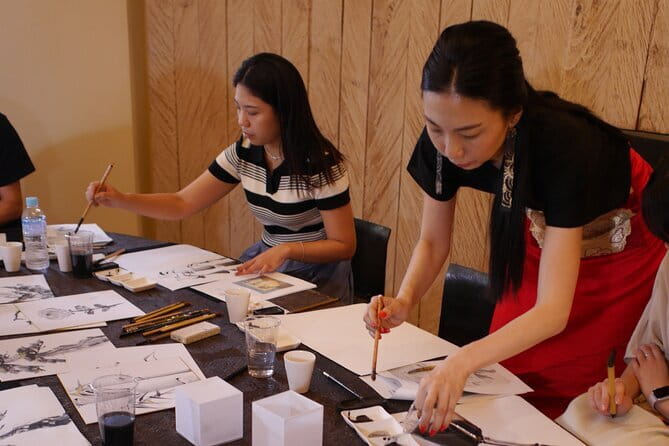
The meeting point is Uogashi Meicha Chanomi Club, at 2-chome-11-12 Tsukiji, Chuo City, Tokyo 104-0045. The activity begins and ends there, and the location is near public transportation.
The setting matters. You are not being taken to a generic art classroom far from the parts of Tokyo most visitors know. You meet in a Japanese teahouse, where the class includes a light green tea refreshment. The tea is not just a drink between instructions. It helps frame the lesson as a cultural activity rather than a simple craft session.
Rensui, an award-winning artist and calligrapher, leads the workshop. The instruction focuses on basic methods, so you do not need to arrive with painting experience. The format is suitable for someone who has never held a sumi-e brush, as well as for an art lover curious about a technique that works very differently from Western painting.
The class is limited to eight people. That number is small enough to make individual help possible, though the exact amount of personal instruction can depend on the group and the pace of the lesson. If you prefer a private class with uninterrupted attention, this is not described as a private booking. If you want a more relaxed setting than a large group demonstration, the size is a strong advantage.
Choosing Pine, Bamboo, Plum, Orchid, Chrysanthemum, or Kanji
At booking, you choose the type of object you want to paint. The available themes are pine, bamboo, plum, orchid, chrysanthemum, and Chinese kanji characters.
These subjects are well suited to the technique because each can be expressed with a few strong forms. Bamboo lends itself to long, controlled lines. Pine can be built from branches and needles. Flowers and orchids test your ability to vary pressure and ink tone. Kanji brings the discipline of calligraphy into the activity, where the order and direction of each stroke matter.
You should think about your choice before the class, especially if you are booking for a family or group. A subject that looks simple may require careful brush control. That is part of the fun, but it is worth remembering that a short list of strokes does not necessarily mean an easy picture.
One family used the choice of bamboo or pine as a starting point, while a younger child wanted to draw Snoopy instead. That detail suggests some flexibility in the creative process, but the formal themes provided are the six listed above. If you have a specific subject in mind, confirm what is possible when you book rather than assuming every character or cartoon can be included.
What the One-Hour Workshop Feels Like
The workshop lasts about one hour. You receive the materials and learn the basic principles of suiboku-ga under Rensui’s direction. The lesson includes ways to use water and ink to create different tones and textures, along with the idea of completing an image with a single brushstroke.
That final point is important. A single stroke cannot easily be corrected. You need to control the brush, judge the amount of ink and water, and accept that the mark will remain visible. The exercise can feel challenging, even if you are comfortable with drawing in other styles.
One participant was surprised by how difficult ink painting was, yet still enjoyed the class and felt pleased with the finished artwork. That is a fair expectation for you, too. The workshop is not mainly about producing something technically perfect. It is about seeing how much expression can come from limited materials and a small number of marks.
The lesson is described as relaxed and comfortable, but relaxed does not mean passive. You will be asked to move the brush and make decisions. If you like hands-on activities, that makes the hour worthwhile. If you prefer simply watching an artist demonstrate, you may find the practical work more demanding than expected.
Same place, a different pot:
- Kimono Tea Ceremony at Tokyo, Asakusa Maikoya
★ 5.0 · 638 reviews - Tokyo: Traditional Tea Ceremony with a Tea Master
★ 5.0 · 528 reviews - Dynamic Tokyo: Tokyo Tower, Tea Experience, Bay Cruise Day Tour
★ 4.5 · 521 reviews - Tokyo: Matcha Making Experience with Mochi Sweets in Asakusa
★ 4.9 · 388 reviews
Tea, Materials, and the Souvenirs You Keep
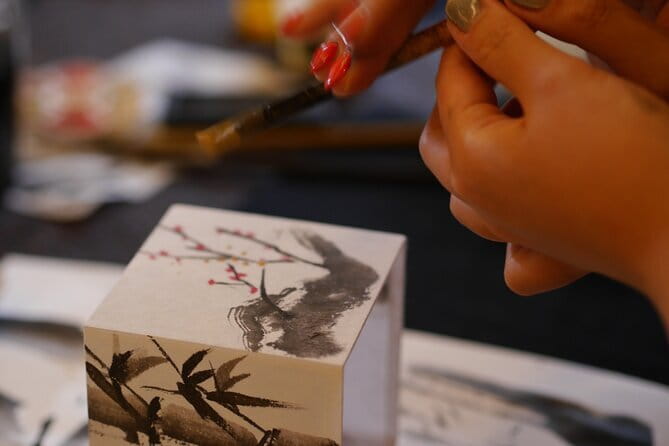
The workshop fee covers materials, so you do not need to arrange your own ink, brushes, or painting surface. It also includes a light green tea refreshment during the activity and a packet of green tea to take home.
The painting is the main souvenir. Because you make it yourself, it carries the memory of the class more clearly than a shop-bought item. It can also work as a small gift for family or friends, particularly if you choose a kanji character or one of the traditional plant subjects.
The tea packet is a useful extra. It is easy to pack, clearly connected to the setting, and less fragile than artwork. You leave with something made during the class and something ready to share or enjoy later.
Do not expect a full meal or a long tea ceremony. The included tea is described as a light refreshment, and other fees or services are not included. The value is in the combination of instruction, materials, the teahouse setting, and the two take-home items.
Is $93.34 a Fair Price?
At $93.34 per person, this is not a budget activity for a one-hour class. The price makes more sense if you value the instruction, small group size, materials, tea, and finished artwork rather than judging it only by the clock.
You are paying for a guided cultural lesson led by an award-winning artist, not just access to a table and supplies. The maximum of eight people is another reason the cost may feel reasonable to visitors who want a chance to receive direction. The finished painting and green tea packet also mean you take home more than a temporary memory.
Still, the price will not suit everyone. If you are looking for a long workshop, a museum visit, or a broad introduction to many Japanese art forms, this class may feel brief. It is best viewed as a focused one-hour session that fits between other Tokyo plans.
I would consider it good value for art lovers, families wanting a shared activity, and people who prefer a personal souvenir over another purchase. For a large group watching its budget, the per-person cost deserves closer thought.
Who Should Book This Class?
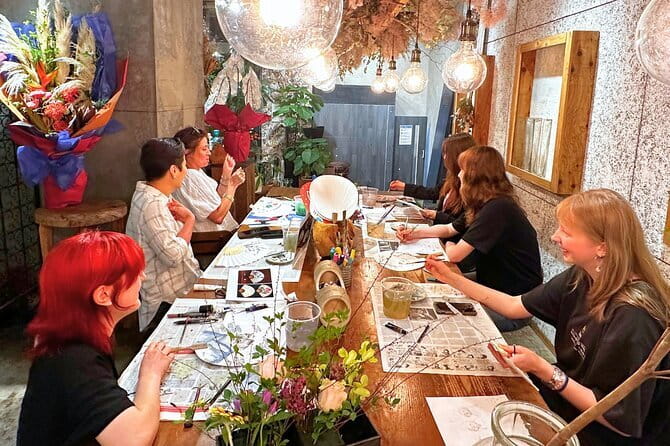
This is a strong choice if you enjoy making things with your hands. You do not need to be an experienced artist. In fact, the class is designed around simple techniques, making it approachable for beginners who are willing to accept a few imperfect strokes.
Families can also consider it. The experience has been suitable for children aged 7 and 9, and the creative format can give younger participants room to make their own choices. Children may not follow the traditional themes exactly, so parents should be ready for the activity to become personal and playful rather than strictly formal.
The class also suits couples, solo visitors, and small groups who want a quieter break from sightseeing. It is especially useful on a day when you are already in or near Tsukiji and want an activity with a clear one-hour time frame.
You may want to skip it if your schedule is so tight that even a one-hour class feels like a burden, or if you dislike activities where the result cannot be corrected easily. The calm setting does not remove the need for patience.
Practical Details Before You Reserve
The activity uses a mobile ticket, which is convenient for a Tokyo day spent moving between stops. Confirmation is sent within 48 hours of booking, subject to availability, so avoid leaving the reservation until the last minute if your schedule is fixed. The activity is booked, on average, 25 days in advance, which suggests planning ahead is sensible.
The class starts and ends at Uogashi Meicha Chanomi Club. There is no hotel pickup or drop-off. Since the meeting point is near public transportation, you should plan your own route and allow enough time to arrive at the Tsukiji address.
Most people can participate, and the class is limited to eight participants. The available information does not give details about specific accessibility equipment or accommodations, so contact the provider if you need arrangements beyond the standard format.
Free cancellation is available if you cancel at least 24 hours before the local start time. Cancellations or changes made within 24 hours are not accepted for a refund.
How This Compares With Other Tokyo Souvenirs
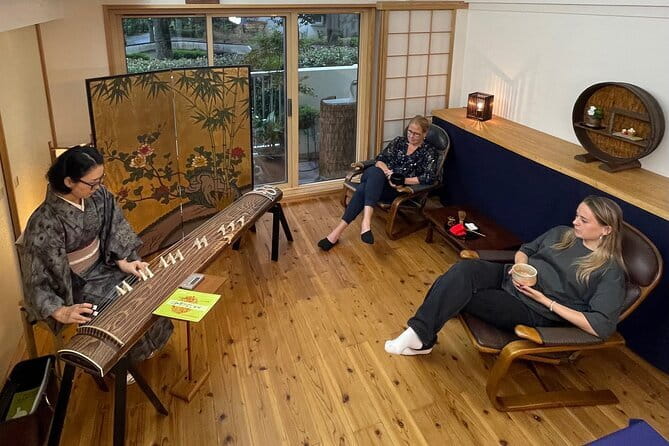
Many Tokyo souvenirs are easy to buy and easy to forget. A packet of tea is useful, but the painting gives this activity a personal mark. Even if your bamboo leans or your kanji is less than perfect, it records the hour you spent learning the technique.
The workshop also offers more contact with the making process than a quick craft demonstration. You learn how ink behaves, how water changes the mark, and why a simple image can demand concentration. Those lessons may stay with you when you later see Japanese calligraphy or ink paintings in museums and temples.
The limitation is breadth. You focus on one technique and one chosen theme. You will not tour several art sites or receive a long lecture on Japanese painting. That narrow focus is a benefit if you want to try one art form properly, but a drawback if you prefer a wide cultural overview.
Should You Book the Sumi-e Workshop?
Book it if you want a hands-on Japanese activity with a small group, a respected artist, and a souvenir you create yourself. The green tea refreshment and take-home packet make the hour feel complete, while the Tsukiji teahouse setting gives it a sense of place.
Go in with modest expectations. Your first ink painting may not look polished, and the single-stroke method can be harder than it appears. That challenge is the point. If you can accept the occasional crooked branch or uneven wash, you will likely find the process more rewarding than chasing a perfect result.
At $93.34, this is a selective purchase rather than an automatic bargain. For art lovers, families, and visitors seeking something beyond the usual Tokyo checklist, I would book ahead and choose your subject carefully.
FAQ
Where does the sumi-e workshop take place?
The workshop takes place at Uogashi Meicha Chanomi Club, 2-chome-11-12 Tsukiji, Chuo City, Tokyo 104-0045, Japan.
How long does the activity last?
The workshop lasts approximately one hour.
Where does the activity end?
It ends back at the meeting point, Uogashi Meicha Chanomi Club.
How many people can join the workshop?
The activity has a maximum of eight participants.
Who teaches the ink painting class?
Award-winning artist and calligrapher Rensui teaches the workshop.
What type of painting will I learn?
You will learn suiboku-ga, a Japanese sumi-e ink-wash technique that uses water, ink, texture, and contrast.
Can I choose what to paint?
Yes. At booking, you can choose a theme from pine, bamboo, plum, orchid, chrysanthemum, or Chinese kanji characters.
Are materials included?
Yes. The workshop fee includes the materials needed for the activity.
Is green tea included?
Yes. You receive a light green tea refreshment during the workshop and a packet of green tea to take home.
What is the cancellation policy?
You can cancel for a full refund up to 24 hours before the experience start time. Cancellations or changes made less than 24 hours before the start time are not accepted for a refund.
Just added around Tokyo
- Yokohama : Tea Ceremony with Sweets and Souvenir★ 5.0 · 5 reviews
- Walking Tour: Yanaka,Nezu& Sendagi: Tea Ceremony & Old Tokyo★ 5.0 · 3 reviews
- 2 Hours Mochi &Nerikiri Making & Matcha Class in Bunkyo★ 5.0 · 21 reviews
- Private Kimono and tea ceremony at local home near Tokyo Disney★ 5.0 · 6 reviews
- Private Mochi・Matcha sweets Making Class Near Shibuya Area★ 5.0 · 22 reviews
- Tokyo Sweets Tour: Hidden Gems & Matcha at an Old Tea House★ 5.0 · 6 reviews
- Giant Sushi Cooking Class: Make a 1.5m Sushi Roll in Tokyo★ 5.0 · 9 reviews
- Tokyo Tea Ceremony Class at a Traditional Tea Room★ 5.0 · 2 reviews
Workshops, compared.
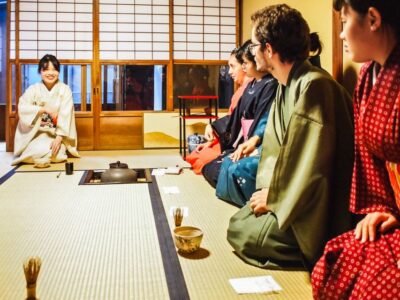

Matcha Making Class in Tokyo with Authentic Japanese Sweets Set
Read our review →
Traditional English Scone Making and Tea Workshop
Read our review →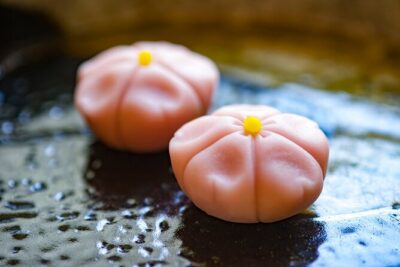
Matcha Making Class in Osaka with Authentic Japanese Sweets Set
Read our review →London Traditional English Scone Making and Tea Workshop
Read our review →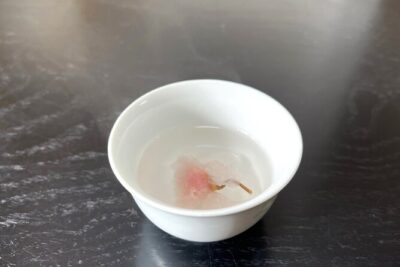
Tea Ceremony Workshop in Tokyo by the Experienced Instrucor
Read our review →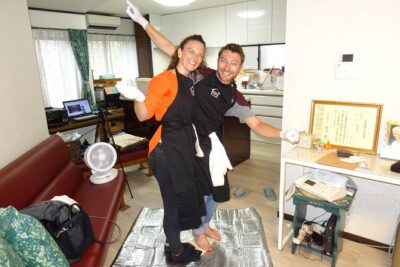
Browse the lists this tour appears in