
Review · TOKYO
Ginza Tokyo: Easy Matcha (Green Tea) Experience
The fun here is that you do not just watch a tea ceremony. You grind your own matcha, prepare it, and drink it with a small wagashi sweet in Ginza. The lesson keeps the formal rules light, so you can learn without feeling as if you wandered into an exam.
I like the short 30-minute format, which makes this an easy pause between shops and sights. I also like the personal scale: the session is designed for one or two people, and host Aki takes time to explain the history and techniques and answer questions. The main consideration is that this is a casual introduction, not a full, formal tea-house ceremony.
Key points at a glance
- Grind and prepare your own matcha: You take part in making the powdered tea rather than only observing.
- Aki gives a clear introduction: The brief talk covers tea ceremony basics, matcha history, and grinding technique.
- Pair matcha with wagashi: The Japanese sweet gives you a small bite to enjoy alongside the tea.
- Fits into a busy Tokyo day: The session lasts about 30 minutes and runs from 10:00 to 18:00.
- Made for one or two people: The small format gives you room to ask questions and work at an easy pace.
- Costs $13 per person: That is a modest price for a hands-on cultural stop in central Ginza.
A hands-on cup of matcha in Ginza
This session takes a traditional Japanese custom and makes it approachable. You receive a brief explanation of the tea ceremony, learn about matcha grinding, and then prepare your own powdered green tea. The point is not to master every movement. It is to understand what you are doing and enjoy the cup you made.
That difference matters. A formal tea ceremony can involve precise gestures, quiet rules, and a setting designed for ceremony. Here, the tone is more relaxed. You can focus on the tea, ask questions, and take part without worrying about getting every detail perfect.
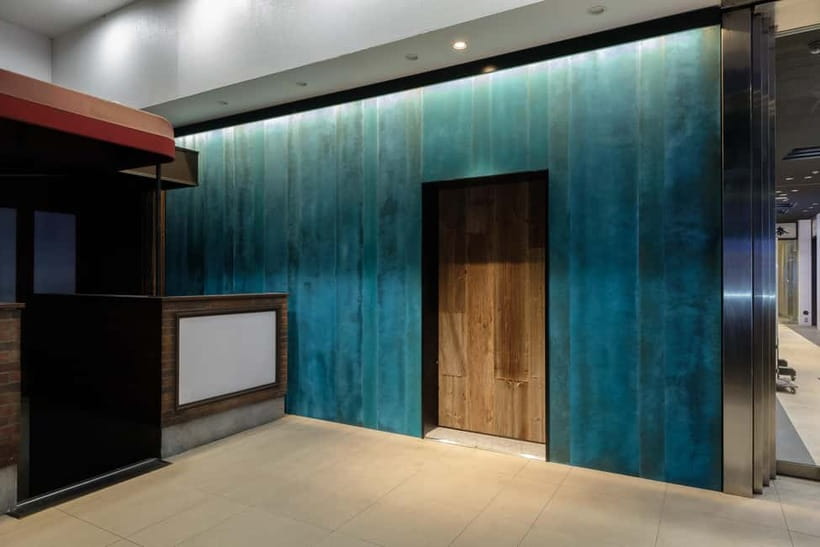
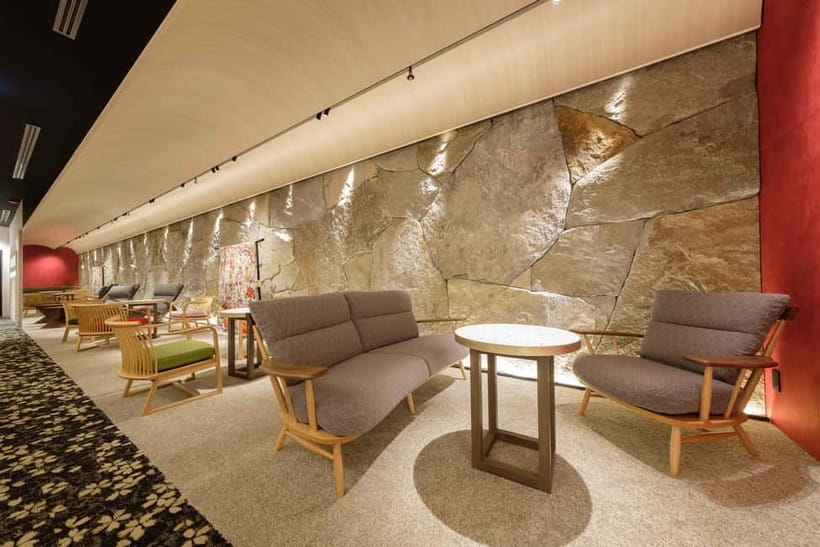
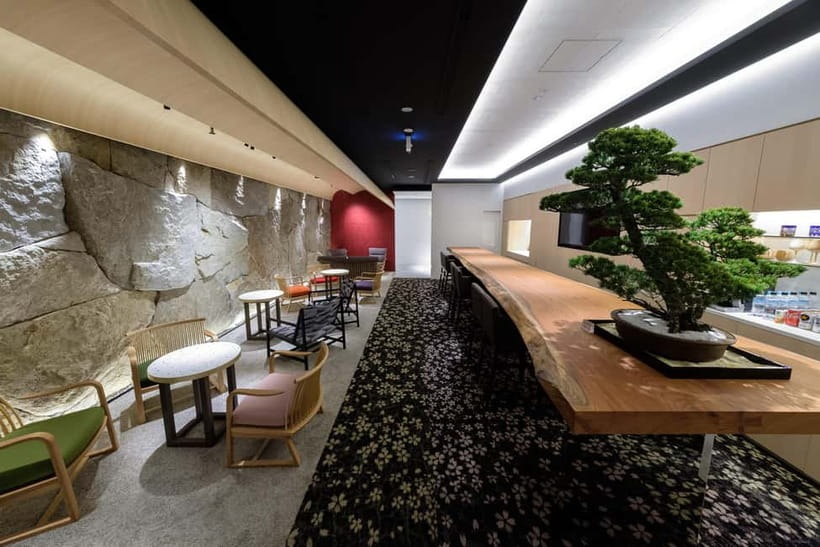
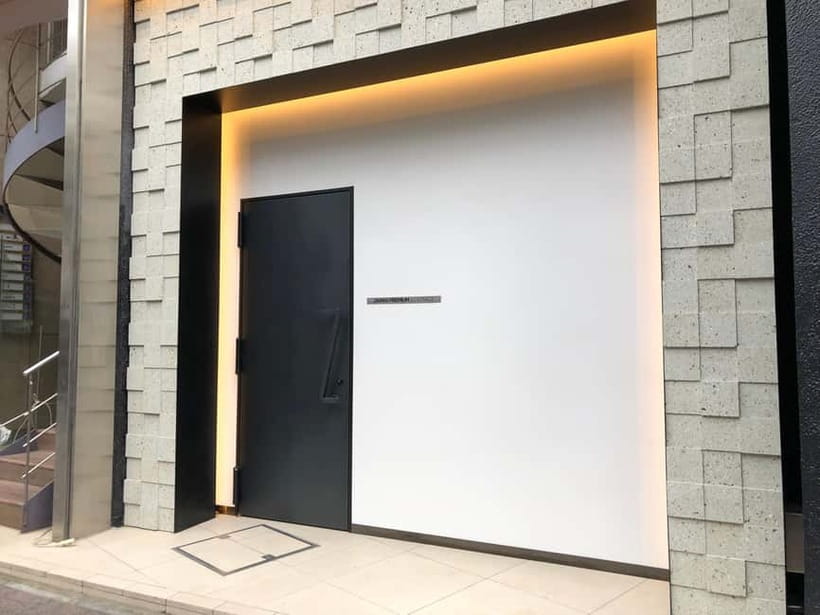
The experience takes place at Japan Premium Lounge Cafe, at 8-3-11 Ginza, Chuo-ku, on the first floor of the Wako Building. The café has entrances on both the west side, marked by a black door, and the east side, marked by a green wall and wooden door. Check those details before you arrive, since Ginza has plenty of polished buildings and easy-to-miss entrances.
Your session ends where it begins, so you do not need to arrange transport between the activity and your next stop. That makes it simple to place before shopping, after lunch, or during a break from a longer day in central Tokyo.
More Matcha Experiences in Tokyo:
- Matcha Making Class in Tokyo with Authentic Japanese Sweets Set
★ 5.0 · 744 reviews - Tokyo: Matcha Making Experience with Mochi Sweets in Asakusa
★ 4.9 · 388 reviews - Asakusa Cultural Walk & Matcha Making Tour
★ 5.0 · 245 reviews
What happens during the 30-minute session
The activity begins with a short lecture on the tea ceremony and matcha. This gives you the basic setting before you handle the tea yourself. You learn why matcha is prepared in powdered form and get an introduction to the art of grinding it.
The talk is brief, which suits the nature of the activity. You will not spend half a day memorizing tea-school rules or sitting through a long demonstration. Instead, the explanation gives you enough context to make the hands-on part more meaningful.
Next comes the matcha-making portion. You prepare your own powdered tea, following the techniques explained during the introduction. The exact sequence is not described in detail, so you should expect a guided practical lesson rather than a formal training course.
This is where the small group size helps. With one or two people, you have a better chance to ask about the movements, the tea, or the background behind the custom. Aki is described as warm, thorough, and happy to answer questions, which is useful if this is your first contact with matcha.
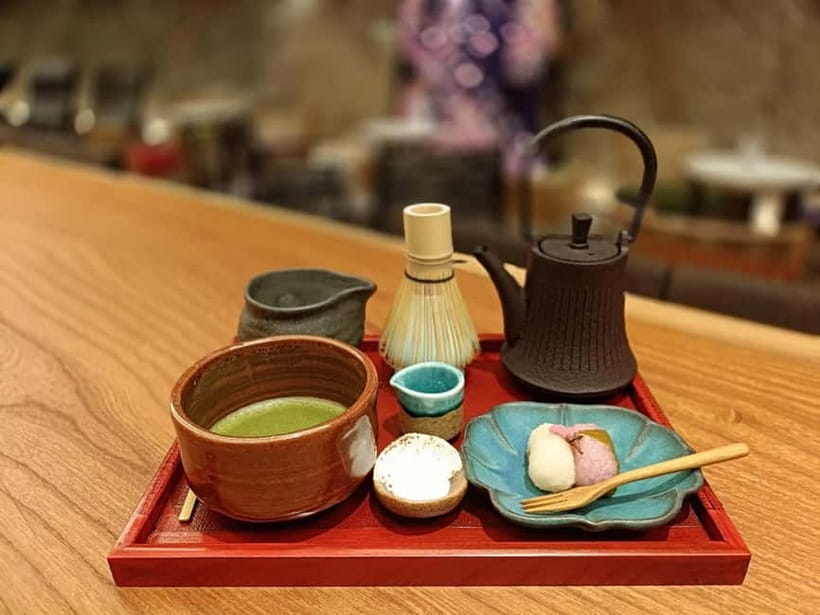
Once your tea is ready, you drink it with wagashi, a Japanese sweet. The sweet provides a traditional partner for the slightly bitter, earthy taste of matcha. It also gives the session a clear finish: you make something, taste it, and take a short pause before returning to Ginza.
A photo opportunity is included. If you want a picture of the preparation or the finished tea, this is a good time to ask. Since the session is short, keep your camera ready rather than spending several minutes searching through your bag.
Why the matcha-making part is worth your time
Matcha is easy to order in Tokyo. It is less common to prepare it yourself after learning a little about the process. That small act changes the drink from a menu item into a cultural activity.
You also get a better sense of the care behind the cup. Grinding and preparing powdered tea helps explain why matcha has a different character from ordinary steeped green tea. The experience does not promise advanced tea knowledge, but it gives you a practical starting point.
I especially like this format for people who are curious about Japanese customs but do not want a highly formal setting. You can learn the basic idea of the tea ceremony while still having a normal conversation and asking direct questions.
The lecture also adds useful context. Without it, whisking tea can feel like a craft demonstration with no background. With a short explanation of the ceremony and the art of grinding, the preparation has a clearer purpose.
Do not expect a long lesson on every branch of Japanese tea culture. The information provided points to a short introduction, not a specialist class. That is a fair trade for a 30-minute activity and a $13 price.
A casual tea ceremony, not a formal tea house visit
The phrase casual tea ceremony is the key to setting expectations. You will get a taste of the tradition, but the session is designed to be easy for beginners.
That makes it a good choice if you have limited time or feel unsure about formal etiquette. You can wear comfortable clothes, and the activity does not require special preparation beyond arriving ready to take part. The relaxed setting may also suit couples or individuals who want a quiet cultural break without committing to a long program.
The trade-off is depth. If you want a full ceremony with a formal room, extended etiquette, and a longer sequence of prescribed movements, this will feel too brief. The activity is better understood as an introduction that lets you participate.
I would choose this session for a first matcha lesson, a short cultural stop, or a gentle break from Ginza shopping. I would not choose it as the only tea-focused activity on a trip if your main goal is a highly traditional ceremony.
The one-to-two-person format is another useful detail. Many city activities place you in a larger group, where questions can be rushed. Here, the limited size should make the teaching feel more direct, especially if you are visiting with one companion.
A few more tea experiences around Tokyo worth a look
- Kimono Tea Ceremony at Tokyo, Asakusa Maikoya
★ 5.0 · 638 reviews - Tokyo: Traditional Tea Ceremony with a Tea Master
★ 5.0 · 528 reviews - Dynamic Tokyo: Tokyo Tower, Tea Experience, Bay Cruise Day Tour
★ 4.5 · 521 reviews - Tea Ceremony Workshop in Tokyo by the Experienced Instrucor
★ 5.0 · 189 reviews
The value of wagashi with your tea
Wagashi is not just a small snack added to the price. It gives you a simple way to notice how Japanese sweets are used with tea.
Matcha can have a strong, bitter taste. A sweet bite balances that flavor and makes the cup easier to appreciate, especially if you are trying matcha for the first time. The pairing also helps turn the lesson into a brief pause rather than a technical demonstration.
You receive one cup of matcha and one Japanese sweet as part of the activity. The information does not specify the type or flavor of wagashi, so you should not book this expecting a particular dessert.
The serving is likely to be modest because this is a short tea break, not a meal. Plan to eat before or after if you need lunch. That is not a weakness, but it is worth knowing when you fit the activity into your day.
Why Ginza is a practical setting
Ginza is a useful place for a short cultural stop because the activity does not require a separate half-day plan. You can place it between other central Tokyo activities and return to your sightseeing immediately afterward.
The experience lasts about 30 minutes and operates from 10:00 to 18:00. That broad daytime window gives you room to choose a morning pause, an afternoon rest, or a late-day stop before dinner.
The central setting also changes the feel of the activity. You are not traveling far outside Tokyo to find a traditional custom. You can move from Ginza’s modern shopping streets into a calm tea lesson, then continue on foot or by your own planned transport.
Since the meeting point is a specific café inside the Wako Building, allow enough time to identify the correct entrance. The west side has a black door. The east side has a green wall and wooden door. These markers are more useful than relying only on the building name.
No separate transport is included or needed within the activity. You meet at the café and finish there. That is particularly handy if you are building a packed Tokyo itinerary and do not want a tour with a distant pickup point.
Who will get the most from this activity
This is a good match for solo visitors and couples. The stated format is for one to two people, and the private-feeling setup gives you space to ask questions and work through the preparation without a large audience.
It also suits first-time matcha drinkers. The brief lecture gives you enough background to understand the basic tradition, while the practical preparation keeps the session active. You are not expected to arrive with prior knowledge.
I would also recommend it to people who want a low-pressure cultural activity. You do not need special clothing, and comfortable clothes are all you are asked to bring. The relaxed format is less demanding than a formal ceremony.
Families should note the age limit. Children under five are not suitable for this activity. The supplied information does not give more detail about older children, so families with young children should consider whether a short, quiet tea lesson fits their group.
The experience is available in English and Japanese. That makes the short lecture and question period more useful if you want to understand the customs rather than simply copy the movements.
Price, timing, and what the $13 covers
At $13 per person, this is an inexpensive way to add a hands-on cultural activity in Ginza. The price includes a cup of matcha, a wagashi sweet, the brief tea ceremony lecture, and a photo opportunity.
The value comes mainly from the personal instruction. A cup of matcha by itself would be easy to find in Tokyo. Here, you also get to grind and prepare the tea, learn a little about the custom, and receive guidance from a host.
The short duration keeps the cost down, but it also limits how much you can cover. You are paying for a focused introduction, not an extended ceremony or a meal. For many visitors, that is exactly the right balance during a busy day.
You can reserve now and pay later, which helps if your Tokyo schedule is still changing. Cancellation is allowed up to 24 hours in advance for a full refund. Those terms are useful when you are arranging several short activities around weather, shopping, and other plans.
The operating hours are 10:00 to 18:00. Since the activity ends at the meeting point, you can plan a nearby stop immediately before or after it without building in a long transfer.
Small details that improve the visit
Wear comfortable clothes. You are taking part in tea preparation, so clothing that lets you sit and handle the tea easily is more sensible than dressing for a formal evening.
Arrive knowing that the activity is brief. If you want to ask about matcha, the tea ceremony, or the grinding process, have your questions in mind. Aki is described as willing to answer questions, but 30 minutes passes quickly.
Keep your expectations focused. You will learn the basics, prepare a cup, enjoy wagashi, and take a photo. You will not receive a full survey of Japanese tea schools or a long formal ceremony.
The experience is offered in English and Japanese, but the supplied information does not specify the exact language arrangement for every session. If language is important to your booking, confirm it when reserving.
Should you book this Ginza matcha session?
Book it if you want a short, affordable, hands-on introduction to Japanese tea culture. The strongest reasons are the small one-to-two-person format, the chance to prepare your own matcha, and the friendly guidance associated with Aki. The $13 price also makes it an easy addition to a Ginza day.
Skip it if you want a long, formal tea-house ceremony with elaborate etiquette and a more ceremonial setting. This activity is intentionally casual and compact.
For most visitors, I would treat it as a well-priced cultural pause rather than a major tour. It gives you something to do with your hands, something to taste, and enough context to make the cup feel meaningful. If that sounds like the right kind of break from Tokyo sightseeing, this is a sensible booking.
FAQ
How long does the matcha activity last?
The activity lasts approximately 30 minutes.
Where does the experience begin?
It begins at Japan Premium Lounge Cafe, 8-3-11, Ginza, Chuo-ku, Tokyo, on the first floor of the Wako Building.
Where does the activity end?
The activity ends back at the meeting point, Japan Premium Lounge Cafe.
What are the cafe entrance markers?
The west entrance has a black door. The east entrance has a green wall and wooden door.
What is included in the price?
The price includes one cup of matcha, one wagashi Japanese sweet, a brief lecture on the tea ceremony, and a photo opportunity.
Do I make the matcha myself?
Yes. You learn how to make powdered matcha and prepare your own cup during the session.
Is the tea ceremony formal?
No. This is described as a casual tea ceremony experience and is different from visiting a formal tea ceremony house.
How many people can join?
The experience is suitable for one or two people.
What are the operating hours?
The activity is open from 10:00 to 18:00.
Is the activity available in English?
Yes. The listed languages are English and Japanese.
Can children join?
Children under five are not suitable for the activity.
Can I cancel for a refund?
Yes. You can cancel up to 24 hours in advance for a full refund.
Just added around Tokyo
- Yokohama : Tea Ceremony with Sweets and Souvenir★ 5.0 · 5 reviews
- Walking Tour: Yanaka,Nezu& Sendagi: Tea Ceremony & Old Tokyo★ 5.0 · 3 reviews
- 2 Hours Mochi &Nerikiri Making & Matcha Class in Bunkyo★ 5.0 · 21 reviews
- Private Kimono and tea ceremony at local home near Tokyo Disney★ 5.0 · 6 reviews
- Private Mochi・Matcha sweets Making Class Near Shibuya Area★ 5.0 · 22 reviews
- Tokyo Sweets Tour: Hidden Gems & Matcha at an Old Tea House★ 5.0 · 6 reviews
- Giant Sushi Cooking Class: Make a 1.5m Sushi Roll in Tokyo★ 5.0 · 9 reviews
- Tokyo Tea Ceremony Class at a Traditional Tea Room★ 5.0 · 2 reviews
Matcha Experiences, compared.
World Heritage Kyoto & Nara Uji Authentic Matcha Experience
Read our review →
Matcha Making Class in Tokyo with Authentic Japanese Sweets Set
Read our review →
Tea Museum Tickets and Matcha Grinding Experience
Read our review →
Matcha Making Class in Osaka with Authentic Japanese Sweets Set
Read our review →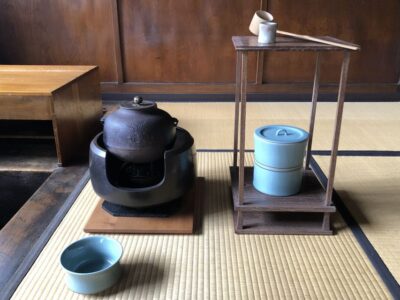
Tea Ceremony Meditation – Make Matcha with Tea Master
Read our review →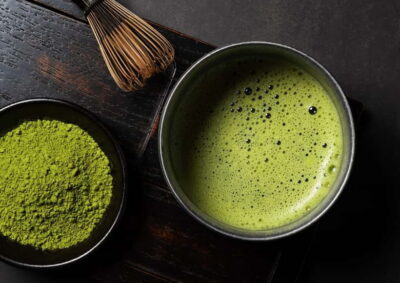
Matcha Making Experience with Mochi Sweets in Asakusa
Read our review →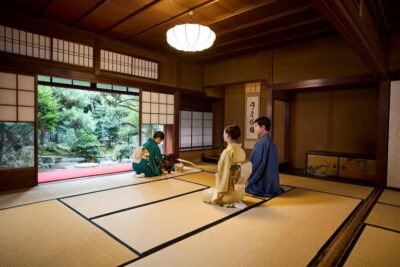
Browse the lists this tour appears in