
Review · TOKYO
Asakusa: Geisha Performance and Tea House Experience
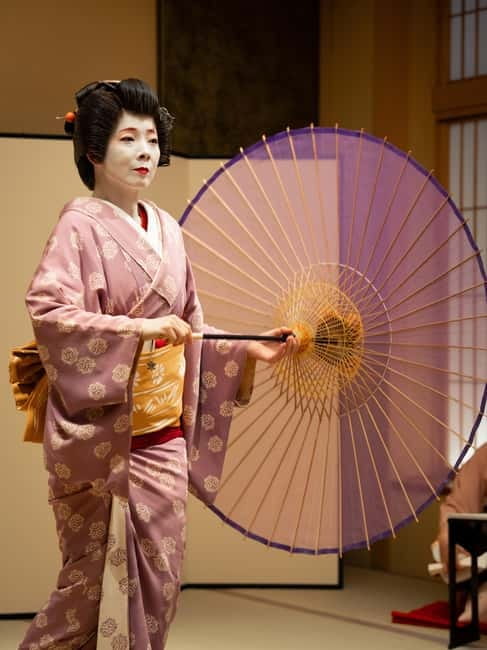
The most special part of this Asakusa experience is the chance to meet real geisha in a tea-house setting, not simply watch a staged show from a distance. You’ll see a graceful dance, hear live shamisen music, join a traditional game, and have time to ask questions about geisha life and training.
I especially like the mix of serious performance and easygoing fun. The dance and music provide the cultural depth, while Konpira Fune Fune gets everyone laughing. The matcha, seasonal sweets, and final photo add small but memorable touches.
The main consideration is the price: $106 per person is a fair charge for a rare cultural meeting, but it is not a budget activity. Also, each person must order one additional alcoholic or non-alcoholic drink, so plan for that extra cost.
Key points to know before booking
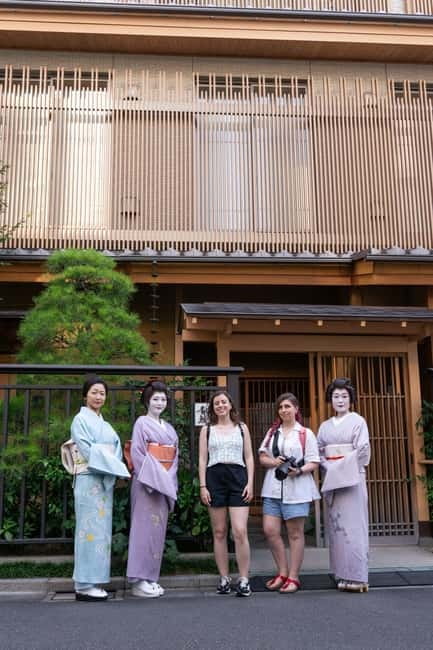
- Real geisha in a traditional tea-house setting: Meet performers directly rather than only watching from a theater seat.
- Live shamisen and dance: The music and movement show the precision behind this refined art.
- Konpira Fune Fune game: Join an ozashiki-asobi tradition that turns a formal visit into a lively social occasion.
- English support: An English-speaking host or translator helps you follow the presentation and ask questions.
- Small-group feel: One recent group had about 16 people, enough for shared energy without feeling like a large tour.
- One extra drink is required: Matcha is included, but every participant must also order a paid drink.
Entering Asakusa’s Ozashiki Tea House
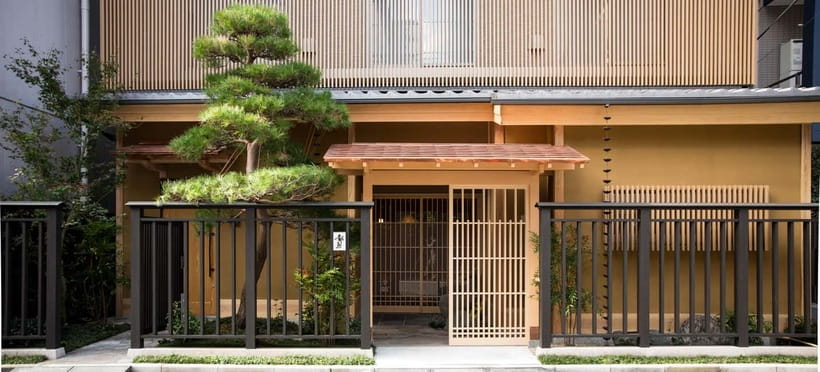
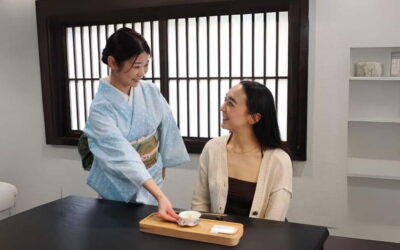
Miyakodori’s Ozashiki Tea House offers a look at a part of Japanese culture that most visitors cannot easily see on their own. The setting is designed around hospitality, performance, conversation, and play, much like the traditional ozashiki gatherings once arranged for private patrons.
You will meet the host, choose your required drink, and move into the banquet area. One account describes entering through a discreet door before being welcomed by the owner and seated on low stools. That arrival helps set the mood: this is not a standard theater show where you take a seat, watch, and leave.
The experience lasts 75 minutes, so the pace is brisk but not rushed. You have enough time for several different parts of the visit, yet you should not expect a full evening meal or an extended private appointment with one performer.
The activity takes place in Asakusa, a district known for its traditional atmosphere and major Tokyo sights. Since transportation is not included, allow time to reach the venue on your own and arrive early. Arriving ahead of the start can also make the opening feel calmer, especially if you need time to find the meeting point.
A few more tea experiences around Tokyo worth a look
- Kimono Tea Ceremony at Tokyo, Asakusa Maikoya
★ 5.0 · 638 reviews - Tokyo: Traditional Tea Ceremony with a Tea Master
★ 5.0 · 528 reviews - Dynamic Tokyo: Tokyo Tower, Tea Experience, Bay Cruise Day Tour
★ 4.5 · 521 reviews
A graceful dance with live shamisen music
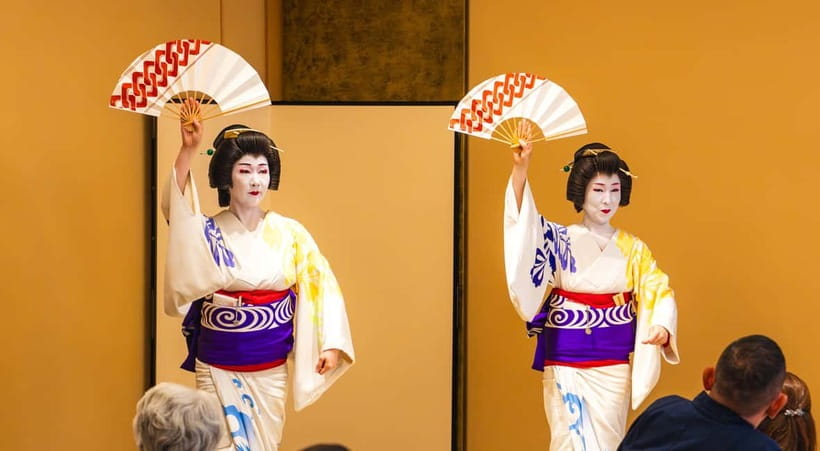
The formal heart of the visit is the geisha performance. You’ll watch a carefully controlled dance accompanied by live shamisen music and singing. The shamisen is a three-stringed Japanese instrument, and its sharp, spare sound gives the performance a very different character from a modern stage concert.
The dance may look simple at first. Look closer and you’ll notice the controlled hand movements, measured steps, posture, costume, and timing. The effect comes from restraint rather than speed or spectacle. That makes this a good choice if you want to see a traditional art form in a direct, intimate setting.
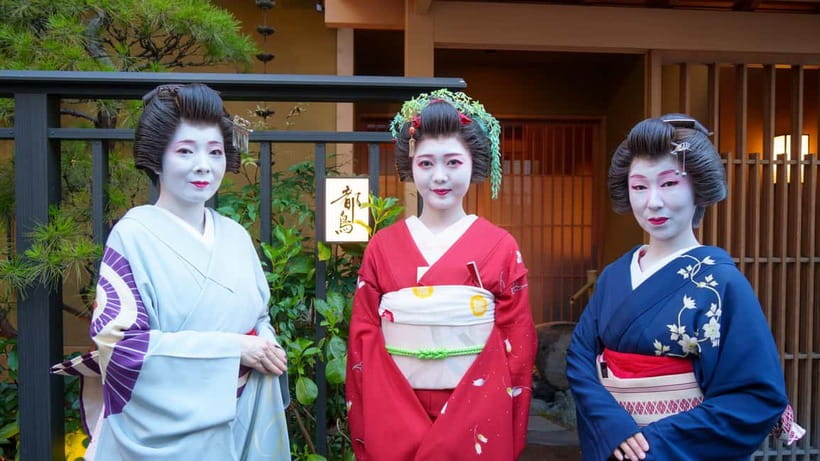
Past sessions have included geiko Chizuru and maiko Tamaaki, with Shisa providing shamisen music and singing. The exact performers may vary, but those names give you an idea of the level of artistry involved. The performers are not simply dressed for a photo opportunity. Their music, dance, and interaction form the main substance of the visit.
I like that the music is performed live. A recording could provide atmosphere, but live shamisen playing lets you see the relationship between the musician and dancers. It also gives the room a sense of occasion without turning the event into a large production.
The performance is also a useful reminder that geisha culture involves trained professional arts. The visit presents geisha as artists and hosts, not as a costume display. That distinction matters, and it makes the experience more respectful and worthwhile.
Asking questions about geisha life
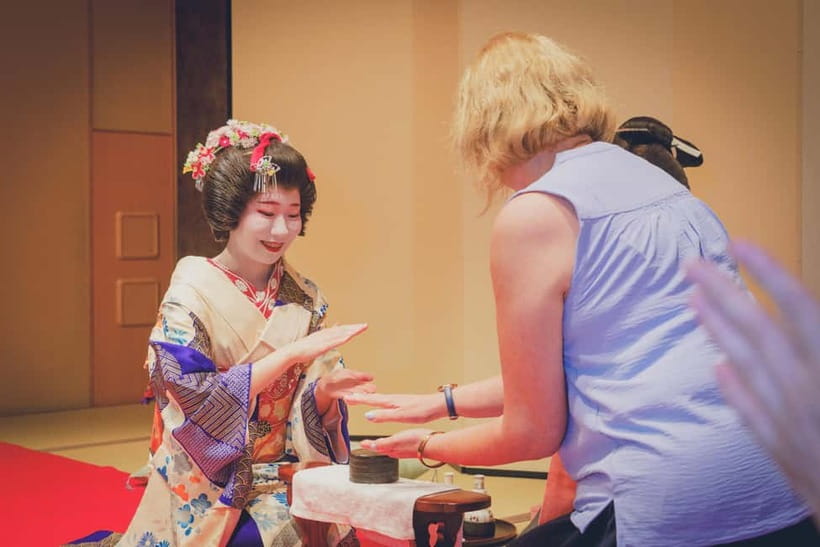
After or around the performance, you’ll have a chance to ask questions. An English-speaking host or translator helps connect the conversation, so you do not need Japanese-language skills to take part.
This is one of the strongest reasons to choose this activity instead of only attending a public cultural show. You can ask about daily life, performance, training, work, and the world surrounding the tea house. The exact conversation depends on the questions in the room, but the format gives you direct contact with the performers.
Keep your questions polite and curious. Questions about the art, the work, and the traditions are more useful than treating the geisha as unusual photo subjects. The best conversations are likely to come from asking how a dance is prepared, what the shamisen music contributes, or how the performers balance formal hosting with entertainment.
The English assistance is important here. You may find that translation adds a little time between question and answer, but it allows a wider range of people to participate. Several different nationalities can share the same room without needing advanced Japanese.
The atmosphere is formal at first, but it is not stiff throughout. The hosts are described as welcoming and friendly, and the geisha interact directly with the people in the room. That balance of courtesy and humor helps the experience feel human rather than overly staged.
Playing Konpira Fune Fune
The ozashiki-asobi game is called Konpira Fune Fune. It is a traditional party game played in a seated setting, and it brings a lighter tone after the formal dance.
You’ll receive guidance before joining in, so you do not need to know the rules in advance. The game depends on rhythm, attention, and quick reactions. It is the part most likely to make a quiet room suddenly noisy with laughter.
I appreciate this section because it gives you an active role. You are not only watching trained performers. You are taking part in an old social tradition, and the room becomes more relaxed as people attempt to keep up.
The game also makes this activity a stronger choice for couples, families, and small groups. Children can enjoy the playful side, although the formal performance may hold their attention more unevenly. One family attended with children ages three to ten, and the children were described as captivated by the dance and costumes before joining the fun.
Do not expect a demanding cultural lesson during the game. Its value is social. It shows how ozashiki entertainment used music, timing, humor, and participation to bring people together.
Same place, a different pot:
- Matcha Making Class in Tokyo with Authentic Japanese Sweets Set
★ 5.0 · 744 reviews - Tokyo: Matcha Making Experience with Mochi Sweets in Asakusa
★ 4.9 · 388 reviews - Asakusa Cultural Walk & Matcha Making Tour
★ 5.0 · 245 reviews - Mt. Fuji & Lake Kawaguchiko Ropeway Panorama Full-Day Tour
★ 4.6 · 236 reviews
Matcha, seasonal sweets, and the required drink
The food service is modest but well chosen. You’ll receive freshly whisked matcha and seasonal Japanese sweets. These are included in the experience and give you a quiet pause after the performance and game.
Seasonal sweets matter in Japanese hospitality because their shape, color, and ingredients can reflect the time of year. You may find the portion small, so think of it as a traditional accompaniment to tea rather than dessert or a meal.
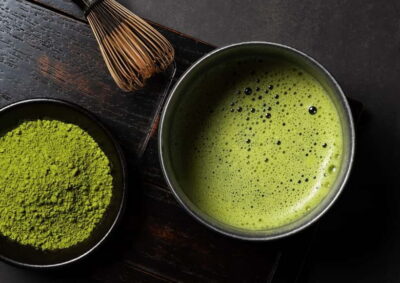
The matcha is freshly prepared, which adds to the sense of ceremony. If you have never had matcha before, expect a strong, grassy flavor and a fine texture. It is not sweetened like a standard café drink. The sweets provide a gentle counterpoint.
There is one cost to watch closely. Every participant must order one additional drink, alcoholic or non-alcoholic, apart from the complimentary matcha. The drink order is required, so include it in your budget before booking. This detail is easy to miss if you focus only on the advertised price.
The tea service does not replace dinner. Meals other than the sweets are not included, and the 75-minute format is not meant to be a full dining experience. Eat beforehand or plan another meal afterward.
The commemorative photo at the end
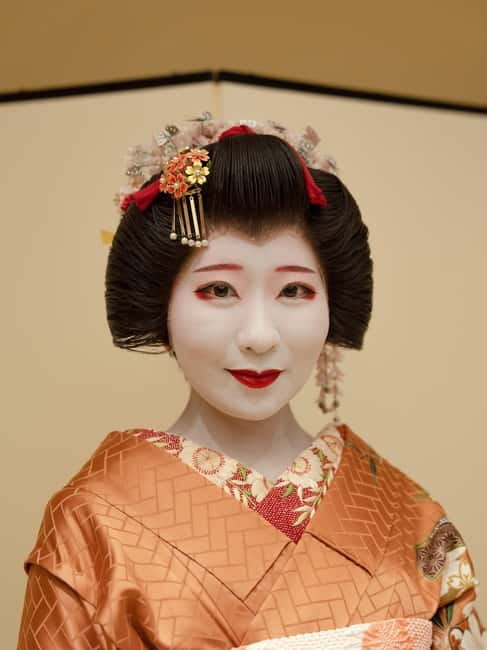
The visit finishes with a commemorative photo with the geisha. This is a useful final touch because the performance, conversation, and game pass quickly, while the photograph gives you a simple record of the occasion.
Follow the host’s instructions about where to stand and when to take the photo. The performers are working, so keep the moment brief and respectful. The photo is best seen as a keepsake from a cultural meeting, not the main purpose of the visit.
For couples, a honeymoon or anniversary photo can make the experience feel especially personal. Families may also value having one picture that includes everyone after taking part in the game.
Is $106 a fair price?
At $106 per person, this belongs in the category of special-occasion activities rather than everyday sightseeing. You are paying for a 75-minute cultural program with live music, trained performers, host support, sweets, matcha, participation in a traditional game, and a photo.
The price makes more sense if you value access and personal contact. A short public performance might cost less, but it would not necessarily include conversation, translation, the game, tea service, or direct interaction with the geisha.
The value also depends on your expectations. If you want a long meal, a private audience, or an extensive history lecture, this will feel too short. If you want a focused introduction to traditional performance and hospitality in Tokyo, the format is efficient.
The strongest praise has centered on the combination of dance, shamisen music, personal questions, and friendly interaction. That combination is what separates the activity from a simple photo stop. The performers’ skill is important, but the welcome and conversation help make the 75 minutes feel complete.
Remember to add the cost of your required drink. The activity does not include transport or food beyond the sweets, so your total Asakusa budget will be higher than the headline price.
Who will enjoy this experience most?
I would recommend it to solo visitors who want a structured cultural activity with built-in conversation. You will not need a companion to take part in the game or ask questions, and the host helps create a friendly setting.
Couples are another natural fit, especially if you want something more distinctive than a standard dinner or evening show. The final photo also works well for a honeymoon, anniversary, or other special trip.
Small groups can enjoy it because everyone can take part. Families are welcome, though very young children may find the formal dance less engaging than the game. The activity can work well for children interested in dance, music, costumes, or Japanese culture.
I would be more cautious about booking if you dislike group participation, have no interest in traditional performance, or want a full meal. You may also prefer another activity if the required drink order feels like an unwanted extra charge.
Practical planning for your 75 minutes
Set aside the full 75 minutes, plus time to reach the venue in Asakusa. Transportation is not provided, and the meeting point is in a city district where giving yourself extra time is sensible.
Arrive early if possible. One participant specifically advised doing so, and early arrival can help you settle before the performance begins. It also avoids starting the experience while distracted by directions or a rushed schedule.
The host or greeter speaks English, and English translation is available for interaction with the performers. You can therefore book this without Japanese fluency, though the conversation may naturally move at a translated pace.
Cancellation is flexible if your plans change: you can cancel up to 24 hours in advance for a full refund. You can also reserve now and pay later, which helps if you are still arranging a longer Japan itinerary.
The group size is not fixed in the information provided. One recent session had about 16 participants, which suggests a reasonably intimate setting, but you should not assume every date will have exactly the same number.
Should you book the Asakusa geisha experience?
Book it if you want a short, polished introduction to living Japanese performance and hospitality, with real interaction rather than a distant stage view. The strongest parts are the live shamisen music, careful dance, direct questions, and Konpira Fune Fune game.
I would especially choose it for a first visit to Tokyo, a honeymoon, a culturally curious solo trip, or a family group that enjoys music and performance. The experience gives you both quiet ceremony and plenty of laughter.
Skip it if you are looking for a cheap activity, a substantial meal, or a long private conversation. At $106 plus the required drink, it is a considered purchase. For the right visitor, though, it offers a rare look at a living tradition in a friendly 75-minute format.
FAQ
Where does the geisha experience take place?
It takes place at Miyakodori’s Ozashiki Tea House in Asakusa, a district of Tokyo on Honshu.
How long does the activity last?
The cultural experience lasts 75 minutes.
What is included in the price?
The price includes the meeting with real geisha, a dance performance, live shamisen music, the Konpira Fune Fune ozashiki-asobi game, seasonal Japanese sweets, freshly whisked matcha, and a commemorative photo.
Is a meal included?
No. Seasonal sweets are included, but meals other than the sweets are not provided.
Is a drink purchase required?
Yes. Each person must order one additional drink, either alcoholic or non-alcoholic. This is separate from the complimentary matcha.
Is English available?
Yes. The host or greeter speaks English, and English support is provided for interaction with the performers.
Can I cancel if my plans change?
Yes. You can cancel up to 24 hours in advance for a full refund. You can also reserve now and pay later.
Just added around Tokyo
- Yokohama : Tea Ceremony with Sweets and Souvenir★ 5.0 · 5 reviews
- Walking Tour: Yanaka,Nezu& Sendagi: Tea Ceremony & Old Tokyo★ 5.0 · 3 reviews
- 2 Hours Mochi &Nerikiri Making & Matcha Class in Bunkyo★ 5.0 · 21 reviews
- Private Kimono and tea ceremony at local home near Tokyo Disney★ 5.0 · 6 reviews
- Private Mochi・Matcha sweets Making Class Near Shibuya Area★ 5.0 · 22 reviews
- Tokyo Sweets Tour: Hidden Gems & Matcha at an Old Tea House★ 5.0 · 6 reviews
- Giant Sushi Cooking Class: Make a 1.5m Sushi Roll in Tokyo★ 5.0 · 9 reviews
- Tokyo: Tea Ceremony & Japanese Sweets Making★ 5.0 · 10 reviews
Tokyo Tea Experiences, compared.

Matcha Making Class in Tokyo with Authentic Japanese Sweets Set
Read our review →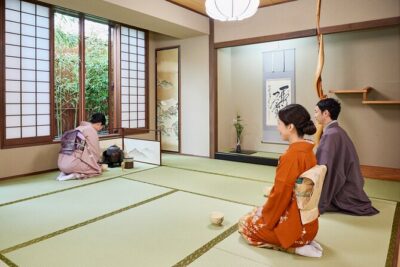
Matcha Making Experience with Mochi Sweets in Asakusa
Read our review →
Mt. Fuji & Lake Kawaguchiko Ropeway Panorama Full-Day Tour
Read our review →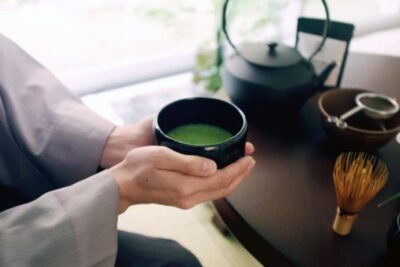
Tea Ceremony Workshop in Tokyo by the Experienced Instrucor
Read our review →Browse the lists this tour appears in