
Review · TOKYO
Tokyo: Matcha and Kimono Experience
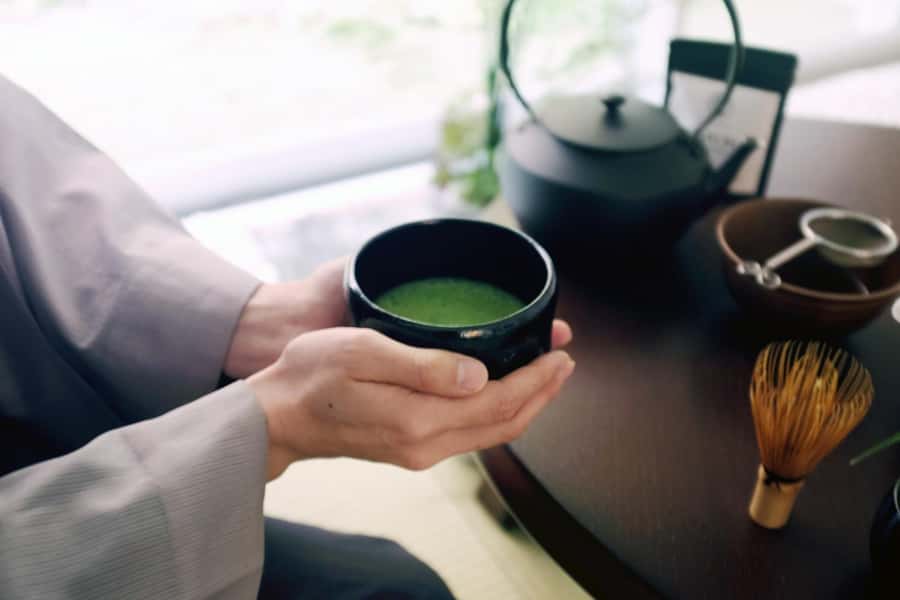
The most interesting part of this experience is that it treats matcha as more than a sweet green drink. Near Yotsuya, close to Shinjuku, Komei introduces you to tea grades, tea ceremony manners, teaism, kimono, and the practical steps behind a good bowl of matcha. You also get to wear an easy kimono during the session, without the long dressing process used for formal kimono.
I like the chance to compare matcha with your eyes, nose, and tongue, using tea selected from a collection of more than 100 Japanese varieties. I also like the friendly, personal teaching style, with time for questions and photographs. The main consideration is that the kimono portion may take more time than the matcha-making itself, so book this for cultural instruction rather than a full formal tea ceremony.
Key points to know before booking
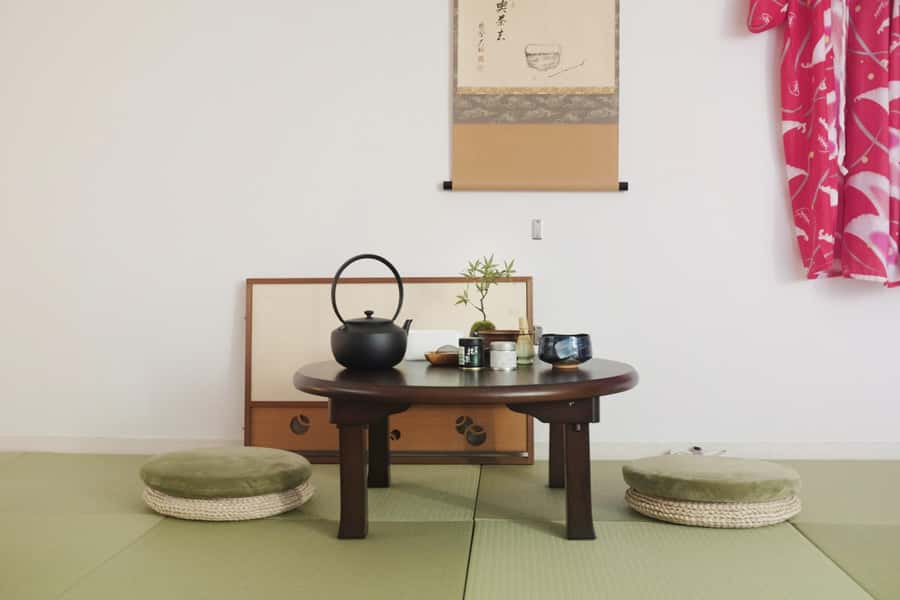
- Taste first-flush matcha: The session includes a carefully selected first-flush matcha, generally considered the highest-quality harvest.
- Wear a simple kimono: You choose a kimono designed to go on quickly and wear it for the experience.
- Learn four connected traditions: The class covers matcha, tea ceremony, teaism, and kimono.
- Make your own bowl: You practice with traditional tools and learn four basic points for preparing matcha at home.
- Meet near Yotsuya: The meeting point is about a six-minute walk from Yotsuya Station, in the wider Shinjuku area.
- Bring socks and arrive early: Socks are required, and arriving more than 10 minutes late results in automatic cancellation without a refund.
A matcha class with more substance than a photo stop
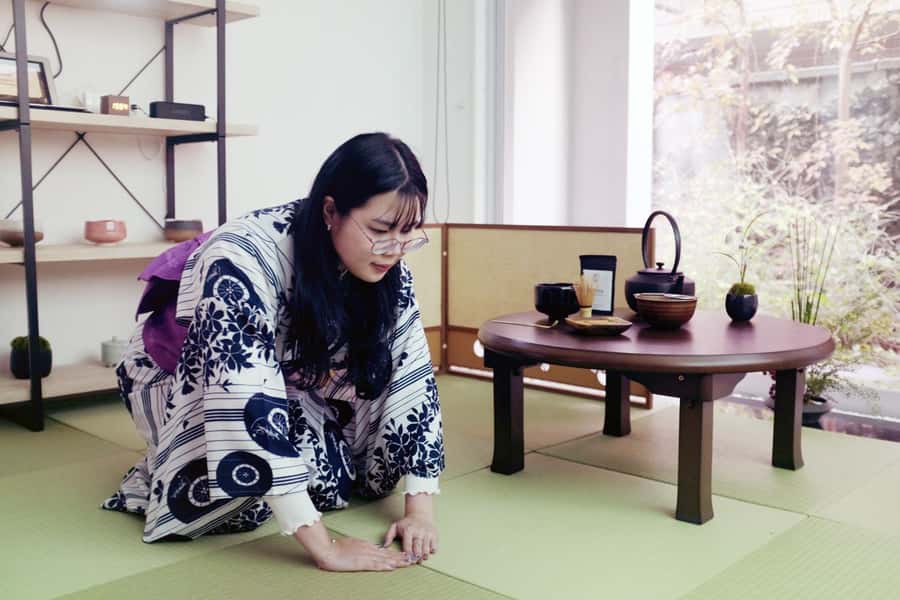
At $57 per person, this is a reasonably priced cultural workshop for Tokyo. You are not paying only for a kimono photograph or a quick cup of green tea. The price includes the kimono, a welcome drink, sweets, tea equipment, instruction, and matcha tasting.
The real value comes from the teaching. You learn why matcha tastes different from ordinary green tea, how Japanese matcha differs from products sold overseas, and how to tell genuine matcha from lower-quality or imitation products. That makes the session useful after your trip, too. You can take the method home and prepare matcha with more confidence.
The class has received a 4.7 rating from 219 ratings, and the praise centers on the instructor’s warm manner, clear explanations, and strong command of the subject. Komei is often described as friendly, funny, and passionate about tea. That matters here because tea ceremony can feel formal or intimidating if the teacher treats every movement like a test. This class sounds more relaxed and conversational.
The tone is especially helpful for first-time visitors. You do not need to arrive already familiar with Japanese tea customs. Komei explains the tools, the gestures, and the reasons behind them, then gives you a chance to put the lesson into practice.
More Kimono Tea Ceremonies in Tokyo:
- Kimono Tea Ceremony at Tokyo, Asakusa Maikoya
★ 5.0 · 638 reviews - Tokyo: Asakusa Kimono Dressing and Matcha Experience
★ 4.9 · 173 reviews - Asakusa: Kimono Tea Ceremony with Matcha and Sweet
★ 4.9 · 153 reviews
Meeting Komei near Yotsuya Station
Your guide waits in front of the LUUP scooter stand beside the ACN Yotsuya Building, holding a workshop sign. The location is about a six-minute walk from Yotsuya Station and sits near the Shinjuku area, making it a practical addition to a day in central Tokyo.
Give yourself extra time to find the building. The activity has a strict late-arrival rule: after 10 minutes, your booking is automatically canceled and no refund is offered. That is unusually unforgiving, so I would aim to arrive at Yotsuya with time to spare rather than trying to reach the meeting point at the exact start time.
The session ends back at the same meeting point. You do not need to arrange a second pickup or navigate to another neighborhood afterward. The activity is offered in English and Japanese.
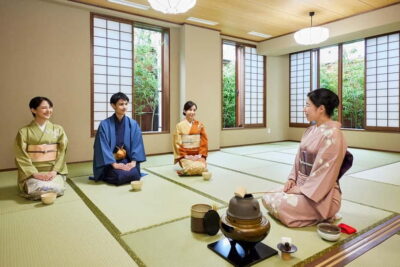
The setting is described as a local Japanese flat with a small, decorated tea room. That gives the class a more personal feel than a large tourist venue. At least one booking had only five participants, though the exact group size can vary. A small class is useful here because choosing a kimono, handling tea tools, and preparing matcha all work better when the instructor can watch each person.
Choosing an easy-to-wear kimono
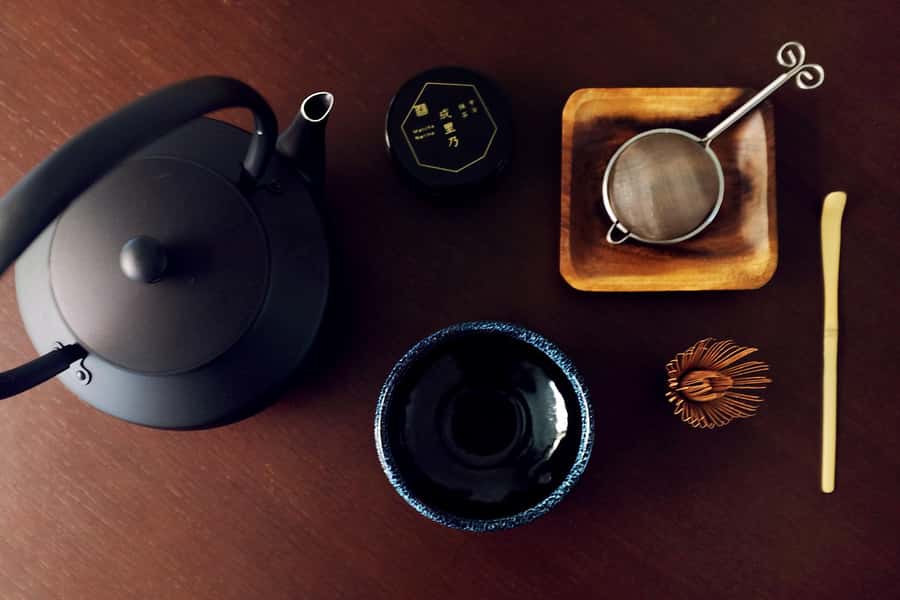
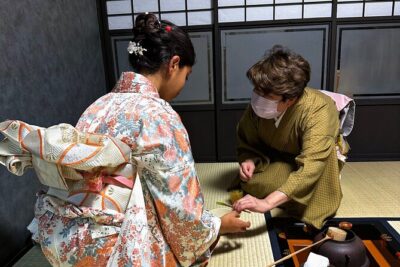
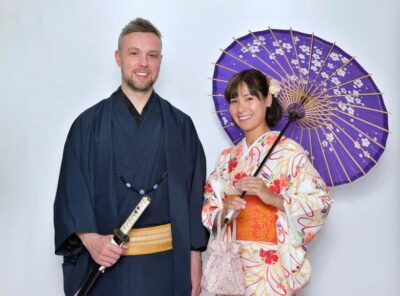
Before the tea lesson starts, you choose a kimono to wear. This is not the elaborate dressing process used for a formal kimono appointment. The garments are specially designed to be put on quickly, so you spend less time being wrapped and more time learning.
That distinction is important. A formal kimono can take around 30 minutes to put on, and the clothing may feel restrictive or difficult to manage. This experience focuses on the cultural impression and the visual pleasure of wearing traditional clothing without turning the whole appointment into a costume-fitting session.
You learn basic points about how a kimono is worn, including the proper way to arrange it. The clothing remains on throughout the experience, making the tea lesson feel more connected to Japanese custom rather than a separate photo opportunity.
The kimono selection also adds a social element. You can choose a style that suits you, then take photographs during the session. Komei has been praised for taking group photos, which is useful if you want a record of the experience without spending the entire time arranging pictures yourself.
The limitation is clear: if your top priority is a long, detailed kimono dressing service with formal styling, this is not that. The kimono is easy to wear by design. It gives you a taste of the tradition, but it does not replace a dedicated kimono rental or professional dressing appointment.
Learning what makes matcha different
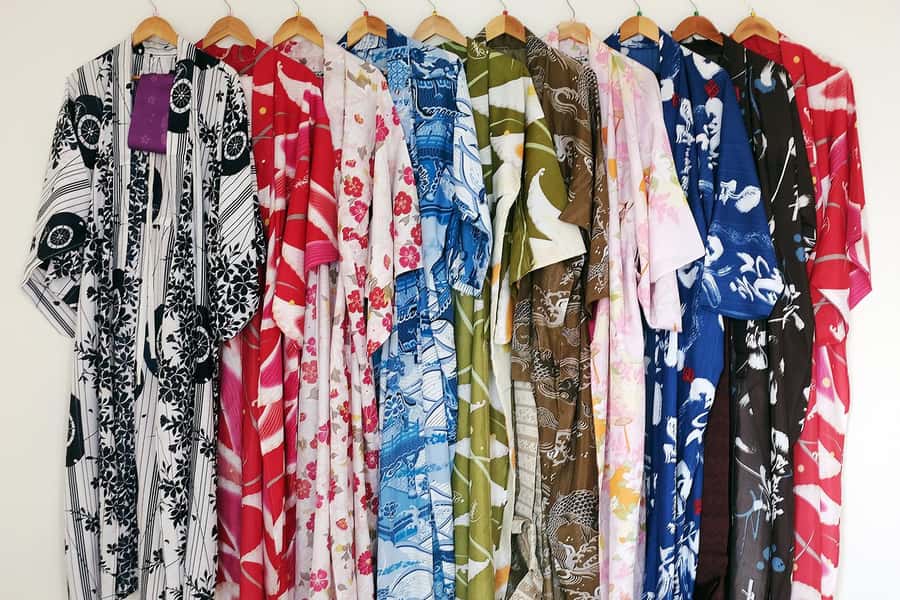
The tea portion begins with an introduction to matcha and the wider world of tea. You compare green tea, black tea, Chinese tea, and other categories, then look more closely at the differences between Japanese matcha and matcha sold overseas.
That comparison is one of the strongest reasons to book. Many visitors know matcha mainly as a flavor in desserts, lattes, or packaged drinks. Here, you learn to consider the powder itself through sight, smell, and taste. The goal is not simply to declare one tea good and another bad. It is to notice how quality, origin, and preparation affect the cup.
The workshop uses a first-flush matcha selected from a collection of more than 100 matchas gathered from around Japan. First-flush refers to the earliest harvest, and it is generally prized for quality. The specific tea served can vary, but the idea is to let you taste a product chosen for its character rather than a generic café powder.
You also learn to compare genuine matcha with fake or poor-quality matcha. This is useful if you plan to buy tea in Japan or order it at home. The lesson gives you a better basis for judging color, aroma, and flavor instead of relying only on packaging or a high price.
The welcome drink and traditional Japanese sweets provide a gentle way into the session. The sweets are not just an extra snack. In a tea setting, a small sweet helps balance matcha’s bitter edge and gives you a clearer sense of how tea and food work together.
More Matcha Experiences in Tokyo:
- Matcha Making Class in Tokyo with Authentic Japanese Sweets Set
★ 5.0 · 744 reviews - Tokyo: Matcha Making Experience with Mochi Sweets in Asakusa
★ 4.9 · 388 reviews - Asakusa Cultural Walk & Matcha Making Tour
★ 5.0 · 245 reviews - Make Traditional Nerikiri Sweets & Matcha experience in Shibuya
★ 5.0 · 130 reviews
Teaism and the meaning behind tea ceremony
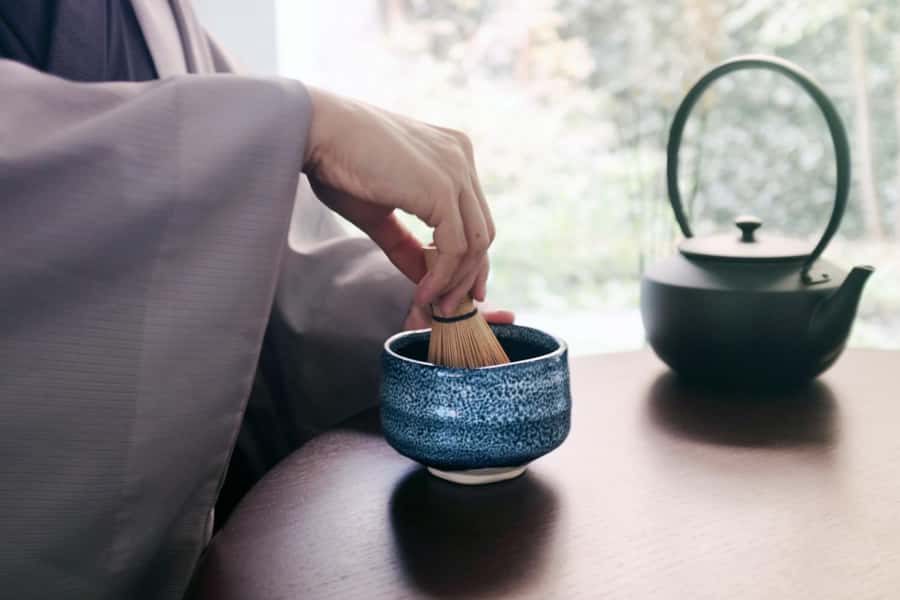
The workshop explains teaism, the philosophy connected with tea, as well as tea ceremony itself. These are not treated as identical ideas. You learn that tea ceremony involves specific movements, tools, manners, and forms, while teaism concerns the values and attitudes expressed through the practice.
This part gives the activity its cultural weight. Without it, whisking matcha can become a simple craft demonstration. With the explanation, the gestures have a reason. The way you handle a bowl, prepare the tea, and drink it becomes part of a larger practice based on attention, respect, and calm.
You also learn basic manners for drinking matcha. The class does not expect you to memorize every formal rule before touching the bowl. Instead, Komei explains the main points and lets you follow along. That approach suits visitors who want a real introduction without pretending to be tea masters after one class.
The teaching style seems to be one of the activity’s best features. Komei has been praised for answering questions, using a well-structured presentation, and making historical information easy to follow. His humor and relaxed manner also help. You get cultural context without sitting through a dry lecture.
One thing to keep in mind is the balance between teaching and practice. One participant felt that a little more time could have been spent making matcha and a little less on kimono dressing. If you want repeated practice with the whisk, this may feel introductory. If you want a broad lesson that links tea, clothing, and customs, the mix should suit you well.
Making a beautiful bowl at home
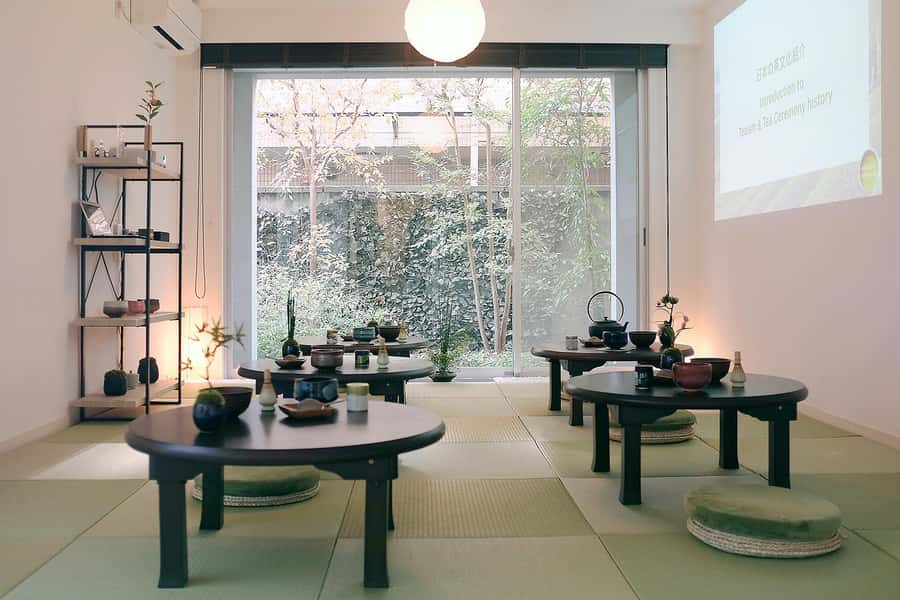
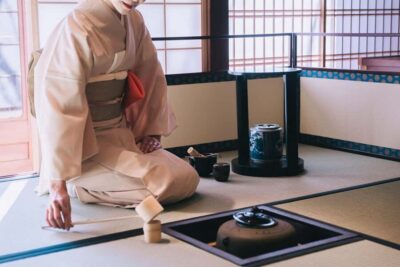
After the explanation, you use traditional tea tools to prepare your own bowl of matcha. This is the hands-on center of the activity. You are not merely watching Komei perform the ceremony. You get to handle the equipment and try the process yourself.
The class focuses on four key points for making matcha at home. The exact tools and steps are demonstrated during the workshop, with attention to producing a smooth, attractive bowl rather than simply stirring green powder into water.
That home-use angle gives the lesson practical value. Tea ceremony can look complicated when you first see it, but a clear introduction helps separate essential steps from formal details. You learn enough to repeat the basic method in your own kitchen, even if you do not own a complete traditional tea set.
The session also explains the proper way to drink the finished tea. That may seem minor, but it helps you understand why the bowl is handled in a particular way and how the drink fits into the ceremony. You come away with both a technique and a little more confidence around Japanese tea customs.
Expect some bitterness. Matcha is not meant to taste like a sweet café latte unless sugar or milk is added, and the experience focuses on traditional preparation. The sweets help, but the point is to taste the tea itself.
Who will get the most from this experience
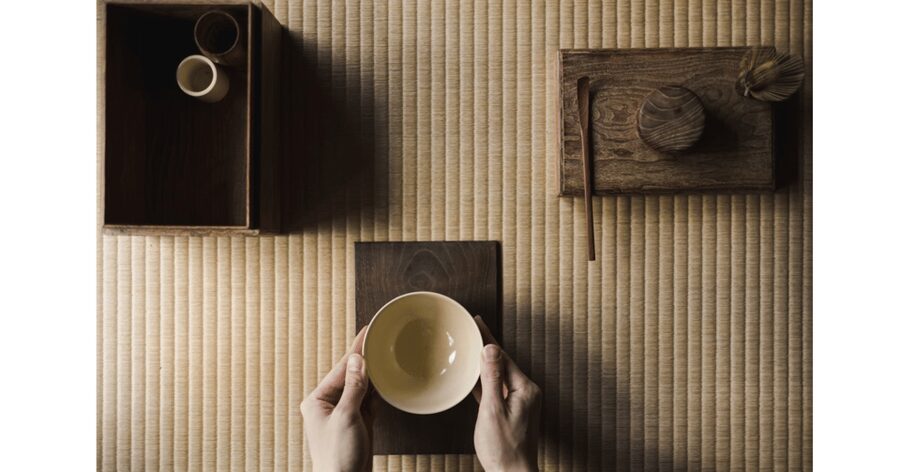
This workshop is a good match for you if you want several pieces of Japanese culture in one compact activity. It works especially well for first-time visitors, tea fans, couples, small groups, and anyone who wants a hands-on class rather than a museum display.
You will likely enjoy it if you have wondered why some matcha tastes grassy, bitter, creamy, or smooth while other powders taste flat. The tasting and comparison lesson gives you a way to think about those differences.
It is also a strong choice for people who want photographs in kimono without committing to a full-day rental. The easy-wear design keeps the clothing portion manageable, and the tea room setting gives the pictures more purpose than a quick outfit change at a shop.
Families should note that the activity is not suitable for children under five. Socks are required because of the traditional flooring. If you forget them, you are asked to buy a pair at the workshop, so pack socks even if you are wearing sandals.
The class is less suitable if you want a grand, highly formal tea ceremony performed by a large team of specialists. It is an introductory workshop with instruction, tasting, clothing, and practice. Its strength is breadth and personal attention, not ceremony on a grand scale.
What the $57 price includes
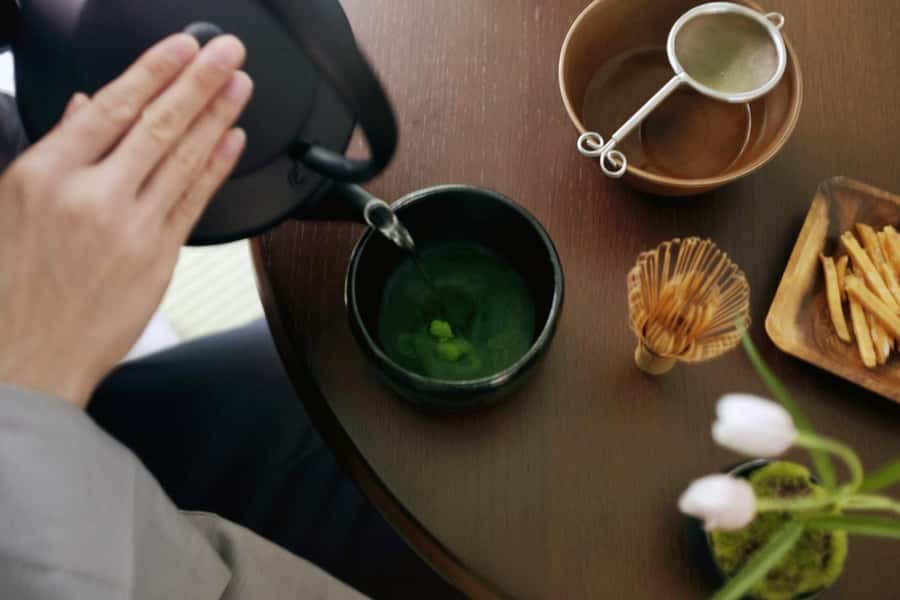
The $57 fee covers:
- Matcha tasting and instruction
- A first-flush matcha selection
- An easy-to-wear kimono for the session
- Tea ceremony tools
- A lesson with a tea expert
- Matcha-making practice
- A welcome drink
- Traditional Japanese sweets
That is a solid package for Tokyo, especially because it combines two experiences that are often sold separately: kimono wear and tea culture. You also receive instruction that continues to be useful after you leave Japan.
The price makes less sense only if you care about one narrow feature. If you want nothing but a kimono photo, you can likely find a simpler option. If you want an extended formal ceremony with elaborate dressing, you should compare the format carefully. But for a broad, friendly introduction to matcha and Japanese customs, the included elements justify the cost.
The activity also allows you to reserve and pay later, which helps if your Tokyo plans are still changing. Cancellation is free up to 24 hours before the scheduled time. After that, and in particular after arriving more than 10 minutes late, the booking rules are much less forgiving.
Practical advice for a smooth visit
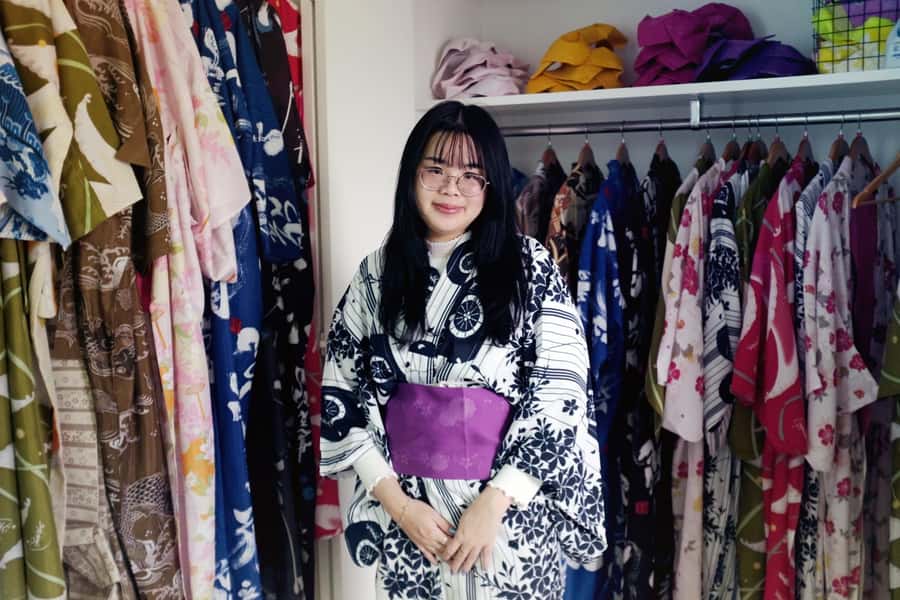
Bring clean socks and wear clothing that makes changing into the easy kimono comfortable. Strong fragrances are not allowed, since perfume or scented products can interfere with the tea’s aroma.
Alcohol and drugs are prohibited, and you are expected not to make noise. Those rules fit the setting. Tea tasting depends on smell and concentration, and the class takes place in a traditional indoor space.
I would avoid scheduling this immediately after a distant Tokyo attraction. The meeting point is easy enough to reach from Yotsuya Station, but Tokyo navigation can eat up time, and the 10-minute cancellation limit is strict.
Arrive ready to listen as well as participate. You will taste, handle tools, learn manners, choose clothing, and hear cultural background. The more open you are to the explanation behind the ritual, the more worthwhile the session becomes.
Should you book the Matcha and Kimono Experience?
Book it if you want an approachable introduction to Japanese tea culture with a personal guide, a real matcha tasting, and the chance to wear kimono. Komei’s warm teaching style, clear explanations, and humor appear to be central to the experience, and the class gives you more substance than a quick tourist photo stop.
I would especially recommend it for a first visit to Tokyo, a rainy-day activity, or a small group looking for something quiet and cultural near Shinjuku. You will leave knowing how matcha is prepared, how to drink it, what to look for in quality tea, and why the surrounding customs matter.
Skip it if your main goal is a long formal ceremony, extensive kimono styling, or repeated advanced practice. For everyone else, $57 buys a well-rounded lesson with tea, sweets, tools, clothing, and a practical skill you can continue at home.
FAQ
Where does the matcha and kimono experience meet?
The guide waits in front of the LUUP scooter stand next to the ACN Yotsuya Building with a workshop sign.
How far is the meeting point from Yotsuya Station?
The meeting point is about a six-minute walk from Yotsuya Station.
Does the activity end at the same place?
Yes. The experience ends back at the meeting point.
Who leads the experience?
The guide is Komei, who teaches the matcha, tea ceremony, teaism, and kimono portions of the activity.
What languages are available?
The experience is offered in English and Japanese.
Is a kimono included?
Yes. You can choose an easy-to-wear kimono and keep it on during the experience.
Do I need to bring socks?
Yes. Socks are required to protect the traditional flooring. If you forget them, you are asked to buy them at the workshop.
What does the matcha lesson include?
You learn about matcha, compare Japanese and overseas matcha, use traditional tea tools, prepare a bowl of matcha, and learn basic manners for drinking it.
Are food and drinks included?
Yes. The experience includes a welcome drink, exclusive first-flush matcha, and traditional Japanese sweets.
What happens if I arrive late?
Your booking is automatically canceled after 10 minutes of delay from the appointment time, and no refund is accepted in that case.
Is the activity suitable for young children?
It is not suitable for children under five years old.
Can I cancel for a full refund?
Yes. You can cancel up to 24 hours in advance for a full refund.
Just added around Tokyo
- Yokohama : Tea Ceremony with Sweets and Souvenir★ 5.0 · 5 reviews
- Walking Tour: Yanaka,Nezu& Sendagi: Tea Ceremony & Old Tokyo★ 5.0 · 3 reviews
- 2 Hours Mochi &Nerikiri Making & Matcha Class in Bunkyo★ 5.0 · 21 reviews
- Private Kimono and tea ceremony at local home near Tokyo Disney★ 5.0 · 6 reviews
- Private Mochi・Matcha sweets Making Class Near Shibuya Area★ 5.0 · 22 reviews
- Tokyo Sweets Tour: Hidden Gems & Matcha at an Old Tea House★ 5.0 · 6 reviews
- Giant Sushi Cooking Class: Make a 1.5m Sushi Roll in Tokyo★ 5.0 · 9 reviews
- Tokyo: Tea Ceremony & Japanese Sweets Making★ 5.0 · 10 reviews
Kimono & Tea Ceremonies, compared.
KYOTO Tea Ceremony with kimono near by Imamiya Jinjya Shrine
Read our review →
Kimono and Tea Ceremony Experience at Cultural Asset
Read our review →
Asakusa: Kimono Tea Ceremony with Matcha and Sweet
Read our review →Browse the lists this tour appears in