
Review · TOKYO
Japan’s Customs of Ikebana Art, Tea Ceremony & Kimono Welcome
The most appealing part of this Tokyo experience is the combination of ikebana and matcha in one quiet traditional home. You are not just watching a ceremony. You learn the basic movements, make something with your hands, then sit down with Japanese sweets and drink tea you prepared yourself.
I like the seasonal flower arrangement, which gives the lesson a personal result you can admire at the end. I also like the private format and the choice between tatami mats and regular chairs. The main drawback is the price, $173.34 per person, especially since the activity does not include kimonos or the ikebana and tea equipment.
Another thing to note: this is a short cultural lesson, not a full formal tea ceremony or an extended flower-arranging course. You get a focused introduction, taught in a calm setting, with plenty of help for beginners.
Key points at a glance
- Two Japanese arts in 1 hour 45 minutes: Learn ikebana and matcha preparation in the same visit.
- A traditional home in Meguro City: Meet at Toritsu-daigaku Station and continue to a Japanese house with a garden.
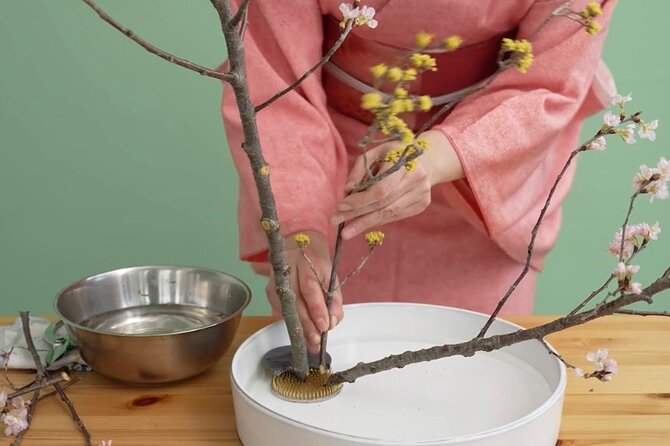
- Seasonal flowers become your own arrangement: You watch a professional first, then create an arrangement yourself.
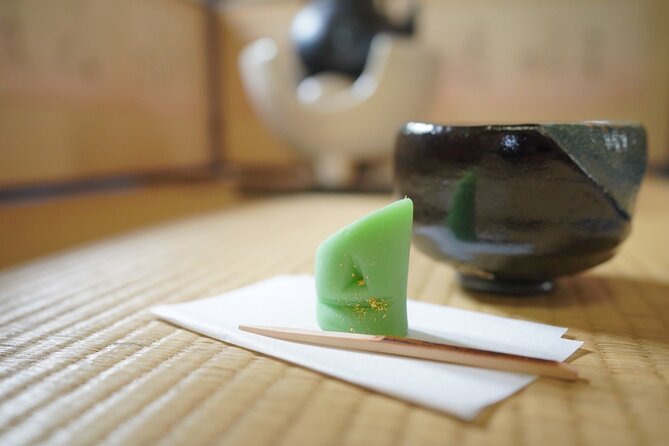
- Tea with Japanese sweets is included: Your handmade matcha is served with a small sweet treat.
- Private instruction: Only your group participates, making the lesson more personal than a large class.
- Tatami or chair seating: You can sit on the floor in traditional style or use a regular chair.
A quiet start near Toritsu-daigaku Station
Your meeting point is at Toritsu-daigaku Station, at 1-chōme-5-1 Nakane in Meguro City. This is useful for visitors who want a cultural activity away from Tokyo’s biggest sightseeing crowds, though you should allow time to find the exact meeting location before the scheduled start.
The experience ends back at the meeting point. That makes the outing simple to plan around, since you do not need to arrange a separate return transfer after the lesson.
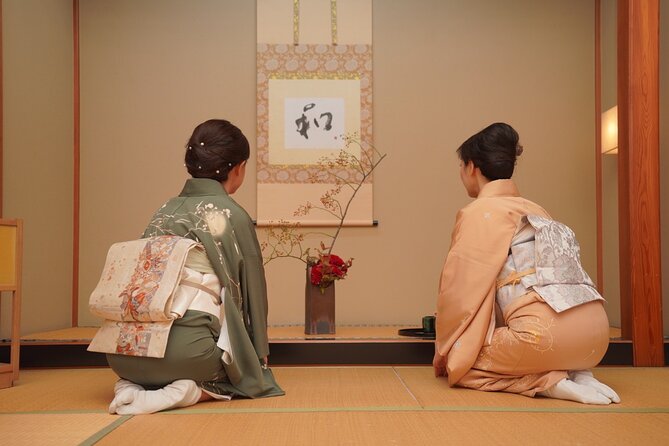
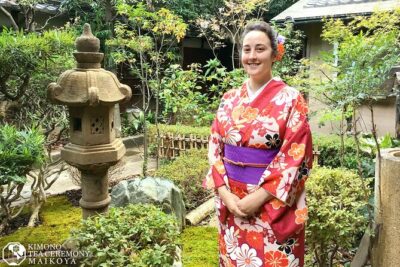
Once you arrive, you are welcomed by an instructor wearing a kimono. That first greeting helps set the mood, but you should keep one detail clear: the kimono is worn by the instructor. Kimonos for participants are not included.
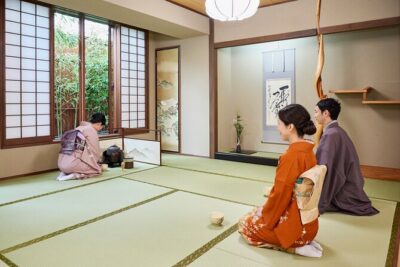
The setting is a traditional Japanese home with a charming garden. You can sit on tatami mats if you want the classic feel, or choose regular chairs if floor seating is uncomfortable. That small choice matters, particularly if you have stiff knees or simply prefer not to spend nearly two hours sitting on the floor.
More Kimono Tea Ceremonies in Tokyo:
- Kimono Tea Ceremony at Tokyo, Asakusa Maikoya
★ 5.0 · 638 reviews - Tokyo: Matcha and Kimono Experience
★ 4.7 · 219 reviews - Tokyo: Asakusa Kimono Dressing and Matcha Experience
★ 4.9 · 173 reviews
Watching ikebana before making your own
The ikebana portion begins with a professional demonstration. You watch the artist handle the flowers and shape the arrangement before trying the process yourself.
Ikebana is not simply putting flowers in a vase. The placement of stems, the use of open space, and the balance of height and angle all matter. Even in a short introductory class, this way of arranging flowers gives you a different view of ordinary plant material.
The seasonal flowers are one of the nicest details. Because the materials change with the season, your arrangement has a connection to the time of year rather than feeling like a fixed craft project. You get to work with fresh flowers and then pause to look at the result you made.
If you are new to ikebana, expect some initial nerves. That is normal. The teaching is designed for beginners, and the instructions are described as easy to follow. You do not need prior flower-arranging experience to take part.
The strongest value here is hands-on time. A demonstration alone can be pleasant, but making the arrangement yourself gives you something to focus on and remember. You may also find that the quiet pace makes the activity feel more thoughtful than a standard sightseeing stop.
There is one practical issue. The experience information says that ikebana and tea equipment are not included. Since the activity clearly involves arranging flowers and preparing tea, you should confirm with the provider what equipment is supplied for use during the lesson and what, if anything, you would need to bring. Do not assume that equipment is yours to take home.
Preparing matcha with Japanese sweets
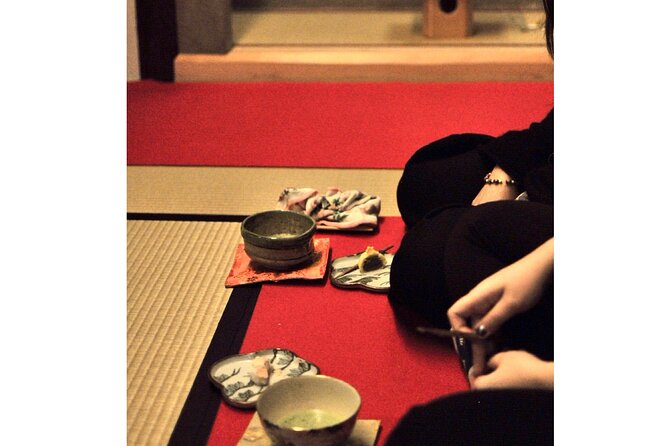
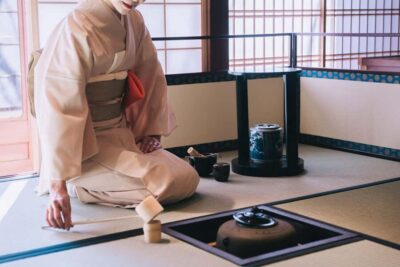
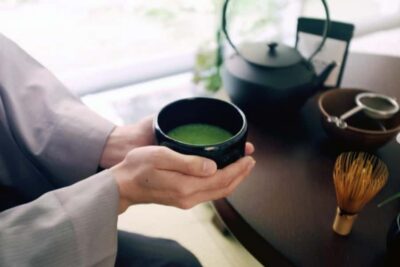
After the flower arrangement, the focus shifts to matcha. You learn how to prepare the tea, then drink the matcha you made yourself with Japanese sweets.
This is a good pairing with ikebana. Flower arranging asks you to notice shape, space, and balance. Matcha preparation asks you to slow down and pay attention to a small sequence of movements. The two activities feel related without being repetitive.
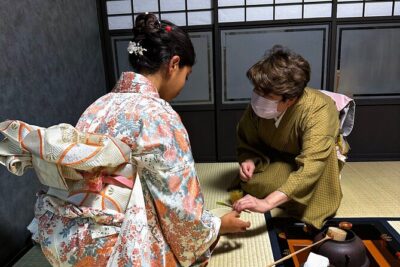
You should expect instruction rather than a rushed tasting. The point is to learn the preparation process, not simply receive a cup from someone else. That makes the tea portion more engaging, even if you have never handled matcha before.
The included refreshments are Japanese matcha tea and Japanese sweets. The sweets are a small part of the experience, but they matter because traditional matcha is often enjoyed with something sweet. The contrast helps balance the tea’s strong, earthy taste.
You can sit with your tea, look at your finished flower arrangement, and take in the house and garden. This closing pause is a useful part of the lesson. You are given time to appreciate both things you have made instead of moving straight to another stop.
The activity description calls this a tea ceremony experience, but you should set your expectations correctly. The supplied information does not describe a long formal ceremony with a large set of rituals. Think of it as a guided introduction to matcha preparation within a traditional Japanese cultural setting.
Why the private format matters
Only your group participates, so this is a private activity rather than a shared class with strangers. That can make a real difference when you are learning something unfamiliar.
You can ask for help as you work on your flowers or tea without worrying about holding up a large group. The instructor can also respond to your pace, which is useful if you are nervous or have never tried either activity.
The private format is especially suited to couples, families, friends, or solo visitors who want a calm cultural lesson. It also works well for people who prefer doing rather than watching. You are given two activities, but neither requires you to perform in front of a crowd.
The tradeoff is cost. At $173.34 per person, this is not a low-cost way to fill an hour and 45 minutes. You are paying for private instruction, a traditional home setting, the instructor’s time, the flower activity, tea instruction, and sweets. If you want a quick cultural photo stop, the price will feel high. If you value personal teaching and a small group, it becomes easier to justify.
Before booking, consider how many people are in your party. Since the cost is listed per person, the total rises quickly for a larger group. The private format may be worth more to a couple or small group than to someone simply looking for the cheapest cultural activity in Tokyo.
More Tea Ceremony Experiences in Tokyo:
- Tokyo: Traditional Tea Ceremony with a Tea Master
★ 5.0 · 528 reviews - Tea Ceremony Workshop in Tokyo by the Experienced Instrucor
★ 5.0 · 189 reviews - Asakusa: Kimono Tea Ceremony with Matcha and Sweet
★ 4.9 · 153 reviews - Tea Ceremony Experience in a Private Tea Room in Shibuya
★ 4.9 · 125 reviews
Tatami, chairs, and comfort
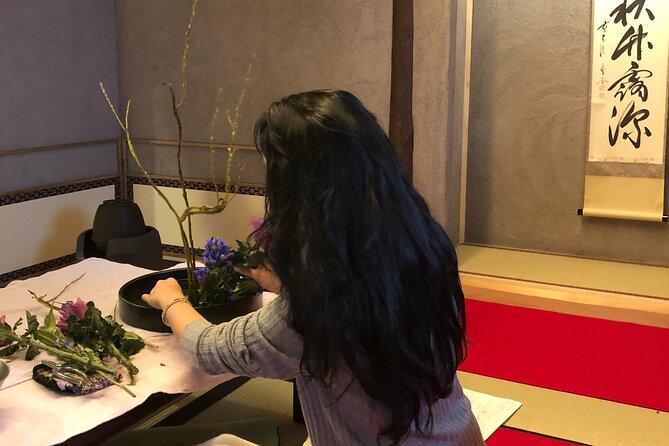
The option to use tatami mats or regular chairs is one of the most practical features. Sitting on tatami connects you with the style of a traditional Japanese home, but floor seating is not comfortable for everyone.
You do not need to choose discomfort to have a genuine experience. If your knees, hips, or back make floor sitting difficult, ask to use a chair. The activity provides that choice, so use it.
The home and garden also shape the mood. You are not in a large commercial venue or a busy public attraction. The surroundings are part of the lesson, giving you a sense of how these arts fit into a domestic Japanese setting.
Still, the information does not promise a full house tour or a long garden visit. The garden is best understood as part of the setting rather than a separate sightseeing stop. The focus remains on ikebana and tea.
Timing your visit in Tokyo
The activity lasts about 1 hour and 45 minutes. That is long enough to learn both arts without taking over your entire day.
You can book this experience from Monday through Sunday, with operating hours listed from 8:30 a.m. to 8 p.m. The available date range provided is January 16, 2025, through November 26, 2026.
Those broad hours make it easier to fit the lesson around museums, shopping, or an evening meal. Even so, you should avoid planning a tightly timed connection immediately afterward. The activity is short, but getting to and from the station and meeting point takes additional time.
The mobile ticket is convenient. Keep it ready on your phone when you arrive, and check the meeting details before leaving your hotel. The experience is near public transportation, so you do not need a private vehicle to reach it.
The booking is confirmed at the time of purchase. One important caution is the cancellation rule: the experience is non-refundable and cannot be changed for any reason. Only book once your Tokyo plans are firm.
Who will get the most from this lesson
This experience suits you if you want a gentle introduction to two Japanese arts in one sitting. Beginners are welcome in practice, and the teaching is structured so you can follow along even if you feel uncertain at first.
It is also a good choice for anyone who wants a quieter side of Tokyo. The setting gives you a break from major sights and lets you spend time on a small, focused activity.
Couples may appreciate the private setting and the chance to create something together. Families can enjoy the hands-on format, though the supplied information does not give a minimum age, so you should confirm age requirements before booking for children.
It may also appeal to visitors who already have an interest in Japanese culture and want more than a quick demonstration. You will not become an ikebana or matcha expert in 105 minutes, but you can learn the basic feel of both practices.
I would be less likely to recommend it to someone who wants to wear a kimono. The welcome includes an instructor in kimono, but participant kimonos are not included. I would also think twice if your main goal is a formal, extended tea ceremony, since the details describe a practical introduction rather than a long ceremonial performance.
What the price really buys you
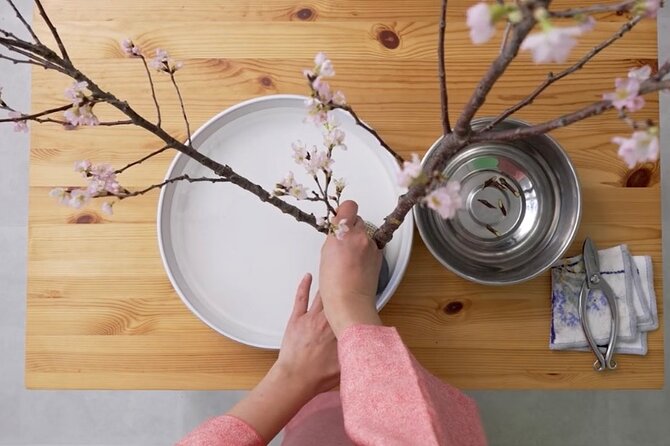
The $173.34 price needs a close look. You are not paying only for snacks or a cup of tea. You are paying for a private lesson, instruction in two separate arts, a traditional home and garden, fresh seasonal flowers, and a personal arrangement you create during the session.
The flowers are important to the value. A seasonal ikebana lesson offers more than a generic souvenir craft because the materials change and the arrangement reflects the time of year. The tea portion adds another skill instead of simply extending the visit with refreshments.
Still, the price is high for a 1-hour-45-minute activity. The fact that equipment is not included may also cause confusion, so ask exactly what is supplied for use during the class. You should not book based on the idea that you are receiving a kimono, tea set, or ikebana tools to take home.
I see the best value here for a visitor who wants personal attention and a peaceful setting. If you are comparing it with a large group demonstration, this private format offers a more direct way to learn. If you are comparing it with several hours of sightseeing, the cost may seem harder to defend.
The teaching style and beginner comfort
The most encouraging detail is the clear, kind instruction. You might feel nervous before arranging flowers or preparing matcha, especially if both are new to you. The lesson is built to help you take the first step without needing previous practice.
One participant became interested in continuing ikebana more seriously after the lesson. That tells you something useful about the class: it can serve as a first taste for someone who may want to study the art further.
The instructor’s role matters here. You are not left to guess where to place each stem or how to prepare the tea. You watch first, receive guidance, and then try the process yourself.
Do not expect a technical master class. The short duration means the instruction must remain focused. You will learn enough to understand the basic approach and complete your own arrangement, but advanced forms and detailed theory are beyond the scope of the visit.
Should you book this Tokyo experience?
Book it if you want a private, hands-on introduction to ikebana and matcha in a traditional home. The seasonal flowers, kind beginner-focused teaching, tea with Japanese sweets, and choice of tatami or chair seating make it a thoughtful cultural break from Tokyo’s faster pace.
The decision depends mainly on value. At $173.34 per person, it is expensive for a short activity, and the booking cannot be refunded or changed. You should also remember that kimonos and the ikebana and tea equipment are not included.
I would choose it for a couple or small group that values quiet instruction and wants to make something rather than just watch. I would skip it if you mainly want to dress in a kimono, visit a garden, or attend a full formal tea ceremony. For the right visitor, this is a focused and memorable introduction to two graceful Japanese traditions.
FAQ
Where does the ikebana and tea experience take place?
It takes place at a traditional Japanese home in Tokyo, in Meguro City near Toritsu-daigaku Station. The home includes a garden.
What is the meeting point?
The meeting point is at Toritsu-daigaku Station, 1-chōme-5-1 Nakane, Meguro City, Tokyo 152-0031, Japan.
How long does the activity last?
The experience lasts approximately 1 hour and 45 minutes.
Does the activity include both ikebana and a tea ceremony?
Yes. You watch an ikebana demonstration, create your own flower arrangement, learn to prepare matcha, and enjoy the tea with Japanese sweets.
Are Japanese sweets included?
Yes. Japanese matcha tea and Japanese sweets are included.
Can I sit on a chair instead of tatami mats?
Yes. You can sit on authentic tatami mats or use regular chairs.
Will I wear a kimono during the experience?
The instructor welcomes you while wearing a kimono. Kimonos for participants are not included.
Is this a private activity?
Yes. Only your group participates.
What are the operating hours?
The activity is listed as operating Monday through Sunday from 8:30 a.m. to 8 p.m., for dates from January 16, 2025, through November 26, 2026.
Can I cancel or change my booking?
No. The experience is non-refundable and cannot be changed for any reason.
Just added around Tokyo
- Yokohama : Tea Ceremony with Sweets and Souvenir★ 5.0 · 5 reviews
- Walking Tour: Yanaka,Nezu& Sendagi: Tea Ceremony & Old Tokyo★ 5.0 · 3 reviews
- 2 Hours Mochi &Nerikiri Making & Matcha Class in Bunkyo★ 5.0 · 21 reviews
- Private Kimono and tea ceremony at local home near Tokyo Disney★ 5.0 · 6 reviews
- Private Mochi・Matcha sweets Making Class Near Shibuya Area★ 5.0 · 22 reviews
- Tokyo Sweets Tour: Hidden Gems & Matcha at an Old Tea House★ 5.0 · 6 reviews
- Giant Sushi Cooking Class: Make a 1.5m Sushi Roll in Tokyo★ 5.0 · 9 reviews
- Tokyo Tea Ceremony Class at a Traditional Tea Room★ 5.0 · 2 reviews
Kimono & Tea Ceremonies, compared.
KYOTO Tea Ceremony with kimono near by Imamiya Jinjya Shrine
Read our review →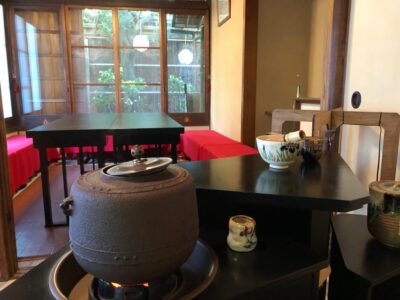
Kimono and Tea Ceremony Experience at Cultural Asset
Read our review →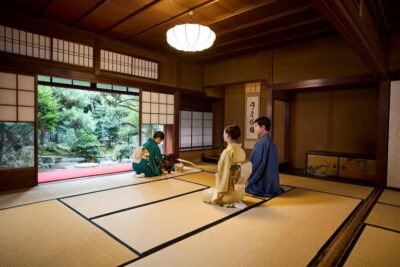

Browse the lists this tour appears in