
Review · TOKYO
Tea Ceremony Experience in a Private Tea Room in Shibuya
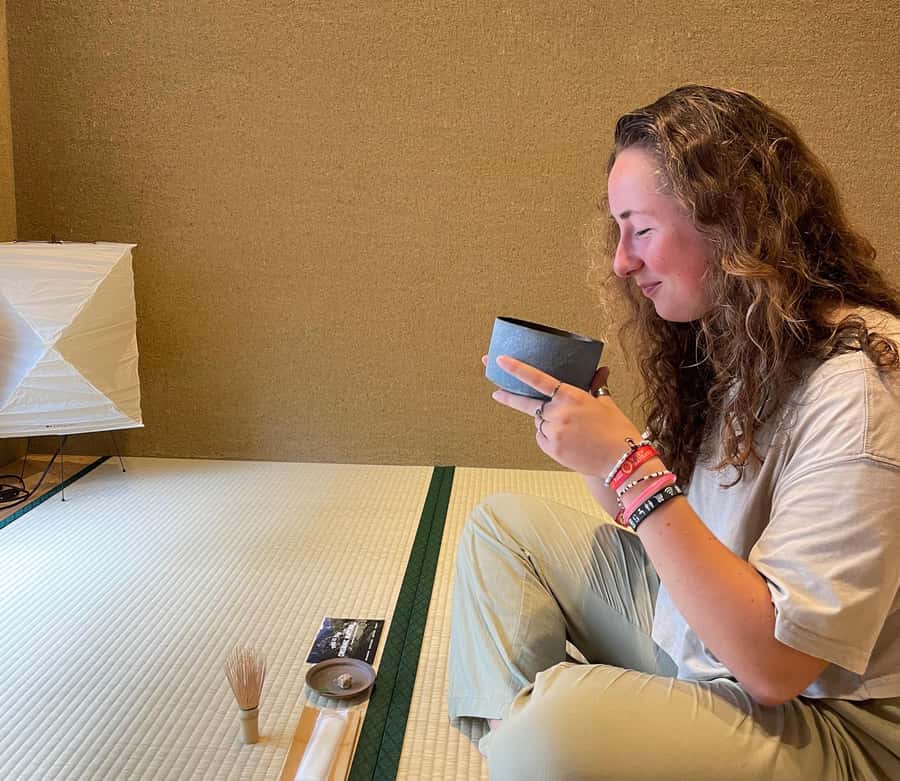
A quiet tea room hidden inside a Shibuya apartment building is an unlikely place to learn about one of Japan’s most careful traditions. Yet that contrast is the charm here. After meeting guide Tatsu near The OneFive Tokyo Shibuya hotel, you leave the noise of the city behind and spend time learning how matcha is grown, prepared, served, and enjoyed.
I like two things right away: the small, peaceful setting makes it easy to ask questions, and the matcha comes from a premium organic producer whose finest tea represents only about 2 percent of Japan’s total circulation. You also receive sweets from a wagashi shop with more than 200 years of history.
The main consideration is that this is a compact, educational experience rather than a grand temple ceremony. The tea room has no toilet, and matcha contains caffeine. The activity is also not suitable for children under 10, pregnant women, or babies under 1 year.
Key points to know before booking
- Meet Tatsu eight minutes from Shibuya Station: The meeting point is in front of The OneFive Tokyo Shibuya hotel, at 1-8-11 Jinnan.
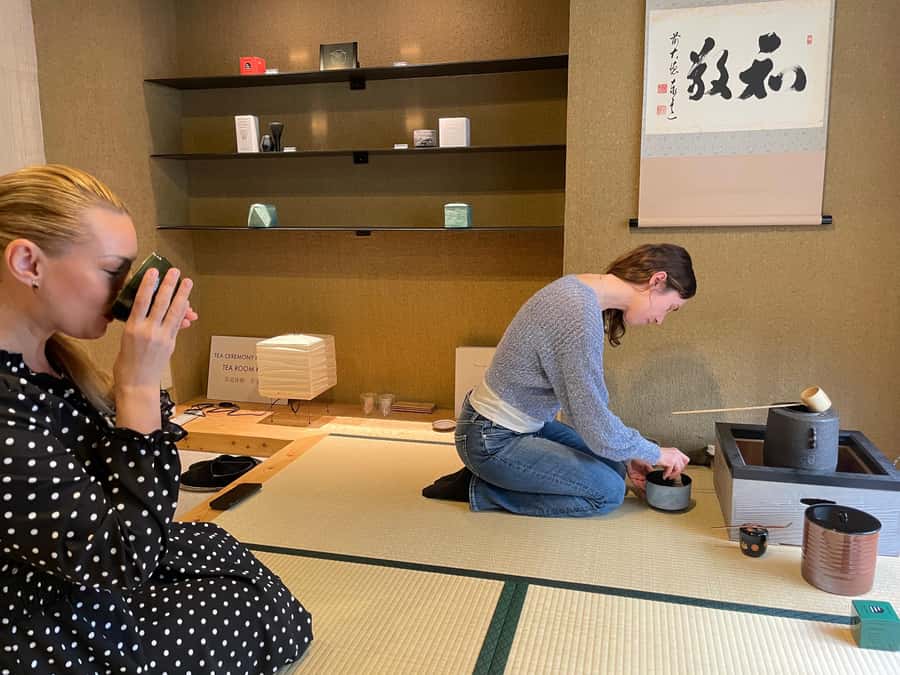
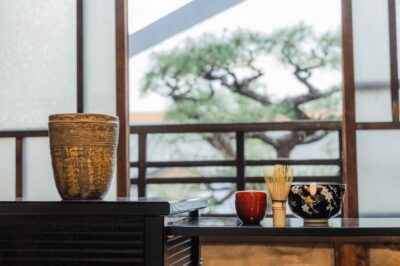
- Step into a private tea room: The room is inside an apartment building, but visitors describe it as calm, carefully decorated, and very different from the busy streets outside.
- Taste rare organic matcha: EAST GREEN MATCHA presents premium organic matcha said to make up only 2 percent of the total circulation.
- Learn the meaning behind the ritual: Tatsu explains matcha production, tea ceremony customs, respectful handling of objects, and the proper way to drink the tea.
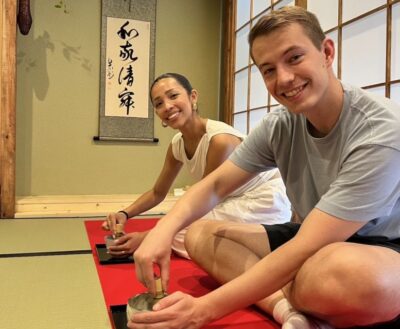
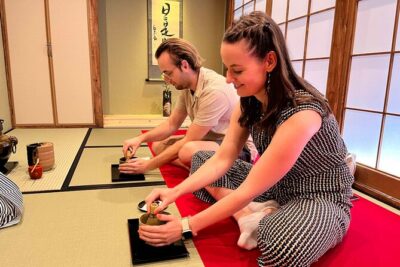
- Make your own bowl: After watching the formal preparation, you whisk matcha yourself with personal guidance.
- Allow time for questions and shopping: You can ask about tea and ceremony traditions, then buy matcha or tea tools if you wish.
From Shibuya Station to a quiet apartment tea room
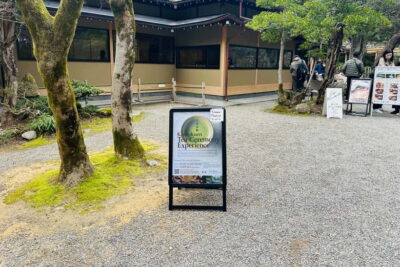
This experience begins in one of Tokyo’s easiest places to reach. You meet at the entrance of The OneFive Tokyo Shibuya hotel, where Tatsu holds a sign marked TEA ROOM KAKOI. From Shibuya Station, the walk takes about eight minutes.
That short walk matters. Shibuya is full of giant screens, crowded crossings, shops, and constant movement. The tea room offers a sharp change of pace without requiring a long ride across Tokyo. You can pair the activity with nearby sights such as the Hachiko Statue, Shibuya Scramble Crossing, Meiji Shrine, or the Pokémon Center.
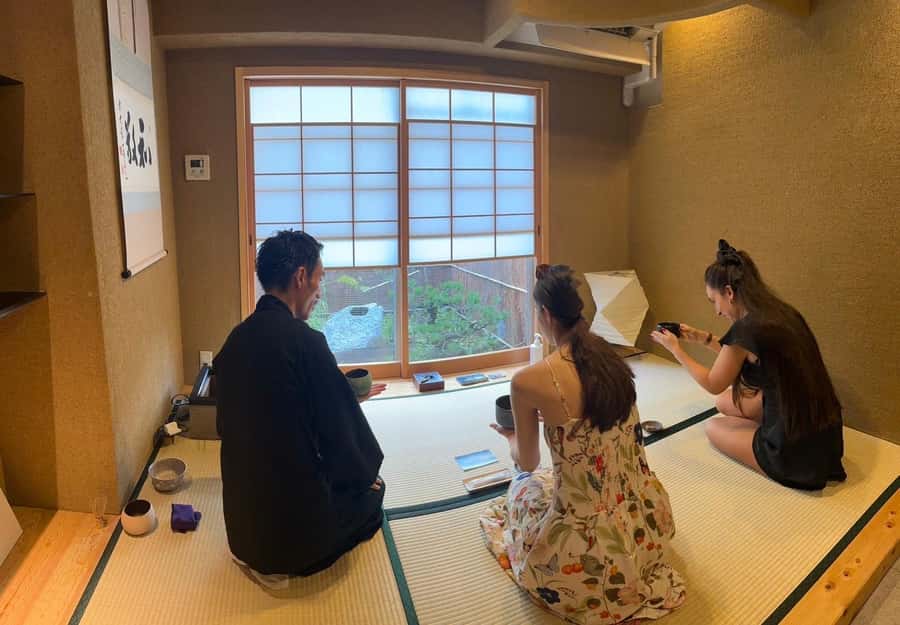
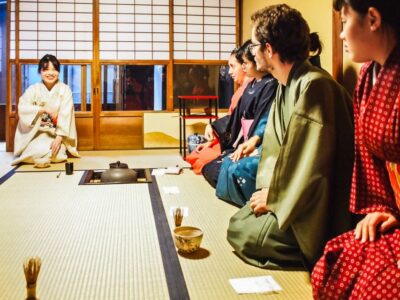
The tea room is in an apartment building, a detail worth knowing before you arrive. At first, the location may feel ordinary and slightly surprising. Once you enter the dedicated room, the mood changes. The space is small, quiet, and arranged for close attention to the tea, the utensils, and the person explaining them.
I think this setting works better than a large demonstration hall for anyone who wants to ask questions. You are not watching from the back of a crowd. The arrangement encourages conversation, and the calm room gives the ceremony room to breathe.
More Tea Ceremony Experiences in Tokyo:
- Kimono Tea Ceremony at Tokyo, Asakusa Maikoya
★ 5.0 · 638 reviews - Tokyo: Traditional Tea Ceremony with a Tea Master
★ 5.0 · 528 reviews - Tea Ceremony Workshop in Tokyo by the Experienced Instrucor
★ 5.0 · 189 reviews
The opening lesson: matcha from leaf to bowl
The first part explains the tea ceremony and the making of matcha. You learn how matcha is produced and why the powder has become known around the world for its flavor and caffeine content.
This background gives the ceremony more meaning. Without it, whisking green powder can seem like a simple food demonstration. With it, you begin to understand why the tea’s quality, preparation, serving order, and handling of each object matter.
Tatsu brings a personal connection to the subject. He has spoken about his family’s two generations of tea farming, and that family link helps make the lesson more than a memorized introduction. You can ask about differences between matcha, production, and the customs tied to tea preparation.
The experience is offered in English and Japanese. That makes it useful for visitors who want a clear explanation of the ritual instead of simply copying movements without knowing why they are done.
The formal preparation and premium organic matcha
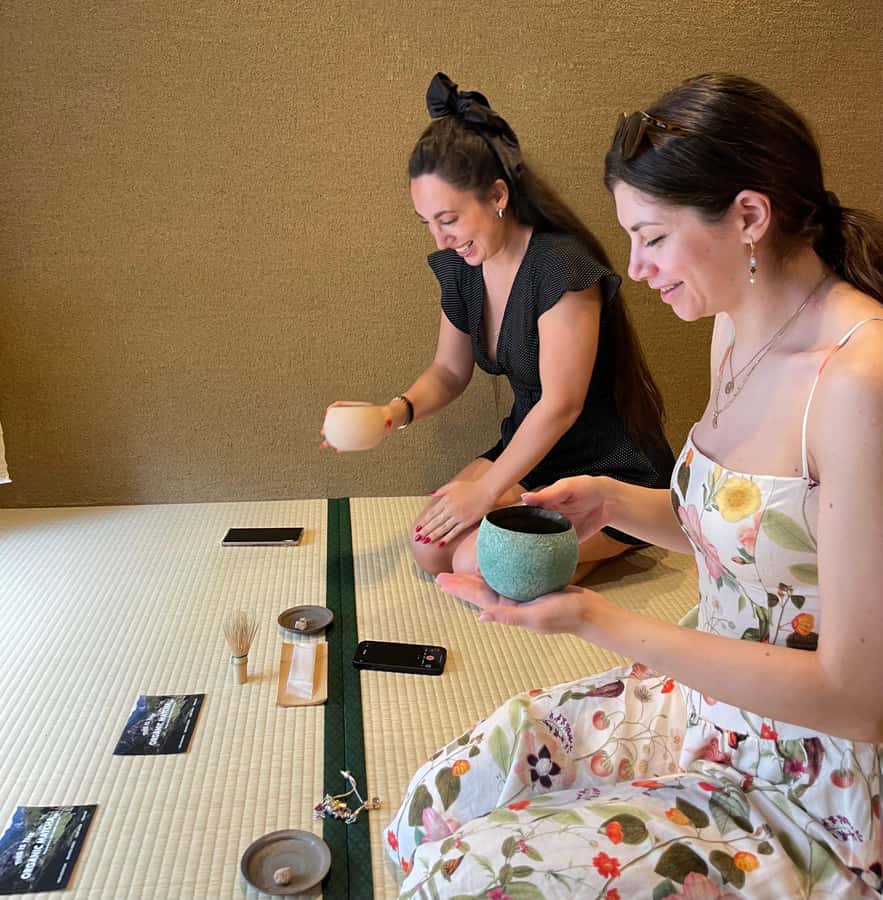
After the introduction, Tatsu prepares matcha in the formal tea ceremony style. You watch the measured movements, the care given to each utensil, and the way the tea is presented.
The premium organic matcha is supplied by EAST GREEN MATCHA. The activity describes this tea as one of the rarest grades available, making up only about 2 percent of the total circulation. That claim does not mean every person will prefer its taste, but it does give you a chance to compare carefully produced matcha with the sweeter, more casual matcha drinks sold around Tokyo.
Matcha can be grassy, bitter, creamy, or sweet depending on its quality and preparation. The host explains how to drink it properly, including the respectful way to receive and enjoy the bowl. This is useful because the ceremony has its own manners, but the tone here is relaxed enough for beginners.
The tea is served with traditional Japanese sweets from a long-established wagashi shop with more than 200 years of history. The sweet is not just decoration. Its flavor balances the sharpness of the matcha and helps you notice how Japanese tea service pairs bitter tea with a small sweet bite.
If you do not normally drink unsweetened green tea, do not expect matcha to taste like a sugary café latte. It contains caffeine, and its flavor can be strong. The host’s guidance helps, but personal taste still matters.
Your turn to whisk the tea
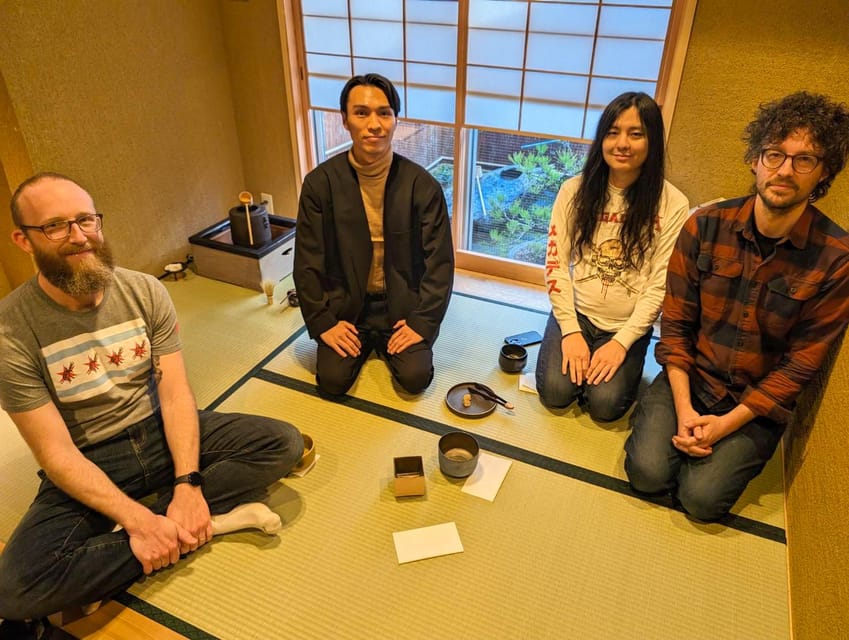
The hands-on section is the part I would especially recommend for first-time visitors. Once you have seen the formal preparation, Tatsu guides you through making your own matcha.
You learn the basic technique and the purpose behind it. The goal is not simply to produce a bowl with foam. You begin to see how water, powder, whisking, and movement affect the finished drink.
A patient teacher makes a difference here. The available information describes Tatsu as friendly, professional, and willing to answer questions, while several visitors found the instructions easy to follow. That combination suits beginners who may feel nervous about holding the whisk or following the ceremony’s etiquette.
The private format also lets you take your time. You can ask for a movement to be repeated or clarify a point about the tea. This is a better fit for you if you want participation rather than a stage performance.
Do not expect to become a tea master in one sitting. You will learn the foundation of the preparation and gain a better sense of the care involved. The value is in understanding the process and trying it yourself, not in mastering every formal detail.
More Private Experiences in Tokyo:
- Private Mochi・Matcha sweets Making Class Near Shibuya Area
★ 5.0 · 22 reviews - Tokyo: Private Japanese Traditional Tea Ceremony
★ 4.1 · 16 reviews - Kamkura: Private Zazen, Matcha at Bamboo Temple & Mindful Cuisine
★ 5.0 · 9 reviews - Private Kimono and tea ceremony at local home near Tokyo Disney
★ 5.0 · 6 reviews
Why the small group setting matters
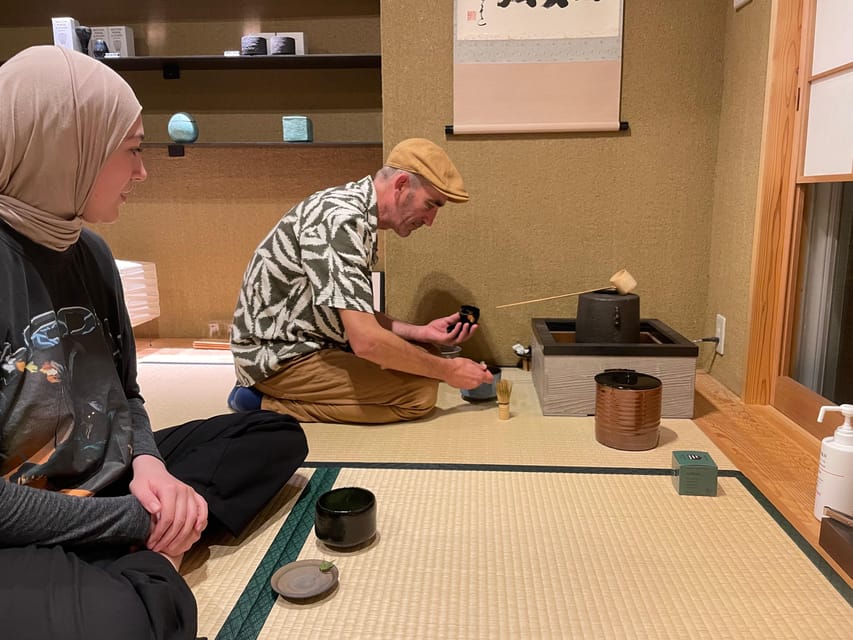
The tea room’s size shapes the entire experience. You are close to the host, close to the utensils, and close to the bowl in front of you. The quiet helps you pay attention to small details that would be easy to miss in a larger cultural show.
Several visitors described the room as serene, beautifully arranged, and almost like a separate world once they stepped inside. That feeling comes from the contrast between the apartment building and the traditional interior. You do not need to travel to a remote garden to find a brief pause in Tokyo.
The trade-off is space. This is not an expansive room designed for wandering, photography, or a large group. It is best approached as a focused lesson with tea, conversation, and ritual. If you want a grand historic tea house with gardens and formal architecture, you may find this experience more modest than expected.
For me, the modest scale is also part of its appeal. The activity feels personal rather than staged, and the host’s explanations carry more weight when you can respond directly.
Shibuya makes this easy to fit into your day
The location is one of the strongest practical points. Shibuya Station is well connected, and the meeting point sits near several major Tokyo sights. You can schedule the tea ceremony before or after exploring the crossing, shopping streets, Hachiko, Meiji Shrine, or the Pokémon Center.
The activity ends back at the meeting point, so you are not left searching for a final location. You can return to the station, continue sightseeing, or stop for another drink in Shibuya.
Plan ahead for the lack of a toilet in the tea room. Use facilities before meeting Tatsu, especially if you are combining this with several hours of sightseeing. This is a small point, but it can make a real difference during a busy day in Tokyo.
The activity is not suitable for children under 10, pregnant women, or babies under 1 year. The matcha contains caffeine, so take that into account when planning your day and deciding who should join.
What you receive for $30
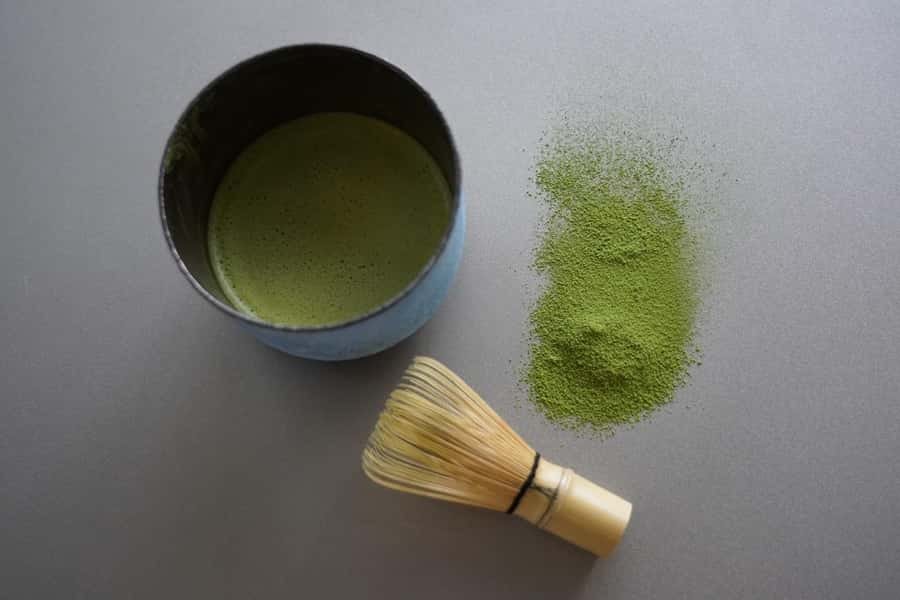
At $30 per person, the experience offers more than a cup of tea. The price includes the premium organic matcha, traditional sweets, the formal preparation, the hands-on matcha-making session, and the instruction needed for the activity.
I see the value in the personal teaching. You are paying for access to a quiet setting and for the chance to ask about matcha, tea farming, ceremony customs, and etiquette. A quick cup at a café may cost less, but it will not explain why the tea is prepared in a certain way or give you practice with the whisk.
The price is also reasonable for a central Tokyo activity that requires little transport time. You can fit it into a sightseeing day without spending hours getting across the city.
The value depends on what you want. If your main goal is simply to drink matcha, this may feel like more instruction than necessary. If you want cultural context and an activity you can take part in, the price is easier to justify.
You can also buy high-quality organic matcha and original tea tools after the session. There is no pressure stated to purchase them, so treat this as an optional souvenir rather than part of the cost calculation.
Who should book this Shibuya tea ceremony
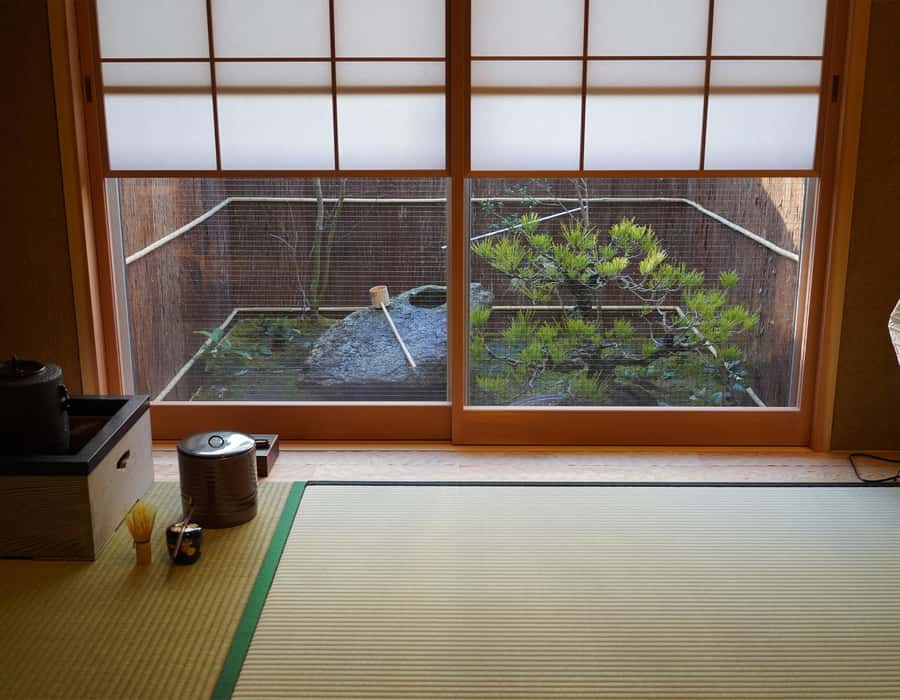
I would choose this activity for first-time visitors who want a clear introduction to Japanese tea ceremony without committing to a full-day cultural excursion. It is also a good match for tea drinkers who want to compare premium organic matcha and learn how to prepare it properly.
The experience suits solo visitors and small parties particularly well. A compact room and direct access to the host make it easier to ask questions than in a large group presentation.
It is also a good rainy-day plan. Most of the experience takes place indoors, and the short walk from Shibuya Station keeps the outdoor portion limited. You still get a sense of Tokyo’s modern center before entering a much quieter space.
You may want to skip it if you dislike tea, avoid caffeine, need a toilet during the activity, or want a large historic venue with gardens. The room is authentic in its purpose and arrangement, but it is not a famous temple or old countryside tea house.
Practical details before you go
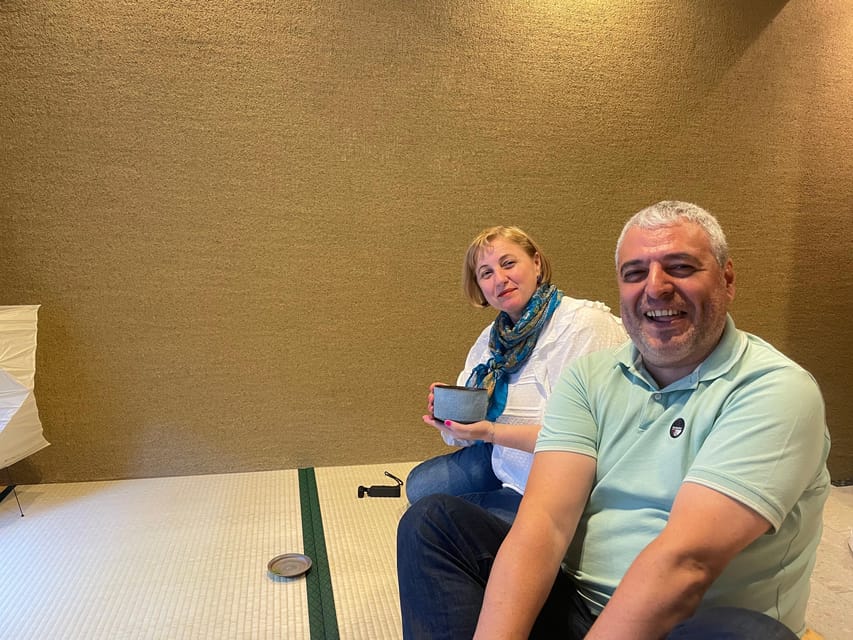
Book with enough time to reach the hotel meeting point. Look for Tatsu at the entrance holding the TEA ROOM KAKOI sign. The meeting address is The OneFive Tokyo Shibuya, 1-8-11 Jinnan, Shibuya-ku, Tokyo, 150-0041.
The activity is available in English and Japanese. You can reserve now and pay later, which helps if your Tokyo schedule may change. Cancellation is allowed up to 24 hours before the activity for a full refund.
Wear something comfortable enough for a quiet seated activity. The supplied information does not set a dress code, so there is no need to treat this as a formal ceremony requiring special clothing. The important preparation is practical: use a toilet before arrival, remember that matcha contains caffeine, and arrive ready to follow careful instructions.
The experience has a 4.9 rating from 125 reviews, with repeated praise for the calm room, clear teaching, personal attention, and quality of the matcha. Those are the areas I would use to judge it, rather than expecting a grand historical setting.
Should you book the tea room in Shibuya?
Book it if you want a personal introduction to Japanese tea ceremony, premium organic matcha, and a chance to make your own bowl. Tatsu’s family connection to tea farming adds useful context, while the private room gives the activity a peaceful mood just minutes from Shibuya Station.
Think twice if you want a large traditional building, an outdoor garden, or an extensive ceremony lasting several hours. This is a compact lesson in a modern Tokyo location, not a museum visit or temple tour.
For $30, I consider it a sensible choice for curious visitors who want to slow down for an hour or so, learn the customs behind matcha, and leave with a skill they can try again. It offers a quiet cultural pause without asking you to leave central Tokyo.
FAQ
Where does the tea ceremony meet?
You meet at the front entrance of The OneFive Tokyo Shibuya hotel at 1-8-11, Jinnan, Shibuya-ku, Tokyo, 150-0041. The guide holds a TEA ROOM KAKOI sign.
How far is the meeting point from Shibuya Station?
The tea room can be reached in about eight minutes on foot from Shibuya Station.
Where does the activity end?
The activity ends back at the meeting point near The OneFive Tokyo Shibuya hotel.
Who leads the experience?
The host and tea guide is Tatsu. The activity is provided by EAST GREEN MATCHA.
What languages are available?
The experience is available in English and Japanese.
What kind of matcha is served?
You receive premium organic matcha described as making up about 2 percent of the total circulation.
Are sweets included?
Yes. Traditional Japanese sweets from a wagashi shop with more than 200 years of history are included.
Do I get to make matcha myself?
Yes. After watching the formal preparation, you receive guidance on making your own matcha.
Is there a toilet in the tea room?
No. There is no toilet in the tea room, so plan to use one before the activity begins.
Can I buy matcha or tea tools afterward?
Yes. You can purchase high-quality organic matcha and original tea tools as souvenirs if you wish.
Just added around Tokyo
- Yokohama : Tea Ceremony with Sweets and Souvenir★ 5.0 · 5 reviews
- Walking Tour: Yanaka,Nezu& Sendagi: Tea Ceremony & Old Tokyo★ 5.0 · 3 reviews
- 2 Hours Mochi &Nerikiri Making & Matcha Class in Bunkyo★ 5.0 · 21 reviews
- Private Kimono and tea ceremony at local home near Tokyo Disney★ 5.0 · 6 reviews
- Private Mochi・Matcha sweets Making Class Near Shibuya Area★ 5.0 · 22 reviews
- Giant Sushi Cooking Class: Make a 1.5m Sushi Roll in Tokyo★ 5.0 · 9 reviews
- Tokyo Sweets Tour: Hidden Gems & Matcha at an Old Tea House★ 5.0 · 6 reviews
- Tokyo Tea Ceremony Class at a Traditional Tea Room★ 5.0 · 2 reviews
Tea Ceremony Experiences, compared.
Tea Ceremony in a Traditional Tea House in Kiyomizu
Read our review →
Browse the lists this tour appears in