
Review · TOKYO
Kamkura: Private Zazen, Matcha at Bamboo Temple & Mindful Cuisine
Kamakura’s best lesson in Zen may be learning to sit still. At Hokaiji Temple, you practice zazen with a Buddhist priest, while your guide interprets the teaching in English. It is a rare chance to encounter meditation as a living practice, not just admire another temple gate.
I like the calm pairing of bamboo-grove matcha and shojin ryori, Japan’s elegant Buddhist vegan cuisine. I also like the small group, capped at 10, which makes the temple visit and local walk feel more personal. The main drawback is that the meditation can be brief, and winter temple rooms may feel cold.
Key points at a glance
- Zazen with a priest: Learn the basics of seated Zen meditation at Hokaiji Temple, with English interpretation.
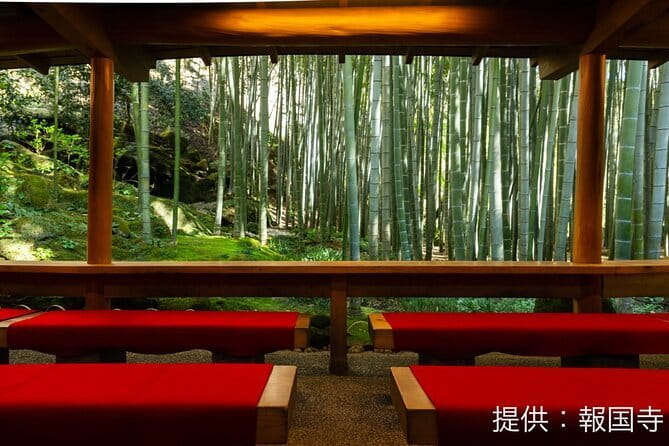
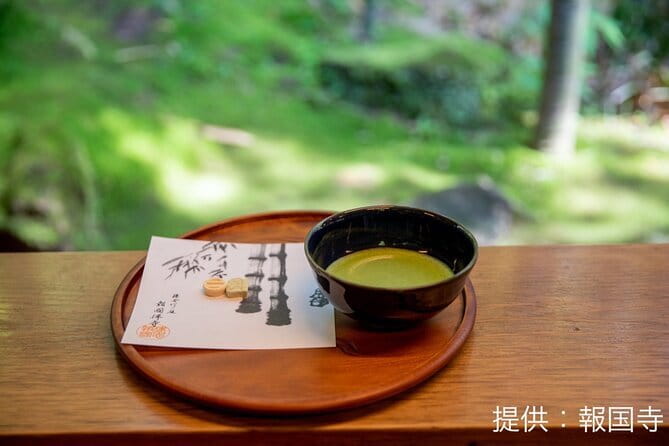
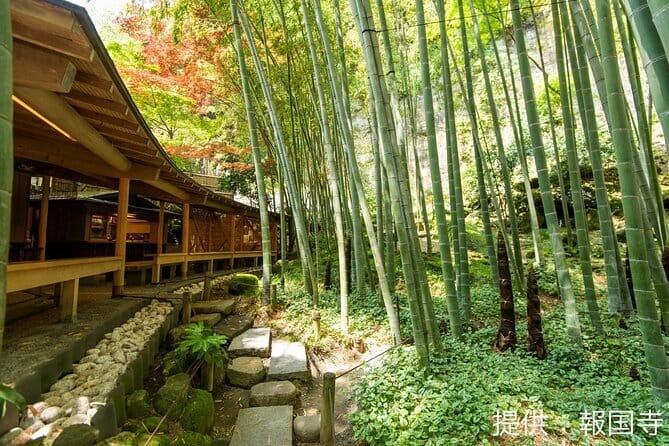
- Matcha among bamboo: Sip a bowl of matcha at Hokokuji, a scenic stop that can feel wonderfully quiet when the timing is good.
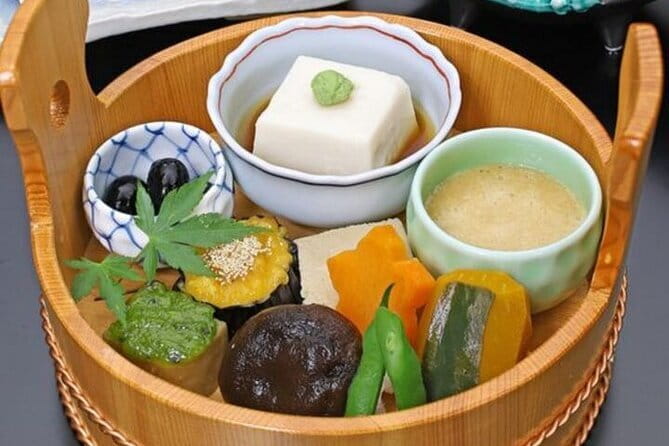
- Shojin ryori lunch: Eat a seasonal, plant-based meal built around vegetables, tofu, and other vegetarian ingredients.
- A less obvious Kamakura route: The guide adds local streets and lesser-known stops beyond the city’s famous sights.
- Small-group format: The maximum group size is 10, useful for a quieter and more flexible day.
- Plan for the return: The train ride from Kamakura to Shinjuku is not included, and the scheduled arrival is 5:15 pm.
Why this Kamakura day feels different
Kamakura is an easy day trip from Tokyo, but it can also be a crowded one. Many visits revolve around the Great Buddha and the city’s busiest temple approaches. This experience takes a quieter route, using Zen practice, food, and gardens to show you a more reflective side of the old capital.
The day is not a formal retreat in the strict sense. You are still moving between temples, eating lunch, and walking through town. That balance is useful. You get a taste of Zen without giving up the pleasures of a day in Kamakura.
The centerpiece is zazen, seated meditation focused on posture, breathing, and awareness. For a first attempt, the format is approachable. You do not need previous meditation experience, and most people can participate. The guide translates the priest’s explanations, so you can understand the ideas behind the practice rather than simply copy a sitting position.
I would set your expectations carefully. This is an introduction, not an hours-long silent retreat. One account describes the meditation as short but enough to help shut out city noise. That is probably the right way to view it: a focused pause in a full sightseeing day.
More Matcha Experiences in Tokyo:
- Matcha Making Class in Tokyo with Authentic Japanese Sweets Set
★ 5.0 · 744 reviews - Tokyo: Matcha Making Experience with Mochi Sweets in Asakusa
★ 4.9 · 388 reviews - Asakusa Cultural Walk & Matcha Making Tour
★ 5.0 · 245 reviews
Hokokuji: bamboo, matcha, and a quiet cup of tea
Your first major stop is Hokokuji, known for its tall bamboo grove. The temple grounds offer one of Kamakura’s most attractive settings for a cup of matcha. You sit with the green bamboo around you and have time to notice the sound and pace of the place.
The matcha is served with the temple visit and is part of the tour price. This is not a tea ceremony lesson. It is a simple tea service in a memorable setting, which suits the day well. The point is less about mastering tea etiquette and more about slowing down long enough to enjoy the surroundings.
This stop lasts about 50 minutes, including admission. That gives you enough time to walk through the grove and have tea, but not enough for an unhurried, extended visit if the temple is crowded. Matcha service is offered without a reservation, so it can be suspended when the venue is too busy. That detail matters, especially on a Saturday or during a popular travel season.
Rain may actually suit this stop. The bamboo takes on a deeper green tone, and the tea setting can feel especially calm in wet weather. On the other hand, you should not expect solitude at all times. Hokokuji is well known, and the experience depends partly on the crowd level that day.
Hokaiji Temple and your first zazen session
At Hokaiji Temple, the pace changes. Instead of looking at a garden, you turn your attention inward and learn how Zen meditation works. A Buddhist priest leads the session, and your guide provides English interpretation.
Zazen centers on sitting, breathing, and noticing your thoughts without chasing them. That may sound simple, but the physical stillness can be more demanding than expected. Wear loose-fitting clothing. Short skirts are not recommended, and comfortable clothes will make the sitting easier.
The session lasts about an hour, including the priest’s explanations and the practice itself. You may find it calming, or you may find your mind wandering. Both responses are normal for a first session. The value is in trying the practice in a functioning temple, with guidance from someone who follows the tradition.
There is one practical issue: the temple can be chilly in winter. Bring an extra layer if you visit during the colder months. A cold room can distract you from breathing and posture, especially when you are trying meditation for the first time.
The English interpretation also shapes the experience. You are not left to guess what the priest means, but translation naturally adds time and movement to the session. If you want a long, silent period with no interruption, this tour may feel too structured. If you want context and a gentle introduction, it is a better fit.
Shojin ryori at Minemoto

Lunch is more than a break between temples. You eat shojin ryori, the plant-based cuisine associated with Buddhist practice. The meal emphasizes seasonal vegetables, tofu, and other vegetarian ingredients, prepared with care and presented as part of a balanced meal.
The restaurant has changed starting in April 2025, so the setting and exact dishes may differ from older descriptions. The core promise remains a Buddhist vegan lunch. Vegetarian and vegan diets can be accommodated, which makes this a practical choice for plant-based eaters.
You have about 1 hour and 30 minutes for the lunch stop. That is enough time to eat without rushing and to notice the presentation. One account specifically describes the meal being served in attractive lacquerware, a detail that fits the mindful spirit of the day. The food is not positioned as a heavy feast. Expect a healthy meal that asks you to appreciate texture, seasonality, and restraint.
If you usually prefer large portions or bold flavors, shojin ryori may feel modest. That is part of its character, not a flaw in the planning. The meal is meant to be thoughtful and balanced, and it gives the day a clear connection between Zen practice and daily life.
Lunch is included in the $170 price. That helps the overall value, since you are not paying separately for a temple meal, matcha, or admission fees.
More Private Experiences in Tokyo:
- Tea Ceremony Experience in a Private Tea Room in Shibuya
★ 4.9 · 125 reviews - Private Mochi・Matcha sweets Making Class Near Shibuya Area
★ 5.0 · 22 reviews - Tokyo: Private Japanese Traditional Tea Ceremony
★ 4.1 · 16 reviews - Private Kimono and tea ceremony at local home near Tokyo Disney
★ 5.0 · 6 reviews
Walking through Kamakura beyond the famous sights
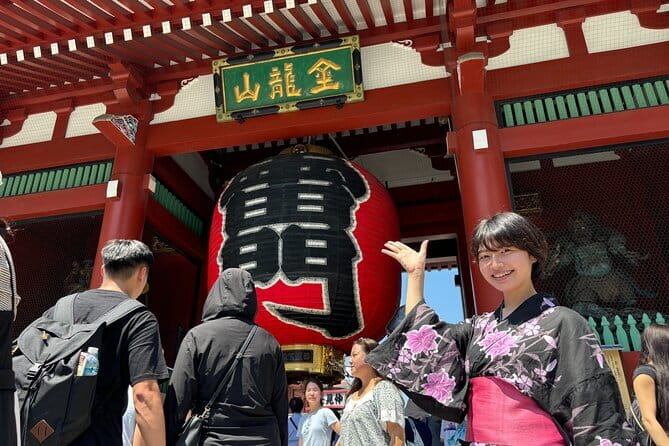
After lunch, you spend about 1 hour and 20 minutes exploring Kamakura with a local guide. This portion gives the day some welcome variety. You are not simply moving from one scheduled temple visit to another. You get a closer look at streets and places selected by someone familiar with the area.
The guide can point out local history and culture, along with less obvious spots. That is especially useful if you have already visited Kamakura’s major attractions. One person who had been to the city several times still found new places through the route.
The walking section is also where the tour feels most personal. The small group allows more room for questions and conversation than a large coach excursion. A guide named Yoriko was praised in one account for making the day enjoyable, but guide assignments can vary, so you should not book expecting a particular person unless the operator confirms it.
The tour does not list a separate admission charge for this walk. It is part of the guided time in town. You should still expect a full day on your feet, with temple visits, sitting, lunch, and walking all in one schedule.
Timing, trains, and the real cost
The experience begins at 8:30 am and lasts about 8 hours and 45 minutes. The planned train arrival at Shinjuku is 5:15 pm. The guide is happy to accompany you back to Shinjuku Station, but your train fare from Kamakura is not included.
Transportation fees from Kamakura Station during the activity are included, as are admission and activity fees. Private transportation is not included, so this is a public-transport and walking day rather than a chauffeured tour. Traffic and other unexpected delays can push the end time later, so do not book a tight evening reservation in Tokyo.
At $170 per person, the value depends on what you want from Kamakura. If you only want to see bamboo and temples, you can spend less by traveling independently. This price becomes easier to justify if you value the English interpretation, the priest-led meditation, included lunch, matcha, admissions, and a guide who handles the day’s movement between stops.
The group limit of 10 is another part of the price. You are paying for a more contained experience, not just transport to a sightseeing stop. For a first visit to Kamakura, that can save planning time. For an experienced Japan visitor who enjoys making their own schedule, the fixed format may feel less attractive.
Be careful with the cancellation terms. The booking is non-refundable and cannot be changed for any reason. If the operator cancels because the minimum number is not met, you will be offered another date or experience, or a full refund. That makes travel insurance or flexible planning worth considering.
Who will enjoy this experience most
I would recommend this tour to you if you want a calm, structured day outside Tokyo and are curious about Japanese Buddhist practice. It works well for a solo visitor, a couple, or anyone who would rather have the cultural details explained than manage every train and temple stop alone.
It is also a good match for first-time meditation students. You are not expected to arrive with special knowledge, and the priest’s teaching is interpreted into English. The format gives you a real try at zazen without asking you to commit to a full retreat.
Vegetarians and vegans have a clear advantage here because the lunch can accommodate both. Food-focused visitors may also enjoy the connection between the meal, temple setting, and ideas of simplicity.
You may want another Kamakura plan if you are mainly interested in the Great Buddha, seaside views, or a long list of famous landmarks. Those are not the focus here. You should also think twice if you dislike sitting on the floor, dislike group schedules, or need a guaranteed late-afternoon return time.
The season matters. Winter can bring cold temple interiors, while rain may make the bamboo setting especially beautiful. Comfortable clothing and an extra layer will improve the day more than fancy sightseeing clothes.
Should you book this Zen day in Kamakura?
Book it if you want Kamakura to feel slower and more thoughtful than a standard temple tour. The strongest combination is the priest-led zazen, the bamboo-grove matcha, and the shojin ryori lunch. Each part offers a different way to connect with Zen: sitting, tasting, and walking.
Do not book it expecting a long silent retreat or complete freedom from crowds. The meditation is an introduction, matcha service can pause when Hokokuji is busy, and the day follows a set schedule.
For $170, the experience is fairly priced when you use the included meal, tea, transport during the tour, admissions, English interpretation, and small-group guidance. If that package matches your interests, this is a thoughtful way to see Kamakura without reducing it to a quick photo stop.
FAQ
Where does the tour start?
The activity starts at 8:30 am at the designated meeting point. The supplied information does not specify the exact meeting-point address.
How long does the experience last?
The experience lasts about 8 hours and 45 minutes. The planned train arrival at Shinjuku Station is 5:15 pm, though delays are possible.
Is the train fare back to Shinjuku included?
No. The train fare from Kamakura to Shinjuku is not included. The guide can accompany you back to Shinjuku Station.
Is lunch included?
Yes. Lunch is a shojin ryori meal, based on Buddhist vegan cuisine and featuring ingredients such as seasonal vegetables and tofu.
Can vegetarian and vegan participants join?
Yes. Vegetarian and vegan guests can be accommodated.
Is matcha included?
Yes. A bowl of matcha at Hokokuji Temple is included. Matcha service is provided without a reservation and may be suspended if the temple becomes too crowded.
Do I need meditation experience?
No previous meditation experience is stated as a requirement. The zazen session includes explanations from a Buddhist priest, with English interpretation from the guide.
What should I wear for zazen?
Loose-fitting clothes are best. Short skirts are not recommended.
How many people can join the tour?
The maximum group size is 10 people.
Just added around Tokyo
- Yokohama : Tea Ceremony with Sweets and Souvenir★ 5.0 · 5 reviews
- Walking Tour: Yanaka,Nezu& Sendagi: Tea Ceremony & Old Tokyo★ 5.0 · 3 reviews
- 2 Hours Mochi &Nerikiri Making & Matcha Class in Bunkyo★ 5.0 · 21 reviews
- Private Kimono and tea ceremony at local home near Tokyo Disney★ 5.0 · 6 reviews
- Private Mochi・Matcha sweets Making Class Near Shibuya Area★ 5.0 · 22 reviews
- Tokyo Sweets Tour: Hidden Gems & Matcha at an Old Tea House★ 5.0 · 6 reviews
- Giant Sushi Cooking Class: Make a 1.5m Sushi Roll in Tokyo★ 5.0 · 9 reviews
- Tokyo Tea Ceremony Class at a Traditional Tea Room★ 5.0 · 2 reviews
Matcha Experiences, compared.
World Heritage Kyoto & Nara Uji Authentic Matcha Experience
Read our review →
Matcha Making Class in Tokyo with Authentic Japanese Sweets Set
Read our review →
Tea Museum Tickets and Matcha Grinding Experience
Read our review →
Matcha Making Class in Osaka with Authentic Japanese Sweets Set
Read our review →
Tea Ceremony Meditation – Make Matcha with Tea Master
Read our review →
Matcha Making Experience with Mochi Sweets in Asakusa
Read our review →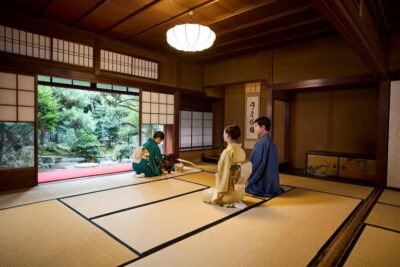
Browse the lists this tour appears in