
Review · TOKYO
Tokyo: Private Japanese Traditional Tea Ceremony
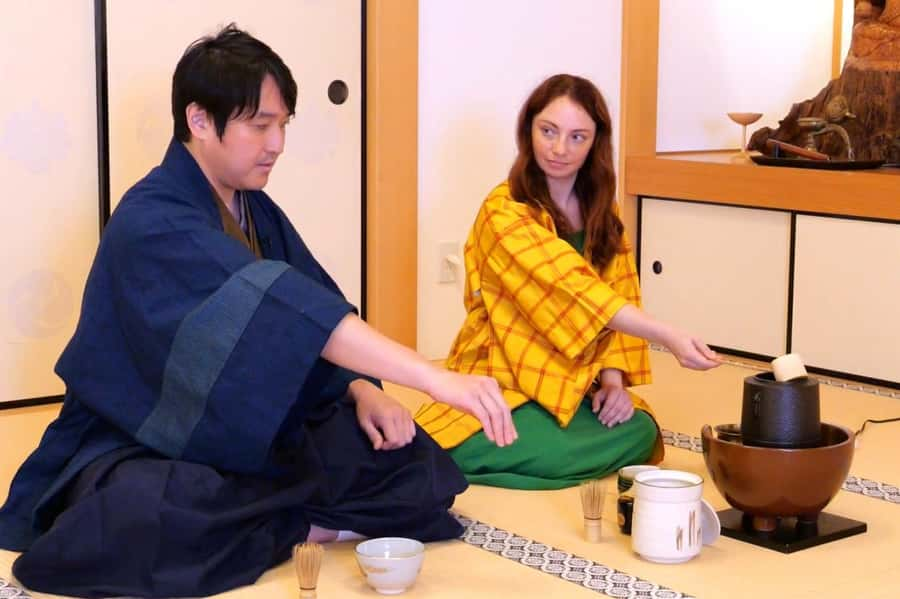
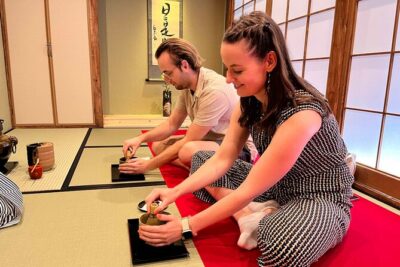
A tea ceremony inside a 1,200-year-old temple gives this Tokyo experience a sense of place that a hotel demonstration cannot match. In a 24-mat tatami room, a kimono-clad tea master explains the tools, movements, and etiquette before guiding you through the ceremony in English or Japanese.
I like the chance to make your own matcha, not simply watch someone prepare it. I also like the quiet, small-group format and the simple pairing of bitter green tea with wagashi, traditional Japanese sweets. The main catch is value: at $74 per person, the experience can feel expensive if your session runs closer to 45 minutes or if you expect kimono dressing to be included.
Key points to know
- A temple setting: The ceremony takes place at Mita Koboji Temple, a historic Buddhist setting in Tokyo.
- Hands-on tea making: You will learn the etiquette and prepare matcha with guidance from the tea master.
- English support: The activity is available in English and Japanese, though the quality of spoken English may vary by session.
- A short cultural experience: Plan on 60 minutes, with one report of a session lasting about 45 minutes.
- Kimono is optional: Traditional kimono and Oshima Tsumugi haori dressing are add-ons, not automatic inclusions.
- Simple refreshments: Matcha and wagashi are provided, but this is not a meal.
Entering Mita Koboji Temple for a quiet hour
The experience begins and ends at Mita Koboji Temple. That makes the meeting point easy to understand, but you will need to plan your own way there because transportation is not part of the activity details.
The temple itself is a key part of the appeal. A tea ceremony can feel abstract when it happens in a modern room. Here, the Buddhist setting and tatami floor help connect the gestures to Japanese tradition. You are not simply tasting matcha. You are learning how a formal host creates calm through careful movement, attention, and hospitality.
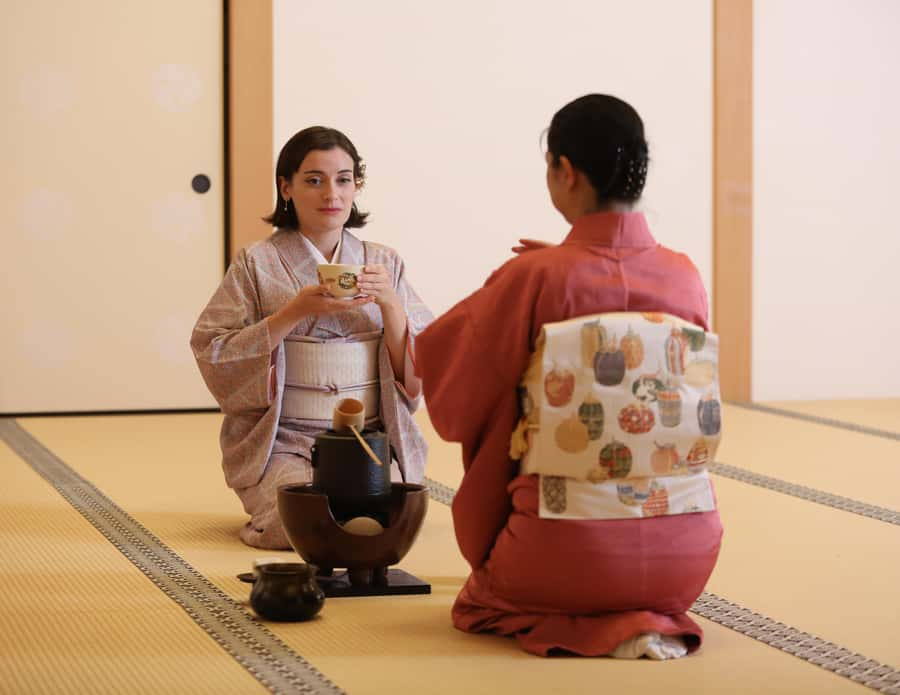
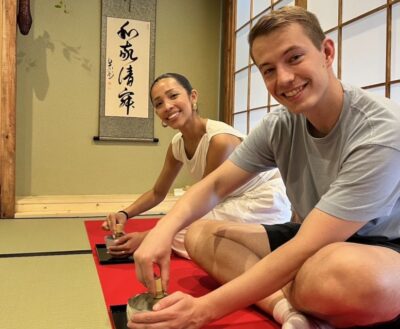
The activity takes place in an authentic 24-mat tatami room. That is a substantial traditional space, yet the ceremony still feels personal because it is private or semi-private rather than a large public show. Remove your shoes if instructed, settle onto the tatami, and expect a more formal room than you might be used to in a standard sightseeing activity.
The setting also means this is not designed as a fast stop between major Tokyo sights. Give yourself enough time to arrive at the temple without rushing. The ceremony depends on quiet attention, and arriving flustered works against what the experience is trying to teach.
More Tea Ceremony Experiences in Tokyo:
- Kimono Tea Ceremony at Tokyo, Asakusa Maikoya
★ 5.0 · 638 reviews - Tokyo: Traditional Tea Ceremony with a Tea Master
★ 5.0 · 528 reviews - Tea Ceremony Workshop in Tokyo by the Experienced Instrucor
★ 5.0 · 189 reviews
Learning the utensils and etiquette before the tea
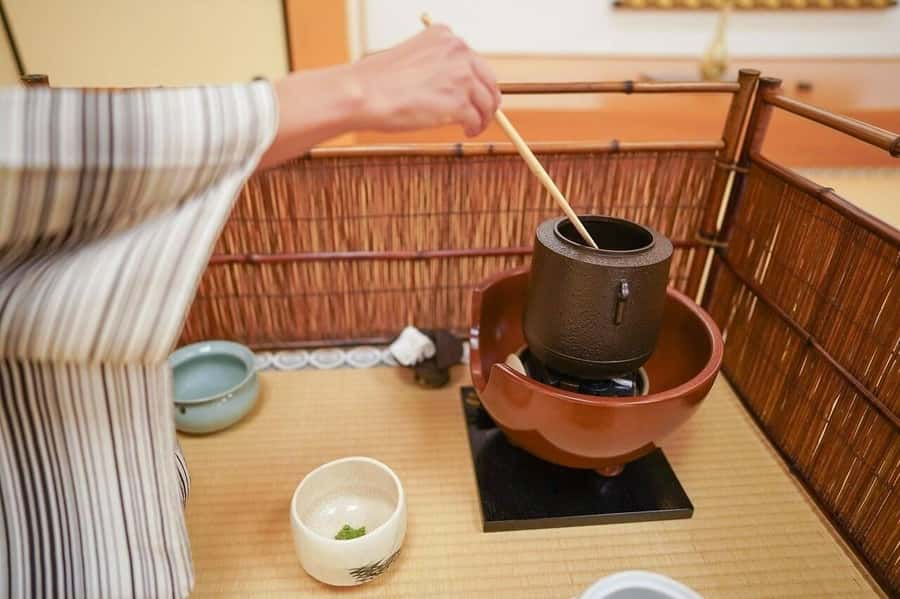
The first part is a lesson. The tea master introduces the basic utensils and explains the behavior expected during the ceremony. You will learn how the tea is prepared, how to receive it, and why each movement matters.
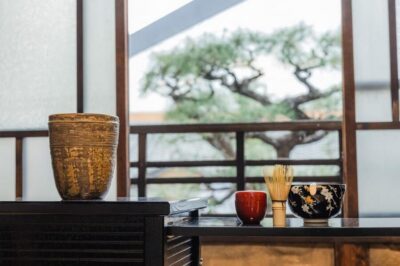
This introduction is valuable for first-time visitors because Japanese tea etiquette can seem mysterious from the outside. A bowl, whisk, scoop, cloth, and sweets are not handled at random. Their placement and use follow a set pattern, and the master helps you follow along instead of guessing.
The explanations are available in English and Japanese. Several sessions have been praised for clear, patient instruction, with one English-speaking host taking time to answer questions about both the tea and the temple. Still, English ability may vary. One participant found the English difficult to follow, so if precise verbal explanation is especially important to you, keep that possibility in mind.
You do not need prior knowledge. The point is not to perform perfectly. The master will guide you through the steps, and the atmosphere is more welcoming than intimidating. A good approach is to watch closely, copy the movements, and ask questions when invited.
Preparing matcha instead of only watching
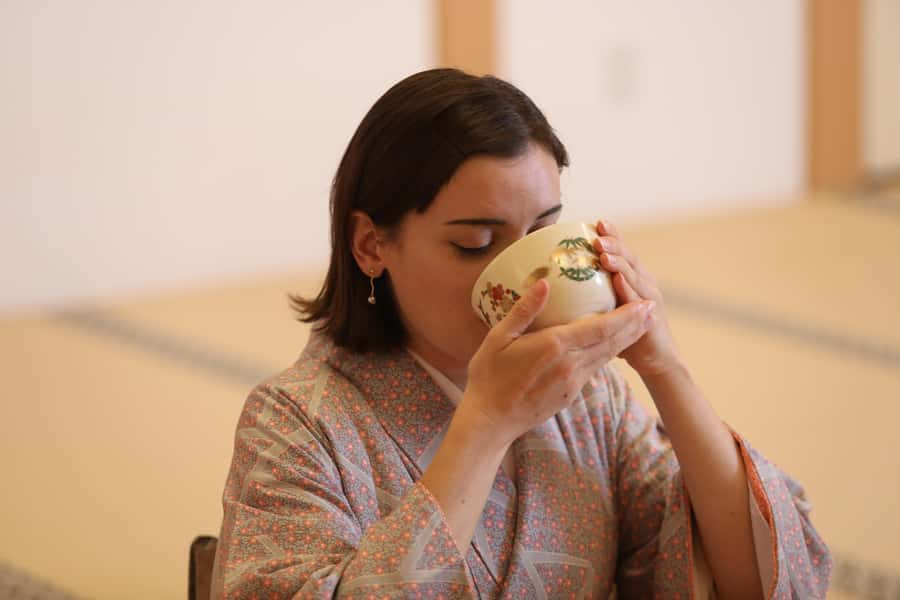
The most engaging part is the hands-on preparation. You will have a chance to make matcha yourself with the tea master’s help. The whisking is simple in principle, but the formal setting makes an ordinary cup of tea feel like a small lesson in focus.
After you prepare your tea, the master makes another serving for you. This gives you two useful views of the ceremony. First, you take part and feel the rhythm of the preparation. Then, you can sit back and watch the practiced version without worrying about your own movements.
The tea is paired with wagashi, traditional Japanese sweets. Their sweetness balances matcha’s sharp, grassy flavor. This is a tasting, not a full snack or meal, so do not arrive expecting lunch. The included food is limited to Japanese sweets, and the drink is matcha green tea.
The ceremony has a calm, measured pace. You will not be hurried from one task to another. That can be a welcome change after Tokyo’s crowded train stations and busy shopping districts. It can also feel slow if you prefer an energetic activity with lots of sightseeing.
Why the temple setting matters
Japanese tea ceremony developed over centuries and was once closely linked with samurai culture and formal hospitality. You do not need a lecture in Japanese history to appreciate the connection, but the background helps explain why the ceremony places such weight on preparation, respect, and controlled movement.
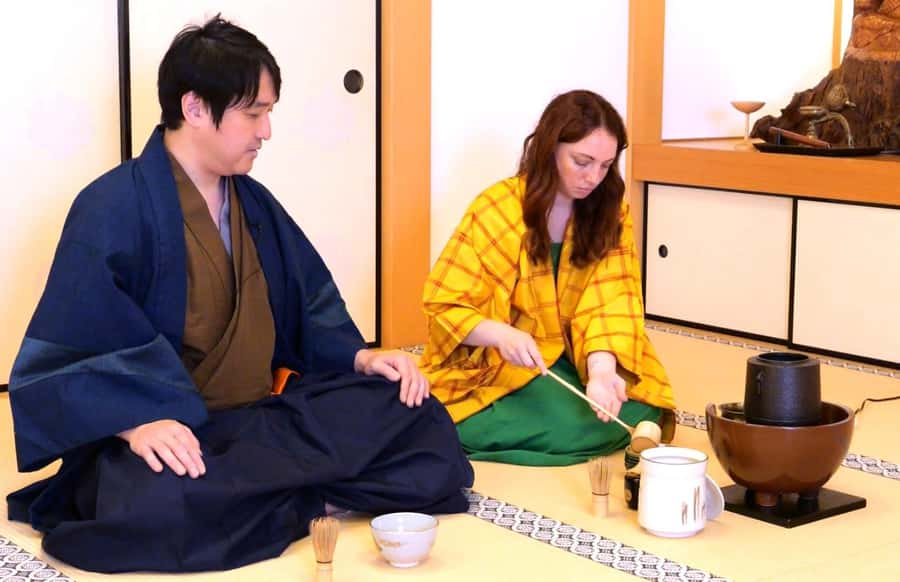
The tea room is not just a pretty backdrop. Its tatami layout, quiet mood, and carefully arranged tools create the conditions for the ceremony. Even a short session can show you how Japanese aesthetics value restraint. Nothing needs to be flashy for the experience to feel special.
I especially like this format for visitors who have already seen Tokyo’s major districts and want one hour devoted to a single cultural practice. It offers a slower look at Japan without demanding a full day or a long trip outside the city.
It is also a good choice if you are curious about Buddhist temples but do not want a lengthy religious tour. The activity takes place in a temple, yet the focus remains tea, etiquette, and sweets. Questions about the temple may be answered, but the ceremony is not presented as a full temple visit.
More Private Experiences in Tokyo:
- Tea Ceremony Experience in a Private Tea Room in Shibuya
★ 4.9 · 125 reviews - Private Mochi・Matcha sweets Making Class Near Shibuya Area
★ 5.0 · 22 reviews - Kamkura: Private Zazen, Matcha at Bamboo Temple & Mindful Cuisine
★ 5.0 · 9 reviews - Private Kimono and tea ceremony at local home near Tokyo Disney
★ 5.0 · 6 reviews
Kimono and Oshima Tsumugi options

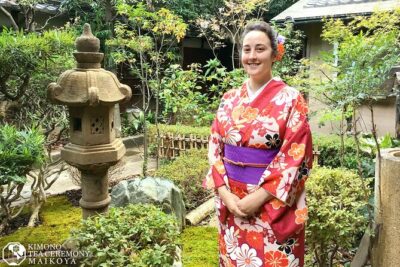
Traditional Japanese clothing is available as an optional add-on. A certified kimono master can dress you over a T-shirt or kimono undergarment, so you do not need to arrive with special clothing or bring equipment.
The rare Oshima Tsumugi haori is another option. This is a luxurious silk textile known for mud-dyed color, kasuri patterns, and a light, supple feel. It offers a more distinctive Japanese clothing experience than a standard costume rental, especially if you care about textile traditions.
The important word is optional. Kimono dressing is not included in the basic tea ceremony price. One participant chose the experience partly because of the photographs shown, then felt disappointed after discovering that trying on a kimono was not part of the standard session.
If clothing is the main reason you are booking, confirm the add-on before paying. Do not assume that a kimono-clad tea master means you will be dressed in a kimono yourself. If you do select the option, it can make the hour more memorable and provide a strong setting for commemorative photographs.
How much value you get for $74
At $74 per person, this is not the cheapest way to try matcha in Tokyo. You are paying for a private or semi-private lesson, an English or Japanese explanation, the temple setting, the tea master’s time, wagashi, and the chance to participate rather than simply observe.
The price makes more sense if you value instruction and atmosphere. Someone who wants to understand the gestures, ask questions, and take part in preparing matcha may find the experience worthwhile. The value is weaker if you mainly want a cup of tea, a quick photo, or a long kimono session.
Duration matters here. The advertised length is 60 minutes, but one participant reported a session of roughly 45 minutes. That does not mean every visit will be shorter, but it is sensible to allow one hour and avoid placing an expensive timed attraction immediately afterward.
The overall rating is 4.1 from 16 ratings, which suggests a generally positive but not flawless experience. The strongest praise focuses on kindness, clear instruction, peace, and the beauty of the ceremony. The sharpest criticism concerns price, duration, and expectations about kimono dressing.
That is a useful pattern. The activity succeeds best when you book it as a focused cultural lesson. It is less convincing if you treat it as a bargain refreshment stop or a kimono photo package.
Who will enjoy this ceremony most
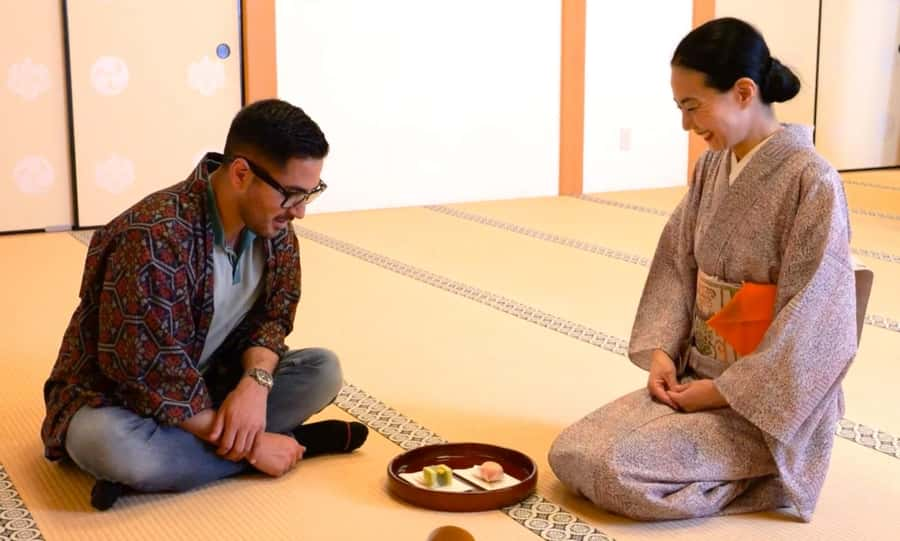
I would recommend this experience to first-time visitors who want a gentle introduction to Japanese customs. You do not need to know anything about tea ceremony beforehand, and the guided format helps you participate without feeling lost.
It suits couples, families with an interest in Japanese culture, and solo visitors who prefer a quiet activity. The private or semi-private setup also works well if you want to ask questions without competing with a large crowd.
It is especially useful for foreign visitors because instruction is available in English. Still, keep your expectations realistic about language. The quality of spoken English may depend on the host, and one session was harder to follow than others.
You may want to skip it if you dislike sitting on tatami, find formal etiquette uncomfortable, or want a long activity with several stops. You should also look elsewhere if your main goal is a full meal, a temple tour, or guaranteed kimono rental included in the base price.
Practical details before you book
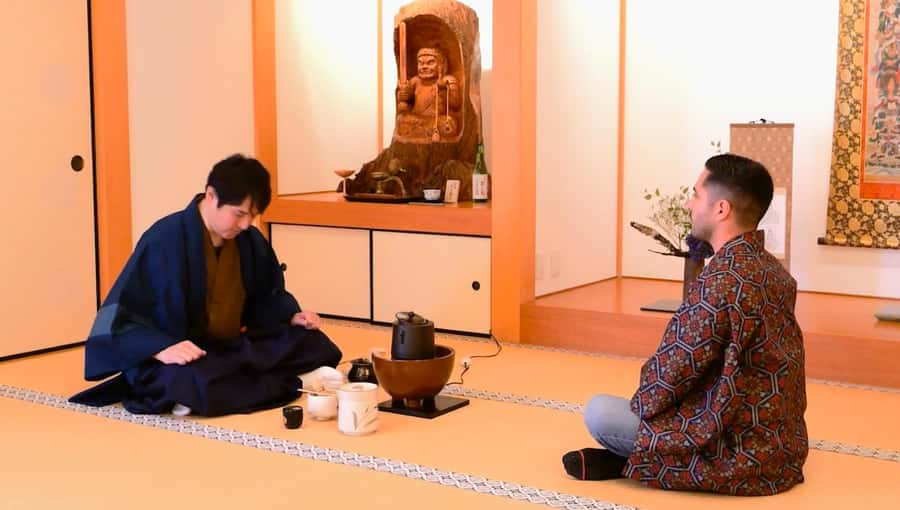
The experience lasts about 60 minutes and returns you to the meeting point at Mita Koboji Temple. Matcha and wagashi are included. Other meals are not.
The activity is offered in English and Japanese. It is described as private or semi-private, which should give you a more personal setting than a large demonstration, though the exact group size is not specified.
You can reserve now and pay later, which helps if you are still arranging your Tokyo schedule. Cancellation is allowed up to 24 hours in advance for a full refund. Check the final booking details carefully, especially if you are adding kimono dressing.
Wear something comfortable. If you choose the clothing option, the kimono master can dress you over a T-shirt or kimono undergarment. Without that add-on, come prepared for a traditional tea lesson rather than a costume experience.
Should you book this temple tea ceremony?
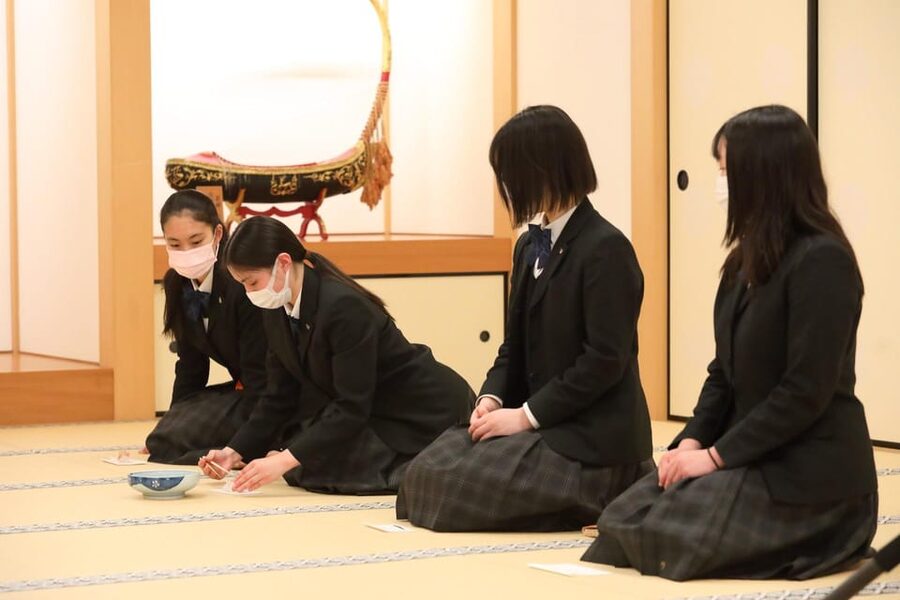
Book it if you want a calm, hands-on look at Japanese culture and are happy to pay for instruction, setting, and atmosphere. The temple room, patient guidance, matcha preparation, and wagashi make a memorable one-hour activity for the right audience.
Think twice if $74 feels high for a short experience, or if you are mainly seeking kimono photographs. In that case, confirm the add-on and the expected duration before booking.
For a first tea ceremony in Tokyo, this is a sound choice when you value participation over spectacle. Go in expecting a formal lesson with sweets, not a meal, full temple tour, or included costume rental. That clear expectation is the difference between a rewarding cultural hour and an overpriced cup of tea.
FAQ
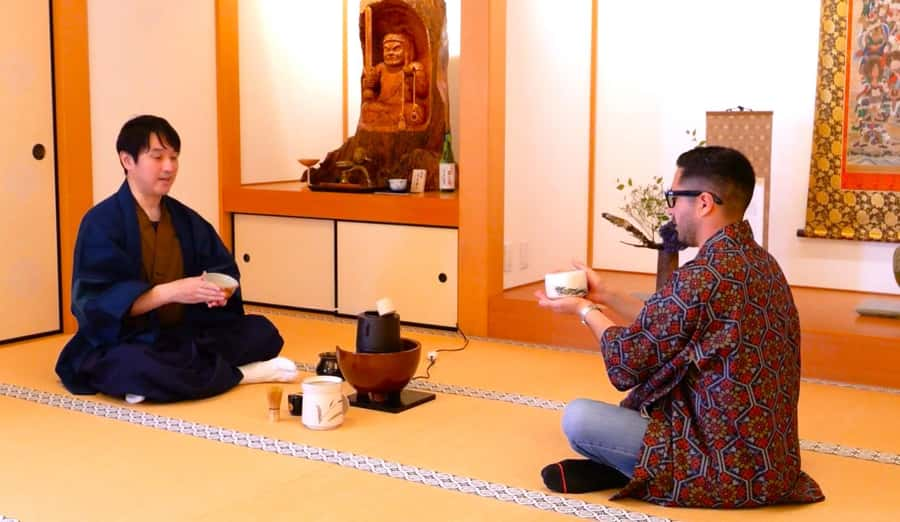
Where does the tea ceremony take place?
It takes place at Mita Koboji Temple in Tokyo, on Honshu, Japan.
How long does the activity last?
The advertised duration is 60 minutes. One participant reported that the session lasted about 45 minutes, so allow roughly one hour and avoid scheduling a tight connection afterward.
What is included in the price?
The experience includes a lecture on tea ceremonies, matcha green tea, and traditional Japanese sweets called wagashi.
Is a full meal included?
No. Matcha and Japanese sweets are provided, but other meals are not included.
Is the ceremony available in English?
Yes. Guided instruction is available in English and Japanese.
Is the experience private?
It is described as a private or semi-private activity. The exact group size is not specified.
Is kimono dressing included?
No. Traditional kimono dressing and the Oshima Tsumugi haori are optional add-ons. The standard tea ceremony price does not automatically include them.
Where does the activity finish?
The ceremony ends back at the meeting point at Mita Koboji Temple.
Can I cancel for a full refund?
Yes. You can cancel up to 24 hours in advance for a full refund.
Just added around Tokyo
- Yokohama : Tea Ceremony with Sweets and Souvenir★ 5.0 · 5 reviews
- Walking Tour: Yanaka,Nezu& Sendagi: Tea Ceremony & Old Tokyo★ 5.0 · 3 reviews
- Private Mochi・Matcha sweets Making Class Near Shibuya Area★ 5.0 · 22 reviews
- 2 Hours Mochi &Nerikiri Making & Matcha Class in Bunkyo★ 5.0 · 21 reviews
- Private Kimono and tea ceremony at local home near Tokyo Disney★ 5.0 · 6 reviews
- Tokyo Sweets Tour: Hidden Gems & Matcha at an Old Tea House★ 5.0 · 6 reviews
- Giant Sushi Cooking Class: Make a 1.5m Sushi Roll in Tokyo★ 5.0 · 9 reviews
- Tokyo Tea Ceremony Class at a Traditional Tea Room★ 5.0 · 2 reviews
Tea Ceremony Experiences, compared.
Tea Ceremony in a Traditional Tea House in Kiyomizu
Read our review →
Browse the lists this tour appears in