
Review · KANAZAWA
Kanazawa: Kenrokuen Tea Ceremony Experience
The best part of this Kanazawa experience is its balance: you watch a formal matcha tea ceremony in a historic room, then get to make the tea yourself. The ceremony is shortened to one hour, so you learn the main customs without committing to the three or four hours of a full tea gathering.
I like the clear English explanations and the chance to ask questions as the tea master works. I also like the pairing of smooth matcha with wagashi from traditional confectioners. The main drawback is easy to miss: the tea room does not look onto the garden, and you must pay the 320-yen Kenrokuen entrance fee separately.
Key points at a glance
- Historic setting: Meet at Kenrokutei, where the Maeda lords once entertained important visitors.
- Watch, then participate: A tea master demonstrates the ritual before you whisk your own matcha.
- English guidance: An English-speaking guide explains the gestures, etiquette, history, and meaning behind the ceremony.
- Traditional sweets: Taste wagashi from established Japanese confectionery shops before drinking the tea.
- One-hour format: You get a practical introduction rather than a full three-to-four-hour tea gathering.
- Plan for garden entry: The activity ticket costs $35 per person, but Kenrokuen admission costs an additional 320 yen.
Why this short tea ceremony works in Kanazawa
Kanazawa is one of Japan’s best places to encounter old arts in a living setting. The city is closely tied to the Maeda family, whose rule helped support craft, gardens, food, and tea culture. Kenrokuen was created as the garden of the Maeda lords, so a tea ceremony here has a useful sense of place.
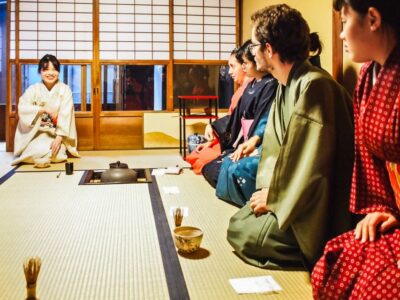
This is not a performance you simply sit and watch from a distance. You see a trained tea master prepare matcha, hear why the movements matter, and then try the process yourself. That last step changes the experience. After attempting to whisk the tea, you have a better sense of the care and control behind the formal preparation.
The one-hour length is another strength. A complete tea gathering can last three to four hours and includes more ceremony, pauses, and formal details. That can be wonderful for a dedicated student of tea, but it may be too much in a busy Kanazawa itinerary. This shorter version gives you the central ideas without taking half a day.
More Tea Ceremony Experiences in Japan:
- Kyoto: Tea Ceremony in a Traditional Tea House in Kiyomizu
★ 4.9 · 3,519 reviews - Kyoto: Tea Ceremony Ju-An at Jotokuji Temple
★ 4.9 · 3,207 reviews - Kyoto: 45-Minute Tea Ceremony Lesson Experience
★ 4.3 · 2,378 reviews
Finding Kenrokutei inside Kenrokuen Garden
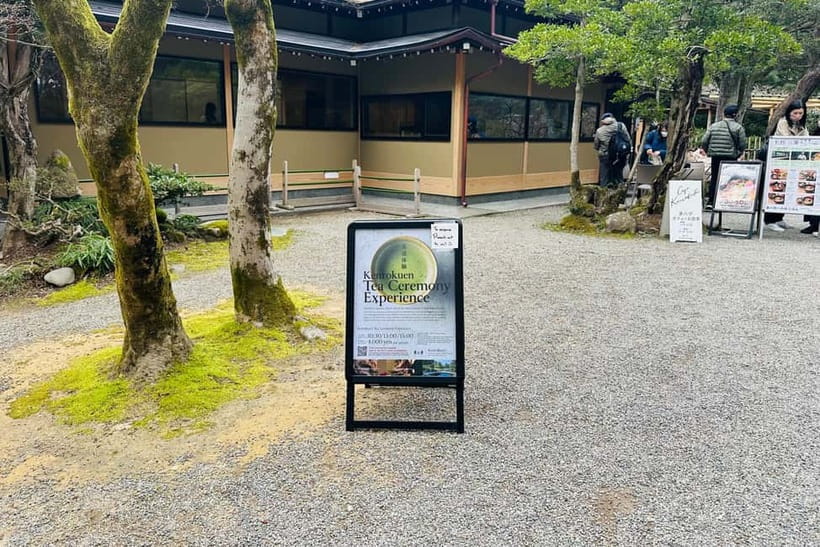
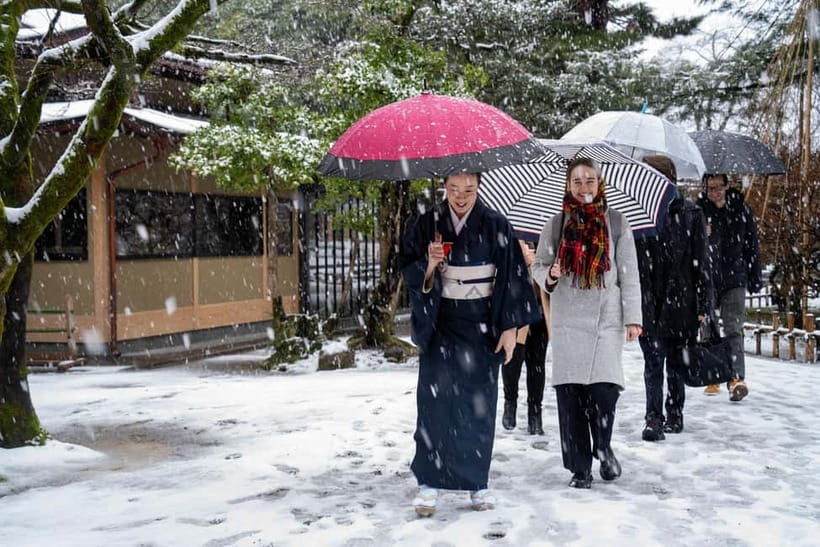
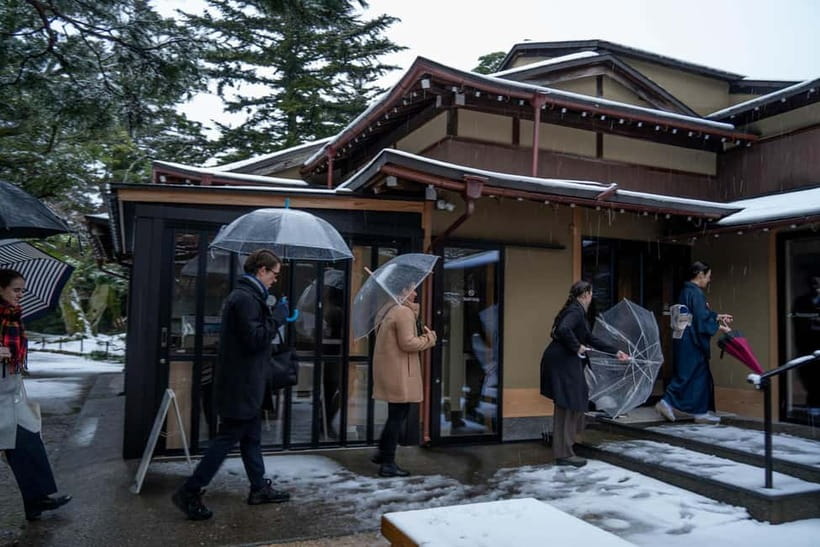
The meeting point is in front of the fountain inside Kenrokuen Garden. Look for the Kenrokutei tea house and its tea ceremony signboard. The instructions say to meet at the shop, not simply somewhere near the outer garden gates, so allow enough time to enter the garden and walk to the fountain.
You need to buy your Kenrokuen ticket before reaching the tea room. Admission is 320 yen and is not included in the $35 activity price. That is a small extra cost, but it matters because the ceremony cannot be reached without entering the garden.
I would plan to visit Kenrokuen either before or after the tea ceremony. The garden is not visible from the formal tea room, so do not book this expecting to sip matcha while looking across the garden. Instead, treat the garden and tea ceremony as two connected parts of your visit: walk among Kenrokuen’s ponds, trees, and carefully arranged paths, then step into the quiet room at Kenrokutei.
The garden ticket is useful beyond the ceremony because it gives you time to explore Kenrokuen properly. A rushed visit can make the tea appointment feel like an interruption. Arrive early, enjoy part of the garden, and then go to the fountain with time to spare.
Kenrokutei and the Maeda connection
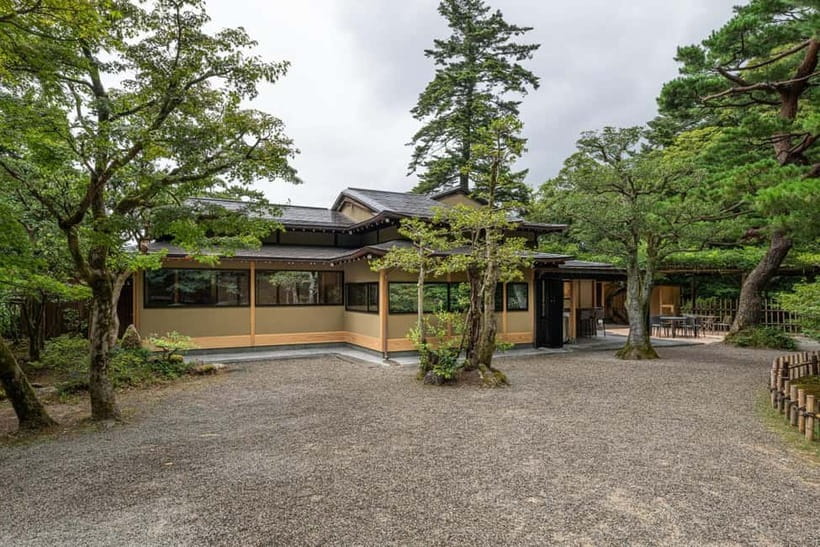
Kenrokutei is described as a historic place where important guests were entertained by Lord Maeda. That detail gives the activity more depth than a generic matcha class in a modern shop.
You are not only learning how to whisk powdered tea. You are sitting in a place associated with the people who shaped Kanazawa’s culture. The guide begins with historical background and an explanation of the way of tea, helping you understand that the ceremony is built around attention, respect, cleanliness, and carefully ordered actions.
The setting also explains why the room is intentionally separated from outside views. A formal tea room is designed to focus your attention on the host, the utensils, the sweets, and the tea. You may miss the garden view, but you gain a quieter space for the ritual itself.
The experience takes place alongside other groups, so you should expect a shared activity rather than a private lesson. The organizers ask participants to keep quiet and let everyone follow the ceremony. That is a fair trade for the $35 price, but visitors looking for a completely private or highly customized lesson should request a private booking in advance.
Watching the tea master work
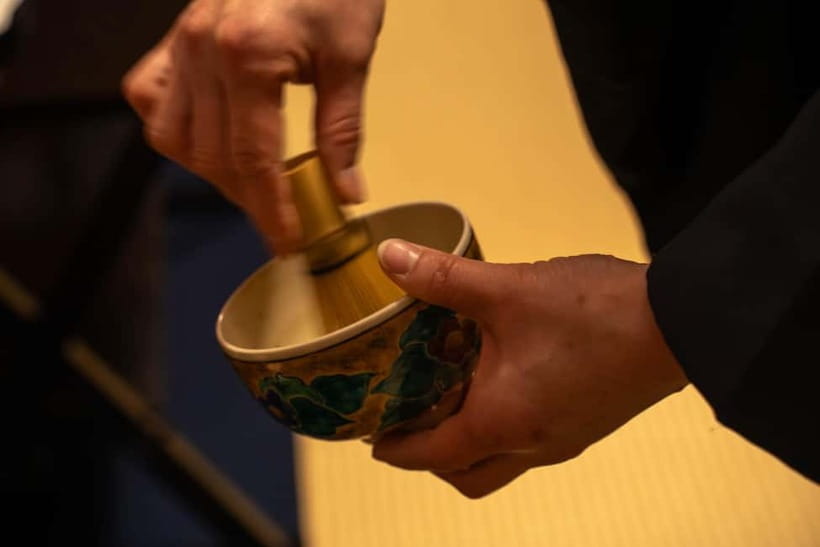
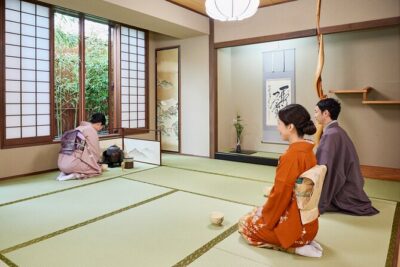
The central part begins with the tea master carrying out the ceremony. An English-speaking guide explains what is happening before and during the demonstration, including how to behave and when to follow each instruction.
Pay attention to the small movements. The host handles the bowl, scoop, whisk, and other items with deliberate care. The point is not speed. Each action has a place, and the guide explains the meaning behind the gestures instead of asking you to copy a set of unexplained motions.
The ceremony is quiet and measured. Several people have found the atmosphere calming, and that makes sense. The structure asks you to stop checking the clock, watch one action at a time, and focus on the bowl in front of you.
The English support is particularly useful here. Guides such as Nana and Océane have been praised for making the process easy to follow, while other sessions have included friendly English-speaking hosts who answer questions before, during, and after the ceremony. Guides can vary by session, so do not assume a particular person will be present, but you can expect instruction in English.
The lesson is not only about making a pleasant drink. You learn that tea ceremony etiquette includes how to sit, how to receive the bowl, how to appreciate the sweets, and how to conduct yourself in a shared formal room. You do not need prior knowledge, and you are not expected to perform perfectly.
A few more tea experiences around Japan worth a look
- Osaka: Tea Ceremony Experience
★ 4.9 · 1,426 reviews - Kyoto: Table-Style Tea Ceremony at a Kyo-Machiya
★ 4.9 · 1,211 reviews - Kimono Tea Ceremony at Kyoto Maikoya, NISHIKI
★ 5.0 · 911 reviews - Tea Ceremony Experience in Osaka Doutonbori
★ 5.0 · 754 reviews
Wagashi first, matcha second
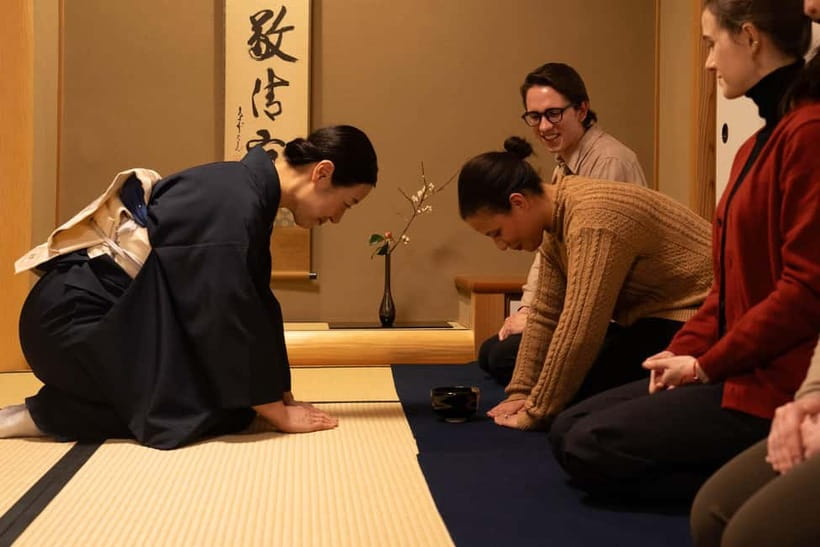
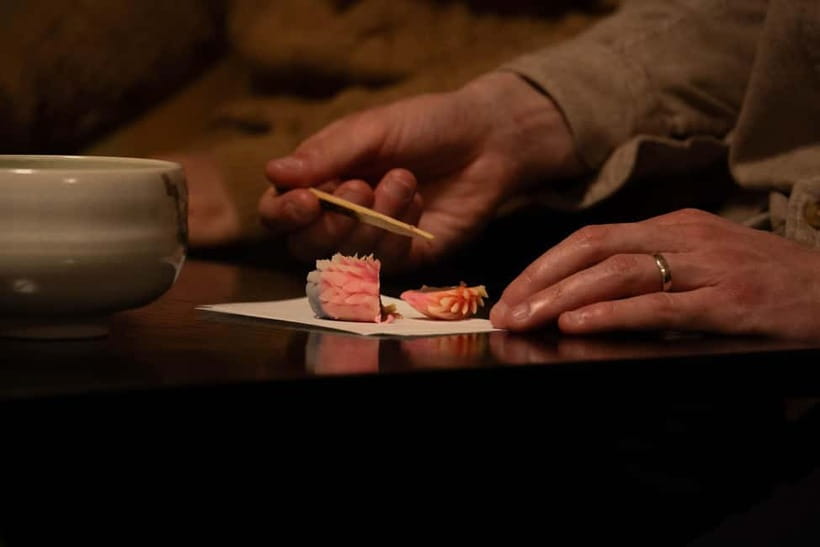
The sweets are an important part of the experience, not a decorative extra. You taste wagashi made by traditional confectioners before drinking the matcha.
Wagashi are often carefully shaped and balanced in sweetness. Here, the sweet prepares your palate for the stronger, slightly bitter taste of matcha. That contrast is part of the ceremony’s rhythm, and it makes the tea easier to appreciate if this is your first time trying it.
The confectionery connection also gives the tasting a local character. You are not simply receiving a packaged snack chosen for convenience. The activity includes sweets from renowned traditional shops, and the quality of the wagashi helps make the tea course feel complete.
If you have tried matcha elsewhere and found it harsh, give this preparation a fair chance. Several participants particularly liked the tea’s smooth, balanced taste when paired with the wagashi. Preferences vary, of course, but the sweet is there for a reason. Eat it as instructed, then take the tea, rather than treating the two as unrelated samples.
Making your own bowl of matcha
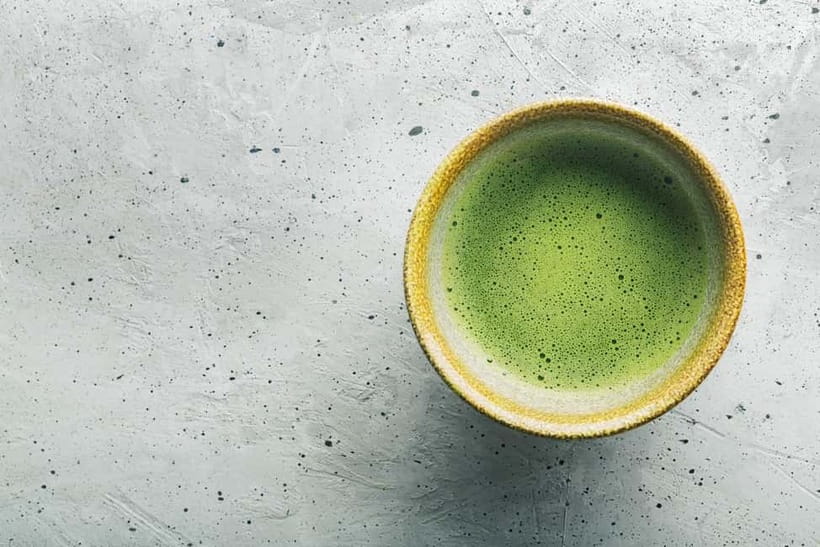
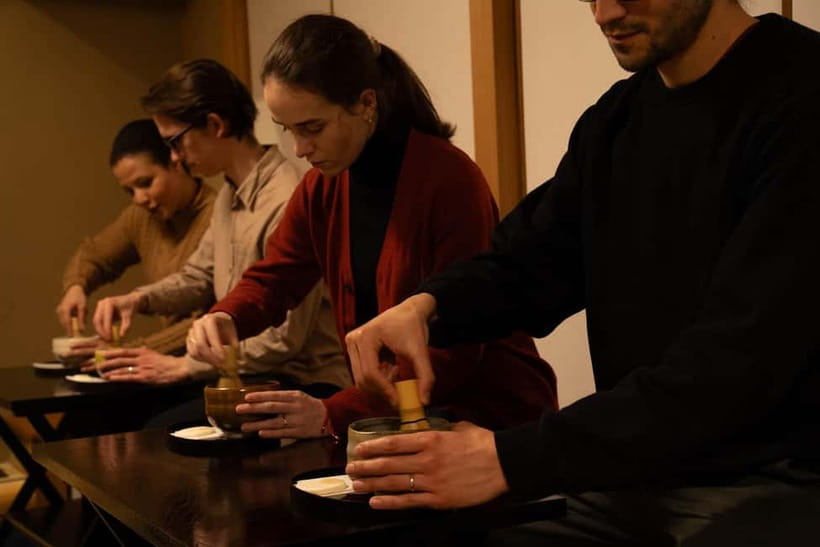
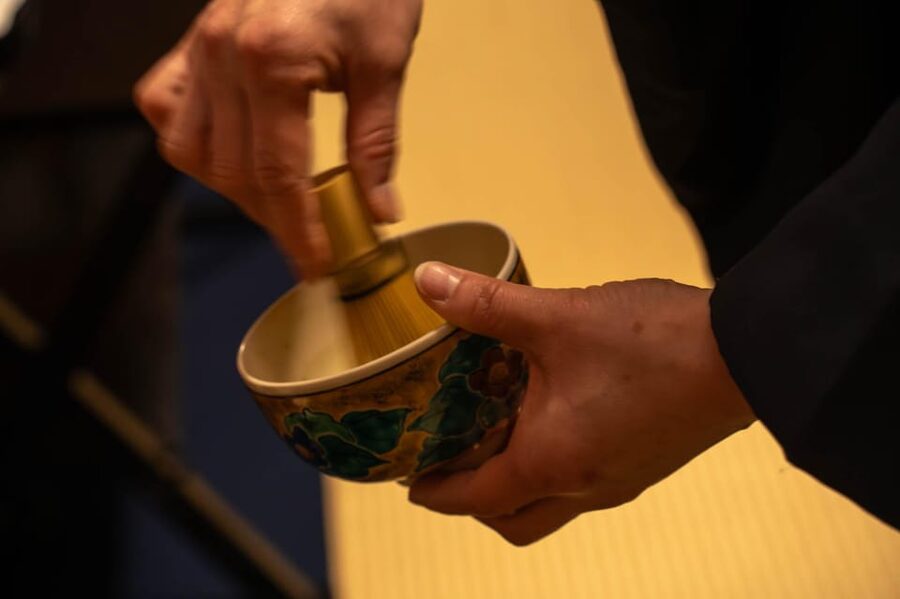
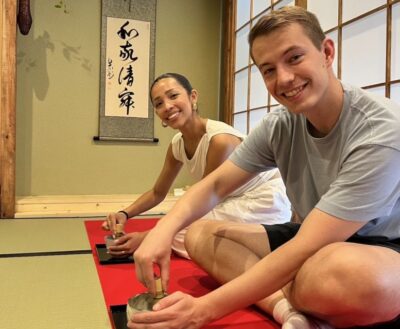
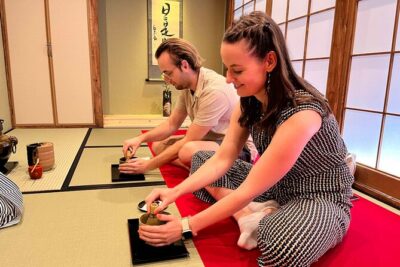
After watching the master, you get to prepare matcha yourself with guidance. This is the most hands-on part and often the most memorable.
You will see that making matcha is simple in theory but harder to do neatly. The whisking motion requires control, and it takes practice to create the right texture. You are not left to guess. The guide demonstrates the process and helps you through it, so a first attempt can be enjoyable rather than stressful.
Do not worry about producing a perfect bowl. The value is in trying the method and understanding the work involved. Once you have whisked your own tea, you can watch the tea master’s technique with sharper eyes.
This section also makes the activity suitable for people who prefer doing rather than only observing. Couples, families with older children, and first-time matcha drinkers can all take part, provided they can remain quiet and follow the formal instructions.
The activity includes a photograph, and you are allowed to take pictures to remember the occasion. Be considerate about timing and noise. The ceremony is meant to remain calm, and the room may contain more than one group.
Sitting, age limits, and group manners
The ceremony normally uses mats and floor seating. If kneeling or sitting on the floor is difficult, you can request a chair. Make that request ahead of time or when you arrive so the host can prepare.
The supplied information contains two age references: one says participants must be at least seven, while the practical restriction says the activity is not suitable for children under eight. For planning purposes, treat eight as the safe minimum and confirm the rule when booking if you are traveling with a seven-year-old.
This is not a loud, drop-in attraction. The organizers ask everyone to help keep the room quiet and pleasant. Children who can sit still, listen, and follow instructions may enjoy the hands-on tea preparation. Very young children are not a good match for the setting.
Punctuality matters. Arriving more than ten minutes after the start time can result in cancellation of the reservation. Since you must first enter the garden and find the fountain, do not cut the timing close.
If you need translation from English into another language, arrange a private reservation by email. The standard activity is conducted in English, and additional translation during a shared session could interrupt the experience for other participants.
What the $35 price really buys you
At $35 per person, the value is strongest if you want cultural context rather than just a cup of matcha. Your fee includes the tea ceremony, sweets, guided explanations, the chance to make your own tea, and a photograph.
The price does not include Kenrokuen admission, so add 320 yen per person. Even with that extra cost, the activity is reasonably priced for a structured cultural lesson in one of Kanazawa’s most important historic settings.
You are also paying for the English interpretation. Without it, you could admire the movements but miss the meaning behind them. The guide helps connect the history, etiquette, tools, and gestures, which is what turns a demonstration into a lesson.
The price is less compelling if you only want to sample matcha quickly. You can find tea elsewhere in Japan for less, and the garden entry adds a separate charge. Book this for the setting, teaching, and participation, not simply for the beverage.
Free cancellation up to 24 hours ahead and the reserve-now, pay-later option make it easier to fit into a changing itinerary. The key practical rule is still the ten-minute late limit once your start time arrives.
Who should book this experience
I would recommend it to first-time visitors who want a manageable introduction to Japanese tea culture. You receive enough explanation to understand the ceremony, but the session does not demand the time or formal commitment of a full tea gathering.
It also suits people who enjoy gardens, craft, food, and history in one stop. The connection to Lord Maeda and Kenrokuen gives the ceremony a stronger local setting than an activity detached from Kanazawa.
This is a good choice for solo visitors and couples because the guide can answer questions and the ceremony provides a calm change of pace. It also works for older children who can respect the quiet room and take part in the preparation.
I would hesitate if you need a private session, want a garden view during the tea, or dislike floor seating. Those concerns are manageable: request a private booking, remember that the room faces away from the garden, and ask for a chair. Still, it is better to know the limits before paying.
My practical verdict
Book this if you want to understand what you are seeing when you encounter tea ceremony elsewhere in Japan. The strongest features are the English instruction, the respected wagashi, the historic Kenrokutei setting, and the chance to prepare your own matcha.
Plan your garden visit around the appointment, arrive early, and budget for the separate 320-yen admission. With those details handled, this one-hour experience gives you a calm, useful, and hands-on look at an important part of Kanazawa culture.
FAQ
How long does the Kanazawa tea ceremony last?
The activity lasts one hour. It covers the demonstration, explanations, wagashi, and your chance to prepare matcha.
How much does the experience cost?
The listed price is $35 per person. Kenrokuen Garden admission costs an additional 320 yen per person.
Is Kenrokuen Garden admission included?
No. You must pay the 320-yen garden entrance fee separately to reach Kenrokutei.
Where do I meet the guide?
Meet in front of the fountain inside Kenrokuen Garden, at the Kenrokutei shop. Read the tea ceremony signboard there for entrance information.
Is the tea ceremony conducted in English?
Yes. The activity includes an English-speaking instructor and English explanations.
Can I make my own matcha?
Yes. After watching the tea master, you will receive help preparing your own matcha.
Are sweets included?
Yes. Wagashi from traditional confectionery shops are included in the experience.
Can I take photographs?
Yes. Photography is allowed, and a photograph is included. Keep noise and movement limited so the ceremony remains quiet for the group.
Is the ceremony suitable for children?
The information says the activity is not suitable for children under eight. Another note refers to a minimum age of seven, so confirm the rule when booking if your child is seven.
Can I use a chair instead of sitting on the floor?
Yes. You can request a chair if sitting on the floor or kneeling is difficult.
What happens if I arrive late?
If you arrive more than ten minutes after the scheduled start time, the reservation may be canceled. Allow time to pay the garden entrance fee and find the fountain inside Kenrokuen.
Just added around Japan
- Yokohama : Tea Ceremony with Sweets and Souvenir★ 5.0 · 5 reviews
- Whisk Your Own Matcha: A Zen Matcha Experience at Temple★ 3.6 · 7 reviews
- Walking Tour: Yanaka,Nezu& Sendagi: Tea Ceremony & Old Tokyo★ 5.0 · 3 reviews
- Visit local home for music and tea ceremony near Disney★ 4.9 · 13 reviews
- Yokohama: Sushi & Gyoza Cooking with Matcha & GreenTea Experience★ 5.0 · 3 reviews
- Trip to Kamakura & Enoshima: Shrines, Seaside, Temples &Tea★ 5.0 · 11 reviews
- Kyoto tea town for matcha lovers★ 5.0 · 16 reviews
- Uji: Private immersion into Kyoto’s tea and reglious culture★ 5.0 · 17 reviews
Tea Ceremony Experiences, compared.
Tea Ceremony in a Traditional Tea House in Kiyomizu
Read our review →
Browse the lists this tour appears in