
Review · JAPAN
Nagasaki: Explore Japanese Teas on a Tea Tour
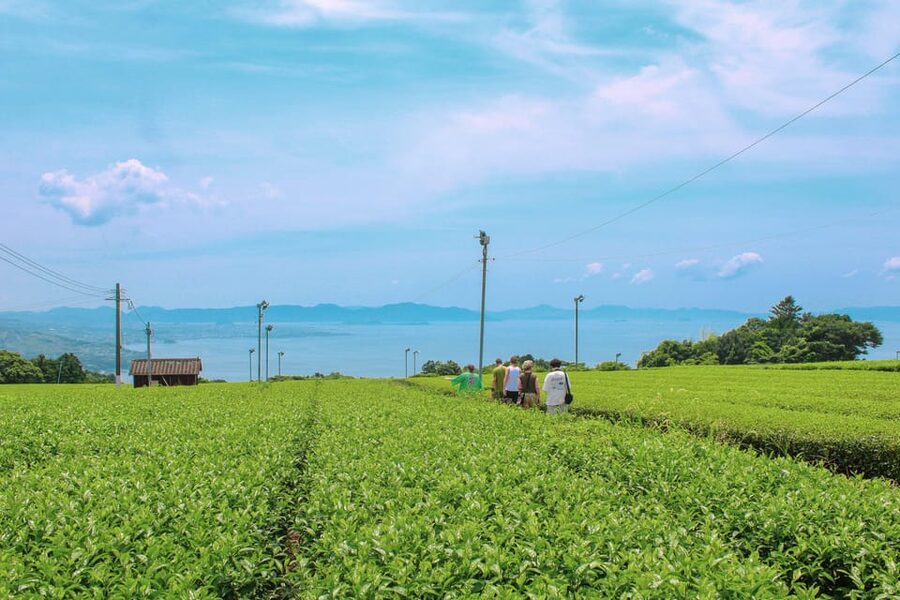
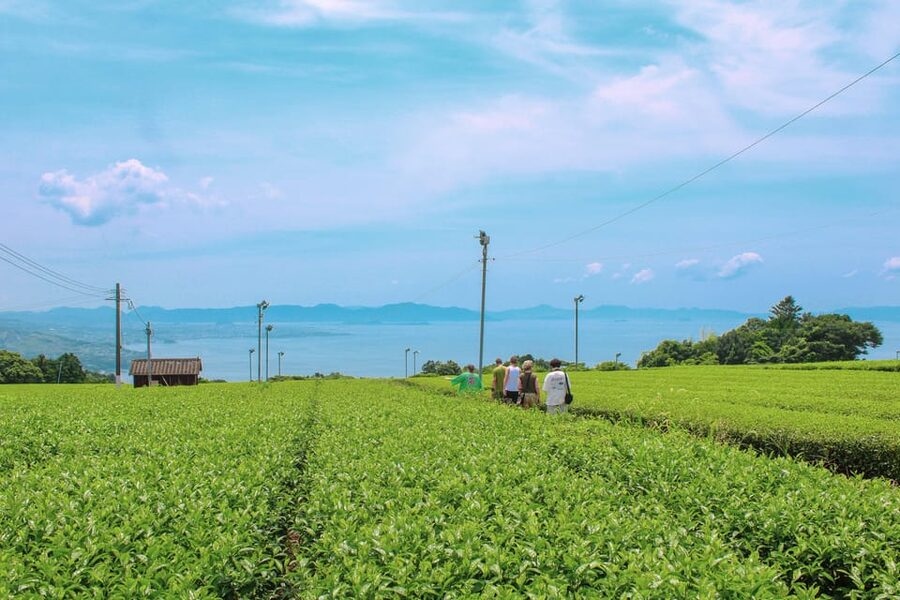
Nagasaki’s tea story comes alive in Sonogi, where neat rows of tea plants run toward views of Omura Bay. This small-group tour combines scenery, tasting, a factory visit, and hands-on brewing, so you learn by doing rather than simply watching. I especially like the chance to compare six very different Japanese teas and then make Tamaryokucha and Matcha yourself.
I also like the human scale. The group is limited to four, and guide Marjolein brings clear enthusiasm for the subject, along with practical tips for making better tea. The main consideration is time: at $132 per person for four hours, this is a specialist experience, not a quick sightseeing stop. It suits you best if tea and local food matter as much as famous landmarks.
Key points at a glance
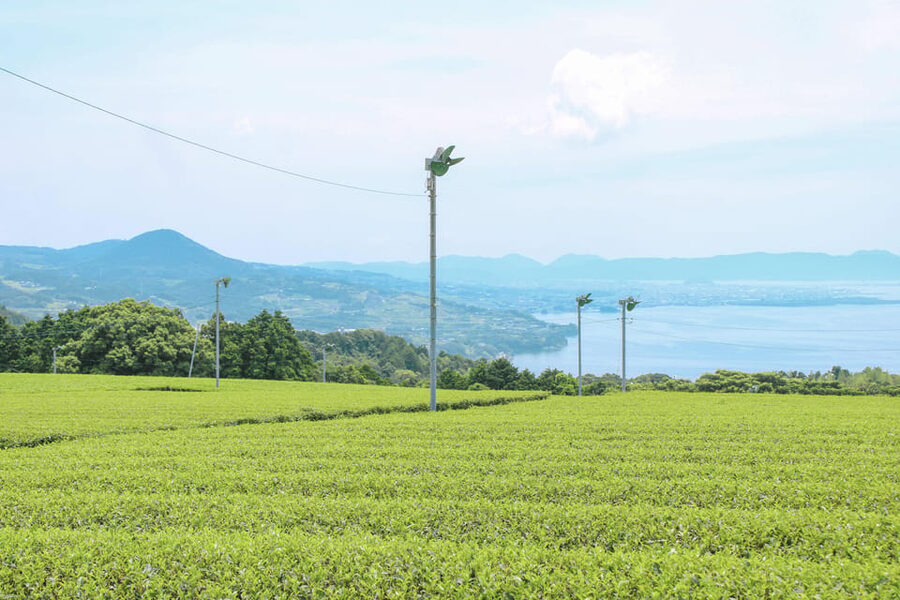
- Sonogi’s tea fields: Enjoy broad views across green tea fields toward Omura Bay.
- Six or more tea styles: Taste Tamaryokucha, Shiraore, Houjicha, Wakoucha, Matcha, and other local specialties.
- A working tea factory: See where Sonogi’s curly steamed green tea is produced.
- Hands-on preparation: Brew Tamaryokucha and whisk Matcha instead of only drinking finished cups.
- A full local meal: Lunch and traditional seasonal Japanese sweets are included.
- A genuinely small group: With space for no more than four people, questions and conversation come easily.
Why Sonogi belongs on a Nagasaki tea itinerary
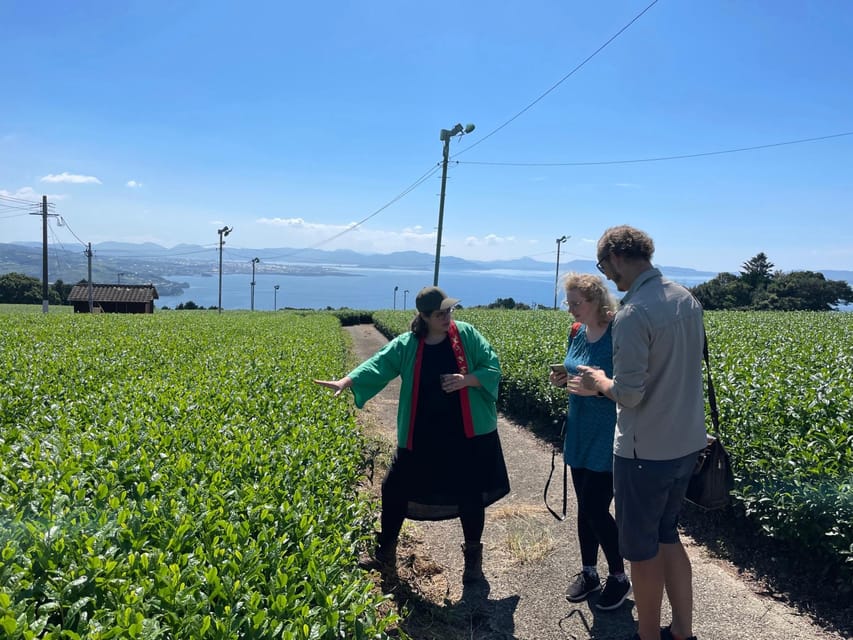
Nagasaki is often linked with international trade, port history, and its difficult wartime past. Sonogi offers another way into the region: through the plants, methods, and daily work behind Japanese tea.
You will not be visiting a polished city attraction with tea added as a theme. The focus is the tea-producing area itself. That matters because flavor makes more sense when you see where the leaves grow and how they are handled after picking.
The setting is one of the strongest reasons to make the trip. Sonogi’s tea fields look across Omura Bay, giving you an open view that contrasts with Nagasaki’s tighter urban streets and hills. I like this kind of outing because it gives your trip a change of pace. You get fresh air, quiet scenery, and a better sense of the countryside connected to the city.
The tour lasts four hours. That is long enough to explore several stages of tea production without taking over your entire day. It is also a useful length for anyone who wants a focused experience rather than a broad regional excursion.
A few more tea experiences around Japan worth a look
- Kyoto: Tea Ceremony in a Traditional Tea House in Kiyomizu
★ 4.9 · 3,519 reviews - Kyoto: Tea Ceremony Ju-An at Jotokuji Temple
★ 4.9 · 3,207 reviews - Kyoto: 45-Minute Tea Ceremony Lesson Experience
★ 4.3 · 2,378 reviews
Six teas, six different personalities
The tasting is more than a chance to drink several cups of green tea. It gives you a useful introduction to how Japanese tea can change in color, aroma, mouthfeel, and strength.
Tamaryokucha is the local star. The name refers to its curled, comma-like leaf shape, and the Sonogi area is known for producing it by steaming the leaves. The style is often called steamed curly green tea, which helps explain what you are looking at in the cup and in the dry leaves.
Shiraore offers a gentler contrast. It is a twig tea with a mild character, so it can be a good reset after stronger or more vegetal cups. Houjicha brings another clear change. Roasting the tea creates a deeper, toasted profile, making it unlike the fresh green notes associated with many Japanese teas.
Wakoucha is Japanese black tea. That alone makes it useful in a tasting, since it shows that Japan’s tea production is not limited to green tea. Matcha takes you in another direction again. Because it is finely ground, you drink the powdered leaf rather than steeping and removing it.
You may also taste additional local teas. The selection makes this tour useful for beginners because you can compare styles side by side. If you already drink Japanese tea, you still get the pleasure of finding differences that are easy to miss when each tea is tasted weeks apart.
Traditional seasonal Japanese sweets are included. They are not just a snack between activities. Sweet foods help clear the palate and make subtle tea flavors easier to notice. For many people, this will be one of the most pleasant parts of the tasting.
A tea factory gives the tasting some context
A factory visit can sound less exciting than a garden or a scenic viewpoint, but here it fills an important gap. Tea does not arrive in your cup straight from a field. The leaves must be processed, shaped, dried, and prepared for sale.
At the local factory, you will see where Tamaryokucha is produced. The visit helps connect the curled leaves in your cup with the work that gives them their form. It also gives you a clearer idea of why a regional specialty tastes and looks different from another Japanese tea.
I appreciate that this stop is part of the experience rather than an optional add-on. A tasting alone can leave you with a list of names. A factory visit gives those names a physical setting and a production story.
The exact factory sequence is not specified, so you should not expect a guaranteed demonstration of every stage or active machinery during your visit. Still, the value is clear: you are seeing tea production in the area where the specialty is made, not only hearing a general explanation in a classroom.
Brewing Tamaryokucha, then whisking Matcha
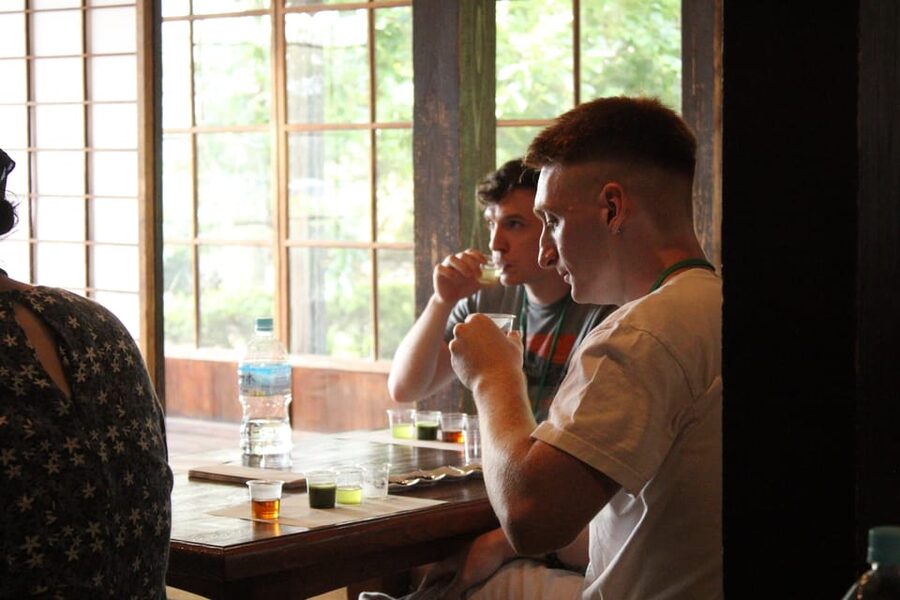
The hands-on section is where the tour becomes especially practical. You will brew Tamaryokucha yourself, using guidance on how to prepare a good cup. This gives you a chance to notice how brewing choices affect the final drink.
The point is not to turn you into a tea professional in one sitting. It is to show you that tea preparation is not a single fixed routine. Water, timing, and handling can change the result. Marjolein is described as offering useful tips for making tea taste better, and that kind of instruction is easy to carry home.
Matcha provides a different task. Instead of steeping leaves, you whisk finely ground tea into water. The movement, texture, and preparation feel different from Tamaryokucha, so the two activities work well together.
I would pay attention here and take notes if you are serious about tea. The tour gives you a practical chance to ask questions in English, and with no more than four participants, you should have more room to try the method yourself. This is also the portion most likely to appeal to families or couples who want an activity rather than a lecture.
The tour is conducted in English. That makes it a useful choice if you want more than a silent tasting but do not speak Japanese well enough to follow technical explanations.
Same place, a different pot:
- World Heritage Kyoto & Nara Uji Authentic Matcha Experience
★ 5.0 · 1,573 reviews - Osaka: Tea Ceremony Experience
★ 4.9 · 1,426 reviews - Kyoto: Table-Style Tea Ceremony at a Kyo-Machiya
★ 4.9 · 1,211 reviews - Kanazawa: Kenrokuen Tea Ceremony Experience
★ 4.8 · 1,139 reviews
Lunch makes this more than a tasting stop
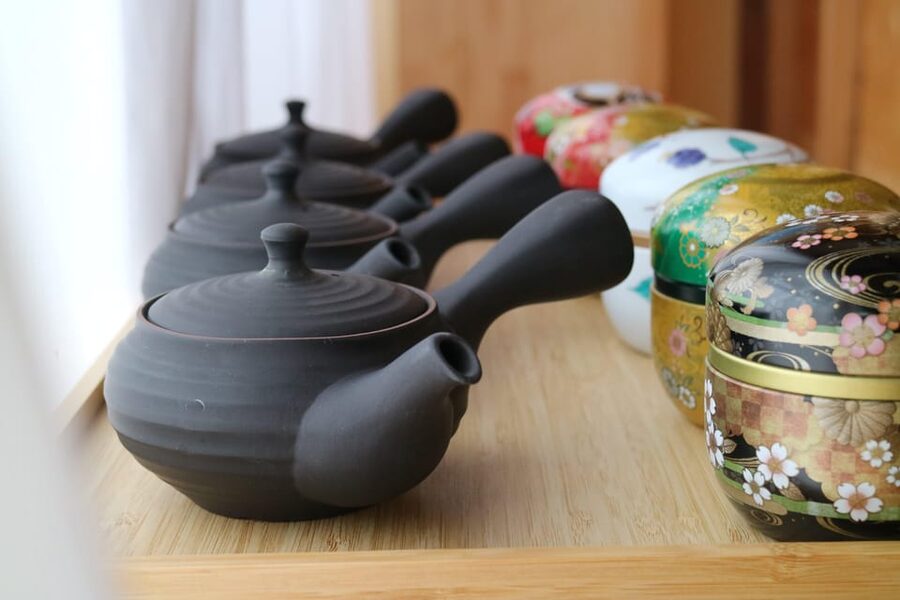
Lunch at a nearby restaurant is included, along with seasonal Japanese sweets. The meal matters because it gives the four-hour outing a proper pause and adds a local food element to the tea focus.
The supplied information does not specify the exact restaurant or menu, so you should not book this expecting a particular dish. You can, however, inform the provider in advance about allergies or dietary restrictions. Do that before the tour, not when you sit down to eat.
The meal also helps with value. At $132 per person, you are paying for a guided, small-group experience with multiple tastings, instruction, a factory visit, scenery, lunch, sweets, and taxes included. That is a different calculation from paying for one tea ceremony or one farm visit.
Tea purchases are optional. If you find a favorite Tamaryokucha or another style during the tasting, you can buy tea, but there is no requirement to purchase anything. I like that separation because it keeps the tasting focused on learning rather than sales.
What the small group changes
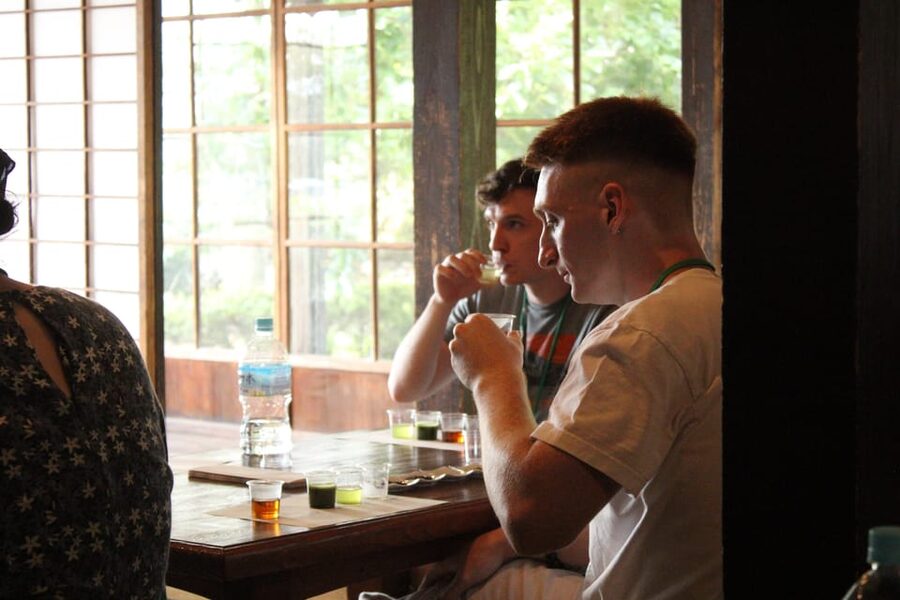
The group limit is four people. That is a major practical advantage for this kind of subject.
Tea tasting works better when you can ask why one cup is pale and another is roasted, or how brewing time changes a tea. In a large group, those questions can get lost. Here, the format should feel closer to a guided lesson with an outing attached.
A small group also helps during the brewing practice. You are not simply watching a demonstration from the back of a room. You have a better chance to handle the tea and receive direct corrections or suggestions.
There is one tradeoff. Small-group tours have less flexibility if you prefer to remain anonymous or move at your own pace. The experience is built around conversation and participation. If you want a private hour in the fields with no instruction, this is not the right format.
Past bookings have ranged from a full group to a solo participant, so the experience can work in either setting. If you are alone, you may receive especially direct attention. If you are traveling with family, the four-person limit can keep the outing personal.
How the $132 price measures up
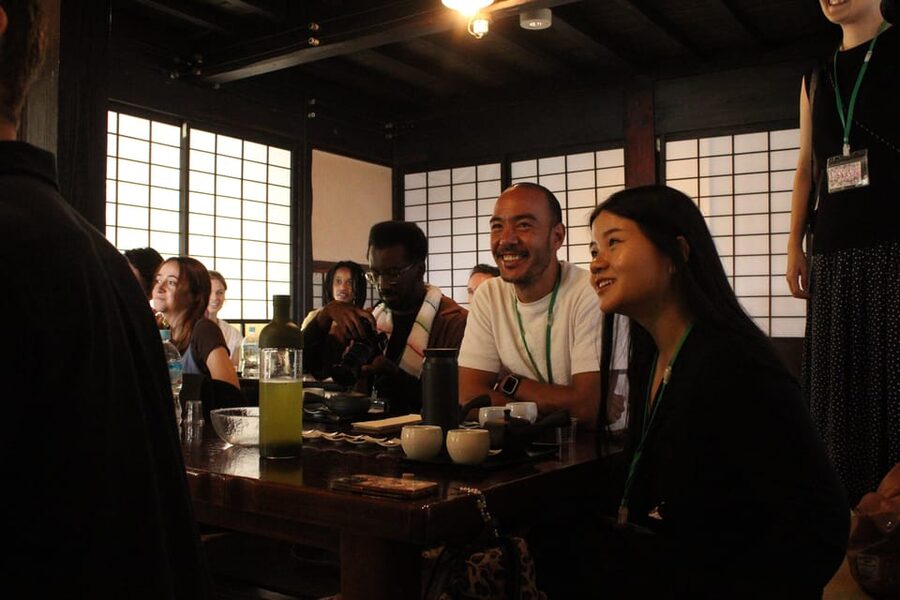
The price is not low, but it is easier to understand when you count what is included. You receive four hours with an English-speaking guide, a visit to Sonogi’s tea fields, a factory stop, several tastings, seasonal sweets, lunch, hands-on preparation of two teas, and all fees and taxes.
The strongest value comes from the combination. You are not paying only for a meal, only for a view, or only for a tasting. Each part supports the next: the fields show the growing area, the factory shows production, the tasting shows the finished styles, and the brewing section gives you a skill to take home.
You can also buy tea if you wish, but those purchases are optional. That means the advertised price does not depend on you spending more at the end.
I would not recommend this tour to someone who simply wants the cheapest way to see rural scenery. It is better value for you if you care about Japanese food and drink, prefer smaller groups, and want an English explanation of what you are tasting. For a tea enthusiast, the price is easier to justify than for someone who sees tea as a minor part of a Nagasaki trip.
Who will enjoy this outing most
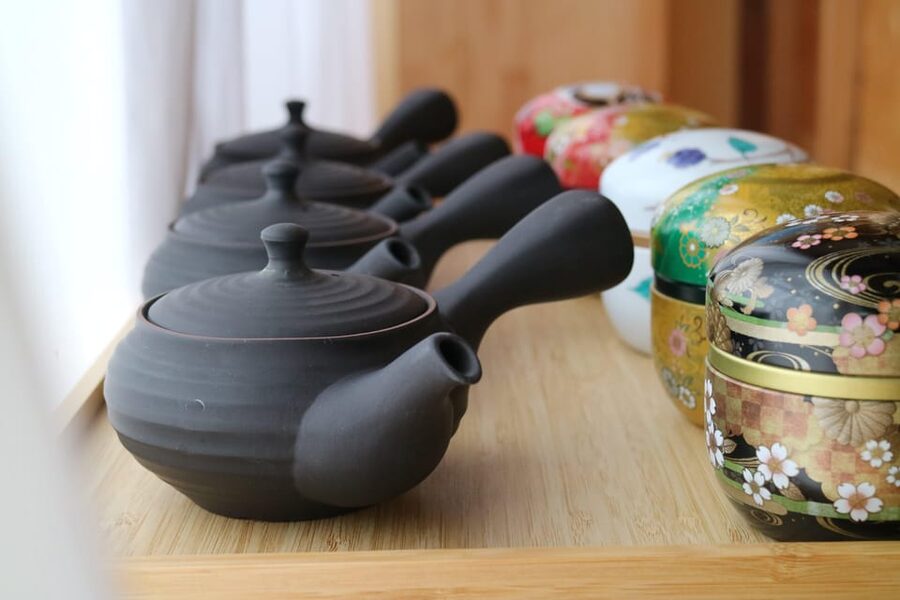
This is a strong pick for anyone curious about Japanese tea but unsure where to begin. The range of styles gives you a clear starting point, while the guide’s brewing advice keeps the experience practical.
It also suits people who have already visited the main sights in Nagasaki and want a quieter half-day beyond the city. The fields and bay view offer a welcome change from urban sightseeing without requiring you to build an entire rural itinerary from scratch.
Families can appreciate the active parts, especially brewing Tamaryokucha and whisking Matcha. The small group also helps parents ask questions and keep the pace manageable.
Food-focused visitors should consider it too. Lunch, sweets, and tea belong together here, and the tasting gives you a better sense of how Japanese food culture uses contrast, texture, and seasonality.
This is less suitable if you dislike scheduled tastings, do not want to leave central Nagasaki, or prefer a tour built around major historic attractions. It is also not ideal if you need a fully private booking, since the listed format is a small group of up to four.
Useful booking details before you choose
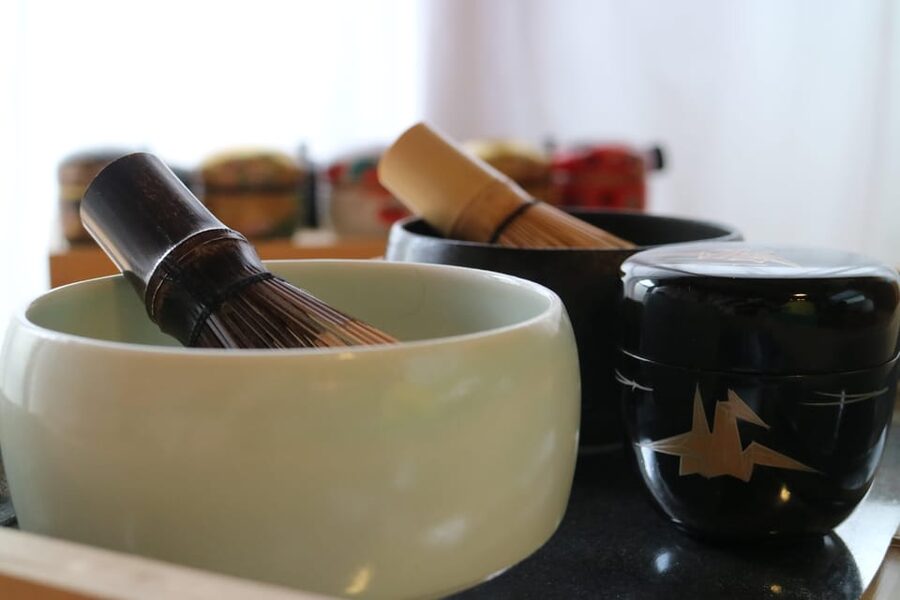
The tour is offered in English and led by a live guide. The provider is Nagasaki Ikedoki Tea, and Marjolein is the guide name associated with the experience.
The duration is four hours, with starting times shown according to availability. Check the time before booking so it fits your wider Nagasaki plans.
Lunch is included, and allergies or dietary restrictions should be shared in advance. Seasonal Japanese sweets are also included. Tea purchases are available but optional.
You can cancel up to 24 hours ahead for a full refund. The reserve-now, pay-later option lets you hold a place without paying at the time of booking, which is useful when your Kyushu schedule is still changing.
The experience has received a perfect five-star rating from seven submitted bookings. I would treat that as encouraging but still focus on the details that matter most to you: the four-hour length, countryside setting, English instruction, small group, and tea-centered format.
Should you book the Sonogi tea tour?
Book it if you want to understand Japanese tea through place, taste, and practice. The strongest parts are the range of teas, the Sonogi fields above Omura Bay, the Tamaryokucha factory, and the chance to brew and whisk tea yourself.
The $132 cost makes sense when you want an all-in half-day with lunch and personal guidance. Skip it if you are looking for a quick city activity, a low-cost viewpoint, or a tour with no food or drink focus.
For the right visitor, this is a thoughtful way to leave Nagasaki’s main streets for a few hours and return with a better idea of what is in the cup. It offers scenery, food, and useful tea skills without pretending that one afternoon can teach you everything about Japanese tea.
FAQ
How long does the Nagasaki tea tour last?
The experience lasts four hours.
Where does the tea tour take place?
The tour takes place in Sonogi in the Kyushu region of Japan, including local tea fields and a tea factory, with views toward Omura Bay.
What language is the tour offered in?
The live tour guide provides the experience in English.
How many people can join the tour?
The tour is limited to four participants.
Which teas can I taste?
The tasting includes Tamaryokucha, Shiraore, Houjicha, Wakoucha, Matcha, and other teas.
Will I make tea during the tour?
Yes. You will practice brewing Tamaryokucha and whisking Matcha.
Is lunch included?
Yes. Lunch at a nearby restaurant and traditional seasonal Japanese sweets are included.
Can I share food allergies or dietary restrictions?
Yes. You should inform the provider in advance about allergies or dietary restrictions.
Can I cancel the booking for a refund?
You can cancel up to 24 hours in advance for a full refund. You can also reserve now and pay later.
Just added around Japan
- Yokohama : Tea Ceremony with Sweets and Souvenir★ 5.0 · 5 reviews
- Whisk Your Own Matcha: A Zen Matcha Experience at Temple★ 3.6 · 7 reviews
- Walking Tour: Yanaka,Nezu& Sendagi: Tea Ceremony & Old Tokyo★ 5.0 · 3 reviews
- Visit local home for music and tea ceremony near Disney★ 4.9 · 13 reviews
- Yokohama: Sushi & Gyoza Cooking with Matcha & GreenTea Experience★ 5.0 · 3 reviews
- Trip to Kamakura & Enoshima: Shrines, Seaside, Temples &Tea★ 5.0 · 11 reviews
- Kyoto tea town for matcha lovers★ 5.0 · 16 reviews
- Uji: Private immersion into Kyoto’s tea and reglious culture★ 5.0 · 17 reviews
Japan Tea Experiences, compared.
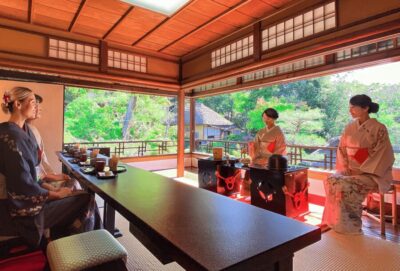
Tea Ceremony in a Traditional Tea House in Kiyomizu
Read our review →
World Heritage Kyoto & Nara Uji Authentic Matcha Experience
Read our review →
Browse the lists this tour appears in