
Review · NARA
Nara:5 Type of Tea Tasting & Mindful Tea Ceremony
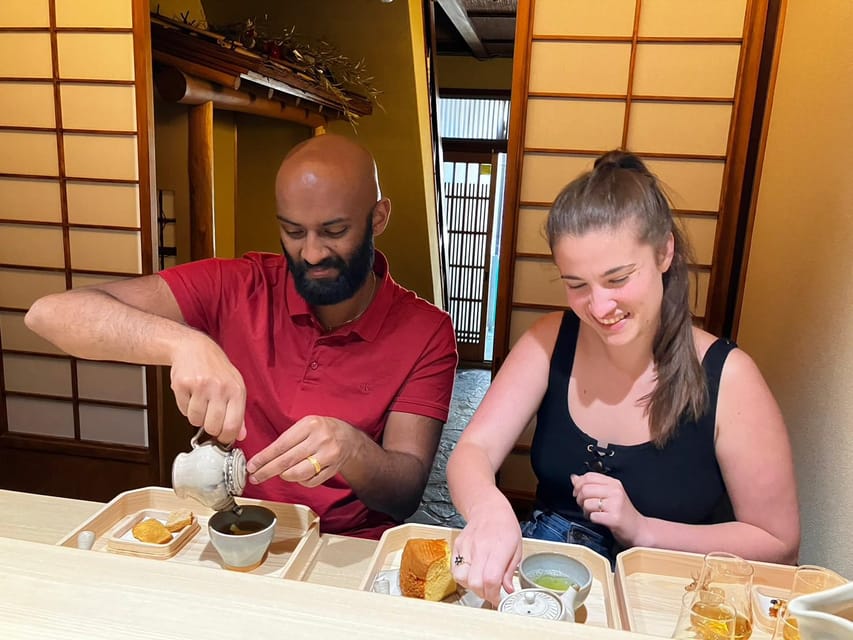
Nara’s tea culture comes into focus in a quiet old Japanese house, where you taste five teas before learning to whisk matcha yourself. The setting is small, calm, and personal, with a garden view and time to ask about Japan beyond the usual sightseeing route.
I like the five-tea tasting, since it lets you compare bright matcha, mellow roasted teas, and other local styles before choosing a favorite. I also like the one-on-one matcha practice, where the tea master watches your technique and offers direct help. The main drawback is comfort: you need to walk to the house and sit on the floor for a long stretch, possibly closer to two hours than the advertised 90 minutes.
Key points to know before booking
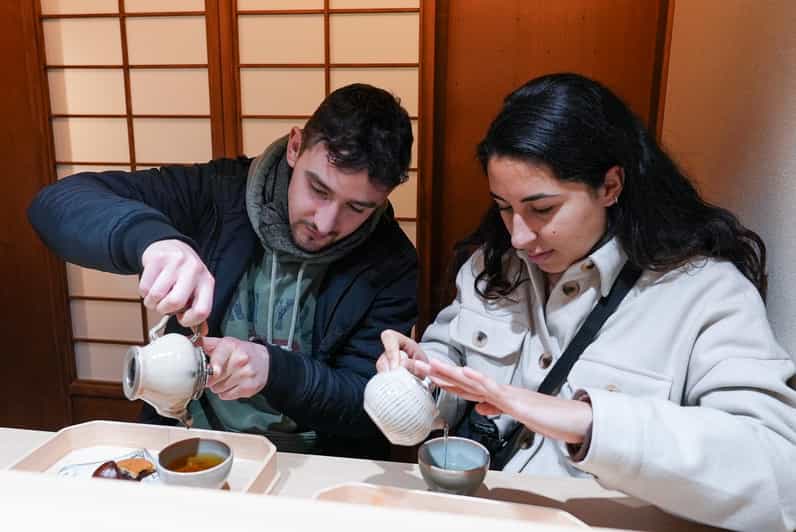
- Five Nara teas in one sitting: Taste a carefully selected flight, then have your favorite prepared in a small pot.
- A 120-year-old wooden house: The tea room looks onto a small Japanese garden and gives the session a strong sense of place.
- Host Mike’s personal instruction: Learn the tools, gestures, history, and etiquette in English.
- Hands-on matcha making: Whisk your own bowl and receive individual feedback rather than simply watching a demonstration.
- Seasonal sweets with the tea: Two kinds of wagashi help balance the tea’s bitterness and aroma.
- A small private group: The experience is designed for an intimate gathering, with one source describing a maximum of four people.
Tea tasting in a 120-year-old Japanese house
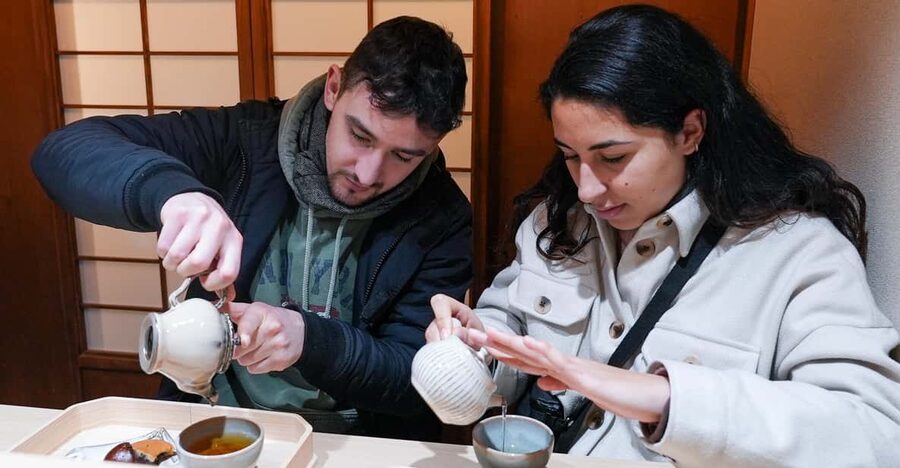
The first thing that gives this activity its character is the room itself. You are not meeting in a large restaurant or a busy cultural center. The tea room is part of a renovated traditional Japanese house, described as roughly 120 to 125 years old, with a view toward a small garden.
That setting matters. Tea tasting can feel like a simple food activity when it takes place at a counter with a quick explanation and a few sips. Here, the old wooden house, quiet garden, and unhurried pace make the tea part of a wider look at Japanese daily life.
The group is private, and the number appears to be very small. One account describes only four people being welcomed into the house. That makes it easier to ask questions, watch the preparation closely, and receive help when it is your turn with the whisk.
The host is identified as Mike in the detailed accounts. He leads the session in English and explains the symbols, tools, and gestures used during the ceremony. The experience provider is Kurabi, but the personal welcome from Mike is a major part of what you are paying for.
More Tea Tastings in Japan:
- Private Tea Ceremony and Sake Tasting in Kyoto Samurai House
★ 5.0 · 163 reviews - Matcha Experience with of Japanese Tea Tasting in Tokyo
★ 5.0 · 31 reviews - Tokyo: Matcha Tasting and Making Experience
★ 4.9 · 21 reviews
Five teas, five different ways to understand Japan
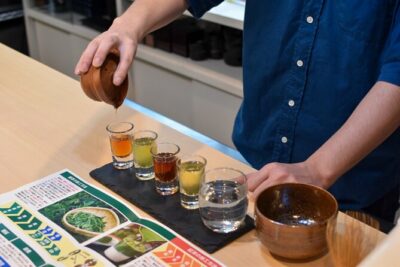
The tasting begins with five kinds of Japanese tea selected by the tea master. The exact teas can change with the season, so you should not expect a fixed menu. That is a good thing for a visitor who wants to learn rather than simply tick off a set list.
You may taste matcha with its distinctive aroma, along with mellow roasted teas and other Japanese styles. The point is comparison. One tea may seem grassy or fragrant, another smooth and toasted, and another more delicate. You do not need a trained palate to take part. The host guides you through the differences as you drink.
This section is especially useful if you normally order coffee or are unsure which Japanese tea suits you. A coffee drinker who usually avoids tea may find a roasted variety easier to enjoy, while someone looking for the flavor most closely linked with formal tea culture may prefer matcha.
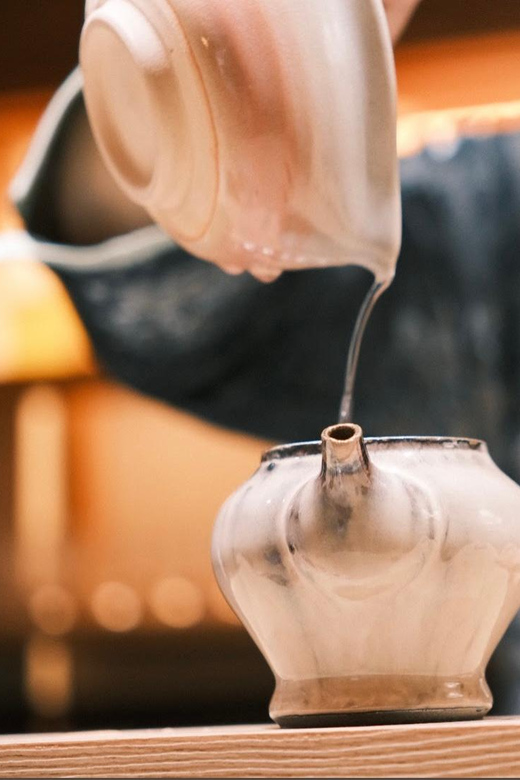
After the flight, you choose your favorite. The tea master then prepares it in a pot, using each pour to bring out the best flavor. This second serving is more than a refill. It gives you a chance to notice how a carefully brewed cup differs from a quick hotel or café preparation.
Two kinds of traditional Japanese sweets are included. These seasonal wagashi provide a gentle contrast to tea, especially when the drink has bitterness or a strong roasted note. The sweets are not the main event, but they help you understand why tea and wagashi are served together.
One practical point: the tasting may include sake as well, according to one detailed account, but sake is not listed among the standard inclusions. Treat it as a possible extra part of the conversation or tasting, not as something guaranteed.
Learning the tea ceremony without a rushed stage show
The second part shifts from tasting to the tea ceremony. You learn about the tradition, its etiquette, and the tools used to prepare matcha. The ceremony has rituals and symbols that can seem mysterious if you only watch from a distance. Here, the host explains what is happening and why each movement matters.
This is not presented as a grand performance. The small room and private format keep the focus on understanding. You can ask questions, watch the preparation at close range, and follow the sequence without feeling that you are holding up a large audience.
A tea ceremony asks you to slow down. The movements are deliberate, and the quiet pauses are part of the experience. That may be a welcome change after a morning around Nara’s major sights. It also means the session works best if you arrive ready to pay attention rather than expecting a fast demonstration.
The activity is described as mindful, but you do not need prior meditation or tea knowledge. The guide gives you a clear way into the practice through simple actions: observing the tools, learning the etiquette, and making the tea yourself.
Your turn with the matcha whisk
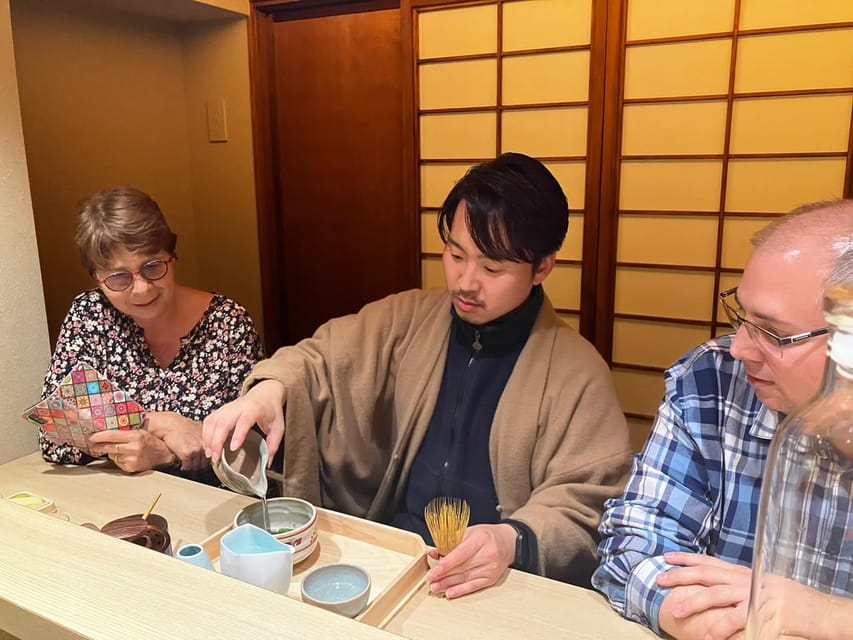
The hands-on matcha lesson is the strongest practical feature of the experience. Instead of only watching a tea master prepare a bowl, you whisk your own matcha under direct guidance.
You will be shown how to handle the tools and how to move the whisk. The host can then correct your technique and help you produce a smoother bowl. That personal feedback is valuable because matcha preparation looks simple until you try it. Small changes in speed, direction, and pressure affect the final drink.
The lesson also gives you a better sense of the work behind the ceremony. You are not just consuming a fashionable green drink. You are learning a careful method that connects the powder, water, bowl, whisk, and serving ritual.
A particularly nice possibility for families is that one child or teenager can take part in serving. One family account describes a son being treated as a tea master in training and serving his mother. That kind of role makes the ceremony feel shared rather than something adults watch while younger people wait.
Still, the age rule matters. Children under 12 are not permitted, so this is not a general family activity for young children. Older teenagers may appreciate it if they can sit quietly and follow the instructions.
More Tea Ceremony Experiences in Japan:
- Kyoto: Tea Ceremony in a Traditional Tea House in Kiyomizu
★ 4.9 · 3,519 reviews - Kyoto: Tea Ceremony Ju-An at Jotokuji Temple
★ 4.9 · 3,207 reviews - Kyoto: 45-Minute Tea Ceremony Lesson Experience
★ 4.3 · 2,378 reviews - Osaka: Tea Ceremony Experience
★ 4.9 · 1,426 reviews
Why the small group changes the experience
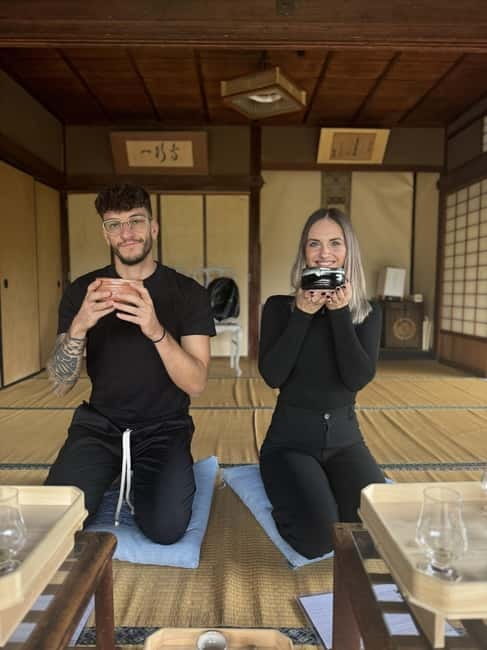
A private group is useful here for more than comfort. Tea ceremony has details that are easy to miss when you are several rows back from a demonstration. In this setting, you can see the tools, hear the explanation, and take your turn without competing with a crowd.
The small format also leaves room for local conversation. You can ask Mike or the other hosts for ideas about places to visit in Japan. The activity specifically encourages this exchange, so arrive with a few questions if you want practical advice.
That personal contact is one of the better reasons to choose this over a larger cultural show. You are not only learning how tea is prepared. You are also meeting people connected to the place and gaining a more informal view of Japan.
There is a tradeoff. A private session tends to feel quieter and less theatrical. If you want a dramatic performance in full formal dress, with a large room and a highly choreographed presentation, this may feel too modest. If you prefer direct instruction and conversation, the modest setting is the advantage.
Timing, seating, and the one real caution
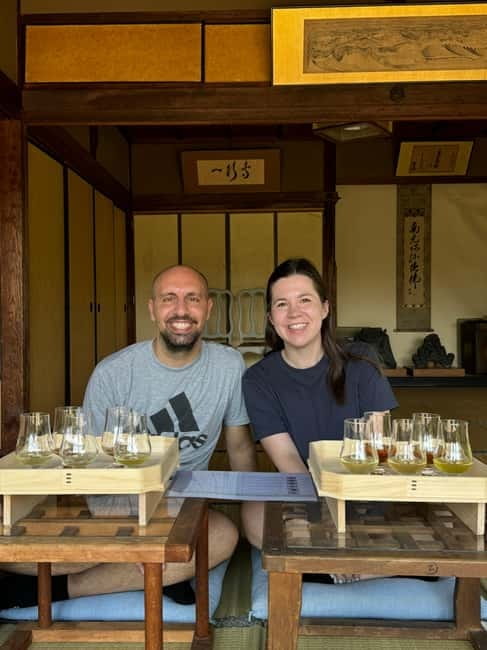
The stated duration is 90 minutes. That is a reasonable amount of time for five teas, one pot-brewed serving, a ceremony explanation, matcha practice, and sweets. However, you should allow more flexibility around the appointment.
One detailed account says you need to sit still on the floor for about two hours and warns against arriving in a rush. That may reflect the actual pace of the session, time before or after the formal 90 minutes, or a longer version of the gathering. The safest plan is to avoid placing a major timed activity immediately afterward.
Floor seating is the clearest physical consideration. You need to be able to reach the house on foot and sit on the floor for an extended period. The activity is listed as wheelchair accessible, but the seating arrangement and the need to walk to the house are still worth confirming when booking if you have specific mobility needs.
Pregnant women and children under 12 are listed as unsuitable for this activity. No reason is given for the pregnancy restriction, so you should follow the provider’s rule rather than assume it is flexible.
Is $61 a fair price?
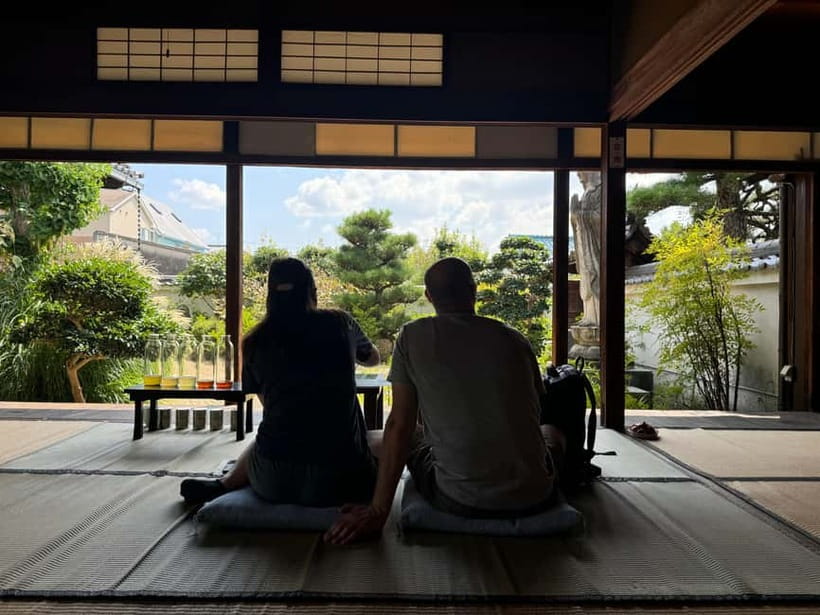
At $61 per person, this is not the cheapest way to drink Japanese tea. You could buy a cup or a packet of tea for far less. The price makes more sense when you treat the activity as a private cultural lesson that includes five teas, two kinds of sweets, a guided ceremony, and personal matcha practice.
The value is strongest for people who want context. You are tasting several styles, learning how they differ, choosing a favorite, and seeing how the tea master prepares it in a pot. You also receive direct instruction instead of simply consuming a finished drink.
The old house and small group add value too. A 120-year-old wooden setting with a garden view gives the session a sense of place that a modern café cannot provide. The chance to speak with local hosts about what to see in Japan is another useful part of the cost.
The price may feel high if you mainly want a quick introduction to matcha or a photo opportunity. It is also less suitable if you dislike floor seating, quiet rituals, or spending much of a morning on one focused activity. For a tea enthusiast, the chance to compare five teas and practice preparation makes the fee easier to justify.
Who will enjoy this most?
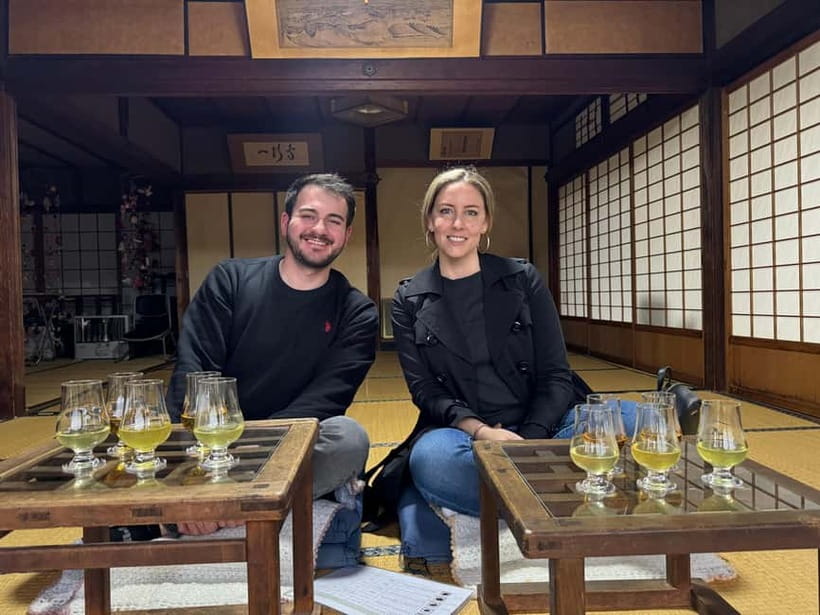
I would choose this for a curious adult, older teenager, couple, or small family group that wants a calm cultural experience in Nara. It suits you especially well if you enjoy food and drink tastings but want more explanation than a standard café visit provides.
It is also a good choice for anyone who has seen tea ceremony in Japan and wants to understand it from the inside. You will not just watch the host. You will learn the meaning of the tools and gestures, then prepare your own matcha.
Coffee drinkers should not rule it out. The tasting includes roasted teas with mellow flavors, and the five-cup format gives you room to discover a style you prefer. You do not need to arrive already interested in every kind of Japanese tea.
I would hesitate to book it for young children, anyone unable to sit on the floor, or anyone with a packed schedule. The mood depends on patience. You will get more from it if you let the quiet pace do its work.
Should you book the Nara tea experience?
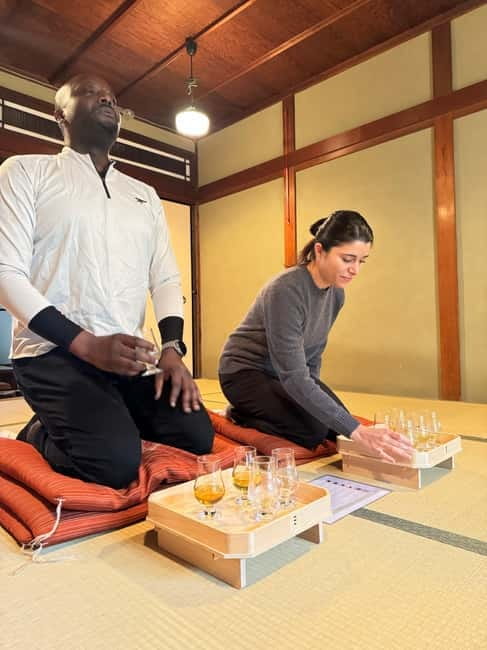
Book it if you want a personal, low-key introduction to Japanese tea rather than a large staged ceremony. The old house, small garden, private group, and personal matcha instruction give it a clear identity.
I would also book it if you are unsure which Japanese tea you like. Five samples followed by a full pot of your favorite is a smart tasting structure, and the wagashi make the comparison more enjoyable.
Skip it if you want a short stop, cannot sit on the floor, or need a tightly timed itinerary. Also check the expected length before booking, since the formal duration is 90 minutes but the actual visit may take longer.
With free cancellation up to 24 hours before the activity and a reserve-now, pay-later option, you can keep your schedule flexible. At a perfect five rating from 28 reviews, the experience has a strong record, but the practical details matter more than the score. If you can walk in, sit quietly, and spare the time, this is a thoughtful way to meet Nara through its tea.
FAQ
How long does the tea experience last?
The stated duration is 90 minutes. One detailed account advises allowing about two hours, so avoid scheduling another activity too tightly afterward.
How many teas are included?
You will taste five kinds of Japanese tea selected by the tea master. You then choose a favorite for a special pot-brewed serving.
Is matcha preparation hands-on?
Yes. You will whisk your own matcha with guidance from the tea master and receive personalized feedback.
What food is included?
The activity includes two kinds of Japanese sweets, including seasonal wagashi served with the tea.
Is the experience conducted in English?
Yes. English instruction is provided.
Can children join the activity?
Children under 12 are not suitable for this experience. The group type is private, and the activity is also listed as wheelchair accessible.
More Food and Drink Tours in Japan
- Arashiyama Bamboo, Temple, Monkeys, or Secret Sake Brewery
★ 4.8 · 886 reviews - Experience all of Japanese culture and Japanese food experience classes “origami, udon, Japanese food, green tea, calligraphy” in 4 hours
★ 5.0 · 105 reviews - Tokyo Sushi Making Class : Sake Ceremony & Matcha Experience
★ 5.0 · 44 reviews - Nara:Tea Tasting&Private Tea Ceremony -Master Matcha Making-
★ 5.0 · 19 reviews
Just added around Japan
- Yokohama : Tea Ceremony with Sweets and Souvenir★ 5.0 · 5 reviews
- Whisk Your Own Matcha: A Zen Matcha Experience at Temple★ 3.6 · 7 reviews
- Walking Tour: Yanaka,Nezu& Sendagi: Tea Ceremony & Old Tokyo★ 5.0 · 3 reviews
- Visit local home for music and tea ceremony near Disney★ 4.9 · 13 reviews
- Yokohama: Sushi & Gyoza Cooking with Matcha & GreenTea Experience★ 5.0 · 3 reviews
- Trip to Kamakura & Enoshima: Shrines, Seaside, Temples &Tea★ 5.0 · 11 reviews
- Kyoto tea town for matcha lovers★ 5.0 · 16 reviews
- Uji: Private immersion into Kyoto’s tea and reglious culture★ 5.0 · 17 reviews
Tea Tastings, compared.
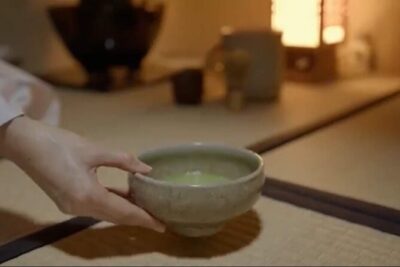
Private Tea Ceremony and Sake Tasting in Kyoto Samurai House
Read our review →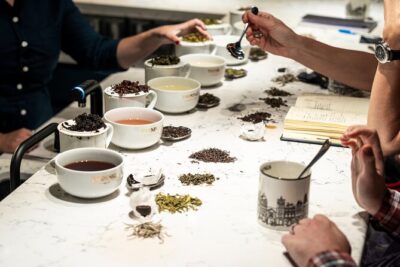
Twinings 2-Hour Tea Tasting Masterclass in London
Read our review →
Wadmalaw Island Wine Tasting and Tea Garden Trip
Read our review →
Matcha Experience with of Japanese Tea Tasting in Tokyo
Read our review →
World Teas & Turkish Tea Brewing, Tasting Workshop
Read our review →Browse the lists this tour appears in