
Review · TOKYO
Tokyo Highlights Tour: Sumo, Sushi, Tea, and Tokyo Tower
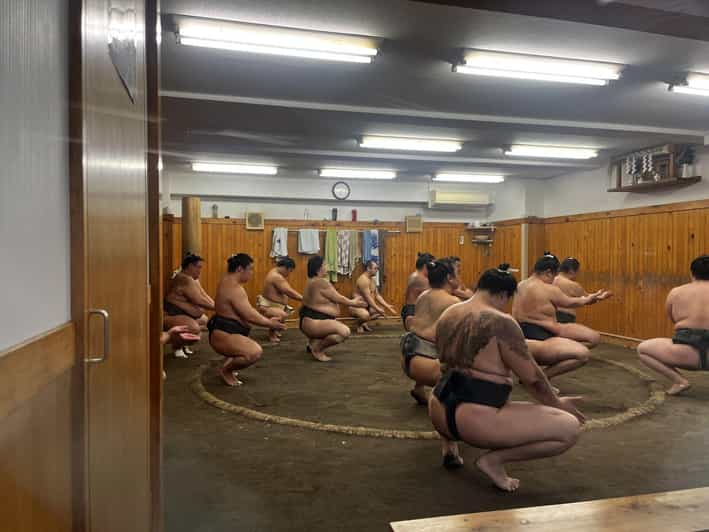
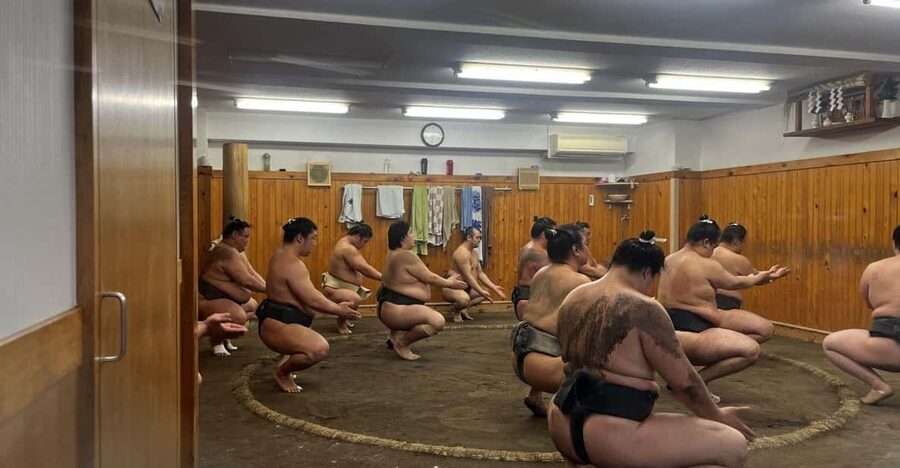
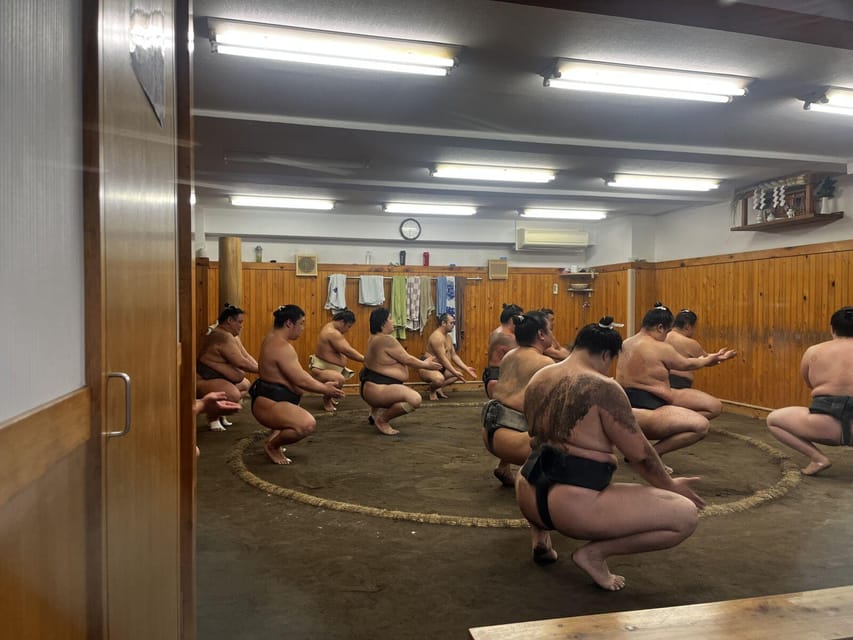
Seeing a sumo wrestler train through a broad viewing window is the unusual hook here. You are not watching a staged show. You are observing real practice from outside a traditional sumo beya, with silence and respect required. Sumo training is not guaranteed, but when available, it gives you a rare look at a part of Tokyo most visitors never see.
I like the way this tour combines food and tradition: you can sample sushi and other bites at Tsukiji, then slow down with matcha and a Japanese sweet in Hamarikyu Gardens. I also like the calm turn at Zo-jo-ji Temple, where sutra copying gives the long day a quiet pause before the city views from Tokyo Tower.
The main drawback is the schedule. This is an early, nearly nine-hour outing with plenty of walking, stairs, and standing. The sumo stop can be canceled or changed, and food at Tsukiji is not included, so you should come ready for an active day and a flexible morning.
Key points to know before booking
- Sumo training is the rarest stop: You watch from outside through viewing windows, and wrestlers cannot be disturbed.
- Tsukiji is your best food break: Use the free time for sushi, wagyu, fruit, sweet potatoes, or breakfast.
- Hamarikyu adds a quiet garden pause: Admission and a matcha and wagashi experience are included.
- Sutra copying makes Zo-jo-ji personal: You receive a temple stamp after the workshop.
- Tokyo Tower finishes the day well: The ticket includes access to panoramic city views.
- The tour costs $150: That is fair if you value a guide, several admissions, the tea house, and the included train fare.
Starting at Hamacho for a possible sumo practice
The day begins at 8:15 a.m. inside Hamacho Station. Follow signs for exits A1 and A2 from the platform, go up the stairs, and pass through the ticket gates. Your meeting place is beside a green vending machine marked Merci.
That meeting detail matters. Tokyo stations can have several exits and long corridors, so arriving at the correct part of the station will save you a rushed start. You will need to arrange your own transport to Hamacho, since trains before and after the tour are not included.
From the station, you walk about five minutes to the first stop, described as a traditional sumo beya, or training room. The viewing setup is important: you watch through large windows from outside. This is not a performance, and the wrestlers are not there to pose or explain what they are doing.
You should keep quiet and avoid treating the practice like a photo session. The wrestlers sometimes come outside for photographs, but that is occasional, not a promise built into the tour.
The biggest practical warning is that training schedules change. Some mornings have no practice, and training also closes during certain weeks when the Grand Sumo Tournaments take place in January, May, and September. If sumo viewing is unavailable on your date, the meeting point changes to Tsukiji Station at 8:15 a.m. outside Exit 2.
There is also a Wednesday adjustment. If your date is a Wednesday and sumo viewing is not available, the meeting time becomes 9:30 a.m. at Tsukiji Station. The operator says it will contact you in that situation, but I would still check your messages before leaving for the station.
If the sumo portion matters most to you, confirm the arrangement before booking. If you are happy with the rest of the day, the change is less serious because the tour still covers Tsukiji, Hamarikyu, Zo-jo-ji, and Tokyo Tower.
A few more tea experiences around Tokyo worth a look
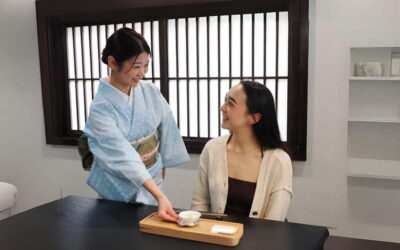
- Kimono Tea Ceremony at Tokyo, Asakusa Maikoya
★ 5.0 · 638 reviews - Tokyo: Traditional Tea Ceremony with a Tea Master
★ 5.0 · 528 reviews - Dynamic Tokyo: Tokyo Tower, Tea Experience, Bay Cruise Day Tour
★ 4.5 · 521 reviews
Tsukiji Outer Market turns breakfast into a Tokyo lesson
After the sumo stop, you take a short train ride of about 15 minutes to Tsukiji Station. The train fare from Ningyocho Station to Tsukiji Station is included, which removes one small piece of Tokyo transit planning from your morning.
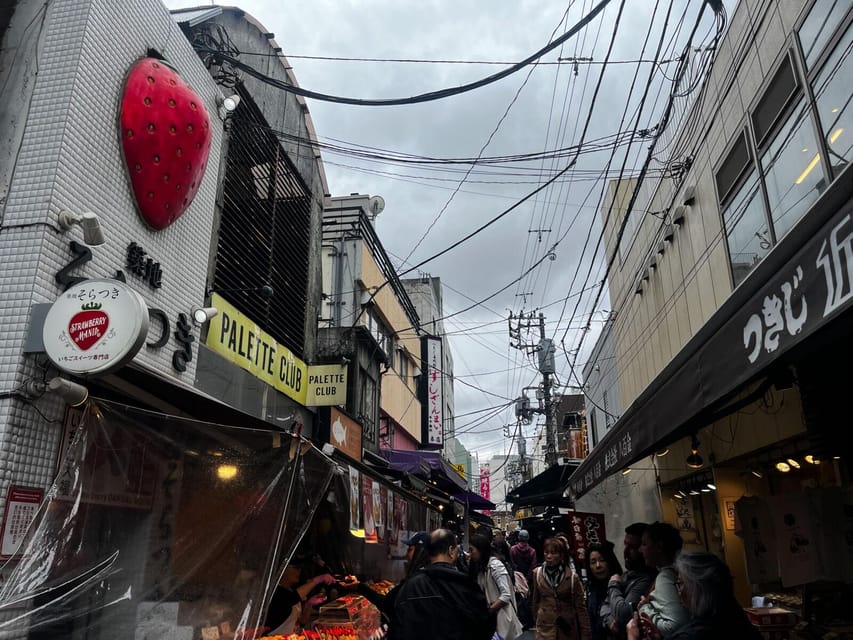
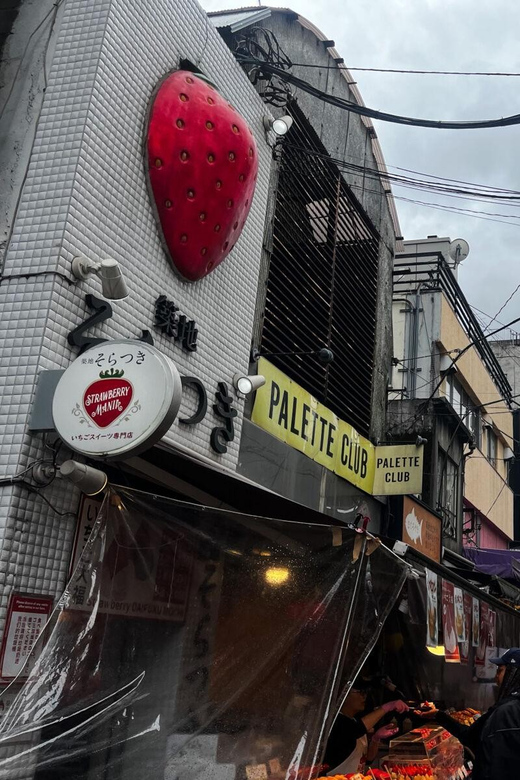
Tsukiji Outer Market opened in 1935 and has supplied Tokyo restaurants with seafood, fish, and sushi for decades. The outer market remains a practical food district, not just a sightseeing backdrop. You will first walk through it with your guide, then get free time to choose what you want to eat.
This is where you should plan to buy breakfast. Sushi is the obvious choice, but the market also offers wagyu, fresh fruit, sweet potatoes, and Japanese sweets. The tour does not include food or drinks, so your spending here depends on your appetite and choices.
I like this arrangement more than a fixed restaurant meal. You can choose a small bite, try several things, or simply look around if you ate before the tour. The tradeoff is that the market experience is self-directed during the free time, so you should not expect a fully arranged tasting menu or a guaranteed number of sushi pieces.
You get about 90 minutes at Tsukiji, including the guided walk and free time. That is enough for a first look and a meal-sized snack, but you will need to watch the clock. The next section is a walk of about 20 minutes, so wear shoes you can use comfortably for a full day.
Hamarikyu Gardens brings matcha and a slower pace
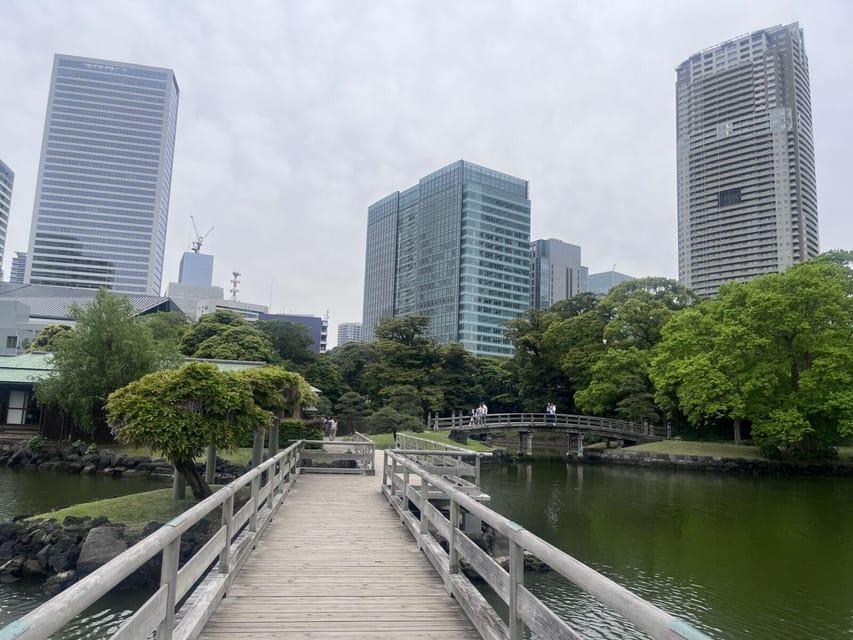
From Tsukiji, the group walks to Hamarikyu Gardens. This historic Edo-period garden was created in 1654 by the Tokugawa shogunate family and sits near the mouth of the Sumida River.
The location gives the tour a useful change of rhythm. Tokyo can feel crowded and fast, while the garden offers ponds, paths, and open space for a quieter hour. Your guide introduces the garden and its past, then gives you free time to walk around before the group meets again at a traditional tea house.
The tea house experience includes matcha and wagashi, a Japanese sweet. For many people, this will be the most approachable introduction to tea culture on the day. You are not simply being shown a garden. You have time to sit, taste something traditional, and notice how the setting shapes the experience.
The garden portion lasts about 80 minutes. That is enough to see the main areas without turning the stop into a long botanical tour. It is also one of the tour’s better value points because admission and the tea house experience are included in the $150 price.
Keep your expectations measured. This is a guided introduction with free time, not a formal tea ceremony course. The appeal is the combination of garden, matcha, and wagashi, all placed between two busier city stops.
Zo-jo-ji Temple offers the quietest hour
After Hamarikyu, you walk about 10 minutes to Zo-jo-ji Temple. Founded in 1393, the temple has large grounds and a park, with Tokyo Tower directly behind it. That pairing gives you a sharp contrast between old religious architecture and modern Tokyo.
The site also includes Tokyo’s oldest wooden building, dating from 1622. Your guide explains the temple and its history before leading the group into the sutra copying experience.
Sutra copying is a simple, focused workshop. You copy a Buddhist sutra inside the temple while incense burns nearby. The experience does not require you to be religious. It gives you a reason to slow your hand, pay attention, and step away from the noise of the city.
When you finish, you receive a Goshuin, or temple stamp. It is a small but meaningful souvenir, and it is more connected to the place than a generic gift-shop purchase. The copying fee is included, as is the temple experience itself.
The stop lasts about an hour. If you prefer rapid sightseeing, the quiet pace may feel long. I think it earns its place because the day otherwise moves from one attraction to the next. This is the moment when you get to sit still.
Your guide is especially useful here because the temple customs and sutra copying may not be obvious if you are exploring alone. Guides Beth and Jeff received particularly warm praise for being welcoming, helpful, and well-informed, so if either is leading your departure, you can expect a personal touch based on the praise attached to their tours. Guide assignments can change, so do not book solely around a specific name.
Same place, a different pot:
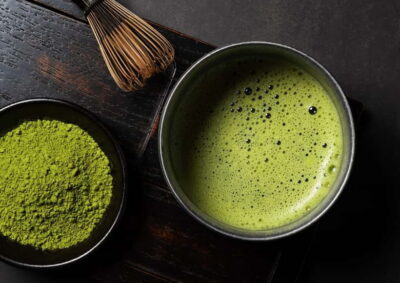
- Matcha Making Class in Tokyo with Authentic Japanese Sweets Set
★ 5.0 · 744 reviews - Tokyo: Matcha Making Experience with Mochi Sweets in Asakusa
★ 4.9 · 388 reviews - Asakusa Cultural Walk & Matcha Making Tour
★ 5.0 · 245 reviews - Mt. Fuji & Lake Kawaguchiko Ropeway Panorama Full-Day Tour
★ 4.6 · 236 reviews
Tokyo Tower closes the day with a wide view
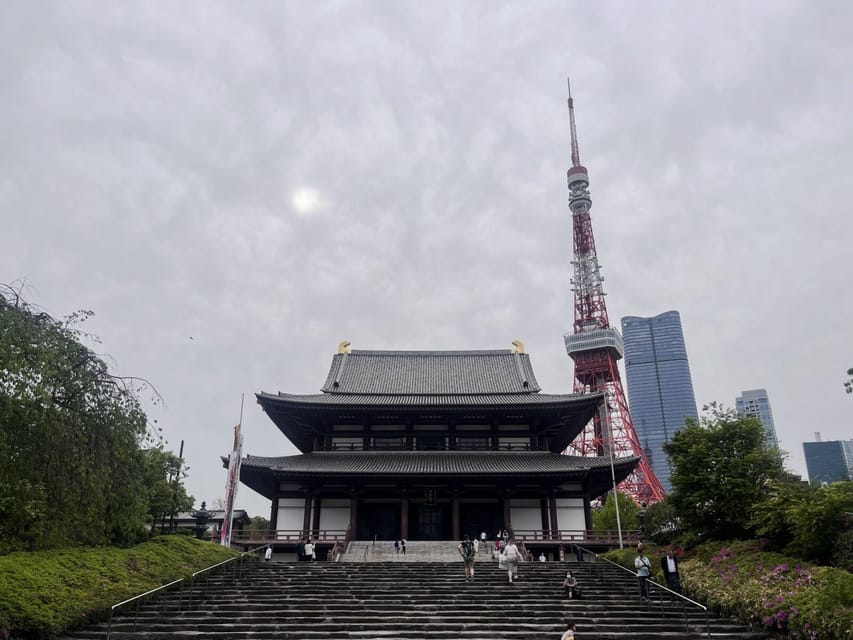
The final major stop is Tokyo Tower, built in 1958. Its observatory has an older, retro feel that sets it apart from Tokyo’s newer viewing platforms.
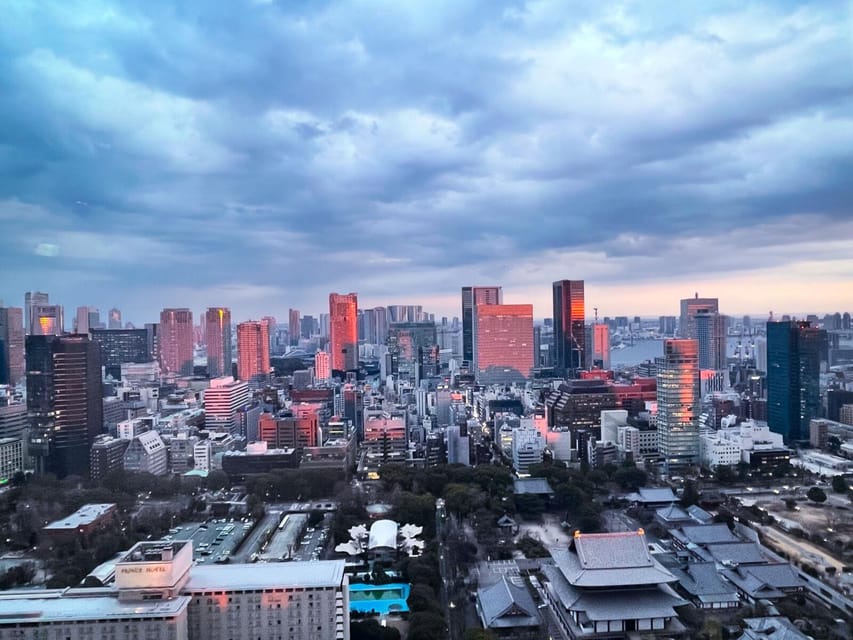
You get about 75 minutes here, including the guided visit and time for an aerial view. The tower’s height gives you a chance to understand the scale of the city after spending the day in markets, gardens, and temple grounds. You will see Tokyo from above rather than from street level, which makes this a satisfying finish.
The Tokyo Tower ticket is included. That matters because admission to major city viewpoints can push up the cost of an already full day. You still need to pay for your own meals and any extra drinks, but the main attraction fees are covered.
The tour ends at nearby Akabanebashi Station. Your guide can help with questions about trains and transport for your return journey. That is useful after a long day, especially if you are still learning Tokyo’s rail network.
What $150 gets you
At $150 per person, this is not a bargain-priced market walk. It is a full-day package that combines a guide, transport between two stops, Hamarikyu admission, the tea house experience, the sutra copying fee, and Tokyo Tower admission.
The value depends on how you normally travel. If you are comfortable arranging trains, choosing your own Tsukiji stops, and visiting Tokyo Tower independently, you can spend less by planning the day yourself. You would then need to research the sumo viewing possibility, arrange the correct routes, understand the temple visit, and fit the timing together.
I see the strongest value in the guide and access to experiences that are harder to arrange alone. The sumo beya is not a standard public attraction, and the day connects several very different parts of Tokyo without asking you to manage every transfer.
The price also protects you from a common problem in Tokyo: spending too much time navigating and too little time looking around. Your guide gives the day structure, translates the setting, and helps you move from the market to the garden, temple, and tower.
Still, you should budget extra money for Tsukiji food. Lunch is not included, and the market visit is designed to let you buy what appeals to you. Bring enough for a proper breakfast or early lunch, but the supplied information does not set a required amount.
Walking, timing, and who will enjoy it
The tour lasts 510 minutes, or eight and a half hours. It starts early, includes a train ride, several walks, and long periods on your feet. The supplied accessibility information says it is not suitable for people with mobility impairments or wheelchair users.
You should wear comfortable walking shoes and bring the energy for a full day. The route is not presented as wheelchair accessible, and the mix of station stairs, walking, temple grounds, market paths, and sightseeing stops may be difficult for anyone who needs frequent support.
This experience suits a first-time Tokyo visitor who wants several major themes in one day: sumo, food, gardens, Buddhism, and city views. It also suits you if you prefer a guide to explain cultural details instead of simply taking photographs at each stop.
It is less suitable if you want a slow food tour, a formal tea ceremony, or a dedicated sumo event. The day offers an introduction to each subject rather than a specialist-level study of one.
The tour runs in English with a live local guide. The strong praise for Beth and Jeff centers on warmth, helpfulness, and the way they made the day personal. That human element matters on a schedule this full, although the exact guide is not guaranteed.
Should you book this Tokyo day tour?
Book it if you want a well-packed first look at Tokyo and value experiences that are difficult to arrange on your own. The strongest reasons are the possible sumo practice, the included tea house and sutra copying, and the way Tokyo Tower caps the day with a broad city view.
Think twice if you dislike early starts, walking, or fixed group timing. Also think twice if your main goal is guaranteed sumo, since training may not take place and the visit can change.
For most active visitors, I consider $150 reasonable for the mix of admissions, transport, guided context, and cultural activities. Just treat the sumo stop as a bonus rather than a promise, save room in your morning for Tsukiji food, and arrive ready to walk.
FAQ
How long does the tour last?
The tour lasts 510 minutes, which is eight and a half hours.
Where does the tour begin?
It normally begins at 8:15 a.m. inside Hamacho Station, near the green Merci vending machine after the ticket gates and by exits A1 and A2.
Where does the tour finish?
The tour finishes at Akabanebashi Station after the Tokyo Tower visit.
Is sumo training guaranteed?
No. The sumo schedule can change, and training may not take place. Training is also closed during certain weeks when Grand Sumo Tournaments are held in January, May, and September.
What happens if sumo viewing is unavailable?
The meeting point changes to Tsukiji Station outside Exit 2 at 8:15 a.m. If this happens on a Wednesday, the meeting time is 9:30 a.m. at Tsukiji Station. The operator says it will contact you.
Is food included?
No. Food and drinks are not included. You have free time at Tsukiji Outer Market to buy sushi, wagyu, fruit, sweet potatoes, or other food.
What is included in the price?
The price includes the train fare from Ningyocho Station to Tsukiji Station, Hamarikyu Gardens admission, the Hamarikyu tea house experience, the sutra copying fee, the Tokyo Tower ticket, and an English-speaking local guide.
Is the tour suitable for wheelchair users?
No. The activity is listed as unsuitable for wheelchair users and people with mobility impairments.
Just added around Tokyo
- Yokohama : Tea Ceremony with Sweets and Souvenir★ 5.0 · 5 reviews
- Walking Tour: Yanaka,Nezu& Sendagi: Tea Ceremony & Old Tokyo★ 5.0 · 3 reviews
- 2 Hours Mochi &Nerikiri Making & Matcha Class in Bunkyo★ 5.0 · 21 reviews
- Private Kimono and tea ceremony at local home near Tokyo Disney★ 5.0 · 6 reviews
- Private Mochi・Matcha sweets Making Class Near Shibuya Area★ 5.0 · 22 reviews
- Tokyo Sweets Tour: Hidden Gems & Matcha at an Old Tea House★ 5.0 · 6 reviews
- Giant Sushi Cooking Class: Make a 1.5m Sushi Roll in Tokyo★ 5.0 · 9 reviews
- Tokyo Tea Ceremony Class at a Traditional Tea Room★ 5.0 · 2 reviews
Tokyo Tea Experiences, compared.

Matcha Making Class in Tokyo with Authentic Japanese Sweets Set
Read our review →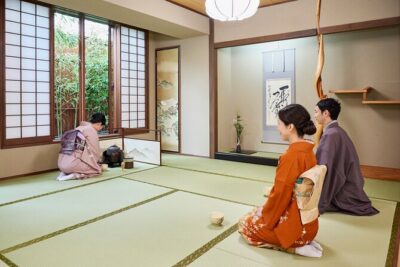
Matcha Making Experience with Mochi Sweets in Asakusa
Read our review →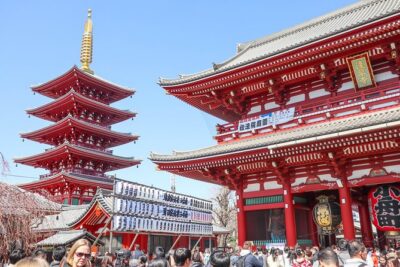
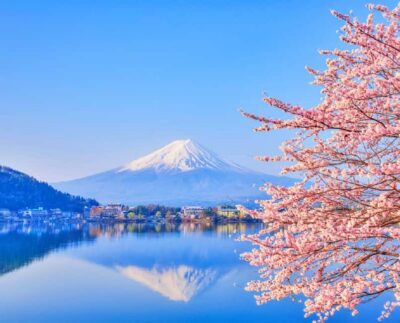
Mt. Fuji & Lake Kawaguchiko Ropeway Panorama Full-Day Tour
Read our review →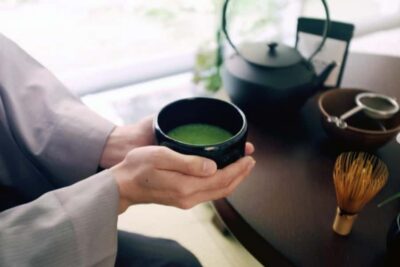
Tea Ceremony Workshop in Tokyo by the Experienced Instrucor
Read our review →Browse the lists this tour appears in