
Review · JAPAN
Supreme Sencha: Tea Ceremony & Making Experience in Hakone
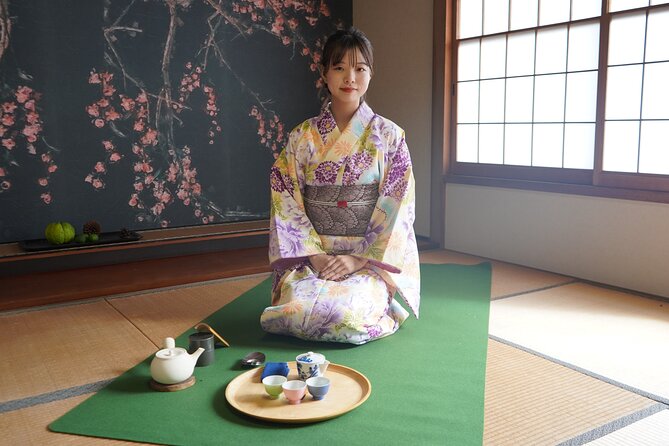
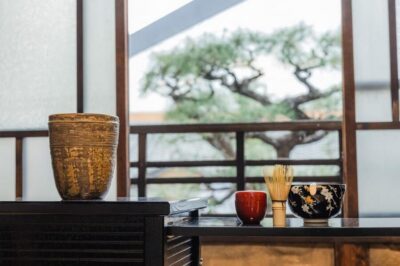
Hakone’s sencha-do ceremony offers a different view of Japanese tea. Instead of whisking powdered matcha, you watch green tea leaves slowly infuse in hot water, then learn to brew your own cup with traditional utensils. The lesson takes about two hours at Chaseki in Gora and includes Japanese sweets.
I like two things here: you are allowed to handle the tea tools, and the fifth-generation master teaches in clear English. I also like the friendly welcome and the careful kimono assistance described by past guests. The main drawback is the price, $130.82 per person, which is a serious spend for a short activity, and the class can be affected by weather or minimum attendance.
Key points to know before booking
- Leaf tea, not powdered matcha: Sencha-do focuses on infusing green tea leaves and tasting how the method changes the cup.
- Hands-on brewing: You use the utensils yourself instead of only watching a demonstration.
- Fifth-generation instruction: The tea master belongs to the Higashi Abe school and teaches the ceremony’s meaning as well as its steps.
- Japanese sweets are included: A small sweet is served as part of the tea setting.
- Small enough to feel personal: The maximum group size is 20 people.
- Gora location: The class begins and ends at Chaseki, near public transportation in Hakone.
Why sencha-do feels different from a standard tea ceremony
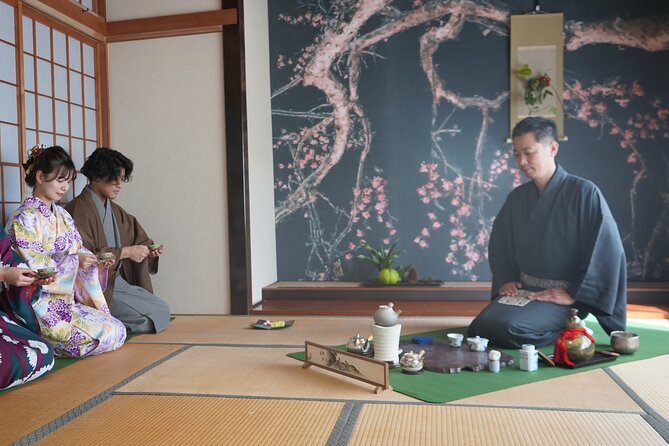
Many visitors first picture matcha when they think of Japanese tea ceremony. Matcha is powdered green tea, whisked into water. Sencha-do takes another path: whole tea leaves are placed in a vessel and brewed through infusion.
That change matters. You are not simply learning how to make a familiar drink. You are watching how water, leaves, timing, and pouring affect the taste. The process gives you more to notice from one cup to the next.
The ceremony also has a quieter, more intimate rhythm. You first observe the master, take in the setting, and watch the careful movements. Then you move from spectator to participant. That order works well because you see the finished process before you try to repeat it.
I like this format for first-time visitors. You do not need prior knowledge of tea ceremony etiquette to get started. The teacher explains the meaning behind the tradition, then shows you how to put it into practice.
More Tea Ceremony Experiences in Japan:
- Kyoto: Tea Ceremony in a Traditional Tea House in Kiyomizu
★ 4.9 · 3,519 reviews - Kyoto: Tea Ceremony Ju-An at Jotokuji Temple
★ 4.9 · 3,207 reviews - Kyoto: 45-Minute Tea Ceremony Lesson Experience
★ 4.3 · 2,378 reviews
Arriving at Chaseki in Gora
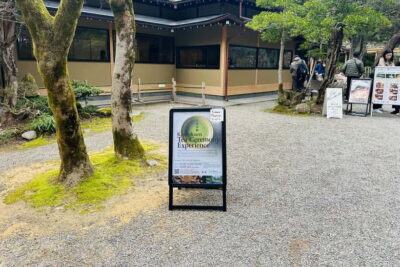
The meeting point is Chaseki, at 1300-307 Gora in Hakone’s Ashigarashimo District. The experience begins and ends at this location, so you do not need to manage a second drop-off point afterward.
The venue is near public transportation, which helps in a town where getting around can take planning. Still, I would allow extra time to find the address. Hakone is spread out, and a two-hour class is best enjoyed when you arrive calm rather than rushing in from another stop.
Your mobile ticket makes entry simple. Booking confirmation is normally sent at the time of reservation. If you book within one day of the start time, confirmation comes as soon as possible and depends on availability, so last-minute plans require a little patience.
The maximum group size is 20 people. That is not a private lesson, but it is small enough for the instructor to demonstrate the process to a shared group. If you want the most direct help during the brewing portion, pay close attention during the demonstration and ask questions when invited.
Watching the tea master before touching the utensils
The first part is observation. The master performs the sencha-do ceremony so you can see its pace, order, and atmosphere before attempting it yourself.
This is more useful than jumping straight into the practical steps. Tea utensils can look simple, but each one has a role. The ceremony asks you to slow down and notice how the tea is handled, poured, and presented. Watching first gives you a clear model to follow.
The instructor is a master of the Higashi Abe school and is described as a fifth-generation tea master. English instruction is available at a high level, which is important here. The value of the class is not just in copying hand movements. You also want to understand why those movements matter.
The master explains the meaning of this old Japanese practice as part of the lesson. I appreciate that balance. A demonstration without context can feel like a stage show. A long cultural lecture without participation can feel distant. Here, the plan moves from explanation to action.
Japanese sweets set the tone
Japanese sweets are served during the ceremony. They are not just an extra snack. In a tea setting, a sweet gives you a contrasting taste before or alongside the tea, helping you notice the character of the drink.
The sweets also make the experience easier to enjoy as a shared occasion. You can take a moment with your family or companions, then compare what you taste in the tea. The setting is designed around attention, not speed.
Do not expect a full meal. The provided information describes Japanese sweets, not lunch or a broader food menu. If you are scheduling this between sightseeing stops, plan your meals separately.
A few more tea experiences around Japan worth a look
- Osaka: Tea Ceremony Experience
★ 4.9 · 1,426 reviews - Kyoto: Table-Style Tea Ceremony at a Kyo-Machiya
★ 4.9 · 1,211 reviews - Kanazawa: Kenrokuen Tea Ceremony Experience
★ 4.8 · 1,139 reviews - Kimono Tea Ceremony at Kyoto Maikoya, NISHIKI
★ 5.0 · 911 reviews
Brewing your own cup from scratch
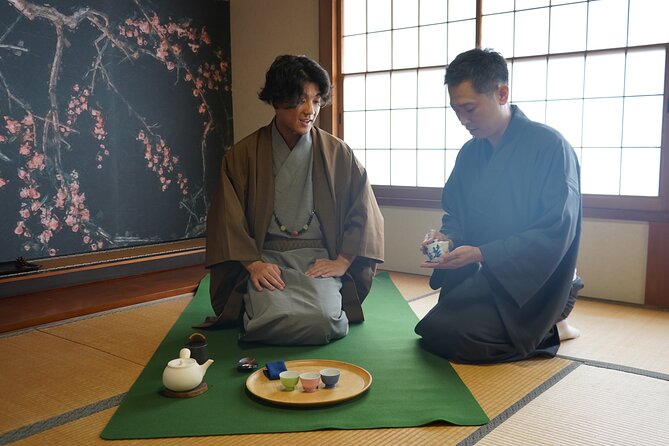
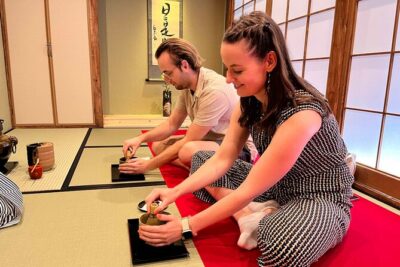
The hands-on section is the heart of the class. You take the tea utensils and follow the master’s instructions to prepare the tea yourself.
This is where the experience earns its difference from a demonstration-only workshop. You can feel the weight and shape of the tools, follow the order of preparation, and see how your choices affect the result. Even a small change in pouring or timing can make the tea taste different.
The teacher guides you carefully through the process. You are not expected to perform a formal ceremony alone or remember every detail after one session. Instead, you get a practical introduction that lets you understand the craft from the inside.
I would pay attention to the simple details: how much tea you use, how the water is added, how long the leaves sit, and how the final liquid is poured. Those steps are likely to matter more than trying to make every movement look perfect.
The class also gives you a chance to compare your tea with friends or family. That is a useful part of the activity. One person’s cup may taste different from another’s, and the comparison turns an abstract lesson into something you can taste immediately.
A welcoming class for families and mixed ages
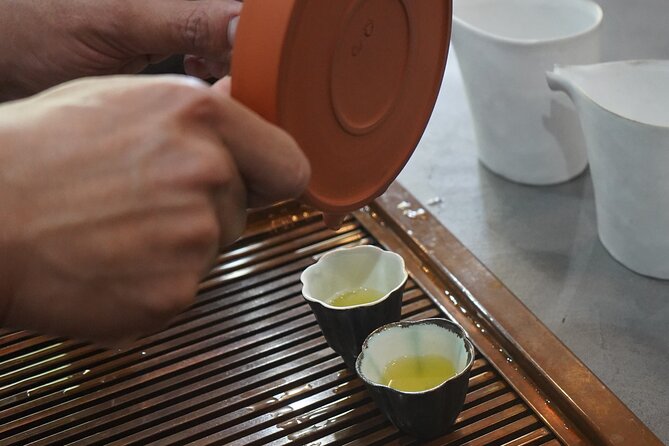
This experience suits a mixed-age group particularly well. A family group that included an 83-year-old mother, adults in their twenties, and a 13-year-old found the activity workable and enjoyable for everyone. That range is worth noting if you are planning a multigenerational day in Hakone.
The class has several entry points. Older family members can focus on the ceremony, sweets, and cultural explanation. Younger participants can take an active role in brewing and comparing cups. Adults may enjoy both sides.
The welcome is described as warm and reassuring, which matters because unfamiliar etiquette can make some people nervous. You do not need to arrive already comfortable with formal Japanese customs. The instructor’s job is to guide you into the setting.
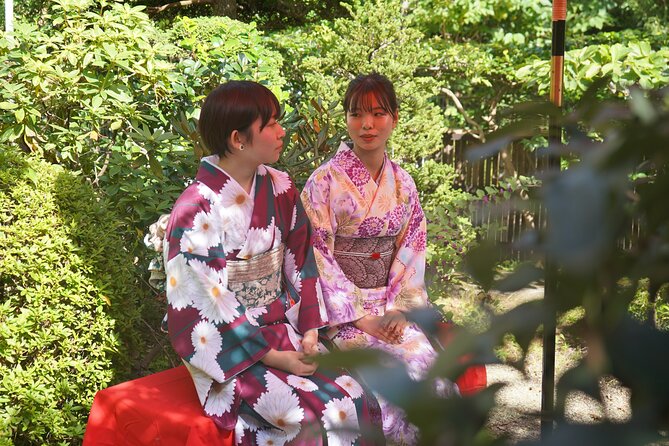
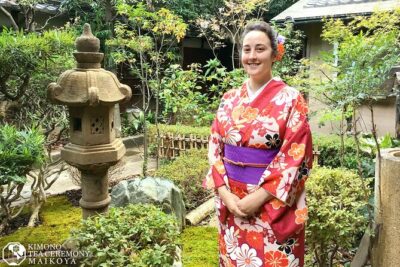
Kimono assistance is also available as part of the experience described by past participants. The people helping with the kimono were praised for their kindness, and the garments were described as beautiful. The supplied information does not give exact details about how long kimono preparation takes or whether it is included for every booking, so confirm that point when reserving if clothing is important to your plans.
Why the $130.82 price may or may not work for you
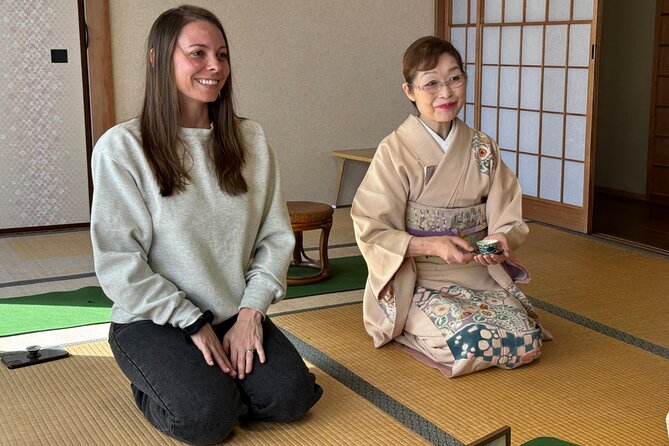
At $130.82 per person, this is not a casual tea stop. You are paying for a guided cultural lesson, traditional instruction, hands-on use of utensils, Japanese sweets, and a roughly two-hour visit with a specialist teacher.
That can be fair value if you want a structured experience rather than a quick cup of tea. The fifth-generation background and Higashi Abe school connection add depth, especially for visitors who care about tradition and technique. Clear English teaching also saves you from missing the meaning behind the gestures.
The price is harder to justify if you mainly want to taste green tea or fill a spare hour. You can find less involved food and drink experiences for less money. This activity makes sense when the ceremony itself is a major part of your Hakone plans.
I would also consider the size of your group. For one person or a couple, the cost is a larger personal expense. For a family looking for one shared activity that crosses generations, the value may be easier to see because everyone can watch, participate, and compare the finished tea.
The average booking point is 31 days before the date. That suggests you should not leave this until the last moment if the time matters to your schedule, especially since the class has a minimum number of participants and can be canceled if that minimum is not reached.
Photos, clothing, and keeping the moment personal
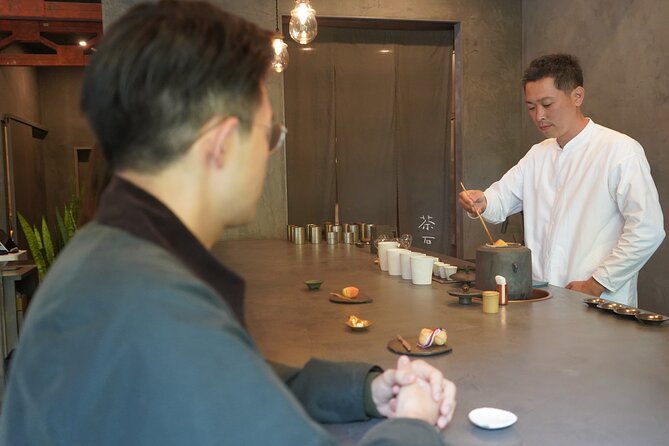
Photography is welcome, so you can take pictures throughout the experience. That is useful during the visual parts of the ceremony and any kimono preparation.
I would still use good judgment. Ask before photographing close-up details of the teacher or other people, and avoid letting your phone distract from the demonstration. The best photographs will probably come from quiet moments rather than constant shooting.
The chance to wear a kimono adds another visual layer, but the central activity remains tea. If you book mainly for costume photographs, make sure you understand exactly what clothing help is included. If you book for the ceremony, the kimono becomes a pleasant extra rather than the whole reason to go.
Weather and cancellation rules
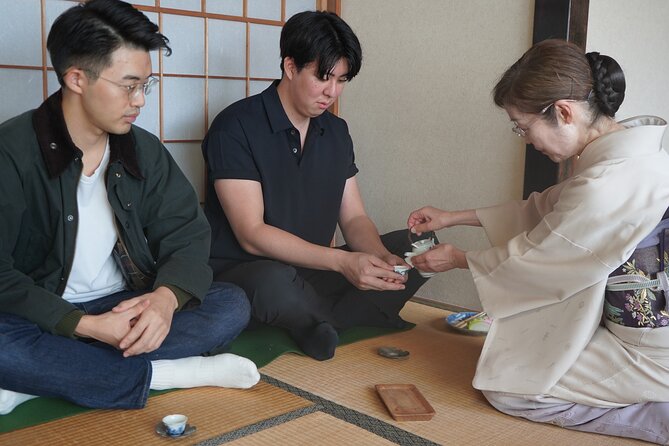
The experience requires good weather. If poor weather causes a cancellation, you are offered another date or a full refund. It also requires a minimum number of participants, and a cancellation for that reason comes with the same choice of another date, another experience, or a full refund.
For your own cancellation, you can receive a full refund if you cancel at least 24 hours before the start time. Cancellations or changes made less than 24 hours ahead are not accepted for a refund.
The cut-off follows local time in Japan. I would check the exact start time before making other Hakone reservations, then keep a little room in your day for transport.
Who will enjoy this most
I would recommend this class to you if you want to understand Japanese tea beyond the familiar matcha image. It is especially suitable for:
- Families with different ages and interests
- Visitors who prefer a guided cultural activity to a passive demonstration
- Tea lovers who want to compare brewing results
- People interested in traditional clothing and photographs
- First-time visitors who value clear English explanation
- Anyone with about two hours to spend in Gora
You may want to skip it if your schedule is packed, your budget is tight, or you are looking only for a fast tasting. The activity is built around patience, observation, and participation. It is not a grab-and-go refreshment stop.
Practical questions before you reserve
The meeting point is Chaseki in Gora, and the activity ends there. Since the location is near public transportation, it can fit into a Hakone sightseeing day, but you should allow time to reach the address.
A mobile ticket is provided. Confirmation normally arrives when you book, except for bookings made within one day, when confirmation depends on availability.
The class lasts about two hours. The maximum group size is 20, and the instructor teaches the process from the first step rather than assuming you already know Japanese tea customs.
Should you book the Supreme Sencha experience?
Book it if you want a thoughtful, hands-on cultural activity and are willing to pay for expert guidance. The strongest reasons are the leaf-tea focus, the chance to handle the utensils, the fifth-generation Higashi Abe school master, and the friendly English instruction.
I would be less quick to book it for a tight itinerary or a low-cost tea tasting. At $130.82, it needs to be a planned experience, not an accidental stop. For a family or couple looking for one memorable Hakone activity, the combination of ceremony, sweets, brewing, and possible kimono moments gives the visit real substance.
FAQ
Where does the tea ceremony take place?
The experience takes place at Chaseki, 1300-307 Gora, Hakone, Ashigarashimo District, Kanagawa 250-0408, Japan.
How long does the experience last?
The activity lasts approximately two hours.
What type of tea ceremony is included?
It is a sencha-do ceremony, which uses green tea leaves infused in water rather than powdered green tea.
Can I make tea myself?
Yes. After watching the ceremony, you can use the tea utensils and learn to brew the tea from scratch.
Who teaches the class?
The instructor is a master of the Higashi Abe school and is described as a fifth-generation tea master. English instruction is available.
Are Japanese sweets included?
Yes. Japanese sweets are served during the tea ceremony.
What happens if I need to cancel?
You can cancel at least 24 hours before the start time for a full refund. Cancellations made less than 24 hours before the experience are not refunded.
Just added around Japan
- Yokohama : Tea Ceremony with Sweets and Souvenir★ 5.0 · 5 reviews
- Whisk Your Own Matcha: A Zen Matcha Experience at Temple★ 3.6 · 7 reviews
- Walking Tour: Yanaka,Nezu& Sendagi: Tea Ceremony & Old Tokyo★ 5.0 · 3 reviews
- Visit local home for music and tea ceremony near Disney★ 4.9 · 13 reviews
- Yokohama: Sushi & Gyoza Cooking with Matcha & GreenTea Experience★ 5.0 · 3 reviews
- Trip to Kamakura & Enoshima: Shrines, Seaside, Temples &Tea★ 5.0 · 11 reviews
- Kyoto tea town for matcha lovers★ 5.0 · 16 reviews
- Uji: Private immersion into Kyoto’s tea and reglious culture★ 5.0 · 17 reviews
Tea Ceremony Experiences, compared.
Tea Ceremony in a Traditional Tea House in Kiyomizu
Read our review →
Browse the lists this tour appears in