
Review · HIROSHIMA
Hiroshima Local guided Hiking Tour&Open-air Tea Ceremony
Mt. Futaba gives you a different view of Hiroshima. Instead of spending the whole morning on the usual city route, you follow a forested pilgrimage path past Shinto shrines, climb to the Futabayama Peace Pagoda, and finish with an open-air tea ceremony above the city. Guides such as Nana, Michi, and Naomi explain the rituals, local customs, and Hiroshima’s recovery in a personal way.
I like the small groups of no more than six and the early start, which leaves the rest of your day free. I also like the mix of walking, shrine visits, quiet forest time, and tea. The catch is simple: you must climb about 500 steps, and steep or uneven sections can feel hard in hot weather.
The key reasons to consider this hike
- A mountain route begins near Hiroshima Station, so you can reach a quiet wooded area without spending half a day on transport.
- Hiroshima Toshogu and Kinko Inari shrines add cultural meaning to the walk, with guides explaining Shinto customs and offerings.
- Futabayama Peace Pagoda gives you broad views toward Hiroshima, the Seto Inland Sea, and Miyajima.
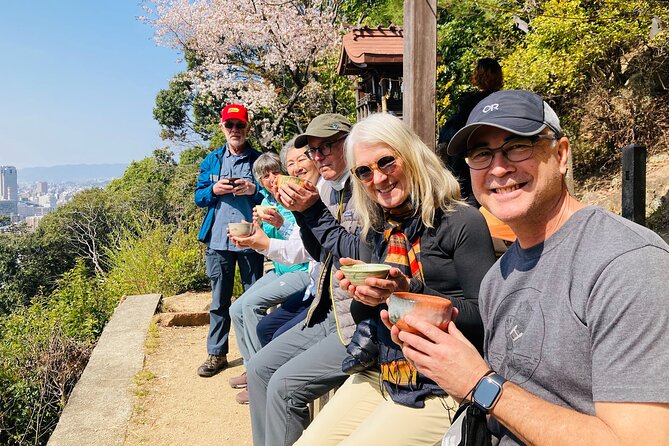
- Nodate tea is served outdoors at the Okumiya shrine, not in a formal indoor tea room.
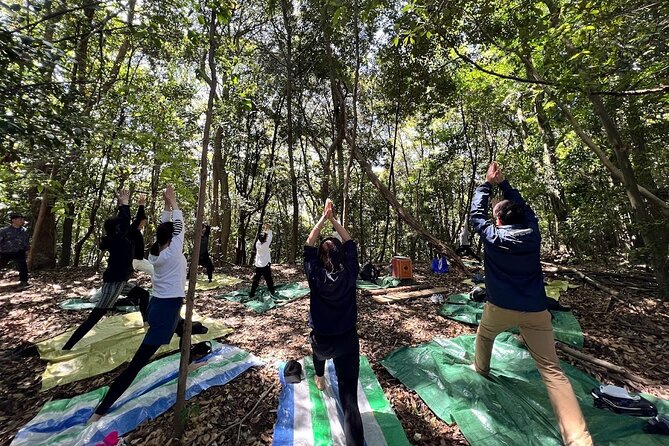
- Forest bathing and a short meditation pause slow the pace and give the morning a calmer rhythm.
- Five percent of the tour fee supports Futaba Mountain conservation, adding a useful local benefit to the booking.
Why Mt. Futaba makes a good Hiroshima morning
Hiroshima is often approached through its most important memorial sites. You should visit the Peace Memorial Park and museum, of course, but that is only one way to understand the city. Mt. Futaba shows you a quieter side, where wooded paths, shrines, Buddhist symbols, and views of the rebuilt city sit close together.
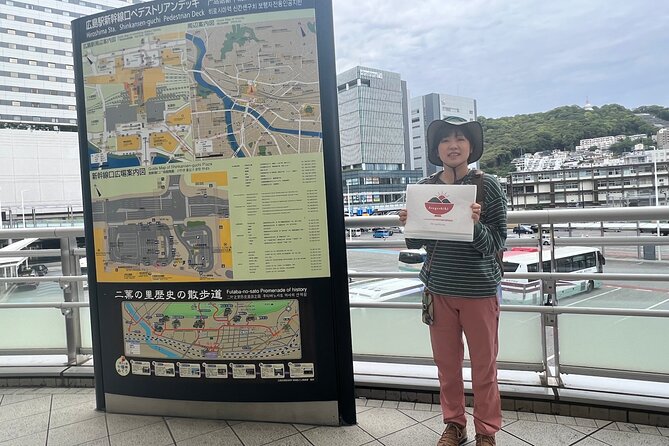
The tour starts at the Shinkansen exit of Hiroshima Station. That is practical for an early morning activity, especially if you are staying near the station or arriving by train. The meeting time can be 7:30, 10:00, or 13:00, depending on the booking you choose. The early option is the best fit for most sightseeing plans because the activity lasts about three hours and returns you to the station by roughly 10:30.
The group size matters. With a maximum of six people, your guide can stop when someone needs a breather, explain a shrine without shouting, and adjust the conversation to your interests. Names that appear among the guides include Nana, Michi, and Naomi. The strongest part of the guiding is not simply giving dates and names. It is explaining what you are looking at and why a ritual matters.
More Tea Ceremony Experiences in Japan:
- Kyoto: Tea Ceremony in a Traditional Tea House in Kiyomizu
★ 4.9 · 3,519 reviews - Kyoto: Tea Ceremony Ju-An at Jotokuji Temple
★ 4.9 · 3,207 reviews - Kyoto: 45-Minute Tea Ceremony Lesson Experience
★ 4.3 · 2,378 reviews
Hiroshima Toshogu, the first cultural stop
After introductions at Hiroshima Station, your guide explains the route and what to expect on the climb. The first stop is Hiroshima Toshogu, a Shinto shrine with important cultural assets and a useful introduction to the religious side of the walk.
This is where the tour begins to feel different from a standard city sightseeing route. Your guide can explain basic Shinto practices, including how to approach a shrine, make an offering, and show respect. If you have visited shrines in Kyoto or Tokyo, you may already recognize the broad pattern, but the guide adds meaning to gestures that can otherwise seem like simple tourist steps.
The shrine visit lasts about 30 minutes. That is enough time to look around without rushing, listen to the explanation, and make an offering if you wish. The route then moves toward Kinko Inari Shrine and the wooded section of Mt. Futaba.
The 500-step climb to Kinko Inari
The physical work starts here. The tour information specifically warns about approximately 500 steps, so do not treat this as a flat city stroll. The climb is described as easy to moderate by people who are used to walking, but the steps and uneven trail can still test you, especially in summer.
The good news is the pace. This is not presented as a race to the top. There are regular stops for shrine explanations, short rests, and views. Guides have also been praised for watching hydration and taking extra breaks in very hot conditions.
You should wear shoes with a firm sole and bring water. The tour includes walking through a forest, and the path may feel steep in places. Families with older children have completed it, but the hike is not ideal for anyone who struggles with stairs or uneven ground. Children aged five and under can join without a charge, though an adult should consider carefully how the climb will work for a small child.
Kinko Inari Shrine adds a strong spiritual note to the route. Your guide explains the shrine’s customs and the meaning of what you see, rather than leaving you to guess. The combination of shrine gates, forest, and rising ground gives the walk a pilgrimage feel without requiring a full-day trek.
Futabayama Peace Pagoda and the Hiroshima view
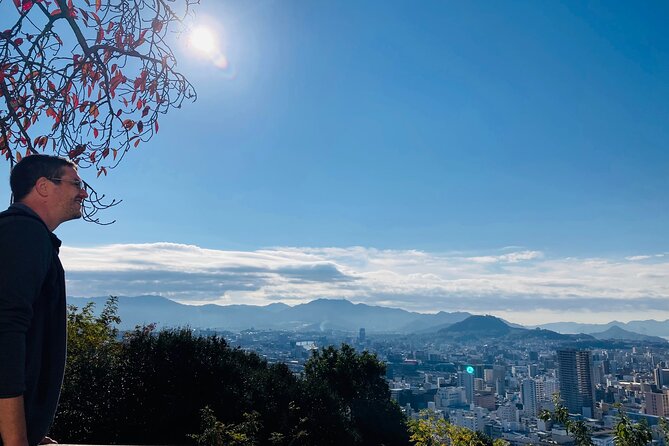
At the Futabayama Peace Pagoda, the reward is a wide view over Hiroshima. You can look across the city toward the Seto Inland Sea and Miyajima. On a clear day, this is the visual high point of the morning.
The view also gives the tour’s historical discussion a useful setting. From above, you can see the scale of Hiroshima and consider how much the city has recovered. Your guide may point out features of the city and connect the view with the story of Hiroshima in a way that feels less formal than a museum talk.
Do not expect a mountain wilderness far from urban life. You are still close to Hiroshima Station, and part of the route passes near city buildings before the trees take over. That contrast is part of the appeal. You move from station platforms and traffic to a quiet ridge with a city panorama in a fairly short time.
The pagoda is also a natural place to rest. If the stairs have taken more out of you than expected, this is the moment to slow down, drink water, and take photographs before continuing.
A few more tea experiences around Japan worth a look
- Hiroshima: Morning Hiking Tour with Open-air Tea Ceremony
★ 4.8 · 58 reviews - From Sapa: 1-Day Guided Trek to Lao Chai & Ta Van with Lunch
★ 4.9 · 416 reviews - Half Day Sapa Trekking to Visit Lao Chai – Ta Van
★ 4.7 · 126 reviews - One Day Sapa Trekking to Lao Chai and Ta Van Villages
★ 5.0 · 80 reviews
Forest bathing and a quieter pace
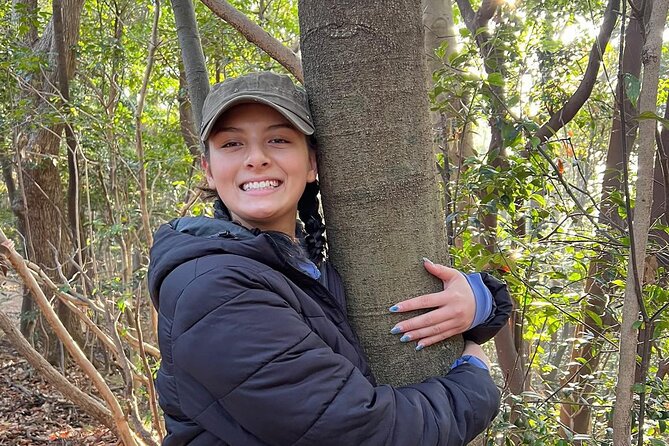
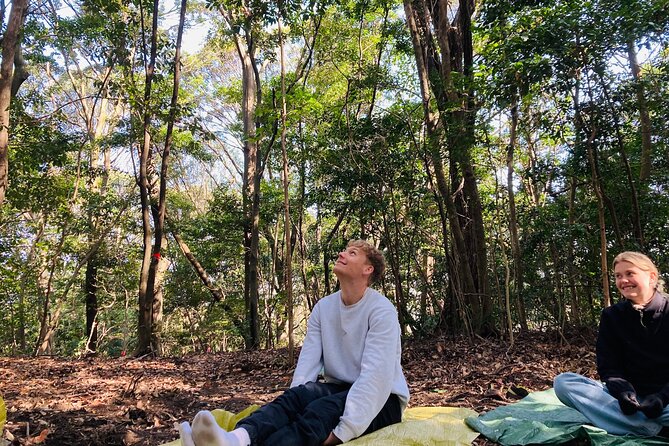
The route includes a period described as shinrinyoku, or forest bathing. Here, the point is not exercise or sightseeing speed. You pause among the trees and pay attention to the setting, with the guide helping you settle into a slower experience.
A short meditation or sensory exercise may be part of this section. You might be asked to focus on sounds, sights, or other simple details around you. It is a modest activity, but it changes the rhythm of the tour. After shrine explanations and climbing, you get time to notice the forest itself.
This is one of the tour’s more unusual features. Many Hiroshima excursions move from one landmark to the next. This one asks you to stop and be quiet for a while. If you want constant historical commentary, the pause may feel long. If you need a break from busy sightseeing, it can be exactly the right addition.
Nodate tea at the Okumiya shrine
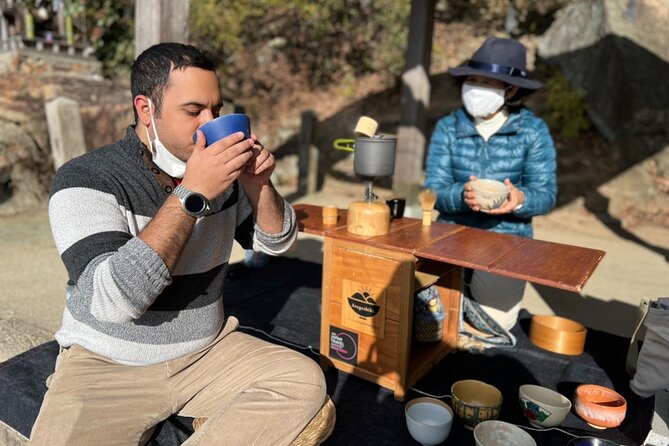
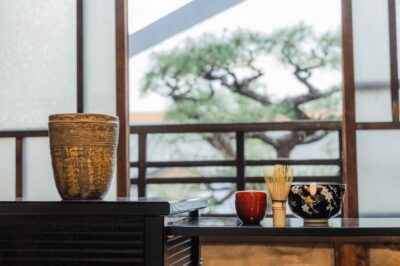
The final major experience is Nodate, an outdoor tea ceremony held by the guide at the Okumiya shrine. This is not the highly formal tea-room ceremony that some people picture. It is a simpler open-air tea service, shaped by the mountain setting and the view.
You drink tea near the shrine while looking over Hiroshima. Depending on conditions, the drink may be especially welcome after the climb. One account describes cold green tea on a very hot day, which shows the practical side of the experience as well as the cultural one. The tea is not just a performance placed at the end of a tour. It gives you time to sit, talk, and take in the view.
The tea ceremony lasts about an hour in the published schedule, though the full activity is listed at approximately three hours. Timing can vary with the pace of the group and conditions on the trail. Your guide handles the service and explains what is happening, so you do not need prior knowledge of tea etiquette.
I would not book this solely as a tea ceremony. The tea is most meaningful because you reach it by walking through the shrines and forest. If your main goal is a highly formal tea school presentation, another activity may suit you better. If you want a relaxed cultural moment outdoors, this format is more personal and less intimidating.
What the guides add
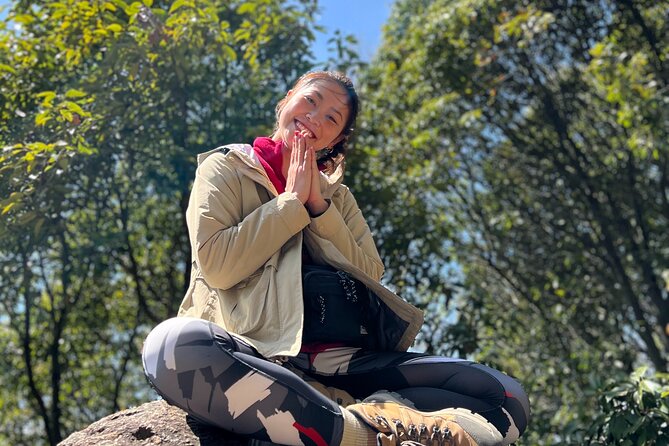
The human side of this tour receives its strongest praise. Nana is described as warm, upbeat, and clear when explaining shrine customs. Michi is noted for thoughtful guidance and a kind manner. Naomi is praised for making the tea ceremony feel welcoming and for giving extra care to the group.
That matters on this route because the physical and cultural parts are closely linked. A guide who simply leads you uphill would leave much of the experience unexplained. Here, the guide can tell you why people bow, how offerings work, what different shrine areas represent, and how Shinto and Buddhist elements appear along the route.
The guides also help with the practical side. On hot days, the best approach is to slow down, drink often, and use the scheduled pauses. The route has been manageable for people who do not consider themselves serious hikers, but the experience becomes much more pleasant when you accept the steady pace instead of trying to finish quickly.
Price, group size, and value
The price is $109.43 per person. That is not the cheapest way to spend three hours in Hiroshima, but the value is easier to understand when you look at what is included.
You are paying for a local guide, a small group, shrine visits, route leadership, cultural explanations, a forest bathing pause, the mountain viewpoint, and the Nodate tea service. You also avoid having to work out the shrine route on your own. Since the path includes stairs and turns through Mt. Futaba, that guidance has real value.
The maximum group size of six is another reason the price can make sense. A private guide would cost more, while a large bus tour would offer less room for questions and quiet pauses. Five percent of the fee goes toward Futaba Mountain conservation, which gives part of the payment a direct local purpose.
The tour is usually booked well in advance, with an average booking point of about 43 days before the date. If your Hiroshima schedule is fixed, reserve early rather than assuming you can decide at the last minute.
Timing, weather, and what to bring
The early morning departure is the strongest choice. Starting at 7:30 gets the hike done before the middle of the day, leaves time for the Peace Memorial Park afterward, and may be more comfortable during warmer months. The 10:00 and 13:00 options offer flexibility, but the afternoon start gives you less sightseeing time later.
Good weather is required. If poor weather causes cancellation, you are offered another date or a full refund. You can also cancel for a full refund up to 24 hours before the start time. Arrive on time at Hiroshima Station, since being more than 10 minutes late without contacting the operator can result in cancellation with the full fee charged.
Bring comfortable walking shoes, water, sun protection, and clothing suited to the forecast. The hike is short, but the steps and heat can make it feel more demanding than the distance suggests. The route is near public transportation, and the tour ends back at the same station meeting point.
Who should book this experience
I would choose this tour if you want to see a quieter side of Hiroshima and enjoy learning through conversation. It suits couples, families with active teenagers, solo visitors who prefer a guide, and anyone who wants nature and culture in the same morning.
It is especially useful if you have already planned the major memorial sites and want something less formal. The small group, forest route, and open-air tea make it feel more personal than a standard landmark tour.
I would hesitate if stairs are difficult for you, if hot weather is a serious concern, or if you want a completely easy walk. The trail is manageable for many people, but the 500 steps are not a minor detail. I would also choose another activity if your main interest is a long mountain hike, since this is a short cultural walk rather than a full wilderness outing.
Should you book the Mt. Futaba hike?
Book it if you want Hiroshima to be more than museums and memorials. The tour gives you a shrine route, a forest pause, a broad city view, and tea served outdoors at a sacred mountain site. The guide’s explanations are central, so the experience works best for people who enjoy asking questions and paying attention to local customs.
Skip it if you need a flat route or have only a few hours that must be spent at the Peace Memorial Park. For most active visitors with a free morning, though, this is a thoughtful addition to a Hiroshima itinerary. Start early, wear proper shoes, and treat the climb as part of the experience rather than an obstacle before the tea.
FAQ
Where does the tour start?
It starts at Hiroshima Station, at the Shinkansen exit, in the Matsubaracho area of Minami Ward.
Where does the tour end?
The tour ends back at the Hiroshima Station meeting point.
How long does the experience last?
The experience lasts approximately three hours.
What start times are available?
The listed start times are 7:30, 10:00, and 13:00.
How many people can join the tour?
The maximum group size is six people.
How many steps are on the hike?
You need to climb approximately 500 steps on the route.
Is the tour suitable for children?
Children aged five and under can participate for free. The activity information also states that most people can participate, but adults should consider the stairs and uneven trail for young children.
What will I see on the route?
The route includes Hiroshima Toshogu Shrine, Kinko Inari Shrine, Mt. Futaba, the Futabayama Peace Pagoda, and an Okumiya shrine area.
Is tea included?
Yes. The guide provides a Nodate, or open-air, tea ceremony at the Okumiya shrine.
What happens if the weather is poor?
The experience requires good weather. If it is canceled because of poor weather, you can choose another date or receive a full refund.
Just added around Japan
- Yokohama : Tea Ceremony with Sweets and Souvenir★ 5.0 · 5 reviews
- Whisk Your Own Matcha: A Zen Matcha Experience at Temple★ 3.6 · 7 reviews
- Walking Tour: Yanaka,Nezu& Sendagi: Tea Ceremony & Old Tokyo★ 5.0 · 3 reviews
- Visit local home for music and tea ceremony near Disney★ 4.9 · 13 reviews
- Yokohama: Sushi & Gyoza Cooking with Matcha & GreenTea Experience★ 5.0 · 3 reviews
- Trip to Kamakura & Enoshima: Shrines, Seaside, Temples &Tea★ 5.0 · 11 reviews
- Kyoto tea town for matcha lovers★ 5.0 · 16 reviews
- Uji: Private immersion into Kyoto’s tea and reglious culture★ 5.0 · 17 reviews
Tea Ceremony Experiences, compared.
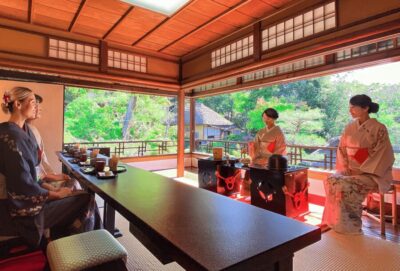
Tea Ceremony in a Traditional Tea House in Kiyomizu
Read our review →
Browse the lists this tour appears in